
You Enquire
Begin with our online form. We then connect for a detailed conversation
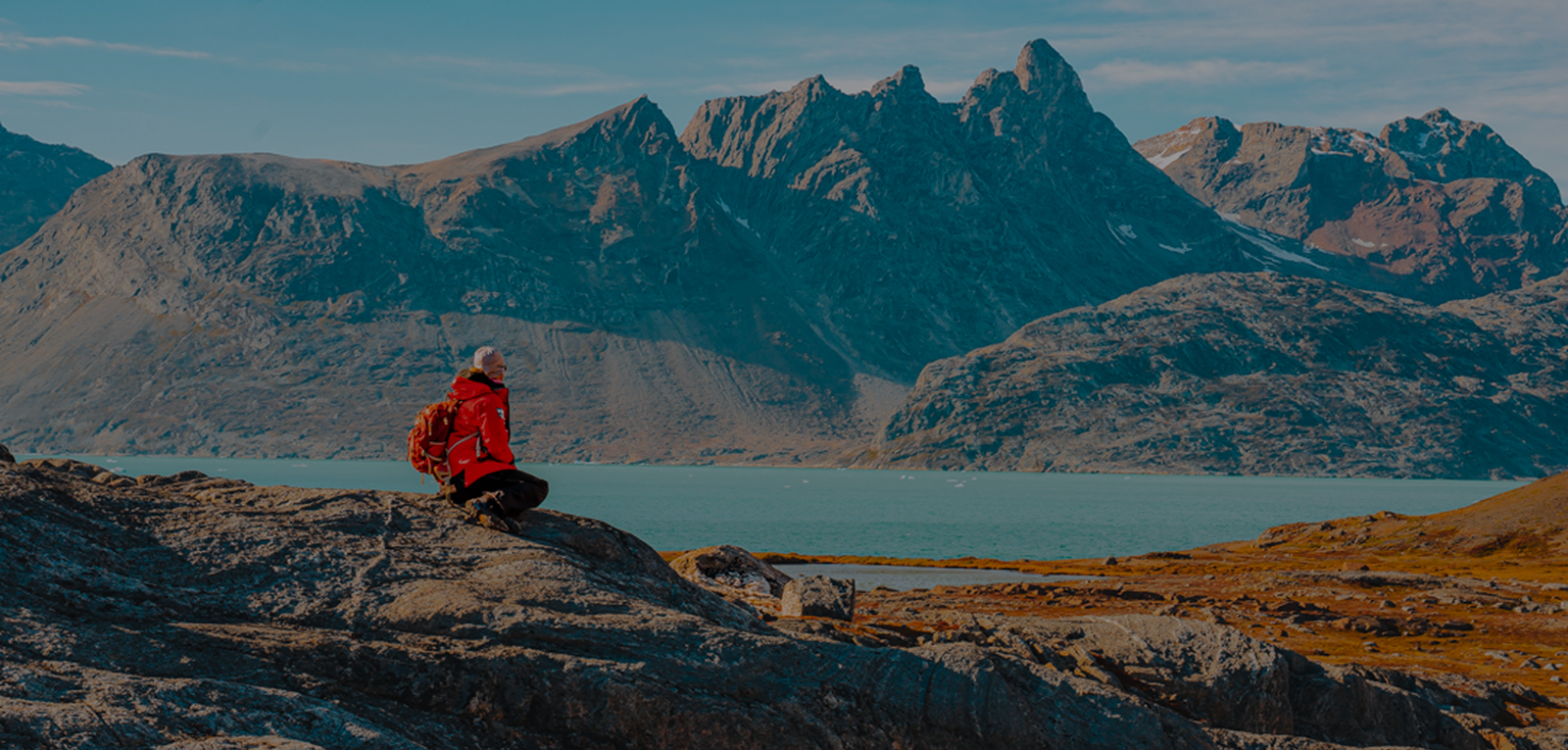
In this post, you’ll read about my experience of visiting Switzerland in winters, where I talk about my business class experience with the Swiss, exploring the Lauterbrunnen Valley and attending the Lauberhorn Ski World Cup. Also, I’ll share travel tips on where to stay, what to shop and which season is the best season to visit Switzerland. So, without further ado, let’s begin!

I was in class 5 when a new classmate, Shiv, had joined. Within no time, this little boy with peach complexion and blue eyes had created a massive fan club comprising of classmates and teachers. Besides his chocolaty looks, his last place of residence had earned him brownie points. His eyes would glow when he would describe Switzerland. “Swiss Alps are dreamlike…. trains always run on time…the lakes there are so clear you don’t need a mirror…and there’s absolutely no comparison of Swiss cheese and chocolate”, he said. His words and gestures created the magic that even Yash Raj couldn’t build on 35mm. And, just like that, I fell in love. Not with the boy, of course, but with the place.
Since then, I started dreaming about the Swiss Alps. I would imagine the majestic Matterhorn and Jungfrau summits shimmering in the crimson golden-glow of the sunlight as the misty clouds played hide-n-seek in the Bernese Oberland mountains. I would dream of beautiful cows gingerly grazing as the big Swiss bells hanging on their necks made a sweet symphony in the middle of green meadows.

My dreams were finally realised in the 2000s when I visited the country not just once but twice. However, both the times it was in the summertime, which I loved. But being a mountain lover (who’s crazy after snow) I would dream of snow-white Switzerland. The allure of winter lies in nature—so immense, overwhelming and, of course, achingly beautiful. So, when Swiss International Airlines (SWISS) reached out to me for a winter trip to attend the Lauberhorn Races, jumped at the offer. I could barely contain my happiness and I have to admit, it was a great start to the new year. Here’s what I experienced:

Although I had only spent six days in Switzerland, I felt like my journey started much before I arrived – thanks to my SWISS flight. My flight was after midnight – 2 am – so, I made full use of my flatbed seat in the spacious business class, which had an in-built massager too. And, before sleeping the friendly cabin crew made sure I ordered my breakfast from the myriad choices available onboard.


As soon as I landed in Zurich, after collecting my luggage, I freshened up in the Swiss Arrivals Lounge, located directly after Customs. The lounge offered 20 luxurious showers named after a different city, a separate quiet area and an extensive breakfast buffet for incoming passengers like me. (Read more about my Fly Swiss experience in my next post).
Feeling as fresh as the Swiss Air, I was all ready to explore the wintery beauty of the country by combining a city break in Zurich with a ski holiday in the Jungfrau region. The best part was I did not have to go far to catch the train. The SBB travel centre was located below the Airport Center in the Check-in 3 area. Luckily, I had bought the eight days Swiss Travel Pass beforehand, which is by far the best way to explore Switzerland – an all-in-one ticket that lets you travel unlimited by all means of public transport – train, bus and boat – throughout the whole of Switzerland. And it includes many bonus benefits as well as free admission to more than 500 museums.

What I liked most of the Swiss trains is their punctuality, comfort, and convenience. Just like their clockwork, Swiss trains run with impeccable precision and efficiency. You can get just about anywhere quickly, comfortably and efficiently on the train and the views can’t be beaten.
Like a seven-year-old kid, I stared out of the window enjoying the sweeping views of the Swiss countryside blanketed in snow. My eyes were sparkling like diamonds gazing at the mighty Alps, glistening turquoise blue lakes, deep black forests with frozen white tips, rushing rivers with frozen waterfalls and charming chalets and churches dotted around snowy fields. The natural beauty of the countryside is charmingly contrasted with the views of culturally rich cities like Zurich and Bern. In between my 2h 20 minutes journey from Zurich to Interlaken, I took out time to enjoy a hot cup of coffee served at my seat. You could also enjoy a freshly prepared meal on board, either in the dining car or at your place.

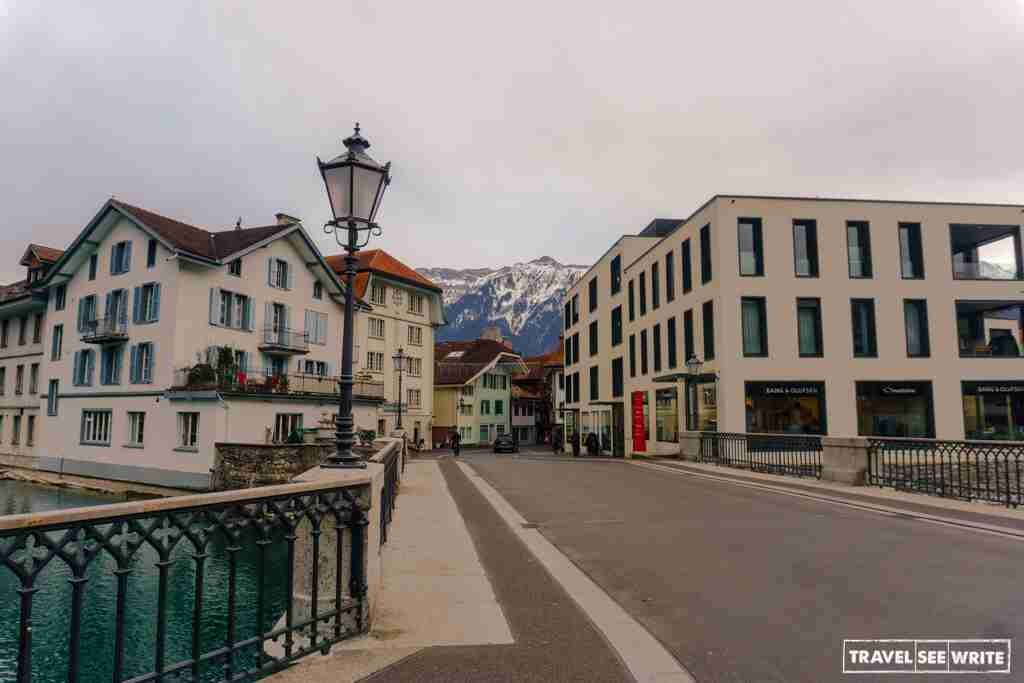
At around 11:30 am as I alight from the train, a brisk winter wind hits my face in the sleepy resort town of Interlaken, which otherwise is bustling with tourists in summer. The town got its name from its unique location – lying on an alluvial plain between Lake Thun and Lake Brienz. The vacation destination, which is guarded by the three mighty mountains – Eiger, Mönch and Jungfrau – is the starting point for numerous activities in the Bernese Oberland.

Despite the cold, everyone seemed to be enjoying the great Swiss outdoors – some are paragliding, others opt for a boat ride in the lake or go skating in the rink just outside my hotel – VICTORIA-JUNGFRAU Grand Hotel & Spa.
Staying here is like delving into a nostalgic luxurious past. It’s a kind of place you read in books or see in movies. The hotel had mainly remained the same as it was built in 1865 is one of Switzerland’s most historic luxury hotels. Despite functioning over 150 years, it has maintained its status and charm by committing to the finest Swiss traditions of hospitality while still moving with times.


No wonder it was a favourite of Yash Chopra where he had a Bollywood cinema-themed suite. He played a significant role in capturing Switzerland’s picturesque landscape in his movies. He thus earned the title of Ambassador of Interlaken, and a special Yash Chopra Statue and Yash Chopra Train were inaugurated in his honour in Interlaken. I had almost a full day at my disposal, so I decided to take it slow and explore the old town on foot.
Related: One of the best ways to enjoy Swiss winters is by soaking yourself in the thermal baths in Switzerland.

The next day I was back at the station to take the scenic train with my local hosts – Celina Finger and Renato Julier – from Interlaken Tourism. We took a train from Interlaken Ost to Grindelwald, where we boarded another mountain train that trundled on up to Kleine Scheidegg. From there, we walked for around 45 minutes to Wengernalp. The whole journey was so atmospheric and magical; I felt like I was in a snow globe. Snow left the countryside blanketed in white, and small Swiss villages stood out against the dazzling background. The undaunted hills were dotted with resolute sun blackened wooden houses. The clouds hung low in between the valley and the towering peaks. Far away, the sun was waking up from his slumber.


While we preferred to walk to the ski village, many were snowboarding, skiing, sledging, or taking the helicopter ride. The stunning Alpine villages of Lauterbrunnen, Grindelwald and Wengen – and the soaring Eiger, Monch and Jungfrau peaks that guard them left me utterly awestruck as JRR Tolkein was in 1911. No wonder the Rivendell Valley in his books – the Lord of Rings and the Hobbit are based on his adventures in Switzerland.

My main reason to visit Switzerland in winters was to attend the Lauberhorn Ski World Cup. The international Lauberhorn ski races were held for the first time in 1930, and since 1966 they have taken place within the framework of the FIS Alpine Ski World Cup. The best in the ski world compete in the three disciplines of Alpine Combination, Downhill and Slalom for the best time and the prize money. It’s one of skiing’s classic races at an iconic venue on a leg-jellying track with a fearsome reputation. The Wengen downhill is the oldest, longest and fastest on the men’s World Cup circuit, and one of those titles coveted by the speed freaks, like a grand slam in tennis or a major in golf. This year 61,000 spectators were present in Wengen while millions followed it on Television. All the VIP areas and grandstands were completely sold out.

Thankfully I was booked at the Canadian Hospitality Corner where I watched the race from the comfort of a cosy lounge. The Swiss crew made sure we were well fed and hydrated.

But before the race began, we were entertained by a fabulous airborne spectacle by the Swiss Airbus and Patrouille Suisse pilots (official Swiss Air Force) over Eiger, Mönch and Jungfrau.


And, then the real action began – Lauberhorn Downhill Race. After the race, we took a train back to Interlaken. I enjoyed the evening savouring the Swiss fondue at Swiss Chalet and watching the ice-skaters on Top of Europe ICE MAGIC rink.


The next day started on a similar note. Although, this time instead of going to Grindelwald, we went to Wengen via Lauterbrunnen. Friendly, beautiful and car-free, Wengen looked as if it was lifted from a chocolate box cover and is best discovered on foot. The 30-minute walk was just so atmospheric and magical. Sitting pretty on a sunny shelf above the Lauterbrunnen valley in the Bernese Oberland region of Switzerland, the town was chock full of timber-clad chalets and grand 19th-century hotels, reached by a rack railway from the valley floor.

From the comfort of a cosy SWISS lounge, specially constructed for the event, we saw the winners complete their races successfully. The icing on the cake was interacting with the pilots that performed in the Air show, a day earlier.

And, once the races were completed, it felt like heavens were celebrating their wins too. Soft snowflakes started falling, and the whole valley was covered with fresh snow.


More of Switzerland was calling. So, after spending a few invigorating days in the storybook countryside of the Jungfrau region, I headed to a big city, Zurich, to savour the city life and the cultural vibe. Stay tuned for my next post where I’ll share my urban adventures and a day-trip to Lucerne.


The small country though it may be, Switzerland always seems to find room to accommodate something wonderfully of its kind. I hope this article can inspire you to explore Swiss Alps and its cities. If you have any questions, drop them below, and I’ll reply asap.



I was invited to visit Switzerland by Swiss and My Switzerland. Everything expressed above is based on my personal experiences in the country, and all the images are shot by me. Please don’t use any image or text without my written permission.

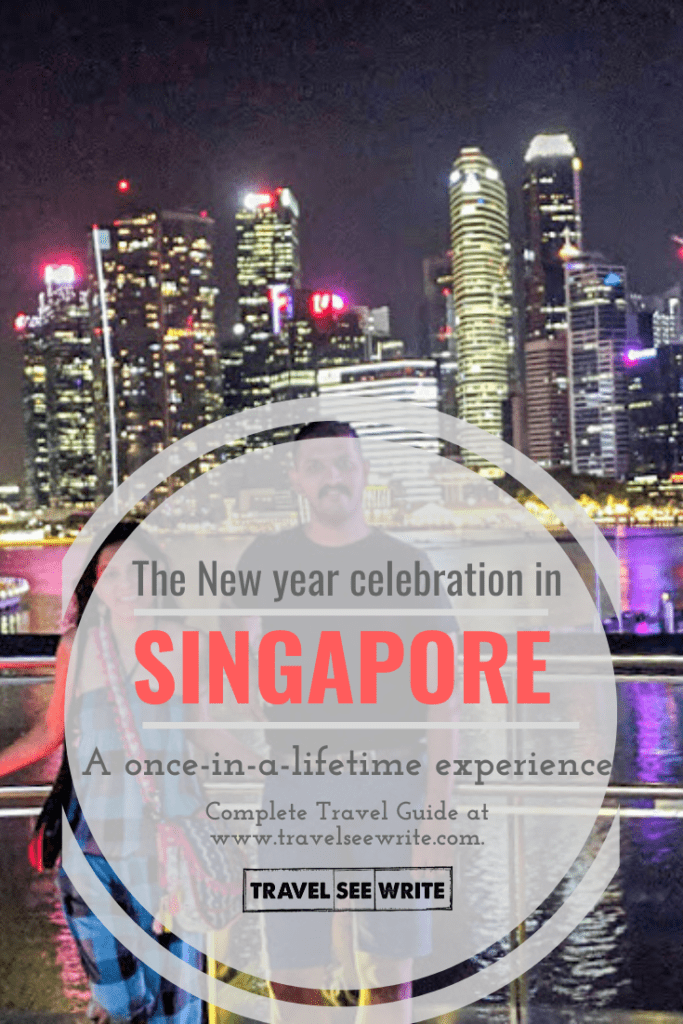
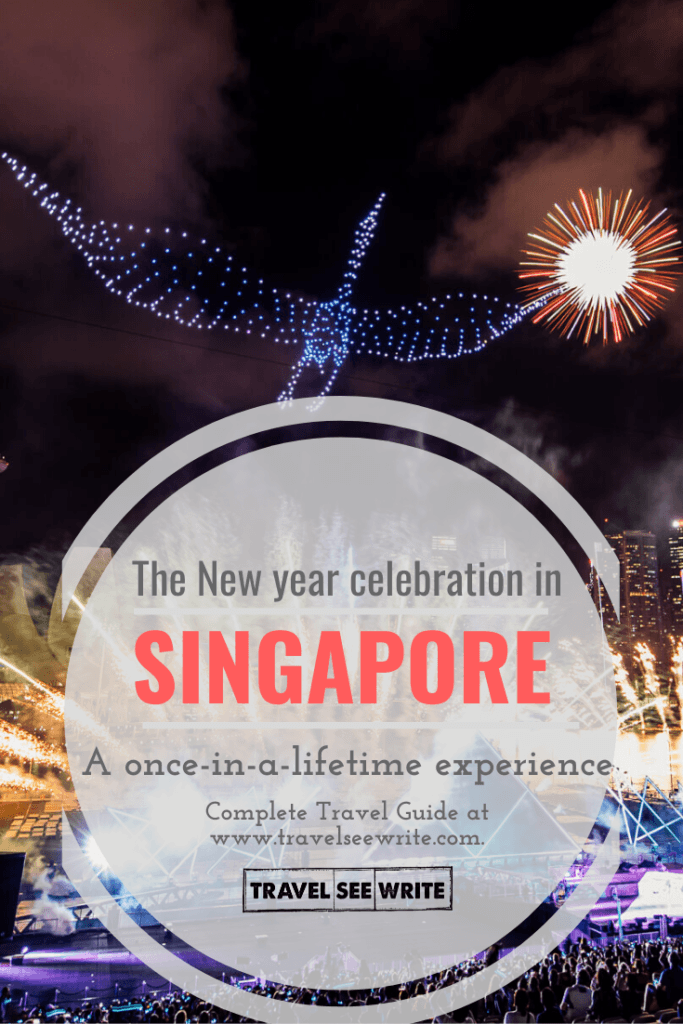
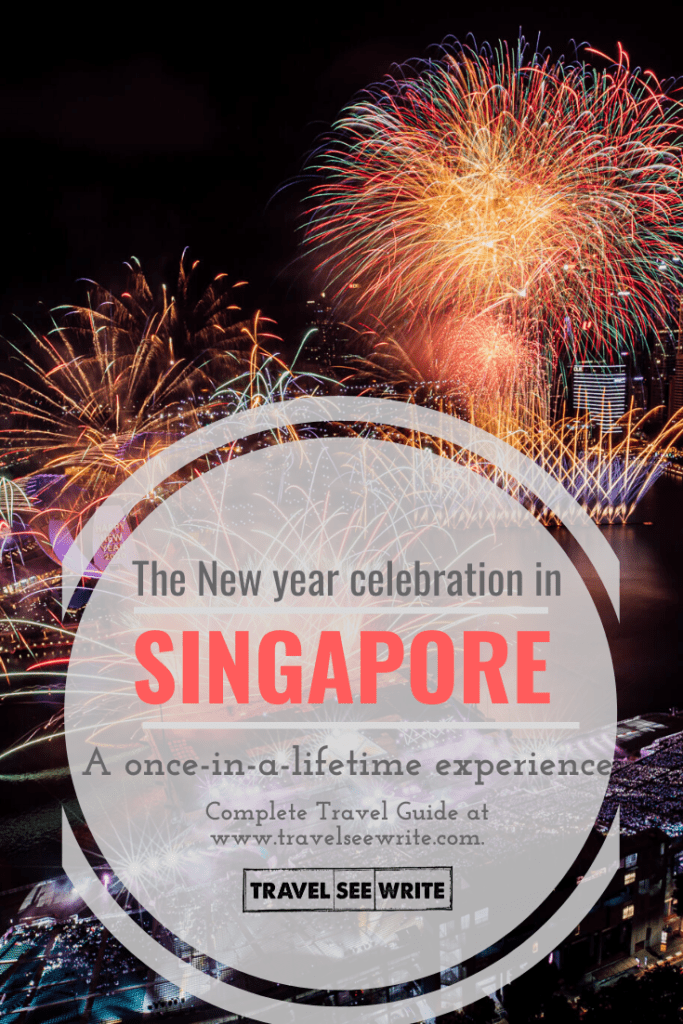
Imagine at the stroke of midnight on January 1, you usher into a new decade with 16,000 fireworks and 500 drones lighting up the sky along with an on-ground 90-minute high octane, colourful performance by dozens of unicyclists, ballet dancers and fire entertainers. Seems too good to be true, right? But that’s what I witnessed during the New Year Celebration in Singapore.
I am not a fan of showing your love towards your near and dear ones on special days like the Valentine’s Day, Rose Day, Friendship Day, Mother’s Day, and the other innumerable ones that were invented by marketing folks to sell their products. However, the New Year celebration has always been very special as it marks the beginning of something promising – a new year filled with new hopes and dreams. Now it has become a kind of a ritual to ring in the new year at a new destination every year with my close friends. This year was no different as I witnessed one of the best New Year celebrations in the world – Singapore Marina Bay Countdown.
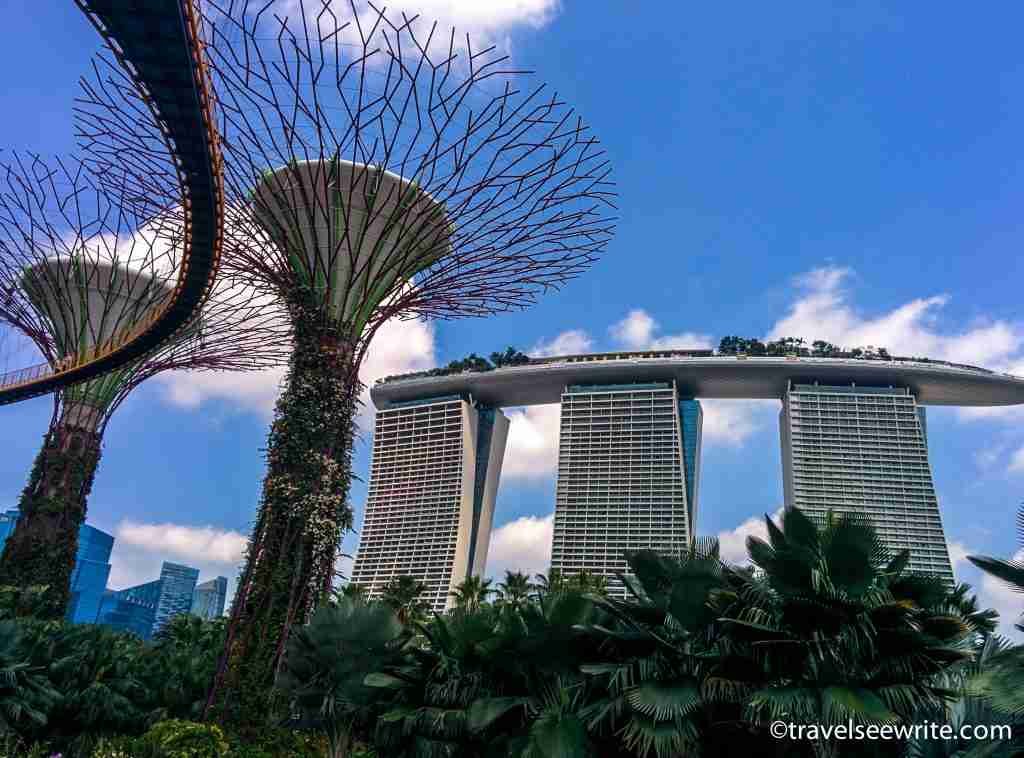
Singapore is one of my favourite cities in the world for a city break – thanks to excellent international connectivity and fab local transport, everyone can fly-in easily and explore the city without any hassles. From swanky shopping malls of Orchard Road to unspoiled nature of Pulau Ubin, there’s no shortage of choices in Singapore. Whether you are looking for shopping, eating, exploring or just having a good time, Singapore always has something for you. Communication is never an issue, as English is the primary language. When it comes to food – you can have what you want – all kinds of international cuisines are readily available (unless you are looking for vegetarian food in a hardcore Chinese neighbourhood).
After experiencing the fireworks in Australia, Europe and America over the last few years, I wanted to start a new decade with a bang. And, the New Year Celebration in Singapore happened to be a perfect choice.

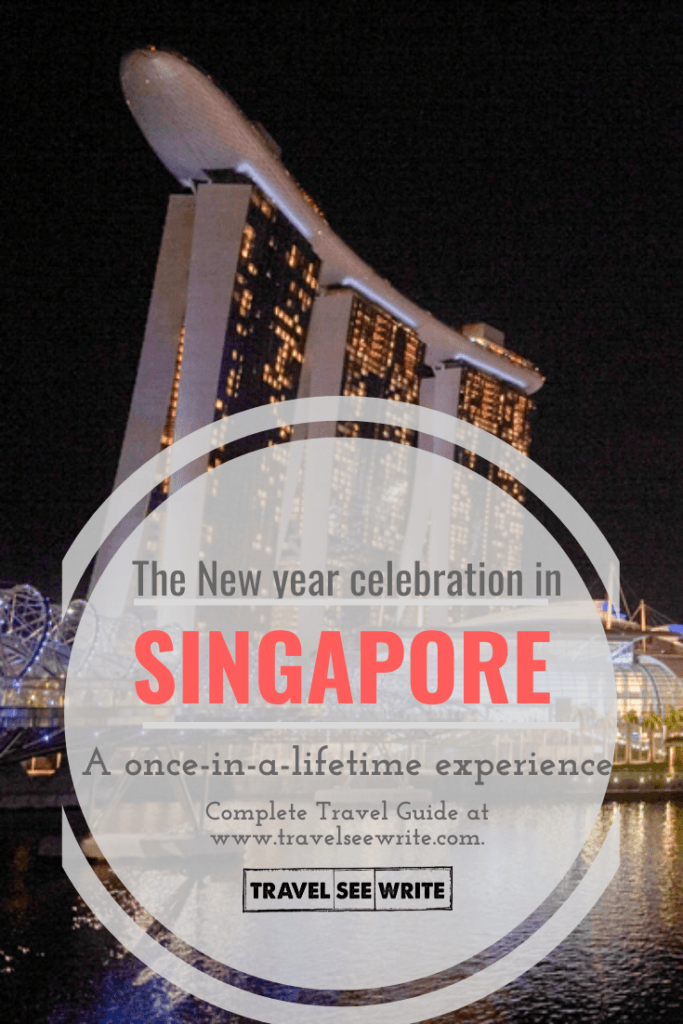
While you can soak in year-end celebrations all across the island, the Marina Bay Singapore Countdown is one of the city’s largest and most popular parties. It’s truly a feast for the senses —the year-end festivities light up the iconic Marina Bay skyline with a scintillating display of fireworks and on-ground festivities filling the bustling streets.
On December 30, I arrived with my friend Swapnil Kulkarni from India to meet another friend of ours, Denise, who was travelling from another country.

Our journey started with a happy and comfortable note as we were travelling with my favourite Airlines, Singapore Airlines. I genuinely love them (nobody paid me to say this) for their impeccable timing, service, food, inflight-entertainment, staff attitude, overall comfort and above all, the Changi Airport, that is like a destination in itself.

After checking-in at our hotel Carlton Singapore, we straight away ventured out to check the fantastic light projections that transformed the facades of some of the most iconic buildings of Singapore – the ArtScience Museum, the Merlion and the Fullerton Hotel Singapore.

The interesting thing about these projections was that they were a part of ‘Build a Dream’ campaign designed to support the underprivileged in fulfilling their dreams and personal development. And, the artworks beamed on the buildings were made by the same kids whose lives were being transformed. Now isn’t that a great way to celebrate a New year?

Next day after a delicious breakfast, we decided to explore the city. Until lunch, we roamed around the Marina Bay area to absorb the festive vibe of the town. The tourist attractions and malls were bustling with revellers. Wherever we looked – we saw happy faces rejoicing the live DJ performances, exploring the family-friendly entertainment zones, or munching the wide variety of mouth-watering delicacies at the food village. Singapore became a mini world – there were tourists from as far as Latin America, Europe, North America, Japan, Korea and Europe.

Post lunch we decided to do something that we hadn’t done for ages – watching a circus – the Great Circus of Europe, presented by Uncle Ringo, as part of the Marina Bay Singapore Countdown 2020 celebrations. The show brought together an ensemble cast of world-class performers from across Europe who entertained us by their action-packed circus acts. ⠀

The acts were so exciting that they kept us on the edge of our seats. The whole time I held my breath looking at the perfectly timed intricate acrobatics, gravity-defying aerial performances, daredevil motorbikers in a circular iron cage, and more! While families mostly attended it with young kids, there were a lot of youngsters as well as senior citizens too. There were many games and fun activities to involve the audience.
Once the awe-inspiring performance was over, I walked through the carnival area buzzing with activities – different kinds of games, thrilling rides and delectable delights at the food street. Spending time here was going back to childhood. It’s a must-visit for families.

And, finally, the moment that I had waited for months arrived. Around 7:30 pm, we reached ‘the Float’ at Marina Bay, where the main event was to take place. Although, the actual event was to start at 10:30 pm but to avoid the traffic and crowd we decided to reach early and have dinner at the venue itself which was thronged by long queues of people standing for food and drinks.

At 10:30 pm the multi-sensory musical show started. Centred around the theme – A SPACE ODYSSEY – the show transported spectators to a mysterious parallel galaxy where we experienced the magic of an immersive and futuristic Hanabi (Japanese word meaning Fireworks) cultural and entertainment show. The experience was designed to make us travel through space across six sections: Ceremony, Another Earth, Galaxy Party, Gravity, Microcosmos and the Grand Finale. Each section was choreographed to a unique soundtrack delivered via 3D surround sound technology. We could hear the sound from different directions and distances, mimicking the way we listen to things in real life.

After approximately 20 minutes, we witnessed Singapore’s largest drone show with 500 drones synchronised to spectacular 16,000 fireworks, light projections, 3D sound and pyrotechnics. The drones lit up the night sky at Marina Bay, creating formations such as a spaceship and a whale, and culminating with an eight-minute fireworks display at midnight. Japanese entertainment group Avex produced the fireworks show.


As the new year live countdown began, we hugged and wished each other a happy new year at the stroke of midnight. For 90 minutes the dazzling fireworks display bedazzled the onlookers. It was indeed a night to remember.
On top of attending the most epic NYE fireworks display in Singapore, something else caught my attention too. I noticed how well an event of such a mega-scale was organised. There were over one hundred thousand visitors in the area, yet everything was in order — no chaos of any kind and no leftovers. A team of 250 cleaners and more than 150 National Environment Agency’s litter-free ambassadors went around the Marina Bay and Civic District to clean up the area after the countdown party.
I wish someday we can organise an event of this scale so efficiently. Attending the Marina Bay Singapore Countdown 2020 was one of the best new year celebrations I have attended so far. I highly recommend it.


Have you been to Singapore during the New Year celebration? How was your experience? Please do share your feedback in the comment section below.
I was invited to Visit Singapore during New Year’s Eve celebration. Everything expressed above is based on my personal experience in the country. All images used were either shot by Swapnil, me or provided by the company. Please don’t use any image or text without my written permission

Mostly, advertising exaggerates brand promise. But when it comes to Kerala, it does live up to its slogan – God’s own country. Rare are the places blessed with as much breath-taking beauty, unmatched heritage and rich culture as Kerala is. From soothing backwaters, stunning lighthouse lined beaches, abundant wildlife and dreamy hill stations to imposing forts, intricately designed temples, mosques, churches and Ayurveda retreats – the state has everything any traveller could ask. But for me, it was the people that exposed me to the human side of the state and made me fall in love with God’s own country.
While I have been to the state several times in the last two decades, yet every time I return with a new heart-melting tale. This time was no different – I visited the most stunning but relatively lesser popular places of Kerala, Munroe Island.
I was looking for a place that had the same ethereal beauty as a more popular place like Alleppey has but is relatively unexplored, and that’s when my local friend, Sreekesh, came into the picture.

While most people explore the more famous backwaters from Alleppey in luxury houseboats, I decided to take a different course after hearing Sreekesh speak so fondly about his hometown, Munroe Island. An island, which he fondly calls the secret backwaters of Kerala. Unlike Alleppey, it is an untouched destination set amidst sprawling nature away from the claws of over-tourism and commercialisation. And boy, visiting Munroe Island, turned out to be one of the best decisions of my Kerala trip.

The most striking thing about the island ( locally called as Mundrothuruthu) was its location – at the confluence of Ashtamudi Lake and the Kallada River. Comprising of a group of eight small islets, this hidden piece of nature got its name in honour of Resident Colonel John Munro of the former Princely State of Travancore, who dug canals to connect them. Away from the hum-drum of the city life, navigating through the narrow and quiet palm-fringed channels of Munroe Island with backdrops of diverse flora and fauna felt so magical and calming at the same time.
Something I would not bargain for any other experience in Kerala or anywhere else. Despite the language barrier, my boatman was eager to show me the hidden spots and even got me fresh coconut water straight from the tree. I found it very endearing.
For lunch, we stopped at a small restaurant where we were treated to the most delicious Keralan lunch made from the freshest catch of the day. Rice with fish curry, prawn curry, several chutneys and vegetable stew, richly flavoured with coconut and local herbs. The joy of eating on a banana leaf with your fingers is something I miss the most till date. And, thanks to my server Arun, I ended up eating much more than I usually eat.
After lunch, Sreekesh gave me a small walking tour of the island – making me eat the elders and acquainting me with the history of the island. He took me to a Dutch Church built-in 1878, which is said to be one of the ancient churches in Kerala. Standing on the pretty banks of Lake Ashtamudi, the red brick church proudly showcased the blend of Dutch – Kerala architecture. Even though the foreign guests departed a long time back, their vestiges remain littered around the island.
Our tour ended with a refreshing dip in the local river as the valley got embraced in the golden glow and shades of orange, red and pink of the setting sun. By 7 pm it was pitch dark outside, and hundreds of stars twinkled in the sky above us.
Next day we woke up early to do an activity that is Sreekesh’s favourite – bird watching. Walking through the island Shreekesh passionately explained everything about the biodiversity of the area. I wasn’t much of a birder before the trip, but I couldn’t help fall in love for birdwatching here. Every once and now Sreekesh would point towards bouncy kingfishers, majestic Brahminy kites and elegant egrets.

Kerala is synonymous to spice plantations, and Munroe Island is pretty rich in spice plantations, coconut farms and rubber manufacturers. The Spice plantation owner was so generous that he gave me a lot of spices free.
I was quite intrigued to know the local village life, and that’s when Sreekesh took me to see the coir retting process and coir weaving. He told me if I want to see the village at its festive best I should come for the Kallada Boat race, which is one of the famous boat races in Kerala held during Onam festivities.
I was in no hurry to tick mark places, so I spent a week in Munroe island, just enjoying the serene beauty of the island and relishing the magic of everyday moments I shared with the locals. I felt there’s a lot we can learn from them how humans and nature can be in sync and live sustainably — a beautiful life of simplicity and contentment, without harming anyone.

The closest city to the island is Kollam from where you can either take a taxi or a train for a journey less than 20 minutes. Starting 07:45 am there are four trains in the morning until 11:10 am and three trains in the evening starting 17:10. The last train is at 19:05.
You can also take a bus from the bus stand very close to the railway station.
And, if you are coming from Alleppey, you can take either the morning train at 09:09 or the evening train at 6:55 pm that roughly takes around two hours.
While the Munroe Island, Kerala backwaters can be visited all the year-round, the best time visit the island is during winters – between November and February
Carry comfortable cotton outfits, flip-flops, sunscreen, hat and sun-glasses.
Interested to know more about the enchanting human nature of Kerala? Do check out this video
Sponsored post by Kerala Tourism but the experience and content is mine. Please do not copy anything without taking my written approval. Special thanks to my friend, Sreekesh Radhakrishna, for sharing great insights from his hometown.

When is the best time to visit Slovakia, I ask my local friend from the High Tatras and an ace mountaineer, Erik Ševčík, who now runs an adventure company named Adventoura Slovakia.
Don’t worry Arch. Holidays in Slovakia are good in every season – whether it is winter in Slovakia or summer, there’s never a dull moment here and we are always found outdoors.
He further adds, “So, if you are planning to visit between December to March, you should be asking the question of what are the best places to visit in Slovakia in winter.”
While I have visited Slovakia in almost every season, winter remains my absolute favourite. There’s no dearth of exciting places to explore in this tiny land-locked nation like Bratislava, Banska Bystrica, Banska Stiavnica, and Kosice among many others; the mountainous areas in the north of Slovakia namely the Liptov region, High Tatras, Low Tatras or Fatra mountains are the best places to visit during winter in Slovakia. Hop in and join my Slovakia Travel experience in the adventure playground of the country – the Tatras, locally named as Vysoke Tatry Slovakia.

I am in Zdiar, a typical Goral (Shepherd) village in the Poprad district of Northern Slovakia. Almost touching the Polish-Slovak border, this museum-like village has lately become the go-to place of hikers, cyclists and skiers. Walking through the 16th-century village of shepherds, farmers, coal miners and woodcutters community, I see Goral culture displays everywhere – from the gingerbread-style timbre houses and embroidered folk dresses to traditional shepherd meals, loaded with cheese.

While adventure is my main reason to be here, I am quite relishing the local way-of-life, and it, literally, starts on a high. Champaign toast launches our horse-drawn carriage ride in deep snow-smothered woods. Once lush green hills and trees disappear from the sight to give a pristine-white snowscape. Snow crunches underneath the sprinting sledges and the sound of galloping horses vibrate the chilled air.


After approximately two-hours, we end our horse-carriage ride to savour the local Goral flavours at a farm. Mulled wine and hot tea provide the warm respite to our cold hands and the delicious Slovak-style sausages barbecued on an open fire satiate our hunger pangs as the traditional Goral music plays in the background.

So, this was a small trailer of what you get to experience when you go on Slovakia mountain holidays. Often Scandinavia comes to mind when you think of winter holidays in Europe, but winter in Slovakia is hugely underrated and genuinely magical. This “Little Big Country” might be small in size, but it packs a punch when it comes to epic adventures. When I asked Erik to give me one reason why I should visit the High Tatras in winters, he gave me ten more reasons, in addition to the Snow horse carriage ride experience mentioned above.

While the biggest Christmas markets are held in bigger towns like Bratislava and Kosice, I am more a fan of smaller towns. Poprad, a city in northern Slovakia at the foot of the High Tatra Mountains, becomes the hub of Christmas celebrations in Northern Slovakia starting December with fascinating festive decorations and a Christmassy vibe in the air.

Every year during the Christmas time, folk traditions come alive in the snow-bound St. Egidius Square where traditional Slovak ensembles are on full display – artists wear them during the folk music, dance and theatrical performances, and locals while attending the advent concert. Everybody is in a joyous mood, shopping and gulping down Brynda halusky (Cheese dumplings) and Tatra Tea (a signature Slovak tea-based herbal liquor), which were just made for cold winter days. And, don’t forget to visit Hrebienok, which is the biggest and coolest winter attraction in the High Tatras, the Tatra Ice Dome.

Ever wondered why some of the top skiers in the world come from Slovakia? When winter arrives in Slovakia, people don’t huddle inside their homes. Instead, they go out on the sloped. No wonder skiing is the number one winter activity for Slovaks. The biggest ski resort – Jasna Ski Resort offers almost 50 km of ski slopes for beginners or advanced skiers.


Initially, only Slovaks and tourists from surrounding countries knew about these resorts, but with huge investments poured into the facilities, Jasna and Donovaly Ski Resorts now attract tourists from much further abroad. If you’re looking for great deals (Alpine experience at non-alpine price), Slovakia is the go-to place. Skiers can choose from well-maintained high-quality ski slopes, cross-country tracks, snowboarding parks, ski schools for adults and kids, and even night skiing is available in Slovak ski resorts. However, if you are a non-skier like me, you can go wild on the adrenalin rides such as snow tubing, kite wing, bobsleigh and sledge runs and ice-skating.

Most people equate hiking with summers, but winter walking is as popular as summer hikes in Slovakia. Although not all hiking trails are open in winters, you can walk to the cold valleys in the High Tatras and on the ridge of Mala Fatra mountains. However, before venturing out, make sure you are well prepared with special winter hike equipment like crampons, heating pads, thick down jackets, and apt winter gear. You can rent the crampons and other winter gear if you don’t have yours.
Unlike the Scandinavia, the dog sleighs were never used to travel or transport goods in Slovakia, but dog sledging is not a new concept. As a sport, it has a long tradition in the country. Some of the mushers provide this service for visitors who want to try it out for a few hours at 1/3rd the cost you’ll pay in Scandinavia. Husky tours can be booked online or offline through reliable adventure agencies like Adventoura Slovakia in Tatras.

Ice skating is widely popular but very countries have nature as pure as Slovakia where you can walk on frozen lakes that make you look like a superhero. Most frozen lakes across the globe have a white surface but frozen lakes in Slovakia are crystal clear. These frozen lakes are so clear in the High Tatras, they look as if you are walking on water.
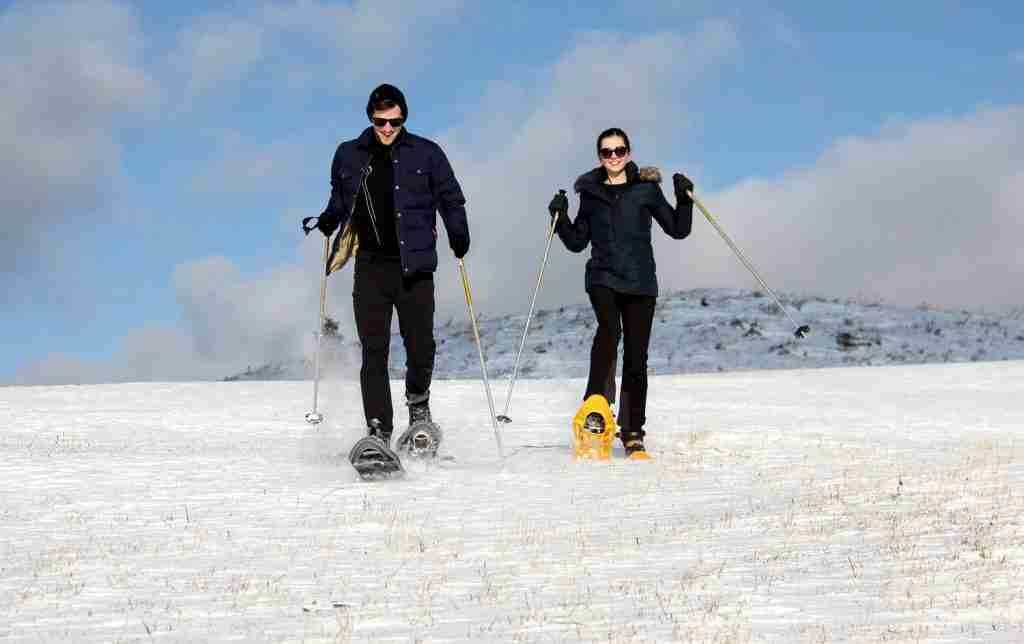
If skiing and ice skating is not your cup of tea, try snowshoeing that is so easy that even kids don’t hesitate to do it. Snowshoeing is very easy – if you can walk, you can snowshoe, and no prior experience is required. All you need is 10-20 cm deep snow cover and your waterproof snowshoes that enables you to walk in deep snow and on icy surfaces, which means you can get to areas where others cannot. Doesn’t matter if you don’t have your own equipment. You can easily rent it out for a day or more.

Skating has been a traditional winter sport in Slovakia for time immemorial and even today it is among the most popular sports. In Slovakia, you find ice-skating rinks everywhere – from indoor ice-skating rinks, public skating rinks to open-air ice areas.

And, it’s not just the alpine adventures that make Slovakia a must-visit destination. The term “Health and Wellness” is as common in the High Tatras as skiing in Slovakia. The mineral hot springs are the underground treasures of Slovakia. The natural thermal waters help relax the tight muscles you get after your winter sports action. The altitude, clean air, with a prevalence of light negative ions positively impact the overall climate of the spas. You can enjoy any of the dozens of the thermal baths throughout the country are perfect for enjoying warm soak and massage.

What makes Slovakian resorts even more lucrative is their affordability. Where else in Europe can you enjoy a thermal bath soak and basic massage starting as low as 14 euros. While there are thermal spas everywhere, the largest thermal park in Slovakia is Tatralandia, but nearby Aqua City Poprad is a great place too.

Whenever I visit a country I always try their local drink. After all, there can’t be a better way to learn about a country’s culture than drinking what its locals eat and drink? Tatratea is considered to be the national drink of Slovakia because it originated in the High Tatra mountains. Tatratea is a heady liqueur comprising of black and white teas, herbs and natural fruit extracts. It comes in many flavours and alcohol strengths – from 17 to 72%. I couldn’t go past over 52%. And, be careful not to drink too many.

Set in the footsteps of the High Tatras, this lego-sized historic town of just 17,100 residents is one of the lesser-known treasures of Slovakia. Its strategic position below the Tatras makes it an ideal destination for both the summer and winter holiday. Once an important trade centre, today Kežmarok is a sleepy but an extremely interesting town to visit. While there are a lot of medieval era attractions in the town, the pride of Kežmarok is the Protestant wooden articled church. This Protestant church was built in 1717 without using a single metal component. Everything right from the Baroque interior of the church to the organ with wooden pipes is made from wood.

The Tatras had me at ahoj (hello). So, if you are looking for a winter holiday destination that celebrates winter, has no crowds, is affordable, sustainable, off the beaten track and where the locals are delighted to have you there – Slovakia is for you.
You need a Schengen visa to visit the country
Fly to any bigger European cities like Vienna, Prague, Budapest, Krakow or Bratislava, and from there you can either drive or take the scenic train to Poprad.
The country has four distinct seasons (Spring, Summer, Autumn and Winter) that lasts for three months each and Slovakia temperature range from -10°C in winters to 35 °C in summers.

From plush Slovakia Mountain Resorts to budget hostels; there is no dearth of reasonable quality accommodation in Slovakia. Here are the places I have personally stayed at and found them really good:
Euro is the official currency of Slovakia and a seven-day trip (minus the flights) can be done in approximately 1200-1500 Euros per person. ATMs are easily available in malls and marketplaces. However, after having a nasty experience of being robbed last year in some other European country, I now take precautions to not travel with too much cash and mostly use my credit card, wherever possible.

And, the best part is, cards like Club Vistara SBI Card PRIME make your domestic and international travels a rewarding experience with benefits such as one-way Premium Economy tickets on joining, achieving spends-based milestones, complimentary Club Vistara Silver tier membership and up to 6 free cancellations of flight tickets booked on Vistara channels among host of other benefits. Many times there are long layovers between the connecting flights so getting complimentary lounge access (4 international and 8 domestic) is a great benefit to have from Club Vistara SBI Card PRIME.

To know more, check out the Club Vistara SBI Card PRIME Video:
Ticha Dolina valley for ethical bear watching, UNESCO World heritage site of Spis castle to witness the medieval charm, Banská Bystrica and Banská Štiavnica in central Slovakia, which were once the important copper and silver-mining towns of the middle ages and Hronsek to see one of the last seven remaining wooden articled churches of Slovakia.
Hiking in High Tatras, Slovakia
A lost medieval town of Slovakia that changed the world
Unheard of Easter traditions of Romania and Slovakia
4 months of solo budget travel in Europe
The edited version of the story was published in four publications:


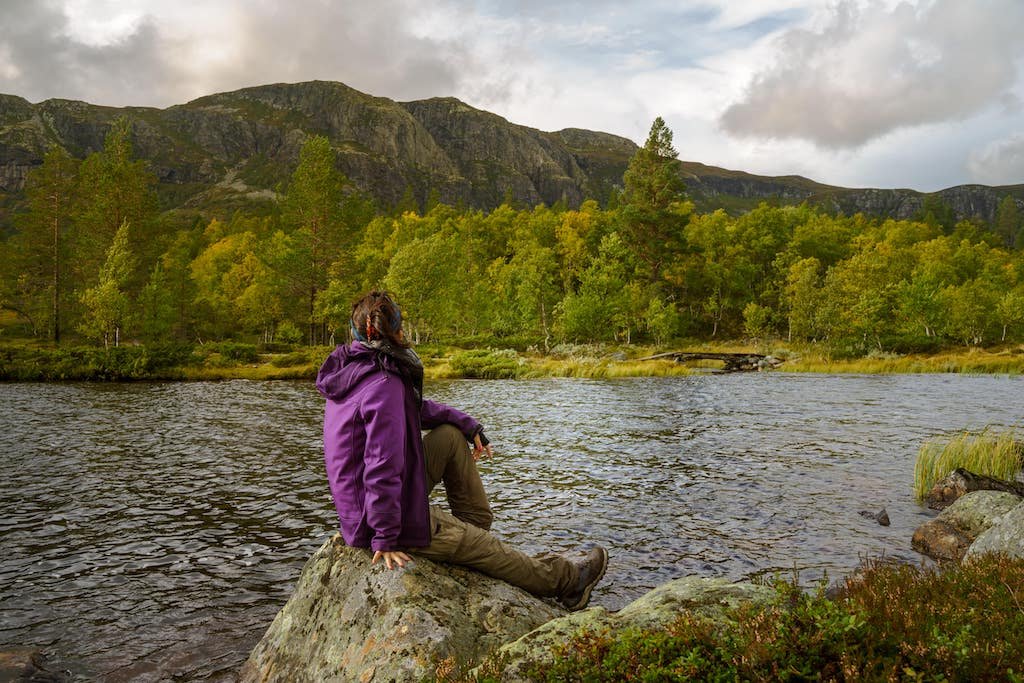
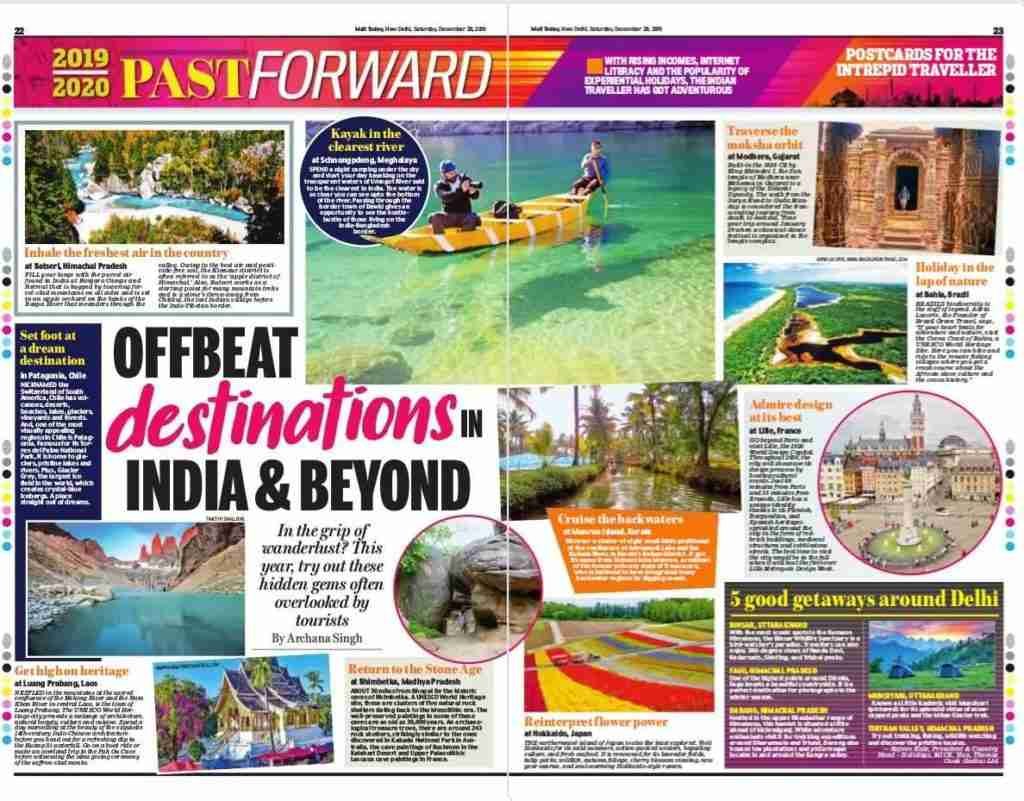
COVID19 changed the way we travel. Once the situation improves and we are able to travel freely, here is a delectable mix of destinations that would be ideal for you to explore. These destinations are either overlooked by most travellers or are familiar hotspots offering new reasons to return in 2021 and beyond. I have taken care to include places that are ideal for all – from cheap family holiday destinations to offbeat adventure playgrounds for solo or budget travellers, from the East of the world to the west and north to the South.
The northernmost region of the four major islands of Japan is also the least explored by tourists. While foreigners have missed Hokkaido, the Japanese have long been visiting the island for its mild summers, action-packed winters, spectacular unspoiled nature, beguiling culture, coastline villages and the freshest seafood in the country. Hokkaido is a year-round destination – in winters, Hokkaido creates the best ski conditions in Asia, while summers attract hikers, cyclists, and campers. Besides, Hokkaido is quite famous for its lavender fields, tulip parks, wildlife, autumn foliage, the last Sakura (cherry blossom) viewing, new year sunrise, and soul-warming Hokkaido-style ramen.

For further reading, check: www.visit-hokkaido.jp/ Offbeat Japan, Sakura Bloom in Japan, The best time to visit Japan, Things to do in Asakusa, Tokyo, Japan, Facts about Japan: The land of the rising Sun, Step by step guide for multi-visit Japan visa, Best New Year Celebrations around the world and their strange traditions
Whether you have seen The Lord of the Rings trilogy or The Hobbit series or not, you’ll know New Zealand, is one of the most scenic places in the world. The country is made of two islands – the South Island is lined with spectacular mountain ranges, glaciers, and lush forests and the North Island is bejewelled with astounding coasts, geothermal pools, and extraordinary glowworm caves.


Andrew Nelson, a local Kiwi, highly recommends going on a glow worm cave tour in Waitomo. Inside the caves lined with stunning stalagmite & stalactite formations, you see a spectacular show put on by the glow worms.
For more info, check www.glowing.co.nz/, 100% Pure New Zealand Road Trip
Nestled in the mountains at the sacred confluence of the Mekong River and the Nam Khan River in central Laos, Luang Prabang is a town cast in time. This compact UNESCO World Heritage city presents a fantastic melange of architecture, natural beauty, culture and cuisine. Spend a day marvelling the beauty of the exquisite 14th-century Indochinese architecture of the town before you head out to take a refreshing dip in the aquamarine Kuang Si waterfall. Go on a boat ride or make an overland trip to the breath-taking landscape of Pak Ou Cave before witnessing the alms giving ceremony of the saffron-clad monks. Enjoy the night-life and mouth-watering local delicacies at the night market.


For more info, check: www.madmonkeyhostels.com
A South African Safari can come in as many forms as the number of wild animals you encounter. From a remote bush camp to a luxurious private stay, you can choose the experience as per your taste and pocket. Jamie Thom, an award-winning wildlife photographer who runs the Conservation Safari Company, says,
“South Africa is known as ‘the world in one country because of its diversity. Here it is relatively easier to spot the ‘Big Five’ (lions, leopards, elephants, Cape buffaloes and rhinos) in the wild than in other countries. Unfortunately, their population is dwindling at a faster rate so it might not be possible to see them all in the future.”


Since there are more than 600 parks and reserves, it could get overwhelming to choose one. For your first safari, pick either Kruger National Park or Hluhluwe-imfolozi.
For more info, check: www.jamiethom.com
If you crave an authentic and characterful European holiday devoid of the crowd, Serbia is the country for you. Steeped in history, this former Yugoslavian nation is truly unexplored and demands slow exploration. From outdoor escapades, spas and wineries, and ancient monasteries to monolithic memorials; Serbia is littered with attractions. On your first trip explore western Serbia, the most tourist-friendly and offbeat region. Sky-piercing mountain ranges, rivers and lakes, hundreds of magnificent viewpoints, infinite vivid landscapes, ancient ethnic parks of Sirogojno and Drvengrad, the medieval monasteries, several national parks and excellent traditional cuisine; that is what you see when you visit Western Serbia!


For further reading, check: www.serbia.travel, Belgrade and Western Serbia, Danube River Cruise, Why Belgrade should be on your travel list
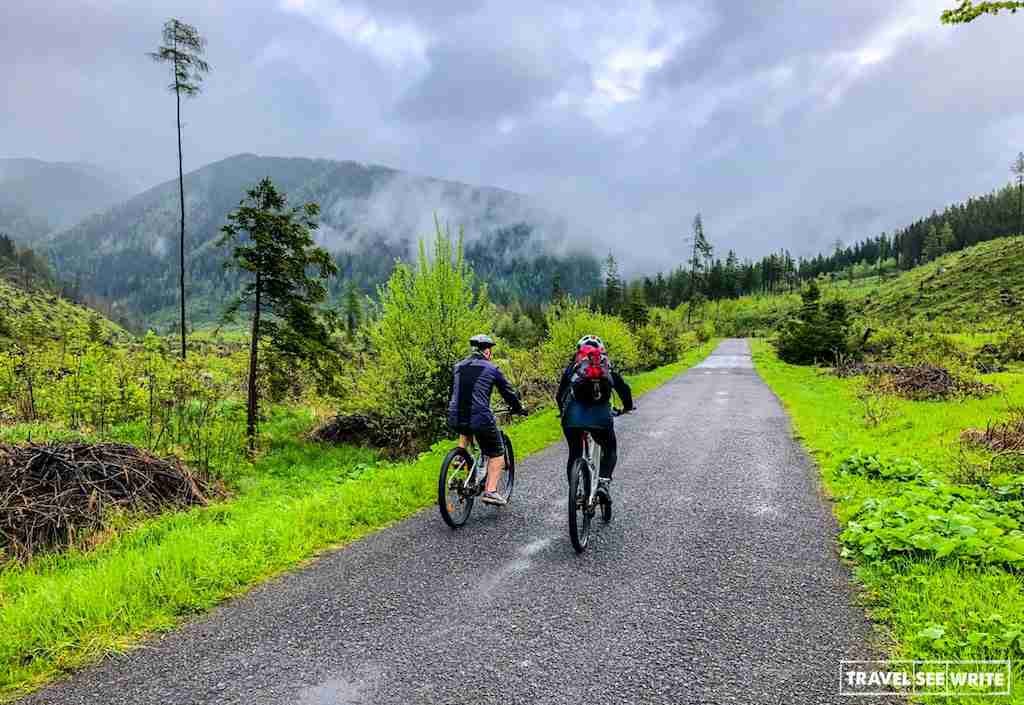
Slovakia will both surprise and delight you with its dramatic mountainscapes, majestic medieval ruins and tiny villages. Often ignored by tourists, this modest-sized central European nation boasts the High Tatras, a mountain region that rivals the Alps with its jagged mountain peaks, plunging waterfalls, turquoise blue glacial lakes and diverse wildlife. Above all, it’s an ideal place for sighting the rare brown bears, which are wiped out from most parts of Europe but thrive here. Most importantly, wildlife tours in Slovakia are ethical and support sustainable tourism. All you need to do, is wear your hiking boots or ride a mountain bike in the Tatra National Park.


For further reading, check: Hiking in High Tatras, Slovakia, Why you should spend your winter in Slovakia, A lost medieval town of Slovakia that changed history, Unheard of Easter Traditions of Romania and Slovakia, 15 best European Christmas destinations filled with surprise
From the towering peaks of the Julian Alps and the subterranean magic of mountain caves to the sparkling emerald-green waterways and the short but sweet coastline along the Adriatic Sea, pint-sized Slovenia does pack a punch when it comes to big attractions. Most people come here to visit the capital, Ljubljana, and Lake Bled, the most popular post-card image of Slovenia that draws everyone from honeymooners to backpackers.
However, if you go a bit to the East of the country, you reach Soča Valley, an adrenaline mecca for outdoor lovers set in the picturesque world of the Julian Alps, Triglav National Park, and the emerald green River Soča. If you are an outdoor lover, you’ll never run out of options here – from rafting, kayaking, fly-fishing, hiking, biking, paragliding, sledging, ice-climbing to ski-diving. Other big drawcards for the region are its historical sights and locations, particularly relating to WWI, and the food – Kobarid is the heart of Slovenia’s growing culinary repertoire.


For more info, check Pangea Adventures
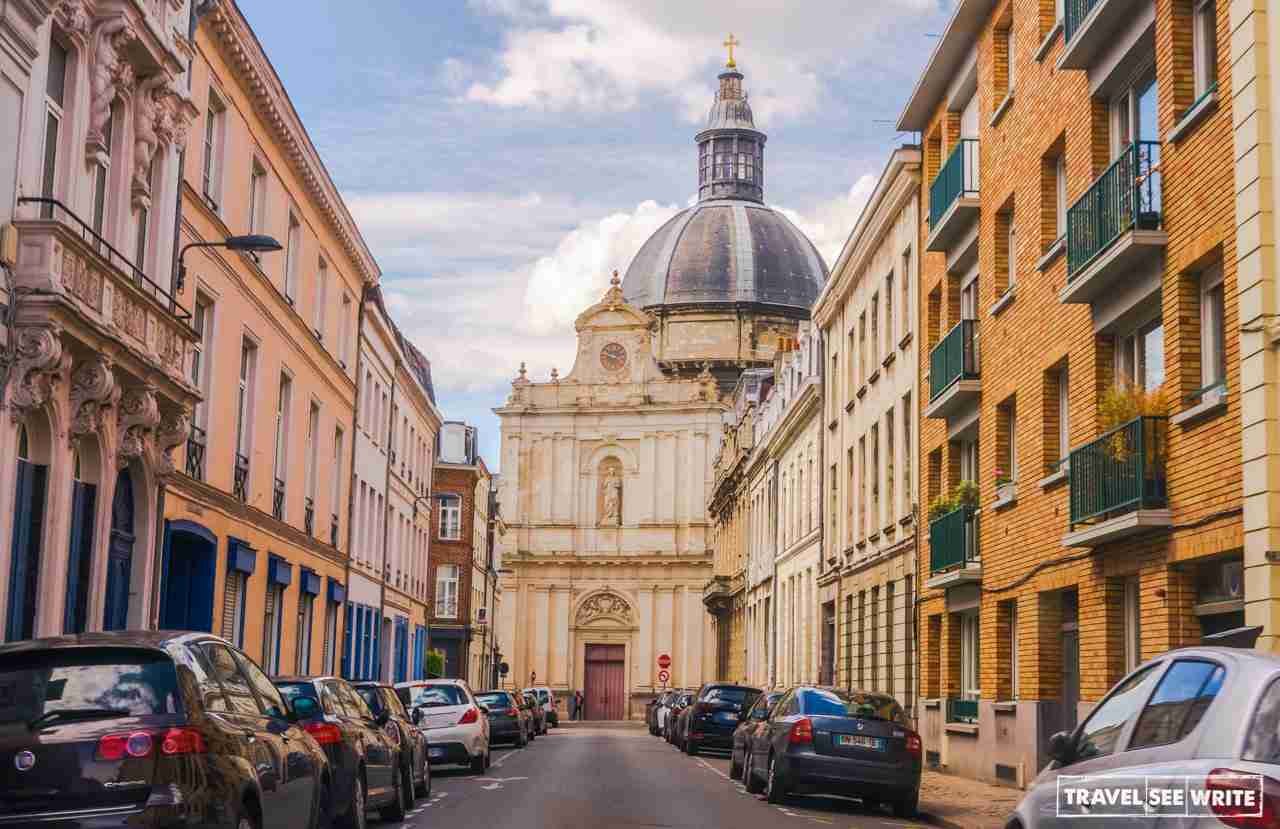
Go beyond Paris and visit Lille, the 2020 World Design Capital. This is the first time a French city has been bestowed with such an honour. Throughout 2020, this Flemish city showcased its innovative design prowess by hosting around 50 cultural events. Just 90 minutes away by train from London, 60 minutes from Paris and 35 minutes from Brussels, Lille possesses a unique identity thanks to its Flemish, Burgundian, and Spanish heritages sprinkled around the city in the form of red-brick buildings, medieval structures, and cobblestone streets. The best time to visit Lille would be in the fall when it will host the first-ever Lille Metropole Design Week and the largest open-air flea market in Europe.



For more info, check www.lilletourism.com/, 10 hidden gems of Northern France you have not heard about, Beyond Paris: Sights and bites of Northern France, 15 best European Christmas destinations filled with surprise
In the heart of Scandinavia, in the borderlands between Sweden and Norway, lies a vast nature area. More than 3000 square kilometres of protected countryside. Despite its accessibility, Dalarna has large areas of untouched nature and wilderness and an abundance of rare animals. Lars Svanerud, the Sports chief at STF Grövelsjön Fjällstation, says,
“Hiking in this part of Sweden is like nowhere else – where you can spend weeks without seeing another human being. A roadless country, far from the roar of civilisation, where only the sounds of wind and water interrupt the infinite silence.”
Besides the unspoiled landscape, Dalarna is also the heart and soul of the Swedish folk tradition. Many of the typical Swedish symbols are deeply rooted in Dalarna such as the Midsummer celebrations, red-painted cottages, exquisite folk costumes, foot-tapping folk music and – of course – the Dala horse.


On top of that, this part of Scandinavia is also the home of Samis, Europe’s only indigenous people that have lived for over 10,000 years in the Sápmi region, spanning four countries – Arctic Sweden, Norway, Finland and Russia.


For more info, check www.visitdalarna.se
A state where ancient cultures still live in the present and where astounding landscapes inspire artists and outdoor enthusiasts alike. New Mexico is home to some of the oldest, continuously inhabited communities in North America like the Pueblos of Taos, Acoma, and Zuni. And, it’s not just the landscapes that are worth exploring. New Mexico’s cities are unmatched bastions of history, culture, and art. Santa Fe, the capital of New Mexico, is a delicious hotpot of tri-cultures (Spanish, Mexican & American). Right from outdoor recreation, vibrant art scene, marvellous culinary delights, refreshing spas, and unique local shopping, Santa Fe proudly lives up to its tag of being “The City Different.”


Not too far from Santa Fe is the ballooning capital of the world, Albuquerque, where the International Balloon Fiesta is held every year in the first week of October.

For more info, check Perfect Travel Guide for Santa Fe, New Mexico, Experiencing Santa Fe – the city different of New Mexico, USA Travel: things you should know before you visit
Like India, Brazil’s biodiversity is legendary, and you’ll need to visit the country several times to get a taste of its powdery white-sand beaches, lush green rainforests and larger-than-life rhythm-filled carnivals. Adria Lacorte, the Founder of Brazil Green Travel, says,
“If your heart beats for adventure and nature, then you must visit Bahia, the most Afro-Brazilian state of Brazil. Studded with ten conservation areas, the Cocoa Coast of Bahia has the highest flora diversity in the world and is a UNESCO World Heritage Site. Here you can hike and ride to the remote fishing villages where you get a crash course about the African slave culture and the cocoa history.”


Another unique adventure you must experience is going on a boat trip to the Anavilhanas National Park, one of the largest river archipiélagos in the world. And, no trip to Brazil is complete without partaking in its carnivals. Don’t just watch a parade, play a part in the Rio Carnival by mastering the song and dance at Rio Carnival First Division Samba School.


For more info, check www.brazilgreentravel.com.
Chile is often referred to as the Switzerland of South America for its ethereal mountain beauty. The country boasts sundry landscapes from volcanoes, deserts, beaches, lakes, glaciers, and vineyards to forests. One of the most stunning regions in Chile is Patagonia, famous for its Torres del Paine National Park, which is home to majestic mountains with snow-capped peaks, enormous glaciers, cascading waterfalls, and pristine lakes and rivers. Positioned on the southern tip of Patagonia is the largest ice field in the world, Glacier Grey, which creates crystal-blue icebergs. A place straight out of dreams.


So, these were my 12 top offbeat travel destinations to explore in 2020 and beyond. Before COVID struck us so badly, I started my new year by visiting my all-time favourite Singapore to witness the Marina Bay Singapore Countdown followed by a visit to Luang Prabang in Laos, Switzerland, Netherlands and Maldives. I would love to know about your travel plans. Please do share in the comment box below.
The edited version of this story was published in Mail Today, India Today Group
Slovakia is a land of adventurers
says my trek guide, Erik Sevcik of Adventoura, who has been organising adventure trips for decades in Vysoké Tatry (High Tatras), pointing at a poster of Petra Vlhová, the country’s top women’s Alpine skier and a world champion. As we start talking, I get to know why everybody looks so cheerful and happy in this tiny landlocked nation – Slovaks learn to ski and hike before they start talking. And the benefits are myriad. Looking at Erik’s peach complexion, chiselled face and well-built physique, it’s hard to tell that he is in his late thirties. When I ask him the secret, he blushingly credits the unique upland adventure playground where he was born, the place where we are hiking today – the Higher Tatras.

Craggy mountain peaks, plunging waterfalls, turquoise blue glacial lakes, rugged hiking trails, alpine meadows, and cable cars all come together to create the perfect adventure destination. In winter, snow transforms rough hiking trails into snow-smoothened ski slopes. Vanished from most parts of Europe, brown bears not just survive but thrive in Vysoké Tatry, and spotting one is never hard. The best part is, unlike in other European countries, the alpine adventure here is inexpensive, sustainable and offbeat.
At dawn, the mountains are bathed in the golden light, and the air has a certain nip. Despite the calendar displaying summertime, the cool breeze makes you feel like winter in Slovakia. Fleeces are zipped, bootlaces tightened, backpack stocked, walking poles extended, and off we set to explore the Tatra National Park – the largest, oldest and most visually striking National Park in Slovakia. The High Tatras, a protected park with a small part across the border in Poland, is a UNESCO-protected reserve dotted with 35 valleys, over 90 mountain lakes and countless waterfalls. Besides, what makes it so stunning is the sheer wealth of peaks cresting 2500m – 25 in total.
After several years of dreaming, I am finally in Poprad to hike the UNESCO-protected reserve of the High Tatras that acts as a natural border between Poland and Slovakia. Soaring mountain peaks above 2500 m, emerald-green alpine lakes, rugged hiking trails, and cable cars all come together to form an adventure playground that can rival the Alps. While I have personally never experienced the winters in Tatras, I am told the winters here are as exciting as summers, if not more. Instead of cosying around the fireplace, everyone from a toddler to a senior citizen comes out to enjoy winter activities such as husky dog sledging, horse sleigh riding, snowshoeing, skijoring, and, of course, skiing. I am tempted to make a winter travel plan right away. But first things first – concentrate on the present – hike the High Tatras.
After a short funicular cable ride from Stary Smokovec, a small resort town, along with my guide Erik I reach the starting point of the trek at Hrebienok. This pocket-sized ski resort is the base of numerous hiking trails of various difficulties, each one snaking through a different path around the inky mountains and lush green valleys. I opt for a day hike to the traditional wooden chalet called Zamkovskeho Chata.
As we start trekking, my eyes get glued on 6 feet 4 inches lanky, a muscular man walking ahead of us, carrying at least 70 kg weight on his back. Looking at my bemused reaction, Erik breaks the silence,
This trek is called the Shepherd trek because of Sherpas like him. But don’t confuse the Slovak Sherpa with the Himalayan Sherpa as our Sherpas carries only supplies to the mountain huts, not the luggage of the hikers.

The High Tatars is a year-round destination, and the mountain chalets are the only accommodation option available up in the woods. There are no roads for vehicles to tow supplies in the park. So, they rely on Sherpas entirely to haul everything literally up and down the mountain even when it snows, rains or in a storm.

I feel a bit embarrassed about not being able to catch up with the Sherpa despite him carrying almost 60 kg more weight than me. However, hiking is not about mindless competing but enjoying the journey. And that’s what I decided to focus on.
The well-marked but rough-hewn rocky path led us through several wooden bridges, wild mountain streams, cascading waterfalls, tall spruce and Scots pine trees, and snow-capped peaks. This hike wasn’t a test of endurance but a way to appreciate nature and get rid of the cobwebs accumulated in the cities. The trail began as soft adventure –broad and smooth – before zigzagging into an uphill stony trek lined with towering spruce and Scots pine trees.

We cover the first half of the trek quite easily in less than an hour, stopping every few hundred metres to capture the beauty of the trail and the sweeping valley views. Occasionally, the fluffy clouds try to put a veil on the snow-capped peaks and green-carpeted valleys.

Soon, we are in the most photogenic part of the trek – a creek named Studený Potok slices the barren granite peaks on one side and fluffy snowy mountains on the other side. Just next to the stream, the giant waterfall, Obrovský vodopád, plunges down thunderously into a 20-meter-deep gorge.


From here, our trail becomes narrower and steeper as we climb higher. Greeting “na zdravie” to strangers and chit-chatting, we don’t realise when we reach our destination. Approaching the Chalet, we find a wooden signboard revealing the higher trails of the region along with their elevation.

Our trek might have been relatively easy, apt even for kids, but the corresponding rewards are significant. Just below the treeline, Zamkovskeho Chata, a tranquil Swiss-style chalet built in 1942 by pioneering local mountaineer Stefan Zamkovsky, welcomes us with the warmth of a grandma’s kitchen. Like other mountain huts in the park, supplies here are ferried in on foot by Sherpas. Some are professionals; others are volunteers who do it to keep the tradition and lifestyle of the Sherpas alive.
After placing an order in the cosy dining area, we plonk ourselves on the sun-kissed wooden-benched outdoor terrace. Hot yummy lunch of local favourites – lentil soup, dumplings with sheep cheese and pierogis stuffed with cheese – is pure bliss after an excellent trek! Long live the Sherpas of Slovakia!

But the delicious meal wasn’t the best surprise. A gorgeous, extremely friendly husky named Mathew walks into the cottage with her female Sherpa owner. Being a dog lover, I couldn’t stop myself from playing with her, and the owner was quite happy to have her sit with us. Sadly, the tik-tok of the watch forced us to bid goodbye to the four-legged beauty.

The previous night, Erik had light-heartedly said,
In Slovakia, hiking and wildlife sighting go hand in hand. You don’t have to trek miles to spot foxes and brown bears.
On my way back down the mountain, Erik’s words came true when our paths crossed with Eliška, a stunning orange and white Slovakian wild fox who appeared from nowhere. She stops just a few feet away, turns her face towards me, and looks straight into my eyes, neither filled with fear nor aggression, just curiosity – before running away into the forest. That momentary eye-to-eye contact makes my heart skip a few beats and makes me realise how lucky I am to explore a country where nature and humans still coexist in perfect harmony.


That touching serendipitous moment became one of the highlights of my trip. How often do you see a wild animal in the wild so close, without much effort, and entirely on its terms?
And, it’s not just the alpine adventure and wildlife that makes the High Tatras a must-visit destination. This compact, rugged country of central Europe is gifted with a bounty of mineral springs, which are used for both therapeutic and relaxing purposes. Affordable pricing has made Slovakia the de-facto hub for health and wellness seeking visitors not just from Slovakia but from overseas as well.
The prolonged soak in the hot geothermal pools and the mineral-infused saunas of Aquacity provide a perfect reward for a day’s hike. The wellness complex was like a department store of saunas, studded with over a dozen saunas and steam rooms, each offering something unique – herbal, infrared, Himalayan, Finnish, arctic and many more.

While Slovakia is tiny in size (67 times smaller than India), it indeed boasts a lot of epic and varied scenery. Commonly nicknamed the “Little Big Country”, Slovakia deserves to be on your bucket list.
(more…)No Francophile would skip the Eiffel Tower in Paris or the glamourous coastline of the sun kissed French Reviera of the south. But in their rush to hit the France’s tourist trail, they miss out some of the best bits of La Belle France, especially a region that is most accessible not just from Paris but from the UK and Belgium too. Northern France is rightly called the best-kept secret of France. So, if you are in search of non touristy France, here’s an alternative bucket list, 10 hidden gems of France that you may not have even heard about.

Just 60 minutes away from Paris, 35 minutes from Brussels and 90 minutes from London, Lille could quite easily have lost to its illustrious neighbours, but instead it decided to nurture and showcase its unique identity! Boasting a spectacular heritage of cultures from its Flemish, Burgundian and Spanish past before it became French, Lille is now infused with the memories of the past, interweaved with its visions for the future. The European Capital of Culture in 2004 and the World Design Capital of 2020, Lille lives and breathes culture in everyday life. While there’s always something going on in Lille, next year will be of a far bigger scale because of being the World Design Capital of 2020.

And, the best way to explore the artistic and the medival beauty of Lille is in a vintage car by Tradibalade. With Christmas approaching, Lille is decked out in beautiful decorations of lights and colour. No wonder the Christmas market in Lille is among the top 15 Christmas Markets of Europe.


For more info about Lille and other places not to miss in France, do check out Beyond Paris: Sights and Bites of Northern France or Lille Tourism.

The charming town of Amiens marries the watery beauty of Venice with French small town elegance. The city is called ‘Venice of the North’ for its canals and the 2000 years old floating gardens (hortillonnages). However, Amien’s showstopper attraction is the Cathédrale Notre-Dame d’Amiens, the jewel of classical Gothic architecture. Twice conferred as UNESCO World Heritage site, it can fit two Notre Dame Paris in its premise.

The best time to visit thsi offbeat place in France is either during summers or in winters when the whole city is soaked in the Christmas spirit. Every day during this period there is a sound and light show on the giant facade of the Cathédrale Notre-Dame d’Amiens. The town has got a great youthful vibe too and is a happening place when it comes to nightlife.


For more info about Amiens and other hidden gems of France, check out Beyond Paris: Sights and Bites of Northern France, Amiens: Little Venice of the North or Visit Amiens

In 2017 Christopher Nolan incepted the idea of visiting this French coastal town in my head through his Academy Award winner namesake film – Dunkirk. France’s 3rd-largest port town, Dunkerque is not just a hypnotising harbour town and beach resort: there are two UNESCO World Heritage sites – the Belfries of Saint-Eloi church and the Townhall. And, who can forget the haunting WWII memory – the famous heroic evacuation of 30,000 Allied troops during Operation Dynamo retreat in 1940.
When I finally landed here, it was nothing short of magic, especially at the golden and blue hour. It won’t be wrong to say that it is a goldmine for photographers and history lovers.
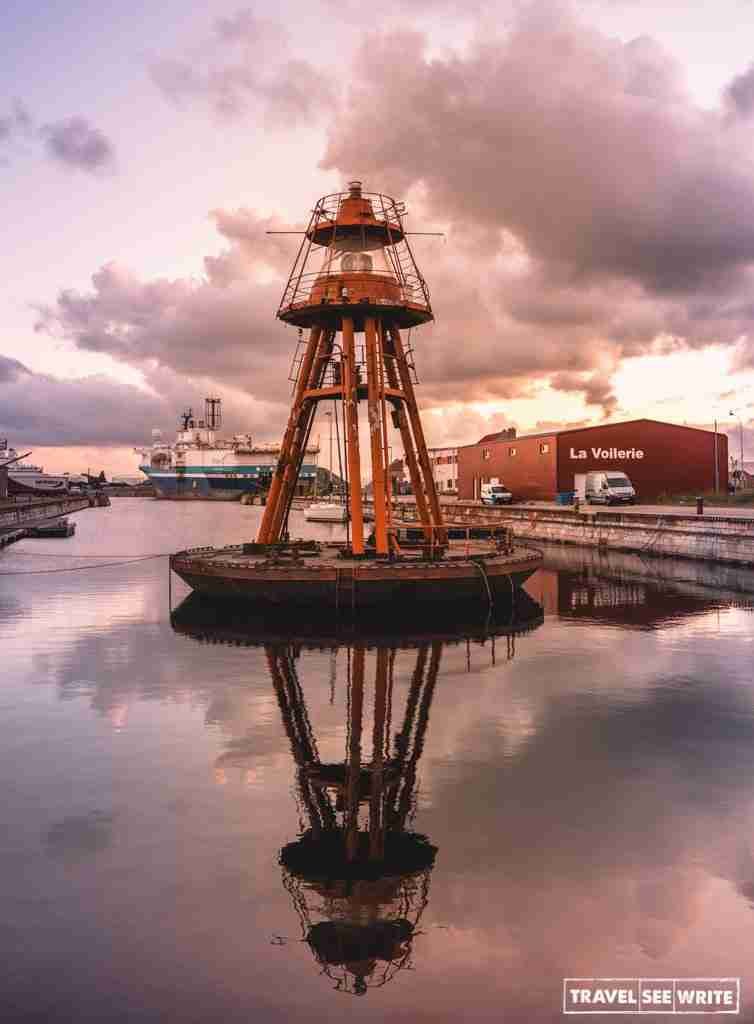


For more info about Dunquirk and other offbeat nad hidden gems of France check out Dunkirk Tourism.
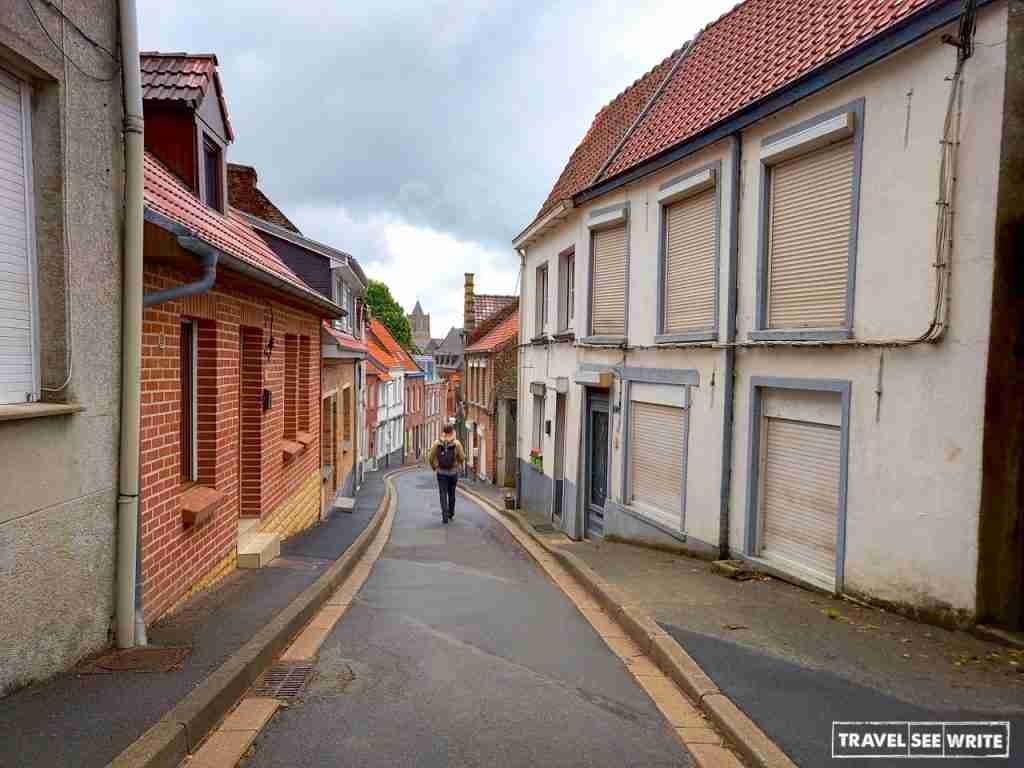
A tiny hilltop village that most people outside of France might have never heard about. However, in 2018 Cassel became an overnight sensation when it won the country’s favourite village award. Standing majestcally on top of Mont Cassel, it is often dubbed as the Everest of French Flanders. Standing since the Roman era, this sleepy little town sparks to life during its annual carnivals – Easter Monday and Mardi Grass.


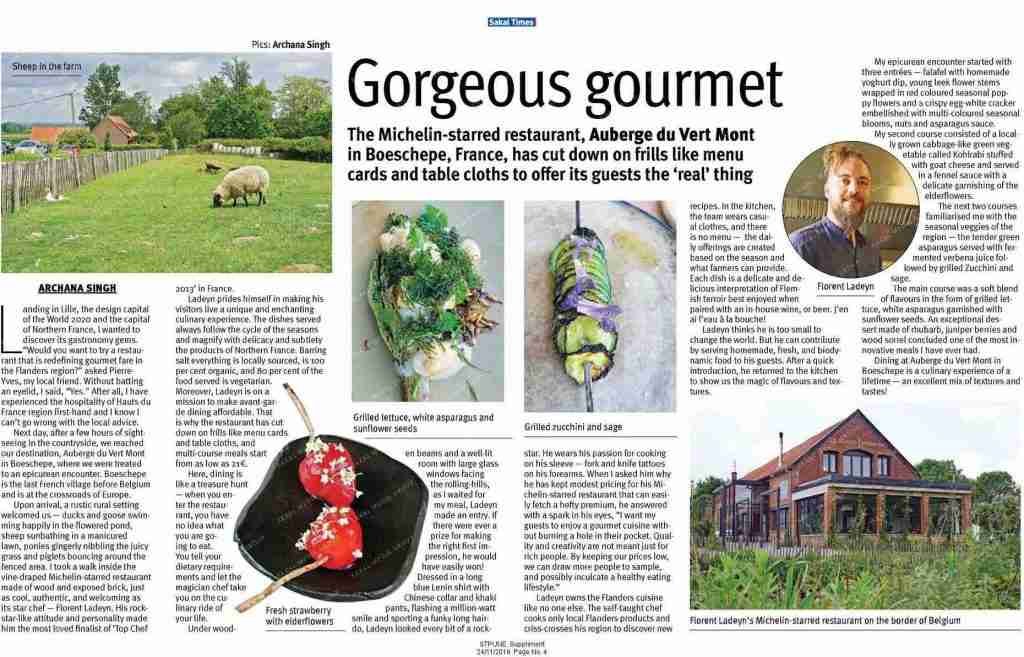
For more info about Cassel and other hidden gems of France check out Cassel-France’s favourite villagge
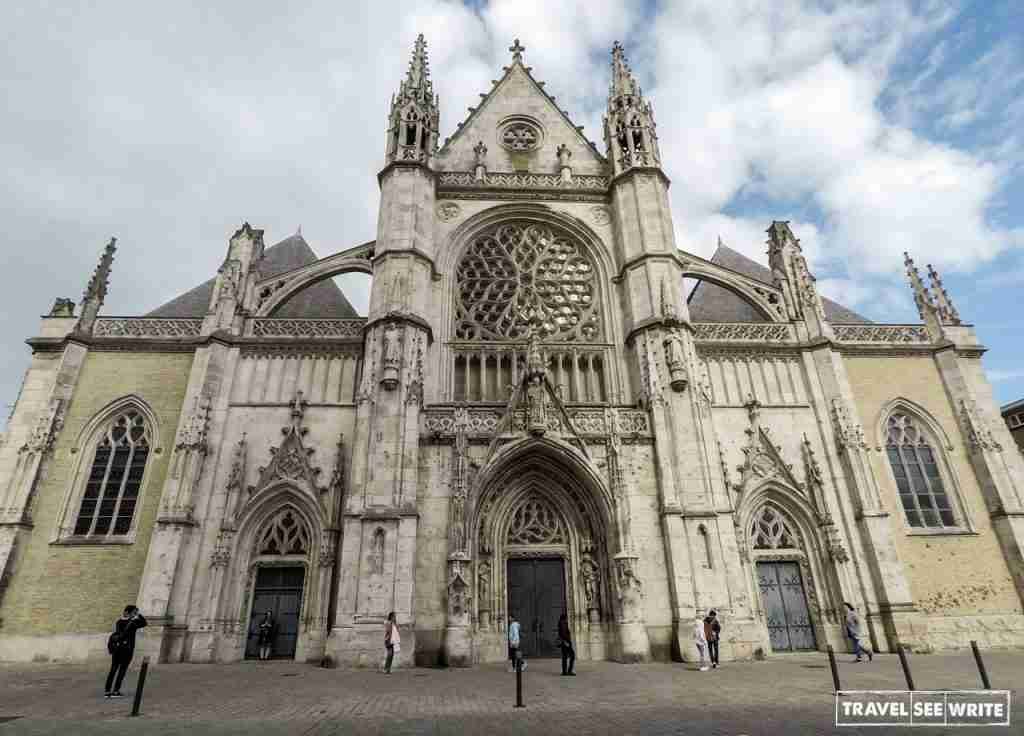
A charming little town full of character with its elegant Flemish-style houses, and the remains of the medieval ramparts. Like Amiens and Dunkerque, Bergues too has a UNESCO World Heritage site to its credit, the Belfry, a bell tower with a carillon composed of 50 bells. As you climb the top of this building, you see a beautiful panoramic view of the city and around.

A new craze for Brugues was born after the 2008 release of the blockbuster French film ‘Bienvenue chez les Ch’tis.’ Visitors can take the Ch’ti Tour in the footsteps of Dany Boon (the lead actor & director of the movie) and relive the magic of the locations shown in the film along with a local who essayed the role of a ‘bellman’ in the film. This tour is organised by the Tourist Office. Being a small town, it can be easily explored within a day.


Travel Tip: Monday morning market in the town centre is a must. In Summer, take a cruise to Dunkirk on the oldest canal in France the Canal de Bergues. Try the cheese Bergues, sausage or Bergues Potsch’ vleech

If you are as hopelessly romantic as I am and believe in fairy tales, you’ll fall in love with, Gerberoy, a medieval village that is a dream destination for lovers of flowers and roses. I wasn’t surprised to know it is officially listed as one of the ‘most beautiful villages in France’.

A walk in this well-kept medieval fairy tale village of just 50 residents is sheer joy. With every step, I took in the 17th and 18th-century cobblestoned lanes lined with dollhouses of cob and colourful timber framing, vivid rose trimmed doors, wisteria canopies and leafy green trims; my heartbeat raced faster. Every spot in the village is an instagrammable spot, and it was next to impossible to stop clicking.

Besides the beautiful alleys in the village, I loved the extraordinary three-tiered (white, pink and yellow-blue) Rose Garden created by the post-impressionist painter Le Sidaner. The garden is home to 25 varieties of rare and antique roses, and it even has the ‘Temple of Love’ on the ruins of the old castle that the gardens stood on, which was inspired by the one found at the Petit Trianon at Versailles. ⠀
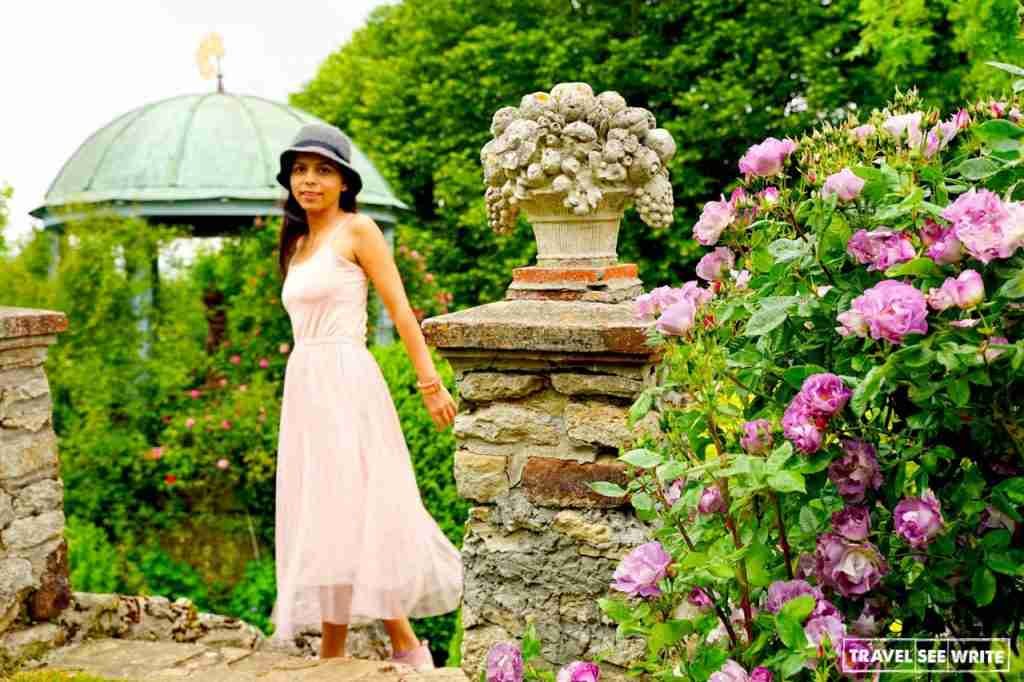
Travel Tip: If possible, plan your trip around Rose Festival, which is held on every 3rd Sunday of June or attend the Marché du Terroir, a special end-of-year celebration held on the last Sunday of November.
For more info about Gerberoy and other hidden gems of France Jewel of North France.

The Château de Pierrefonds is one of France’s most imposing yet most underrated medieval castles. Originally constructed as a fortress in the 12th century, the château was destroyed in the 17th century then restored by Napoleon III in the 19th century. The majestic château is one of the very few castles where romantic medieval design fuses with the modern 19th-century flair.


Travel Tip: After visiting the castle from inside, take a panoramic view by going on the sloping top of the Pierrefonds town from where the full view of the château is visible as the road snakes in.

When two majestic capes collide, you get an exceptional and dramatic landscape of a craggy, green, undulating and spectacular coastline. The beautiful palette of colours is so stunning that the site has been classified as a ‘Grand Site of France’ and is also the windiest place in France. This site is the closest point of France to England, and on a clear day, you can clearly see up to the white cliffs of Dover.


Just an hour drive from Paris, Chantilly is a Renaissance gem and the Horse Capital of France. Home to two of France’s most prestigious races – the Prix du Jockey Club and, the Prix de Diane, it even has the Living Museum of the Horse. Steeped in history, it’s a perfect place to experience the French ‘art de vivre’ at two of its beautiful castles – Château de Chantilly and Chateau Tiara Mont-Royal. The latter is set in the heart of the Chantilly Forest.

What’s more, you can organise significant events like marriages, pre-wedding shoots and high-profile dinners in the grounds of the castle. The place is so regal that even our Prime Minister Narendra Modi was hosted here on a state dinner by French President Macron.

Travel Tip: Every month, there are two horse races, plan your trip keeping those races in mind. And, don’t forget to see the demonstration of making of ‘Chantilly Cream’ or at least taste it that was discovered here only.
For more info about Chantilly and other hidden gems of France check out Beyond Paris: Sights and Bites of Northern France or Jewel of North France

Weddings, birthdays, anniversaries, business launches, winning triumphs, and the stroke of midnight on New Year’s Eve; no celebration (of whatsoever size) is complete without the celebratory glass of champagne. And, when in Northern France, it would be blasphemous to not visit the place where it was born.
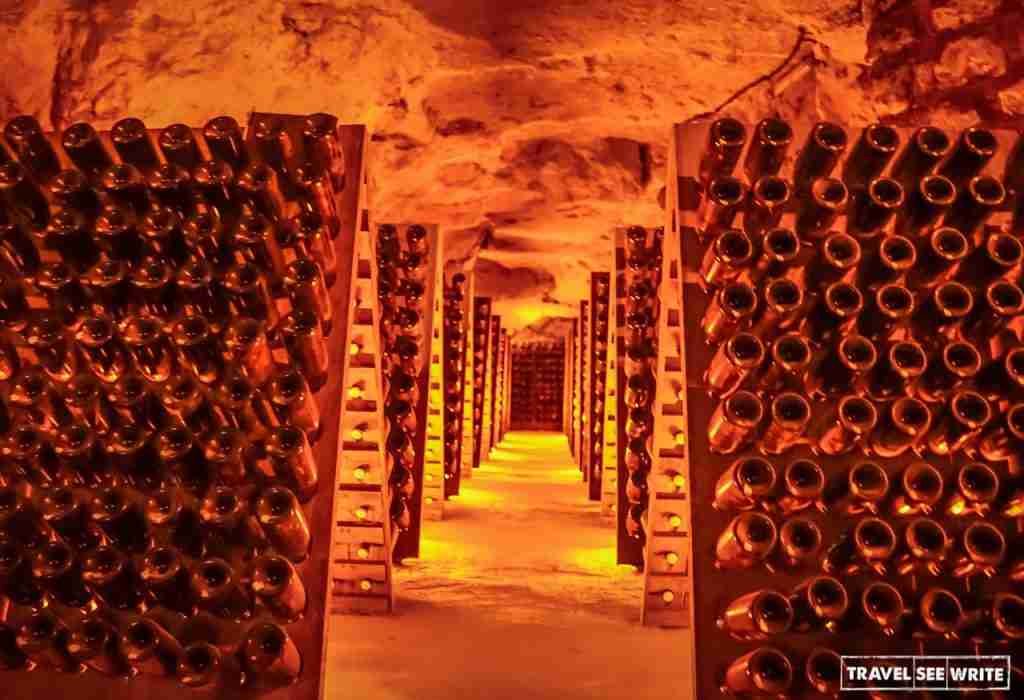
If you are a fan of bubbly, you cannot miss the region from where the best sparkling wine in the world comes – Champagne region of northeast France. Only bottles produced here can legally carry the region’s name. The UNESCO listed Champagne region with its magnificent vineyards, impressive heritage and world-class champagnes, is worthy of a day excursion from Paris. Moreover, the area earned the coveted title not just for stunning vineyards and ancient cellars that produce an elite product synonymous with refine taste but for the work the region has been doing tirelessly to create awreness, distribute, and protect a truly unique product. The sparkling wine from this area is served in the Elysée Palace, the French president’s house, and on Air France’s first and business class services.

One of the best places to try Champagne is Champagne Pannier, a prestigious house in the scenic Marne Valley of France. Here during a guided tour yoiu can visit the historic underground medieval cellars built in the limestone quarries as old as the 12th century. Visiting a Champagne house is like getting a crash course in champagne making and the crucial role it played in power dynamics of the region. So, thirsty for some bubbly?
For more info about this region and other hidden gems of France, check out Champagne Pannier or Jewel of North France
Edited and dedicated stories on several Northern France cities have been published in the following publications:
I was in Northern France on the invitation of Hauts-de-France region. Everything expressed above is based on my personal experience and conversations I had in the region. All images used were shot by me. Please don’t use any image or text without written permission.

Sandwiched between Maharashtra and Rajasthan, Gujarat is a treasure trove least explored by many. However, Gujarat has always been very high on my list of places to visit in India for multiple reasons. After all, it is the Citadel of 6000 years old Harappan Civilization, land of colourful nomadic and wandering communities, located at the confluence of ancient Spice and Silk Route, a melting pot of cultures, religions, festivals, traditions and world views, land of Lord Krishna and Mahatma Gandhi. While there are innumerable reasons to visit the vibrant state, I have listed the 10 must-visit places in Gujarat during winters for you:

The bustling capital of Gujarat, which is India’s first UNESCO World Heritage city, blows your mind with its centuries-old heritage, culture and terrific food scene. Start your day by enjoying a fafda-jalebi breakfast at Swaminarayan temple before heading on a ‘Mandir to Masjid’ heritage walk in the old city which has 2700 listed UNESCO buildings. I highly recommend hiring a local guide such as Nirav Panchal (+91 9825626387) as he shared so many small and big details about the city that I would have otherwise missed out. The two-and-a-half-hour walk revealed many eye-popping facts about Ahmedabad such as the old town is made up of 600 Pols (neighbourhoods), inhabited based on occupation. Every Pol had a Chabutro (bird feeder) and all the old buildings were earthquake resistant. Reliving the grandeur of the ancient city through Nirav’s narration, we took many pit stops – at Pols, a royal mausoleum, temples, bird feeders, bridges, and havelies (royal houses) – before finally culminating our journey at Jama Masjid.


After the walk, we headed to Lucky restaurant. This restaurant is no ordinary restaurant, it was built 60-years ago over a graveyard and even today upon your arrival, two graves welcome you. Sounds spooky, right? However, this place has been a favourite hangout of who’s who of the country for decades. It was so close to the late MF Husain that he even gifted a painting to the restaurant.

Reserve the rest of the day for sightseeing such as Gandhi Ashram at Sabarmati, Calico Museum of Textiles and World Vintage Car Museum among other places of interest in Ahmedabad. But most importantly, keep enough time to sample the local cuisines. Being a massive fan of Gujarati cuisine, I couldn’t stop myself from gobbling down the lavish spread of authentic Gujarati thali at Agasiya, a rooftop restaurant in the MG House that serves Gujarati food. Run by the famous Mangaldas family of Ahmedabad, it is a must-visit. It has a typical village setting, and the quality of the food is finger-licking good. Even though it’s a bit expensive, but the lovely experience makes it worth the money.


Keep your evening reserved for Manek Chowk, a bustling city square in old part of the city that is surrounded by historical structures. In the morning, it functions as a vegetable market, a bullion market in the noon and the street food market at night. Must-try food items are Pav-Bhaji, Mirchi Wada, Fresh Green Variyari, flavourful Tava Pulav and Fusion Foods like Amdavadi Special Sandwiches and Chinese Bhel. After the delicious savouries, satiate your sweet craving with Kulfi, Falooda and Ice-Creams or the Chocolate Sandwiches.


Ahmedabad is also a perfect place to get a glimpse of the early life of Mahatama Gandhi at Sabarmati Ashram. If you have limited time and wants to explore Gujarat in two days or more, then you can combine your Ahmedabad trip with day tours to nearby places like Gandhi Nagar, Modhera and Patan.

While there are vestiges from Mahatama Gandhi’s life spread across the state, Dandi Kutir is India’s largest & only museum dedicated to the life and teachings of the father of the nation. While we all have read, and seen so much about the great man, it was quite impressive to get a glimpse of his early life through sophisticated technology using high-end life audio-visuals, 3D technology and 360-degree shows. Besides showcasing the freedom movement, the museum also captures other significant milestones from his life – from his birth in Kathiawad to his childhood days, from his marriage to Kasturba to his experiments with youth. The Biography of Mahatma Gandhi, ‘The initiator of Disobedience and nonviolent campaign for Independence of India’, was the inspiration behind the museum.


Built in 1026 CE by Solanki king Bhimdev I, the Sun temple of Modhera is one of the best examples of Solanki architecture and a prestigious recipient of the UNESCO World Heritage Site award. As I entered the historical complex, I was left speechless by the timeless beauty and open mindset of the Modhera Sun Temple of Mehsana. The entire temple is divided into three segments. First, you come across the rectangular-shaped Surya Kund, a deep, stepped tank right in the front of the temple, which was earlier used to store pure water. What used to be a stepped tank had temporarily transformed into a waterfall, thanks to the unseasonal torrential rains.

After the Surya Kunda, I came to the Assembly Halls or Sabha Mandapa which used to be the place for religious gatherings and conferences. Finally, you reach the sanctum sanctorum or Guda Mandap by crossing the passage with pillars and arches. As per the Archaeology and Tourism Guide, Girish Goswamy (+91 7698516388), the popular mythological belief is that the walk from the kund to guda mandap via the main temple is the transcending journey from death to moksha.

Not only this 11th century constructed temple is an extraordinary piece of art but also breaks many stereotypes. Firstly, the whole temple is pillared on a lotus-shaped structure, and every inch of its walls showcases edgy, detailed carvings. And those carvings represent every bit of our culture: from Ramayana to Mahabharata, from the human lifecycle to Kamasutra. Yes, you heard it right, Kamasutra has always been an integral part of our culture since time immemorial. We were far ahead of our times and were rightly called the “Sone ki Chhidiya” (Golden bird). Even after multiple attempts, Alauddin Khilji failed to destroy this brilliant piece of art.
In the adjoining temple where a Shiv ling, carvings of Lord Ganesha and Hanuman are displayed in a unique form, hardly seen anywhere else in the country

Built in the 11th century, the splendour of the Rani Ki Vav (Queen’s Stepwell) features on the new 100 Rupees note, but this stunning piece of architecture was lost for centuries. It was rediscovered and brought to life by decades of painstaking restoration work by the Archaeological Survey of India (ASI) and was declared a UNESCO World Heritage Site in 2014.
Rani Ki Vav beats all historic structures with their sheer size and fine craftsmanship. Sixty-four metres in length and twenty-seven metres in-depth, this subterranean seven-storey structure is richly adorned with sculptures of gods, goddesses and other mythological creatures that give it the look of a royal or divine abode. But what struck me the most was that at a time when kings used to build monuments for their deceased queens, it was just the opposite here. Rani (Queen) Udayamati commissioned this vav (stepwell) in 1063 in the memory of her late husband King Bhimdev I of the Solanki dynasty. Indeed, the Solankis were way ahead of their time.

Visit the nearby 11th-century village of Salvivad, where out of 700 Salvi families, only one family makes Patola saris using natural dyes, and UNSECO even recognises their art. Unfortunately, they don’t teach this art to other families; only their sons are eligible to learn. A Patola from Patan lasts up to 100 years and keeps its colour for approximately 300 years.

Located about 100km from the Arabian Sea in Gujarat, a vast expanse of snow-white salt coats a desolate desert, creating a surreal landscape like nowhere else. Known as the Rann of Kutch, this tortoise-shaped landmass is divided into two parts: The Great Rann, which covers 18,000 sq km, and the Little Rann, which comprises more than 5,000 sq km. Together, these dazzlingly white mudflats form one of the world’s largest salt deserts and supply up to 75% of India’s total salt harvest.


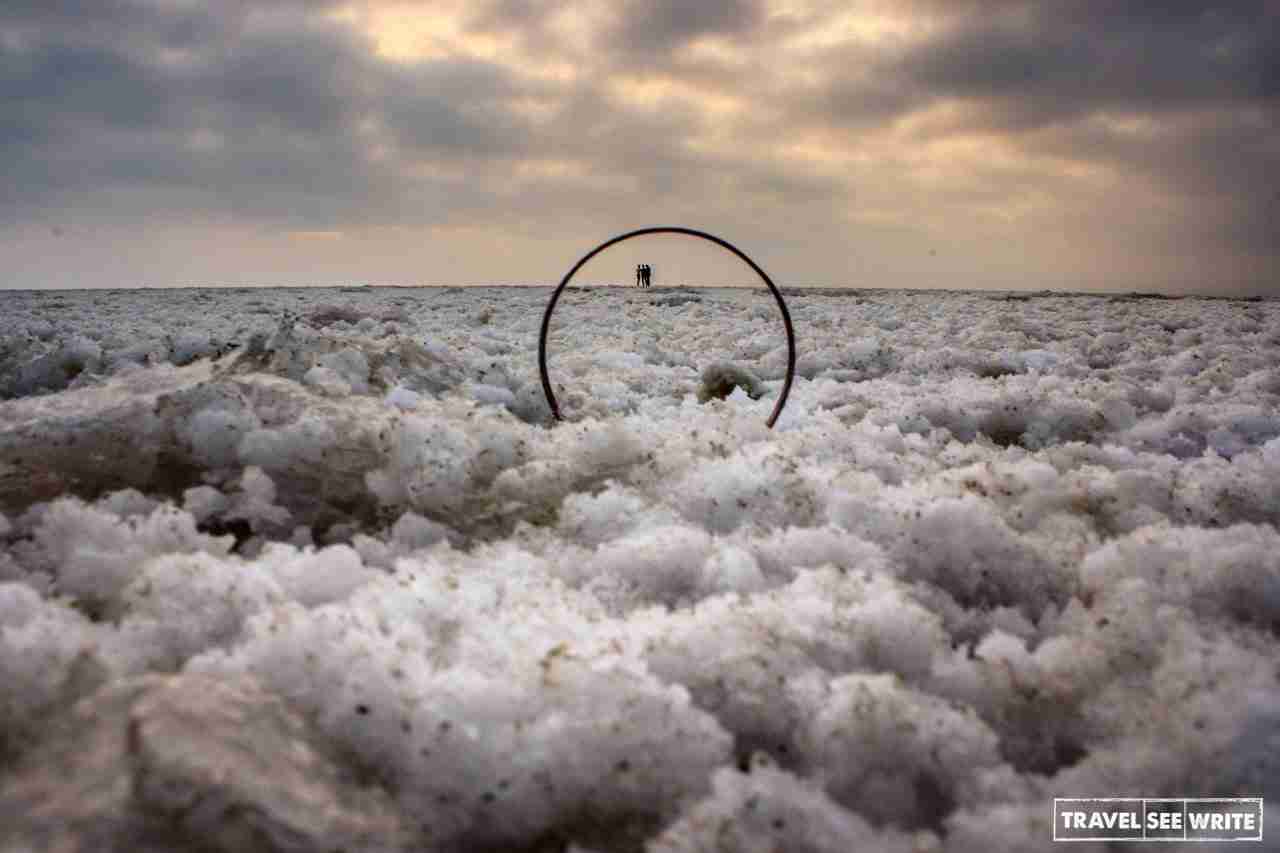
The Great Rann of Kutch is open for just four months a year, and during this time Rann Utsav, an annual carnival of music, dance, colours, and exclusive Kutchi culture is organised. Currently, the festival is ongoing from 28th October 2019 to 23rd February 2020.


Adding to the charm of Rann of Kutch is the wildlife of the region. The salt plains of the Little Rann of Kutch, spread across a 5000 square kilometre area, are also home to the Wild Ass Sanctuary – the only place on earth where the endangered Indian Wild Ass still lives. With more than a meter in height and two meters in length, the wild asses are very agile and can run for long distances at a speed of 50 km/h, making them more like wild horses than their domesticated cousins.

But the Sanctuary is home to far more animals and birds than just the wild ass – 32 species of mammals, two types of desert fox, jackals, caracals, nilgais, Indian wolves, blackbucks, and striped hyenas.

Moreover, due to the proximity of the wetlands of the Gulf of Kutch near sanctuary, LRK is the breeding ground for hordes of flamingos and other migratory birds. Every year, approximately 75,000 birds nest in reserve, they come from as far as Egypt, Siberia, Europe, Iran, Iraq and many more far-flung areas.
And, it’s not just the wildlife that LRK is famous for. You’ll be surprised to know that the salt pan workers in the Sanctuary produce about 65% of India’s salt.

If you are a culturephile like me, Gujarat will reward you with a lot of surprises. From the picturesque festivities, unique landscape, gifted artisans and effervescent tribes—every nook is steeped in history, creativity and colour. And every part of Gujarat has something different from others. From appliqué to beadwork, exquisite embroidery to the signature block print, kalamkari to patola and so much more— there’s always something extraordinary. While the entire state has a vast heritage of handiwork, I decided to stick to begin my journey of temples, tribes and textiles from Ahmedabad and the Kutch region. Have already mentioned Modhera Sun Temple, Rani ki Vav and the weavers of Patan above. Let me share what I discovered in the hub crafts and tribes – Kutch.

As I dived into the depths of Kutch, I discovered that embroidery is not just a fashion term, but an integral part of the fabric of the state. In Kutch, even as a visitor, you get used to beauty. Talent is everywhere, and colours are taken for granted. The ochre landscape is dotted with cattle, camels, sheep and the occasional donkey. Here villages specialise in specific crafts like Ajrakh block printing, mirror work embroidery of Hindu pastoral groups like Rabari and Ahir, woodcarving, wool weaving, bandhani and metalwork.

While staying at Rann Riders Resort in Dasada village of Little Rann of Kutch, I got an opportunity to meet and observe the life of many tribes carefully. First was the pastoral Kharapat Rabaris, renowned for their exquisite embroidery interspersed with small mirrors, and then the nomadic Mir community that makes artistic beadwork jewellery such as earrings, necklaces, trinkets and bangles among other knick-knacks.


And, if you go a little further, up to Bhuj, you can find several villages of pastoral nomads and semi-nomadic tribes specialising in various kinds of handicrafts. Below is the list of artistic villages you must visit:

The 597 feet (182 metres) tall Statue of Unity at Kevadiya colony of Narmada district is the tallest statue in the world and twice the height of the Statue of Liberty. The statue was constructed to honour the real ironman of India – Sardar Patel, who is a role model of unity and statesmanship. At the time of independence in 1947, India was divided into more than 560 princely states, and it was Sardar Patel, India’s first Deputy Prime Minister and Home Minister, who with his iron determination, could transform that imperialism into one unified nation.

Constructed on an island in the Narmada river overlooking the Sardar Sarovar Dam, it took four years and US$420 million to build this colossal structure. The project is expected to bring in a lot of Tourism dollars in the country by providing world-class hospitality and a wide range of activities for all age groups. Besides visiting the Statue of Unity, you can see the Laser Light and Sound Show, tour the Valley of Flowers, Sardar Sarovar Dam and its dykes, go boating, take a helicopter ride or trek in the Zarvani Eco-Tourism Area.


Visiting the grand statue personally, I wasn’t surprised to know why The Time magazine mentioned the Statue of Unity as among the 100 places to visit in 2019. Moreover, India has chosen the iconic site as the official “wonder” for the Shanghai Cooperation Organisation (SCO) ahead of other iconic sites like the UNESCO World Heritage Sites of Hampi (Karnataka) and the Ajanta caves in Maharashtra and the iconic Taj Mahal.

The city of Champaner in Gujarat at an hour’s distance from Vadodra was once a thriving capital of the Sultans of Gujarat in the 15th century. However, it was overrun by the Mughals in 1535, yet surprisingly the city was left unscathed. Perhaps, that’s why you can still see the city ruins frozen in time. The Sultanate of Gujarat had risen from the ashes of the crumpling Tughlaq Empire in the 14th century. The Sultans of Gujarat were great builders and had constructed some of the biggest cities of their time such as Bharuch, Khambat, Junagadh, and Ahmedabad along with Champaner. After capturing Champaner, Sultan Mahmud Begada decided to shift his capital city here from Ahmedabad. Bagada didn’t destroy the Rajput fortifications, instead, added many palaces, mosques, and tombs within the fort. Therefore, the structures that you see in Champaner represent a perfect combination of Hindu-Muslim architecture.


One of the must-sees among the buildings here is the remains of seven mosques at Champaner, of which the centrally located Jama Masjid built in 1523 CE is the most elaborate one. As you enter the mosque premise, you see two 30m tall minarets flanking the main entrance, two floors of open arcades, and detailed carvings and jaali around the pillared courtyard.

Champaner remained the capital of Gujarat until 1535 when it was looted and conquered by the army of Humayun. Post that, it was abandoned. Champaner-Pavagadh is a UNESCO World Heritage Archaeological park and is an excellent place for photography and heritage lovers.

I first time visited Gir National Park in 1987 when I was a little kid and barely understood what wildlife tourism is and what this National Park means to Gujarat and India. This 1412-sq-km Sanctuary situated near Junagadh is the last refuge of the Asiatic lion, best spotted between December and April. In terms of wildlife conservation, Gir is a big success story, with lion numbers doubling since 1965. Apart from Asiatic Lion, you can also spot sambar (the longest Indian deer), chinkaras (gazelles), chital (spotted deer), nilgais (large antelopes), elusive jaguars, four-horned antelope, jackals, striped hyena, foxes and marsh Crocodiles
Snakes like Indian Cobra, Russell’s viper, Saw-scaled viper and the Krait can also be seen here. Large forest area, a wide range of wild animals and a perfect habitat of Asiatic Lions makes it to the top of the list. A must-visit for all wild animal lovers. One can visit the Sanctuary from 16th October to 15th June every year.
So, these are my 10 must-visit places in Gujarat during winters. Needless to say, there are many more tourist attractions in Gujarat but these places are good enough to give you a taste of khuhboo gujarat ki (fragrance of Gujarat). Right from a weekend trip to spending months, there’s a lot in the colourful state to keep you busy. So, when are you booking your tickets?


I was hosted by Gujarat Tourism. However, everything expressed above is based on my personal experience. Images used are either shot by me or provided by the destination. Please do not copy anything without written permission.

As Navratri days are approaching, so is the excitement of participating in the colourful, dazzling lights and the sounds of Garba clapping and dhol. However, Navratri is a precursor to the festive season in India because just after Navratri, we have other festivals like Eid, Diwali, Bhaidoj, Govardhan, Christmas, etc. A celebration of nine nights, it is one of the most widely celebrated Hindu festivals in the Indian subcontinent. It is dedicated to honouring the Goddess Durga or Maa Shakti, symbolising power and purity. When you think of Navratri, the vibrant images of Garba and Dandiya dance conjure up. However, this festival isn’t limited to vibrant Gujarat. India’s unity in diversity is best reflected through the celebration of nine nights.
From Garba dance to Durga Puja rituals, the festival of Navratri is celebrated in different ways across India, representing the diverse traditions, customs, and flavours of each region. Still, the overarching theme of Navratri remains the same—the victory of good over evil. The festival is also a primary crop season cultural event.

In the east and northeast of India, Navratri is celebrated as Durga Puja, signifying the victory of Goddess Durga over the demon Mahishasura. In the North, Navratri is synonymous with ‘Ram Leela’ performances and the burning of effigies of Ravana, showing Lord Ram’s victory over Ravana. The final day of Navratri in North India is called Dussehra; in the East, it is Vijay Dashami. In the south, the festival celebrates the victory of different goddesses, such as Saraswati.

While the whole of India celebrates Navratri but nothing beats the fervour and grandeur of Gujarat during the nine-day celebrations. One of the favourite festivals of Gujaratis, it tick-marks both the boxes – devotion and entertainment. As the festival starts, nine days of fasting and worshipping Maa Shakti are observed during the day. In the evening, an earthen pot called “Garbhi” is lit, and women dance in a circle and perform arti around it. The lighting of the earthen pot and moving in a circle signifies fertility and life cycle. As the night befalls, both men and women enjoy the Garba and Dandiya Raas, wearing their best traditional dresses. Experiencing Gujarat during the Navratri festival is one of the most colourful encounters one can ever have; it can bring anything to life.

If you are planning to visit Gujarat, here is your complete Navratri Garba Guide:
United Way Garba, Vadodara:
Begin your journey from the cultural capital of Gujarat, Vadodara. There can’t be a better venue than the United Way of Garba, which is one of the renowned Ras Garba events in the country. Over 30,000 people revel in Garba celebrations every night for nine nights. The cheerfulness of the crowd at this event is so contagious and widespread that even the most famous celebrities cannot resist.

Besides the merrymaking and following the traditions, the event has a social side too. The event donates the collected money to 140 charitable organisations around the state. From good food to dance competitions, the venue is a one-stop destination for dance, dine and everything in between. For safety and to avoid unsolicited elements, the organisation has kept an entrance fee of 3500/male and 700/female for nine nights. Anyone from 12 years old to over 80 years is welcomed here.

Other venues in Vadodara: Head to Fine Arts Faculty Garba Ground, where they create the authentic Garba of ancient Gujarat. Another option is visiting the Maa Shakti Garba for groovy music, an amazing playlist, a mesmerising ambience, and euphoria. The MS University for its laid-back environs and a signature “no taali” (no clapping) garba. Young parents with kids would love Shishu Sanskrutik Garba.
GMDC, Ahmedabad: Not far behind is Ahmedabad, which attracts a huge crowd and many celebrities who dance their heart out to the tunes of folk music perfectly matched with modern-day songs. A must-attend event in Ahmedabad during this time is the Vibrant Gujarat Navaratri festival, which is organised at the GMDC Ground every year by Gujarat Tourism. The entry here is free.


Other venues in Ahmedabad: Unlike the usual nine-day celebrations, the Friends Garba celebration only lasts for the last two days. Those two days are filled with modern, funky Garba music, making it the ‘it’ place for the youngsters. Other local clubs you could visit are Rajpath, Karnavati, YMCA, and Gulmohar Greens.
Other destinations: If you are looking for more destinations, then go to Somnath, Rajkot, or Surat.
The Navaratri Mahotsav at Somnath Mahadev Temple in Somnath is highly underrated. As soon as the evening prayers finish, the atmosphere of the place suddenly comes to life with bright, colourful lights everywhere, stalls serving mouth-watering authentic Gujarati food, and people dressed in traditional wear swaying to the tunes of folk songs.
Surat, renowned for several nicknames such as “diamond city,” “textile city,” and” silk city,” put together a great show during Navratri. The best go-to venue is the Surat International Exhibition and Convention Center, where celebrities can be spotted quite often.
In Rajkot, the events held by the Leo-Pioneer Group and Race Course Club are much-loved by not just locals and tourists but even celebrities. Exceptional-quality singing and dancing can be seen here.

Garba nights are not just about perfecting the elegant garba moves but also about dressing up in style. In fact, many people plan their different traditional looks for all nine nights. Even the venues promote dressing up by hosting competitions for the best-dressed participants during these fests. Therefore, shopping takes centre stage before the festival begins. Here are the top markets for traditional garba wear shopping.

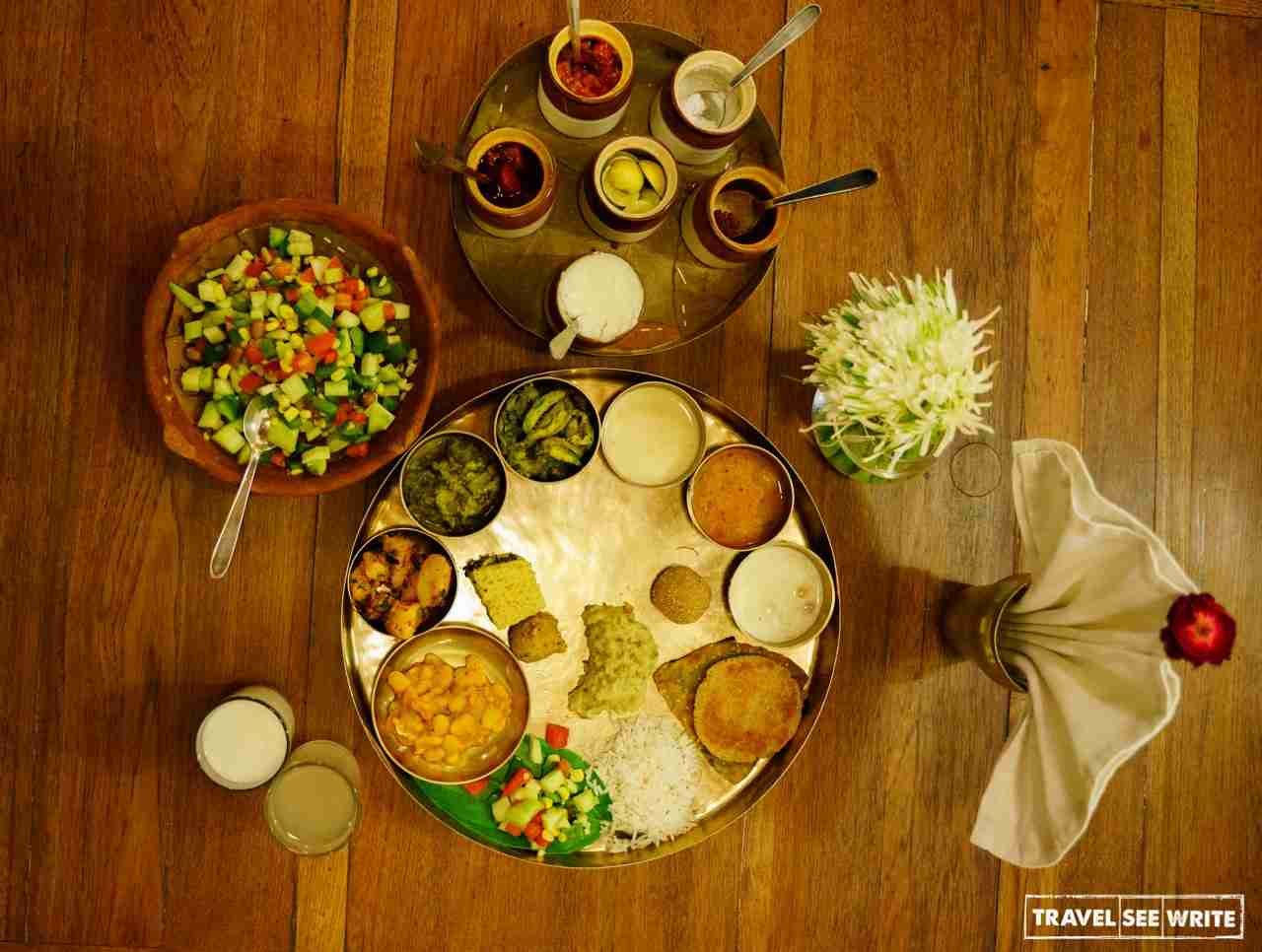
I hope this Navratri Garba Guide helps you plan a fun-filled trip to Gujarat during its festive best.

For more details on how to best experience Navratri Garba, check out what happens during Navratri in Gujarat.


I was hosted by Gujarat Tourism. However, everything expressed above is based on my personal experience. Images used are either shot by me or provided by the destination. Please do not copy anything without written permission.
It is the summer of the nineties, and I am on my annual family holiday at Manali. Despite being in the majestic Himalayas, I am dreaming of attending the festival of Navratri held some 1500-km away in the western part of India, thanks to a foot-tapping Bollywood chartbuster inspired by the state.
Cut to Sep 2019, I pinch myself to ensure my dream has finally translated from reel to real. Yes, I am in Gujarat attending the longest dance festival in the world – Navratri Garba. Nine nights of feverous dancing, glittering chaniya cholis and kedias twirling to the beat of the dhol and bustling midnight buffets has intrigued me long enough to find out what happens during Navratri in Gujarat. The iconic Gujarati Garba and Dandiya dance, dedicated to Maa Amba, is a sight to behold: thousands of devotees dancing in a circle around an earthen lamp, to commemorate the triumph of good over evil.
Coming back to the song that inspired me to visit the vibrant State of Gujarat. Well, it was none other than the chartbuster of 1999 – ‘Dholi taro dhol baaje’ from the blockbuster hit movie Hum Dil De Chuke Sanam. The joy and playfulness of Garba were brought to life by the super hit real-life pair of the 90s – Aishwarya Rai and Salman Khan.
It might have taken my over ten years to visit Gujarat during its festive best. Still, I made good by choosing the best venue – Vadodra – the cultural capital of Gujarat. It was here where I got to witness the best Navratri Garba dance of not just the state but probably the entire country. However, before I share my experience, let me shed some light on the background of Navratri.

Navratri is to Gujarat what Mardi Gras to Rio de Janeiro. The word Navratri is derived from Sanskrit, meaning nine nights – Nava (nine) Ratri (night). Each night of Navratri, a different form of Shakti is celebrated – Shailputri, Brahmacharini Chandraghanta, Kushmanda, Skandamata, Katyayani, Kaalratri, Mahagauri and Siddhidatri.

Per mythology, Navratri is a celebration associated with the great battle between demon Mahishasura and Goddess Durga. Mahishasura was blessed with immortality by Lord Brahma under one condition that the mighty Mahishasura could be defeated only by a woman. Blinded with the blessing of immortality and overconfidence, Mahishasura attacked the Trilok–earth, heaven and hell. None of the Gods could stand a chance against him, and thus they sought help from tridev – Lord Brahma, Lord Vishnu and Lord Shiva. All the three lords put all their powers together in the woman – Goddess Durga – to defeat Mahishasur.

Goddess Durga then fought Mahishasura for fifteen days during which he tried to mislead her by changing his shape each day to become different animals. Finally, on the tenth day when he transformed into a buffalo, Goddess Durga killed him with her trident (Trishul), and that was the end of him. Thus, we celebrate Navratri to demonstrate the victory of good over evil.
While the Mahishasur-Durga battle story is pretty much the same across India, from East to west, north to south; I am intrigued to know how Garba got associated with Navratri. My local guide Kirtibhai says,
The word Garba comes from the Sanskrit word for womb, which means life. Traditionally, the dance is performed around a clay lantern with a light inside, called a Garbha Deep (“womb lamp”). This lantern represents life and the foetus in the womb. The dancers thus honour Durga, the feminine form of divinity.

Garba is performed in a circle – representing the life cycle – from birth to death and again to rebirth. Like music and dance is vital to Garba, so is the traditional Gujarati outfits. For nine nights’ women don the intricately embroidered and mirror-work filled chaniya cholis and men wear ethnic kedia with dhoti or pyjama. The vibrant, colourful, and flowy dresses are created in a specific way to allow freedom of movement, especially arms and legs so that dancers can twirl, twist and spin as they clap their hands.

A festival that initially began as a token to honour the greatness of Shakti has today metamorphosed into an event of stupendous scale with thousands of people coming together to sing, dance, and make merry.
Navratri is what we Gujaratis wait for all year long. We might prefer comfort over physical activity throughout the year but come to Navratri, and we dance our heart out for 3-4 hours daily straight for nine days
says Kewal Gosrani, a 26-year-old local who has been doing the Garba since he was a toddler. And, he is not alone, for the nine nights of Navratri, dancing to the Garba tunes tops the list every Gujarati. Everything else takes a backseat. The zest and zeal of the festival are such that not just locals but tourists all over the globe visit Gujarat during this time.
Coincidently, there were a few Gujaratis on my flight too who visit Gujarat every year to play Garba. And, the ones who can’t, they take Garba along with them wherever they are. As they say, you can take Gujarati out of Gujarat, but you can’t take garba out of a Gujarati.
After years of research on the best Garba and Dandiya venues in Ahmedabad, Vadodra, Surat and other places, I arrive in Gujarat well in time to enjoy live Garba Raas. But as luck would have it, the whole of state has become a large swimming pool due to extended monsoon. However, the Gujaratis are renowned for their determination to make things work out even when the chances are next to none.
Despite continuous heavy showers, the waterlogged GMDC ground is transformed into a dry venue within a few hours to launch the grand Vibrant Navratri-Mahotsav 2019 on 29th September 2019 at GMDC ground in Ahmedabad. In the presence of political dignitaries, world ambassadors, global media and commoners, Gujarat Chief Minister Vijay Rupani inaugurates the Navratri celebrations. Entertainment is packed in a dazzling array of lights and colours, and a melange of traditional folksongs and dances Gujarat served to perfection.


Unfortunately, the next few days, the rain gods don’t show any mercy, and most of the Garba grounds are forced to cancel the Garba celebrations. Disappointed I reach Vadodra after spending a few rain-soaked days in Ahmedabad, Patan, Kevadia, and Little Rann of Kutch. My trip is at its fag end, and still, I haven’t been able to experience the magic of Garbathe Gujarati folk dance revered by Gujaratis. I make an earnest appeal to my guide, Kirtibhai, to pull up some strings and make me witness at least an hour of the Garba celebration that I had been dreaming for decades. And, being a true Gujju, Kirtibhai didn’t disappoint.

I attend the event at the largest Garba gathering in the State and presumably in the country – the United Way Garba, Vadodra. As I enter the well-lit and beautifully decked up ground with lanterns, flowers and vibrant origami decorations, Kirtibhai, says,
Be prepared to see a spectacle that you have never seen before. And, remember – Garba is played, not danced.
And, after witnessing the magic of Raas Garba, I couldn’t agree more. Simply put, Gujarati Garba dance is a process of clapping, skipping and moving in rhythm on folk Gujarati music. Here it was played by none other than the regional super singer – Atul Purohit. His earthy garba music moves over 40,000 people in a synchronised way.
However, this synchronised, step by step, twirl by twirl movement is a result of decades-old practice. Most Gujjus spend their childhood doing so in more intimate, familiar neighbourhood gatherings, before braving the giants. The Garba ground welcomes anyone from 12 years old to 80 years old. The ticket price is 3500 INR for males and 700 INR for females.

Mesmerised by the decorations and the enthusiasm of the revellers, I couldn’t believe my eyes. It was a million times better than what I had seen before – onscreen or off-screen. Until 8 pm there were hardly a thousand people in the ground, and as time passed, the numbers grew to over forty thousand people of all age groups and abilities dancing and singing together. Initially busy with catching up and taking selfies, the sea of people started to move around to the rising beat of the garba music.


The tidal movement started from the centre (garbha) and in no time every person standing in the ground, until the spectator’s corner, joined in the Garba Raas. Dropping all the inhibitions and swaying on foot-tapping folksongs and popular Bollywood numbers, the sea of people seemed possessed, by the power of Goddess Amba.

When I ask a local, Bijal Sahni, why Gujjus love Garba so much, she replies,
Garba is a fantastic way to express oneself physically as well as emotionally. Also, it is a great social platform to meet new people from different walks of life.
There are other benefits of Garba – relieves stress, calm down the muscles, works as a perfect dating ground, and helps in burning fat. Apparently, one hour of Garba helps burn 800 to 1,200 calories
I thoroughly enjoyed my first Navratri experience in Gujarat. The dream ignited by ‘Dholi taro dhol baaje’ was finally realised. My only regret is that I wasn’t dressed for the occasion – you need to wear the traditional chaniya-choli to get down on the ground to dance.
Now I have a solid reason to return next year. Will you join me?

I hope this article gives you an idea on what happens during Navratri Garba in Gujarat and you get inspired to experience Khusboo Gujarat Ki.
For more details on how to best experience Navratri Garba at its best, check out this article – Read this Navratri Garba Guide before you visit Gujarat.


I was hosted by Gujarat Tourism. However, everything expressed above is based on my personal experience. Images used are either shot by me or provided by the destination. Please do not copy anything without written permission.
Chennai might not attract as many visitors as its cousins – Delhi and Mumbai – do but Tamil Nadu’s capital has a lot to offer if you are ready to move a little bit out of the city limits. Whether it is Pondicherry or Mahabalipuram, there is a whole new world waiting for you to explore. While there are not a lot of places to visit near Chennai within 100 kms, Mahabalipuram is an excellent option for spending a quaint and relaxed weekend.

Whether you are visiting Chennai (also known as Madras) for the first time or revisiting, you would like to explore its historical past. Mahabalipuram, also known as Mamallapuram, is located 65 km/90 minutes away from the capital of Tamil Nadu and is one of the most precious jewels of India’s ancient heritage. The drive to this soporific sea-side temple town is quite picturesque. And, once you are there you’ll be completely awed by its many attractions – caves, sculptures, temples and ruins sprinkled like jewels everywhere.
Once a thriving port city in the 5th century, this UNESCO World Heritage Site contains India’s oldest examples of Dravidian buildings and sculpted monolithic rock-structures. If you flip through the history pages, you’ll find the origins of Mahabalipuram in the Pallava Dynasty, a Tamil dynasty that ruled over part of southern India between the 3rd and 9th centuries AD. Patrons of art and architecture, the Pallava kings, encouraged the construction of finely carved rock-cut temples and other architectural monuments.

Their signature symbol is a complex of temples commonly known as the ‘Seven Pagodas of Mahabalipuram.’ Unfortunately out of these seven temples, only one – the Shore Temple, remains open to the public today. The rest of the six temples are believed to have been submerged under the sea.
Start your Mahabalipuram tour from the rock-cut Shore Temple that lies on the shore of the Bay of Bengal. The five temples in the Pancha Ratha complex are carved in chariot shape and are dedicated to the five Pandavas and their wife, Draupadi. While the first structure – Draupadi- looks like a typical thatched-roof hut from Bengal, the second structure – Arjuna’s Rath – represents a Buddhist Temple. In between them lies the towering statues of the big three animals – a lion, an elephant and a bull. Also, you’ll see a vaulted roof structure dedicated to Bhima.

Once you are done seeing the Pancha Ratha complex, don’t forget to visit other must-see sites like the cave temples, the Tiger Cave and other famous temples dedicated to Ganesha, Krishna and Mahishasur.
If you think Mahabalipuram is only limited to ancient temples and caves, then you are entirely wrong. Adventure enthusiasts will be pleasantly surprised by the unspoilt beaches and hypnotising frothy waves of the old port city, which is becoming a hotbed for adventure sports and activities. If surfing is not your thing, you can go on a two-hour-long fishing safari around small coastal fishing villages.
Another exciting adventure you can try is kattumaram (catamaran) ride. In Tamil, Kattu means tied and maram means wood. The thrilling catamaran ride lasts for 60 minutes inside the sea.

It works as an antidote for city dwellers seeking some respite from mundane life. Surfers will love Covelong that is 20km away from the city and makes a perfect weekend getaway.

And, if you love art and craft, a visit to the Cholamandalam Artists’ Village (35km away) and Dakshin Chitra (25km) is a must. Both are conveniently located in between Mahabalipuram and Chennai.
Mahabalipuram is an ideal weekend getaway from Chennai as it is just 60km by road from the city. You can either hail a prepaid taxi costing approx. Rs 1,000 or hitch a bus ride for about Rs 30-80.
If you are concerned about the accommodations, don’t worry. Hotels and resorts in and around Mahabalipuram are as good as Chennai hotels. The luxurious Sheraton Grand Chennai Resort and Spa is located on the shore and is an ideal place for a peaceful weekend getaway, an important MICE event or a grand or small scale family function.

I recently spent five days attending the ‘Experience France’ MICE event organised by Atout France here. The location, food and facilities were ideal for foreign and Indian delegates. While I personally didn’t get a chance to explore a lot, you can either do sightseeing on your own or ask the hotel to arrange it for you with prior notice. However, please do note private taxis or booking an uber is a costly affair. Sometimes the drivers ask for as high as 1000 INR for a 5 kms journey.
The best time to visit Mahabalipuram or other tourist places in Chennai is winter, preferably from November to March.
So, what are you waiting for? If you are looking for places to visit near Chennai within 100 kms, Mahabalipuram is a perfect choice for a weekend getaway trip. Book now and get bedazzled by one of the most beautiful jewels of ancient India.
Experience the potpourri of different worlds at Pondicherry

Ladakh is a bucket list destination for everyone – whether it is doing a road trip in Ladakh or trekking in Ladakh. What fascinates me the most about Ladakh is its culture and people. Often referred to as Mini Tibet it is a place where you can find adventure as well as spirituality in abundance. Most people visit Ladakh to get clicked on its butter-smooth highways, Pangong Tso Lake, Khardung La and Nubra Valley. Not many go beyond the usual tourist spots to explore the rich food, art and culture of Ladakh. Even in travel forums, you’ll see people asking questions about tourist attractions of Ladakh rarely you’ll come across questions such as what is the art and culture of Ladakh, How many cultures are there in Ladakh, what is Ladakh famous for or why is Ladakh rich in cultural heritage?
We always characterize a place with its non-living attractions such as monuments, natural wonders, architecture, weather, transportation or food. But we tend to forget that the soul of a place is defined by its people. After all, it is the people that make a country, not the country that makes the people. The best trips are the trips where you begin your journey by understanding the social fabric of a place through its people and their culture. I recently visited Ladakh – the coldest desert of India – and during my trip, I tried to get into the skin of the place by understanding the life and culture of Ladakh through its people. While I experienced a lot of facts about the lifestyle of Ladakhi people – their food, culture, Oracles, Arts & Crafts and much more. In this article, I am going to stick to the untold stories of the Ladakhis.

The land of high passes blew my mind with its undying generosity of the locals. By far Ladakhis have been the most humble and down to earth people. They will serve you their homemade food, they will take out time to talk to you, they respect the mother nature, even in the remotest area they have 3 kinds of trash bins to recycle and segregate their garbage and last but not the least they always offer a helping hand. I have had some beautiful encounters and conversations with the charming people of Ladakh. Here is my attempt of understanding the Culture of Ladakh by listening to their untold human stories.
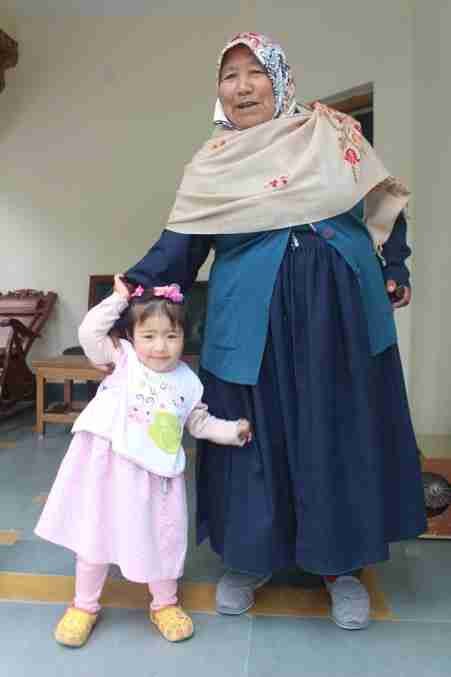
I am 78 years old and I am in this Hotel industry since the last 35 years. I am one of the owners of the Grand Dragon Ladakh hotel. We stay right next to the hotel so that we can take care of it. We have built other hotels as well, in Ladakh. We built the Grand Dragon Ladakh 13 years ago. We completed making 30 rooms just in time for Salman Khan, when he came in Ladakh for his movie. I remember Aamir Khan was the first one to come here to shoot for his film “3 idiots”. After that movie, the tourism in Ladakh boosted. She is my granddaughter and she is very mischievous, she doesn’t even stand still for a minute, always fooling around. Here in Ladakh everything is fresh, the air, fruits and vegetables. All our food is organic and we stay healthy because we eat fresh food without any chemicals in it. We do not fall sick much. Even in this old age, I do not need a hand to walk around.
Do you eat meat? I have some mutton momos!

I have been a driver all my life and I am more than 60 years of age. I and my ancestors have always lived in Ladakh. I love driving tourists around, some of them happened to be celebrities too. I am fond of tourists, I like meeting new tourists, interacting with them and knowing about their culture. I remember being the first person to drive a traveller bus on the risky and dangerous passes; I think I am the tallest person in Ladakh with a height of 6 feet and 3 inches. I joke around tourists and keep them entertained; they think I have a good sense of humour (chuckles). Once a tourist, on our way to Changla Pass, asked me that he wanted to have a massage with all the travelling in Leh, I told him that wait for an hour and we will reach the massage place. He got very excited with the thought of having a relaxing massage, but he didn’t know that we were going to drive through the bumpy and not so developed roads of Changla Pass. After the uneven road ended, I asked him how the massage (laughing out loud) was.
Mr. Shaukat Ali was like a fatherly figure throughout our journey in Ladakh. He was the head of the driver’s troop and took care of all the cars travelling with us. He made sure that every tourist got what he demanded for and made sure everyone was in good health. He fed us even before taking a bite himself, hilarious and charming for his age. He had some amazing networking skills, greeted “julley” to everyone he met; knew most of the places and people in Leh. He additionally was familiar with the exact spots for witnessing some breath-taking views.

I am sorry to keep you guys waiting. Please have some dried apricots and walnuts! We were a part of Baltistan, Pakistan until 15 December 1971, but after the war that took place between India and Pakistan in the year of 1971, which lasted for like 13 days, we became a part of India (as India captured Turtuk and other 2-3 small villages) effective 16 December 1971.
We got separated from our family members in Pakistan, some of our relatives and family members are still over there. I do not have a passport, I got married 2 times, have 7 kids and my youngest daughter wants to be an engineer. There was a time somewhere near the war, when the Pakistan army barged into our palace and took control of it. They didn’t leave even after all the requests and pleading. The king then; had to file an appeal in the Lahore court, and after winning the case, the Pakistan army did vacate the place but leaving it in no good condition.
We like it over here; Indian army takes good care of us and our needs.

I am not dressed properly so my pictures will not come good. (After insisting) Ok just one picture. (After clicking the picture) Show me how I look!

I along with my wife started Jigmat Couture in the year 2010 which reminds me that year we will be celebrating 10 years of our venture. Her name is Jigmat too. With the help of local artisans, we created local woollen textile and after being satisfied with the outcome, we decided to start Jigmat couture. Our area of expertise is Luxury and Lifestyle. We use local resources like Cashmere, Yak wool, camel wool, lamb and sheep wool. We additionally cater to customized wear for occasions, be it a bridal outfit or a red carpet one. We have a theme for every floor in our museum; it is a museum of art, craft and culture. Many of the historical items on display are either donated by the locals or occasional celebrities. We organise various workshops for school children and art lovers to develop an interest in textile art. We recently opened a shop that accommodates affordable textile options; so that it can be beneficial for a crowd at large.

I live in a very remote village; we recently bought a house there. I travelled around 90 kilometres today to reach here. (Why did you travel so much?) There is Buddha purnima today and we come to Leh palace every year to celebrate this auspicious day.

I am originally from Kashmir, but I have been working in Ladakh for a very long time now. My family is over there; I save my work leaves and visit my house whenever possible. Sitting near a flowing river, surrounded by abundant greenery, chirping birds and sipping on some tea is my idea of visiting my birthplace Kashmir.
It was pure love and honesty understanding the culture of Ladakh through its people and listening to their untold stories. These conversations are now imprinted in my memory. Wish I could interact more with them, but not getting disappointed as there is always the next time. Whether you visit Ladakh in summers or winters don’t shy away from greeting “julley” to all. The Ladakhis are very sweet people and are always up for a conversation. For them, giving time to their guests is of utmost priority and hence proved, Ladakhi Hospitality is the best. Also, do check out the cultural survival of Ladakh
Nikita Panchal travelled on the behalf of Travel See Write to Leh Ladkh and she was hosted by Grand Dragon Ladkh. Everything expressed above is based on writer’s personal experience in the region. All images used were either shot by her or provided by the hotel. Please don’t use any image or text without written permission.

Leh Ladakh is on every Indian’s bucket list. From the highest motorable road to the sand dunes of Hunder, from the biggest salt lake to the Bactrian camels, from the highest man-made bridge to the last standing village and from the humans of Ladakh to the cute little furry animals, Ladakh has it all. Ladakh gained its fame after the famous Bollywood movie – 3 idiots and the tourism shoot up. So, if you are dreaming about a dream holiday, now is the time to plan a Leh Ladakh one week trip.
For many, it’s a cakewalk to backpack and leave for Ladakh but for others, planning a trip to Ladakh is not so easy after all. Many factors come into the picture, such as low oxygen levels, dry climate, long travelling hours, nausea during travels through the ghats (motion sickness) and Acute Mountain Sickness (AMS). Some end up cancelling the trip or not getting enough courage to plan for one, whereas some brave hearts look forward to facing such challenges just to admire the beauty of this place.
Well getting to Ladakh is pretty convenient. There are multiple options to get to Leh.

Airways: There are direct flights to Leh from Srinagar, Delhi, Mumbai and Jammu which commute daily. The airport is named as Kushok Bakula Rimpochee Airport. Being a military base, photography at this airport is strictly not allowed
Roadways: The roads are pretty well connected all over India, so you can easily make a road trip from whichever place you want, to start from. I have known people who have made road trips from Kanyakumari till Leh, so the sky is the limit. Additionally, there are government and private buses which start from Srinagar and Manali. You can choose the vehicle (bike, bus or car) of your choice and get going.
Railways: Railways are a lot of time-consuming and it can take up to 3 days to reach Ladakh from the nearest railway station which is in Tawi and is around 700 km away from Leh. So commuting by train for Leh is not recommended, as by the time you reach there you will be completely exhausted with no energy to explore.

So once you reach Ladakh, you will need a car/ traveller bus to travel around as there are no timely public transports available out there. The car hire charges are on a higher side in Leh due to presence of Ladakh Taxi Union which is operated by Ladakh Taxi Operator Co-operative Ltd. They have fixed rates for all the tourist destinations depending upon the car/bus, and it cannot be negotiated reason being the Ladakh Taxi Union again. You can check out the taxi rates on https://www.Ladakhtaxiunion.com

You can rent a Bike/ Bicycle if you want to feel the thrill of this terrain. Most of the roads in Leh are in good condition all thanks to the BRO (Border Roads Organisation) except for the roads near Changla Pass and Khardungla Pass. So get ready for a bumpy ride out here. Additionally, you will need permits to get around Khardungla Pass, so in case you are taking your own vehicle then do ensure to complete permit formalities beforehand. Carry necessary Vehicle documents as well as personal documents which will provide an accessible transit throughout Leh.

Ideally, summer (April to mid october) is the best time to visit Ladakh as the snow melts over and you get unblocked roads to commute around in Leh. Many people ask me if it is OK to visit Leh in December? Yes, it is absolutely fine. Mid-October to March is the coldest period in Ladakh, many people do visit Ladakh in this period as well, for Chadar Trek or just to experience the magic of snow covered Ladakh. Snow brings in its own charm. However, getting a warm place to stay becomes a task in snow as most of the hotels do not have the luxury of heaters or even running water for 6 months. If you are in for such adventure, then winter is coming.

I am sure; we all have our preferences and choices when it comes to travel any part of the world. Ladakh is suitable for all types of travellers, be it a solo traveller, families, friends, cousins or a trip with the strangers. Ladakhi hospitality will never look away and will help you whenever you are stuck. But I would highly recommend travelling in a group so that the cost is divided (car cost being the highest) and you can end up having a budget trip
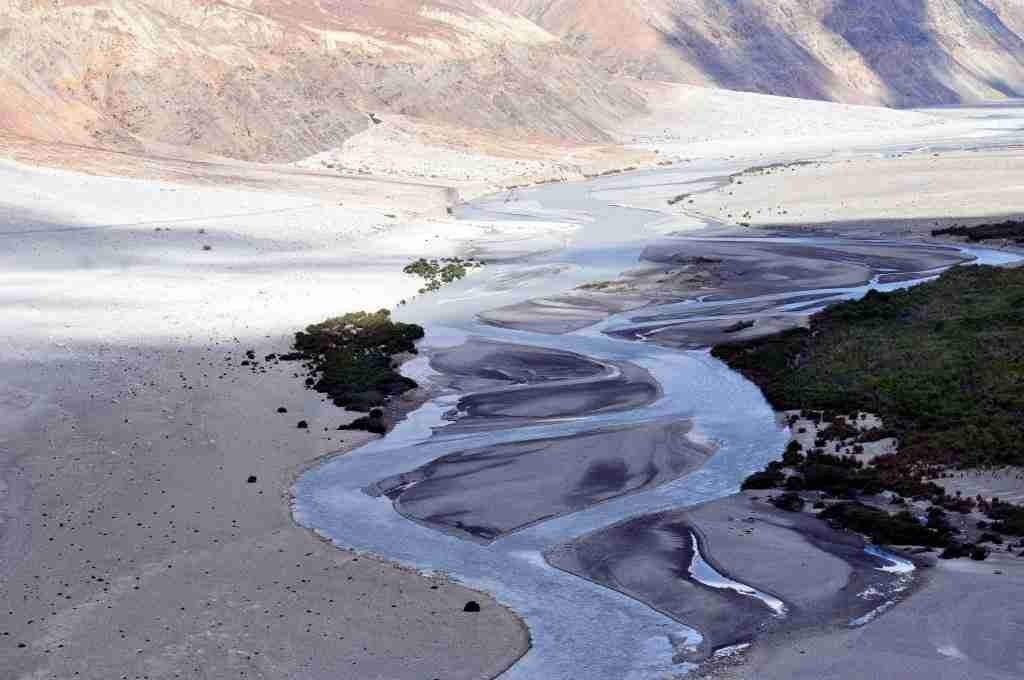
Budget is subjective to the mindset and affordability of an individual when it comes to travelling any place. Some people go with the flow, whereas some are calculative at every step. Some people think that it’s ok to shell out any kind of money when you are out and travelling as you are never going to be at the same place again whereas for some if it’s not a necessity, then the money shouldn’t be spent, it is merely wastage.
In short, you can budget the trip in any manner you like, you can go all lavish and stay in a 5-star, or you can just backpack, hitchhike and stay in homestays. The choice is all yours. But for your information, the most significant expense will be car rental. A five star will cost you anything above 10000 rupees a night whereas you can get homestays for as low as 500 rupees a night. Food is reasonably priced. There are many food outlets throughout the way as well as army based wet canteens where you indulge in some piping hot tea and samosas. One meal can cost you anywhere around 100-500 rupees.

Ladakh is a vast union territory and with vastness comes in a lot of confusion while deciding on a place to stay. Nature lovers would want to stay at a place somewhere near nature, whereas people looking out for convenience would love staying near the stations, markets for easy accessibility. Staying near the markets in Ladakh is a win-win, mainly because it is a hub of cafes and restaurants. Who wouldn’t want to have a scrumptious meal, right? You can explore the surroundings until late at night without any fear. Generally if you are staying at a remote location, it gets a little scary with no one around at night), Ladakh market is pretty vibrant with numerous duds and embellishments to grab on, the shop owners keep their outlet open till late in the night, you get stuff at a pretty reasonable rate, and there is something available for every type of a shopper. I am sure I have answered your question of where to shop in Ladakh. There is only one market in Ladakh, and it is easy to find that out.
Different kinds of accommodation are avilable: luxury, mid-range or budget

Picturing Ladakhi food, we end up thinking of momos and thukpa. But the Ladakhi food is more than that. Jolting down some of the yummiest local dishes you can try in Leh. I am sure, by the end of the list, you will feel famished.

Being a cold region, Ladakh gets quite nippy in some specific areas. Make sure you pack some warm jackets, ear muffs to cover your ears from the nasty and frosty winds, hand gloves to avoid it from getting numb in touristy places like Khardungla, Pangong lake and Changla pass. The lake area gets chilly even in the day time. You can also carry your thermals if your body is not suited for frozen temperatures. It is advisable to not roam without your warm clothes in the crispy chill weather as it will make you fall sick. Precaution is anytime and any day better than cure.
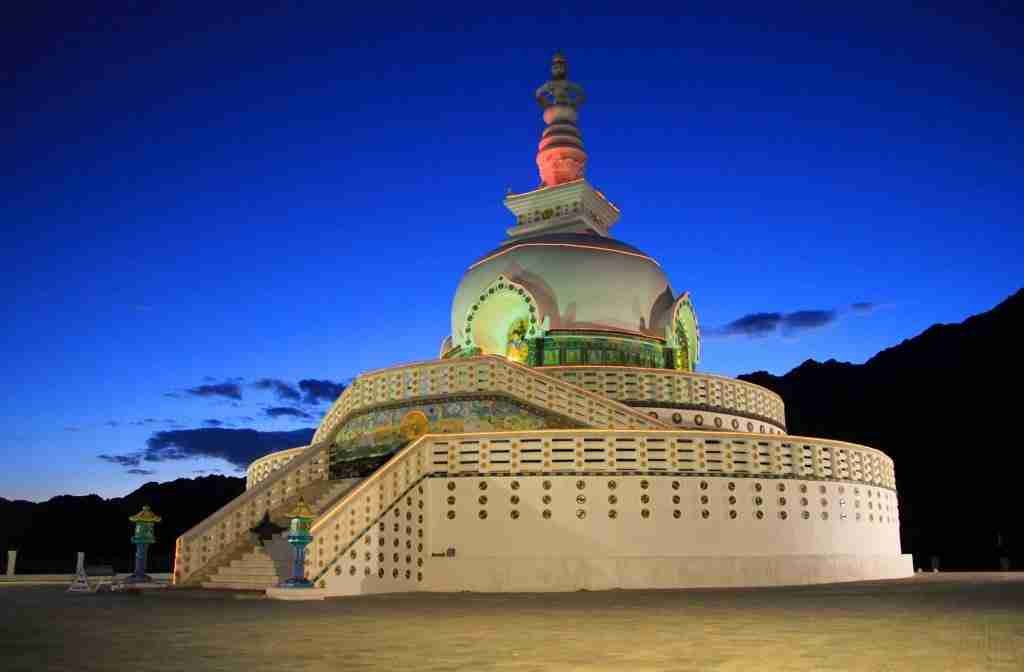
Aptly quoted by Helen Keller, “Life is either a daring adventure or nothing”. By saying that I am not implying that it is vital to perform some adventure activities when you are travelling to a new place, but it will be useful if you get out of your comfort zone once in a while to make and cherish memories for a lifetime.
You can satiate your adventure soul by venturing in motorbiking, trekking (Stok Kangri), River Rafting (at the confluence of Zanskar), snow leopard trails, mountaineering and then there is this double-humped camel safari in the Nubra Valley as well, but I would not recommend it, as the animals are not taken good care of.

That’s a difficult question considering even a lifetime is not enough for Ladakh. But on a safer side (and, if you are tight on holidays), a Leh Ladakh one week trip is the bare minimum you should plan.
The following Itinerary can be tweaked as per your likings:

Arrive at Leh and rest for the whole day to acclimatize. Kindly do not take AMS (Acute Mountain Sickness) lightly, it is real, and it has its causes if proper precautions are not taken. It is suggested to whiff camphor to prevent dizziness as well as intake garlic soup.
By evening if you feeling healthy, you can drive up to Shanti Stupa and snap the sunset. Do wear a light jacket with earmuffs as it gets a little windy in the evening.
Shanti Stupa – It was built as a peace symbol after the Hiroshima attack as the Japanese wanted to send a peace message in the world. Shanti Stupa was built with an equal effort of Indians and Japanese people. It was built in 1991 as a part of Peace Pagoda mission. The Stupa is a beautiful white coloured Tibetan structure overlooking the Leh city.

Drive to Hemis to visit Thiksey Monastery, have a filling and continental lunch at Cafe Cloud 9 with the views of barren mountains. As it is just the second day, have some rest in the afternoon and then leave for Sangam to witness sunset at the confluence of Zanskar and Indus River.

Thiksey Monastery – It is 20 kilometres away from Leh. It a man-made wonder and probably the most picturesque monastery in Leh. It houses 500 monks, and the buildings are made in a hierarchal order.
Sangam – It is around 50 kilometres away from Leh. It is a confluence of River Indus and Zanskar. Different colour river water is quite evident from the confluence viewpoint. There are river rafting activities performed in here, and if lucky you will get to see the azure Sangam
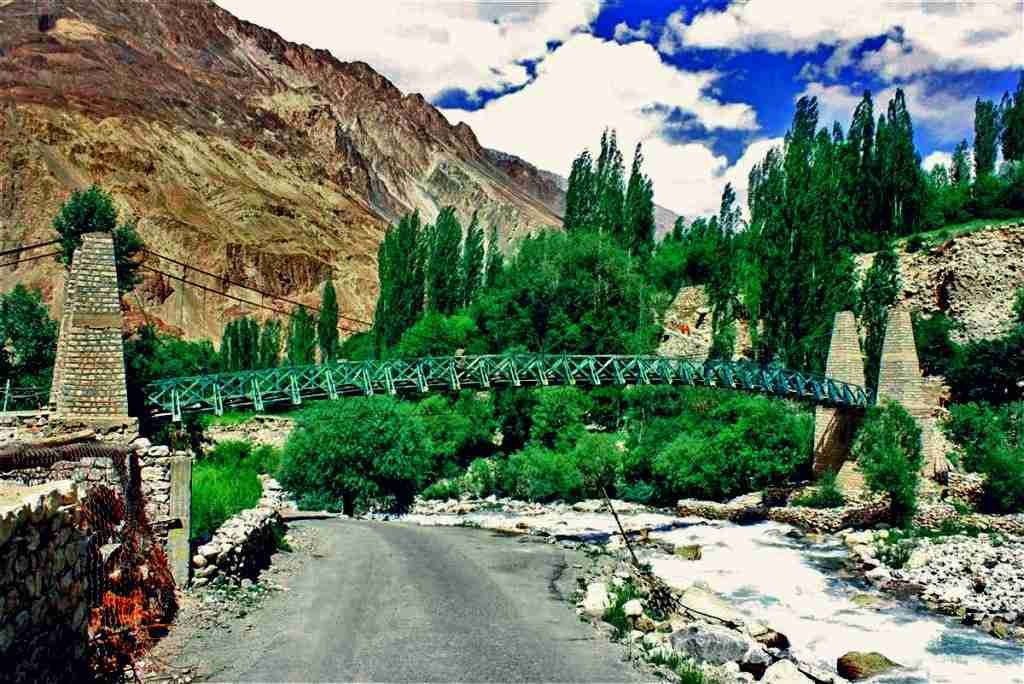
Turtuk – Turtuk is the last standing village which is just 10 km away from POK (Pakistan Occupied Kashmir). Turtuk came under the Indian regime in 1971. To be precise, India occupied Turtuk on 16 December 1971. It has around 450 houses with a population of approximately 3000 people. Although their mother tongue is Balti language, but they even know Ladakhi and Hindi. Things to do in Turtuk include exploring Bali villages, apricot orchards, the heritage home museum and meeting with the King of Turtuk (Yabgo Mohammed Khan Kacho)
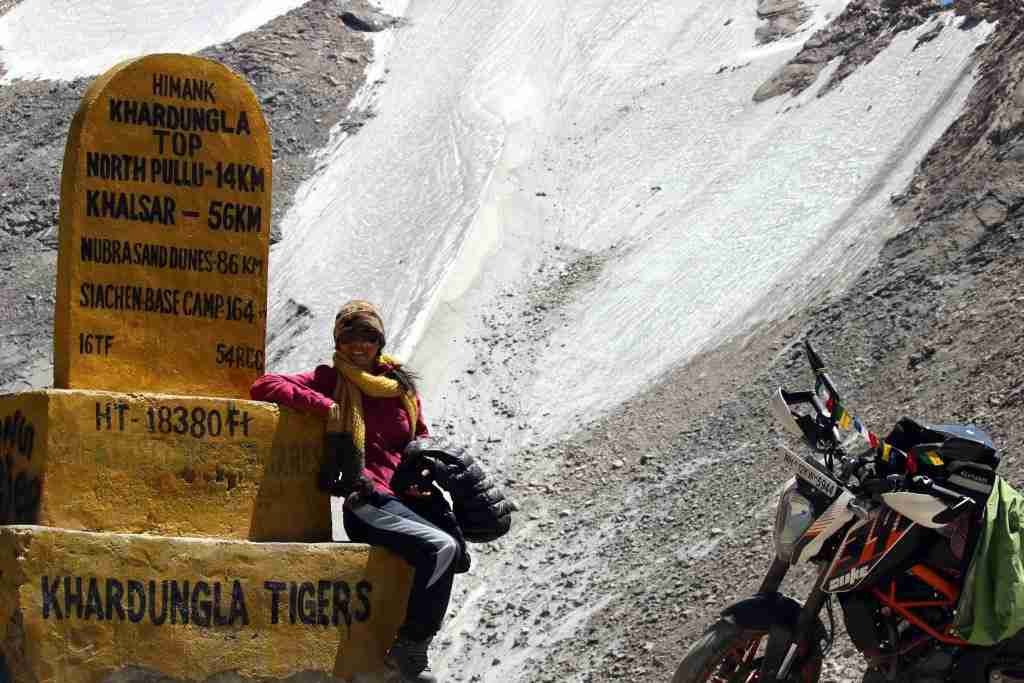
Khardungla Pass – It is the highest motorable pass in India situated at an altitude of 18379 ft above sea level. It is a gateway to the Shyok and Nubra valley in Ladakh. It also serves as a gateway to the Siachen glacier, all the troop supplies are transported from Khardung la. Spending more than 10 minutes here is not advised as AMS can kick in any moment. If you have breathing issues, kindly carry oxygen cylinders to help you with a constant supply of oxygen.
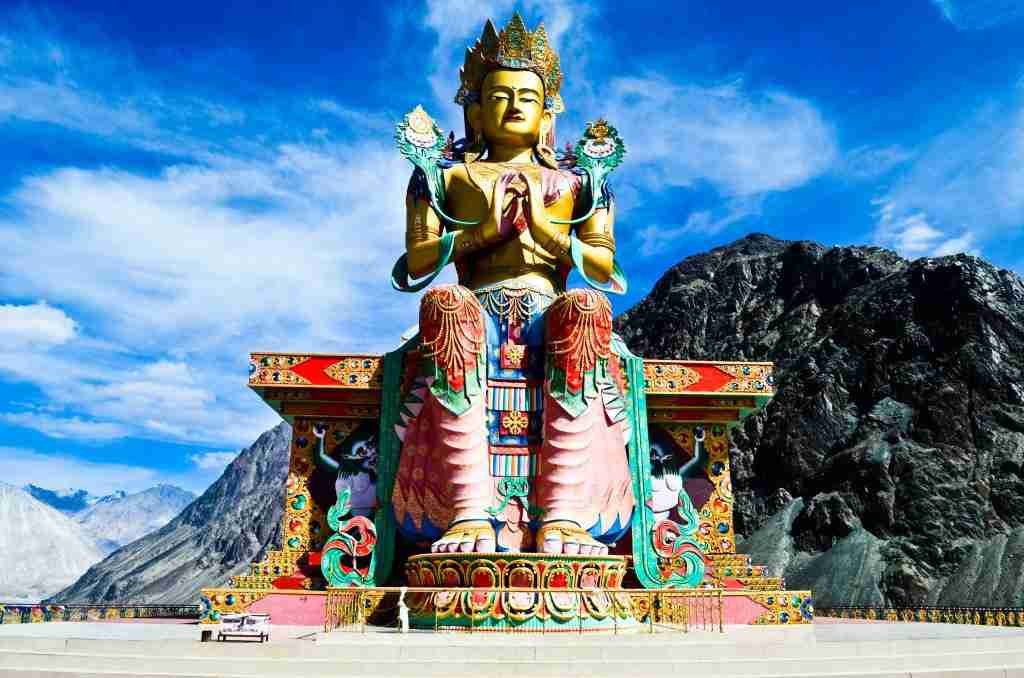
Diskit Gompa – Largest Monastery in Nubra Valley. It is built in between the mountain ranges, and it’s vividly colourful. You will get a pleasant view of the Shyok river from this hill.
Sand Dunes – By now, you must be wondering that what is it that Ladakh doesn’t have? Sand dunes right in the middle of the brown mountains with cute Bactrian Camels to give you company. They are found only in Nubra valley in India. Single humped camels are found in hot desserts whereas double-humped are found in high altitude and cold regions. It is believed that some Bactrian camels were left behind following the closure of the Silk route and hence we can have banter with these cuties. When we visited sand dunes, there was a crazy line of tourist waiting in queues to take a ride on this camel. The camels were always on toes without any rest. I would request you to avoid taking a ride on these camels and be a responsible tourist.

Pangong Tso – It is approximately 130 kilometres in length, and the water changes its colour depending upon the sunlight. One-third of the lake is in India whereas the remaining two-third is in China. It is the highest saltwater lake in India. It gets nippy near the lake so dress accordingly. Please do not go inside the lake and spoil the water. It takes in a lot of effort to maintain nature’s beauty, but somehow many people take it for granted and ruin its charm. They have a metal board fitted right at the start of the lake clearly laying down the rule of not going inside the water, and I could still see many people taking a dip in it.

Enjoy your last day at leisure, explore the markets, buy some souvenirs for your friends and family and return back with happy memories
Hope you find this leh ladakh one week trip article useful. Have you been to Ladakh? If yes, please share your experience in the comments section. below.
Nikita Panchal travelled on the behalf of Travel See Write to Leh Ladkh and she was hosted by Grand Dragon Ladkh. Everything expressed above is based on writer’s personal experience in the region. All images used were either shot by her or provided by the hotel. Please don’t use any image or text without written permission.
Ladakh, the first thing that comes to mind is mountains or naked mountains as termed by the locals since there is no vegetation in the cold desert. Wherever you look, you see barren and untamed landscapes. If you’ll ask Indians what is there dream holiday destination, most likely their answer would be Ladakh. Thanks to films like 3 Idiots, Jab Tak Hai Jaan and many more, Leh Ladakh is the quintessential destination for motorbike trips, jeep safari or even a trek. Thinking about a luxury stay in Leh Ladakh seems like a farfetched dream, but the Grand Dragon Ladakh made luxury possible. I have been to Ladakh a couple of times and have stayed at all sorts of accommodation be it guest houses, tents or budget hotels, but the Grand Dragon Ladakh exceeded my expectations with its impeccable service, luxurious rooms, unbiased views of the landscapes and scrumptious meals. The Ladakhi Hospitality goes beyond its limits to make you feel warm and comfortable in a strange land.
It was started by the ABDU family and is still managed by them. Built in 2007 it was the first ever luxury hotel in Ladakh. The best part about thsi hotel that makes it so unique is it maintaining the Ladakhi tradition and culture alive in every corner of the hotel. The beautiful paintings on the walls of the hotel are a work of Mr. Ghulam Mustafa.

The Grand Dragon Ladakh is centrally located in the old city of Leh. Leh is the largest city and it populates approximately 3 Lakhs humans. This hotel is at a height of 11562 ft . It holds a significant place to the people of ladakh as The Grand Dragon Ladakh was the first ever Luxury Hotel built in Leh. You can never miss a flight as you are just 4.5 kms away from the Leh Airport if you stay at The Grand Dragon. It is just half an hour drive away from touristy points like Shanti Stupa, Leh Palace, Hemis Monastery and Thiksey Monastery. It is walking distance away from the market, where you can easily spend the day browsing the architectural and artistic crafts. Leh market is a hub of all the things you need, which is quite impressive because it is located at such an altitude and is remotely connected to the rest of India.

Zasgyath (The Coffee Shop)
Zasgyath is a huge Dining area on the ground floor of The Grand Dragon Ladakh. It has indoor as well as outdoor seating. The dining area provides majestic views of the snow clad mountains. You can sip on a coffee or grab a bite overlooking the beautiful view. The Dining area is huge and can accommodate huge groups of people. The tables are impressively arranged with a range of cutlery, in line glasses and table cloth. Attention to every detail is given. Zasgyath is a multi-cuisine restaurant and the buffet displays a variety of cuisines from around the world such as continental, Tibetan, Ladakhi, Chinese and North Indian. Servers are well trained and attentive, and they always greet you with a big smile no matter what.
Tusrabs (Oriental Cuisine)
Tusrabs is a cute restaurant overlooking the garden area. With its wooden chairs and tables, it lays out a beautiful seating. It serves flavours of authentic Ladhaki, Tibetan and Chinese Cuisine.
Solja (In House Bakery)
If you are craving some freshly baked bread or pastries, you can head over to Solja to satiate your cravings. Enjoy some tarts, truffles and cheesy savouries pairing it with your favourite beverage.


Ladakh has everything to offer for all sorts of travel enthusiasts. Be it adventure sports, cultural heritage or even ladakhi tradition. Book the Grand Dragon Ladakh and forget about your itinerary woes. Yes, you heard it right. They customize your Leh itineraries as per your likes, interests and also as per your suitable schedule. Be it 5 days or a 2 week plan, they have it all covered. They take care of everything starting from your stay, car booking, sightseeing till your food. My stay at the Grand Dragon was a smooth ride. They had everything planned pretty systematically for me and trust me, it was unlike those tour packages which do not even give you a breathing space. For long duration rides, enough food and beverages accompanied us, giving us no reasons to complain. The planning is so good that you need not have to worry about the timings, the halts to be taken or the places to be eaten at.

Let’s talk about some facts about the Grand Dragon Ladakh Rooms. They have in total 76 spacious rooms:
These rooms display art and culture of Ladakh. The rooms are extremely spacious accompanied with a cupboard, writing desk and a chair as well as a medium sized sofa with a small dining table. The flooring is that of the teak wood and hard wooden furniture has carving details inspired from that of the monasteries. A lot of thought and detailing has been put behind designing these rooms. All amenities in the rooms are ammonia free and nontoxic. In addition to central air conditioning, they have installed fresh air systems with humidifiers that infuse fresh air and moisture in the rooms. It helps guests with the low oxygen levels and dry climate. Every toiletry has been placed thoughtfully; I mean they had put a lip balm in it, how impressive is that! No one thinks of a small thing like a lip balm, but grand dragon thought of it and it helped me throughout my Leh trip.
Ladakhi hospitality is the best. As soon as we entered the hotel, we were greeted by a lady dressed in Ladakhi traditional dress and she presented us with a white scarf known as Khata or Khatag. It is a traditional scarf used in Tibetan Buddhism. It symbolizes purity and is presented at occasions like births, weddings, funerals and arrival or departure of guests. After we were seated comfortably, we were given camphor which helps in reducing the dizziness caused by AMS (Acute Mountain Sickness) followed by a beverage of our choice. The hospitality followed us back in the room with a bowl of garlic soup which again helps in the acclimatization process. We rested the whole day with an availability of 24 hour room service.
Talking more about service, the service was always prompt, you name it and you have it. During my stay, I felt a little sick and a doctor on call came in immediately to check up on me. I was provided with necessary medication by the Reception desk and plenty of water to drink. Every staff member will greet you, no matter what time of the day or night it is. They made sure that our needs were catered to. The Staff is really humble and down to earth, always ready to help.

You can either book The Grand Dragon via their website or through a third party vendor like MakemyTrip, Tripadvisor or Booking.com
There are daily flights to Leh from Srinagar, Delhi, Mumbai and Jammu. Once you get down at the airport, the hotel is just 4.5 kms away. It will hardly take you 7-8 minutes to reach the venue. Google Maps will guide you here!
Nikita Panchal travelled on the behalf of Travel See Write to Leh Ladkh on the invitation of Grand Dragon Ladkh. Everything expressed above is based on writer’s personal experience she had in the region. All images used were either shot by her or provided by the hotel. Please don’t use any image or text without written permission.
Novak Djokovic recently created history by winning his fifth Wimbledon Grand slam in an EPIC final match where he defeated Roger Federer in the longest final match ever. That match revived a lot of my memories about the Serb, especially the trip I took last year to his homeland – Serbia. However, before I embarked on my journey, my mind was fraught with anxieties like is Serbia safe to travel, mainly for solo female travellers like me? Will there be a language barrier and struggle for vegetarian food? Serbia seemed enticing as well as frightening at the same time. Undeterred, I took the plunge. What happened next could make a good cinema plot.
A dream trip started on a roller coaster ride when I arrived penniless in Belgrade from Zagreb. No, I didn’t spend all my money on the Mediterranean cruise in Croatia but was rather pickpocketed in a night train. Yes, accidents happen everywhere. Nothing to fret about. Thankfully, my bus driver (who didn’t understand a single word of English) was considerate enough to drop me at my hotel without charging a penny. I had arrived early morning, so the receptionist was having a hard time to check me in. A lot of pestering and retelling of my nightmare did the job.
An hour later I met someone who set the tone of my entire trip. I bumped into 5.2 feet tall, fair-skinned, straight-haired and almond hazel-eyed Bojana Sestovic dressed in black. She seemed like a helpful person and probably had heard my earlier conversation with the receptionist. While talking, she extended a friendly invitation to explore Serbia with her.

I gave her a noncommittal nod, wary of yet another scam, having lost faith in the people of Eastern Europe. Lacking cash, a guidebook or contacts, I was essentially a refugee in a foreign land, reliant on the goodwill of strangers.
Bojana asked why I was visiting Serbia. Without wasting a second I replied, “because it’s the birthplace of my idol, Novak Djokovic.” Beyond that, embarrassed to reveal how little I knew about the country, I made up a story with the old clichés, telling her I had always wanted to visit the land of Nikola Tesla and former Yugoslavia.
Hearing attentively she responded, “well, they are all valid reasons. However, if you want to see the heart of Serbia, you must explore it like a local.”
I wanted to see Serbia like a local but my confidence in locals had shaken because of an unpleasant incident. Reading my confused state of mind, she said she understood my discomfort of trusting strangers. But she didn’t want me to carry a bad memory about her country. And, wanted an opportunity to show the real heart of Serbia.
Hesitantly, I tried to find a face-saving excuse, “But I’m not planning to spend a lot of time here. In fact, I am just passing through here, and most importantly have no cash left to explore the country. The only thing I have right now is this.” I said, gesturing to my Eurail Global Pass, which helped me solo travel across Europe for four months.
She smiled and said, “Oh, don’t worry about the expenses! You are my guest!”
Thereafter one surprise followed another as I experienced the top things to do in Serbia namely in three regions – Belgrade, Western and Eastern Serbia.
No one knows a woman better than a fellow woman and Bojana knew exactly how to transform a person’s mood. Her secret weapon was the 3S – sightseeing, shopping and salon. A day full of indulgence and girly fun was well planned by her where we started off by touring the Savamala district and Belgrade Waterfront area, which has made Belgrade’s nightlife scene legendary.

Strolling through the old town had given birth to the hunger pangs so we headed to Mala Fabrika Ukusa restaurant – a little bistro with a laid-back atmosphere in Belgrade’s Vračar quarter, not far from the St-Sava church. As I relished the delicious local delicacies, Bajana shared how the ‘Little Taste Factory’ was started with the idea of playfully experimenting with Serbian cuisine. The cuisine was Serbian with fresh, locally sourced ingredients.

With full bellies, we wandered in the maze of tiny alleyways where Bojana spent her childhood. Everyone greeted her with a hearty embrace and broad smile as she made me try different kinds of cheeses and liquors. We then visited the famous landmark of Belgrade – St. Sava Church. Being one of the largest orthodox churches in the world, it stands as a beacon of hope and unity for Serbs.


We then spent the rest of the day Sightseeing other landmarks like the National Assembly, City Council, Republic Square, National Theatre and National Museum, Knez Mihajlova pedestrian street, Kalemegdan park before winding up the day at Bohemian street of Skadarlija.
In between sightseeing, we made time for some shopping and salon treatment. Two months of non-stop travel in Europe had made me look more like a monkey than a human being.
The biggest surprise arrived in the form of lunch at Novak 1 Cafe & Restaurant. As I entered the restaurant, a gladiator-like bronze statue of world number 1 greeted me. The smartly dressed staff with radiant smiles welcomed us. Like an excited kid, I explored all the sections of the building, the carefully collected posters of the sports legends, the cabinets full of silverware won by Novak and the merchandise for sale. The restaurant served everything from lamb chops to spring rolls, and there were an extensive vegan and gluten-free menu. The food was healthy and yummy, especially the dessert which was Novak’s favourite. However, the real deal wasn’t what I ate, but who I met. I was a lucky patron to meet Srđan Djokovic, Novak’s father, who happened to be there by chance.


My day was made! But the surprise train has just left the first station. There were a lot of surprises waiting. Sadly, Bojana couldn’t join me on my next adventures but her good friend-cum-travel-organiser, Nedeljko Stamenic Nadjo, ensured I experience the best of Serbia.
As we drove for 240-km from Belgrade towards alpine-like Zlatibor in western Serbia, the scenery changed dramatically. Braids of lush green carpeted vistas hemmed with forested peaks, plunging waterfalls and pretty villages replaced the brutal communist-era skyscrapers.


After a ride of about two hours, we reached Zlakusa village, where the traditional fare of a never-ending range of interesting dishes was awaiting us. We were spoiled for choices as we dig our way through interesting dishes like ćevapčići (mixed minced meat rolls), sarma (stuffed cabbage and minced meat with rice enveloped in pickled cabbage), stuffed peppers, Serbian beans, podvarak (roast meat in sauerkraut), musaka (minced pork mixed with eggs and potatoes and then baked), gibanica (pastry leaves mixed with eggs, cheese and then baked) and proja (corn bread).

“Nothing is more important in Serbia than food”, my host-lady dressed in folk costume told me with a burst of laughter in her eyes as I accepted a third helping—sans protest—of her delicious Sarma (mince-meat wrapped and cooked in cabbage leaves). It doesn’t matter where you are and what is happening, food is always in the center! With Serbia being at the crossroads of East and West, its cuisine has collected elements from different cooking styles across the Middle East and Europe to develop its own hearty gastronomy with an intricate balance of rich meats, vegetables, cheese, fresh pastries and desserts.
The Serbian hospitality piqued my interest into knowing more about the ethnic Serbian rural life and my wish was granted in the form of “Terzica Avlija”. A typical rural household from the region dating to the 20th century. The household trip extended to a pottery school visit, where a rare form of art is still practised. Artisans were diligently working to keep a four centuries old pottery making technique alive, by making earthenware from a mix of stone and clay, using a slow wheel and open firing.


The star attraction of the day was reserved for the last. Befittingly in the twilight, we saw a glimpse of Serbia’s past through the open-air museum of Sirogojno. A 19th-century ethno village “Staro selo” near Zlatibor is steeped in history, culture and fascinating nature. It is the one and the only open-air museum in Serbia preserving the tradition of Serbian highlands life. On 50 hectares of mountainous land, there are over 50 buildings transferred from the surrounding Zlatibor villages. They represent authentic history, architecture, culture, spirituality, and traditions of the Serbian countryside life.


Next day our journey took us to Drvengrad and Šargan Eight. Drvengrad (Timber Town) was originally built by world-famous Serbian film director Emir Kusturica for his 2004 movie “Life Is a Miracle.” It’s now an eccentric ethno village of 19th century-style farm buildings with shops, restaurants, galleries and apartments to rent.


Nearly two kilometres away was an equally quirky sight, the Šargan Eight, where a 2.5hr long romantic steam train ride and an incredible feat of engineering was waiting for us. This narrow-gauge heritage railway was built in 1925 to connect Serbia to the Adriatic Sea. Locals and tourists rejoiced alike when the steam spewing and choo-choo sounding train passed through the figure-of-eight loop – 22 tunnels and 10 bridges from Mokra Gora to Šargan-Vitasi.

After experiencing the gastronomic and cultural heritage side of western Serbia, it was time to hit the adrenaline button.

A jewel in Serbia’s crown, Tara National Park is known for its beautiful peaks, thick forests, and deep caves. Serbia’s largest population of endangered brown bears is found within Tara’s woods, though I wasn’t lucky enough to bump into any.

The park’s highlight is the vertigo-inducing Drina River canyon, the third largest of its kind in the world. The gloriously green river slices through the cliffs, offering prime panoramas and ripper rafting in Perućac and Zaovine lakes. Drina river originates in Montenegro and passes through Bosnia and Herzegovina before entering Serbia. It is here in Serbia, it enters a beauty contest competing against the Tara mountain. By circling the mountain, the Drina has carved a magnificent canyon. ⠀


Have you ever been to a place that was so stunning and untouched that you struggled for words and emotions to express its beauty?
For me, that place was Uvac Canyon. A protected reserve area in Serbia with many beautiful lakes and caves, one-hundred-year-old forests, and rare flora and fauna comprising of 219 species of plants, 24 types of fish and 130 bird species including the endangered griffon vulture.


The Uvac river spectacularly meanders through the 75-sq-km Uvac nature reserve in southwestern Serbia. The incredibly green river snakes through steep limestone rocks in a zigzag manner – a feat of nature that’s best admired from high above. Getting there was little tough – I had to first drive for two hours from Tara National Park, take a speed boat for over an hour and then hike for 45 minutes before enjoying the splendid views of the Uvac Canyon.

On my way back to Belgrade, Nedeljko Stamenic Nadjo had planned some surprises.
We first enjoyed kayaking in the 365m long Vrelo River, which is the shortest river in Europe and due to its length (same number of meters as days per year), it is often referred as the Godina (meaning “Year” in the Serbian language).

The last pit stop on my Western Serbia adventure was literally a picture-postcard stop. Bajina Basta, a small town at the foothills of Tara mountain, became famous for the house perched on the rock in the middle of the Drina River since 1969. Talk about resilience in the choppy waves. Bidding goodbye to the beautiful alpine Zlatibor was a bitter-sweet moment. I was sad to leave behind such a beautiful place but I was also looking forward to meeting Bojana.

As my trip ended, I thanked my stars for meeting Bojana. She made me realise that sometimes a friendly invitation is simply an invitation, and your worst moment could spark your life’s best moment. Locals like her are the real heroes who can make or break your trip. And, they would rather help you than hurt you. The key is to trust your instincts. Not everyone wants to scam you. And, Serbia is definitely a safe place to travel. Rotten apples are everywhere. You can’t let them paint a universal picture. Serbia is a place I would go back in a heartbeat for its unspoiled nature and bighearted locals.
When are you visiting Serbia?
Language: English is not widely spoken, especially in rural parts of Serbia. Therefore having a local helps.
Currency: Keep the local currency Dinar (RSD) handy.
Visa: visa-free entry for Indians
Flights: Air Serbia and other leading airlines operate regular flights to Serbia from India
What to eat
Ćevapi (grilled minced meat), Kajmak (cream cheese), Sarma (Cabbage rolls), Ajvar (Serbian Roasted Red Pepper Sauce), Kobasice (Serbian sausages), Prebranac (bean soup with meat)
Where to eat:
Belgrade: Mala Fabrika Ukusa, Novak’s, fish restaurant on the Danube in Zemun, Tri sesira in Skadarlija, and Manufaktura restaurant
Western Serbia: Zlakusa village, Zlatibor Hotel Mona in Zlatibor and El Gusto in Bajina Basta
What to shop
Traditional Serbian Pottery from the Zlakusa village, Rakia (a fruit brandy), Bermet (dessert wine), Serbian wine, traditional Serbian jewellery, local honey, ajvar (red pepper dip) and Licider heart is the signature Serbian souvenir
Where to stay
Belgrade: While there are all kinds of accommodations available in the capital. I stayed at Belgrade City Hotel. It’s a decent four-star hotel located centrally, right next to the tram station and bus stop. Room was clean but wasn’t sound-proof. Staff was courteous and responsive.
Zlatibor: Hotel Mona Zlatibor, on the other hand, was a fantastic place to stay. A four-star hotel that could easily pass as a five-star property. A great place for anyone looking for wellness, romantic, adventure or a simple leisure weekend. Also, a perfect venue for holding business events and meetings.
Interested to know more about Serbia? check out the following articles:
The abridged version of this story has been published in Mail Today from India Today group and The Patriot.
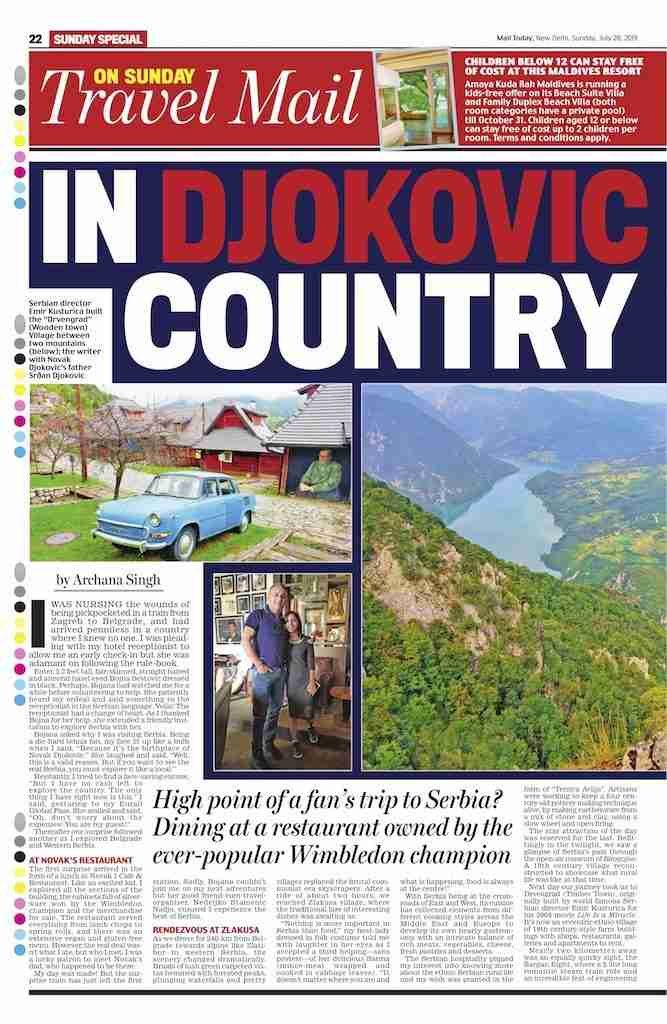
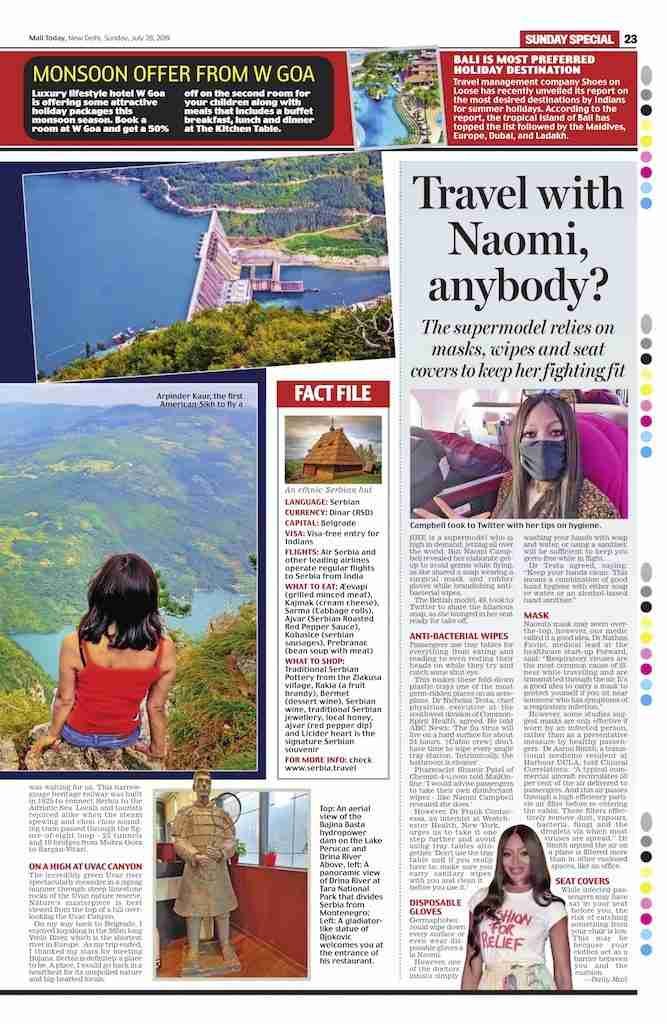


I was invited by Serbia Travel. However, all the views expressed above are based on my personal experiences in the country during my visit. Images used are shot by me. Please do not copy anything without written permission.
For centuries, the Danube, the second-largest river in Europe, has both divided and unified Europe. The river has acted as a natural border between countries and empires. The numerous fortresses on its banks testify to its turbulent history, but today, this mighty river connects people rather than divides them. While the Danube flows through ten countries, it exhibits its amoebic personality in Serbia – widest (5.5km), narrowest (150m) and deepest (93m). The legend-shrouded eastern region of Serbia is largely off the grid and unknown to most tourists; however, the entire section of the Danube in Serbia is navigable and is a great way to explore the historical, archaeological, gastronomic and cultural side of the region.

Exploring the Danube in Serbia is like visiting an open-air museum – ancient fortresses, prehistoric archaeological ruins, timeless cities, spectacular national parks, mega hydropower plants, ancestral wine cellars and arresting natural formations bejewel the meandering river. This scintillating scenery is best admired from the water. Adventure spots that dot the river provide an additional incentive to thrill-seekers.
To understand the river closely and deeply, I went on a three-day excursion from Belgrade to Kladovo and back. One day was reserved on the cruise, and the other two were road trips along the River Danube. During the whole trip, I discovered attractions ranging from the sacred to the subterraneous.

At 7:30 am, I boarded the Aquastar Maxim Cruiser from Belgrade. As I crossed the Belgrade Fortress, Smederevo appeared, where the Morava and Danube rivers meet, creating the widest point of the Danube (5.5 km).
Shedding more light on the historical relevance of the place, my travel guide Sara Damnjanović Stanišić said,
Owing to its strategic location, Smederevo was chosen as a site for building a medieval military Fortress in the 15th century to protect the Hungarian empire from Ottoman attacks. The Smederevo Fortress aka Ram fortress was built on a steep slope surrounded by water on three sides and was defended by 25 towers. For a brief period, it even became the capital of the erstwhile Hungarian Empire when Belgrade fell into the hands of Turks.
Our cruise passed through the 15th-century gigantic Golubac Fortress, where we entered the Djerdap National Park, also known as the Iron Gate. It is the longest (100 Km) and the deepest gorge (93m) in Europe and was almost unnavigable till the construction of two dams in 1971.

The Iron Gates hydroelectric project was a joint project of then Communist Romania on the north bank and Communist Yugoslavia on the south. It was both a remarkable feat of engineering and a tragedy for local inhabitants. As the water level rose to 100ft higher, the adjoining villages, all the buildings on the legendary Turkish fortress island of Ada Kaleh and many undiscovered archaeological sites sank beneath the waters forever. The town of Orsova, once a key port for the passenger steamships, was also destroyed by the new lake.

As we sailed closer to Koldova, we crossed an area peppered with monasteries, a 55m high and 25m wide rock sculpture of the Dacian King, Decebalus and Tabula Traiana where the Roman Emperor Trajan left a permanent imprint on the rock. After a 9.5-hour cruise, we arrived at Tekija from where a short bus transfer took us to Kladovo.


Driving from Kladovo, we reached the remote village of Vratna where we saw three gigantic stone arches known as the Vratna Gates. An uphill well-marked trail from the serene 14th century Vratna Monastery through the forest led us to the giant Gates. These gates were moulded by erosion in the Vratna river canyon and are the highest nature made stone bridges in Europe.


The next stop was a delight for oenophiles like me. The Negotin region in the Danube’s hinterland has been making wine since the 3rd century. As I walked through the atmospheric streets of Rajac village I saw 18th- and 19th-century wine cellars made of stone and partially buried into the ground. While walking through the ground I noticed that none of the over 20 stone houses had windows and didn’t show signs of permanent habitats.

Upon enquiring, Sara replied,
Nobody stays in these windowless houses. They existed since the 18th century to make, store, and relish the delicious wine the region is famous for. The villagers visit during the day to work and retreat to their homes at night.


After the village tour, unlimited wines and scrumptious local Serbian lunch was served at a Kafana (traditional restaurant in a tavern). The experience was further enhanced by an accordion-playing musician. Reluctantly we bid goodbye to our friendly hosts to return to Kladovo.
On the last day of the tour, we drove along the Danube to arrive at the archaeological site of Lepenski Vir, located on the right bank of the Danube in the Djerdap gorge near the town of Donji Milanovac. The local guide with a lot of enthusiasm explained that Lepenski Vir is one of the largest and most significant prehistoric archaeological sites in the world from the Stone Age. The culture of Lepenski Vir is considered around 8,5 millennia old and is a cradle of archaeological discoveries that have changed our knowledge about the early Stone Age in Europe.

After Lepenski Vir, we visited the ethno eco-complex called ‘Captain Misa’s Hill’. Here, not only breath-taking views of the Danube and home-made traditional Vlach cuisine lunch welcomed us but also a world-famous sculptor, Zika. When I was talking to him, my eyes froze on his bare feet. Noticing my inquisitiveness, he revealed his secret.
For the last two and a half decades I remain bare feet from Spring to Autumn because I get positive energy from the ground.
He was really happy to see an Indian tourist and shared his most cherished memory of hosting Indira Gandhi, who visited Serbia when Yugoslavian president Tito was in power.
As I roamed around the property, I couldn’t help but get awed by the 400 pieces of wooden sculptures carved by the owner himself, who was self-taught in the profession. Close by, an art gallery and vintage wine gallery enticed me. Although the wines were not on sale, you could buy any piece of artwork. Beautiful pathways lined with flower beds, fruit-laden trees and mini-open chalets led the visitors to the glorious views of the Danube river.
After spending a good few hours, we left for the last stop of the trip, Viminacium. One of the most important Roman towns and military encampments from 1st to the 6th century where excavations are happening till date.

As golden hour embraced Belgrade, my trip came to an end with a promise to return soon.
The biggest music festivals in Serbia are also held on the Danube.
In the first half of July, one of the biggest European music festivals – EXIT festival, is held in a beautiful abandoned fortress – the Petrovaradin fortress in Novi Sad. Here more than 1000 artists perform on over forty different stages.
Founded in 2000, it started as a student movement, fighting for democracy and freedom in Serbia and the Balkans. Since then it has twice won the Best Major Festival award at the European Festivals Awards, for 2013 and 2017. Freedom and social responsibility is still a key aspect of the festival activities.
In 2019, Novak Djokovic Foundation and Exit Foundation jointly organised a new nation-wide charity campaign called “To give every child an equal chance, Build preschools with us!”
Another festival worth attending is the Belgrade Beer Fest that is held on the confluence of the Sava and the Danube rivers, in the second half of July. Here good times are guaranteed with a cold beer and the good music of regional and domestic bands.
Interested to know more about Serbia? check out the following articles:
Serbia is the only European country to offer Visa-free entry to Indians. Indians can enter, transit through and stay in Serbia without a visa, during a period not exceeding 30 days from the date of entry, within a period of one year.
You can get to Serbia by flights, trains, buses, cars or ships.
By flight: Along with the national carrier ‘Air Serbia’ many international airlines have regular flights to Nikola Tesla Airport near Belgrade from around the world.
By bus: The regular bus routes connect Belgrade with all the regions of Serbia. There are also many international buses which go to neighbouring countries and most European countries. Buses are generally more expensive than trains but are more frequent and faster.
By train: The wide network of railroads connects Belgrade with all parts of Europe, and many parts of Serbia with day and night trains. I used Eurail’s night train to travel from Croatia to Serbia and then onwards to Bulgaria. However, I don’t recommend taking a night train if you are travelling alone. Destinations accessible by rail include Belgrade, Nis, Novi Sad and Subotica. Serbian Intercity trains can be crowded, especially during holidays, and sometimes reservations don’t help much. Services are often overbooked, unreliable and unsafe.
By car: It is the best way to explore Serbia.
By Ship: Many European companies organize cruises on the Danube to Belgrade.
Local transport: Buses are the most popular and practical means of getting around. Trams and trolleybuses are good too. Trains are cheaper but slower. Taxis could easily be found.
The currency is the Serbian Dinar, which is worth about 100 per Euro
Three days / two nights – by boat and bus costs 175 Euros per person. Tour price does not include drinks on the boat, optional excursions on the 2nd day and other individual expenses. For more information check Aquastar Maxim or Serbia Travel
The abridged version of this story was published in the Asian Age on 7 July 2019. https://www.asianage.com/age-on-sunday/060719/down-the-danube.html

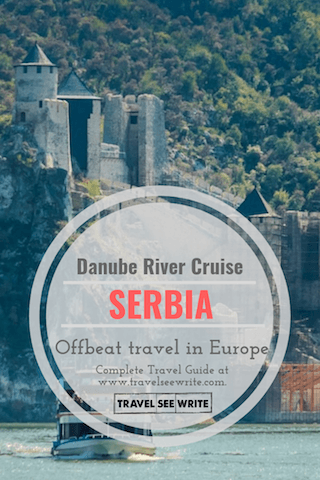


I was invited by Serbia Travel. However, all the views expressed above are based on my personal experiences in the country during my visit. Images used are shot by me. Please do not copy anything without written permission.
If you have been following my blog, you would have noticed that I have shared tons of information on how to have a perfect holiday in Hong Kong. So far I have shared Discovering offbeat Hong Kong in 4 days, Hong Kong Travel tips for first-time travellers, flying economy class from Delhi to Hong Kong and what to do Hong Kong in 4 days. Here is the fifth instalment of my ongoing Series – ideal Hong Kong itinerary. If you have made up your mind to visit the city but grappling with any of these questions – “how many days do you need in Hong Kong”, “where can I visit in Hong Kong 2019”, “where should I go for 3 days in Hong Kong” and “what can you do in Hong Kong cheap”; read this post. Here you’ll get the right information for you to make your ideal Hong Kong itinerary – whether you have time from 12 hours layover or 2-5 days.
Ideal to explore the local food, markets and key attractions like the peak and iconic Hong Kong skyline. Save the below-given infographic to make the most of your hong kong 12-hour layover.

Arrive in Hong Kong and walk around Tsim Sha Tsui and Kowloon Park after hotel check-in and for lunch head to Tim Ho Wan, the world’s cheapest Michelin starred restaurant famous for Chinese dim sums. Post lunch, take MTR to Central to explore one of the most vibrant neighbourhoods in Hong Kong, Old Town Central. The area is bursting with creativity on every street corner.

Whatever be your taste in art and culture, it will be satiated here – from experimental stage performances held inside a repurposed depot, to world-class art exhibitions and edgy graffiti that graces the walls of small alleys. Do check out PMQ (a designer hotspot), Fringe Club, 21A Lyndhurst Terrace, 42 Staunton Street, 82 Hollywood Road, 45-53 Graham Street, 46 Graham Street / 48 Hollywood Road, Shingo Art, Madera Hollywood Hotel, Tank Lane.


After getting your fill of Hong Kong’s Art and Culture, walk to the Peak Tram for a round trip. Explore Victoria Peak and wait for the sunset. At the side of the Peak attraction is a walking trail, follow the directions and click pictures from here rather than the usual touristic side of The Peak which is the sky terrace.

For more details, check Hong Kong Peak Circle Walk. Around 6 pm head downwards via tram. Walk to Central Station and take an MTR to Tsim Sha Tsui Station to explore Avenue of Stars and watch the Symphony of Lights at 8 pm. While returning stop at the 1881 Heritage building before retreating to your hotel.
Start early and take an MTR to Tung Chung Station. From there, take the Cable car to Ngong Ping. See Tian Tan Buddha and have lunch at Po Lin Monastery. Return to Tung Chung via a Cable car before heading to the Airport to fly out.

Venture out towards Sai Ying Pun’s ARTLANE, where local and international artists have turned the walls of the building into a kaleidoscopic canvas.

Head to Grassroots pantry for a vegan lunch at 108 Hollywood Road, Sheung Wan. Post lunch, head to nearby Man Mo Temple to pay tribute to the God of Literature (Man) and the God of War (Mo).

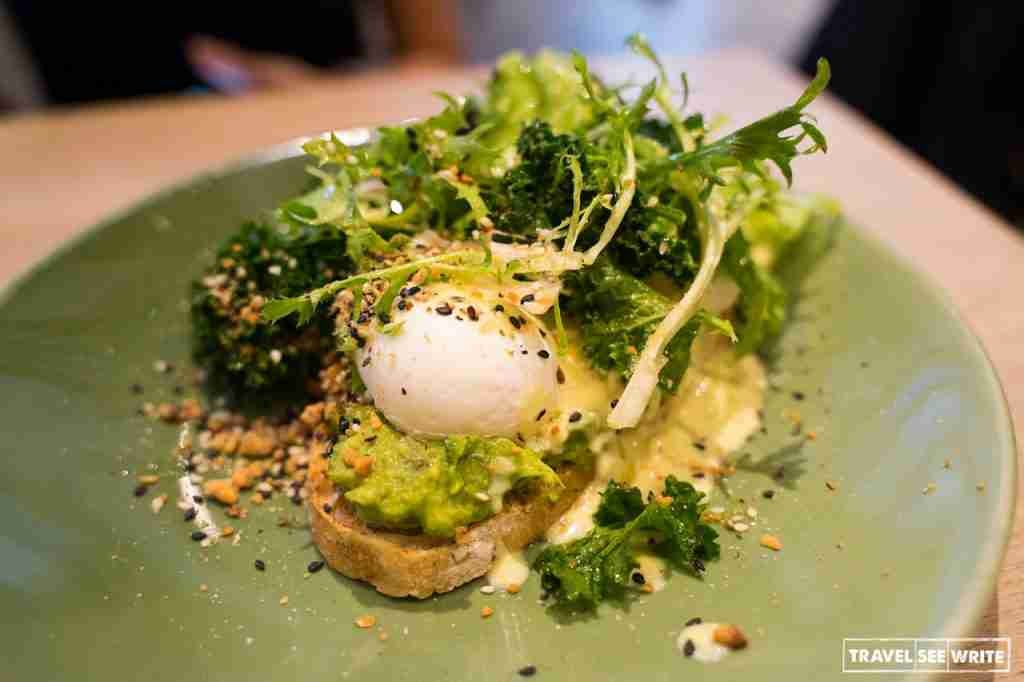
Stroll through the local market where you’ll see many traditional stores selling various Chinese herbs, dried goods and other wares. Art galleries are plentiful and boutique cafés are tucked away in every side street in the sub-district known as “PoHo.” Fashionistas would love browsing through vintage clothing and handmade leather goods stores.

Reserve your evening for strolling along the Temple street – Hong Kong’s busiest and liveliest night market

Explore Hong Kong’s long coastline with many idyllic beaches and well sheltered mountains nearby. Keep your day reserved to explore Hong Kong Island’s south coast – Repulse Bay. Shop to your heart’s content at the Stanley market. Don’t forget to visit the Murray House, and Blake Pier. From south coast make way to visit the eastern side of Hong Kong.

If you are a fan of the movie, ‘Transformers’ head to Quarry Bay to get your perfect Instagram shot in front of the ‘Monster Building’. This hulking behemoth is actually five interconnected towers built in the 1960s.
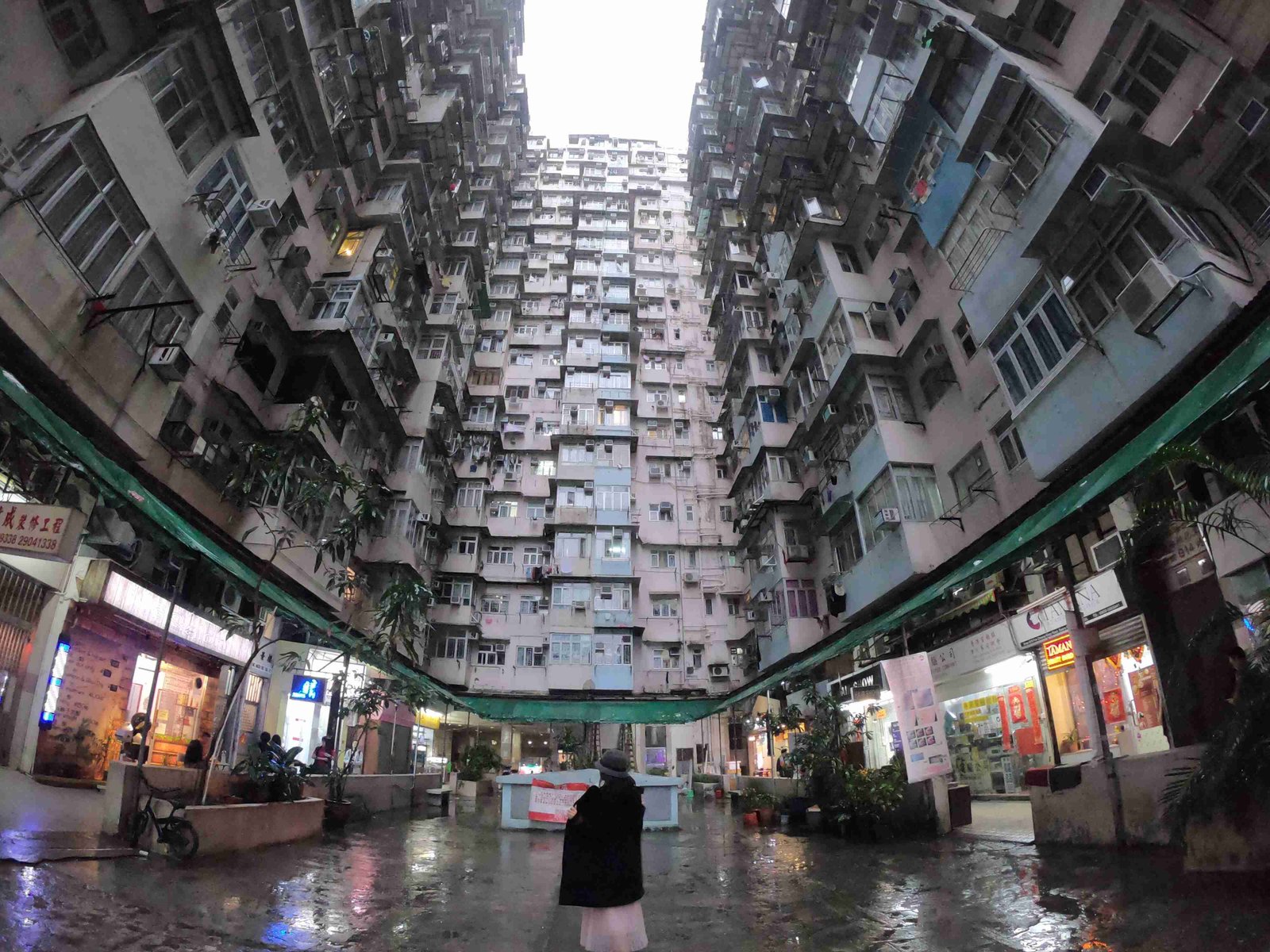
Explore Quarry Bay’s old dockyards, where you can find good restaurants, the ArtisTree cultural venue and pleasant outdoor spaces. If you are a seafood lover, check the terminus in Shau Kei Wan, a historic fishing village that remains home to one of Hong Kong’s best seafood markets.
or
Explore the Islands District (Lamma, Lantau, Cheung Chau and Po Toi islands) of Hong Kong. Take a ferry from Victoria Harbour’s Central Star Ferry Pier and explore the laidback island life. For more details check or Discovering Offbeat Hong Kong in 4 days or Hongkong’s Island District.
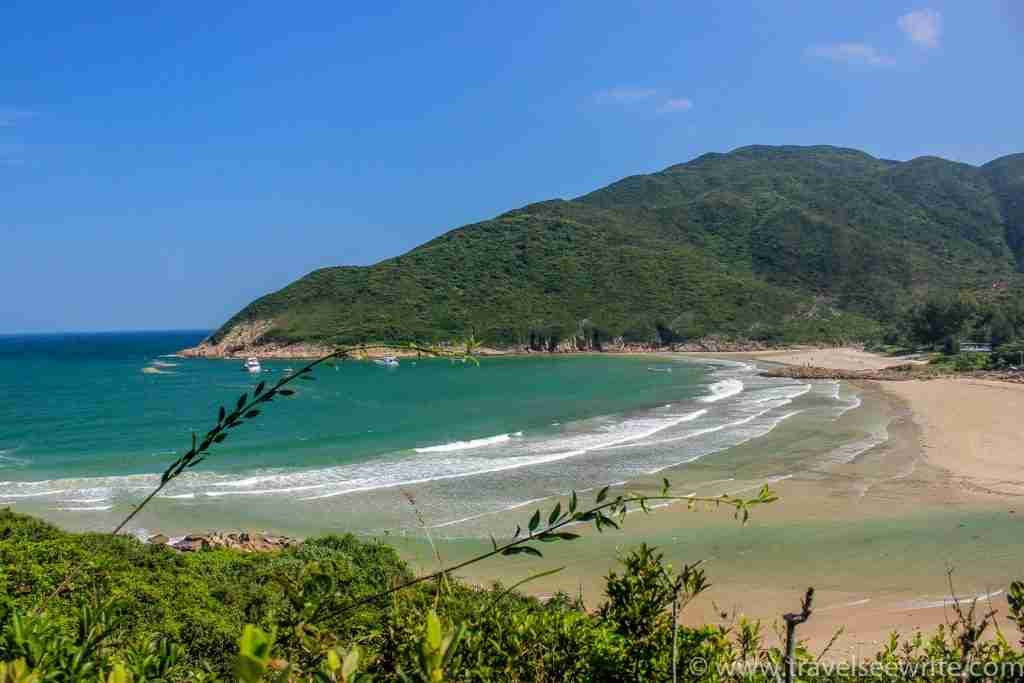
Or
Visit the Disneyland Hong Kong and shop at Mong Kok and Tsim Sha Sui
Escape the urban hustle and explore the great outdoors of Hong Kong. Visit Hong Kong UNESCO Global Geopark, High Island Reservoir and Sai Wan Beach. If you love hiking, get your hiking boots on and hike the MacLehose Trail, or the Dragon’s back trail or Shek Pik Country Trail.
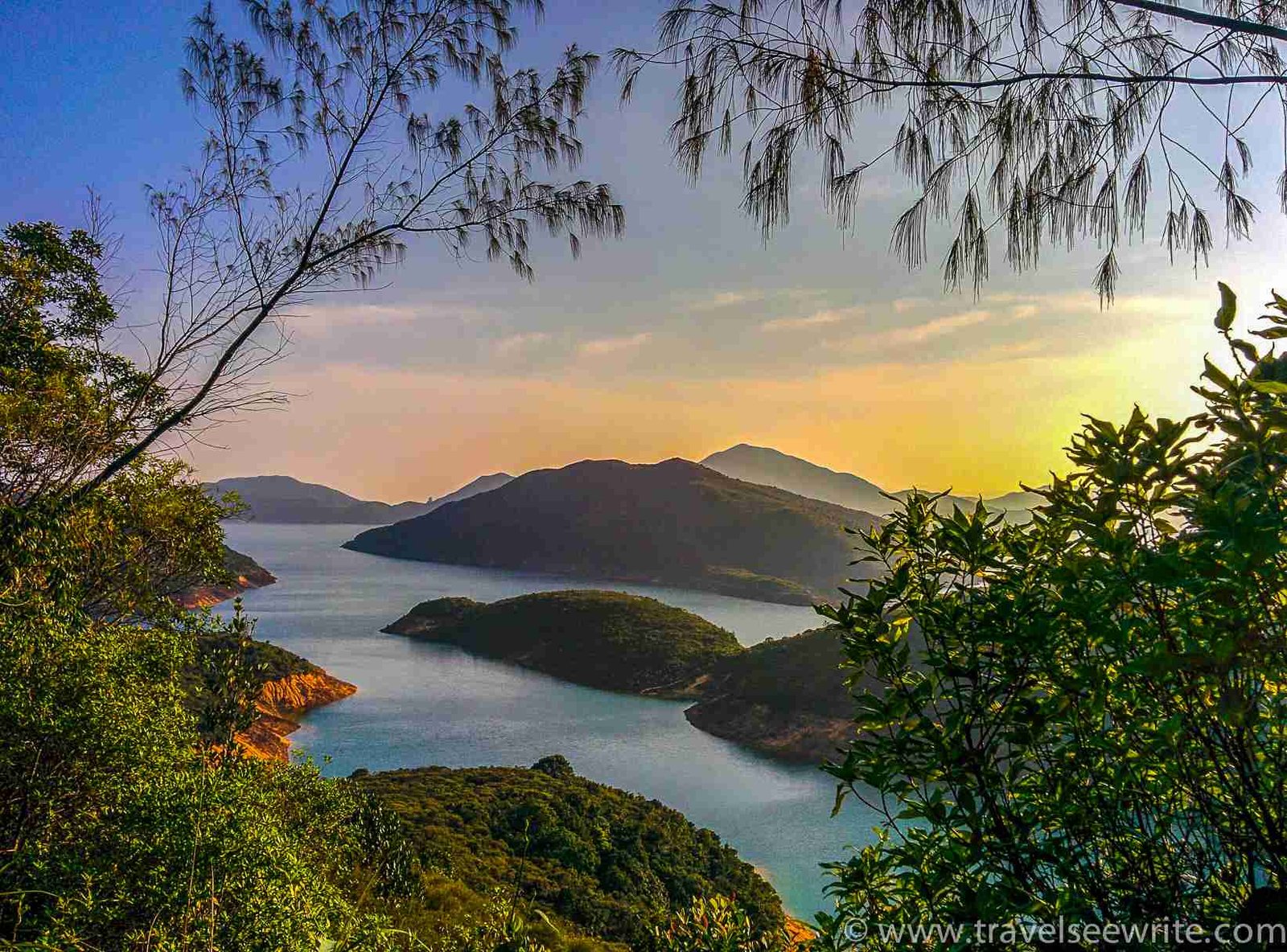
Or
Take a Ferry from Hong Kong China Ferry Terminal to Macau. Explore the Venetian, City of Dreams, Senado Square & St. Paul Ruins, Sintra Hotel and the Parisian before boarding a ferry to Kowloon from Taipa Ferry Terminal.
Start early and take an MTR to Tung Chung Station. For a hassle-free check-in and a relaxed day of exploration, try the in-town check-in facilities that Cathay Pacific provides at either Hong Kong or Kowloon Airport Express/MTR stations. After check-in, take the Cable car to Ngong Ping. See Tian Tan Buddha and have lunch at Po Lin Monastery.

Return to Tung Chung via a Cable car before heading to the Airport to fly out. And, if you are flying first class or business class, try and reach Hong Kong Airport early so that you can enjoy Cathay Pacific’s signature Airport Lounge experience.

Hope these DIY itineraries help you plan your perfect travel itinerary for Hong Kong for 3 days or fewer or more. So, where should you start? Well, of course, by booking a trip to Hong Kong with Cathay Pacific.
For more details on which airline to fly, where to go, what to see, best time to visit, best places to stay and ideal Hong Kong Itineraries for 1-5 days, check out the following articles:


Cathay Pacific hosted me. However, everything expressed above is based on my personal experience. Images used are shot by me or provided by the airlines. Please copy nothing without written permission.
In my previous article, I shared 12 Hong Kong Travel Tips for the first time visitors who have no idea about the best places to visit in Hong Kong. The Asian financial hub is a world-famous destination that rewards anyone who takes out time to peel away its many layers. Whether you’re seeking glimpses of authentic Hong Kong heritage or shopping for the latest street fashions, hungry for some Michelin-starred feasting, lusting for unforgettable nightlife or eager to trek across mountains to remote coves, there’s plenty to see and do in Hong Kong in 4 days. No other city in Asia offers such an amazingly varied array of the top attractions as Hong Kong does. If you are not sure what to do in Hong Kong in 4 days, these 15 fun things to do in Hong Kong should be on your list:

This waterside Walk of Fame is the most Instagrammed spot in the city. A favourite place to grab a selfie with the skyline of Hong Kong Island as a backdrop. Tip: Going in the evening when the light show happens.

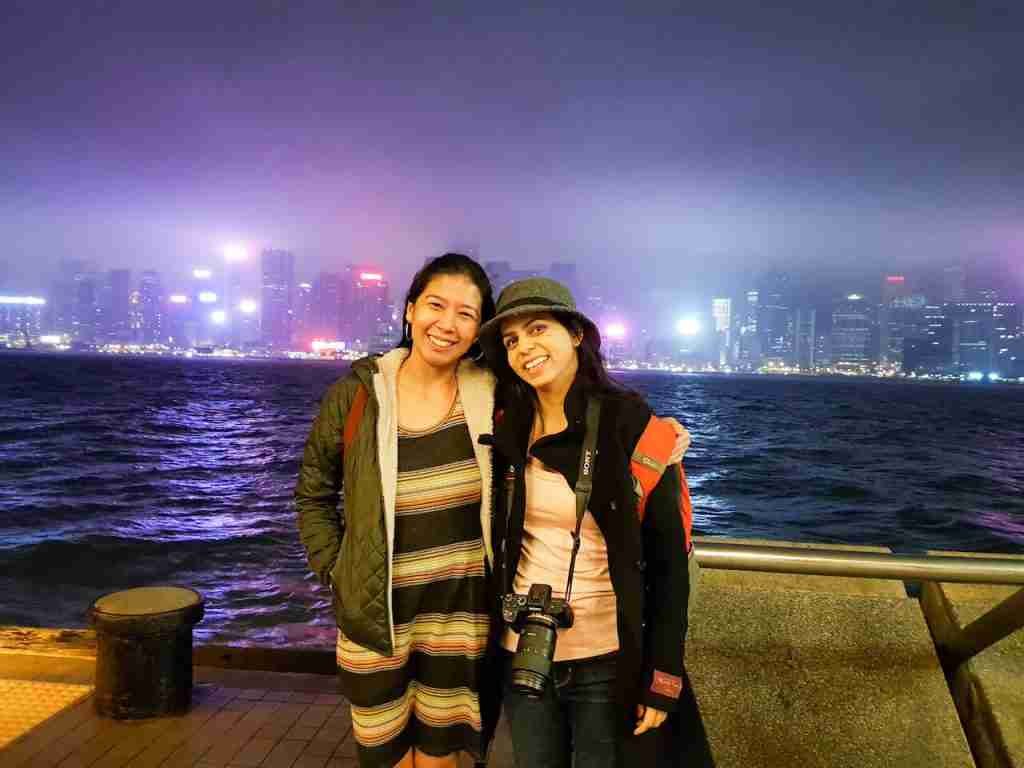
Appreciate the iconic Hong Kong Skyline by strolling along the Tsim Sha Tsui promenade, just metres from the Star Ferry Pier. Revisit the Age of Steam under the 44-metres tall red brick and granite tower Clock Tower that was constructed in 1915 as part of the Kowloon–Canton Railway terminus. The once-bustling station is now preserved as a Declared Monument. You can pose next to Bruce Lee’s statue at the Garden of Stars or spend some time at the museums nearby, including the Hong Kong Science Museum. This is one of the best places to visit in Hong Kong at night.
Not too far from the Tsim Sha Tsui lies the 1881 Heritage building. From the 1880s to 1996, this was the headquarters of the Hong Kong Marine Police during the Victorian Era. Several buildings and artefacts of historical interest have been preserved and restored, and the site now features a shopping mall, a heritage hotel, and an exhibition hall.


The oldest neighbourhoods in Hong Kong is a mecca for History, arts, food and culture diggers. The area is bursting with creativity on every street corner -from experimental stage performances held inside a repurposed depot, to world-class art exhibitions and edgy graffiti that graces the walls of small alleys. Must see places are PMQ, Fringe Club, Hollywood Road, Graham Street, Shingo Art, Madera Hollywood Hotel, and Tank Lane.

If you want to see wonderful street art Hong Kong has to offer, venture out towards Sai Ying Pun’s ARTLANE, where local and international artists have turned the walls of the buildings of Ki Ling Lane and Chung Ching Street into a kaleidoscopic canvas.
The best way to enjoy Hong Kong’s harbour views, stunning skylines set against the surrounding waters, is through a DukLing Harbour Cruise, an ancient Chinese fishing vessel complete with wooden decks and classic red sails. While you can take the cruise at several times during the day, the best one is its special Symphony of Lights cruise, which is timed with the nightly show.

Take the Crystal Cabin, a glass-bottomed cable car, to get to Lantau Island while under looking the dense foliage and surrounding waters. You then arrive at Ngong Ping Village, a retro-inspired tourist town with plenty of shopping and dining options. And from there, it’s just a short five-minute walk to Lantau Island’s best sights, including The Big Buddha and Po Lin Monastery.

The 34-meter-high gargantuan Tian Tan Buddha is one of the symbols of Hong Kong. While visiting it, drop into nearby Po Lin Monastery, to learn about rich histories, stroll through gorgeous gardens and relish a delicious vegetarian meal.
A trip to Hong Kong is incomplete without visiting its highest point – the peak. The sweeping 360-views from the top are stunning. Hop on the century-old Peak Tram from Central’s base or hike up from Hatton Road along the Morning Trail.
Take a trip back to the lives of Tanka fisher-families, coupled with hints of colonial history. The Tanka village houses are built on stilts on the water. Just minutes away is the Tai O Heritage Hotel, a hundred-plus-year-old former police station converted into a retro-styled hotel.

One of the most visited attractions in Hong Kong, Disneyland is favourite among kids and adults alike. From mystical manors to the futuristic Tomorrowland, classic fairy tale rides to Wild West thrills, the park offers something for everyone.
What will you get when you mix history, waterfront, architecture, and shopping together in Hong Kong? You get the momentous town of Stanley, a place where British and Canadian troops made their last stand in 1941 prior to surrendering to Japanese troops in the Battle of Hong Kong. While the battle sirens have long silenced, the place is still abuzz with activity.


Stanley Market is a great place to shop and just next to it, on the waterfront lies the 160-year old Murray House. Since 1846 until 1988 the Murray House stood in the Central business district of Hong Kong. However, the building was dismantled and relocated to its present-day position on the Stanley waterfront in 1998.

Close by is another historic structure, Blake Pier, which was also previously located in Central before being moved in 1965, the Pier is in keeping with the façade of Murray House. Today Murray House forms part of the Stanley Plaza shopping complex with the Maritime Museum located on the ground floor and restaurants on the first and second floor offering superb views.
Next to the Stanley market lies the historic seaside spot surrounded by towering residences. If you find it a bit crowded, walk west to South Bay, a serene little strip with its own bar.

Hong Kong might have grown into a modern global city but the vestiges of its rich past can still be found in its outlying islands, serving as reminders of the city’s roots and the events that have shaped its character and culture. Three must-visit islands are Cheung Chau, Lantau Island, and Lamma Island. You can take a ferry from Central Pier and enjoy the serene seaside island vibe and alfresco seafood dining.

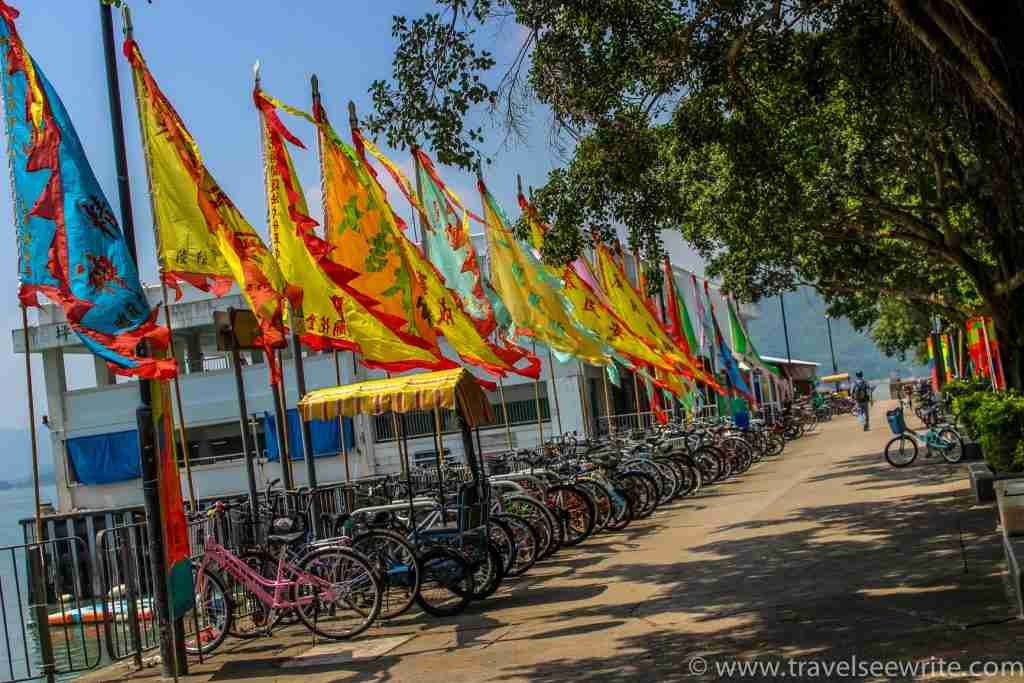
Thanks to the movie, ‘Transformers’, the ‘Monster Building’ in Quarry Bay has become one of the most Instagrammed spots in Hong Kong. This gigantic behemoth is actually five interconnected towers built in the 1960s. Besides the building, you must check out Quarry Bay’s old dockyards, where you can find good restaurants, the ArtisTree cultural venue, and pleasant outdoor spaces. If you are a seafood lover, check the terminus in Shau Kei Wan, a historic fishing village that remains home to one of Hong Kong’s best seafood markets.
I hope this list of 15 must-see attractions gives you an idea on what to do in Hong Kong in 4 days.
So, where should you start? By booking a holiday with Cathay Pacific Airlines.

For more details on which airline to fly, where to go, what to see, the best time to visit, best places to stay and ideal Hong Kong Itineraries for 1-5 days, check out the following articles:

I was hosted by Cathay Pacific . However, everything expressed above is based on my personal experience. Images used are either shot by me or provided by the airlines. Please do not copy anything without written permission.

“I have an upcoming trip and I really need your Hong Kong Travel Tips”
“Is Hong Kong good for family holiday”
“For the upcoming long weekend, I am thinking to do a quick international trip. Confused between Dubai and Hong Kong. What is there to see and do in Hong Kong”
“I am planning to go on a quick international holiday, could you suggest a Hong Kong Itinerary for 3-4 Days”
“What is the best place to stay in Hong Kong”
“When is the best time to visit Hong Kong”
“Out of all the months, when is the cheapest time to travel to Hong Kong”
“There are so many things to do and see in Hong Kong. I am so confused. What are the absolute must-see places”?
These are some of the questions I am often asked whenever anyone is traveling to Hong Kong for the first time. So, instead of answering each one of them individually, I decided to write a post for everyone’s benefit. So, without further ado, let’s begin.

For a short trip to Hong Kong, Indian nationals don’t need a visa. You are allowed a 14-day visa-free entry to Hong Kong after successfully completing Pre-arrival Registration (PAR) online. The application process for PAR is easy, convenient and doesn’t cost a penny. During the period of validity of the registration (six months), you may visit Hong Kong multiple times, each for a stay of 14 days, by presenting the printout of the PAR notification slip and your Indian passport. For more details of PAR, please click here. If your PAR application is not successful, or if you intend to visit Hong Kong for more than 14 days, you may apply for a visa with the Hong Kong Immigration Department directly.
Hong Kong is a season proof place. Ideal to visit any time of the year. Weather is mostly pleasant through. The average temperature is perfect for exploration – 17°C–26°C in Spring (Mar-May), 26°C–31°C in Summer (Jun–Aug), 19°C–28°C in Autumn (Sep–Nov) and 12°C–20°C in Winter (Dec–Feb). I had visited the city twice – March (Spring) and September (Autumn) and both the times I had a great time.

Spring is a perfect time to explore the city’s cultural life, particularly the art scene. It’s Hong Kong Arts Month and for the entire month of March, the city welcomes visors to participate in the plethora of arts and cultural events around town, including the internationally renowned Art Basel Hong Kong and Art Central. The four-decade-old ‘Hong Kong Arts Festival’ features opera, theatre, music, dance and more. You can pick and choose from 166 performances and over 300 exciting arrays of outreach activities by over 1,700 artists from around the world till 29 March 2019. ⠀
And, it’s not just Spring that is the best time to visit the city, you can plan any time of the year and you won’t be disappointed. Here are the monthly highlights:

Like its own unique culture and identity, Hong Kong has its own currency too – the Hong Kong dollar, which is pegged at HK$7.8 to US$1. You can easily get currency exchanged at Currency exchange counters available at the airport, as well as all over the city. International credit and debit cards are widely accepted. You can also withdraw money from most ATMs.

Connectivity is not an issue at all in this global city. Prepaid SIM cards can be bought cheaply from any convenience store. I picked up a Discover Hong Kong Tourist SIM Card, special 5-day or 8-day passes loaded with minutes and data. If you’d prefer to stay mostly unplugged during your excursions and catch up in the evening, free Wi-Fi is available.

All major airlines have regular flights to Hong Kong. I flew with Cathay Pacific and had a very comfortable experience. Currently, Cathay Pacific Airways and Cathay Dragon operate 48 flights a week from India, with double-daily services from Delhi to Hong Kong and ten flights a week from Mumbai to Hong Kong, a daily flight from Chennai and four weekly flights from Hyderabad. Cathay Dragon operates daily flights from Bengaluru and six weekly flights from Kolkata.
And, please keep an eye on offers the airlines come out with like I got a discount of Rs. 300 on their UberPremier ride during Woman’s day to and from the airport. Right now, they even have an ongoing offer wherein if you are travelling before July, you get discounts on a range of popular attractions and more. And, please retain your boarding pass to get discounts at many restaurants where you can get up to 20 % discount on food and beverages. You can read my full Cathay Pacific Airlines review here.
The Airport Express is the quickest way to get into the city, a 24-minute train journey that makes stops in Tsing Yi, Tsim Sha Tsui and Central. There are also buses that cover all major districts of the city. However, they take more time compared to the Airport Express. I took Bus A21 from the airport to reach my hotel in the Tsim Sha Tsui district. While it took approx. 1hr 15 minutes, I didn’t have to change over. On top of that, it’s the cheapest option. For all seven ways to reach the centre, check https://www.rome2rio.com
The best way to get around Hong Kong is by using an Octopus Card, even if you’re visiting for a couple of days. You to travel cash-free on all major transport systems, and can also be used at convenience stores and some shops. It costs HK$150 at any MTR station (HK$100 value, plus HK$50 deposit refunded on return), and can be topped up easily. Here are different modes of transport to explore Hong Kong:

MTR: Hong Kong’s subway system covers nearly every part of the city. You can either buy tickets at cash machines or use your Octopus Card. Tip: Be sure to check the signs to see which exit to take, as walkways can be long.
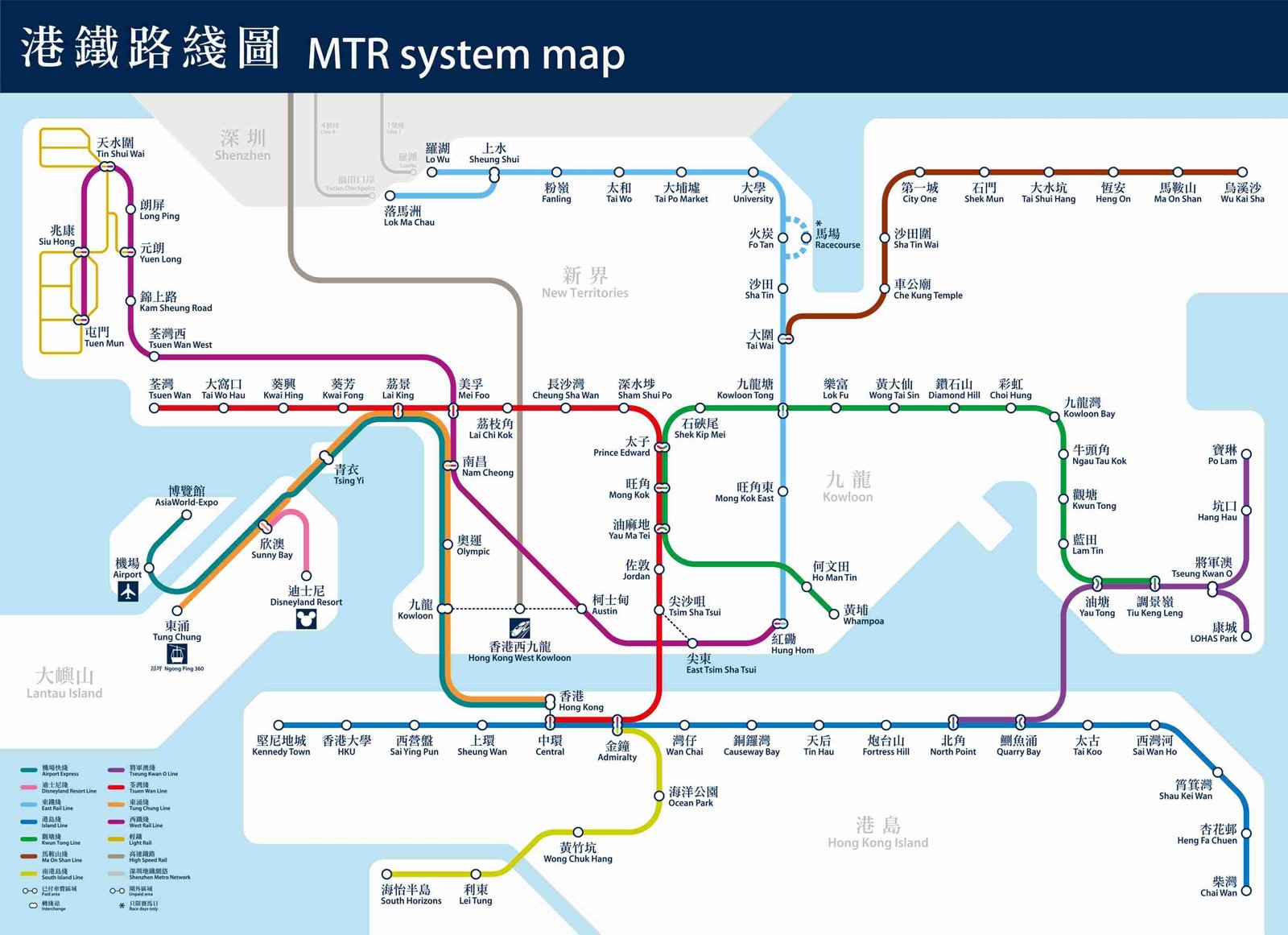
Bus: Buses operate all across Hong Kong. Double-decker buses are most frequent, minibuses are harder to navigate, green ones have set paths and stops, but red ones follow whatever route is the quickest.
Taxi: Taxis in Hong Kong are cheap and found almost everywhere at any given time. Red taxis run across the city, green ones are for New Territories, and Blue is for Lantau Island. Red taxi metre starts at HK$24, and each piece of luggage carried costs HK$6.
Tram: Street trams travel between the east and west points of Hong Kong Island. The Peak Tram, meanwhile, is really a funicular that scales up to the island’s highest viewing point.
Ferry: Most ferries start from Central Pier, including the Star Ferry to Kowloon, as well as Outlying Island ferries to Cheung Chau, Lamma Island, and Lantau Island. Other piers include Wan Chai, North M Point, Aberdeen, Stanley, Hung Hom, Kowloon City, and Sai Kung.
Cloud-piercing skyscrapers, top-of-the-town panoramas, villages built on stilts, eminent night markets, buzzing art scenes and home-grown theme parks. Hong Kong will spoil you with its variety of attractions. No other city in Asia offers such an amazingly varied array of attractions as Hong Kong.


If you are a first time visitor to the city, make sure you visit the Avenue of Stars, Tsim Sha Tsui Promenade, 1881 Heritage, Old town central, DukLing Harbour Cruise, Ngong Ping 360 (the Big Buddha and Po Lin Monastery), the Peak, Tai O Village, Hong Kong Disneyland, Stanley, Repulse Bay, Outlying Islands of Cheung Chau, Lantau Island and Lamma among others. For more details check out the 15 must-see attractions in Hong Kong.
Shopping is almost a national pastime in Hong Kong, a place where anything can be found if you look hard enough. From designer stores to local markets, Hong Kong is a shopping haven. For thrift shopping, I prefer the CAT market, Ladies market, Li Yuen East and West Streets, Temple Street and Stanley market. Sift through Cat Street’s antiques by day, and then cross the harbour to its nocturnal counterpart in Temple Street.


Browse hipster stores in Wan Chai, and then make your way through Causeway Bay’s frantic mini-malls. Hunt for hidden finds in piled-up vintage stores, and then get fitted for a classic suit at a refined tailor. Whatever you desire, it’s here.
Hong Kong might have one of the best skylines in the world but it has an equally outdoorsy side too. Escape the urban hustle and take a walk on Hong Kong’s wild side. Whether you prefer paragliding over rural hills or reclining on a pristine beach, hiking over mountains for spellbinding views or taking in the thrills of a major sporting event, there’s something for everyone. Some of the places I highly recommend are Hong Kong UNESCO Global Geopark, Sai Wan Beach, MacLehose Trail, High Island Reservoir, Dragon’s back trail, and Shek Pik Country Trail


Hong Kong is the ultimate place for foodies, with some of the world’s very best restaurants. Here the variety is mindboggling – from cheap eats and street food to high-end Michelin-starred eateries. But what makes Hong Kong’s dining scene truly unique is undoubtedly its local dishes.

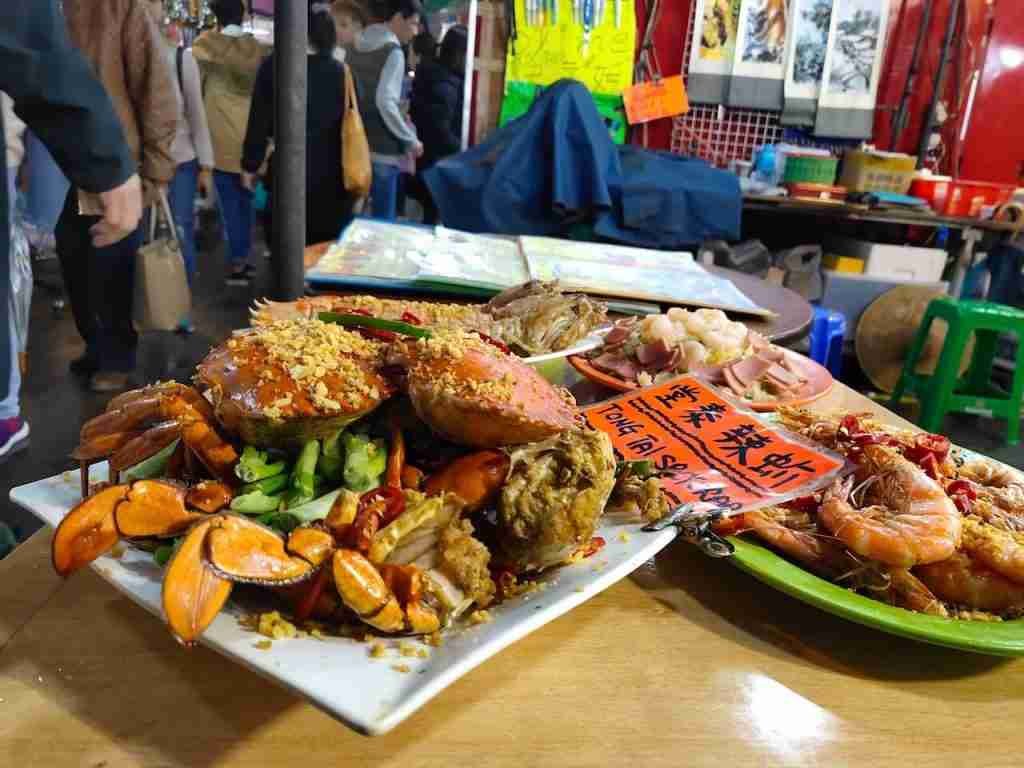
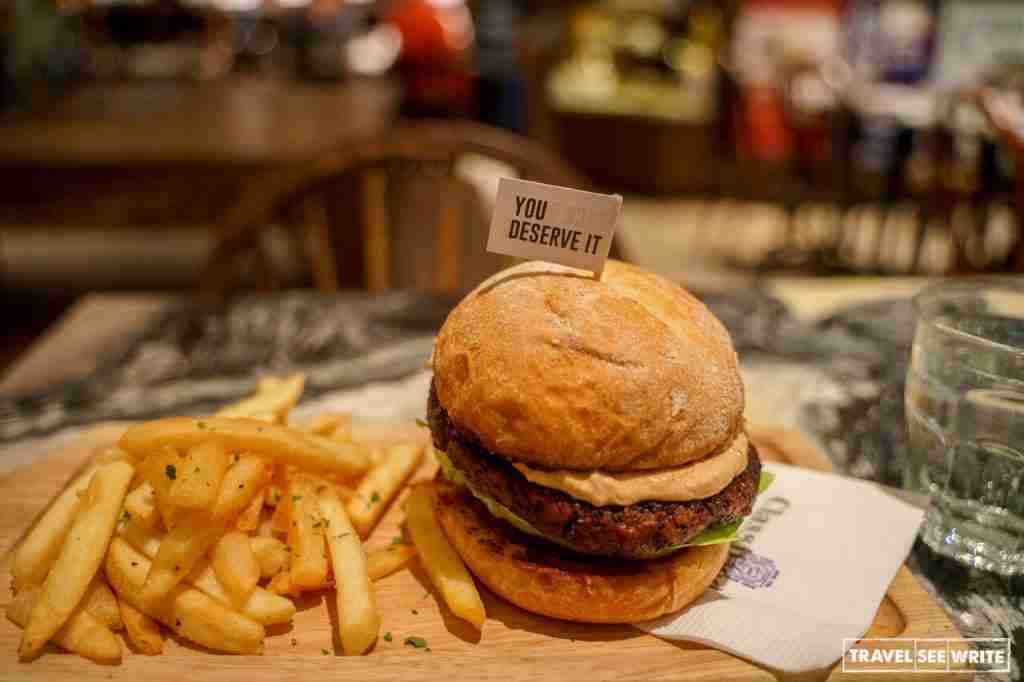
As you’ll bite into Hong Kong flavours you’ll realise like its DNA, its dishes also capture Hong Kong’s east-meets-west heritage in the most delicious of ways. From traditional Cantonese dim sum to beverages influenced by British culture, there’s a lot to surprise your taste buds. For one of the world’s most affordable Michelin star and Michelin recommended restaurants check out Tim Ho Wan at Tsim Sui Po.

For an authentic taste of Hong Kong food culture, check out wonton noodles at Mak’s Noodles, egg tarts at Tai Cheong Bakery, seafood in Sai Kung, and barbecued meats at Joy Hing.
Hong Kong is not just about meat, here are some of the must-try vegetarian and vegan restaurants:
Grassroots Pantry: A haven for veggies and vegans that serves nutrient-rich food made using the freshest, most nutrient-rich, organic and locally sourced sustainable ingredients, but with a creative spin. Highlights of the menu include the pan-fried gyoza, macadamia cheese, beetroot agnolotti, and the braised jackfruit and konnyaku clay pot rice. One big advantage Cathay Pacific passengers have over others is that you can get a straight 15% discount on the food bill by just showing your boarding pass. So, don’t throw that boarding pass away once you land in Hong Kong.
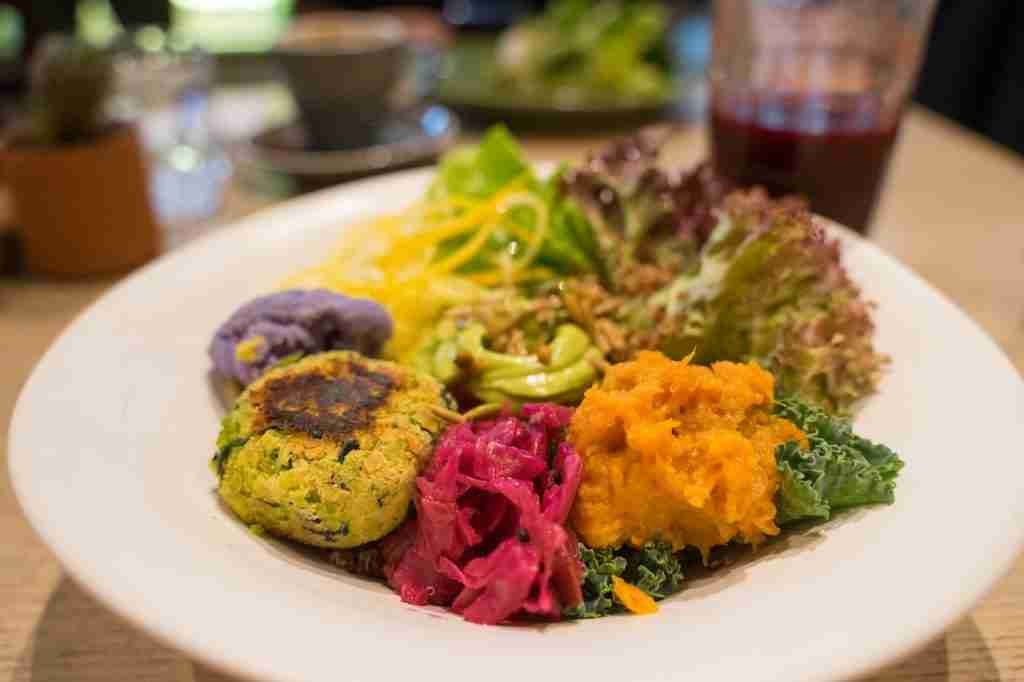

Bodhisattva, Mong Kok: I was staying nearby so this happened to be one of my first HK vegetarian restaurants, thanks to a quick search on HappyCow. With a seating capacity of 100, this restaurant was pretty packed at lunch hour. The menu was in Chinese but had pictures. The restaurant serves vegetarian Chinese food based around mock meats and is mostly vegan as dairy is rarely used. They have one of the best dim sums in Kowloon. The only weak point is their staff’s limited English vocabulary.
Gingko House: Eating can feed a lot of mouths, especially the ones who have fed others their whole life. Established in 2006, Gingko House provides employment to elderly people, while also promoting vegetarian food. All the waiting staff and the chef are elderly folks, and sometimes they even put on live performances by senior citizens.
Isoya: Love Japanese but struggle for vegetarian options on the menu? No worries. Wan Chai-based Isoya serves up vegetarian versions of beloved Japanese classics. Dishes are delicate, delicious and immaculately presented.
Mana, Central: This popular café, with locations in Poho in Sheung Wan and Central, specialises in healthy, organic and vegetarian fare.
Kind Kitchen: Based in Nan Fung Place, Central, it is a completely vegan café that serves both Asian and Western fare.
Veda: Located in Ovolo Central, Veda is the first hotel restaurant in Hong Kong to serve only vegetarian cuisine.
Chi Lin Vegetarian: Nestled in the renowned temple at Chi Lin Monastery, this restaurant is visited by pilgrims and visitors alike. The vegetarian meal here is a must.
Tulsi Indian Restaurant: Named after a holy herb, Michelin-starred restaurant Tulsi boasts a delectable selection of authentic Indian cuisine.
Pure Veggie House, Mid-Levels: Pure Veggie House does not use any food additives or dairy products in any of its food, and all dishes are prepared with organic produce freshly harvested from a local farm.
Kung Tak Lam Shanghai Vegetarian Cuisine: This Northern Chinese veggie joint’s dishes are completely MSG (Monosodium glutamate) free, with a heavy reliance on mock meats
Tishifang Tea House: Run by Taiwanese Buddhists, Tishifang Tea House offers affordable and healthy dining options for around $60 per head. Try the steamed vegetable dumplings and Indonesian fried rice.
Hong Kong is a place where there is no dearth of good places to stay. Depending on your liking and budget, there are a lot of options. The most popular areas

Tsim Sha Tsui: Located in the heart of Hong Kong, Tsim Sha Tsui is a popular place to stay for tourists. It’s close to Victoria Harbour, Avenue of Stars, Nathan Road. From posh hotels like the Sheraton, Peninsula, and InterContinental to cheap hostels and low-budget hotels located in the Chungking Mansions; Tsim Sha Sui is an ideal place to stay in Hong Kong. I stayed at BP International, which is located in the heart of Tsim Sha Tsui and is within walking distance of many attractions.

Central: The financial hub of Hong Kong, is an attractive place to stay since it’s located near Lan Kwai Fong and Victoria Peak, two of the most popular spots in the city. Nearby attractions include Man Mo Temple, the Mid-Level Escalators, and the International Finance Center.
Mong Kok: Ideal for people looking for good Airbnb options as it is mainly a residential area. It’s also within walking distance of the Temple Street market and Langham Place which is a good contrast between old and new Hong Kong.
Wan Chai: One of the oldest and the busiest commercial areas in Hong Kong, but relatively cheaper to stay here than in the neighbouring Causeway Bay area, which is arguably the best place to shop.
Hong Kong is a megacity, which will keep attracting you. One trip is never enough. I have visited the island thrice, yet I have barely scratched the surface. I hope these Hong Kong Travel Tips help you to at least explore the key attractions. For more details, check out the following:


I was hosted by Cathay Pacific. However, everything expressed above is based on my personal experience. Images used are either shot by me or provided by the airlines. Please do not copy anything without written permission.
Despite Belgrade being named as one of the best places to visit in Europe in 2015 by Lonely Planet, the Serbian capital is still not seen in the league of the poster boys of Europe – London, Paris, Berlin, Amsterdam, Vienna or even Prague. However, when it comes to taking a city break steeped in culture, history, scenery and gastronomy still untouched by the claws of over tourism; popular European cities don’t stand a chance in front of Belgrade. And, if you are wondering what to see in Belgrade, don’t worry there’s an abundance of attractions in Europe’s most magical yet most underrated city.

Being an offbeat traveller there are a very few cities that have left an undeniable mark upon me during my travels. Cities that have piqued my interest beyond just initial intrigue and have inspired me to dig deeper and to discover more than what meets the eye. One city that has done this more than others is Belgrade, Serbia. When I was planning my four-month-long solo budget travel in Europe, I was most excited to visit Belgrade. While the Serbian capital offers a unique mix of 7000-year old history and the liveliest nightlife in Europe, my reason to visit Belgrade was entirely different. Being a huge Novak Djokovic fan it was my biggest dream to visit Belgrade, his birthplace. And finally, it happened on 30th August 2018.

Disembarking from the overnight train at the main station, it became instantly clear that I was out of the tidy and comfortable safety net of the EU. Strangers fervently tried to lure me into their unlicensed taxis – offers I ignored as I was already aware of the actual prices, thanks to my localhost Darja. I boarded the local bus to reach my hotel, which cost a fraction of the money being asked by the taxi drivers.
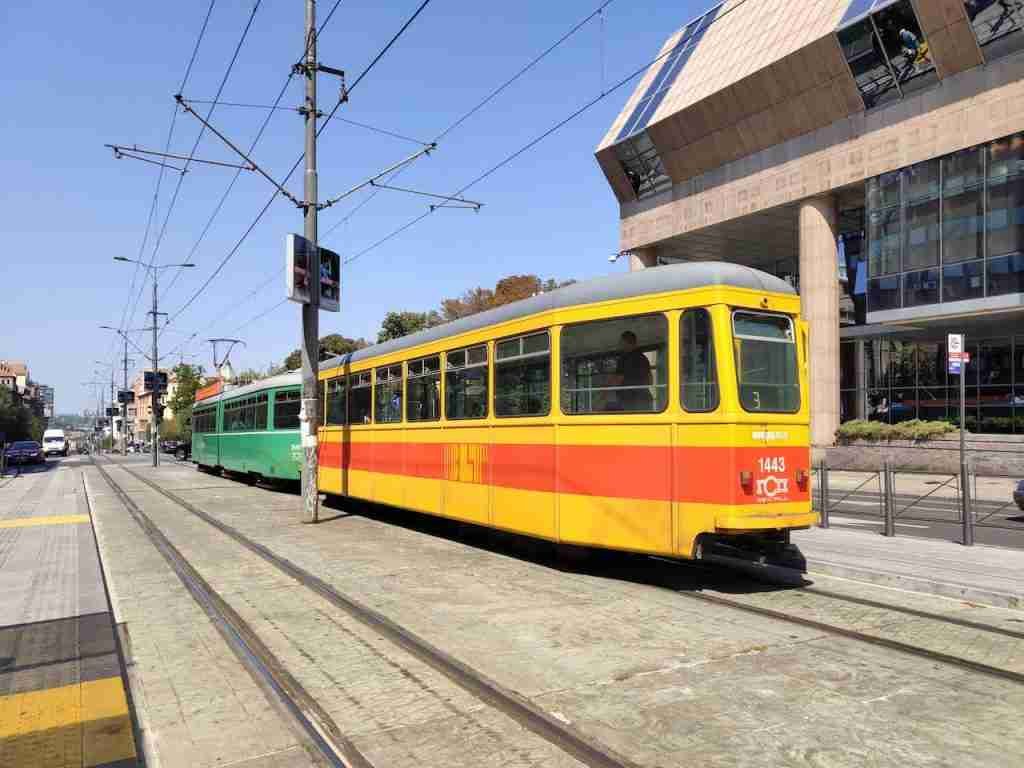
And then, all hell broke loose when I realised that I have been robbed in the train. This wasn’t the welcome I was expecting at all. But after the biggest fall comes the biggest high. Belgrade more than made it for the initial blip. In my next few posts, I’ll be sharing my detailed first-hand account of experiencing Serbia and why you should put it on your bucket list. First, let me begin with why you should visit Belgrade

Belgrade is one of the oldest continually inhabited cities in Europe, with excavations confirming that the settlements existed here for at least 7000 years. Not far from Belgrade center, at the outskirts of the city, one can find relics of two of the most prominent cultures in Bronze Age – Vinča and Starčevo cultures. These cities were pioneers in trade throughout Europe and the Middle East, and their potential was in trade with vulcanic glass – obsidian.

As per my local guide Bojana Sestovic,
Thanks to its strategic location – the confluence of the Sava and Danube rivers and the intersection of Western and Oriental Europe; Belgrade has been fought over in 115 wars and demolished to the ground 44 times. Thus, it appropriately earned a nickname, the White Fenix as it has been destroyed and rebuilt more than 44 times during its history.

Belgrade was conquered by the Romans, the Ottomans and the Habsburgs. Belgrade was also the capital of Yugoslavia from its inception as a kingdom in 1918, throughout the post-World War II socialist era, right up until 2006 when the countries republics became individual countries.
Belgrade is as much a city underground as above – a world of hundreds of caves, tunnels, bunkers, dungeons, fortifications, storage areas, command posts, cellars, and passageways, many of which have yet to be opened. Some archaeologists believe that there are so many tunnels under Kalemegdan and Zemun that it would take decades to explore them all.

The city’s tumultuous history accounts for the unusually rich honeycomb of tunnels below. The secret underworld of Kalemegdan (city’s best-known attraction) reveals a spider’s web of tunnels and caves, some of which date back to the Neolithic period. Under the park, there is also a fascinating bunker that was uncovered in 2005 and was built in 1971 for the needs of the Yugoslav National Army. The bunker could shelter 70 of the highest politicians and officers in case of a war condition. 150 meters under the ground it was sturdy enough to sustain a nuclear attack.

Before this, the Turks used the space for their artilleries, while Milos Obrenovic was using it as a place where he would rest. The bunker also contains Tito and Jovanka Broz’s bedrooms – Tito had a brown room with a small office and a bathroom, while Jovanka had a pink room with a bathroom. The bunker was most actively used in 1999 during the NATO bombing when Slobodan Milosevic was staying there. One of the city’s secrets is a wine vault hidden under Karadjordjeva Street that dates from the early 19th century.
One of the interesting facts about Belgrade is that it changed its name 15 times through history. In the beginning, Celts called it Sngidun, which was later changed to Singidunum by the Romans. Beograd, the name that you still see in the city is its Slovene name. The old Croats called it slightly differently – Biograd na Dunavu. Its Latin name was Alba Graeca and was slightly changed to Alba Bulgarica during the Bulgarian rule. The Hungarians called it Fehérvár, Nandoralba, Nándorfehérvár, and Landorfehérvár. Weißenburg and Griechisch-Weißenburg where the German names, Castelbianco was the Italian one, Velegrad was the Byzantine name, Dar Al Jihad was the Ottoman name, Belgrat was the Turkish one, and Prinz Eugen Stadt was the name that the Nazis gave the city.
In the middle of the city two large rivers, Danube and Sava, meet each other and bisect the city into two halves: the old and the new.

Old Belgrade lies on the south-eastern bank and the southwestern bank houses the New Belgrade and Zemun. New Belgrade was constructed during the socialist era and the grid of blocks retain their Soviet feel. Once a separate town, Zemun is a protected heritage town and has been a municipality within the city of Belgrade since 1945.


While Belgrade was under Ottoman rule, Zemun was an Austro-Hungarian outpost. Climbing to the top of Gardos hill or having a seafood lunch at a kafana along the banks of the Danube still feels like a mini-break from the main metropolis.

While exploring the city I realised that Belgrade has the Mediterranean lifestyle without the coastline. Coffee is taken very seriously here, but as the sun goes down, the espresso cups are replaced by beers or spritzes (the city’s de facto cocktail). No wonder Lonely Planet named Belgrade as the City with the Best Nightlife in the World. The city never sleeps and has exceptional nightlife.


For travellers, locals and VIPs, there is a perfect place for everyone. Belgrade parties seven days a week, all year round. There is no dearth of party places in Belgrade – the famous kafanas, a surplus of bars, cafes, pubs, clubs, and “splavs” – bars and clubs on permanently moored boats along the banks of the Danube and Sava river. The city has more than 170 floating clubs on its rivers which have become synonyms for great parties and never-ending fun. No matter what kind of music you listen to, you will definitely find a river club that will suit your taste. And, then there is Skadarlija, the bohemian street, for a place where music and singing can be heard until dawn.


According to some historians, the first kafana (a traditional Balkan restaurant where they serve a lot of alcohol and traditional food) was opened in Belgrade’s Dorcol in 1522. The place served only black coffee (coffee=kafa), so these kinds of restaurants were named “kafana”. The oldest kafana in Belgrade that still exists is “Znak Pitanja” (A Question Mark), which was opened by Naum Icko, according to the order of Prince Milos.
Rakia is to Serbia as champagne is to France, sangria is to Spain, and baijiu is to China. The fiery This fiery fruit brandy having an alcohol content ranging from 35 to as much as 70 or even 80%, is revered by Serbians and people from the Balkans alike. Rakija can be made from plum, apricot, quince, pear, or peaches—but the Serbian national version (and arguably the most intense) is sljivovica, made from the Damson plums that grow in abundance throughout the country. ‘Real’ rakija is made from pure fruit, with no added sugar, and is double distilled—many Serbs make their own, swearing by its health benefits and drinking a small glass, alongside a coffee and sweetened fruits, for breakfast.
If you are trying for the first time, start with medovaca, which has honey added to make it softer and sweeter. Once you get a hang of it, work your way up to sljivovica. Rakija is served straight and sipped from small vials, accompanied by a glass of water to keep you from dehydrating. Živeli (cheers)!
There is an area of Belgrade called Strahinjića Bana Street that is known as Silicon Valley, but it has got absolutely nothing to do with computers, electronics or technology. In fact, it is a term coined by the locals for the nightlife entertainment area of the city where all the bars, restaurants and pubs are located. The silicon refers to the breast implants of the glammed-up women who like to party there with their dates who drive fancy cars.

The church of St. Sava, located in Belgrade’s part called Vracar, is the largest church in South-eastern Europe. The construction of the church began in 1935, 40 years after ideation. The temple was designed by architects Aleksandar Deroko and Branko Pesic in a Serbian-Byzantine style. The church has the form of a Greek Cross and it represents one of the biggest marks of Belgrade. The dome, which is 44 meters high, has a mosaic that represents the passage of Jesus Christ. The mosaic, created by Hrist Pantokrator is enormous and weighs 40 tons.


Serbia was engulfed in wars for a decade until 2006. So, when Djokovic emerged as a world champion, he wasn’t just a sportsperson; he became a beacon of hope and a point of pride for the country’s more than seven million people. He’s a real idol among the young people in Serbia and has managed to raise tennis on a higher level, not just in Serbia, but in all the Balkan countries. He also does a lot of charity work through his foundation, mainly focusing on children from disadvantaged communities.

While he’s omnipresent in the city through the tennis centre and billboards, one place I couldn’t miss was Novak 1 Café & Restaurant. As you enter the building, a statue of the player guards the entrance. There are cabinets full of silver trophy cups, as well as Novak perfume, Novak sunglasses, and Novak merchandise for sale. The restaurant serves everything from lamb chops to spring rolls, and there is an extensive vegan menu. I had his favourite desert, which he has even now when he visits the restaurant and got lucky to have met his father while he was away playing in the US open
The best thing about Belgrade is the locals. They are very helpful, fun-loving, full of energy and incredibly polite. Should you need any assistance all you need to do is ask. Literally anybody. However, language can sometimes be an issue with the older lot.
Serbia is the only European country to offer Visa-free entry to Indians. Indians can enter, transit through and stay in Serbia without a visa, during a period not exceeding 30 days from the date of entry, within a period of one year.

You can get to Belgrade by airplane, train, bus, car or ship.
Flights to Belgrade: Along with the national carrier ‘Air Serbia’ many international airlines have regular flights to Nikola Tesla Airport near Belgrade from around the world.
Buses to Belgrade: The regular bus routes connect Belgrade with all the regions of Serbia. There are also many international buses which go to neighbouring countries and most European countries. Buses are generally more expensive than trains but are more frequent and faster.
Trains to Belgrade: The wide network of railroads connects Belgrade with all parts of Europe, and many parts of Serbia with day and night trains. I used Eurail’s Global pass that let me travel anywhere on any train across 31 countries in Europe. I took a night train from Zagreb Croatia to Belgrade, Serbia and then onwards to Bulgaria.

However, I don’t recommend taking a night train if you are travelling alone. Unfortunately, I was pickpocketed. Destinations accessible by rail include Bar, Belgrade, Nis, Novi Sad and Subotica. Serbian Intercity trains can be crowded, especially during holidays, and sometimes reservations don’t help much. Services are often overbooked, unreliable and unsafe.
Ships to Belgrade: Many European companies organize cruises on the Danube to Belgrade.
By car: It is the best way to explore Serbia. If you are going to Belgrade by car, then follow the E-70 and E-75 European motorways. Because this city is at the intersection of these roads.
Local transport: Buses are the most popular and practical means of getting around. Trams and trolleybuses are good too. Trains are cheaper but slower. Taxis could easily be found.
The currency is the Serbian Dinar, which is worth about 100 per Euro
The prices of food and accommodation are reasonable. For example, in Belgrade, a coffee might cost you €1-1,50, a restaurant meal may range from €5-10, stay at a three-star hotel may cost anywhere from €30-65, five-star hotels cost anywhere from €95-150 and a hostel dorm bed near the city center may cost anywhere from €12-18


After spending over eight days in the White City, as it is called, I can tell you you’ll fall in love with the booming, vibrant capital of Serbia.
For more information on Serbia, and Belgrade check the following articles
I was invited by Serbia Travel. However, all the views expressed above are based on my personal experiences in the country during my visit. Most of the images used are shot by me. Please do not copy anything without written permission.
I have explored Spain, Kenya, Sri Lanka, and Switzerland with Travel See Write. Every experience was customised as per my family’s requirements, and each trip was fully customised.
Vaibbhav Sud
Delhi
I travelled with my family to Finland using Travel See Write. The team went above and beyond to make our stay enjoyable. They were even available at 3 am for services beyond their usual duties. ”
Gautam Kriplani
Jakarta, Indonesia
This is not a typical luxury travel agency — this is travel with soul. They take care of the minutest details and customise the tiniest things for us. I have travelled with them to Japan, Finland, Costa Rica, Russia and the Philippines.
Vineet Nanda
Delhi
I have explored Spain, Kenya, Sri Lanka, and Mongolia with Travel See Write. Every experience was customised for my family, and each trip was special
Sunil Sharma
Delhi
This is not a typical luxury travel agency — this is travel with soul. They take care of the minutest details and customise the tiniest things for us. I have travelled with them to Japan, Finland, Costa Rica, Russia and the Philippines.
Aman
Mumbai

Lorem Ipsum is simply dummy text of the printing and typesetting industry. Lorem Ipsum has been the industry's standard dummy text ever since
Luxury travel should feel seamless from start to finish.

Begin with our online form. We then connect for a detailed conversation
No booking fees. Ever.
We fine-tune your bespoke itinerary until it feels perfect.
With confidence, care, and 24/7 on-ground support throughout your journey.