
You Enquire
Begin with our online form. We then connect for a detailed conversation

In this article, you’ll read my honest review about Champa Gali, Saket that some claim to be one of the best hangout places in Delhi NCR. Find out whether it’s actually worth a visit or just overhyped including how Champa Gali was discovered, why it became famous, where is it located, what are the best restaurants to eat in Champa Gali and what all can you shop here.
One ‘pawri ho rahi hai’ video is enough to make Dananeer Mobeen, a 19-year old teenage influencer, an overnight internet sensation. A 24-yeard old Yashraj Mukhate made ‘Rasode me kon tha’ video to kill his boredom, but it skyrocketed his musical career. And, who can forget the controversial transformation of ‘Baba Ka Dhaba’ overnight. We live in a world where people’s careers and lives are made or broken by just one tweet or one post. But are all viral trends worth the craze they generate? Not everyone can handle overnight success. The longevity of success depends on how well you can translate online success into an offline world. And, this is where most companies and people falter. Now coming to a specific example. In the last few years, whenever I would ask people the best hangout places in Delhi NCR ‘Champa Gali’ name would come up. Suddenly a less explored, hidden, quirky alley in South Delhi was called ‘the best-kept secret of Delhi‘, ‘hidden gem of the capital’, ‘a secret Parisian corridor‘, ‘the capital’s Parisian passageway‘ and a ‘hidden treasure of cultural and culinary delight’. Having seen the rise and fall of many cool places in Delhi, I decided to determine if Champa Gali Saket is actually one of the best hangout places in Delhi NCR or just overhyped?
The not-so-little-known-anymore Champa Gali in south Delhi’s Saidulajab village near Saket is a quirky place promises to give you a fine blend of coffee, art and culture. The street is lined with cafés, restaurants, clothing stores, stationeries, home décor outlets, and shops for quirky knick-knacks. The articles on the internet say that there is no better place in the city to think, write and meet like-minded people, which I would vehemently disagree with. Those articles’ writers must be virtual travellers who would have never stepped out of their homes to see real good places. I have been to France number of times, and I don’t know how people could get the vibes of rural French streets lined with alternative cafes and shops in this little dingy lane that finishes before it starts. At best, it’s a lane with some average restaurants and stores.

Before reviewing Champa Gali in detail, let me share it’s history and claim to fame.
Champa Gali was nothing like what it looks like today. It was a vacant poultry farm (murgi farm) where people would be scared to go after dark until seven years back. In 2013, Jiten Suchede, a product designer and a hobbyist carpenter, was looking for a place where his neighbours won’t have a problem with his continuous thak thak noise. So, he got in touch with Kuldeep Singh, 52, a bus contractor and driver who owned this vacant poultry farm.

Soon Suchede was making noise not just in the day but in the evening, too, as his space turned into a jamming venue for friends and up-and-coming artists. It was soon branded, quite aptly, as Bakheda. Te product designer also doubled as a chaiwallah, running Jugmug Thela, a pop-up artisanal tea and coffee shop on a thela, quite successfully. With Jugmug Thela’s growing success, Bakheda took a backseat and eventually folded up.

Then, in 2015, on Suchede’s recommendation Blue Tokai, a café chain with an on-site roastery, moved in. It became a turning point for the place, as Blue Tokai was already an established name. The café brought many Champa plants to decorate the street, lending the street its name—Champa Gali. Soon, hipsters and curious residents started pouring in.
The credit for Champa Gali’s overnight popularity goes to Imtiaz Ali and the Instagrammers. They painted an image of it being the coolest hangout places in Delhi. Although Imtiaz Ali’s Love Aajkal II (starring Sara Ali Khan and Kartik Aryan) tanked at the box office, it soon launched a frenzy amongst Delhites to visit the cool place shown in the movie. And, rest is history, as they say.


After reading so much about Champa Gali and seeing it on the silver screen, I had high hopes, but I was disappointed. Firstly, I found the place rundown by college kids and wannabe content creators whose only purpose of visiting the street was to get Instagram-worthy pictures. No one was looking for enjoying gup-shup with some good food and music. The staff at most restaurants was rude, and the service took forever. I ordered a simple masala chai at Jugmug Thela, and it took half an hour for them to serve. Seems like they were growing tea in their backyard.
One most important thing – PLEASE DON’T CARRY A CAMERA WITH YOU. The moment they see you with a camera, thugs dressed as staff would come running at you for money. Jugmug Thella asked 20,000 INR to shoot in the alley (not even inside their cafe). A daylight robbery, and you can’t even argue with them. It’s a complete Gunda raj.
The total area is not even 200 metres long and is very poorly maintained. Avoid wearing heals as the parking lot is far away, and the kaccha road is uneven with potholes.

In the end all I can say is Champa Gali is definitely not one of the best hangout places in Delhi NCR. I feel there are better places with better restaurants and cordial staff. Avoid this place, if you can. Don’t fall for hearsay.
Here’s a video detailing my experience at Champa Gali.
Have you been to this place or any other place that didn’t live up to the hype? I would love to know more about it in the comments section below.
Related posts:


In this post you’ll read why Sunder Nursery is the best place to hangout with friends or family over a weekend. Also, know more about its history, incredible sustainable development story, and everything you need to know before planning a visit to this 90-acre heritage park of Delhi.

One positive change that pandemic brought in me was that instead of socialising at indoor restaurants, bars, cinema halls or other enclosed spaces, I started hanging out at outdoor places near me. Thankfully, Delhi has many open spaces and public parks such as Lodhi Garden, Nehru Park, Deer Park, and many more. Despite visiting the adjoining Humayun Tomb in Nizamuddin several times, I had remained mainly unaware about Delhi’s biggest secret – Sunder Nursery – that is touted as Delhi’s Central Park. Its revival story is as remarkable as its five centuries-old histories. Thanks to the incredible sustainable restoration work done by The Aga Khan Trust for Culture (AKTC) in collaboration with the CPWD and SDMC, this urban oasis has risen from ruins to become the green lungs of Delhi. A decade of painstaking restoration work has resulted in a 90-acre biodiversity park dotted with 20 historical monuments, 300 tree species, 80 bird species, 40 butterfly species, two amphitheatres, a bonsai enclosure, a peafowl zone and plenty more.
In this blog post, I’ll share why Sunder Nursery Delhi is a perfect template for sustainable development of a city while taking care of the environmental and heritage. Find out why it is a must-visit park for families, friends, couples, fitness enthusiasts, social media influencers, nature and photography lovers. But first, let’s turn the history pages and understand why and how Sunder Nursery was established.
A site of three Delhi Durbars (Mughals, British and Indian), Sunder Nursery was used and abused by all for five centuries. Built by the Mughals in the 16th century, the park was initially known as Azim Bagh. But as the power changed hands in Delhi, so did the name and purpose of Azim Bagh.
The area lay in a sorry state until the British decided to shift their capital from Calcutta to Delhi in 1911. Alick Percy Lancaster, the last British horticulturist in India, revived the Sunder Nursery in Delhi, to experiment with the imported trees that would later be planted along New Delhi’s avenues. That’s how it got designated as a ‘Nursery’. The “Sunder” part of the name comes from the ‘Sunder Burj’ tomb located on the same premises.
In the 1940s, the Central Public Works Department (CPWD) acquired the nursery and continued to use it for field trials of different plants and tree species. After Lying in disrepair for decades, in 2007 Agha Khan Trust started the ten years of extensive restoration work. Sunder Nursery, now a heritage park, was opened for people to visit in 2018. Till date the restoration work is ongoing, and every year a few finishing touches are added.

The park is a great case study of the miraculous transformation of a barren dumping ground to Delhi’s new landscaping wonder and heritage park. In 2008 it earned a spot on Time magazine’s top-100 places to visit. And, started winning international awards including the 2020 UNESCO Asia-Pacific Award for Cultural Heritage Conservation and 2020 UNESCO Special Recognition for Sustainable Development.
There are 20 historical monuments (more than double of Lodhi Garden). Six UNESCO World Heritage sites are a part of this historical complex – the Sunder Burj, Lakkarwala Burj, Sunderwala Mahal, Mirza Muzaffar Hussain’s Tomb, Batashewala Mahal and an unknown Mughal Tomb.

Almost 100 meters away from the main entry stands Sunder Burj, a 16th-century tomb with star-shaped patterns on the roof and intricate inscriptions on its walls.
On the other side of Sunder Burj lies the 500-meter-long water canal (similar to the Taj Mahal at Agra). This Persian style Central Vista of the park is adorned with full Mughal regalia – ten handcrafted lotus-shaped marble fountains, gorgeous star-shaped flowerbeds, and sandstone benches.

Walk farther down, and you’ll come face-to-face with a large 17th century Mughal Lotus pond and another magnificent red sandstone monument – Lakkarwala Burj. The 16th-century monument is surrounded by a rose garden, home to 30 varieties of gorgeous flowers assembled from different parts of the world.


Besides the above monuments, there are many more in the area such as Sunderwala Mahal, Mirza Muzaffar Hussain’s Tomb, and Batashewala Mahal. The last one is in a dilapidated stage, and very few visitors venture on this side of the park, but it is very calm and an excellent place for birding, especially during morning or evening hours.


While heritage monuments lie scattered in the Sunder Nursery, it also showcases a rich collection of tropical flora and fauna. Home to over 300 species of trees, Sunder Nursery, is Delhi’s first arboretum with some rare trees such as a Pink Cedar, the only one in Delhi. Additionally, the garden has 20,000 saplings, 4,200 trees and 20 acres of nursery beds. As a result, 40 butterfly species and 80 bird species have made this their new home.

Sunder Nursery has become a go-to place for families, friends, botany enthusiasts, bird watchers to social media influencers. Indeed it has emerged as Delhi’s paradise after the pandemic. You can do a lot – from strolling around the beautifully manicured parks to playing frisbee on soft carpet grass. You can even cycle or walk your dogs on the designated trails. The sprawling gardens are perfect for practising your lockdown yoga routines or merely lying down with a book. You can admire the Mughal-era tombs and picnic around the romantic lakes and monuments. Nature lovers can purchase plants from thriving government-run nursery or buy products from its weekend organic market. Weekend markets at Sunder Nursery offer everything from seasonal produce to artisanal products.

Being a photographer, I love Sunder Nursery for the photography opportunities it provides. I could capture the vivid colours and minutest details of lakes, water bodies, monuments, birds, different landscapes and portraits with my Panasonic Lumix S5 camera.
The location of Sundar Nursery is adjacent to Humayun Tomb and Nizamuddin Basti. Therefore reaching here is very convenient as the transportation facility is available from every corner of Delhi. If you are coming by your conveyance, then don’t worry about the parking. There’s enough paid parking on both sides of the park. If you are using the metro, then the nearest metro stations to sunder Nursery is Jawahar Lal Nehru Stadium metro station (violet line) and Indraprastha Metro station (pink line).
April – September: 7am to 7pm (last entry at 6.30 pm)
October – March: 7am to 6pm (last entry at 5.30 pm)
For Indian/ SAARC visitors – Rs. 35
For Foreign Tourists – Rs. 100
For Children between the ages of 5-12 years – Rs.15
For Senior Citizens, above the age of 60 years – Rs.15
Children under 5 years – Free Entry
Physically Challenged Visitors – Free Entry
The wheelchair is also available in case anyone needs it, which is free of cost.
While I highly recommend carrying your picnic baskets, there are enough options to buy food. You can choose the healthy food options at Fab Cafe, the Fabindia chain’s offering built around the concept of conscious eating, with no refined sugars or oils. You can either sit and eat in the café or carry an eco-friendly meal to sit and enjoy anywhere in the massive park. Fab Café is definitely among the best outdoor cafes in Delhi for brunch, if not among the best food places in Delhi.

There are also food kiosks or weekend organic markets where you can buy snacks, drinks or freshly prepared food items.
You can spend some time in the adjoining Humayun Tomb or enjoy a Thursday Qawwali session at nearby Hazrat Nizamuddin Aulia Dargah. If you have more time in hand, visit Millennium Park Delhi, National Zoological Park, Purana Qila, National Science Centre, National Handicrafts and Handlooms Museum, National Gallery of Modern Art, Rashtrapati Bhawan or India Gate.

Have you visited the Sunder Nursery? If you have or planning to, please share your experiences with us in the comment section below.


When I had planned a two-week-long wildlife jungle safari trip to Madhya Pradesh, I was most excited for Bandhavgarh National Park due to high chances of Tiger sighting there. But my friend, Amit, told me that out of the three national parks (Bandhavgarh, Kanha and Pench) I’ll probably like Kanha Tiger Reserve the most. And boy, was he right!

I can’t tell you how stunning Kanha is. Home to over 1,000 species of plants and about 350 species of birds, Kanha is one the best managed and largest national parks not just in Madhya Pradesh but perhaps in the whole of India. Spread over an area of approximately 2000 sq km it is primarily a moist Sal forest and is dotted with dense groves of vegetation, hillocks and meadows. Of all these habitats, Kanha National Park is famous for its vast meadows that are its lifeline. They sustain a large population of Spotted Deer, Sambar, Barasingha and Gaur, which in turn support predators and co-predators such as Tigers, Leopards, Wild Dogs, Jungle Cats and Foxes.


Kanha Tiger Reserve’s biggest achievement has been the preservation of Barasingha (Hard Ground Swamp Deer) from near extinction. From being just 66 in 1970, today they number more than 800 and are the only surviving population of Barasingha in the wild. For me, sighting “the jewel of Kanha” was far more unforgettable than tiger sighting. The state animal of Madhya Pradesh recently became the park’s mascot, in the form of the character Boorsingh, the Barasingha.

Most people come here in search of Royal Bengal Tigers, but leave having spotted so much more, from rare deer to colossal bison. Here you can really venture deep into the forest for a complete safari experience.
As per recent surveys, Kanha’s sal forests and meadows contain a growing population of around 125 tigers. There are also about 100 leopards and vast populations of deer and antelopes, including southern swamp deer (Barasingha) which exist nowhere else in the world. You’ll see plenty of langurs, Indian bison, wild boars and jackals. Over 260 bird species have been recorded here.

I took two jungle Safaris with my Naturalist Ashu Khan, and every time the jungle seemed so different. The park’s scenery changes dramatically. Swaying sal trees, quiet streams, muddy swamps, bamboo thickets—the landscape unfurls like nature’s own drawing book.


The crisp morning air, the misty earth fragrance, the cold breeze, the sights and sounds of wild animals and birds was the best melody one can hear in the morning hours. On top of that, over two days I had seen plenty to send me chuffed – a parade of barasingha antlers in motion at the crack of dawn, blackbuck grazing in the distance, monkeys and wild boars running from pillar to post, jackals frolicking on the muddy pathways, White-rumped Shama humming melodiously and a family of bison munching on tender leaves was a sight to behold.


Kanha is genuinely mesmerising for all your senses and is one of the richest forests in terms of biodiversity. No wonder termite colonies are the largest in Kanha – almost the size of small hillocks. My forest-encyclopedic Naturalist, Ashu Khan, told me that Termites act as Environmental Bioindicators of the health of a forest and their mounds provide vital clues about the ecology of the region. They are indeed the architects of change.

Besides the wildlife, the park has a mythological connect too – Shravan Tal – a pond immortalised in Ramayana. It’s the spot where King Dashratha (father of Lord Rama) mistakenly killed Shravan (a devoted son of blind parents). Today, its a great place for birdwatching.

Here’s a video showing my experience at Kanha Eco Lodge and Kanha Tiger Reserve.
Located in the heart of India, reaching Kanha National Park takes time and, usually, various modes of transport are available. You can either take a train to Jabalpur (170km away), or fly to the airports at Jabalpur, Raipur or Nagpur, but a road trip will always be there.
You can go for a safari in four zones, of which Kisli and Mukki zones are considered best for tiger sightings, followed by Kanha and Sarhi zones.

Up to 140 four-wheel drive, open Jeeps (mostly Maruti Suzuki Gypsies) are allowed into the reserve per day. Each gipsy is permitted to carry six people along with a driver /naturalist and a guide assigned by the park. You can book your jungle safari online https://forest.mponline.gov.in, up to 120 days in advance. Tickets for 15 4WDs per day can also be purchased in person at the park gates between 6.30 pm to 7.30 pm for the next morning, and 11 am to noon for the same afternoon. But queues can start as early as the previous evening. To avoid any last-minute surprises I booked in advance through my trip organiser – Pugdundee Safaris. Try and book as early as possible, because popular zones sell out months ahead.

No one can predict what you’ll see in each safari but to get a holistic experience of the park, take at least 3-4 safaris. There are two safari slots every day: morning (6 am to 11 am) and afternoon (approximately 3 pm to 6 pm). Morning safaris are longer and tend to produce ore tiger sightings.

April and May is the best time for tiger spotting, but soaring temperatures make this time of year too hot to handle for many. November to March offers balmy temperatures and a lusher landscape.
While there is no shortage of good resorts and hotels in the vicinity of Kanha National Park, I would highly recommend staying at Kanha Earth Lodge. Located in the fringe of the buffer-zone you feel like you are staying in the greater forest ecosystem and most importantly, its eco-friendly architecture reflects the local landscape and tribal culture. Please read more details about my stay at Kanha Earth Lodge here.

If you have some spare time between jungle safaris and unwinding at your lodge, Kanha Museum is worth a visit. You can learn about the park’s background and landscape with information on the indigenous tribal people who once lived here, but were moved out when the area was made a tiger reserve. In case you are interested in more, there are two other museums located nearby at Mandla – Rani Durgawati Museum and Archeological Museum.

To make the best of your trip, I would highly recommend including the more accessible Bandhavgarh and Pench National Parks. Not only do they reduce journey times but also provide a range of contrasting park experiences.
Kanha Tiger Reserve is one of the best wildlife sanctuaries in India, and I would highly recommend you see. Have you visited the land of Tigers that saved Barasignha from extinction? Have you have visited this park or planning to visit soon? Please share your experiences with us in the comment section below.


Pugdundee Safaris invited me to experience their lodges after COVID19. However, all the views expressed above are my own and based on my personal experiences. Pictures were either shot by Nakul Sharma or me. Please do not copy anything without written permission.
“Perhaps you may not have seen me but please don’t be disappointed, I have seen you.”

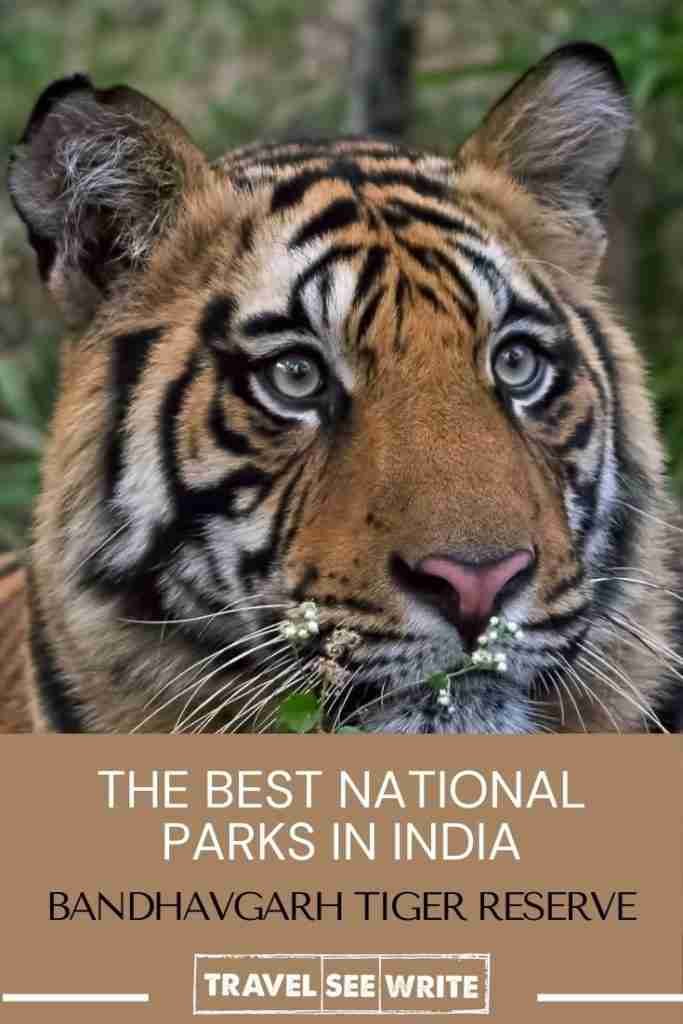
This is the goodbye message from Sher Khan you see when you exit the Bandhavgarh National Park (BNP). Sprawling across 1536 km sq. area (including Panpatha Sanctuary and Bandhavgarh Tiger Reserve) in the Umaria District of Madhya Pradesh, this park is the ultimate address for wildlife enthusiasts as well as nature lovers. Home to about 22 species of mammals, 250 species of birds, and 300 species of flora, the main attraction of Bandhavgarh National Park still remain the Royal Bengal Tigers. There’s a saying about the park that goes:
“In any other Park, you are lucky if you see a tiger. In Bandhavgarh, you are unlucky if you don’t see (at least) one.”
But it’s not a thumb rule any more. Let me share my experience Bandhavgarh National Park experience and all the information you need to plan a successful Jungle Safari trip to this natural treasure trove.
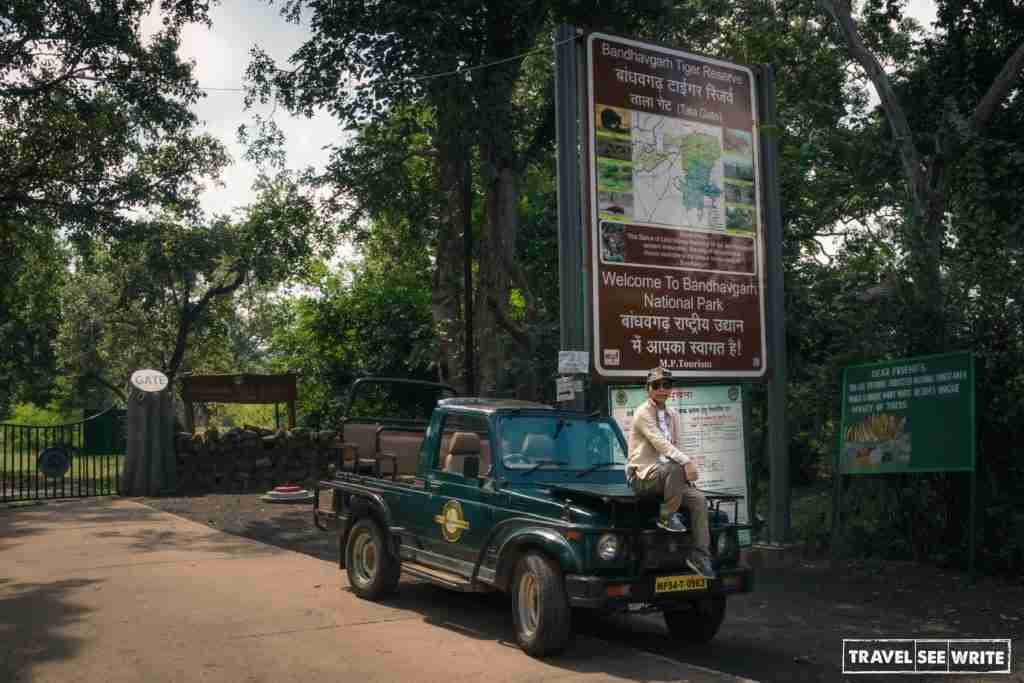
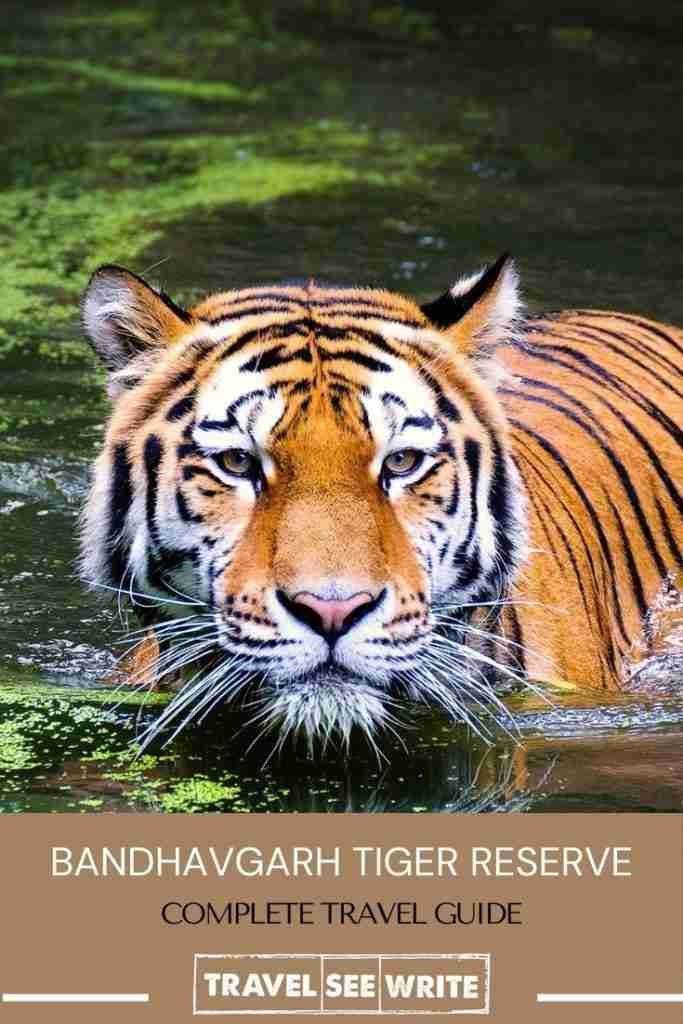
While there’s no guarantee that you’ll see Royal Bengal Tigers during your Jungle Safari, but the past sightings data suggest that Bandhavgarh Tiger Reserve is one of the best places to spot tigers, Simply, because of the high density of tigers in a small area as compared to other national parks, the tiger census report released in June 2019 recognises Madhya Pradesh as the state with the highest tiger population (526). No wonder it is called the ‘Tiger State of India’. On top of that, the park also has the largest breeding population of leopards and various species of deer.

And, the credit for this healthy density of the predator and prey goes to the Forest department’s conservation efforts and park’s diverse vegetation and immense natural wealth. Hemmed with mountains, tall grasslands, thick Sal forest, gurgling streams, many ancient caves and lakes; the park is home to the majestic Royal Bengal Tigers and some rarely seen animals like leopard and sloth bear. Along with them, you can also see herds of spotted deer, samba, Langur and Red-Faced Monkeys, Jungle Cats, Bengal Fox, Mongoose, Striped Hyena, Asiatic Jackal, Wild Boars, Nilgai, Chinkara, Indian Bison and nowadays, even the herd of elephants.
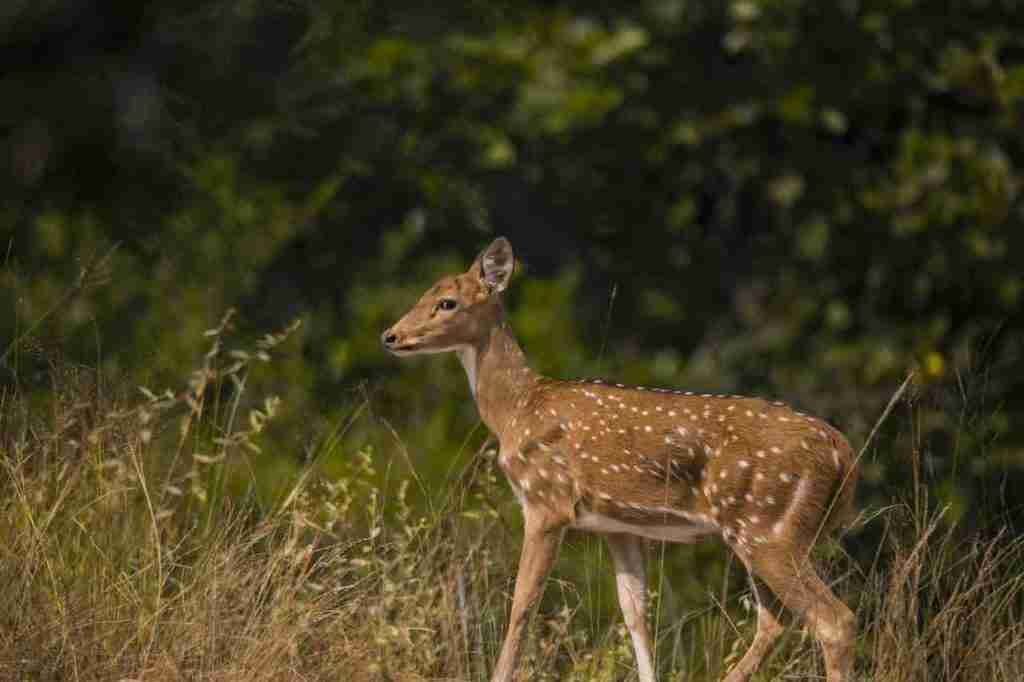
Thanks to lush vegetation, the park is heaven for ornithophiles. Even if you are a greenhorn like me, your naturalist will help you spot birds such as Greater Racketail Drongo, Red-wattled Lapwing, Brown-headed Barbet, and Indian roller, among many others.
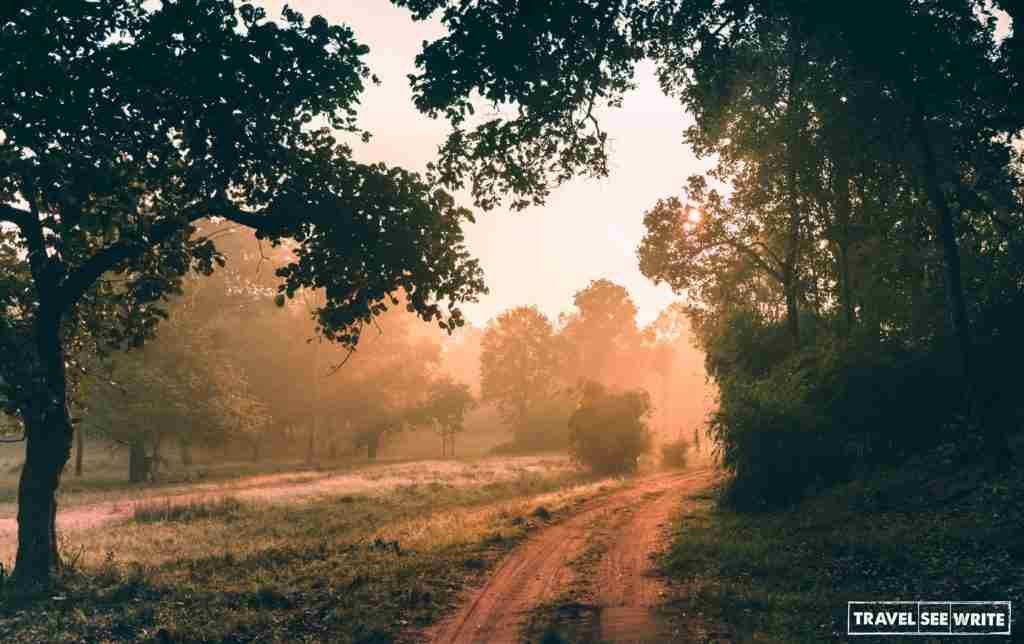
Once the private hunting ground of the Maharaja of Rewa, Bandhavgarh was declared a national park in 1968 covering a core forest area of 105 sq. km. Since then the tiger reserve has swelled to the current size of 1,536 sq. km (core area – 716 sq. km, buffer area – 820 sq. km). The park is also known as the ‘White Tiger Country’ for Maharaja Martand Singh of Rewa captured the first white Tiger here in 1951.
But the history of Bandhavgarh is far ancient than the erstwhile kingdoms. Apart from the rich wildlife and lush vegetation, the fascinating part in the Bandhavgarh vicinity is the old Bandhavgarh Fort that dominates the park’s skyline. Spread across an area of 582 acres at an elevation of 811 meters above the sea level, this impressive fort is 2000-year-old. And, is said to be the oldest fort in India. As per the legend, Lord Rama built Bandhavgarh fort and gifted it to his brother Lakshmana. Hence the name “Bandhavgarh” (‘Bandhav’ means brother and ‘Garh’ is the fort).

But in the recent era, Bandhavgarh became famous as the “Land of Sita and Charger”. In the 1990s, this was the address of the legendary tiger pair of the country — Sita and Charger. Perhaps the most photographed tiger pair of the park, they had a significant role to play in the success story of tiger conservation here. Today almost all the tigers that you see in the park are their progenies. Charger, as my experienced naturalist, Choubey Jee, recalls, owed his name to his charging behaviour towards tourist jeeps but he never harmed anyone. Even today, the tiger reserve basks in the glory of this legendary pair.

Here’s the detailed breakdown of my Bandhavgarh National Park Safari experience.
Taking a flight from New Delhi, I arrived at Jabalpur in the afternoon. Post a quick lunch break at Coffee Home in Jabalpur, and few pitstops midway, I reached Kings Lodge Bandhavgarh around 6:30 pm. The whole staff was waiting for my welcome at the entrance with folded hands and warm smiles behind the safety masks. After quick thermal scanning and sanitisation; my contactless check-in happened in no time. Post which, I was debriefed in detail about the region, property and my upcoming jungle adventures by the very generous Lodge Manager, Amit Mukherjee.

After debriefing, I was escorted to my stilted cottage. My first impression was like I was staying in a wilderness retreat nestled in a large natural forested estate of 35 acres, where 95% of the land is forested. After all, Kings Lodge is an eco-lodge with just ten cottage rooms and eight stilt cottage rooms with en-suite modern bathrooms. The best part is that not even a single tree fell during the construction of the lodge.
Moreover, the construction is done keeping in mind the local landscape and architecture. Eco-friendly materials such as ‘Kavelu’ red ceramic roof tiles, Bandhavgarh sandstone, refurbished furniture (built from the wood procured during railway sleeper auctions), and natural colours fusing with the forest scene are used.
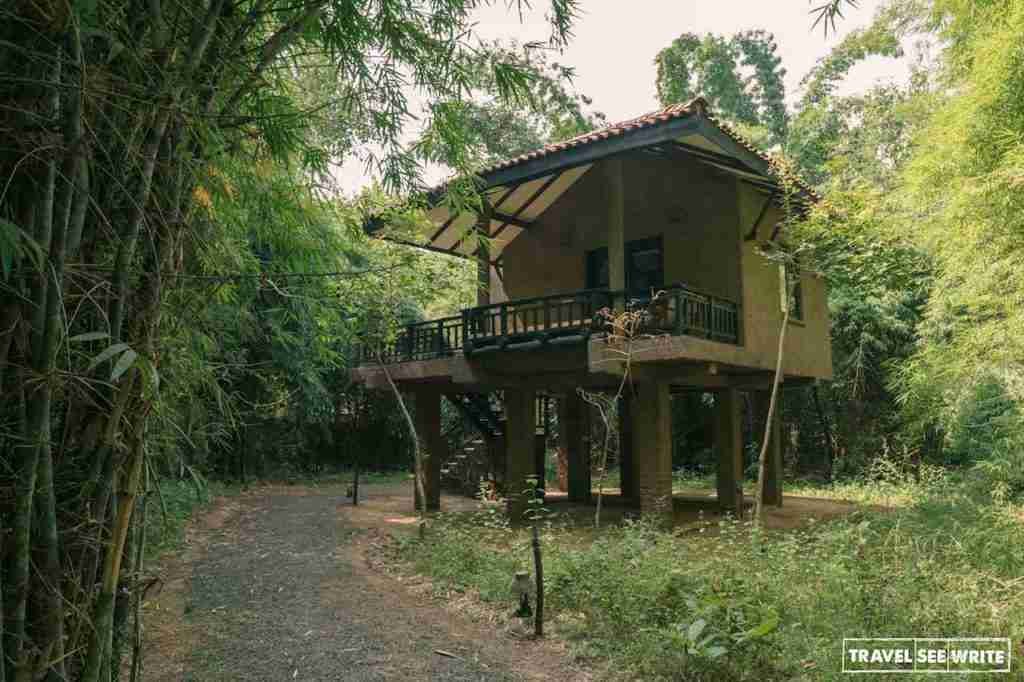
The interiors and furnishings reflect the local art and culture of the region. The rooms are well light, airy and 15-18 feet in height that keeps them cooler naturally, thus saving electricity. Single used plastic is replaced with a stainless steel water bottle and organic toiletries in eco-friendly glass-steel containers.
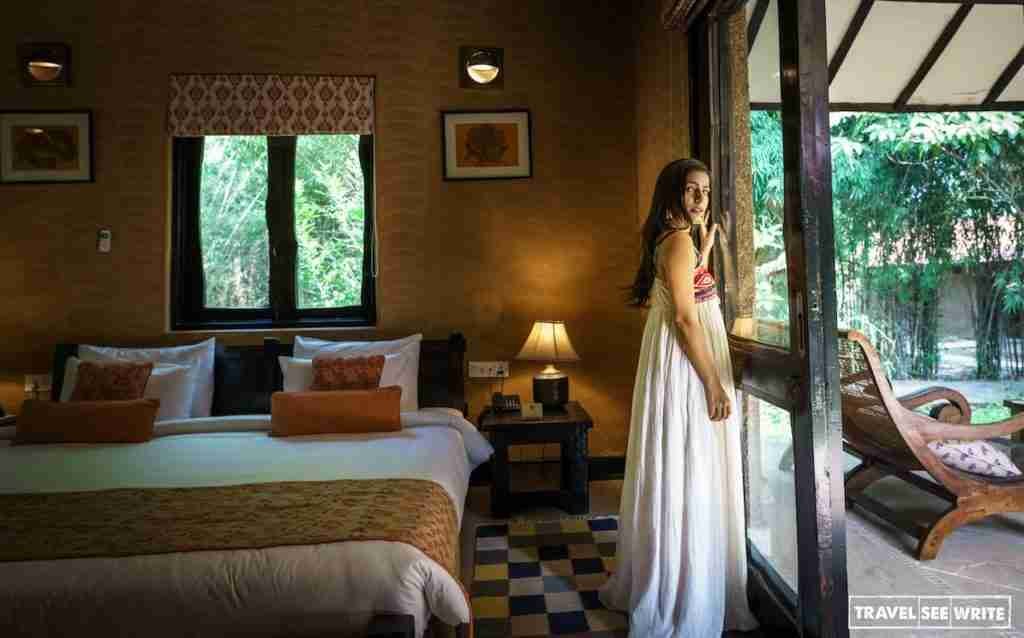
I was little tired from my full day of travel, so I wrapped up the day early after having mouth-watering starters such as Hara Bhara Kabab, Bhel-Tikki, minestrone soup and flavourful dinner made from the freshest ingredients.
Waking up at 4:30 am, I was ready for my maiden Jungle Safari at Bandhavgarh Tiger Reserve. The park gates opened at 6:00 am and off we went vrooming with my in-house naturalist, Mohan Chandra Joshi, and Ramnath Yadav, a guide allocated to us by the park. Before our jeep entered the park, it was thoroughly sanitised and even passed through a sanitisation liquid pool meant for disinfecting the tyres.
As we entered, the mist-shrouded park woke up from slumber and the golden rays began turning everything into gold – the hillocks, meadows, trees, water bodies and wildlife. The imposing Bandhavgarh Fort stood majestically in the park, and we waited for a while to ogle at its timeless beauty before continuing our search for the queen of Tala region – Spotty – and her cubs. As we drove around, the golden rays kept peeping from the lush branches of the Sal trees. We saw many langurs and red-faced monkeys, three stripper palm squirrel, spotted deer, wild boars, sambhars and barking deer.
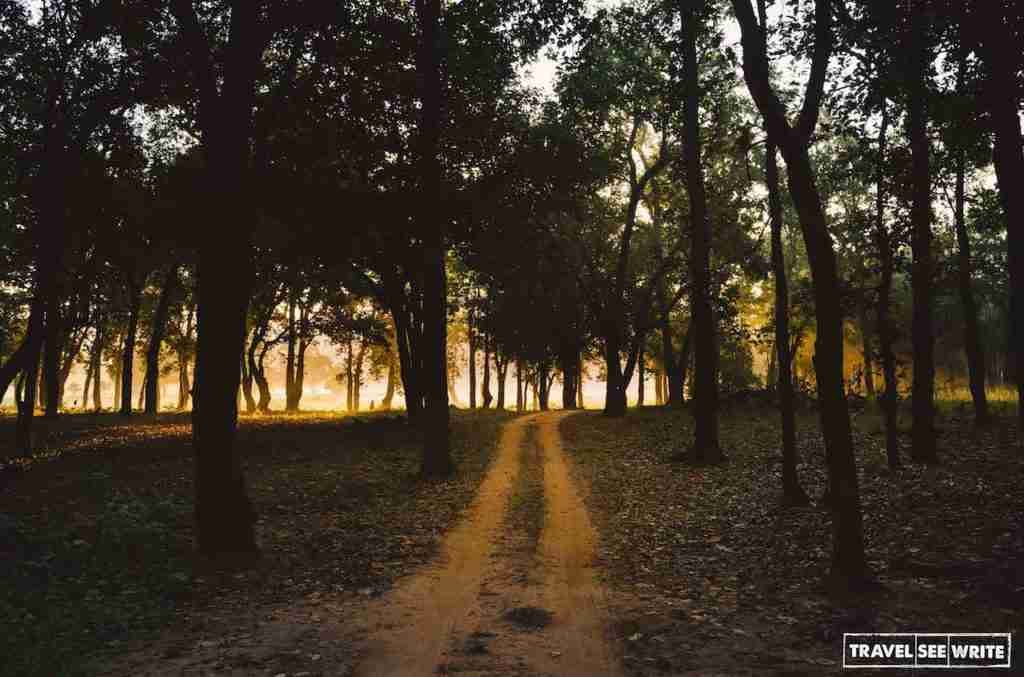
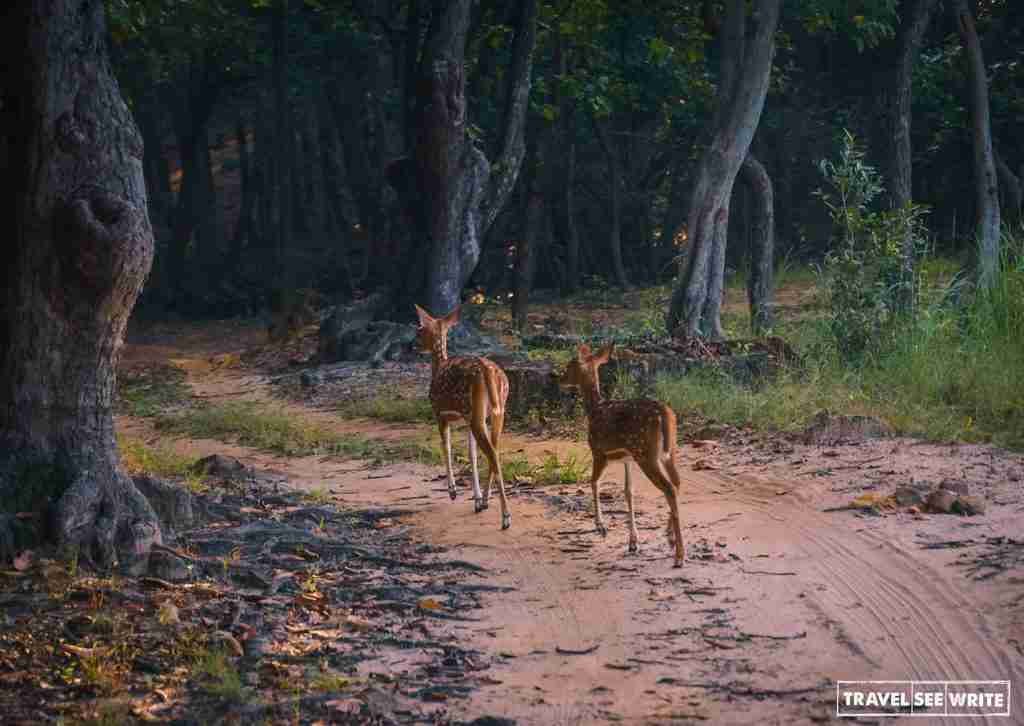
For close to three hours we kept following the Tiger footmarks of Spotty, Kajri and Trident – the famous trio tigers of Tala region of Bandhavgarh Tiger Reserve- at their favourite spots. Still, probably they weren’t in a mood to oblige us. So, we opted for the next best thing – breakfast. A fully-loaded breakfast consisting of boiled eggs, kathi rolls, bonda, paranthas, brownies along with tea-coffee was served at the breakfast point. I took this opportunity to know more about the park and Tiger’s importance in the lives of the locals from extraordinarily knowledgeable, Mohan Chandra Joshi.
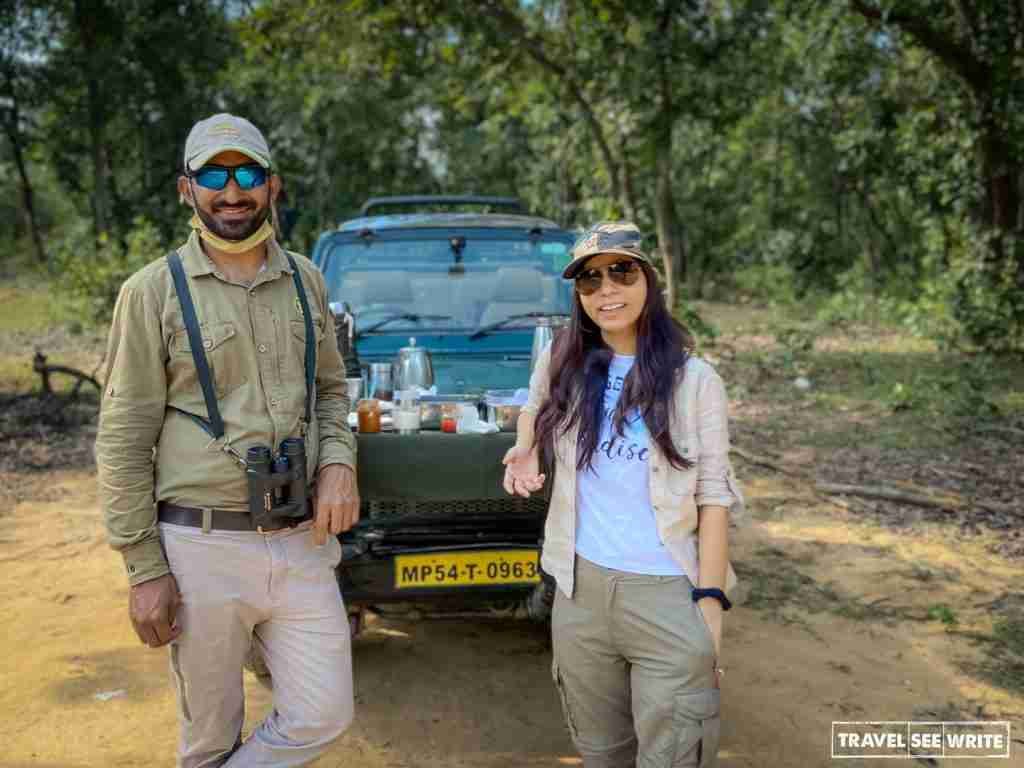
Hailing from another great national Park of India – Jim Corbett, Mohan is an encyclopaedia of wildlife and super passionate about his work. His eyes glow like a diamond when he starts talking about his first love,
Tiger is like God to me. In Bandhavgarh region, Tigers are known as Bandhwadheesh or Bageshwar, which essentially means protectors of the locals.
When I probed him why not everyone sees a Tiger despite Bandhavgarh having the highest density of the Tigers in India, he calmly replied,
If you drive for 8km anywhere in the park, you’ll enter into a new tiger’s territory. But not everyone gets to see them because they are very territorial and don’t let any other tiger enter their territory. They are solitary nocturnal creatures who hunt in the night or during early hours of the day. So, when they are not hunting, they would just be relaxing in tall grasses or deep forests.
He further added that our chances to spot them increases in summers as Tigers are very heat sensitive and they usually come around water holes. If you do 4-5 safaris in your trip, you have high chances of tiger sighting. Since in October forest is brimming with water streams and lush vegetation, the Tigers prefer to stay away from the peering eyes of visitors like us. I found it incredibly endearing that despite spending over a decade in the forests Mohan still dances like a kid in the jeep when he sees a tiger. That explains how much his heart beats for this magnificent predator and its conservation.

After a hearty breakfast, we tried our luck again to spot the elusive Spotty. Still, we didn’t get disheartened when we couldn’t locate her as Mohan kept us engaged with other wildlife creatures. We spotted giant wood spiders, greater racketail drongo, red-wattled lapwing, brown-headed barbet, Indian roller, common peafowl, red jungle fowl, crested serpent eagles, parakeet, king-fisher, and jackals.
Besides he took us to a 10th-century holy point in the forest – Shesh Shaya – where the statue of “Lord Vishnu” along with “The Shivling” and “The Brahma” are situated. The origin of the River “Charan Ganga” is also from the foot of “Lord Vishnu”. Twice a year almost 50,000 locals walk barefoot to this place and Ram-Sita temple in the Bandhavgarh fort.

As we descended, we saw many natural caves and a climber point from where you could see the panoramic view of the forest. Around 11 am, we left the park to try our luck next time.
The rest of the day was spent relaxing at the lodge and taking nature walks around the property. And, of course, the yummy meals in the dining hall and company of great books in the nature-library. It was here I found out that Pugdundee Safaris as a policy employs 70% of their staff from local villages. All of them are well-groomed and within a short span, take important offices in the lodge. During regular times, cultural performances are held every night to introduce the guests with the local culture of the region. Unfortunately, due to COVID19, I couldn’t enjoy the same. But there’s always the next time. At least I got to enjoy the local delicacies.

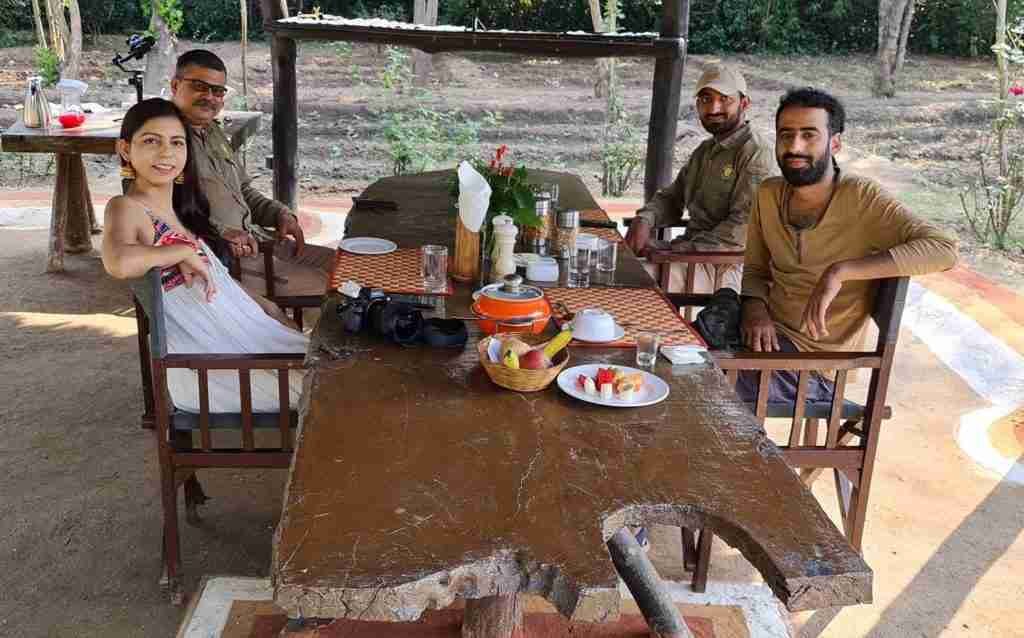
The day started with a surprise – multi-cuisine breakfast in the kitchen garden of the property. Besides Amit and Mohan, many colourful butterflies joined us for the morning rendezvous.
Post lunch, Balwant Negi – a naturalist with Treehouse Hideaway – came to pick us up for our next destination.
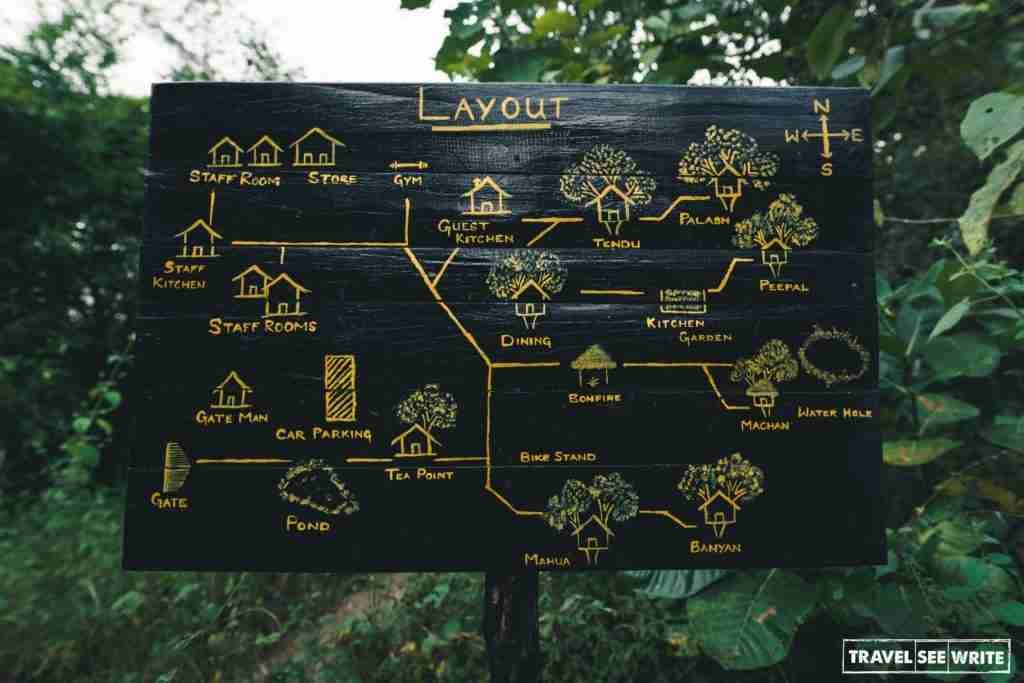
Ashish Tirkey, the lanky Lodge Manager at the property, ensured that everything was in place before I arrived. Following the set safety protocols as prescribed by the Ministry of Home Affairs, I was checked-in to my sprawling Treehouse built on a Mahua Tree. It was my first time staying in such a unique accommodation, and I can’t recommend enough why it’s a must-try.
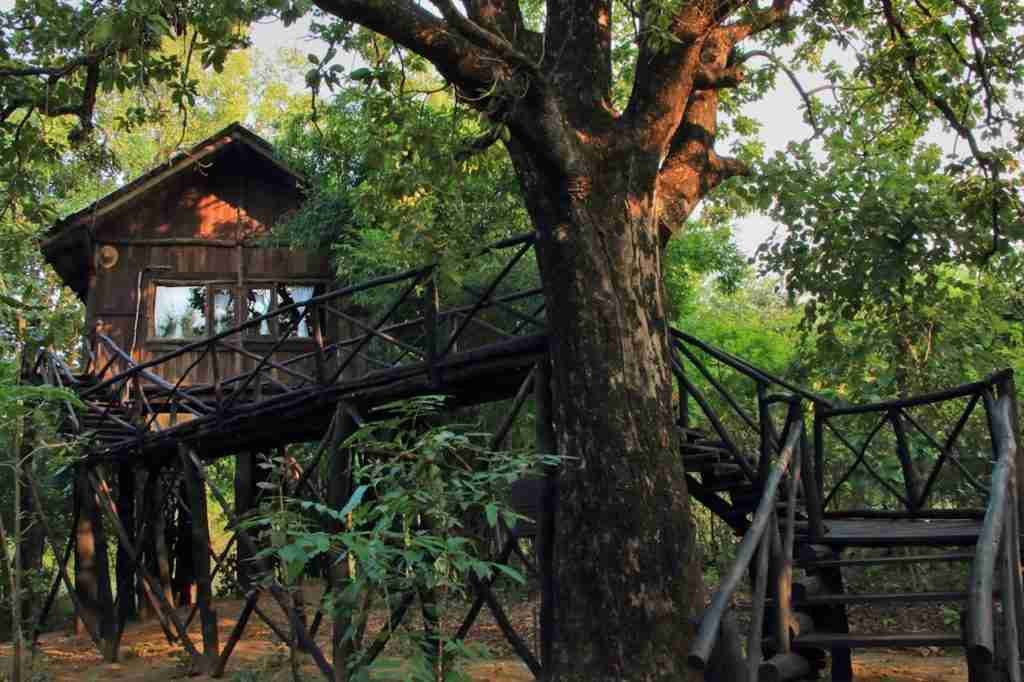

Not only treehouses are worth staying because of their unique design, but they also have a sustainable edge over traditional hotels. Not even a single tree was cut to build treehouses. On the contrary, they planted more trees. Pugdundee Safaris calls their treehouses the “Tree House Hideaway” for a good reason – visitors are almost entirely exposed to the vast wilderness right outside of their room. It features only five tree houses on a 21-acre forested land.
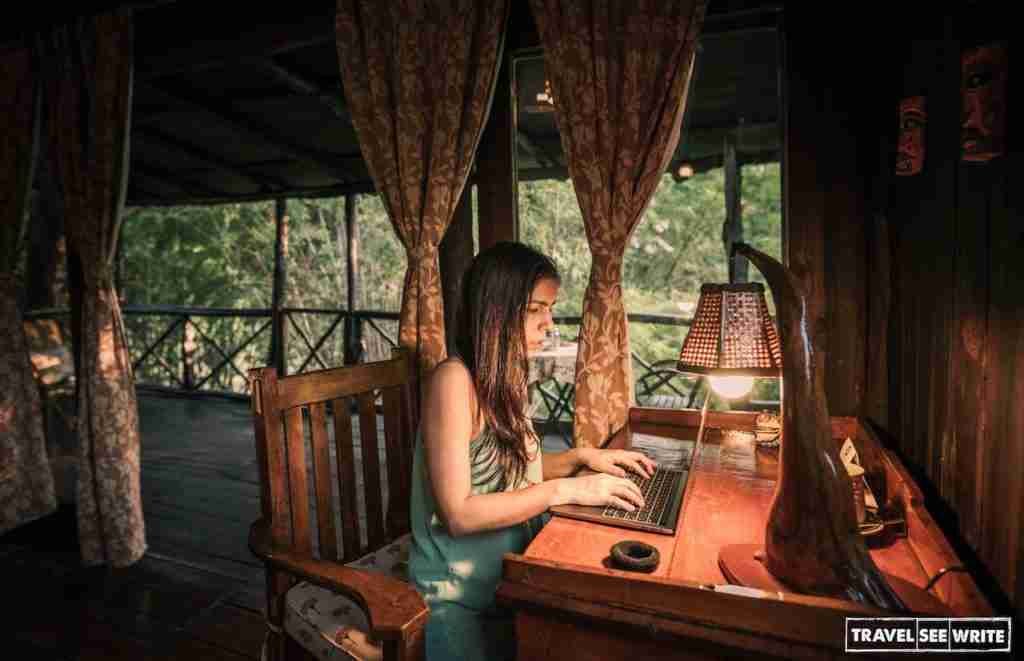
And, it wasn’t just the exterior of the Treehouse that I fell in love with, I was thoroughly impressed by the interiors too. The contemporary rustic design of the room was beautifully matched with traditional earthy tones and eco-materials harmoniously blending with nature. Most importantly, all Treehouses were built by local staff using regularised wood, native craft knowledge and traditional expertise.

I was back in the Bandhavgarh National Park to try my luck again. Although, this time, I chose to visit another zone – Magdi Zone. And, I had veterans with me – Ashley Chaturvedi lovingly called as Choubey Jee who has spent 24 years driving in the National Park and Binod Dwivedi, who has been guiding in the park for the last 27 years. We started our search from Umrah naalah – the favourite place of Dotty and her cubs – sewed with long white grass, this slightly hilly terrain has enough water to satiate their thirst.

We waited for quite some time but probably the big mama had different plans. Disappointed, we decided to explore other points in the park. But neither Spotty nor any other Tiger appeared. Dejected we left at 11 am just to learn at the exit gate that Balwant Negi, the second naturalist from Treehouse Hideaway had seen Dotty for close to 15-20 minutes. I wish we had waited for ten more minutes. But that is life! Patience rewards those who wait for it.

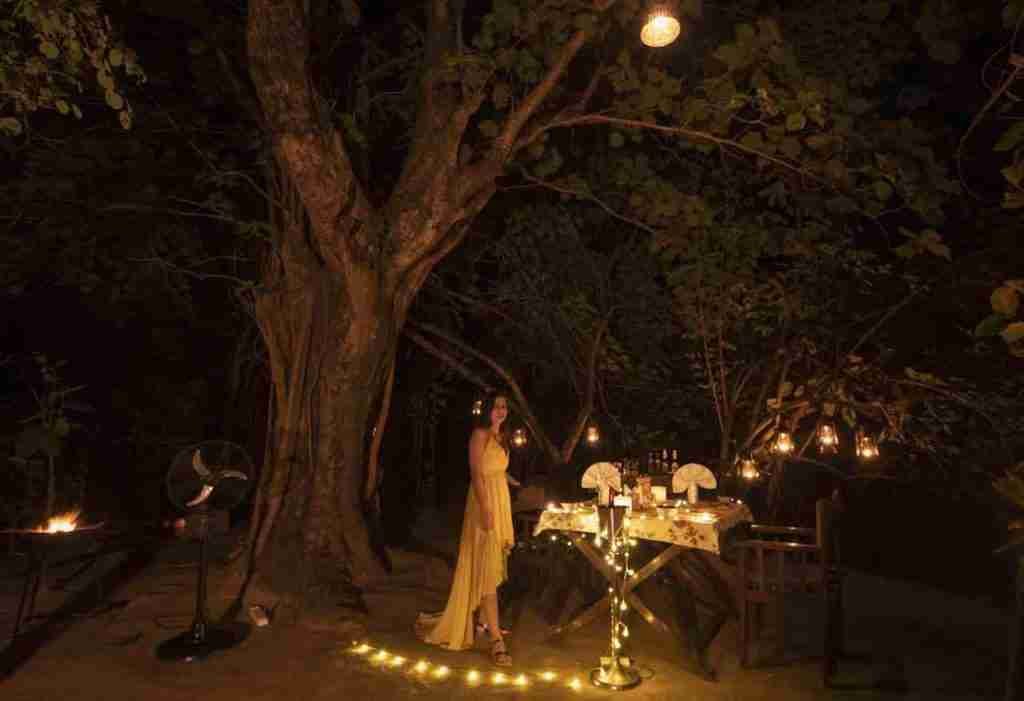
Ashish tried to make up for our loss by organising a Bush Dinner under the gigantic Haldu Tree (Haldina cordifolia or commonly known as yellow teak). The bushes were lit up with traditional lanterns, and the table was decorated with flowers and candles. A bonfire in the background kept us warm and a classic village style Mitti ka chulha (clay oven) our food. The ambient sound of the wild felt more melodic than any sound I’d heard before. The sky was clear, with bright stars sparkling over our heads. The flavourful ala carte meal was served lots of love and red wine. Happy, I slept like a baby that night.
Another day brought another hope to see the big cat. This time we were accompanied by not just one but two naturalists – Choubey Jee and Negi, the lucky naturalist who saw Spotty a day before. We drove around all the important spots in the Tala region – came across Dotty’s droppings and pugmarks of other Tigers and Tigresses. Heard alarm calls by macaque from two different sides of the forest but again my luck steered me to miss the most desired sight of the wild.

Nonetheless, I thoroughly enjoyed the forest and some rare species of flora and fauna. But what I most enjoyed was the great insights shared by our experienced naturalists and guides. I learnt a lot about Tigers behaviour, their current conservation challenges, the growing menace of the wild elephants and how wildlife Tourism has benefited the locals and the wildlife.
One great piece of advice that Choubey Jee gave was,
We can learn how not to be greedy from Tigers. They never hoard things and will only take as much as they want. They won’t kill any prey if they are not hungry.
Imagine what a beautiful world it would become if we start following this behaviour.
I spent the rest of the day birdwatching, taking nature walks and talking to the locals working at the Treehouse Hideaway.
While I missed seeing Sher Khan I wasn’t disheartened, the wildlife tour in Bandhavgarh National Park still fetched me some life-long memories. As Choubey jee aptly put it,
There’s a lot more to the forest than just the Royal Bengal Tigers. Enjoy the jungle. Keep Tiger as a bonus.
While I would visit in every and any season, the best time to visit Bandhavgarh national park is from April to June. The probability of tiger sightings in summer is higher because the big cats are out near waterholes in search of water. However, November to February the Park is lush green. The park remains closed from 1st July to 30th September due to monsoon. Winter temperature varies from 8-20 degrees, and the mercury rises to 46 degrees in summer.

The park is divided into three tourist zones – Tala, Magadhi and Khitauli. Tala is the central zone and remains most famous for tiger sighting. The Magadhi zone is located at the fringe of the park and is also good for tiger sighting. Khitauli zone is the latest addition that is gaining popularity fast amongst visitors and is well-known for its excellent birding experience.
Go for at least 4-5 safaris for higher success rate because no tiger sighting is guaranteed and no sighting is the same. Usually, morning safaris have a more extended period to explore – approx. 5.5 hours as compared to 3 hours in the evening. Remember to carry an identity card that’s mandatory to check before letting you inside the park.
There are many private resorts and hotels around the park. You can also book MP tourism owned White Tiger Forest Lodge, which is located on the Bandhavgarh National Park main road. However, I would highly recommend staying at either Kings Lodge or Treehouse Hideaway for the luxurious and serene wildlife experience they provide along with incomparable hospitality.

Permit and safari both can be booked from Madhya Pradesh, Forest Department website. You can either book a full vehicle or individual seats, depending on the requirement. Either your hotel can book it for you, or you can do it yourself. Separate permits are given for every zone you want to visit. Jeep Safaris booking open 120 days in advance and can be pre-booked online. They get sold very quickly, so suggest you book early. Along with advance payment copies of Photo ID (Driving licence, Aadhar card, PAN card, voter ID or passport) are required to secure your safaris.
Flights: The price for Delhi- Jabalpur is approximately between INR. 4500-9000 per Person and INR. 4000-8000 Per Person for Nagpur -Delhi sector
Accommodation:
02 Nights at Kings Lodge AC Cottage: BAR (best available rate) of INR 14000 per night for double occupancy for Weekdays and INR 16000 per night for Weekends.
02 Nights at Treehouse Hideaway: bar rates of INR 16000 per night for double occupancy for Weekdays and INR 18000 for Weekends
Jeep safaris: INR 9500 per Jeep per trip
Food and local road transportation: Approx. INR 20,000
5-6 days are good enough to enjoy the park and wilderness.
Day 1 – Arrive at Bandhavgarh
Day 2-4 – Morning or/and evening safaris with nature walks and bush dinners at the lodge
Day 5 – Keep an extra day to unwind or go for a jungle safari
Day 6 – Leave for another National Park or your destination
Clothes & Accessories: t-shirts, pants, shorts, swimsuit and raincoat. Please avoid dark/bright colours as neutral colours are best for safari. For walking, carry comfortable sneakers or sandals. To avoid sun have Polarised sunglasses and a wide-brimmed hat. A small day backpack to carry your water bottle, sunscreen, snacks etc.
Don’t forget to carry woollens if you are travelling in winter (November till February). Safaris start as early as 6am, and the mercury drops further inside the forest. Carry a fleece jacket or a sweater along with warm hats and gloves.
Toiletries: Sunscreen with high SPF and personal toiletries. Mosquito repellent and prescribed medication, if any (including antihistamine).
Electronic items: camera with extra batteries, chargers for your gadgets, plug adapter to charge your electronic devices, and your mobile phone with power banks.
You can either drive down to Panna National Park or Kanha National Park. I chose the latter for the park is very different from Bandhavgarh.
Bandhavgarh National Park is one of the most visited and among the best wildlife sanctuaries in India, and I would highly recommend you see. Have you been to this beautiful land of wild cats? Share your experiences with us in the comment section below if you have already visited this fantastic wildlife park or whenever you make a visit.

Pugdundee Safaris invited me to experience their lodges after COVID19. However, all the views expressed above are my own and based on my personal experiences. Pictures were either shot by me or Nakul Sharma. Please do not copy anything without written permission.
There’s no better place to experience the majesty of biodiversity in India than Wildlife Sanctuaries. Here’s my experience of visiting a few notable Indian National Parks and Tiger Reserves in Madhya Pradesh, India.

After being locked up in our homes for months, India is finally opening up, albeit with caution. While that bucket list international trip might have to wait a bit longer, the Great Indian traveller has started travelling again. Yes, domestic travel is on a rise in India and trends like staycations, workcations, revenge travel, slow travel, and road trips are topping the Google Trends. The beleaguered Indian Travel and Tourism industry is finally seeing a silver lining around a dark cloud. COVID19 has presented an opportunity for Indian travellers to discover loads of incredible and often ignored destinations closer to home. Like many others, I too was fed up of the lockdown. I started looking for the safest places to visit in India post covid19 and found many attractive options, but I settled for exploring the Wildlife Sanctuaries in India. This post and the subsequent articles will talk about my planning and experiencing wildlife tourism in India. So, without further ado, let’s begin.
One thing that I missed the most during the lockdown was nature. I was tired of working from home and was craving for some fresh air, greenery, wildlife and impromptu conversations with the strangers. I was missing the regional cuisines and cultural experiences. While video calls, webinars and virtual tours did help in bridging the gap, but there was no cure for my wanderlust. So, when the time seemed right, I jumped at the opportunity to be with nature and wildlife.

While I desperately wanted to get out of my four walls, two things were non-negotiable – safety and sustainability. In the absence of COVID19 vaccine, I didn’t want to be reckless and started looking for a destination where I knew the required safety protocols are followed. Crowded places were a big no, and maintaining social distancing was my top priority.
Secondly, COVID19 proved that if we don’t take nature seriously, it will destroy us. So, I wanted to travel responsibly, and the choice of place depended a lot on the ‘being green’ philosophy of the destination and the accommodation.
As the ‘Unlocking India’ began and states started easing out travel restrictions, a lot of options opened up for my next travel. Right from the towering Himalayan states of Himachal and Uttarakhand to coral-lined islands of Andamans, balmy beaches of Goa to sacred Shangri-La of Sikkim, opulent Havelies of Rajasthan to laid-back waters of Kerala. Nearly all major tourist destinations started vying for domestic travellers attention who were actively looking for best places to visit during Diwali or winter holiday break in India. But my heart was craving for something else.

Having been to the heart of India several times in the past, I knew there could be no better place than Madhya Pradesh as it guaranteed safety along with exceptional sightseeing opportunities. Thanks to a low population density in the state, especially around the National Parks, social distancing and taking safety precautions seemed a lot easier as compared to other tourist destinations in India that are currently flocked by travellers. On top of that, the joy of seeing the wild animals, especially the Tiger and the Barasingha, up-close in the wild is something that can’t be replicated anywhere else in India or abroad. The parks were reopening after seven months of closing. So, I was excited to see greener and lusher forests than before.
Madhya Pradesh shares border with five states and it is fairly easy to reach the state via road, air or train. The road network in the state is in top condition and perfect for a road trip. I saw people travelling from as far as Kolkata, Kanpur, Hyderabad, Mumbai, Bangalore, Pune and nearby places such as Nagpur, Jabalpur etc.


Most importantly, choosing an ecotourism holiday was the main reason for me to opt for Madhya Pradesh Wildlife Holiday. I had done enough background research to find out that Tiger Conservation helps in conservation of the environment and communities living around the park. The conservation of India’s national animal is most critical because of its role at the apex of the food chain. When you protect tigers, you save the whole ecosystem and provide a livelihood to the underprivileged people living in the periphery of the forest. Besides conserving wilderness, tiger reserves support human life by guarding fish nurseries, replenishing the agricultural land with genetic material and providing cheap, clean water for drinking and irrigation.
Moreover, Tiger reserves help in mitigating natural disasters such as floods and cyclones. Additionally, they also play a critical role in reversing the climate change impact by storing and sequestering carbon.
It was an uphill task to pick a handful of national parks out of 553 existing wildlife sanctuaries and 50 Tiger Reserves in India. After a lot of deliberation and help from Manav Khanduja of Pugdundee Safaris, I decided to spend twelve days in the wilderness of Bandhavgarh, Kanha and Pench Tiger Reserves. After all, these three reserves have played a big part in making Madhya Pradesh the ‘Tiger State’ of India.
While Tiger is a common denominator in all the three reserves their vegetation and landscape is remarkably different from each other. I was keen on seeing that contrast of landscapes and learning what they did differently that contributed to making Madhya Pradesh a front runner in the Tiger Conservation Campaign.


Choosing the right destination was just one part of the trip planning. It was equally important that I choose suitable accommodation too. And, here’s why I picked Pugdundee Safaris for my travel.


I felt like a liberated bird who got a new lease of life when she expanded her wings in the deep blue skies, flying over the thick Sal-Teak forests. The spotted deer, langurs, jackals, woodpeckers, giant spiders, leopards and tigers all felt like friends I had met after a long time. I got the most heart-touching welcome as the verdant jungle laid out its luxurious green carpet while the sweet misty forest fragrance and the perfectly orchestrated bird song melted my soul away. The three national parks – Bandhavgarh, Kanha and Pench – were so similar yet so different in their welcome.
The knowledgeable naturalists from Pugdundee Safaris and guides from the national parks further enhanced my wildlife safari experience. Their personal stories were as enchanting as the sights, sounds and smells of the woods. The food, stay, safety, amenities, safari…everything was perfect. Most importantly, it was the warmth of the Pugdundee staff that melted my heart. Whether it was the cucumber-like coolness of Harish Jee or Choubey Jee’s passion for the jungle, Ashu’s great offroading skills or Amit’s fondness for great food, Harpreet’s love for the butterflies or Mohan’s in-depth knowledge about tigers; I was left thoroughly impressed. All these people have become friends now.
I enjoyed my travels and even got time to ponder on some serious environmental issues that need our immediate attention.
In the upcoming months, I’ll share detailed individual posts on my experience at each National Park and lodge. Through a mix of experiential videos, articles and social media posts I’ll talk about the whole wildlife holiday experience including the Jungle safari, accommodation, food and safety precautions taken by the lodges, unfiltered stories from the locals and the experts, step-by-step itinerary and costs involved. So, stay tuned for updates.

In a nutshell, I can just say whether you are looking for the best places to visit in 2020 in India or warm places to visit during winter, hope this post helps in convincing you to explore the national parks and the wildlife sanctuaries in India.


After a long hiatus in tourism, almost all the famous tourist places in India started again welcoming tourists. Right from Himachal to Andamans, Goa to Sikkim, Madhya Pradesh to Kerala, nearly all major tourist destinations have launched enticing offers to woe the domestic travellers. Camping and lodging, jungle safaris and rafting, hotels and homestays are all back in business. While strict health protocols are mandatory to be followed; e-passes, COVID-19 RT-PCR Test, and compulsory quarantine are nearly gone. Domestic flight operations in the country will touch 75 per cent of the pre-Covid level this month itself.
Here’s a quick round-up about which famous tourist places in India state wise are open for tourism, and the safest places Travel See Write recommends to visit for your next holiday.

Ever since the tourism-dependent states of Goa, Himachal Pradesh, Rajasthan, and Uttarakhand started unlocking, they have been dropping travel restrictions month-on-month basis to get tourists back. Uttarakhand is even paying you to visit the state. Historical monuments such as Taj Mahal in Agra, Sun Temple in Konark, Amber Fort in Jaipur, Qutub Minar in Delhi, Hampi in Karnataka, Khajuraho in Madhya Pradesh are all open for tourists. Although a cap has been put on the number of daily visitors, online booking is made simpler and strict health protocols are followed.

The state I am most excited to visit next is – Madhya Pradesh – as the National Parks and Tiger Reserves have opened up from 1st October, and some great Workcation Packages have been launched for work-from-home fatigued people like me. In fact, my next trip is to the three most famous National Parks of Central India – Bandhavgarh, Kanha and Pench.

While Maharashtra and West Bengal might not be as adventurous as Madhya Pradesh in their unlocking approach, their popular tourist destinations such as Lonavala and Darjeeling have started getting a surge of travellers. In fact, following Madhya Pradesh’s footsteps, West Bengal has opened Sundarbans, Joypur Jungle, Mahananda Wildlife Sanctuary, Dooars and other forests for tourists. And, Maharashtra isn’t slacking behind to attract wildlife lovers to its Tadoba Andhari, Pench and Melghat Tiger Reserves with a new set of rules.
While Tamil Nadu has an official lockdown until 31st October, its hill stations such as Ooty, Yercaud, Kodaikanal, and Nilgiris are open, with an E-pass. The Union Territories of Puducherry and Ladakh are also open. Even the Andaman & Nicobar islands have resumed some tourist activities.

After six months of Lockdown, Kerala has decided to welcome guests again. Though major tourist hotspots will be open for visitors, beaches will remain shut till 1st November. If you are thinking to visit Kerala, do not forget to register yourself on www.covid19jagratha.kerala.nic.in. If you are planning to stay for over 7 days, you are required to either carry a COVID-19 negative certificate or undergo a COVID-19 test post entering the state.
Most of India’s eastern states such as Odisha, Sikkim, and Tripura are slowly and steadily starting to welcome tourists in October. People can visit the beaches of Puri or the temples of Konark in Odhisa. The state government has launched the ‘Odisha by Road’ campaign to urge travellers to explore the state’s tourist circuit by road.
Sikkim has opened its borders with West Bengal from 1st October and bookings for hotels, homestays and other tourism-related services have resumed from 27th September. Here’s a detailed guide on what places to visit in Sikkim.

Tripura has also reopened all tourist spots in the state from 1st October and is building infrastructure to promote tourism. A helipad near the famous Dumbur Lake in the Chabimura region is being constructed and new activities are added such as water scooters, floating jetty and speed boat services at Dumbur Lake.
Neighbouring states of Meghalaya, Manipur, Mizoram, Arunachal and Assam are still not open for tourists. In all likelihood, Arunachal Pradesh will reopen for tourists after October.

In short, while most of India is now open for tourists but remember what PM Modi said, “Jab tak dawai nahi, tab tak dhilai nahi. Do gaj ki doori, mask hai jaroori (No carelessness till a medicine is found. Face mask and maintaining a distance of two yards is necessary). Before venturing out anywhere remember, there are strict rules in place for our own safety. Masks are mandatory wherever you go; physical distancing is obligatory, and the need to respect local sensitivities and concerns is now more important than ever.

While almost the whole of India is open for tourism, here are the Safe Places that I would recommend visiting in India post lockdown because of their unscathed natural surrounding and less population density that makes them ideal for maintaining social distancing.
Go for: Lush nature walks in untouched Lahaul Valley and admiring the latest engineering marvel of BRO – Atal Tunnel.
If there’s a part of Himachal that had managed to maintain its serenity, calmness and can still be termed as offbeat, it would be Lahaul Valley. Until this year, it was just a pit stop for Manali-Leh travellers. Hardly anyone explored it beyond a night halt. But after the opening of Atal Tunnel, things might change now.

How to go: Drive/fly from Delhi to Manali and then take a taxi or drive to Lahaul via Atal Tunnel. Takes around 16 hours by road (14 hours bus ride from Delhi to Manali and approx. 2 hours taxi ride from Manali to Keylong)
Where to stay: Government-approved homestays and hotels.
Price starts as low as 500 INR per night.

Go for: Working from the wilderness, a taste of village life, and learning the lessons in wildlife conservation that goes beyond greenwashing.
The advantage Madhya Pradesh has over other states is its low density of population, especially around the National Parks. Moreover, Jungle Lodges are among the safest holiday places equipped with good Wi-Fi and high sanitisation measures as prescribed by MHA. By their very nature, jungle lodges have a limited number of cottages that too spread out in the wilderness with no lifts or elevators. Most of the action takes place outdoors, whether it is dining or activities. So, city folks can work out of the wild without worrying about the virus. One can either drive to any of the big six national parks in M.P. or fly to Nagpur, Raipur and Jabalpur.
Last but not least, Work from Wilderness can be the much-needed ecotourism push that can bring a positive change in the lives of locals who are the direct beneficiaries of responsible wildlife tourism.
How to go: Fly into Jabalpur, and from there it takes a 4-hour drive to reach Bandhavgarh
Where to stay: Pugdundee Safari’s Treehouse Hideaway
How much does it cost: Price includes all meals, tea/coffee and current taxes:
07-12 nights – INR 9000 per room per night
13-21 nights – INR 8000 per room per night
22+ nights – INR 7500 per room per night
Go for: the mountain vibes of the vibrant state of Gujarat

Saputara lies very close to the border of Maharashtra and is very easy to get here. Despite being the only hill station in Gujarat it doesn’t get overly crowded. You can enjoy a safe and quaint holiday with your partner, family or friends. You can go trekking in the hills or go for other adventure activities like nature walks or boating.
How to go: A 5-hour drive (247.5 km) from Mumbai via NH160 and Saputara – Nasik Rd
Where to stay: Sunotel Resort or Club Mahendra Hatgad
The price starts at INR 5500 per room per night (prices change with availability and holidays)
Go for: rafting in the Ganges and quaint village life

Rishikesh has always been a favourite of weekend travellers, adventure enthusiasts, spiritual seekers and. Therefore, as soon as the travel restrictions were lifted, the sleepy town on the Ganges started seeing an influx of tourists. Besides the state has announced a ‘Tourists Incentive Coupons’ scheme to reboot travel under which tourists would get either INR1,000 or 25% discount – whichever is lower – on per day accommodation charges for up to three days.
How to go: A 5-hour drive or bus or train from Delhi. You can also take an overnight train to Haridwar.
Where to stay: Glass House on the Ganges or Atali Ganga
The price starts at INR 5500 per room per night including one raft trip and three meals at Atali Ganga

Go for: nature and wildlife. The state is a paradise for mountain lovers.
Often termed as the Himalayan Shangri-La, Sikkim has just reopened its gates for tourists and has a plethora of top-notch travel experiences to offer, despite its small size. Read more about the state here: Visit Sikkim – The Himalayan Shangri La
How to go: Fly from Delhi or any other city to Bagdogra and then take a taxi to Gangtok or whichever place you want to visit.
Where to stay: WelcomHeritage Denzong Regency
The price starts at INR 7,150 per person per night

If you want to reconnect with nature after spending months at home, Coorg is a great option. Located in a coffee-growing region, it is a place where you can go on rejuvenating treks, aromatic plantation trails or simply enjoy a private campfire. Coorg is blessed with lush greenery, plantations of the most aromatic coffee and spices, gurgling streams, and gushing waterfalls.
Like other parts of India, homestays and resorts in Coorg have also started Workcation packages, especially for the people of Bengaluru.
How to go: Approximately 4-hour drive from Bengaluru or a 6-hour bus ride.
Where to stay: Tamara Coorg
Price starts at Special Package – Breakfast only from INR 16,520/- per night.
So these were my suggestions for visiting the famous tourist places in India state wise. Have you ventured out anywhere lately? If yes, how was your experience?



What are the right questions to ask in a pandemic stricken world and how you can preserve the memories of life during COVID19 era

Ever since Covid19 pandemic made an uninvited entry to turn our lives upside down, the most frequently asked question, “how are you” became the most irrelevant question. The truth is no one’s really doing well. People are falling sick and dying in alarming numbers all around us. Today I am lucky to be fine, but tomorrow I might not be. Our jobs, our economy, our entire financial future is in ICU. We are all dealing with pandemic stress, and we are not even sure how much and for how long we have to endure this stress. So, what’s the point of asking an inappropriate question that was once a polite way of expressing concern for a person’s well-being?

If you are genuinely interested in someone’s well-being, then perhaps rephrase your questions that clearly check about their emotional or psychological well-being. “How are you coping with the pandemic?” for instance, signals that you don’t expect them to be doing great, and that you are genuinely interested to know how they’re handling things. “What’s going on your mind lately?” suggests an openness to a more in-depth conversation. You might also follow up with a more positive question, “did you try out any new thing” or “we are living in the most historical times of your lives, how are you going to showcase your pandemic memories to future generations?”
When a crisis hits us, there are two ways to deal with it –succumb to it without trying or find a silver lining around the dark cloud. Being an eternal optimist, I opted for the latter. I started exploring all the unexplored creative desires I didn’t know I possessed. While anthropologists and historians around the globe are using this stressful time to create archives that can be cherished for years and years to come, I realised that I too needed to document this vital part of my life. The pandemic may not discriminate between its preys. Still, every single individual has a unique experience that could be great bedtime stories for their grandchildren or inspiration for literature and TV novellas. If you can’t simply seem to decide where to start before the unique experience takes a backseat in the train of your thoughts, use the following to help yourself from pandemic stress and simultaneously start preserving pandemic memories effectively:

I have always found describing my feelings in words therapeutic. Journaling allows you to identify your problems and find solutions to them. Every time you open your journal, you slide into a safe mental zone, you can pour out all your feelings into without the fear of being judged. Be it your tiring work from home schedule or a small disagreement with friends or closed ones because of the sudden responsibilities the pandemic has delivered in our laps; the journal is the most healthy way to express your anger and frustration. You can also experiment with different ways of journaling. Personally, my favourite one was creating a Pandemic Travelogue, but here are some more ways you can explore:
Photo essays are extremely suited for some of the most commonly experienced things by people during COVID-19; some of them are:
The most crucial change that pandemic brought in my life is a healthy mindset – I became more health-conscious and started exercising regularly. Being a night owl morning walk was a far-fetched dream for me, but thanks to the lockdown period I did the unthinkable – I adopted the ‘early to bed early to rise’ age-old wisdom into my daily routine.

Thanks to my health-conscious friends like Amit I started exercising at home, and once parks opened, I started morning walks in nature. The bonus was capturing the simple moments of life which I overlooked until now. Moments such as listening to the birdsong in the park, witnessing sunlight transform dewdrops into natural prisms, sweepers calmly making India ‘Swacch Bharat’ while we only indulge in sloganeering, doodhwallah (milkmen) and newsaperwallah (newspaper delivery man) going door to door, morning joggers catching up on national issues while catching their breath and many more such seemingly mundane moments suddenly became interesting.
I started appreciating the vagaries of ordinary life while keeping myself healthy. Slowly the lockdown didn’t appear to be so bad as it gave the much-needed time to reflect on the fragility of life and appreciate the little moments. If you did the same, why not share it with others. Who knows your effort can become someone’s inspiration?
All of us understood the importance of cookbooks we had buried beneath the piles of unread magazines, YouTube videos and recipes from the best cooking blogs around the world better than we ever have. I started experimenting with the ingredients in my kitchen and sharing the proud result of my culinary skills with my friends. While I am not into food blogging, you can write about all the new recipes you cooked for yourself in the pandemic and how you made local or vegan versions of dishes from all around the world. Those mouth-watering dishes definitely deserve the best clicks!

As work from home and video calls became the new norm of professional life, the need for renovating your work area started gaining momentum. Take, for example, my friend Shalini who works as a creative Director in an Ad Agency, started subtly showcasing the creative workspace during office video calls. She always wanted a corner office like her boss, so she took lockdown as an opportunity to create one with a couch, artefacts, flowers, and plants. She started experimenting with lights, plants, furnishings, and even different corners of the house. Suddenly her aesthetically done workspace became the conversation starter in her official and personal video calls.

Travellers all around the world, in a brave yet intelligent way, played a crucial part in creating a new normal for the Travel Industry. With all the Personal Protection equipment and safety guidelines guiding my Staycation in Hyderabad, I could see an entirely new way of travelling and personal care being born. I made sure to share the insider information with my readers to quell myths about flying in 2020 and safe travels. Travel Photography companies like ShootMe have created options for you to capture your journeys (even to local areas) safely and professionally along with making quality virtual shoots a possibility in this pandemic.

If you’ve been posting out a lot of videos on Social Media lately for communicating the changes that have come into your life, and for motivating others, in that case, video journals are just the thing for you. Video journals or vlogs can be simple collections of all the little things you did in the pandemic, alone or with your loved ones. Even saved recordings from an online meet with my friends and family stuck in different corners of the world has helped me understand the value of all these emotional bonds we took for granted. I used this time to create informational videos about my past trips from Laos and Maldives.
So, these were some of my ideas on how you can preserve Pandemic Memories during COVID19 era. Have you learnt any new skill during this time or brought a positive change in your life? If yes, please feel to share your feedback in the below comment section.




In this article, you’ll find almost everything you need to know before booking a Maldives holiday package. Read about India-Maldives air bubble, the latest travel advice, how to get there, cost of Maldives holiday packages, what is the food like and which activities to do.
Very few things have been left unscathed with the ongoing coronavirus pandemic. One thing that the covid19 failed to change is – the love for the Maldives amongst luxury travellers. People might have postponed their dream trip to paradise, but they haven’t stopped dreaming about it. A recent global survey by Official-Esta.com reveals the Maldives as the second ‘Most Googled Destination’ for post-lockdown holidays. According to Google, “flights to Maldives” and “trips to Maldives” were among the most searched for topics during the COVID-19 pandemic.

On 15th July in an official statement on travel protocols, the Maldivian authorities announced that the Maldives is now open for tourism. But is it safe to visit?
Here is everything you need to know before planning a trip to Maldives along with specially curated tips to have an unforgettable post-lockdown holiday:
As close and friendly neighbours, India and Maldives share ethnic, linguistic, cultural, religious and commercial relations steeped in mutual respect. In this hour of crisis, the two countries decided to help each other and hence, set up an Air Bubble, which is first of its kind in South Asia that allows the citizens of both the countries to visit each other without undergoing quarantine. This arrangement is made primarily for two reasons – to boost tourism in the Maldives and to allow the medical tourists in India. Maldives economy is heavily dependent on tourism – 80% of Maldives GDP comes from Tourism – and India is the second-largest market for the island nation. So, it’s a win-win situation for both the countries to have this ‘Air Bubble’ arrangement.

Tip: With effect from 10th September, all tourists and short term visitors are required to carry a Negative PCR certificate on arrival in the Maldives. Rules keep changing with changing situation. So, check the latest travel advisory on ‘New Normal’ Measures for visiting the Maldives (for tourists).
No, Maldives is one of the safest countries in the world to visit post-lockdown and has earned the WTTC Safe Travels stamp for adopting health and hygiene global standardised protocols. So, you need not worry before booking a holiday to Maldives.

As per the official records, Maldives has only 1,346 active cases, and those too are restricted to the capital, Male. And, when you arrive in the Maldives as a tourist, you don’t spend much time at the capital. You are directly escorted from the Male Airport to your resort either through a speedboat or a seaplane. The Maldives has been able to restrict the transmission of the covid19 transmission because of its One Island One Resort philosophy. The island nation is geographically scattered and distanced, making the destination safest for a post-pandemic holiday, said Thoyyib Mohamed, Managing Director of Maldives Marketing and Public Relations Corporation (MMPRC).
Also, Maldives has been very proactive when it comes to safety and hygiene. When I visited the country in February 2020, that time only they had initiated thermal scanning, health declaration form filling and social distancing practices. Now they are following even more stringent measures as per the international and local guidelines.
As per Badhiya Gunatilake, the Vice President and Chief Operating Officer of Adaaran Resorts, Maldives, it’s a normal holiday in Maldives where they welcome all guests. There is no quarantine requirement, but all the resorts have to follow strict safety guidelines. When guests go into a restaurant, their tables and chairs are thoroughly sanitised. There are in-house doctors and nurses along with an emergency response medical team. Moreover, every resort has isolation centers to isolate guests, in case of a suspected case. All the resorts have electrostatic spray machines, which cleans the island every six hours. To have contactless experience, they have also created QR codes, which allows the guests to have all the details regarding food and beverages menu, spa treatments, excursions on their phone.
Here is a detailed video of whether it is safe to visit Maldives or not
Tip: Download app Trace Ekee app (like our Aarogya Setu app) prescribed by the Maldives Ministry of tourism.
The island nation is warm and sunny year-round but consists of two main seasons – a dry season that’s best for visitors and a wet, rainy season that is usually a lean season. The best weather – and the best time to visit the Maldives – is between November and April. Usually, the peak season is between December and March and May to October is the monsoon season.

The Maldives is more affordable now. Perhaps it is the best time ever to book a trip to the island nation as the ongoing Maldives holiday packages are available at rock bottom prices. Resorts are offering as much as 50% discount on regular rates. Now 3N4D package (inclusive of return flight, accommodation, meals and activities) starts as low as INR 40,968 ($556) per person.
And, the best part is some of the hotels such as Adaaran Resorts are offering Maldives holiday packages with additional features such as Flexi cancellation which allows cancelling or rescheduling your booking up to 24 hours before your arrival. However, if you are taking a seaplane, make it 72 hours. Also, it is advisable to book an all-inclusive package that covers your accommodation, food, drinks and excursions. Works out to be a cheaper deal than booking separately.
Tip: check out deals on travel websites such as MakeMyTrip or any other aggregator website.
The Maldives is geographically well connected with Asia, Europe, Africa and America. And, it doesn’t take long to get to the Maldives from the Indian subcontinent. Earlier Delhi, Mumbai, Kochi were the main airports to board an India-Maldives flight. It takes around 7-11 hours to get to the Maldives depending on the layover. Now the situation has changed. Starting August Air India started flying a direct flight from India and other airlines such as indigo are soon to start flying again to Male. In India, you can currently fly from Kerala. But soon, like before you can fly from Delhi, Tamil Nadu, Maharashtra, and Karnataka as well. I flew via Colombo with Sri Lankan Airlines in February.

Tip: If your resort is far away from Male, you’ll need to take a seaplane ride. So, keep the arrival and departure day free.
The Maldives is a small island nation in South Asia, scattered in the Arabian Sea of the Indian Ocean. It lies southwest of Sri Lanka and India, about 700 kilometres from the Asian continent’s mainland. The Maldives is 99% water and only one per cent land. And, that’s why the archipelago nation is so blessed with postcard beauty of powdery white sand beaches lined with turquoise blue lagoons. Out of the 1,200 islands of the country, only 200 islands are inhabited. The reefs in the Maldives are extremely rich and constitute almost 5% of the world’s reef. The marine life here is so rich that you can find over a thousand species of fishes and over two hundred kinds of corals.


Tip: Seaplane ride is a great way to see the unique geography of the Maldives from above
Maldives is synonymous to luxury. Imagine waking up to a perfectly laid out breakfast on your sundeck and then enjoying the water therapy of the Indian ocean. You swim with colourful baby sharks and manta rays as the waves gently cradle your ocean villa. And, when you are done with your swimming session, you take off with your personal butler in an electric car to enjoy the action on the island. What is more, you can experience the hospitality of garden and beach villas. The resort nation provides you with luxury, which you can only dream.

As far as accommodation is concerned, the options are many starting from an uber posh resort such as SONEVA JANI starting at Rs 912,503 ($12,403) to a local guesthouse coming at as low as $50 a night. But the charm of Maldives is in staying at its luxury resorts.
Tip: As per the Maldives Government you can only stay at one resort Have a mix of stay – water villa and beach villa
Since Maldives is almost 99% sea, it is not surprising that fish (mainly tuna) is the crucial staple of the Maldivian diet. The local cuisine is a mix of Arabic, Indian, Sri Lankan and Oriental influences. But once you are in the resort you can have whatever cuisine you crave for – be it Continental, Mediterranean, Mexican, Indian, Chinese, Arabic or any other food you are in the mood to have.

Each resort has five to seven restaurants and bars with speciality chefs, who can cook as per your liking, as per your taste. The cocktails are to die for in Maldives. Even after seven months, I can’t forget the taste of the wood-fired oven pizza I had at Lohi’s in Adaaran Select Hudhuranfushi. One of the best pizzas I ever had and the icing on the cake was the setting sun on the wild surfing waves. All food and drinks were included in my all-inclusive package except for special dinner or breakfast at the beach.

Tip: Have one special meal at the beach or on a sand bar.
While Maldives is like a postcard to look from overland, the real magic lies under the waves. Therefore, it would be blasphemous to visit Maldives and not experience its marine life. When I went diving, I felt I was in a world of Nemo with 1000’s of fishes, corals, turtles, damselfish, baby sharks and many more of different colours, different varieties swimming all around me. It is an experience that you must have.
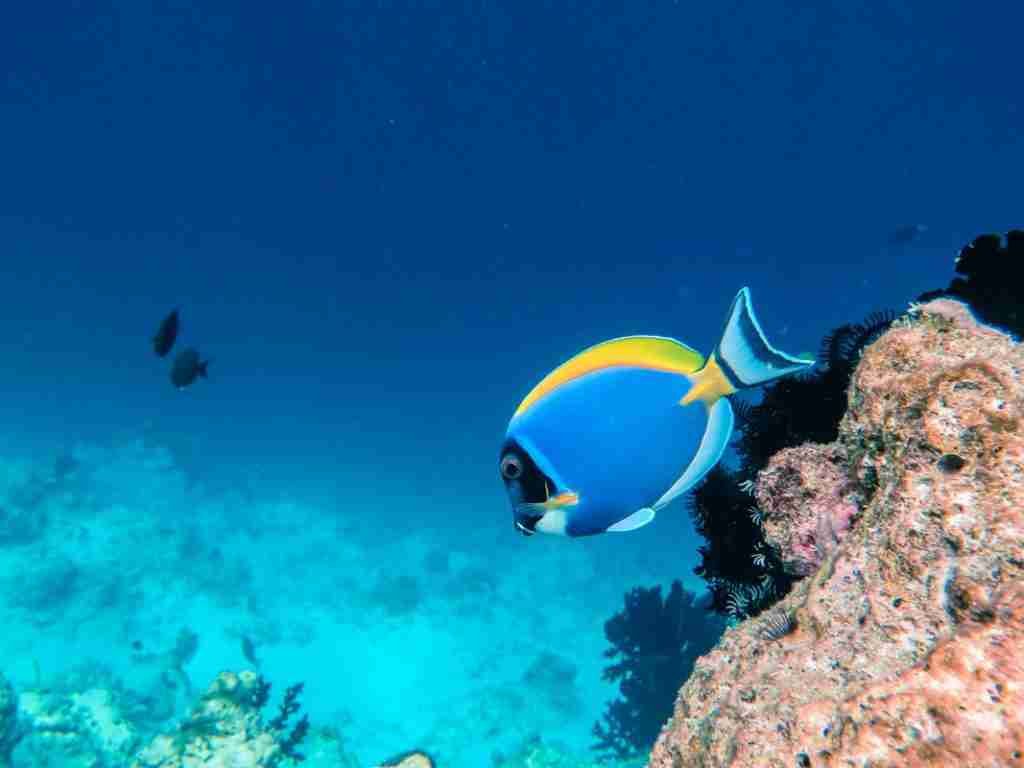
Besides scuba diving, there are many other activities you can do at the resort that are usually included in your package, such as snorkelling, paddleboarding, and non-motorised activities.

Plus, there is no shortage of land activities such as football, Tennis, Aerobic, Yoga and a lot more. If you want a massage then go to a spa where you can enjoy massages of different kinds like Balinese, Chinese, Indonesian or whatever you want, you can get it.
Tip: you could get seasick on the boat after scuba diving or during a sunset cruise, so carry medicine to avoid sea-sickness
Being one of the lowest-lying countries in the world, Maldives grapples with sea storms, and sea swells several times a year. Maldives has already lost twenty islands in the last twenty years. The fear is increasing by the day. If we don’t bring our carbon emissions down, the whole of Maldives can be drowned in the next thirty to fifty years.

Therefore, the Maldivian government and the local resorts are putting a lot of efforts to make travel more sustainable for tourists by using ecotourism activities such as employing green and clean energy options, group transfers instead of individual transfers, no motorised vehicles on the island, installing solar energy panels, water recycling, growing vegetables and fruits, making islands plastic-free, beach cleaning, and coral restoration.
I hope I have been able to answer all your queries regarding Maldives Travel. When are you going to experience the sunny side of life in Maldives?

Below links will provide you with the updated and correct information on the COVID-19 scenario in the Maldives.
Inspired? Pin these to your Pinterest boards


Slowly as the world is gradually opening up from strict lockdown and looking towards a new normal with squinty eyes, travel thoughts are making a comeback. Even as travel is on pause, Indian travellers have started making wish lists of the safest countries to visit in Asia. They might not be booking but they are looking.
Safety instead of the popularity now governs the desirability of destinations. Unnecessary flying will be avoided. A fact echoed by the survey conducted by the International Air Transport Association (IATA), the biggest fear among the flyers is sitting next to someone infected. In this global survey, about 58% of the respondents said that they had avoided air travel because of this fear. Contrary to the fear, Air Travel is very safe. Read my detailed post on everything you need to know to fly safely in 2020.

While no one knows when will it be safe to travel again, people have gradually started moving out. Domestic road trips and staycations are making a classic come back. And once the confidence is back in global tourism, short-haul international destinations will pick up steam too after the domestic market.
To bring back tourism on track and promote safe and hygienic travel, World Travel & Tourism Council (WTTC) has launched a specially designed stamp that will allow travellers to recognise governments and companies around the world which have adopted health and hygiene global standardised protocols – so consumers can experience ‘Safe Travels’.

Below are the safest destinations you can travel to right now in Asia.
The tourism-dependent island nation will be your safest bet if you are looking to holiday in a paradise without having any fear of contracting the virus. The Maldives took proactive measures to contain the virus in the initial stages because of which there have been fewer cases as compared to other nations.
After being closed for four months, the archipelago opened for tourists in July 2020. The ‘one island one resort’ philosophy of the Maldives makes it a preferred destination for anyone looking for safety and privacy. Some resorts are even offering to reserve entire islands for you and your group.
Here is a detailed video that shares the latest travel advice on the Maldives including the current covid19 situation in the country, air bubble arrangement, cost, stay options, food and almost every other information you need to know to plan a trip to the Maldives.
When you arrive in the Maldives as a tourist, you don’t spend much time in the capital. You are directly escorted from the Male Airport to your resort either through a speedboat or a seaplane.
The Maldives has been very proactive when it comes to safety and hygiene, and now they are following even more stringent measures set by the international and local guidelines. Maldives is a proud holder of WTTC Safe Travels stamp for adopting health and hygiene global standardised protocols.
The Maldives is more affordable than ever
Yes, that’s true! In fact, it is the best time ever to book a holiday in the Maldives because of the ongoing offers. Resorts are giving as much as up to 50% discount, and features such as Flexi cancellation that allows cancelling or rescheduling your booking up to 24 hours before your arrival. However, if you are taking a seaplane, it is 72 hours. Make sure to book an all-inclusive package that covers your accommodation, food, drinks and excursions. It works out to be a cheaper deal than booking separately.
Tip: Before booking your holiday take care of two critical facts – you can only stay at one resort, and you need to install the Maldives’ contact tracing app ‘TraceEkee’ (like India’s Aarogya Setu app) prescribed by the Maldives Ministry of tourism.
Below links will provide you the updated and correct information on the COVID-19 scenario in the Maldives.
Latest COVID-19 updates: https://covid19.health.gov.mv/en/
Maldives COVID-19 Dashboard: https://covid19.health.gov.mv/dashboard/
India is a number one market for UAE, specifically Dubai. In 2019, out of the 16 million visitors that were welcomed by Dubai, 2 million were Indians – the highest from any country. Indians have always been attracted to the desert city for short-haul or weekender trips due to its proximity, similar culture, food, big Indian diaspora and attractions that are ideal for families, couples and MICE market. Whether you are looking for retail therapy at opulent malls or taking a much-deserved break at luxury resorts and hotels, adrenaline action at Dubai Skydiving or a quiet dinner in the sand dunes of Dubai; the city never disappoints to welcome you.

And, even during a raging pandemic the financial capital of UAE – Dubai – has topped the charts of many surveys as most sought-after international destination such as Unravel Travel: Fears & Possibilities in a Post Coronavirus (Covid-19) and, Booking.com survey. As of date, Dubai is among a few cities in the world that are currently open to both tourism and business. India and UAE are flying special repatriate flights between the two countries under an ‘air bubble’ arrangement, which allows carriers of both countries to operate repatriation flights.
Dubai is renowned for turning small things into mega attractions, and Dubai intends to use the same essence to attract Indian travellers back to the city while harping on the fact that the grandiose city is fully geared to provide a safe and hygienic world-class experience. In fact it received a seal of approval by none other than the World Travel & Tourism Council (WTTC). Dubai is one of the very few international destinations in the world to earn the coveted WTTC Safe Travels stamp for adopting health and hygiene global standardised protocols – so consumers can experience ‘Safe Travels’.
It was the emirate’s strict safety standards and ease of pulling out big-ticket events at last minute that India’s largest sporting spectacle, Indian Primer League (IPL), decided to host the IPL 2020 in UAE.
PS: The situation is quite fluid and can change drastically overnight so please check the latest travel advise from Visit Dubai or the airline you are flying with for more details before booking your trip.
Even as travelling to Singapore may be on pause now, the country remains the top choice for Indian and Asian travellers as per the Unravel Travel survey. The Singapore Tourism Board (STB) knows this fact and don’t want to break the connection with its visitors. It has launched a microsite as part of the tourism board’s efforts to make sure Indian travellers have Singapore in mind, whenever they start to travel again. The microsite encourages potential travellers to “Rediscover Now, Travel Later” with numerous activities in the joint programme with STB. Sections such as ‘Singapore@Home’, ‘Fun@Home’ invites the audience to ‘virtually’ explore the countless attractions, foods and cocktails of the city in a fun and interactive way. The microsite also showcases how tourism businesses in Singapore are preparing to welcome back business.

Singapore is gradually reopening its borders to allow safe travel in limited numbers from a few countries with the necessary safety guidelines. So far, Singapore has implemented special safe travel arrangements with some countries/regions such as Brunei Darussalam, Malaysia, China, Japan, Republic of Korea and New Zealand. Indian nationals belonging only to a particular category or status are permitted to enter Singapore. Transfer or transit passes for Indian passengers are not accepted.

Here are some useful links for updated information on the COVID-19 situation in Singapore.
There’s a lot we can learn Bhutan, a small Himalayan Kingdom that has successfully averted the COVID-19 crisis with timely action. Bhutan’s Health Ministry took swift action right from the beginning, which is one of the reasons why Bhutan could keep COVID-19 at bay. With zero coronavirus-related fatalities, the country contained the pandemic despite limited resources.

In mid-March, when (the) first COVID-19 case was detected in the country, Bhutanese authorities traced the primary contacts within hours. They mandated a 21-day quarantine period for people entering the country from abroad.
There is a lot we can learn from Bhutan on how to pre-empt and prepare for a future crisis. Although Bhutan did not have any prior experience of dealing with the 2003 SARS outbreak, it did, however, proactively prepare to deal with a similar disease outbreak in a simulation exercise at Paro airport in November 2019, just one month before COVID-19 surfaced in China last year.
One of the reasons why the Himalayan nation was so swift in tackling the coronavirus was the high level of public trust in government officials. The country’s subsequent rapid mobilization was strongly informed by science, with Prime Minister Lotay Tshering and Health Minister Dechen Wangmo both public health officials before entering politics. They were quick to comprehend the technical guidance from the WHO and used scientific literature to guide decision-making. As a result, government decisions were based on scientific evidence. Following an evidence-based approach of testing, effective quarantines, and border control, Bhutan has been able to avoid overloading its limited healthcare system.
Travelling to Bhutan is currently not allowed as the Bhutan government has put an imbargo on tourism until further notice. The government is closely monitoring the situation within and beyond its borders, and updates will be provided progressively as the global crisis unfolds.
The country’s ‘High Value, Low Volume’ tourism policy anchored in promoting sustainable tourism makes it a unique and exclusive travel destination. It will continue with this policy even when it decides to open up again. To make travel safe it will continue following the safety measures set by the World Health Organization and the Ministry of Health. A contact tracing app is already in use nationwide. Unlike other nations, Bhutan has a 21-day quarantine rule as of now for incoming stranded locals.
The country sees opportunity in the current crisis – it wants to embrace the travel trend of wellness further, and think of positive ways to promote the destination as a place where people can reflect, rest and relax.
The landlocked nation with the communist government and Buddhist genes is one of the safest countries to visit in Asia once it opens its borders for tourists. With just 19 cases and zero deaths, it was able to contain the COVID19 pandemic effectively before it could spread its tentacles and was declared coronavirus free on June 10, 2020. It is easy to get into, is blessed with stunning nature, is dearth cheap to explore and has a unique Asian culture, which is still untouched by consumerism. Where else can you witness a 2500-year-old tradition of enigmatic, saffron-cloaked monks walking through streets seeking alms before sunrise or multi-tiered turquoise blue waterfalls thundering into a lush park with granite mountains?

Despite being small like Bhutan, Laos too imposed strict measures to contain the pandemic. After the first two COVID19 cases were confirmed on March 24, a mandatory lockdown was imposed, borders were sealed, and domestic travel to other provinces was prohibited. As a result, only 23 COVID19 positive cases and zero deaths have been reported till date. All this happened because of aggressive testing of migrant workers and travellers entering the country.

Like other nations, Laos has closed borders for foreign countries. Flights are discontinued until 30th September except for essential reasons.
Foreigners who require to travel to Laos for an essential purpose must follow the following guidelines:
India has established Air bubbles with 13 countries – US, UK, France, Germany, Canada, Qatar, UAE, Bahrain, Afghanistan, Iraq, Maldives and Nigeria.
Out of all these countries, only very few countries are open to tourists.
Air bubbles are bilateral agreements through which a specific number of airlines, from both the countries, can fly. However, as per the agreement, an airline can only fly passengers between the two countries, which have signed the agreement. It cannot fly passengers from somewhere else before or after the journey. Before Air Bubbles were formed countries were only allowing repatriating flights during lockdowns. While repatriating flights are one way and the passengers have to register themselves with the embassy to board such flights, air bubble flights are both ways. Passengers can book tickets directly from the airlines.
As per the Civil aviation minister of India, Hardeep Singh Puri, the process of gradually resuming international flights is ongoing, and more destinations will be added soon to the list of countries where Indians can fly.
Have you done any International Travel lately? Which places do you think are the Safest Places to visit post COVID19? Do share your feedback in the comments section below.


In this article, you’ll read about the economic impact of COVID19 on global and Indian economy, if there’s any chance of revival of tourism in the near future, key concerns of travellers and how will travel change post lockdown.

COVID19 pandemic not only created a worldwide health emergency overnight but pushed the global economy into a level of a recession that was last witnessed during World War II. Sadly, emerging markets and developing economies such as India are the worst affected. Five out of six economies are expected to fall into outright recession as per capita income declines drastically. The Indian economy was already in struggle mode, reeling under the long-term effects of Demonetisation and hasty implementation of an ill-conceived GST plan. COVID-19 came as the proverbial Black Swan to hammer the nails into India’s economic engine.

Before COVID19, our growth rate had tumbled to 3% in the FY2019-20, which is lesser than the growth rate of the 1950s – 3.5%. And now, the Indian economy is in a tailspin shrinking 23.9% in the three months ending in June 2020. We are no longer staring at a recession but a ‘depression’, something that India had not witnessed in its 73 years of independence. Since economic recovery does not happen overnight, it would take at least three to four years to emerge out of it.
Covid-19 has put a long pause on all the facets of life and business. Unfortunately, Tourism happens to be one of the worst-hit sectors among all the industries.
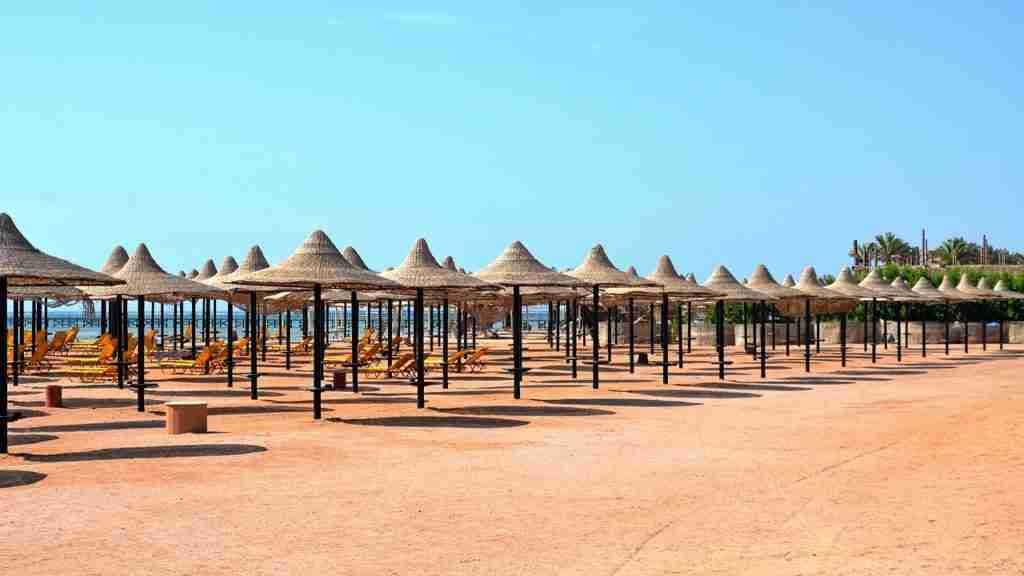
Before COVID19 pulled emergency breaks, travel and tourism sector was growing faster than the Global GDP (3.5% vs 2.5%). A sector that was contributing $9 trillion to the global GDP (10.3%) and providing 330 million jobs worldwide last year is on ventilator today – facing the most significant challenge it has faced till date. The UNWTO estimates a reduction of 58% to 78% in tourist traffic across the world, leading to a fall of a billion international tourist arrivals. Fewer tourists mean less income more loses, thus leading to substantial job cuts. Almost 121 million will be out of their jobs predicts the World Travel and Tourism Council.

According to the Federation of Associations in Indian Tourism & Hospitality (FAITH), the Indian tourism industry is headed towards pan India bankruptcies, closure of businesses and mass unemployment. Almost 3.8 crore people are about to become jobless, which is around 70 per cent of the total workforce in the tourism and hospitality sector.
Despite the steep downfall, Indians are optimistic about the future. A fact reflected in the latest Consumer Confidence Index (CCI) survey done by Reserve Bank of India (RBI) – from a messy score of 53.8 points in the current fiscal year the CCI jumped to 105.4 points for a year ahead. While Indians will spend cautiously for the next one year, the situation might change after a year depending on the economic measures taken by the government, business functioning and the COVID19 vaccine availability.

After months of lockdown, as the travel restrictions are eased out, and COVID19 vaccine trials enter the last stages; travellers are showing signs of revival. They have started looking for safe places to visit post lockdown. Unsurprisingly Indians are the most confident in the world about resuming their international adventures once our COVID19 cases come under control, and we are allowed to travel abroad. This is not a hyperbole statement by Modi Sarkar but findings of a recent global research study called, “Unravel Travel: Fears & Possibilities in a Post Coronavirus (COVID-19) World.” It examined the sentiments, preferences, and expectations of 10,195 people across 17 countries regarding travel in a post-COVID-19 world.
As per the study, most Indians top the list of people most eager to travel internationally in the next 12 months with 77 per cent saying they are keen to travel.

The “Unravel Travel” study revealed that contactless travel would be a top priority for travellers once they can resume travelling. 76 per cent of respondents indicated that their preferred destinations would be countries that offer more reliable contactless experiences. In terms of what the future of travel looks like, the study found that e-boarding passes (41 per cent), touchless lavatories (43 per cent), contactless journeys between airports and hotels (40 per cent), no more middle seats in transportation (36 per cent) and digital health passports (35 per cent) are some of the new ideas that global travellers hope to see implemented in the near future.
If there’s anything that would be the most sought after factor post-pandemic travel – it would be sanitisation and social distancing. People will only travel to places which are clean and less travelled by. Hotels will be thoroughly checked before choosing the one which they’re confident is extremely clean and hygienic. People would want to know if the hotel and its staff are following all prescribed safety guidelines or not. Maintaining personal hygiene will take precedence over being fashionable on a holiday as hand sanitisers, masks, hand gloves, disinfectant wipes, and travel insurance will become top items to pack for their next vacation.
People will most likely choose passport-free holidays to destinations close to home so that they can rush back if necessary. Thus, domestic travel will see a surge in demand over foreign travel for at least coming six months. Instead of clamouring to popular destinations, people would prefer green, clean and safe places where social distancing can be practised. Gone are the days when people would mindlessly rush to follow the bucket list of others – 30 countries to visit before turning 30, places to see before I die etcetera. Post-pandemic, the familiarity of one’s own backyard would bring more comfort over exploring new places and big-ticket attractions.

As countries ease up on their coronavirus restrictions, they are also experimenting with the idea of a “travel bubble.” No, it’s not a transparent giant ball you roll around the world in à la Bubble Boy. Instead, it’s an agreement between cooperating countries that allows for citizens to travel freely between the nations, in the hopes of kick-starting tourism and helping economies rebound. India too has signed a few air bubbles with countries such as the USA, UK, France, Germany and UAE but as if now they are operating for essential travel only. The first destinations to be explored abroad for tourism will be Maldives, Dubai, Sri Lanka, and Bhutan as they are all closer to India and are relatively corona free. The first movers will benefit from the pent-up demand as borders open and new air bubbles are formed.

People will be more comfortable driving to a close-by destination in their own private vehicle rather than using public transport. It’s a perfect opportunity for car rental companies to offer great rates post-lockdown, with assurances of each vehicle having been deep-cleaned after each use. RVs might become the flavour of the season for people looking for camping. Staycations and workations will motivate people to travel slowly in a post-pandemic work-from-home world. The idea of staycations will gain even more popularity, with city-dwellers taking a nature-filled respite from work-from-home stress.

The fear of catching the virus in crowded places will keep the people away from big group travel such as coach holidays, cruise travel at least until the vaccine arrives. Travel will become personal again with families and small groups of friends seeking a retreat for mind, body and soul from the pandemic stress. Wellness wouldn’t be just about getting massages or practising yoga, but they would want to eat fresh, healthy and immunity inducing food during their holiday. Romantic, or solo travel could also take a small pause before picking up again.

One good thing that happened during the lockdown is that it gave a much-needed break to nature and wildlife – the sky is blue again, the air is crisp, rivers are self-cleansing, fishes have returned to the waterways, wildlife is reclaiming its lost territory, birds are chirping and many more pleasing visuals that delighted us during the lockdown. Seeing nature heal itself, people are keener to return to nature. Living through a pandemic has sparked a re-evaluation of people’s priorities and attitudes. A new sense of protecting our planet is gaining ground. So, expect more people to travel responsibly. Furthermore, the pandemic has made the travel industry introspect and promote new kind of travel that not only tries to slow down the damage to a destination but help in its restoration – Regenerative Travel.

Due to bad economic condition, mass layoffs, and uncertainty of how the future will look like, people will hold on to splurging on vacations. As a result, the hospitality industry will be forced to provide luxury at a more affordable price – you’ll see reduced rates, free cancellations, free extras, airport transfers and many other perks. Travel aggregators such as MakeMyTrip, yatra, booking, EaseMyTrip and others with coming up with deep discounts and lucrative offers like “5-star hotel + flight starting at unbelievable prices’ ‘holiday now, pay later’, ‘holiday at zero EMI’ to motivate people to travel again. Charter flights will become more common. Hotels will make safety their priority, and innovate to make customers feel safe in their property. Read my detailed review on whether it is safe to stay in luxury hotels during coronavirus pandemic or not.

In a post-pandemic era, we can only expect to see heightened demand for travel flexibility. Whether it is booking a flight or a water villa in the Maldives, customers will have the last word. There will be more flexibility when it comes to booking and cancellations. You’ll be able to cancel or change your trip as late as 24 hours before your arrival without getting penalised.

Government has put a price cap on air tickets to stimulate air travel demand, which has dropped drastically due to hygiene concerns, lockdown guidance and quarantine rules. But once the restrictions are removed, and airlines are allowed to fly as per their standard capacity, air travel is bound to become expensive. Most airlines were loss-making ventures before COVID19 attacked, and now they are in a worse condition. Not only they had to employ cost-cutting methods such as salary cuts, mass layoffs and grounding aircrafts; they also had to beef up their safety and hygiene measures, which is a costly affair and flying a partially filled plane makes matters worse. So, be prepared to pay more once the flying demand picks up. The days of cheap flying are far from over. For more details on how airlines are coping up with the new reality post-COVID read the rise of sanitised travel.

In the coming months when international travel restrictions are lifted, new routes are announced by the airlines, and hotel groups put social distancing and hygiene measures in place ready to receive guests once more, travel insurance will become an important part of travel planning. Insurers have now started covering Covid-19 to reassure travellers that they won’t get stuck overseas or get bankrupt paying for their COVID19 treatment. Although ‘staycations’ may be the preferred holiday of choice for many this year, travel insurers are stepping up to meet consumer needs in terms of pandemic coverage – whether their trip is domestic or international.

In the end, all I can say is that COVID-19 – despite its negative impact on the tourism industry – can be used as a rare opportunity to fix problems that have long plagued the sector.
Do you agree that travel will change post lockdown for good? Do share your feedback in the comments section below.


The impact of Coronavirus pandemic has rattled everyone in the world of travel – be it the airlines, hotels, cruise ships, travel companies or destinations. Yet, despite the sudden, unprecedented strain placed on the industry, the sector’s agility to react and adapt according to the “new normal” is praiseworthy. Read this detailed review to know whether it is safe to stay in a luxury hotel during a pandemic and why this is the best time to book a luxurious weekend stay at Novotel Hyderabad Airport Hotel. A five-star hotel that comes loaded with enhanced safety measures, flexible cancellation policy and Best Price Guarantee.
The worldwide outbreak of COVID-19 has brought the world to a screeching halt, and tourism has been the worst affected of all major sectors. As per UNWTO, approximately 100 to 120 million direct tourism jobs are at risk, which makes 2020 by far the worst year for international tourism since 1950. However, after several months of lockdown, the sector is gingerly beginning to reopen. While it will take a couple of years to regain its preCOVID era glory, at least people have started enquiring about flying in 2020 and safe destinations to visit post covid19. The interesting thing is people want to travel – they are looking but not booking.

The feelings associated with travel have changed drastically all over the globe. For many, the simple idea of venturing out is fraught with anxiety, regardless of the current COVID19 situation and relaxing of travel restrictions. But others like me still feel the need to getaway. Before the pandemic outbreak, I had my travel calendar full up to October 2020 to exotic locations like the Arctic, Eurasia, Africa and Australia. But by July, after spending four months at home, I was tired of my four walls. I am pretty sure even my walls were tired of me. The idea of waking up in a different pin code felt fresh enough to book a quick weekend getaway.
Also, being an intrepid traveller, I am of the firm opinion that life cannot be lived in closed quarters forever. We have to move on at some point. My tipping point had arrived. Albeit before booking my trip, I conducted a great deal of advance research. Starting from choosing the right destination (a safe place where quarantine or COVID Test were not needed), to booking the right airline, hotel and activities carefully, and taking many, many steps to ensure my health and safety are not compromised at any point.

In this post, I’ll share my first-hand experience of trying the enhanced safety and hygiene protocols of Novotel Airport Hyderabad hotel. Moreover, you’ll get honest feedback on whether you should avoid non-essential travel or be brave enough to take a quick weekend trip.
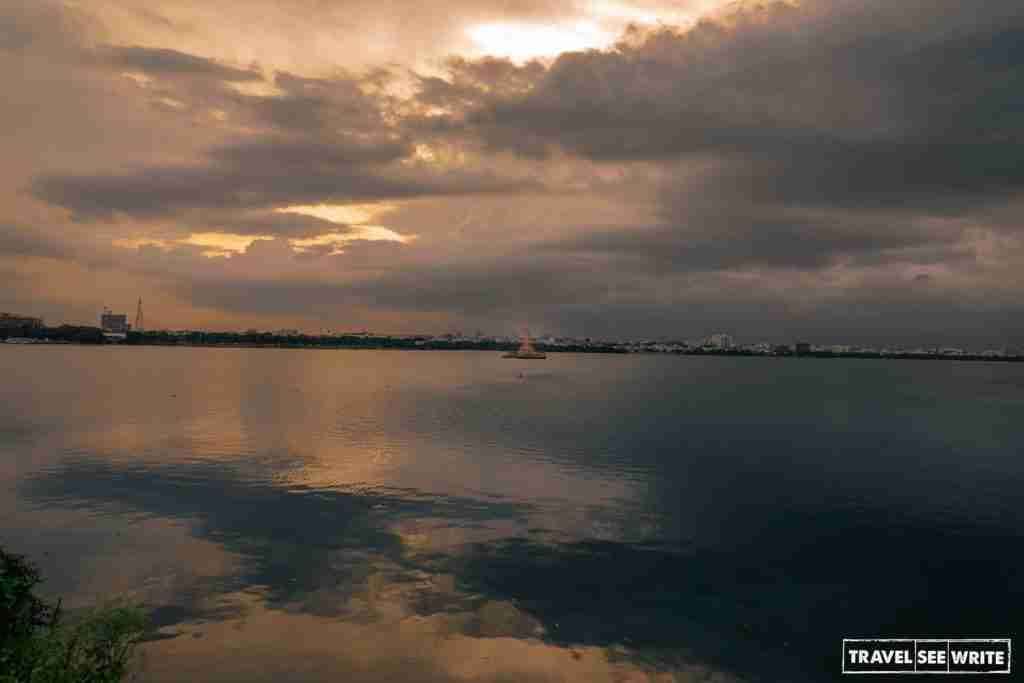
Frankly, we are not 100% safe from the coronavirus, and it would be wrong to take it lightly. I was a bit anxious too, but once I was out of home, I felt I was in safe hands. Safety regulations were incorporated at every step of the journey. Interested to know how flying has changed? Read flying in 2020 – Is it safe to fly during COVID19?
While Airports and Airlines have regulations that make your journey contactless and a regular sanitisation process, Hotels like Novotel Hyderabad Airport Hotel have combined luxury and safety in a fresh way to bring the best experience to travellers, even in a pandemic. Here is my step-by-step experience of staying in a luxury hotel during a pandemic.

The pickup car at the airport had necessary Personal Protection Equipment like Antibacterial wipes, masks and gloves. Moreover, there was a transparent dividing shield between the driver and me to ensure contactless pickup. The drive to the airport was short and sweet.
Right at the main entrance, thermal scanning and hands sanitisation was done before I could enter the premise of the hotel, which was followed by another round of temperature check, Aarogya Setu App health status check, thorough sanitisation of my shoes, luggage, handbag and other contact points that can lead to a spread of infection. Hand sanitiser, face masks, gloves and disinfectant wipes were placed in all public spaces and room. The best part was the contactless check-in. I was directly handed over my room keys without any wait time since my verification was done online before I arrived. I heaved a sigh of relief when I saw that my UV sanitised room was sealed 24 hours before I opened it. The room had single-use cups for tea and coffee along with towels and personal care amenity kit that were kept in minimal numbers.





There couldn’t have been a better welcome drink than the immunity-boosting Kadha (an Ayurvedic drink made with herbs and spices) and Celery juice. And, it wasn’t just the welcome drink that was created keeping the new normal in mind, but all the meals were powered with immunity-boosting ingredients, thus providing the hotel guests with the best food to have during a pandemic.

Whether it was the room service personnel or the lobby manager, the Novotel Hyderabad Airport Hotel staff strictly followed ALL SAFE Hotel Safety Rules made especially for the pandemic, which reduce any threats due to contact points for both the travellers and them. Gloves, masks and sanitisers are must for the whole staff and I felt relieved to know that the kitchen staff always wear PPE kits while preparing or touching food. All kitchen tools are sanitised after every meal and soaked in chlorine water when not in use. Been positively fanatic about cleanliness I insisted on how they clean. I was relieved to know that Novotel Hyderabad Airport Hotel is perhaps the only hotel in Hyderabad that’s using a UV machine to clean crockery and guest rooms.


Even though I am neither a foodie nor a bad cook yet having the same ordinary food daily for four months had made my life a bit insipid. Like others, I too tried my best to become the Master Chef of my home by trying out new recipes every now and often. But I missed the joy of having delicious food served at hotels and the restaurants. And, I must confess my taste buds never felt so good as they felt when I tried different cuisines at Novotel restaurants. While all the meals were lip-smacking, a few stood out for me

High tea was a real high-end affair of flavours and fusion cooking at Novotel Hyderabad Convention Centre. The chef had given a modern twist to the traditional dishes by churning out delicacies such as Avocado Chaat on Savoury Bagel, Hyderabadi Toast, Podi Idly, Baked Gulab Jamun with Rabdi, Khubaani ka Meetha Tatin, and Osmania Biscuit with Irani Chai. At last, my craving for good food was satiated to the core here. But wait a minute – this was just the trailer. There was a lot more to come.
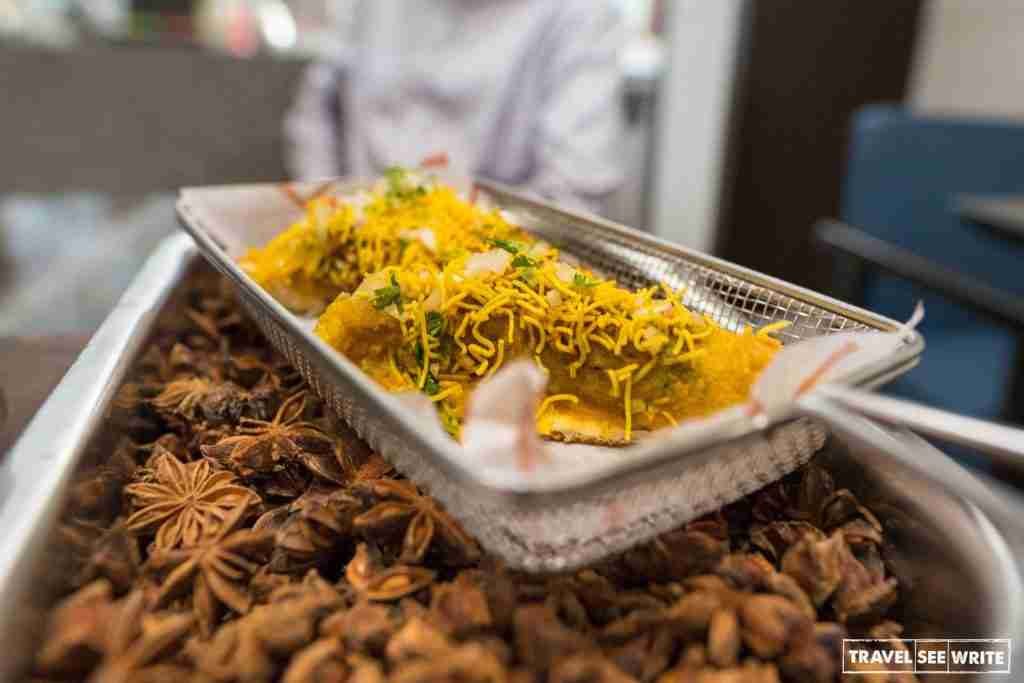

Hyderabad is world-famous for its native Deccani cuisine, and I got to try some authentic local delicacies such as Sabz Haleem, and Kesari Shorba at Mercure Hyderabad KCP. Other treats from the dinner menu included Malai Paneer, Sabz Hara Lolly and healthy options like multigrain Tikki. The raw banana Shami Kebab was the most sought after starter. The sumptuous meal was rounded off with a generous serving of the deserts – Pyaaz ki Rabri, Shahi Tukda and Rasmalai. Needless to say, after having so much food, I went into a food coma and slept like a Kumbhkaran.
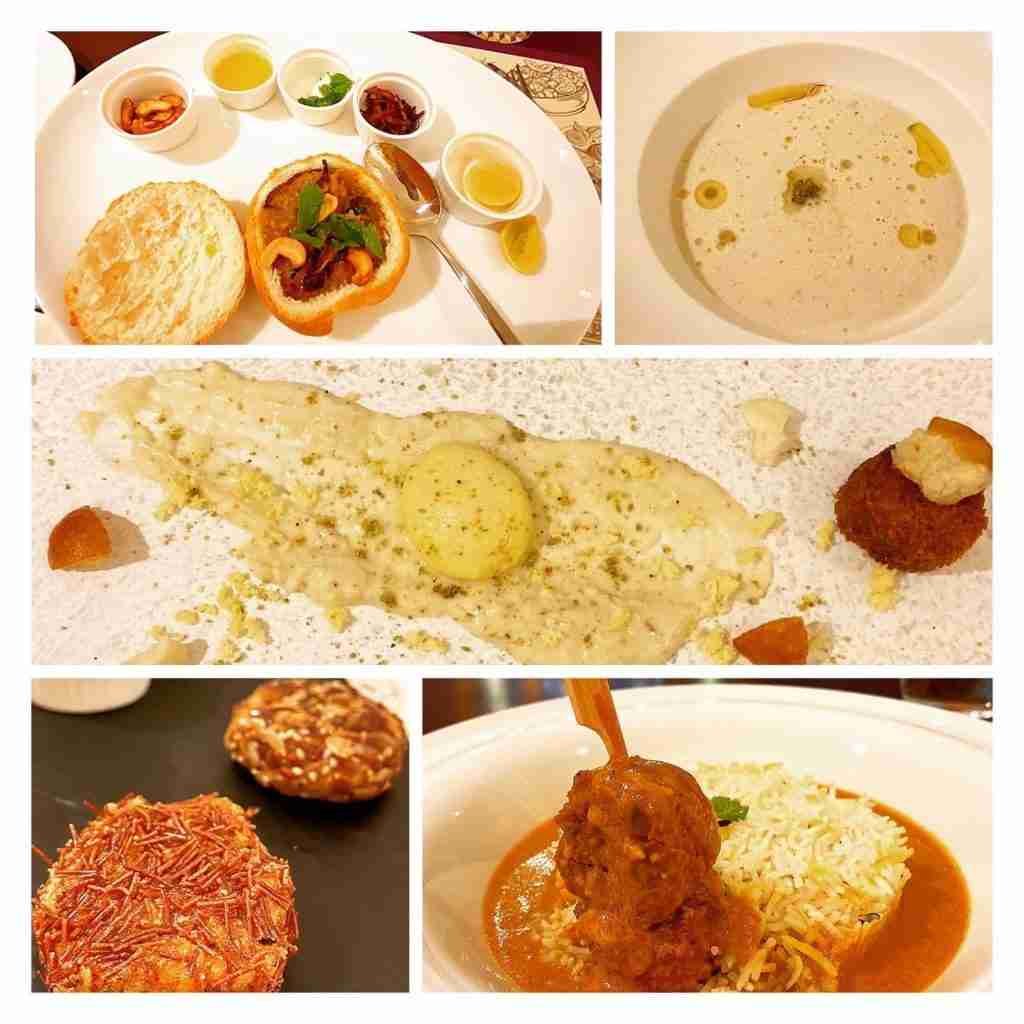
Next day was greeted with a big fat South Indian Thalli having some unique items like Punugulu, Chitti Garelu, Pesarattu. The different varieties of chutneys made the meal even more delicious. I gulped down everything with a generous dose of coconut water and filter coffee. Lunch was again a riot of flavours. I’ll let the picture do the talking.

After a short trip to Hyderabad, I realised I need to go back just to enjoy its food. Meals like these can be turned into extraordinary ones if you’re travelling with your loved one. As per the Ministry of Home Affairs (MHA) guidelines, all buffets were cancelled, and bars were closed too.

Being an eternal optimist, I always try to find a silver lining around a dark cloud. One of the drawbacks of being a solo traveller is I often miss out on getting my own pictures clicked. So, since I was travelling after such a long time, I decided to do something different – I hired a professional photographer from ShootMe to capture some of my memories. After all, when I grow old, I would love to flaunt how ravishingly I sustained a global pandemic, “Once upon a time when the COVID19 Global pandemic stuck, I still managed to look pretty.”
Here, I would like to underline the fact that all the safety regulations were followed during the photoshoot for a safe and memorable experience:
So, this was my honest experience of taking a quick leisure break during a pandemic, but I can’t emphasis enough on the fact that the virus is still infecting people. And, the only way to contain this virus is by being careful and taking all the safety precautions – rigorous mask usage, sanitising after every interaction, social distancing, and if possible, get a Covid19 test done before you travel. It’s quickly and easily done these days. Today, I can proudly say that I had a good trip because the hotel and I took all the necessary precautions to not contribute to virus transmission.

Have you taken a vacation during the pandemic or planning to? Do you think it is safe to stay in a luxury hotel during a pandemic? Please do share your feedback in the comments section below.



Is Air travel during the Covid-19 pandemic risky? In this article, you’ll find a step-by-step guide on flying safely during Coronavirus outbreak.
For a person who is always-on-the-move and spends 60-70% time travelling, the five-month-long lockdown and travel restrictions to curb the coronavirus pandemic was like a death sentence. But sometimes drastic steps are required to fight drastic enemies, especially when it is a faceless enemy like COVID19. But does that mean we stay locked up forever? Not really. That’s not a long-lasting solution. So, I decided to not to postpone my outstation trip anymore and flew to Hyderabad during the COVID19 pandemic and came away impressed by how well IndiGo, Delhi Airport, and Novotel Hyderabad Airport Hotel are handling the social distancing and sanitisation.
As per the experts and my personal experience, the risk of contracting the virus when flying are slim to none because of the stringent safety measures put in place by the authorities. Despite being an enclosed space, the aeroplanes have not been the hotspot of the super spreading virus, at least so far. A road crash is ten times more likely to kill someone than getting infected by COVID-19 virus.
Does that mean flying is 100% safe? Not necessarily. After all, safety is relative and depends on a lot of external factors. But as India is unlocking in a phased manner, the only way to move forward through this long pandemic is to start evaluating the risk-benefit ratio and flying definitely poses very fewer risks as compared to the benefits it offers. The fact is more people are suffering from the pandemic induced economy collapse than the virus itself.
The good news is people want to travel, but they are a bit reluctant at the moment – they are looking but not booking. And, that is why, as a responsible citizen, I plan to clear all myths surrounding how safe is air travel, and how to go about it without sacrificing your health. Here is my step-by-step guide on flying safely during Coronavirus pandemic:
The most important thing before booking your ticket is to check the coronavirus travel restrictions by each state. Different state governments have laid out their respective protocols for passengers arriving at their airports. Some require you to have a mandatory COVID19 negative test report not older than 48 hours’ others will quarantine you for 7-10 days, and some might not have any restrictions at all. Many states such as Madhya Pradesh, Uttar Pradesh, Rajasthan, Telangana, Karnataka, and Delhi among others will not require you to quarantine if you are a business/corporate traveller travelling for a short duration (24 hours -7days).
Please do check the coronavirus travel restrictions by each state before booking your ticket. It’s better to get clarity beforehand than being turned back from the airport or spend days locked up in a mandatory institution or home quarantine for a 2-3-day trip.

Once you have checked the state-wise regulations and booked your tickets, you are required to download the Aarogya Setu app, declare your health status online, and web check-in 48 hrs to 60 mins before your flight time. Reach 2 hours before your flight wearing a mask and carrying a printed or soft copy of your boarding pass and baggage tag.
As per the latest guidelines issued by the Directorate General of Civil Aviation (DGCA) airlines are empowered to put those passengers on the ‘no-fly list’ who violate the standard operating procedures (SOPs) or do not wear masks during a flight. This means you will no longer be allowed to fly if you don’t wear masks or comply with the COVID related protocols.



One important thing to be remembered while flying is that wearing a face mask is compulsory to enter the airport, and you are required to continue wearing it at all times. So, I was masked up from the moment I got out of my home. Also, as per the travel mandates, I was wearing gloves and carrying a bottle of hand sanitiser.

As soon as I arrived at the Delhi Airport, I found markers and regular announcements reminding the passengers to practice social distancing. Right from the airport entrance to the baggage drop counter, boarding gates, coaches, toilets, food courts, shopping outlets, toilets and baggage claim, everywhere, social distancing markings were put up.

My luggage was disinfected through an Ultraviolet (UV) light disinfection tunnel, post which contactless experience became a norm wherever I went. Thermal screening and Aarogya Setu app status were checked both at the departure as well as arrival gates.


Since food and drinks aren’t allowed during the flight, I had a quick bite at the food court, where social distancing was in full swing.

At the boarding gate, I was given a Personal Protective Kit (PPE) containing a face shield, mask and some sachets of sanitiser. To have a contactless experience, we had to self-scan our boarding passes and our boarding was done sequentially based on our seating arrangement to maintain social distancing.
The most impressive thing about the whole flying experience was how thoroughly the aircraft was sanitised and disinfected before and after every flight. Every possible touchpoint such as the baggage drop counters, boarding gates, wheelchairs, coaches, aircraft, crew vehicles, ramps were cleaned with approved cleaning agents. The tray tables, armrests, seats, overhead nozzles, lavatories, and even the small switch overhead was thoroughly cleaned before and after every flight.


Before booking a flight, I had done my background research to find out whether it is safe for travelling by air during a pandemic. And guess what? I found that nearly all aircraft today have very sophisticated air filters called High-Efficiency Particulate Air (HEPA) filters, which catch 99.999% of viruses and bacteria, including the coronavirus. Moreover, the cabin air is also replaced with new fresh air from outside every three minutes. You breathe on board the same quality as in an operating room at a hospital. In the usual scenario, there is a 1:4300 chance of contracting COVID-19 on a two-hour, packed flight. And, adding the additional protection layer of a face shield, and mask makes it even more challenging to catch a virus.

Luckily, my entire row was empty. However, in case the flight is full, the middle seat passenger is given the complete PPE kit to have maximum safety. Moreover, the crew on board was wearing appropriate PPE kits and serving the passengers with all safety measures in place. As per the domestic flying norms, no food or beverages were served on board.
As per an order issued by the Civil Aviation Ministry under Unlock 4.0, “Airlines may serve pre-packed snacks/meals/pre-packed beverages on domestic flights depending on the duration of the flight,” and serve alcohol and hot meals on international flights.
Whether you arrive at the terminal through aerobridge or coach, social distancing was a top priority, and there was a PPE dispose-off bin at the entrance gate right after disembarking from the plane.

At the baggage collection area, there were clear markings to maintain social distancing, and an IndiGo staff member was there to help incoming passengers. And, not just that the social distance markings were put at all transport waiting areas and all taxi providers needed to follow the sanitisation and disinfection SOPs before entering the airport.

While the authorities have put in all the necessary measures to safeguard our travel journey, we – the travellers – are slacking a bit. Despite repeated announcements made by the airport staff, I saw some travellers openly flouting social distancing norms. It is clearly mentioned that at a given time, not more than two people should get into an elevator, yet I saw a family of six squeezed-in together. Another very common sight is of people standing up as soon as the aeroplane comes to a halt as if they’ll be left behind if they don’t deplane immediately.
Maintaining social distancing, wearing a mask and sanitising regularly are required for our own safety. We should be a little more responsible.
The aviation industry is taking every possible precaution to minimise physical contact and give us a Lean Clean Flying Machine experience. So, it won’t be wrong to say that flying is safe in the times of corona, provided the safety precautions are fully adhered by one and all. Here’s a video explaining my flying experience with IndiGO.
Have you flown during the pandemic or planning to? How was your experience? Please do share your feedback in the comments section below.


I was invited to experience IndiGo’s Lean Clean Flying Machine. However, everything expressed above is based on my personal experience, and all the images are shot by me. Please don’t use any image or text without my written permission.
Priced competitively, the Seagate Backup Plus Portable 5TB drive beats everything currently available in the market. The sleek and spacious drive is ideal for digital content creators like bloggers, YouTubers, photographers, editors, among others. Here is my detailed review of the product.

Last year I was in Europe when I got a call from a prestigious media house to do a special photo feature for them on a destination that I had visited in the past. Unfortunately, being a light traveller, I was carrying only what was needed, which included a Seagate Backup Plus portable 2TB drive containing my ongoing projects. I had not anticipated an opportunity like this can come. So, I learnt a lesson by losing a plum project.
Recently I got to try the Seagate 5TB Backup Plus that was launched last year. Here’s my honest review about the drive:
Before ordering the Seagate 5TB Backup Plus, I thought it would be a bit bulky considering the capacity was more than double of what I have been using earlier – a Seagate backup plus 2TB. Surprising the 0.83” (21mm) hard drive felt compact, albeit a bit thick than its predecessor, though, it’s still small enough to carry around. Weighing 0.265 kg, it is available in black, red, light grey, and silver blue colours.

I ordered a black one with a minimalist textured metal finish that felt completely in-sync with the modern lifestyle and is compatible with Mac and Windows computers. On the front of the drive, there’s Seagate branding, as well as an indicator light. And, on the backside, there’s a label containing the mandatory information such as regulatory compliances, serial number, and capacity. The drive comes with one USB cable, warranty card and user manual booklet.


The Seagate Backup Plus Portable uses the same design technology as the 2016 version and features the brand’s BarraCuda internal drive that combines five 2.5-inch platters that hold a 1TB capacity each.
To check the performance of the drive, I ran the BlackMagic test on a Mac. The drive recorded a speed of 139.1MB/s in reading speed and 138.6MB/s in writing. These scores are pretty good and are at par with benchmarks set by rival brands.

Upon researching more about the drive, I found that it runs on the Shingled Magnetic Recording (SMR) technology that is designed to increase the storage density. Without sounding too technical, the SMR technology consists of writing on three tracks in parallel. This overlapping-lane architecture permits to cram more data per platter. But here’s the catch: while the reading speed is not impacted, the writing speed tends to slow down a lot as the disk starts filling up, especially after it becomes 70-80% full.
The Seagate 5TB Backup Plus Portable drive works with both Windows and Mac without any need to reformat. However, I did reformat it as “exFAT” format is its default format, which is the advance file system of FAT32 but I had read some negative reports that its transfer speed could be an issue and the drive becomes more susceptible to data corruption when errors occur, or the drive is not disconnected correctly from the computer. So, instead of taking the risk and losing precious data later on, I decided to stick to the proven and tested format of NTFS. It took me hardly a minute to do so.
Besides providing a vast space to store files, the Seagate 5TB Backup Plus comes loaded with great bundle offers for digital content creators like me who need to access heavy multimedia files on the go. Seagate is offering a one-year complimentary subscription to Mylio Create that lets you edit, manage and share photos and data from anywhere. Additionally, you get a two-month membership to Adobe Creative Cloud Photography Plan.

Most importantly, you can enjoy long-term peace of mind with the three-year limited warranty, which basically means Seagate recovers the data from your HDD in case your drive fails.
The sleek and spacious Seagate 5TB Backup Plus Portable Drive offers a great value for cold storage and backup application for on-the-move digital content creators or desktop warriors alike.

Have you used the Seagate has 5TB Backup Plus Portable drive? Please share your experience in the comment box.

With Unlocking in full swing, find out which are the three safest places to visit in India post COVID19, are road trip friendly and near Delhi.
July onwards the state governments in India have started lifting lockdowns and easing out travel restrictions in a bid to restore the severely impacted tourism industry. While many will argue it’s not safe to travel, some have already started planning (or at least thinking) about their much-needed travel break in another city or state. Unfortunately, the fear of catching the virus is still quite high as the COVID19 pandemic is still raging (India recently overtook Russia’s coronavirus count to become the third worst-affected nation in the world).
Even though the visitors, as well as the businesses, are desperately waiting to travel, there is still a lot of confusion regarding the Standard Operation Procedures (SOPs) for the Tourism and Hospitality sector and different quarantine rules for different states. Some states have mandated tourists to carry COVID19 negative test report; others are asking tourists to go in for 7- 21 days’ mandatory quarantine even if they want to visit just for a few days. All this is making the travellers and businesses jittery to return to the new normal.
Despite the confusion, the travel and tourism industry is in full war mode preparing to welcome tourists back. And, even people bored with locked down have started searching for nearby safe short road trip options. There’s no doubt when it’s time to travel again; they will visit again. And hopefully, that time is not too far. While we should have a positive outlook towards tourism, we shouldn’t forget the three key factors that will influence their travel booking behaviour:
Keeping the above factors in mind, we looked at safest places to visit in India which are near Delhi, are ideal for a self-drive road trip and are taking all required safety steps prescribed by the Tourism Ministry to mitigate COVID19.
Distance: 273 km (Approx. 6.5 hours) via NH334
Go for: an action-packed nature holiday that’s 100% safe
The holy town of Rishikesh has been the undisputed Yoga capital of the world since ancient times and has been attracting people seeking spirituality from all parts of the world. In addition to its spiritual appeal, Rishikesh has earned another tag in the last one and a half-decade – being the Rafting Capital! The shores of Ganga are hemmed with camps and retreat-like resorts that offer a host of adventure and spiritual activities.
If you are missing the adrenaline but don’t want to compromise on safety, choose Atali Ganga, India’s first Activotel, which is one of the most awarded hotels in Rishikesh. Just drive for 30km away from the humdrum of Rishikesh on the Badrinath Road in the middle of reserved forest to reach Atali Ganga.

The property houses 22 well-appointed luxurious, independent cottages set amidst greenery all around. The cottages offer panoramic views of the Ganga and valley and are serviced by the extremely hospitable staff. You have an option to either laze around at the property or walk on the powdery white beaches or go for adventure sports like River Rafting, Kayaking, Wall Climbing, Mountain Biking, Yoga, Birding, and Hiking among other actions.
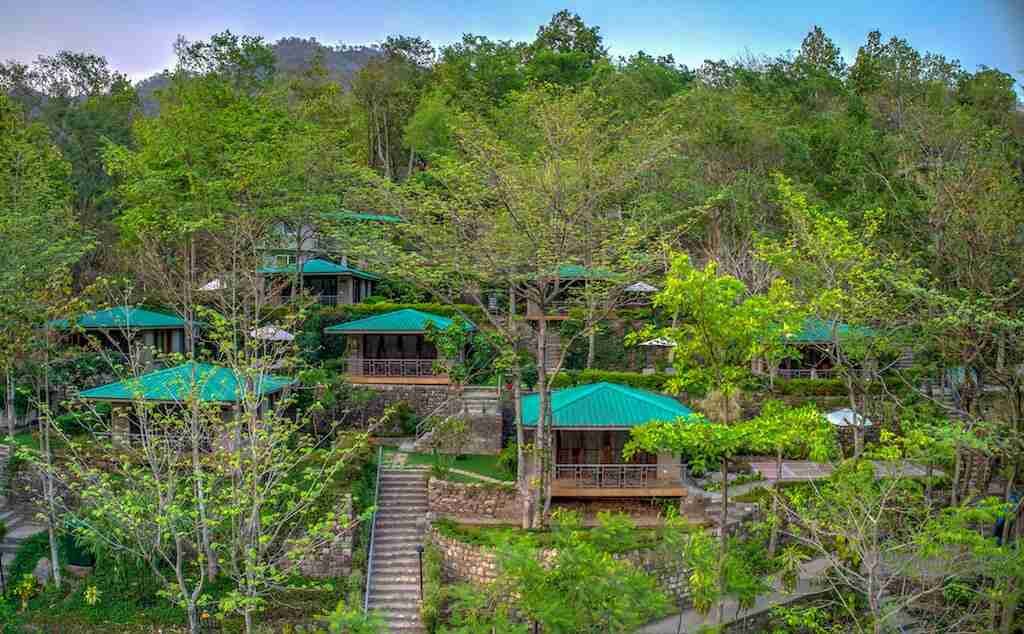


If you are coming from another state, you will have to upload your RT-PCR test report from ICMR authorised labs, reflecting that have tested negative for COVID-19 on their official state website. For more details, check this report.
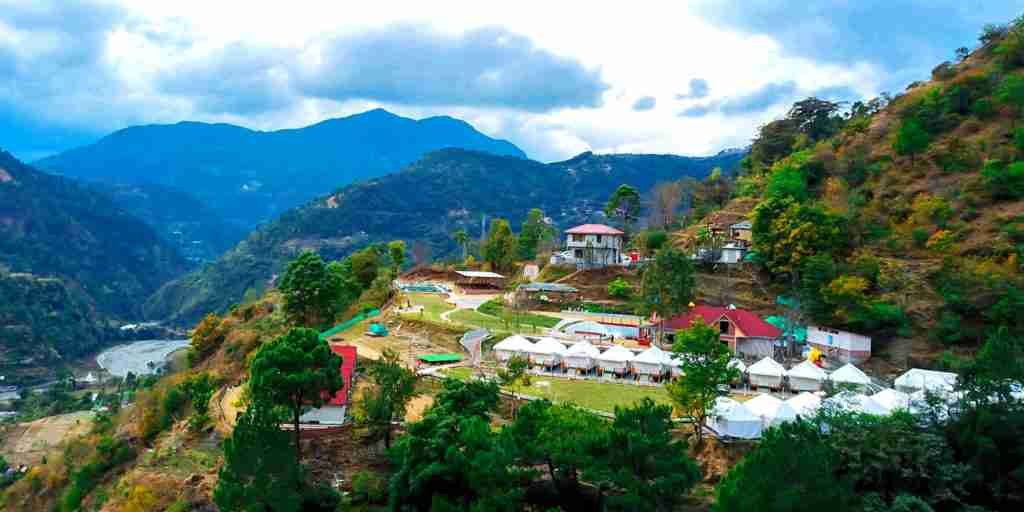
Distance: 335 km (Approx. 7 hours) via NH44
Go for: a rejuvenating mountain getaway that was once the capital of the King of Patiala
Whether you are looking for a weekend break or a more extended stay, Chail Hills is a great choice to relish the lush greenery and breathtaking views of a valley that is called a hiker’s paradise. You’ll feel like you have entered a different world when you’ll hike and camp in dense forests of Chail Hills. You can choose your adventure s per your taste and stamina. If you would like, you can visit the world’s highest cricket ground and the Chail Wildlife Sanctuary.
If you are a history and architecture buff, a visit to the Victorian era ‘Chail Palace’ is unavoidable. Once the summer retreat palace built by the Maharaja of Patiala during British Raj, today it stands as a heritage hotel.

For a safe, secluded and home-like comfortable experience, choose Banjara Mountain Retreat. Perched at 5100 feet near a pine forest, the retreat offers the choice of Swiss Tents or Cottages. You even have a Swimming Pool set on the edge; all overlooking the Ashwini River Valley. One thing that separates Banjara from other accommodation options is their trademark warm hospitality and delectable food.

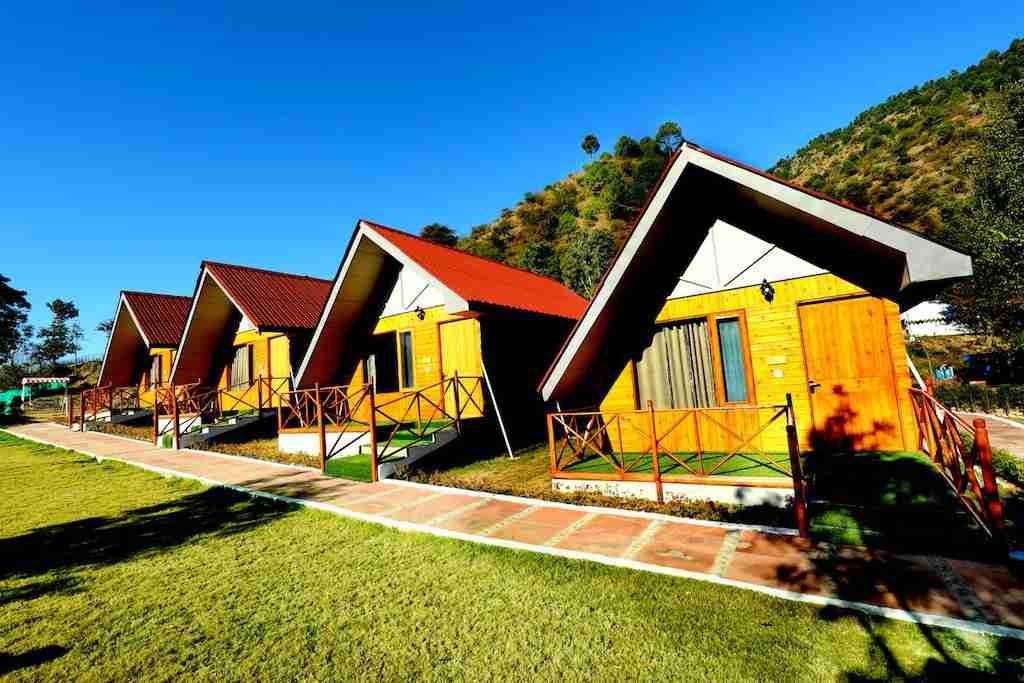

Tourists can visit Himachal Pradesh with prior hotel booking of at least five days, and a negative Covid-19 test report from an ICMR approved lab. Such tourists will also have to register online with the state government before entering the state. For more details, check this report.

Distance: 904 km (Approx. 16 hours) via NH44
Go for: a serene, untouched wildlife escape
If you love driving and don’t mind driving for slightly longer to be with the wild and the wildlife, a trip to Bhopal, Bori Sanctuary and Satpura Tiger Reserve is highly recommended.
Despite being the oldest forest reserve in the country and offering some spectacular views, the Bori-Satpura Wildlife Sanctuary is relatively unexplored and doesn’t see as many visitors as its counterparts such as the Kanha, Bandhavgarh, Pench, and Panna Tiger Reserves.

Although animal sighting could be a little tough compared to the poster boys of Madhya Pradesh Wildlife Tourism, here, you can savour the raw and awe-inspiring nature, while not wanting to deal with cumbersome crowds. Situated in the Mahadeo Hills of the Satpura range in the southern parts of the Central Indian Highlands of Madhya Pradesh, the Bori-Satpura Tiger Reserve is blessed with the unique landscape – deep valleys, narrow gorges, cascading waterfalls and rich vegetation.

Less human activity and untouched wilderness have resulted in the park having one of the largest wildlife densities in India – close to 50 mammals and 30 species of reptiles – sheltering tigers, sloth bears, leopards, wild dogs, giant squirrels and a variety of other Central Indian species of birds and animals.
Jehan Numa Hotel group has beautiful hotels, retreats, lodges and camping sites at all three locations (Satpura, Bori and Bhopal) where you can enjoy the nature and wildlife at its best without the danger of catching a virus. Their newest offering Bori Safari Lodge located a couple of km away from the Bori Sanctuary is built on a 7.5-acre farmland estate and features eight well-appointed ensuite rooms. What I love the most about Jehanuma properties is their renowned mouth-watering cuisine. Luckily you can enjoy the same at all their properties. Guests can transfer between Bori Safari Lodge and Reni Pani Jungle Lodge through the park doing a game drive or by boat from the Tawa Reservoir.


According to a story by ANI, a 14-day quarantine (seven days paid institutional quarantine and seven days home quarantine) is a must for international travellers arriving in the state. Those displaying severe symptoms will be admitted to dedicated health facilities. Domestic passengers will be quarantined only if they are symptomatic.
Have you been to any of the above places? If yes, how was your experience? Given the current scenario, do you think is it really safe to travel in India during the pandemic? Once you are ready to travel again, which destinations do you think are the safest to travel in India?
1. Wash your hands with soap or use an alcohol-based hand sanitiser frequently, particularly after contact with respiratory secretions.
2. Always wear a mask when moving out of your home
3. Avoid eating out in public places, and follow proper food hygiene practices. And, if you have to eat outside, maintain social distancing and eat freshly prepared food that you are sure about the hygiene.
4. Disinfect your car and anything that you come in contact with while travelling.
5. Travel light and book your stay at those places only where proper hygiene measures are taken, and chances of coming in contact with others are low.
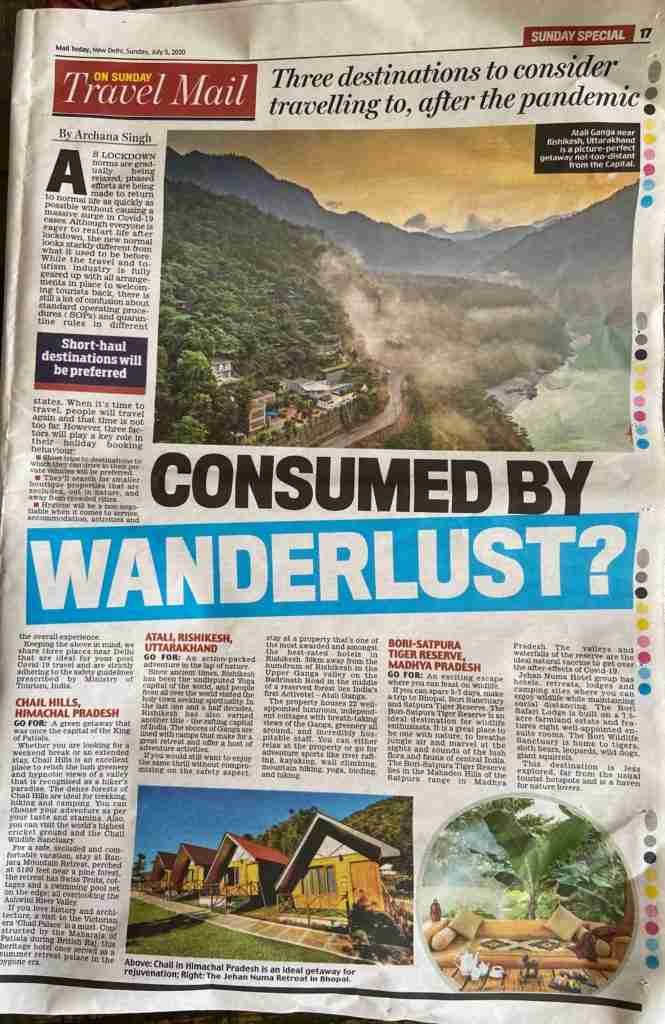


All the views expressed above are my personal views and the images used are provided by the above-mentioned brands. Please do not copy anything without written permission.
Many people wouldn’t even know where, Luang Prabang, Laos is without looking at the map but this landlocked nation steeped in history is the safest country to visit in South East Asia after COVID19. Read on to find out why and what you can do in this offbeat gem.

At the beginning of 2020 when I decided to spend my new year holidays in Singapore and Laos, it wasn’t even in my wildest dreams that a deadly virus will halt our movement and change our lives forever. Although COVID-19 started from China before becoming a global pandemic, most people still see China and its neighbouring Southeast Asian countries such as Vietnam, Cambodia, Thailand, Myanmar and Laos as not safe to visit.
The situation has changed now, and today Laos is one of the safest countries to visit in South East Asia after Coronavirus outbreak. It was never too bad in Laos – just 19 cases with zero deaths, and on June 10 the Southeast Asian nation declared itself free of the coronavirus. No wonder many International health organisations lauded Laos for its timely response to contain the novel coronavirus.

As the world is slowly marching towards the new normal after stringent lockdowns, many people have started taking short road-trips or have at least started thinking to travel once again. In the upcoming months, once the COVID19 is controlled and quarantine rules are relaxed, domestic travel will pick up followed by international travel through a new trend called ‘travel bubble’. Travel bubble or a travel corridor is a new term coined for an exclusive partnership between neighbouring and nearby countries to open borders and allow people to travel freely within the zone without needing to undergo on-arrival quarantine.

If you are one of those people who wants to travel but is unsure of where to go post coronavirus, this post is for you. I highly recommend you to visit Laos as it is the safest country to visit in South East Asia after Coronavirus outbreak. Moreover, you’ll be completely bowled over by its rustic, authentic Asian beauty, that’s impossible to find anywhere else. Here nature is as vivid as the colours of a rainbow, landscapes as stunning as the screensavers of your computer, culture as rich as the history of Buddhism. It is an enigmatic experience that will bring you up-close to the painful past and optimistic future of a tiny land-locked nation. But let’s first talk about how Laos handled the coronavirus.
After the first two COVID19 cases were confirmed on March 24, Laos imposed strict measures to contain the pandemic, which included the mandatory lockdown of all citizens except to buy essentials or visit hospitals. Borders were sealed, and domestic travel to other provinces was prohibited. Bars, restaurants, gyms and markets were closed too.
As per the government claims, aggressive testing of migrant workers and travellers entering the country, Laos was able to achieve the lowest number of cases in Southeast Asia. Till date, there have been just 19 COVID19 positive cases and zero fatalities.

After 33 days of no new infections recorded in Laos, the restrictions were eased at the end of May, with the opening of businesses, educational centres and both Indoor and outdoor sports activities but the borders remain shut, except for urgent cases with special authorisation. Large gatherings are still banned, you can’t organise a party or visit night markets, beer shops, online game shops, karaoke venues, cinemas, casinos, and team sports tournaments.
While Laos has shown no new cases, the country is taking baby steps to revive its economy and tourism. As on June 30, Laos’ 7 million citizens can travel domestically, though foreign travellers are currently not allowed to enter Laos except in very limited cases. Passenger flights out of Laos have stopped, and land borders remain closed.
So, it won’t be wrong to say that once the COVID19 curve is flattened in most countries with no second wave, it would be safe to travel again to Laos and other countries. On a safer side, you can say, foreigners can enjoy the Christmas and New Year holidays in Laos. It’s a very safe country for both solo travellers as well as group travellers.
So, if you want to take a quick international trip, Laos might be the best place. While there are many unique places to visit, my favourite is Luang Prabang.
Laos is a landlocked nation squeezed between Thailand to the west and Vietnam to the east, and sharing shorter borders with Myanmar in the northwest and Cambodia in the south.
Until I visited Laos, I never knew that Laos is run by a communist government with Buddhist ethos. It’s one of only five remaining communist countries in the world (the others being China, Vietnam, North Korea and Cuba).
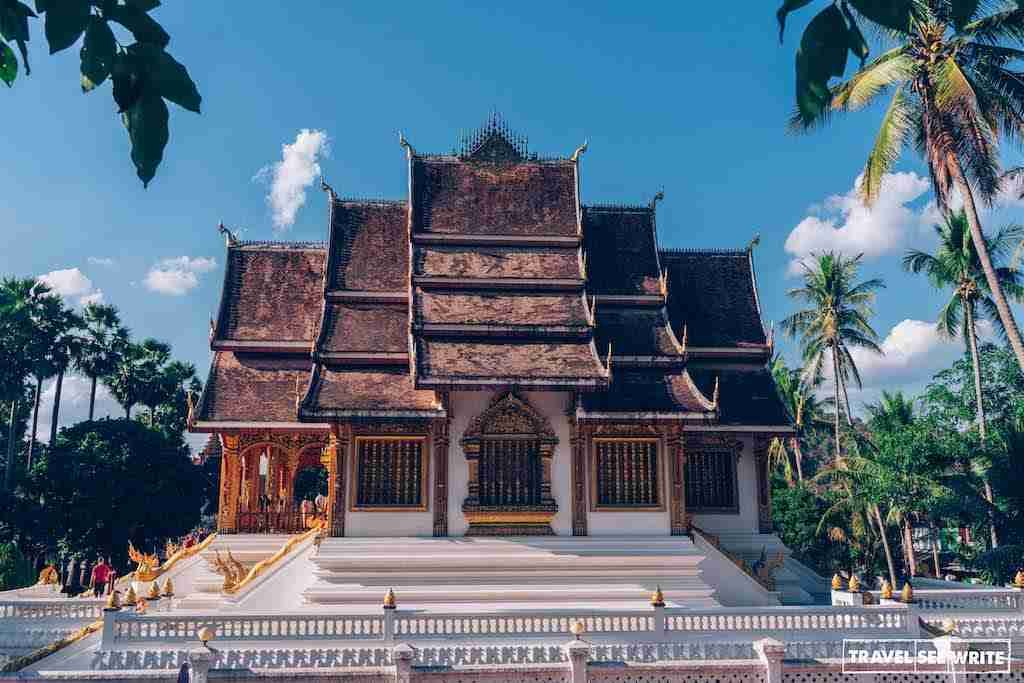

Luang Prabang, Laos has so many exciting things to experience – whether you’re interested in exploring the nature, learning more about local culture, walking through beautiful temples and monasteries, or shopping in local markets for tasty treats and souvenirs. Don’t miss these 15 top experiences in Luang Prabang, the former Royal capital of Laos.

Here is a video about my experience in Luang Prabang.


Have you been to Luang Prabang, Laos? If yes, how was your experience? Which country do you think is the safest country to visit in South East Asia after Coronavirus outbreak


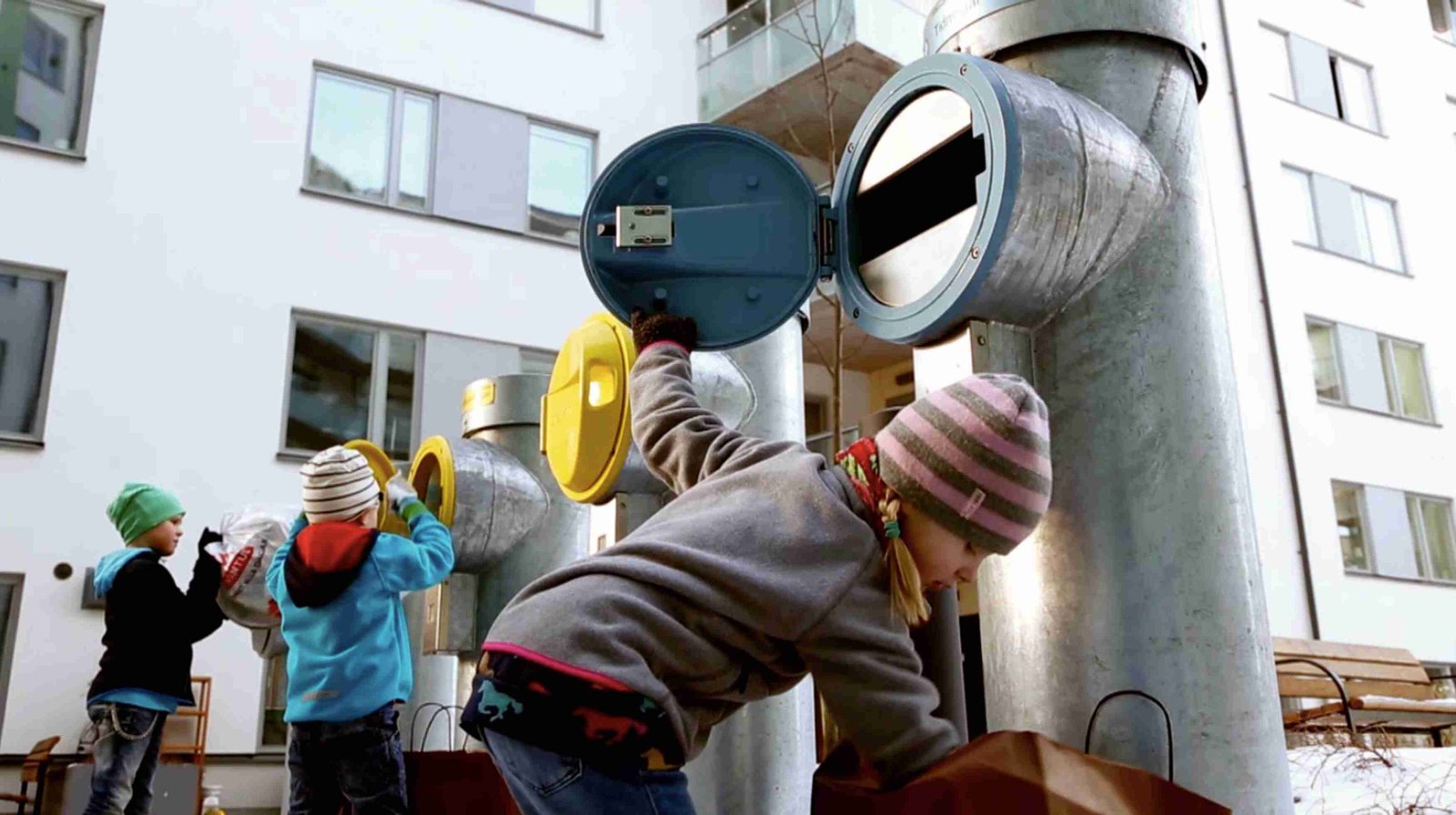
It’s summertime in Sweden and Palle Stenberg, the co-founder of Gothenburg based Nudie Jeans, is busy doing his daily chores. Despite having a super busy life full of business and household chores, Palle has volunteered to be a local guide to Dan, his friend and a business partner from Australia. Around 6:30 am both of them all set to hit the road but not before finishing the most critical job of the day, a chore that Stenberg has done every single day without fail for three decades. He dumps the neatly segregated packs of the waste – paper, plastic, glass, metal, and biodegradable waste – into their respective recycling centres, some 300 metres away from his house. Dan is mighty impressed by Sweden’s incredible Recycling Revolution. And, so did I when I first visited the country.

In September 2019, I got an opportunity to learn first hand about Sweden’s incredible journey of transforming trash to treasure when I attended the Adventure Travel World Summit in Gothenburg as an official media delegate. The Swedish city situated on the west coast of the country is no ordinary city – it has been voted the most sustainable destination in the world for four years in a row.
Although adventure brought me to the country, recycling caught my attention. Sweden is so ahead in the waste management curve; it has run out of the garbage, and for several years, it has been paying money to import trash from other nations to keep its recycling plants functioning. I wasn’t surprised to know that less than one per cent of Sweden’s trash is sent to landfills and 99% of Sweden’s waste is recycled. Through efficient waste management Global Citizen Sweden is able to heat one million homes and provide electricity to 250,000.

My initial research both intrigued as well as motivated me to demystify Sweden’s incredible journey of Transforming Trash to Treasure. Through this story, I was able to meet different stakeholders from different fields – some were from waste management companies others from tourism boards, manufacturers, and most importantly, the locals. And this is what I found.
Sweden was one of the first countries in the world to realise that non-renewable resources will become scarce, and climate change will become a big question mark to our existence. Therefore, it started scouting for sustainable alternatives early on. In the mid-20th century, when sustainability and climate change were alien words, it laid the foundation of the Recycling Revolution. It started investing in waste management to generate electricity from the trash. By doing so, it killed two birds with one stone – reduced its reliance on fossil fuels and also significantly brought down its carbon footprint. As per the official estimate, the greenhouse gas emissions in Sweden are projected to fall by 76% by 2020 as compared to levels in 1990. Experts say that Sweden’s number one goal at the moment is to become the world’s first fossil-fuel free nation as part of their commitment under Roadmap 2050.

However, this success blueprint wasn’t created overnight. Katarina Thorstensson, the Sustainability Strategist at Gothenburg & Company, explains,
“Where Sweden and Gothenburg are today, is a result of many years of hard work on environment education at a national level as well local level. And, in some way, it is a cultural thing. We care about people and planet, and therefore we are conscious about efficiently using the resources. We actively reduce, reuse and recycle resources.”
Most importantly, the Swedish government should be credited the most for the success of this mammoth task as it was the one that brought all the stakeholders together to create a collaborative environment. Thanks to the joint efforts of all the parties, a big behavourial change was initiated and successfully achieved in Swedish citizens – from having a will to recycle to actually doing it.
Swedish government realised that if they want a long-term sustainable solution to their waste management problem, they’ll have to educate the kids about the importance of environmental issues and sustainable living from an early age. In schools, children were taught to recycle, making it a way of life in Swedish communities. Specialised training was given to the teachers to engage children in practical activities, like creating their own paper or inculcating reduce-reuse-recycle habits.

My 41-year-old local friend Kicki Lind recaps her childhood days. She starts by saying,
“Keeping nature clean is in our veins. I grew up with the “Keep Nature Tidy” campaign and back in school, where we learnt on why and how we must all make sure never to leave any trash behind. And, if someone did leave by mistake, we were taught to pick up their trash.“
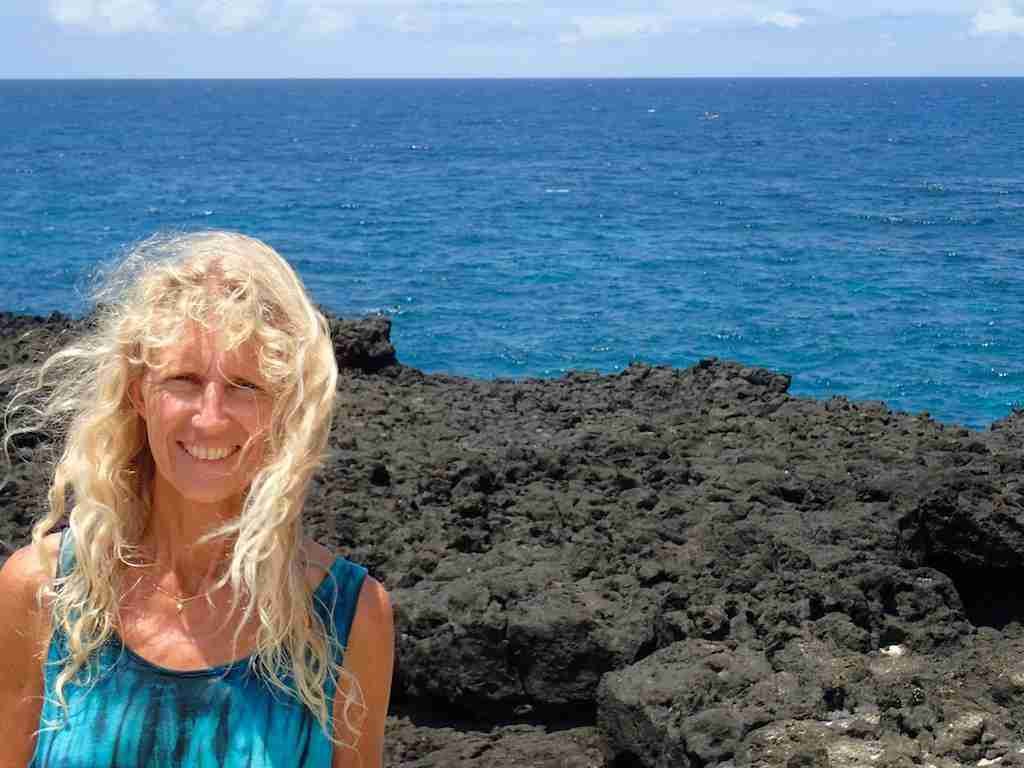
Good environmental education wasn’t left at the theory level; it was backed up with clearcut actions. Strict regulations, policies, structures and a robust infrastructure was developed for people to teach waste sorting and recycling habits effortlessly. To discourage unsorted waste issue, the Swedish Government started levying higher waste tariffs on unsorted waste and providing almost free waste tariffs for bio-waste.
Sweden’s incredible journey of Transforming Trash to Treasure would not have been so successful if recycling wasn’t made easy, accessible and convenient. Swedes don’t have to run from pillar to post to find a recycling station; they can be seen as close as 300 meters from any residential area. Everyone segregates and dumps their waste as per the waste type. You will never find paper in plastic waste bins, or metal in glass or lightbulbs into batteries recycling bins. There are specialised recycling centres outside cities for larger items such as furniture or electronics.

Lately a new movement – Circular economy (Reduce, Reuse & recycle) – has become quite popular in the country that encourages people to reuse everything from food, medicines, clothing, and gadgets for longer duration and in smarter ways. In the Swedish culture, wastage is frowned upon. Using this insight, a food app called Karma was launched, which saves food from being wasted by letting the consumers find delicious surplus food from restaurants, cafes and grocery stores at half the regular price. A win-win situation for both – users pay less for good food and businesses make money on the surplus food that would otherwise go waste.


A similar approach is applied by the pharmacists too – 43% of unused medicines are returned to the pharmacists instead of being tossed into a bin.
And, it isn’t just the food and pharma industries who are thinking out of the box to follow the philosophy of Reduce, Reuse and recycle. The apparel industry, which is said to be the second biggest contributor to carbon emissions, is reinventing itself too. The used clothing market in Sweden has grown manifolds over the past few years. Vintage fashion has become such a huge trend that established chains are competing with small vintage boutiques selling second-hand items. Walking through the city centre of Gothenburg, I came across many stores selling second-hand apparels, renting clothes and using many innovative ways to become more sustainable.
One brand that impressed me the most was Nudie Jeans. Not only it is the world’s first 100% organically manufactured denim brand, but it comes with a lifetime repair warranty. And, you can even use their buy-back option if you ever get bored with your denim (though I doubt that would ever happen) and want to try something new. Nudie Jeans was the first brand to introduce the concept of coolness and sustainability in a denim brand.

Another store that is doing a commendable job in sustainable fashion is a designer brand called Atacac Fashion Studio. They are the pioneers in a unique style of pattern making in which they use the 3D modelling to reinvent the design, production and selling process. Hannah Holden, the communications and sales manager of the company, shared her company’s core philosophy,
“Whenever we design anything new, our aim is not to design that is just following a trend for a while. Why should anyone throw something away that looks amazing, always? Take, for example, a leather jacket or other classic styles, you have them forever because they always look good.”
Despite being home of fast fashion brands like H&M, the fashion industry in Sweden is changing for better through a more collaborative and creative approach. Unlike other countries, here copying is not considered derogatory but praised, if sustainability is at its core. Also, using second-hand products is not considered cheap but make you appear environmentally-conscious. No wonder, I found so many second-hand chain stores like Myrona, Stadsmissionen, Emmaus and Beyond Retro throughout Sweden.

Whether it was talking to the officials, business owners or normal people, one common factor stood out – Sweden is a nature-conscious nation where the sustainable approach to business and societies is not a mere lip-service but a part of daily management and long-term sustainability goals. In Sweden, two big things facilitate all the small things – samarbeta (openness to innovation), and transparency meaning low corruption at all levels. Perhaps that’s the secret behind why Sweden remains the world’s most sustainable country year after year.
Further reading: Do check out this article if you are interested in knowing more about sustainable accommodations and how to find them.
About 60 million tonnes of trash is generated every day in India, and about 45 million tonnes of waste remains untreated. It’s high time India takes some strong actions; otherwise, our own garbage will drown us! While it might be too ambitious for India to reach where Sweden currently is due to high illiteracy, poverty and reluctance from the top, it’s not impossible. The government can learn from Sweden and follow the ‘circular economy’ model to minimise the waste and ensure maximum recycling.
Sweden’s secret of turning trash to treasure is an open secret. It is totally up to us how we can use it to make the Swach Bharat dream come alive.
If India can do these five things, our country will not only become Swachh Bharat but will also get rid of many other allied problems such as unemployment. Imagine if we recover just 15 per cent of daily waste we can employ about 500,000 rag-pickers and provide electricity for nearly two million homes.


I was invited as a hosted media to attend the Adventure Travel Summit Sweden 2019 by Visit Sweden. All the views expressed above are based on my personal experiences and conversations I had with the mentioned parties. Images used are either shot by me or provided by the Tourism Board. Please do not copy anything without written permission.

Ladakh is one of my favourite places to visit, not just in India but in the entire world. It is the place that changed my destiny – from being a corporate slave to becoming a full-time traveller. During my several trips to the land of high passes, I have explored all facets of the region – from popular to offbeat, Buddhist cultural immersions to partaking in adventure activities, from being a part of group travel to solo trekking in the unchartered territories, witnessing peaceful nights at Pangong Tso to living with the Changpas on my tumultuous journey to Demchok and Chumur. Unfortunately, some of these places along with Galwan Valley, and Hot Springs have lately become the bone of contention in the bloody India-China face-offs. However, when I visited the region was largely peaceful and I am sure it will soon return to happy days.

My love for Leh Ladakh is so much that I made sure to visit it in every season. I call it the land of modern pilgrimage where I have walked from hill to hill, crossed river to river, ate with locals in towns and villages, covering all corners of the mountainous region- from Turtuk to Demchok, verdant valleys to serpentine gorges, mega glaciers to tiny villages, high altitude lakes to seasonal streams and everything in between. I experienced the soulful beauty of Ladakh in all kinds of transport – cars, bikes, local buses, army trucks, hitch-hiking and on foot.

I understand most of the tourists who visit Ladakh, don’t have the luxury of time and resources like I had. Therefore, they like to see the main highlights of Ladakh in a week and thus choose to travel in cars or bikes. In 7-10 days, you can visit Leh town, the Indus valley, the Nubra valley, Pangong Lake and Tso Moriri Lake. While the Indus valley is famous for centuries-old ancient monasteries, both the lakes are on every travellers’ dream trip to Ladakh.

While a road trip isn’t a bad idea, my personal favourite is trekking in Ladakh as it connects you to the soul of Ladakh and brings you up close to the unimaginable beauty spots that you might miss when in a vehicle. It is a great option to connect with nature and also go to places that are not easily accessible and hence have limited visitors.

However, trekking in the coldest desert of the world is not like trekking in lowlands. You should be in good physical shape to do trekking in Ladakh. Most importantly, to avoid Acute Mountain Sickness, it is a must to get well acclimatised before you embark on your trek. Treks in Ladakh vary from tough to moderate – you can choose basis your stamina and time in hand.
While there are dozens of famous treks available, the Sham valley trek and the Markha valley trek are among the best treks in Ladakh, recommended for someone looking to gain a first-hand trekking experience in the region.

Popularly known as the baby trek because of its easy nature, the Sham Valley trek is best suited for beginners or families. But if you are not in your best physical condition, then this multi-day trek could seem daunting for many. I did this trek in February 2015 when the whole landscape was blanketed in multi-layers of snow, and the temperatures were always sub-zero, sometimes touching as low as -15 degrees. To make matters worse, once we even got stuck in a blizzard-like snow-storm. But come summer, and this Narnia-like landscape transforms into a lush apricot valley where the smiles of the locals will fill your heart with exceptional warmth.
After acclimatising for two days in Leh, I drove for one and a half from Leh to reach Likir, which is the starting point of the trek. If you have no timing issue, you can spend a night here, or you can straight proceed towards Yangthang village after visiting the Likir monastery.

Set picturesquely on a little hill in the Likir village of the Sham Valley, near the Indus River it was constructed in 1065 by Lama Duwang Chosje, under the command of the fifth king of Ladakh, Lhachen Gyalpo. For a city dweller like me, Likir village appeared to be relatively isolated, but it was once on a major trade route. En route from the Likir village to Yangthang, I crossed two easy passes – Phobe La and Chagatse La. The climb from Likir to Phobe La was gentle, and in an hour, I was on the top of the pass. From here, I had two options – hike down on the rough, muddy track and join the road below (which was a short cut) or take the long loops of the tarmac road. I chose the first one.
After walking for a while on the flat tarmac road, I took a little break at Sumdo, an idyllic tea-break point from where you have to cross the stream. Refreshed from the hot tea and cold stream water, I along with my guide kept hiking on the main road for an hour until we reached the second and the last pass of the day – Chagatse La. From Chagatse La, we scrambled down for another 30 mins to reach our destination of the day – the village of Yangthang (11,909 ft) that fell on our left side. While the camping site near the mainstream enticed me, I chose to spend the night in the cosy Ladakhi homestay. The entire journey on foot with modest speed and a few pitstops from Likir to Yangthang took around 4-5 hours.
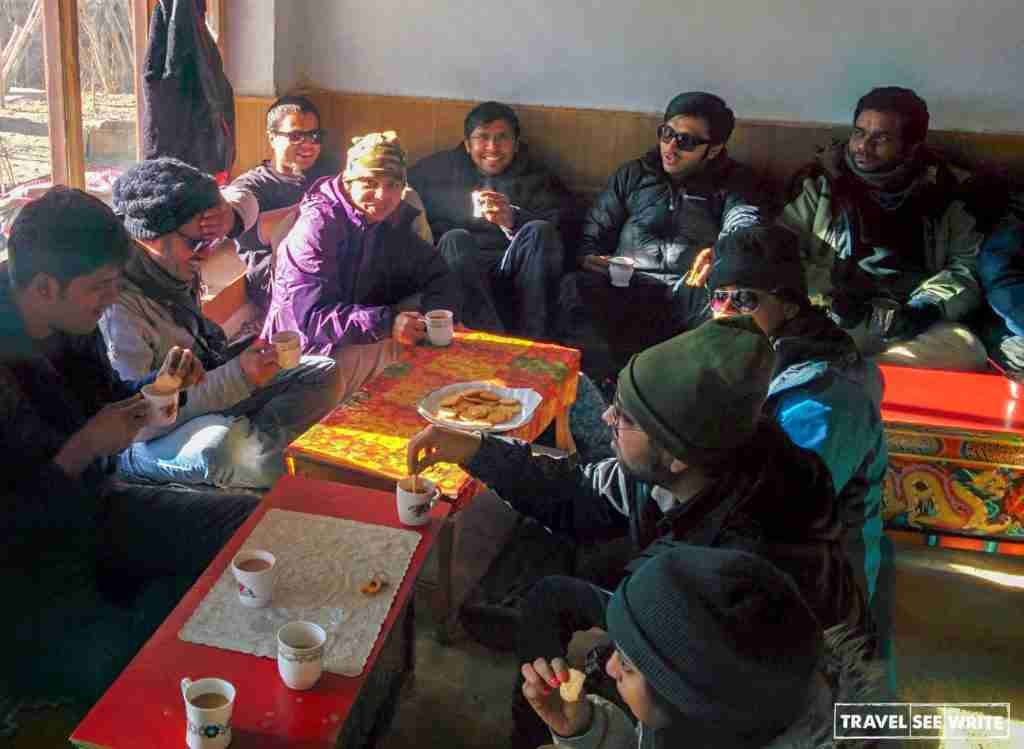
Tip: If you have time and energy, I highly recommend visiting the Ridzong Monastery that is an hour away from Yangthang. I loved the quiet environs of this pristine and secluded gompa.
After a hectic first day where I crossed two passes, the second day seemed like a breeze with only one pass to cross – Tsermangchan La, which is the highest pass on this trek with an altitude of 3,874m. With stomach full and backpack tucked on my shoulder, I headed back from the Yangthang Village onto the road that brought us to the village a day before. Heading Northwards, we descended for a bit, crossed a stream before climbing up west again to Tsermangchen La (12,303 ft). The panoramic view from the pass was too good to miss, and despite the cold, I decided to take a break on the top before heading down to my next night halt – Hemis Shukpachen, often referred as the mythical Shangri-La. It has the right balance of adventure, exotic feel, and traditional Ladakhi charm.

My guide told me that this is one of prettiest villages in Ladakh and I couldn’t agree more. While the entire landscape was snow-covered in February, in summers, the village looks like a fairytale village from a storybook. Plenty of gurgling streams surrounded by shady willows and large barley fields make the village stand like an oasis in otherwise desolate, rocky mountains. It is the best place to see the Ladakhi system of water distribution. Glacial meltwater is distributed to the fields via a network of channels.
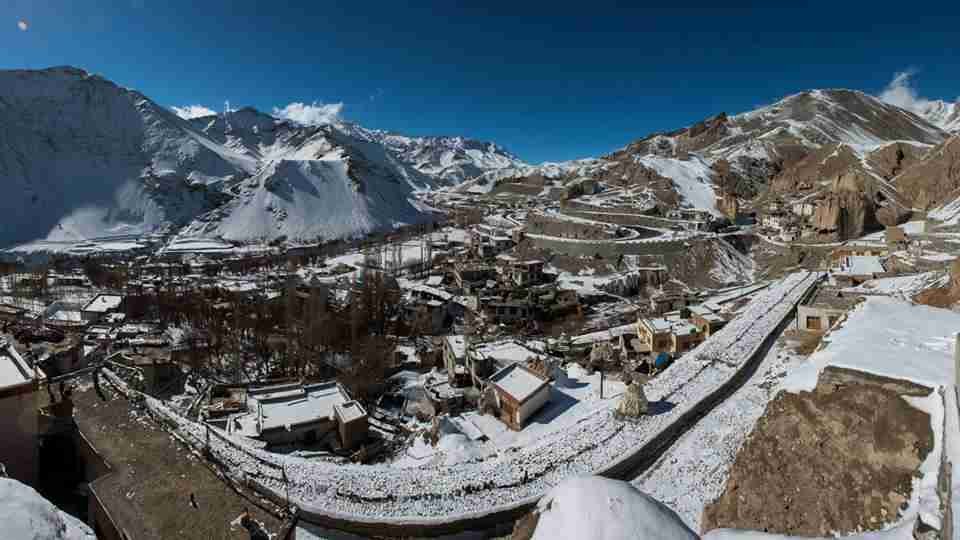
Tip: Book your stay with the Himalayan Homestays or camp out near one of the brooks. If you can spare some time, do visit the Lamayuru monastery from here via Ang village.
On the third day, we walked for an hour before hiking up to a small pass called the Mebtak La. Once we reached the pass, we started descending to reach Ang village near the river. We crossed the river and walked for a while before entering Temisgam village. Thankfully our cosy homestay was close to the road, which gave us ample time to bond with the locals.
Tip: Don’t forget to visit the Temisgam Palace, monastery and Nunnery. If short on time, catch a vehicle from Temisgam to return to Leh.

Next day we started a little late since we didn’t have to walk for long. Gingerly we started walking towards Tia along the road for sometimes before crossing the river. A few minutes walk later; we started climbing the Bongbong La to reach the Leh-Kashmir highway. We met a lot of locals on the way who were going to Leh too. We had a choice to grab a taxi instead of walking, but we chose to walk for a while. Our stroll continued up to Khalse from where we drove back to Leh.

Tip: Book your taxi beforehand in Leh as none are available in Khalse. From Temisgam you can also visit Lamayuru or Dha-Hanu villages (Brokpa Aryan villages).

The Markha Valley trek is easily the most popular trek in Ladakh. Since Markha is situated in the Hemis National Park which offers fantastic landscapes and the chance to see wild animals, it is a trekkers’ delight. The Markha valley trek is more difficult than the Sham Valley trek as one has to cross the Kongmaru La pass (5,260m) on the fifth day. It usually takes six days to complete the trek, but there are options to extend the trek for those who have more time.
You have to reach Chilling, which is the starting point of the trek and 60 km far from Leh. After crossing the Zanskar River, you will enter the Markha valley. It takes only 3 hours to reach Skyu village. It is the most relaxed day of the trek.

Today, you will walk almost 21 km to reach Markha village. However, the trail is full of scenic landscapes and barren mountains. You can also visit the old fort and monastery at Markha village.
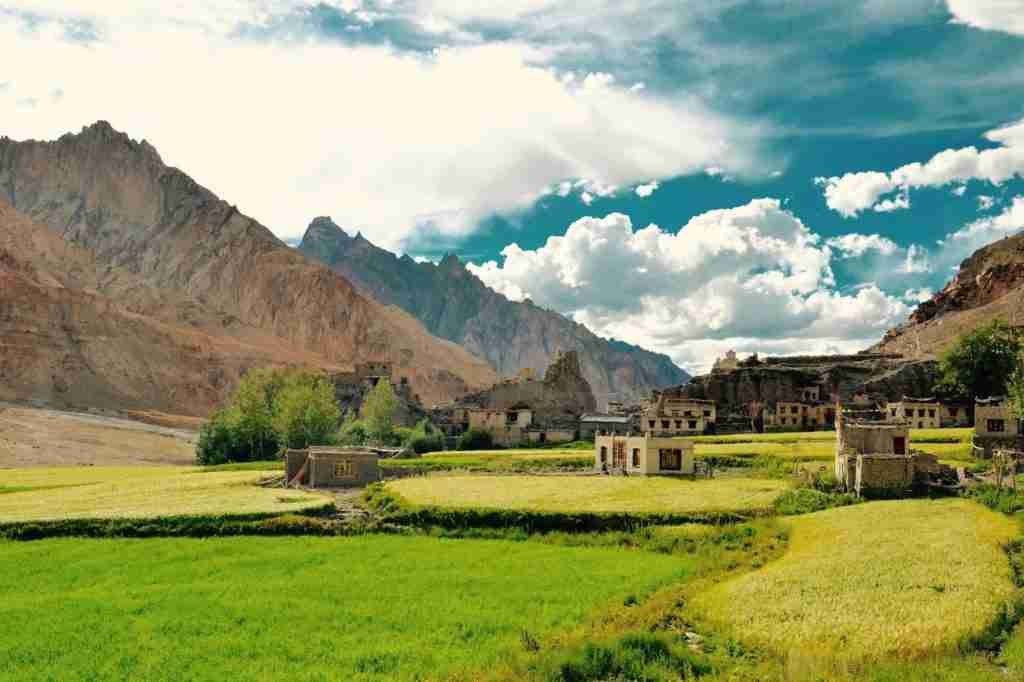
You will need to hike for around five hours to reach Hankar, which is a small village at an altitude of 4,050m. Tall mountains surround the village, and you can also get a glimpse of the mighty Kang Yatse peak (6,400m) from a distance.

It is perhaps the hardest day of the trek. You have to hike uphill to reach Nimaling camp. It takes around 5-6 hours to cover a distance of 10km. You will spend the night in a tent at Nimaling which is located at an altitude of 4,850m. Take a good rest to prepare for the next day.
Today, you will cross the Kongmaru La pass, which is the highest point on this trek at an altitude of 5,260 metres. There is a spectacular view of Kang Yatse peak from the top. After that, it is a long walk downhill to reach Shang Sumdo.
It takes around 4 hours to reach Hemis from Shang Sumdo. However, the walk is easy. Hemis monastery is the largest monastery in Ladakh. You can spend some time exploring the place before driving back to Leh.

As you know, there are many good reasons why tourists enjoy travelling in Ladakh. If you like to challenge yourself and to be in the wild, trekking is one more reason to add Ladakh to your bucket list!
Have you ever done trekking in Ladakh? How was your experience, or what would you like to explore next time? Please share your feedback in the comments section below.

In this post, you’ll read why Sweden decided to go for a no strict lockdown approach to battle covid19 and if it is working or not.
The beer-loving Czechs are finally allowed to get back into pubs, and joggers have returned to Madrid’s famous Retiro Park, Italians are heading to beaches and piazzas, Germans are gearing up to watch Bundesliga matches, Greeks are taking ferries to visit islands, Polish kids have started going to schools. Most of Europe is opening up, albeit with strict hygiene and social distancing rules. As bleary-eyed Europeans squint in the sun and taste the freedom they missed during the coronavirus pandemic, worries about the second wave of COVID-19 is on everybody’s mind. While the new normal is here to stay until a vaccine is available, what sort of semi-normal life might work in the meantime is the big question. Sweden may hold the answer. We could learn both from its failures and triumphs.
Despite having a similar Scandinavian society, Sweden has been an outlier and did not join its Nordic neighbours in imposing a lockdown. While schools, restaurants, bars and salons were shut down in other Nordic nations such as Denmark, Norway and Finland, Sweden refused to walk in their shoes.
David Byer, a dance Instructor from Oslo in Norway, shares a local’s perspective on their government’s handling of the situation,
“Gyms, nightclubs, sporting events, universities etc. are closed and the new norm is online classes or maximum gatherings of 50 people with strict rules on social distancing. Our approach has been excellent under the circumstances. For a population of 5.4 million, there are just 8,383 cases and fatalities under 250, which is nothing when you compare it with Sweden having 10.2 million population but over 35,088 cases and 4,220 deaths.”
Adding further, Torunn Tronsvang, the CEO of Up Norway, shares the insight on why Norway has been so efficient in controlling the pandemic,

“Norwegians trust their government and follow set rules. Perhaps that’s why we have less infected people and fewer deaths than other European countries. Also, Norway is a big country with the sparsely populated countryside and smaller cities, and this may have helped to dampen the spread of the virus. After two months of lockdown, we are slowly opening-up, albeit with restrictions. Norwegians follow social distancing from each other, and seek solutions and situations where the risk for contamination is lower.”
Recently Norway and Denmark announced to open up tourism between their two countries from 15 June but decided to continue maintaining restrictions for Swedes. Read more here.
By choosing to stay open rather than instituting a strict lockdown, Sweden’s policies have drawn both international praise and criticism. Some are now looking at Sweden as a role model for the future and others as a case study of a disaster.
Epidemiologist Anders Tegnell, the chief architect behind Sweden’s no strict lockdown policy, has continually doubled down on the positives of his country’s approach. Sweden, he said, is playing the long-term game despite the country having a much higher mortality rate than its neighbours. Sweden’s unique strategy to deal with coronavirus will ensure it has only a small second wave of cases, unlike other countries that could be forced to return to lockdown, according to the mastermind of the controversial policy.

Here are a few points I noticed which explain why Sweden chose the no strict-lockdown approach:
The no-lockdown strategy wasn’t just an aberration; it is deep-rooted in Sweden’s “consensus culture” where as a part of the culture, citizens willingly follow the rules, or guidelines, and are not too pushy about them. Also, Sweden is one of the countries in the world with the highest levels of trust globally, both in institutions and fellow citizens, something that several of the experts’ Travel See Write spoke to cited as a factor in the Swedish strategy. People trust the government and vice versa. The state encourages and recommends the right actions but never compels them to follow.
Kicki Lind, a journalist from Gothenburg, gave a glimpse into her no-lockdown life while underlining her culture of obedience,

“Compared to most people in the world, who are locked in right now, Swedes are very lucky. We have a relatively small population, and we are fortunate to have plenty of outdoor spaces, so keeping a social distance in the outdoors is no big deal. However, all elderly homes are under complete lockdown. I still travel by bus into town several days a week, and I do keep meeting family, small groups of friends and colleagues and occasionally visit a bar or restaurant. However, we politely do our best to keep a social distance and follow the rules. After all, it’s in our blood to take our rights and responsibilities quite sincerely.”

It’s not that Sweden didn’t put any restrictions. Steve Robertshaw, PR Manager of Visit Sweden UK says that while restaurants, bars and cafes are open, strict social distancing norms are followed, people can visit national parks, but most museums and theatres are closed, stores and shops are open but with limited opening hours, and public transport is available but with an amended timetable.
Although the big cities, especially Stockholm, are facing the maximum brunt of the COVID19, precautions are taken everywhere despite fewer restrictions. Lars Svanerud, an adventure guide and sport chef at STF Grövelsjön Mountain station, explains,
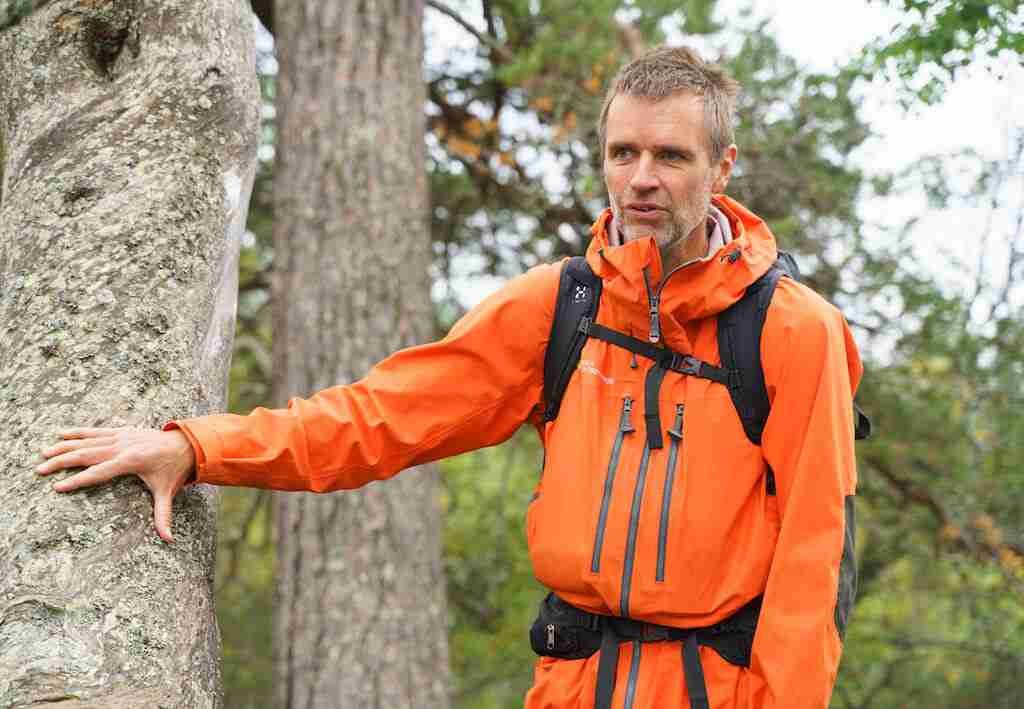
“Up here in idre, which is a more remote place than Stockholm or other big cities, our life continues as before. I regularly visit my nearby grocery store for supplies. Like before we can even go hiking, running, fishing and some pack rafting in the rivers. But I can’t visit my family in the city of Gävle, which is 4.30 hrs by road. We have a 2-hour limit to travel from home right now. This restriction, of course, affects my work and the upcoming summer season.”
While it’s too early to say whether the Swedish experiment of lockdown-lite is a success or a failure, experts are using different benchmarks to weigh its efficacy. One of them being the economic impact. Just like the world at large, Sweden’s economy is not immune to Covid-19. Even without a nationwide lockdown, Sweden’s economy has taken a hit as people continue to follow the government’s guidelines and stay at home. Google records indicated that trips to retail and recreational destinations in Stockholm are down 23%, while commuter numbers on public transit declined 29% between March 28 and May 9. Future doesn’t look too promising as Sweden’s central bank, the Riksbank, expects unemployment to rise from 6.8% to 10.1% and GDP to shrink by up to 9.7% this year as a result of the pandemic.

But by keeping schools, bars and restaurants open, the country has not seen the same rise in unemployment figures as in other places in the world. Early indications suggest that Sweden’s GDP fell by just 0.3% in the first quarter of 2020 compared to 3.8% in the rest of the Eurozone. It is still too early to say whether Sweden will reap the economic benefits of “lockdown-lite” in the coming years.
Maintaining a low profile like other DMOs Visit Sweden is following the wait and watch strategy. Steve Robertshaw, PR Manager of Visit Sweden UK, told Travel See Write,

“The coronavirus situation is far from over, so nobody knows what the new ‘normal’ will look like. We are, monitoring the situation carefully in our priority markets, keeping an eye on media and traveller sentiment so that we can respond in an appropriate and sensitive way once we enter the recovery phase and travel is possible once again.”
As per Robertshaw, Sweden is well-positioned as a travel destination post-Covid19 and will continue focussing on communicating well organised, smooth-running sustainable nature tourism experiences, plenty of space, good food, the clean and vibrant city lifestyle, all in a secure environment.
The coronavirus fight is far from over. Moreover, it’s a marathon, not a sprint. Time will tell whether Sweden’s approach was actually right, but for now, the results don’t seem very good.
Do you agree Sweden did the right thing by avoiding a strict lockdown and using milder containment strategies to beat the Covid-19? Please share your feedback in the below-given comments section.



All the views expressed above are based on my research and conversation with the people mentioned in the story. Images used are provided by Visit Sweden and the people mentioned in the story. Please do not copy anything without my or their written permission.

Before we were locked inside our homes because a virus took the Earth and its inhabitants hostage, I was enjoying the triple dose of sun, sand and sea in a tropical haven popularly referred to as the paradise on Earth. In the Maldives, nature is the real showstopper – everyday sky puts up a grand show filled with eye-popping colours as the white sands melt your heart like the smiles of the locals. You can swim with the fishes in the turquoise blue waters of the Indian Ocean or just laze around on your sundeck in a plush water-villa. Blessed with tropical weather that’s always in a good mood, and where the vibe is always right. No wonder the Maldives tops amongst the preferred holiday destinations for honeymooners, families and MICE travel.

This was true until February 2020; the world has changed completely since, and travel took a big pause. Ban on non-essential travel proved one thing – when the world stays home, the planet benefits. There was clear water in the Venice canals, blue skies over Delhi, thousands of flamingos were painting Mumbai pink and wild animals were roaming boldly in locked-down cities. Yes, emissions fell and earth finally breathed clean air but not for long.

We must take lessons from COVID-19 and use it as a springboard to living more sustainability. While COVID-19 is not a climate-change-induced pandemic, it surely is a preview of our climate-change future. Climate change is frequently described as a threat multiplier, something that exacerbates existing problems and creates new ones. No aspect of life on this planet has been untouched by climate change — viruses included. By altering the environment at a faster rate than any other moment in geologic history, scientists say, humans have created a wealth of chances for viruses to evolve. To make matters worse, a warmer planet is expected to be a less stable one.
When Covid-19 is behind us, we will travel again, but it will not be the same. Guests will prefer contactless travel and destinations that have reported a low number of COVID-19 cases and are better geared up to handle social distancing. Maldives Marketing & Public Relations Corporation’s managing director Thoyyib Mohamed says that the country is at an advantage compared to other destinations since all the island resorts stand isolated and not connected to one another.

But this glimmer of hope shouldn’t make us forget the flooded future that is threatening to drown Maldives. If there is a ground zero for observing the impacts of a changing global climate the Maldives are definitely a front-runner. Comprised of 1192 islands and 22 atolls, most pancake flat, the highest reaches no more than five feet above sea level, making the Maldives the lowest country on earth. Only two hundred of the islands are inhabited, by roughly 320,000 people.

But there is trouble in paradise – the Maldives is now the poster-child for the consequences of climate change. With 99% water and 1% land, the archipelago is extremely vulnerable to storm surges, sea swells and severe weather. In the last two decades, Maldives has lost over 20 islands, more than 100 islands are reporting erosion, and around 30 islands are identified as severely eroded. Global warming will almost certainly lead to the demise of these islands which are predicted to drown in our lifetime. Disappearing into the rising sea, it will become the first country having to relocate all its population as refugees due to global climate change.

It’s a Climate Emergency – sea level is rising at an alarming rate due to increased carbon emissions. The irony is that while the Maldives has not contributed much to greenhouse emissions, as it produces very little, it is facing some of the worst consequences created by others – mainly the USA, China and India.

Interested to dig deeper and witness the climate change impact first hand, I visit small villages, prominent diving sites and a few leading luxury resorts. After an overnight flight with Srilankan Airlines with a stopover in Colombo, I reach Male Airport. From there I take a 45-minute seaplane ride to Adaaran Select Meedhupparu, located 154 km to the north of the city of Malé.

Another 20-minute ride by a traditional Dhoni brings me to the Meedhoo island where I get a taste of the local Maldivian life and their daily struggles. Most of the villagers are employed at the Adaaran Select Meedhupparu Resort and the rest are into fishing. Axxam Rafeeu, a 21-year old Technician working at the Meedho Island Power Plant, apprises me of the current climate situation in his village,
Although climate change is not starkly visible on our island which has a population of just two thousand, the subtle hints are everywhere. When I was a kid, weather was predictable like June and July used to be the rainy months and rest of the time it used to be wall to wall sunshine and calm seas but that’s not the case anymore. Flooding is a common phenomenon now. Not only it destroys infrastructure but contaminates inland freshwater sources.
One of the reasons why flooding has become so common in Maldives is because, with the rising sea temperatures, Corals are either getting bleached or dying completely. Andres Mehner, who specialises in Shark Ecology and is the Speciality Dive Instructor at Divepoint, Hudhuranfushi island says,

The best way to explore the Maldives is to dive into its turquoise blue waters to see its vibrant marine life that’s rated amongst the top two best diving sites in the world. However, this rich marine environment has suffered a loss of around 60 to 70 per cent of its corals since 2014 due to rising sea temperatures.
Scientists warn if adequate steps are not taken the Maldives might not have any coral reefs by 2045. Moreover, coral reefs protection is critical for the island’s protection as they not only provide shelter and food for the local fish population but are also the first line of defence when sea storms hit.

The Maldives has the distinction of being the first country in South Asia to achieve 100% access to electricity but this power is based on a diesel-powered grid system, which makes its carbon emissions per unit of electricity among the highest in the region. The Asian Development Bank (ADB) and the Environment Ministry of the Maldives have initiated a project to help the country tap solar power and reduce reliance on costly, polluting diesel by installing a solar–battery–diesel hybrid system in 48 islands out of the 160 inhabited islands.
Additionally, the private sector is warming up to renewable energy – some resorts like Kudadoo Maldives Private Resort are powered entirely by solar panels while others are slowly but steadily making a progress like Adaaran Resort uses Solar panels to heat its bathroom water and uses energy-efficient lighting and appliances. Airconditioners are set at energy-efficient temperature and ‘save electricity’ messages are displayed abundantly in the resort.
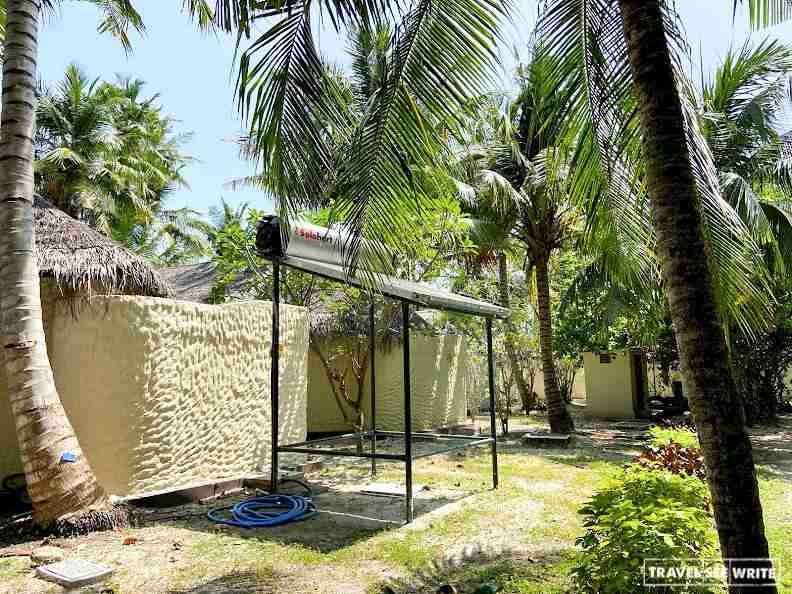
Both locals, as well as resort owners, are motivating people to reduce, reuse and recycle resources as much as possible. Vivek Tiwari, who works at Adaaran Hudhuranfushi Resort says,

We don’t waste anything on the island. Even the discarded wood is reused for island beautification or creating quirky garden furniture. Water is very precious here and we don’t waste a bit – the wastewater is recycled to be used in the toilets and kitchen garden, where we grow our own vegetables and fruits.
Vivek further explains Resort’s efforts to make the island plastic-free – Adaaran Hudhuranfushi is in a process of setting up their own water purification plant. Despite being a luxury resort they don’t provide individual transfers to the guests as it increases carbon emission. They bring them together at set times during the day and use electric cars for in-land transfers for the ocean Villa guests. Additionally, on a regular basis, they engage with the local communities to bring down carbon emissions and initiate island cleaning drives.

Even tour providers such as Secret Paradise chooses not to own its own fleet of vehicles and speedboats. They hire public vehicles or the services of other boat providers. This ensures money goes back into the local community as well as preventing additional unnecessary emissions.

With the help of the Global Environment Facility and United Nations Development Plan, Maldives is trying to prevent marine pollution, reef damage and biodiversity loss sustainably through a community-based approach. The effort is already showing results with coral cover increasing by 20%.


Even private resorts, marine biologists, NGOs and local communities are coming together to spearhead the coral recovery programme. Ruth Franklin, the Co-founder of Secret Paradise, the Maldives which organises day tour and multi-day tours for its guests, shares their part of the story,
“Ecotourism and sustainable tourism have always been an integral part of our philosophy and part of our mission statement. Not only do we employ local guides but also our guests can become actively involved in conservation programs and learn how they too can be responsible during their stay in the Maldives. All our guests participating in ocean-based activities including swimming and snorkelling are briefed using the Green Fins Guidelines on how to be responsible in the water.“
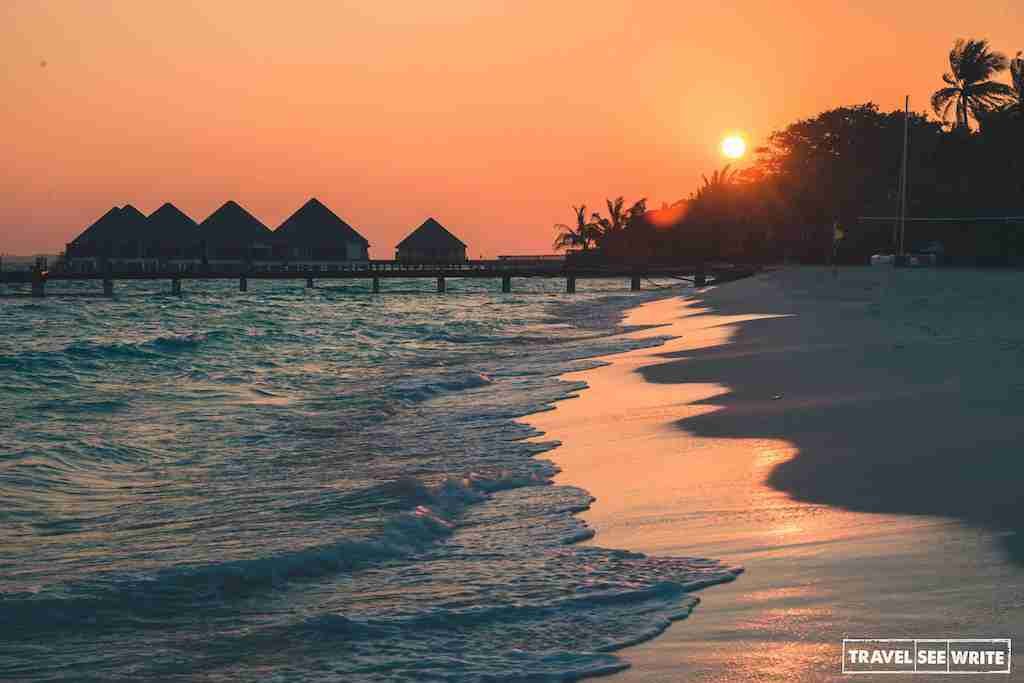


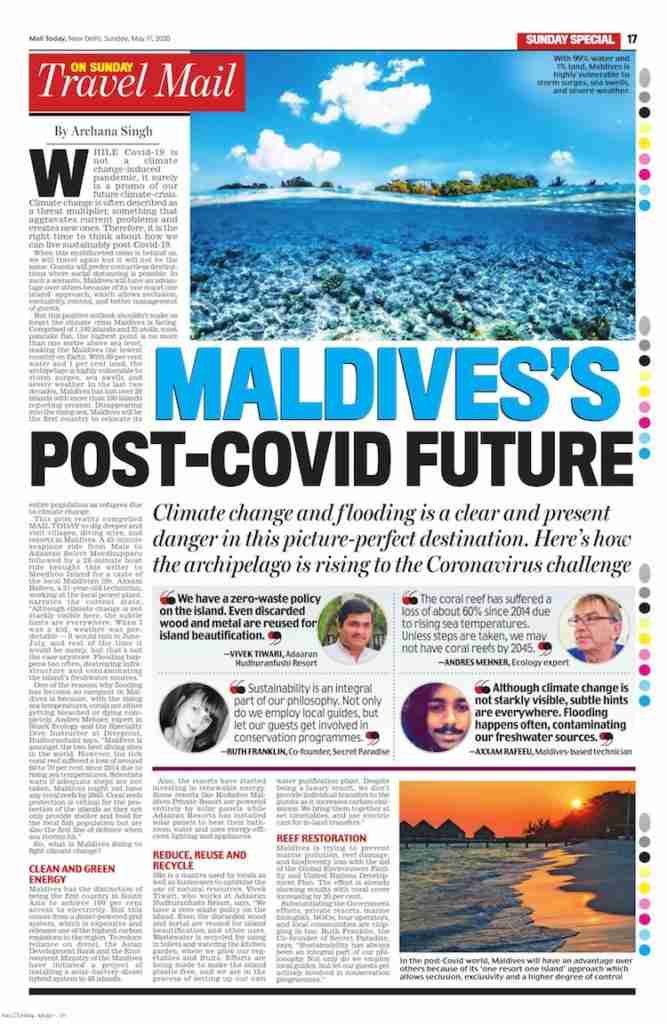
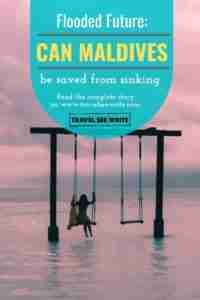
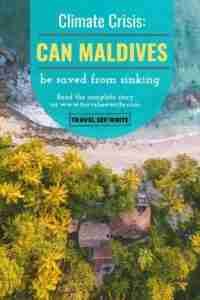

I visited the Maldives on the invitation of Adaaran Resorts and Srilankan Airlines. All the views expressed above are based on my personal experiences in the country during my visit. Images used are either shot by me or provided by the locals I interacted with. Please do not copy anything without written permission.
Unlike most of the world, including Scandanavian neighbours Norway, Denmark and Finland, Sweden has refused to lock down the country. Instead, it’s trying a different approach to beat COVID-19 – trusting its people to voluntarily practice social distancing and develop herd immunity. But why has Sweden adopted this approach and is it working
Lars Svanerud zips up his ski jacket, tightens the laces of the ski boots, wears the snow goggles before picking up his ski poles and helmet. Although spring has quietly sprung in the southern part of Sweden, it still feels like winter in the northernmost tip of Dalarna, where the mountains stretch out endlessly in front of you and thick layers of snow blankets the landscape like sand dunes in the desert.
This might be the last snowfall of the season and Lars Svanerud, a guide and sport chef at STF Grövelsjön Mountain station, doesn’t want to miss the opportunity. So, along with his pack, he is back in the wilderness of Grövelsjön.
At the same time, Anna in New York, Boris in London, Carlos in Milan, Mufasa in Cape town, Chang in Singapore, Ken in Tokyo, Andy in New Zealand and many more like them around the globe are spending most of their time holed up at home under orders from their governments. Every single country is fighting the same enemy – the invisible Novel Corona Virus. While much of the world adopted the strict lockdown strategy, imposing severe restrictions on movement and penalties for those who transgress, Sweden defied the global norm by taking a more relaxed approach to battling Coronavirus.


Contrary to their global counterparts, Swedes still enjoy the springtime sun in cafes and nightlife in bars. Country’s borders are open to European Union nationals, as are offices, malls, gyms, playgrounds and schools. Swedish authorities are trusting their citizens to act responsibly and have, therefore put minimal restrictions. People are encouraged to wash hands frequently, work from home if they can, and self-isolate if sick or aged 70 or older. Despite a severe threat of coronavirus spreading at a rapid pace, people still have the freedom to go outdoors or stay indoors as long as they maintain social-distancing. Only on March 29th did Sweden banned gatherings of more than 50.
However, this strategy did not come out of thin air. The no-lockdown approach is deep-rooted in the Swedish culture where the real power resides in people taking responsibility themselves. Swedish Government is relying on the voluntary behaviour of the people. The state encourages and recommends the right actions but never compels them to follow.
As per the Swedish authorities, the country is on track to reach herd immunity from coronavirus after it bucked the trend and refused to lock down or close its borders. Dr Anders Tegnell, its chief epidemiologist, revealed in a CNBC interview Tuesday (April 21) that the country was seeing the effect of “herd immunity” in the capital. He said
The infection rate was slowing down in Stockholm, which has a population of about 2.4 million while describing the rest of Sweden’s coronavirus situation as stable.
While the efficacy of the decision is yet to be seen, locals are seen to be taking the responsibility seriously. My local friend, Kicki Lind from Gothenberg, echoes the same sentiment,
We still go to restaurants, bars, shops, hiking trails but we do take care of social distancing. So much so that couples have stopped kissing each other. No big parties are thrown. We try to avoid public places… trams and trains almost run empty. We are taking the recommendations of social distancing seriously and trying our best to flatten the curve. After all, it’s in our blood to take our rights and responsibilities quite sincerely.
Kicki’s words about responsibility and rights took me back to the days I spent in the country attending the Adventure Travel Summit Sweden 2019. Last year in September, I hiked through a nature reserve between Norway and Sweden that the locals call “Gränslandet”.

Along with Lars Svanerud, my local guide, I trudged forward on the road less county, far from the roar of civilisation, where only the sounds of wind and water interrupt the infinite silence. An area where you can spend weeks without seeing another human being. But the area also holds much more accessible mountain landscapes, where hundreds of people come walking every day. And the statement about untouched wilderness needs qualifying. People have lived here for thousands of years. This is the southernmost region of Scandinavia where the Sami people herd reindeers without leaving any footprints. The Sami are one of the world’s indigenous peoples inhabiting the northern parts of present Sweden, Norway, Finland and Russia.
On this trip, I got a rare chance to live in the shoes of Sami, thanks to my local Sami Hosts – Helena and Peter Anderson — who run Renbiten, an adventure and culture tourism company at Idre Sameby on Dalarna county of Sweden.


We hike through the mountains Båthusberget and Djupsjöberget, traversing through alpine lakes, old pine trees, tall grassland, wild orchids and the wolf lichen unique to the area. Lars shares the secrets of the nature reserve as I painstakingly try to navigate through boulders and puddles. Weather plays hide n seek with us – bringing heavy showers at times and clearing up a few times to give us a sneak peek of the mind-blowingly beauty of the area we are in. The mist-shrouded Båthusberget looks devilish and a spine-chilling wind blowing at a speed of 60 km/hr makes it impossible to capture the beauty of the area with our cameras.


As we walk down to the base of the mountain, Lars shares a fascinating insight into his country. A fact that now when seen in retrospect explains the current approach of the Swedish Government to tackle coved-19.
He says,
Sweden has no Eiffel Tower. No pyramids. Not even Taj Mahal. But we have something special – the freedom to roam. It’s a right protected by the law, that allows us to sleep and eat pretty much everywhere – all completely free of charge. The only thing we have to pay for is respect for nature and the animals living there.
Freedom and responsibility are two essential virtues of every Swede, which they never take for granted. This reliance on people taking responsibility themselves is what the Swedish Government is punting their hopes on in a battle against COVID-19. The next two weeks will determine whether the Swedish system got it right. Until then, you enjoy the armchair travel to the Nordic nation as they explore the great outdoors.

Do you agree Sweden did the right thing by avoiding a strict lockdown and using milder containment strategies to beat the Covid-19?
Please share your feedback in the below-given comments section.
The Hindu Businessline: Sweden, a zero-trash heaven
The Hindu Businessline: A day with Lovis the reindeer
The Tribune: Transforming trash into treasure, the Swedish way
The Tribune: Of Sami and reindeer, and their way of life
Sakal Times: Hiking with the reindeer


I was invited as a hosted media to attend the Adventure Travel Summit Sweden 2019 by the Visit Sweden This pre-adventure trip was organised by Renbiten as part of my visit. All the views expressed above are based on my personal experiences in the country during my visit. Images used are either shot by me or provided by the Tourism Board. Please do not copy anything without written permission.
I have explored Spain, Kenya, Sri Lanka, and Switzerland with Travel See Write. Every experience was customised as per my family’s requirements, and each trip was fully customised.
Vaibbhav Sud
Delhi
I travelled with my family to Finland using Travel See Write. The team went above and beyond to make our stay enjoyable. They were even available at 3 am for services beyond their usual duties. ”
Gautam Kriplani
Jakarta, Indonesia
This is not a typical luxury travel agency — this is travel with soul. They take care of the minutest details and customise the tiniest things for us. I have travelled with them to Japan, Finland, Costa Rica, Russia and the Philippines.
Vineet Nanda
Delhi
I have explored Spain, Kenya, Sri Lanka, and Mongolia with Travel See Write. Every experience was customised for my family, and each trip was special
Sunil Sharma
Delhi
This is not a typical luxury travel agency — this is travel with soul. They take care of the minutest details and customise the tiniest things for us. I have travelled with them to Japan, Finland, Costa Rica, Russia and the Philippines.
Aman
Mumbai

Lorem Ipsum is simply dummy text of the printing and typesetting industry. Lorem Ipsum has been the industry's standard dummy text ever since
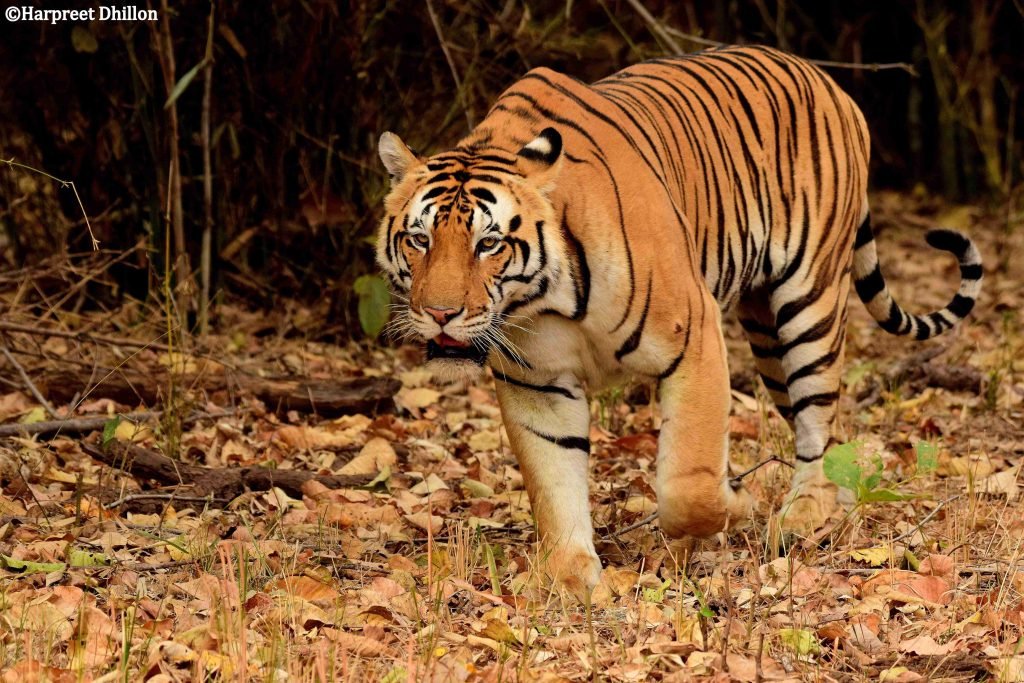
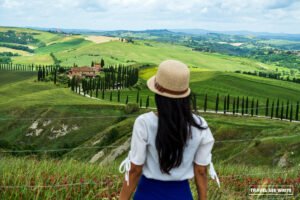
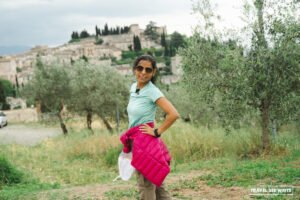
Luxury travel should feel seamless from start to finish.

Begin with our online form. We then connect for a detailed conversation
No booking fees. Ever.
We fine-tune your bespoke itinerary until it feels perfect.
With confidence, care, and 24/7 on-ground support throughout your journey.