

You Enquire
Begin with our online form. We then connect for a detailed conversation
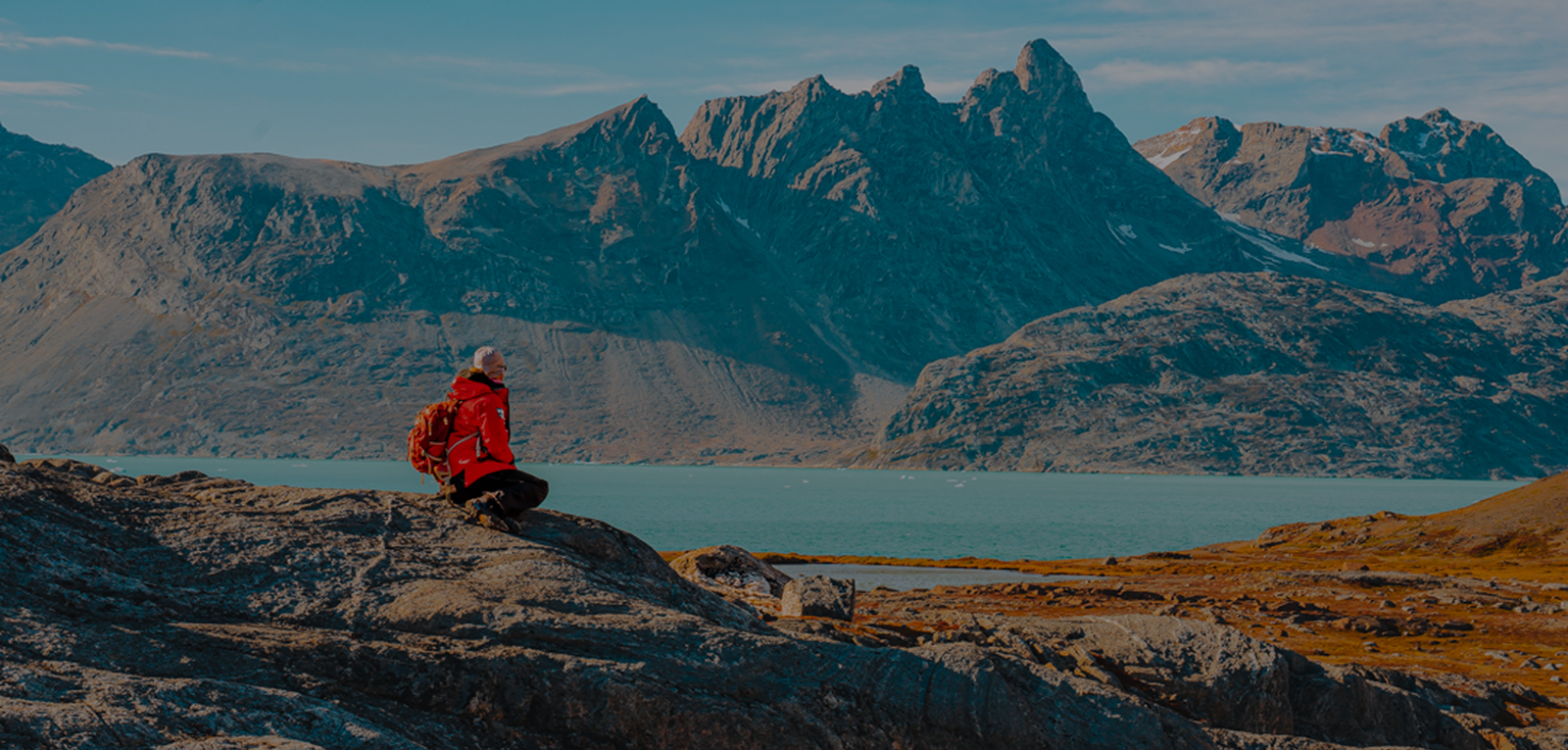

Roger Federer and Trevor Noah found themselves on an unexpected adventure when they accidentally boarded the wrong train in Switzerland. Little did they know that this mishap would lead them to discover the awe-inspiring beauty of Switzerland on the renowned “Grand Train Tour of Switzerland.” This train journey, aptly named the Glacier Express, is a grand experience in every aspect. From the breathtaking alpine vistas to the impeccable onboard luxury services, this trip showcases the best of Switzerland. With its route encompassing 11 magnificent lakes, 5 UNESCO World Heritage Sites, and a mesmerizing 1,280 kilometres of scenic views, this journey is sure to become the highlight of anyone’s life.
Speaking of Roger and Trevor’s adventure, while I did not have the same misfortune as them, I wholeheartedly agree with their sentiment that “You’re Never on the Wrong Train in Switzerland.” My 18-day Grand Train Tour of Switzerland, facilitated by the Swiss Travel System and using the Swiss Travel Pass, was nothing short of epic. I explored Zurich, Geneva, Lugano, Interlaken, and Zermatt, saving the most iconic and luxurious scenic rail journey for last – the Glacier Express. This extraordinary expedition brought me intimately close to the splendid Swiss mountains.

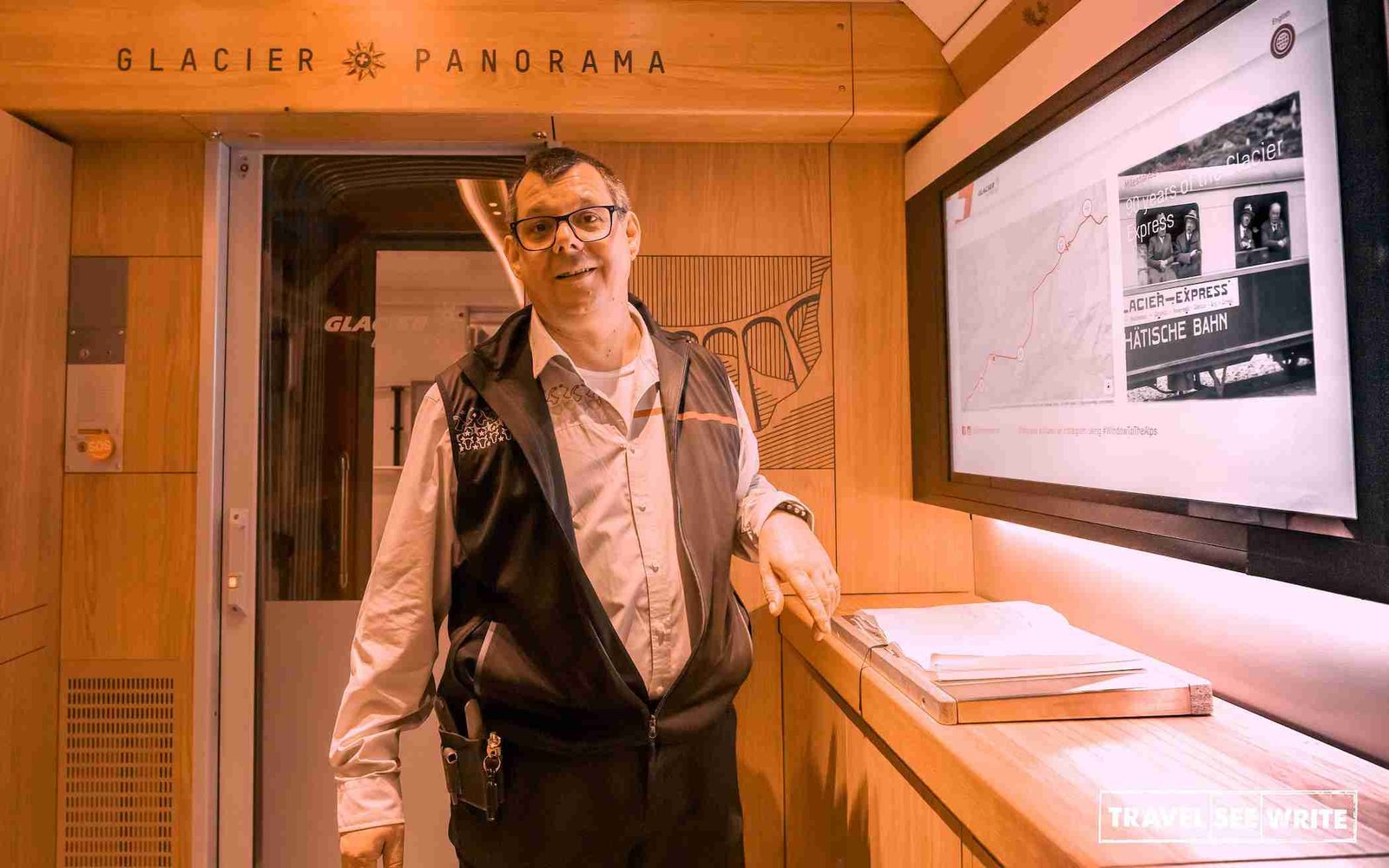
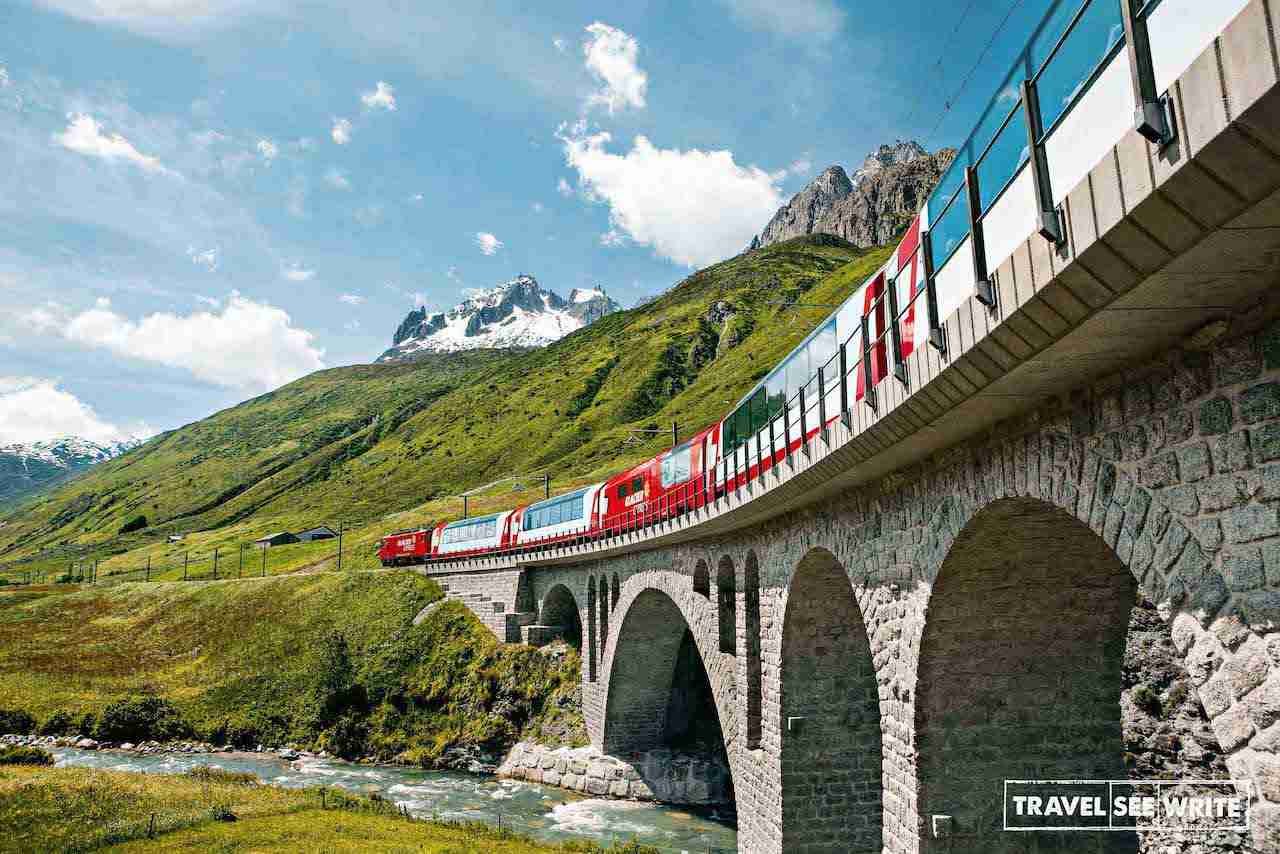
True to its name, the Glacier Express lives up to its glacial pace while being the world’s slowest “fast” train. With an average speed of around 24 mph, this panoramic train winds its way through 91 tunnels and crosses 291 bridges. This leisurely pace allows passengers to savour unobstructed and ever-changing panoramic views of the majestic Alps, deep ravines, and picturesque valleys from the comfort of their luxurious coach. I couldn’t tear my eyes away from the roof-high panoramic windows throughout the journey. Equipped with headphones, I remained informed about every small and significant detail of the route, immersing myself in the breathtaking landscapes of the Alps.

The Glacier Express route is a treasure trove of sights and landscapes. As the clock struck 8:52 am, the sleek red-and-white iconic Glacier Express departed from the platform, embarking on a sensory feast. The first leg of the journey, from Zermatt to Brig, has been connecting the alpine car-free village of Zermatt, home to the Matterhorn, with the ritzy ski resort town of St. Moritz since 1930. While the entire journey from Zermatt to St. Moritz takes eight hours and nineteen minutes (8h 19m), my limited time allowed me to cover only the section from Zermatt to Chur (5h 21m0), which was perfect in every sense. Divided into four legs, the eight-hour journey includes:


The train passed through the Matterhorn Tunnel, offering stunning views of the Matterhorn Valley. The route was often narrow, with towering rock walls reaching over 4,000 meters. This region is home to some of the highest peaks of the Swiss Alps. After reaching Visp, the train descended to 651 meters, traversing the Goms Valley, renowned for its breathtaking vistas.
Tip: The view is equally stunning on both sides of the train.
Departing from Brig, the train crossed the river Rhone and further continued east into the Upper Rhone Valley, passing through the Swiss National Park, which houses a diverse range of wildlife, including ibex, chamois, and marmots. The V-shaped valley occasionally narrows, and in Oberwald, at the valley’s end, the train reaches an altitude. The V-shaped valley is very narrow sometimes. At the end of the valley, in Oberwald, the train reaches an altitude of 1366 m. Since 1925, a railroad across the Furka Pass led from Oberwald to Realp. From Realp, a fairly flat stretch leads to Andermatt.
Tip: The view from the right side of the train was slightly better, but there was no major difference.
The third leg of my journey was slightly longer but offered even more stunning scenery. Andermatt, at 1436 m, is where the Oberalp Pass begins. The Glacier Express wound its way up to 2034 m, the highest point of this journey. This is also where the river Rhine rises. The landscape up here is usually covered in snow from November to April. After reaching the journey’s highest point, we descended along the Rhine Valley to Chur at 585 m. Chur is the lowest point of the route. The landscape looked very dramatic in the Rhine gorge between Ilanz and Reichenau, where the river was carved deep into the white rocks. This region, also called the Swiss Grand Canyon, is one of Switzerland’s most impressive natural spectacles. The Rhine Gorge is a popular attraction for hikers, bikers, and river rafters – and can even be toured by train.
After Reichenau, the train reached Chur, the capital of the canton of Graubünden and the largest town along the route.

Tip: Sit on the left side of the train if you can.

The fourth and final section of the journey overlaps with the first section of the Bernina Express. Unfortunately, I had to give it a miss because I had to catch a train to Zurich from Chur. So I am still trying to figure out how Glacier Express vs Bernina Express. If I had a little extra time, I’d have tried this stretch on Bernina Express. Anyway, here’s the information you can use on your trip further.

On this section of the Glacier Express journey, the train passes through the Engadine Valley, which is home to some of the most beautiful lakes in Switzerland. The Glacier Express changes direction and heads for Reichenau again. There it bends to the south, towards Thusis and Tiefencastel. This Domleschg valley is known for its many ruins and castles. The Glacier Express continues south through a narrow valley, crossing the spectacular curved Landwasser viaduct just before reaching Filisur. After Filisur, several spiral loops help it gain height until it reaches the entrance of the Albula tunnel, at 1789 m, before leading to the high Upper Engadine valley. The Glacier Express reaches its destination St. Moritz after another 20 minutes.
Tip: Sit on the right side of the train to enjoy the view of the Landwasser viaduct.
Honestly, I loved the entire journey, and it’s hard to pick one. Each section was unique and beautiful. But if I were to pick one, I would say the best section of the Glacier Express was from Andermatt to Disentis, where the train went over the Oberlap Pass, the highest point of the journey at 6,673ft. Ideally, You should do the entire trip, but if you don’t have the time to complete the entire Glacier Express route, pick the section closest to your base town. Some of the short sections that you can choose are:

It was not just the outside views that won my heart but also the onboard facilities. Although I have been on several luxury trains in Asia, Europe, and North America, the Glacier Express takes the cake. A rail journey through the towering mountains has never been so luxurious.
On-board facilities on the Glacier Express Train include comfortable seating, large panoramic windows, a dining car, a bar, and air-conditioning, ensuring a comfortable and enjoyable journey. The dining car serves a range of Swiss delicacies and international cuisine prepared with fresh and locally sourced ingredients. The bar offers a selection of drinks, including Swiss wines, beers, and spirits, and the panoramic viewing car provides unobstructed views of the landscapes.
Three classes are available on the train: Standard, First, and Excellence. Standard class offers comfortable seating and access to a bistro car, while First class offers more spacious seating and complimentary drinks and snacks. The first-class cabins are more spacious, with wider seats, larger windows, and more privacy, making them ideal for couples and families.
Glacier Express Excellence class offers the ultimate luxury experience, with guaranteed window seats, an exclusive bar, onboard entertainment, a concierge service, and personal travel guides.

The Glacier Express Train journey offers a range of meal options, depending on the class of travel. Standard class passengers can purchase snacks and drinks from the bistro car, while First and Excellence class passengers are treated to complimentary gourmet meals and beverages.

Glacier Express, Excellence class guests, are served champagne and amuse-bouches – followed by an exquisite five-course meal with accompanying wine.
First-class passengers are served a full three-course meal, including a starter, main course, and dessert. Expert chefs carefully curate the dishes, and the menus change seasonally, offering a taste of the best Swiss cuisine.

Second-class passengers can enjoy snacks and light meals, such as sandwiches, salads, and soups.
The Glacier Train journey is a popular attraction for tourists visiting Switzerland, and the prices of tickets can vary depending on the season and the class of travel. For instance, a second-class ticket can cost between CHF 99 and CHF 156, while a first-class ticket can range from CHF 179 to CHF 268. It is advisable to book your tickets well in advance, especially during peak travel seasons. If you book in advance, you can get much cheaper tickets as a Saver Day Pass is around CHF 52 for 2nd class and CHF 88 for 1st class.

For a Glacier Express Excellence Class ticket, you need a 1st class ticket (CHF 268) and an Excellence seat (CHF 420), making the total cost CHF 688.
Other seat reservations start at CHF 29 and go up from there. The more affordable reservations are available in the low season between Dec and May. You can also make your tickets more affordable by doing a shorter route on the Glacier Express train.
The train schedule for the Glacier Express Train journey from Zermatt to Chur can vary depending on the season. Typically, there are two departures daily, one in the morning and the other in the afternoon. The journey takes approximately 4 hours, and the train makes a few stops along the way to allow passengers to take in the scenery and stretch their legs. For the exact Glacier Express Timetable, check the official website.
Also, apart from a valid ticket or Swiss Travel Pass, a glacier express seat reservation is required (max. 90 days in advance). In addition, you’ll be required to pay a surcharge depending on which month and for which section you travel. Check Glacier Express Reservations and Timetable for more details. You can buy your tickets for the Glacier Express online here. They are only available 92 days before the date of travel, so if you are looking for a cheaper ticket, be sure to book exactly 92 days in advance. Reservations are compulsory on the Glacier Express, and the train gets booked up pretty fast, especially in the peak season, so be sure to get your ticket and seat reservation early.
The Swiss Travel System is a comprehensive public transportation network with trains, buses, and boats, offering convenient and efficient travel throughout Switzerland. With a Swiss Travel Pass, you can enjoy unlimited travel on the entire network, including the Glacier Express.

There are several reasons why it’s better to buy a Swiss Travel Pass for the Glacier Express Train journey from Zermatt to Chur rather than individual tickets:
Overall, purchasing a Swiss Travel Pass for the Glacier Express Train journey from Zermatt to Chur is a smart and cost-effective option for travellers planning to use public transportation extensively during their trip to Switzerland. The pass offers convenience, additional benefits, and peace of mind, making it the ideal choice for travellers looking to make the most of their trip.
TIP: Save money by getting a GA travel card, Swiss Travel Pass, Eurail pass or an Interrail pass.

While any time of the year is a great time to enjoy the Glacier Express Train journey, the best season to visit largely depends on your preferences and interests. During the winter, the landscapes look like a snow globe, and the train ride can be a magical experience, passing through frozen valleys and towering snow-capped peaks. However, the winter months can be quite cold, and it is advisable to dress appropriately and be prepared for any weather conditions.
The landscapes are lush and green during the summer, and the train journey offers breathtaking views of wildflowers, rivers, and waterfalls. The temperatures are more moderate during summer, making it a more comfortable journey, and there are plenty of outdoor activities to enjoy along the way.

I took the Glacier Express Train journey in Autumn when the changing leaves created a stunning backdrop to the already breathtaking landscapes. The crowds of tourists also tended to thin out during this time, offering a more peaceful and relaxed travel experience.
The Glacier Express Train journey from Zermatt to Chur or St. Moritz or vice versa is an experience that should be on every traveller’s bucket list. The train journey offers stunning views of the Swiss Alps, charming mountain towns, and lush valleys, making it an unforgettable experience. Whether you are travelling during winter or summer, the Glacier Express Train journey is a must-do, offering luxury travel, top-notch cuisine, and breathtaking landscapes. And once you arrive in Chur, there are plenty of attractions to explore, from the Altstadt to the Graubünden Museum of Fine Arts.
Don’t forget to watch my Glacier Express vlog: I took the most expensive train journey in Switzerland! Glacier Express 🚂 – Was it worth the price😱
Discover the best day trips from Interlaken: A 3-Day itinerary in Switzerland’s Alpine Paradise.
Bond & Beyond: Discovering Lugano in the Ticino Region of Switzerland

After visiting the unexpected Geneva and the mystique Lugano, I was all geared up for my next destination- Interlaken, the Adventure Capital of Switzerland.
Interlaken, a city that invited me for the third time and gifted me with a new experience. It was a complete 180-degree turn from my previous stays. The last time I visited Interlaken was in winter when the entire town was wrapped with a blanket of snow. The first time I visited Interlaken, I was treated to balmy weather, which is the best season for all the water sports in the city. However, this time, I took a trip in the month of autumn with a cosy warmth from the sun wafting in the air, and the entire town was decorated in gold, orange, and yellow hues. During my three days in the alpine paradise, I took three adventure-filled day trips from Interlaken to get the best out of the adventure capital of Switzerland.

What makes Interlaken so picturesque is its location – a resort town in the mountainous Bernese Oberland region of central Switzerland snuggled by Lake Thun on one side and Lake Brienz on the other. And that’s why the town is named Interlaken.

Greatly admired for its Alpine beauty, Interlaken sees a great influx of Indian tourists every year, thanks to Yashraj Studios. This place is also the first choice for Adventure junkies like me, who visit for numerous adventure activities under one roof.
River Rafting in Geneva and Bungy jumping at Verdasca Dam in the Ticino region fueled my adrenaline rush further, which got satiated in Interlaken as I indulged in a plethora of adventures at Interlaken, Jungfrau and Grindelwald. A new adventure welcomed me every day as I took several Day trips from Interlaken.
My first day trip from Interlaken started by indulging in the most popular adventure activities for which Interlaken is renowned for – Paragliding and jetboat riding.
My adventure journey in Interlaken started with Paragliding. A short walk from my Hotel Du Nord took me to Skywings paragliding meeting point, from where we took a 20 minutes bus ride to reach the jump-off point where a set of wings were waiting for me to explore the beautiful landscapes of Bernese Oberland region where I had only marvelled from the ground below.

As I took the flight, the spectacular scenery I witnessed amidst the clouds was indescribable and will only lose its charm in translation. But to hint at what you can expect from the flight, it makes you feel like a free bird, swaying in the sky with fresh air blowing in your face. Your eyes will get a glimpse of everything that comes within the bird’s eye view, a 360-degree sight of the panoramic townscape like a Lego set piece with snow-clad mountains shining like a diamond on the periphery of the town and birch trees colouring the hills with their golden leaves. I watched all this while floating atop the clear turquoise blue lakes – Lake Thun and Lake Brienz.
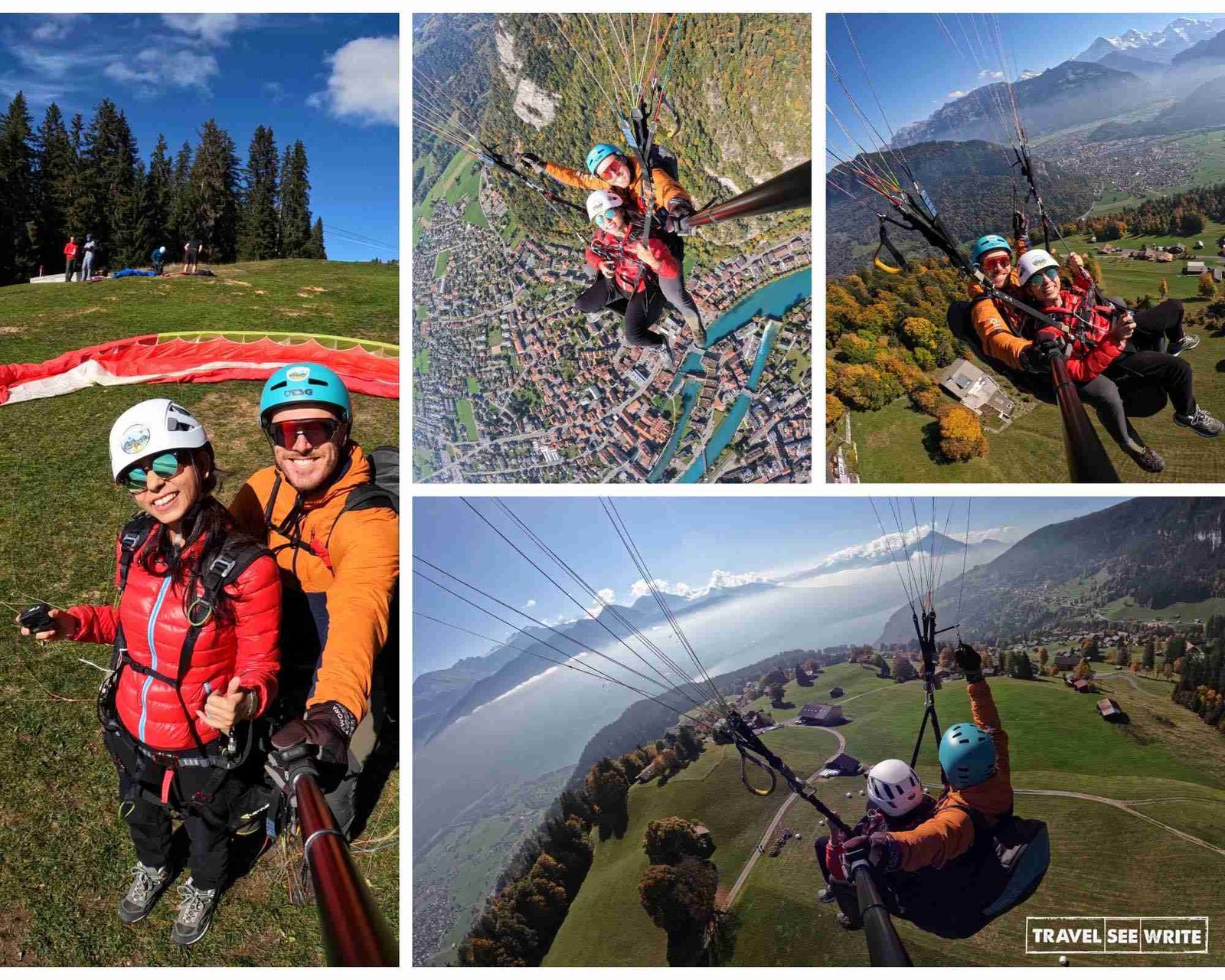
I’ve done paragliding the world over, but if I were to rate paragliding in Interlaken, I would rank it among the top three simply because of the splendid views you get. No wonder it is a bucket list for many.
How much does Paragliding cost in Interlaken?
The cost of a single flight depends on the duration you opt for; it generally ranges between CHF 120-200, and an extra CHF 40 if you want HD videos and photos of your flight.
While traversing in the air during Paragliding, my eyes were glued on the pristine blue lakes, and it seemed as if the dazzling lake was inviting me to ride on it. So, after flying on top of the world, I decided to fly on the water and directly headed to Lake Brienz to experience a Jetboat ride.
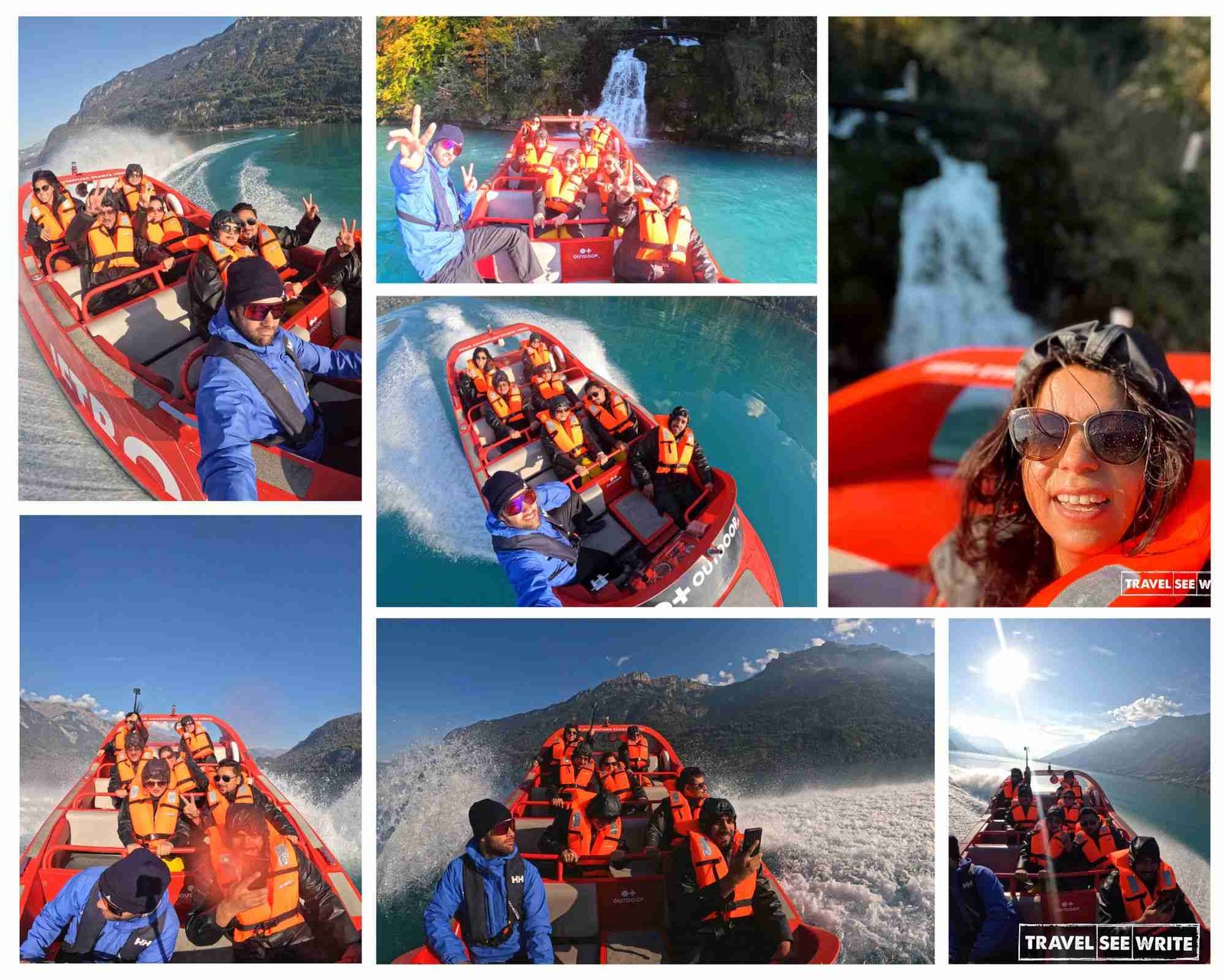
After a short walk to Interlaken Ost from the Paragliding base, I hopped on a bus to reach Bönigen See, where the Jetboat base was. When I booked a 50 minutes jet boat ride, I had no clue what I was signing up for. The jet boat glided at high speeds and sharp 360-degree turns on the turquoise waters of Lake Brienz. This adventure offered a sightseeing experience but with a twist. The swiftness of the ride on the ripples of the lake supplied views in fast-forward with sprays of water caressing you. Thankfully I was provided with wetsuits and helmets. And, the best part, our boat driver doubled up as a photographer and a guide sharing exciting trivia about the lake.
How much does Jetboat ride cost in Interlaken?
One single ticket for an adult costs around CHF 109 and CHF 79 for a child, and they also offer a Family Ticket ( 2 Adults + 2 children) at CHF 333
While returning, instead of catching a bus, I hopped on to a local Cruise Ship on Lake Brienz to witness the remarkable golden hour. Contrasting to the jet speed views I saw in fast-forward motion while on a Jetboat, this felt far more calming and in slo-mo, granting me enough time to cherish the beauty around me. And the setting sun became the icing on the cake.
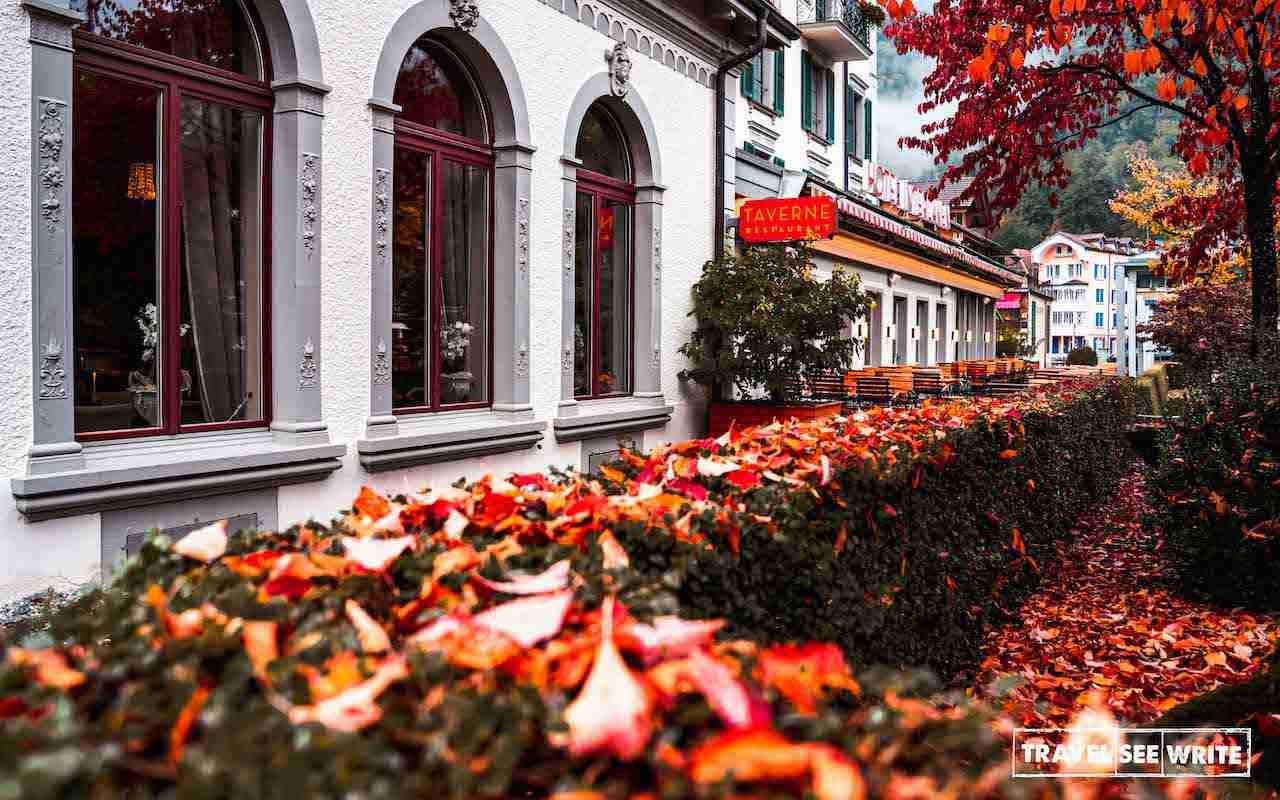
I ended the day with a quiet dinner at Restaurant Taverne. Their pizzas and Swiss Fondue are to die for.
After an adventure-packed first day in Interlaken, my next day’s trip from Interlaken was to Jungfraujoch – Top of Europe following day. It was no doubt one of the highlights of my stay in Interlaken.
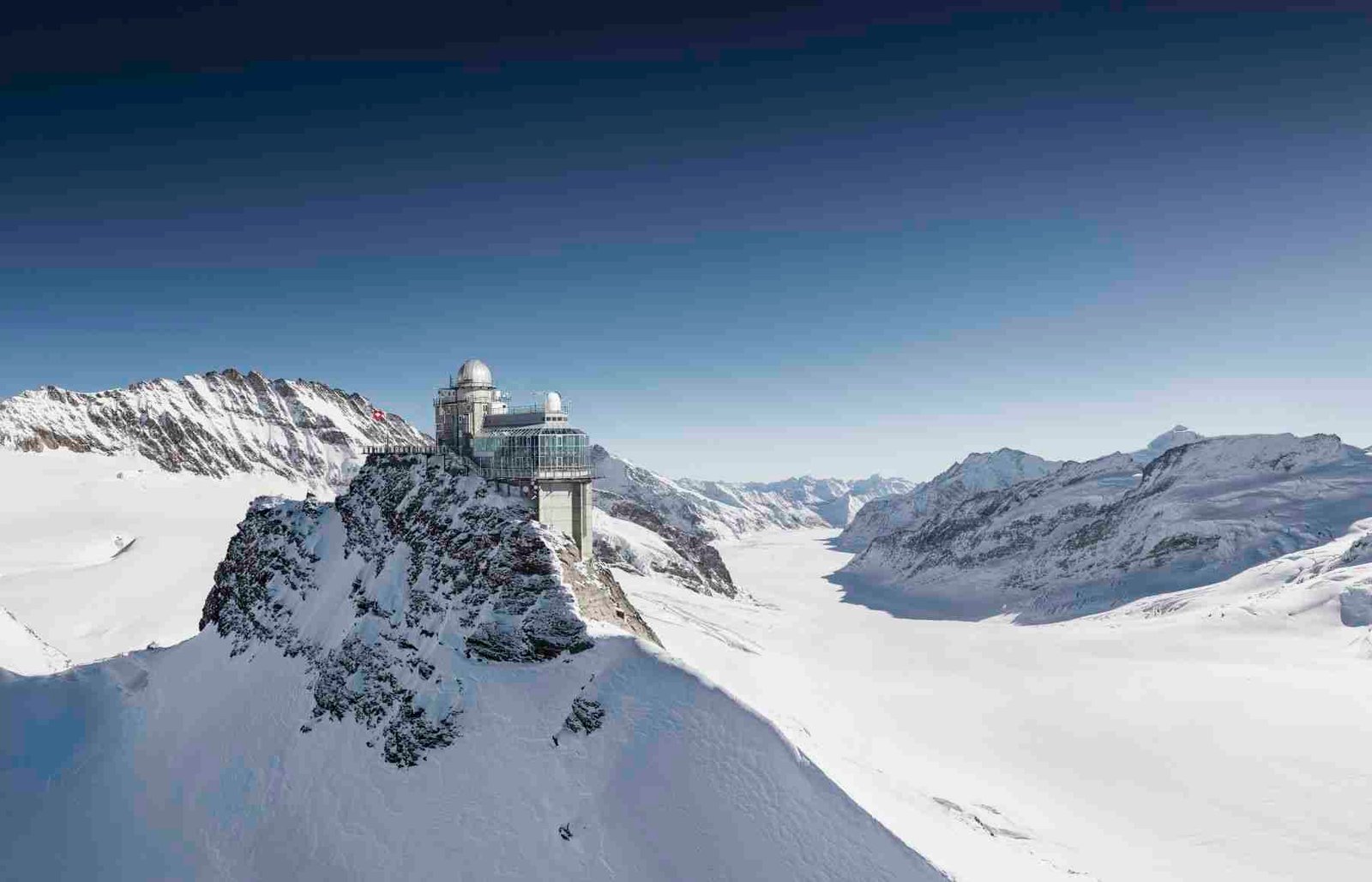
I was ecstatic to visit the highest train station in Europe and witness Jungfraujoch’s alpine wonderland of ice, snow and rock amidst Mountain Mönch and Jungfrau. My tour guide for the day was Ms Erica Mattle, who met me in my hotel Lobby, and together we travelled to Jungfraujoch via a short half-hour train journey from Interlaken to the newly constructed Grindelwald Terminal. We boarded the new Eiger Express triable gondola from there, taking us to Eiger Glacier station in 15 minutes.
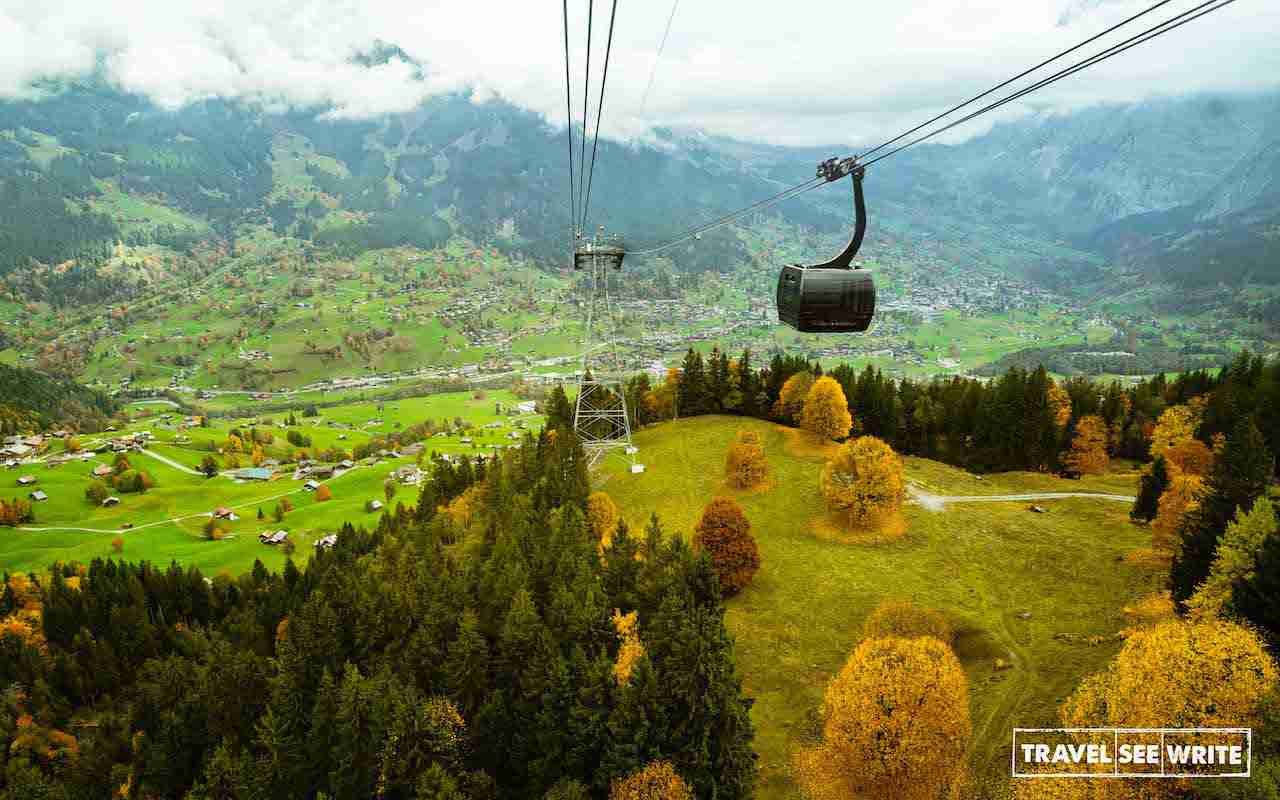
I was brimming with excitement, but the gloomy grey clouds ominously hovering around with snowfall constantly falling from the sky sucked my happiness. I thought the weather gods had ruined my itinerary plan for the day. But Jungfraujoch refused to let me down. Jungfraujoch had a list of activities in store for me to enjoy, even if the weather was unpleasant.
My first visit was to Alpine Sensation, which is 250 metres long passage between Sphinx Hall and Ice Palace. I was welcomed by Frosty winds and a heavy feeling upon witnessing the 30 memorial tablets that displayed the sacrifices of the miners who provided access to Jungfraujoch. The Alpine Shock Experience Hall was built to commemorate the 100th anniversary of the opening of the Jungfrau Railway and opened on April 1, 2012. Here, you can not only watch beautiful ice sculptures but also understand the story behind the iceberg train.


This place is a reminder of that sacrifice and revival of the history of Jungfraubahn and the imagery from the era of early tourism.
Have you ever wondered what an inside of a glacier looks like?
Ice Cave, one of the many attractions at Jungfraujoch, is carved out of Europe’s longest Glacier, which gives you a glimpse of a Glacier from the inside.
The long, crystal-icy corridors took me on a different kind of walking expedition. I plodded on the slippery path to the Ice Sculpture Zoo, where an elegant visual of creative artwork startled me. There was a myriad of colourless sculptures made out of pure ice.

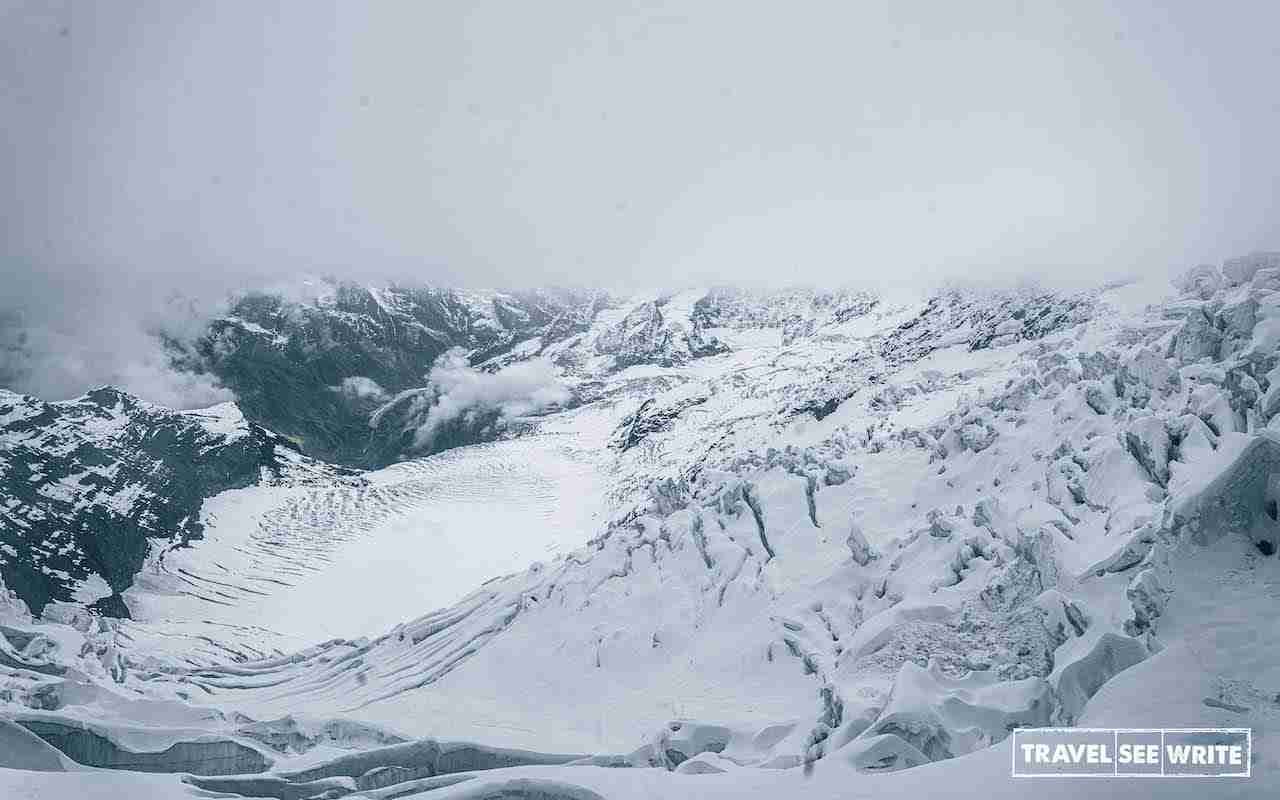
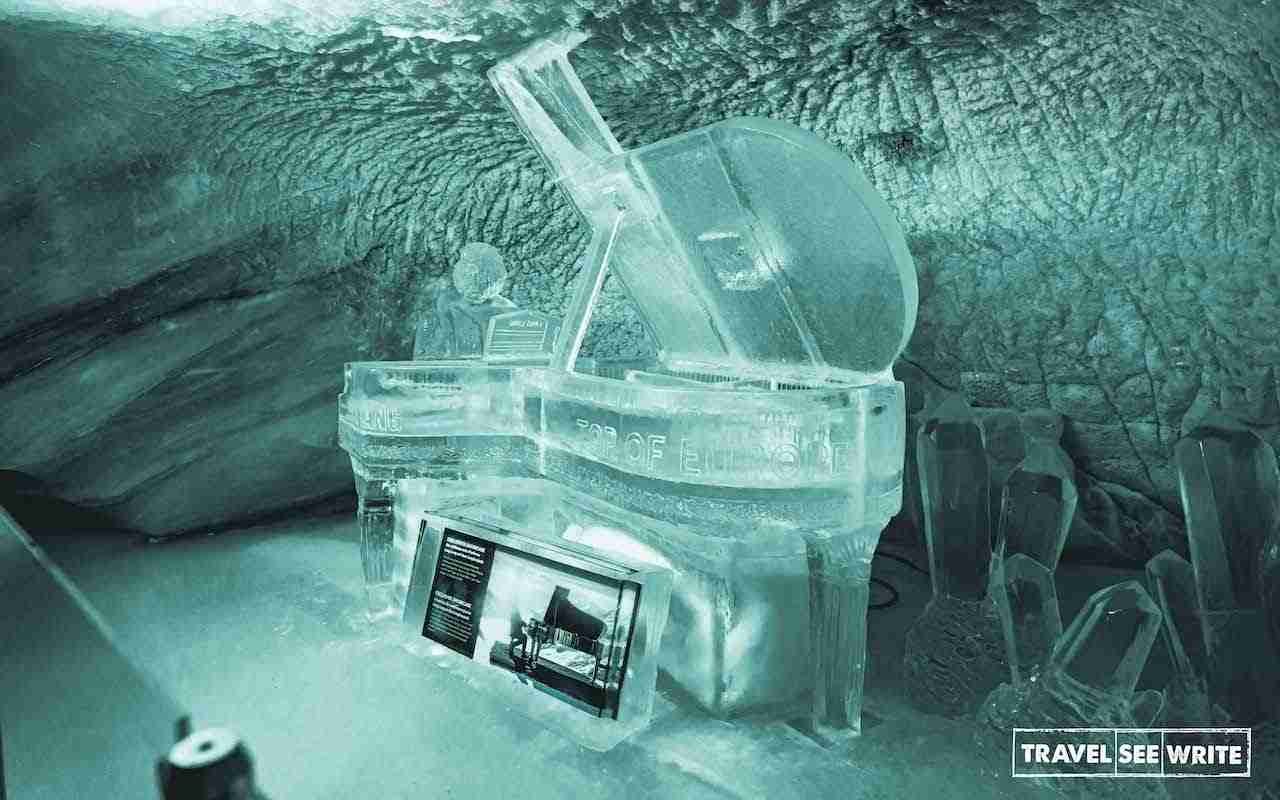
There is no extra charge for Ice Cave; it’s included with the price of your train ticket.
After exploring the insides of a glacier, I stepped on the real snow outside towards my next attraction of the day: The Sphinx Observatory, a high-altitude astronomical observatory in Switzerland is one of the highest observatories in the world. On a clear day, the observatory offers an expansive transcendental vista of snow-adorned Alps, lush valleys, and the Eminent Aletsch Glacier. One can see more than 11,716 feet (3,571M) below from the metal netted terrace that encircles the skyscraper, with panoramas extending as far as Germany and Italy. Unfortunately, the day I went visibility was very poor due to bad weather and snowfall.

Due to the disturbance in weather, My excursion at Jungfraujoch was only limited to sightseeing attractions. Still, Jungfraujoch has numerous adventure activities that quench the thirst of thrill-seekers.
All the adventure sports occur at Snow Fun Park on a layer of stark white snow. You can enjoy a smooth ride on a snow tub, Sledge, Ski and Snowboard on an inclined slope, Hike across the Glacier to the Mönchsjoch Hut, and the most fun activity of all, Snow Fight and activity that brings families together and has the power to wake the sleeping child inside everyone.

Jungfraujoch is also home to Lindt Swiss Chocolate Heaven and many Restaurants (including an Indian-cuisine restaurant) where you can replenish, relax, and prepare for the adventures lined up. At 11,332 feet above sea level, the themed chocolate shop on Jungfraujoch is, up until now, the first and only shop of its kind. In addition, the Master Chocolatiers’ experience next door to the shop offers a fascinating insight into chocolate-making.

Along with the attractions, I got the opportunity to share an unexpected conversation with Ms Erica that granted me an astonishing revelation. Ms Erica was a 70-year youth with energy, enthusiasm and passion, making her look not a day older than 25. Her excited demeanour infused a sense of joy in me. She was beaming with pride when she shared stories about her culture. She talked about her career history through the years. Her first job was as an air hostess. She worked as ground staff, and now at 70, when people usually retire a decade before to enjoy a comfortable life, she continues to work with Jungfraujoch. A story inspired me to live with the same zeal and energy.

I have travelled to different parts of Switzerland, and one thing I found common everywhere in the country is how active the senior generation is. They are always on a hunt for an opportunity to explore their country, and with every discovery, they fall in love a little more.

The last Day trip from Interlaken was dedicated to Grindelwald-First, an adventure hub with more than ten adventure activities under one roof. It is a famous mountain village with aesthetic views of the preserved unspoiled nature. Amidst this eye-pleasing panorama, I experienced some exciting hair-raising adventures, two of which were different variations of zip lining.

My first activity at Grindelwald was First Glider. The First Eagle carried me like prey across the landscape, sweeping me over the mountains.

The next activity was First Flyer, which was an upgraded version of a swing. With my arms starched wide, I embraced the beautiful nature surrounding me while seated in a comfortable chair that swayed through the chilly air.

My last adventure took me on a hike along the walkway fencing the mountain, where I only felt appreciation in my heart for nature. I experienced a gentle nuzzle of nature through arresting views, warm sunshine and cosy winds. Laughter was ringing in the air from the happy hearts of the tourists driving the Mountain carts along the same path. The smiles plastered on their faces were proof that Mountain Cart was an equally fun activity.

This place offers a range of other adventure sports, such as Cliff Walking, Trottibike Scootering, Skiing, First Mountain Carting, hiking to Lake Bachalpsee, and many more.
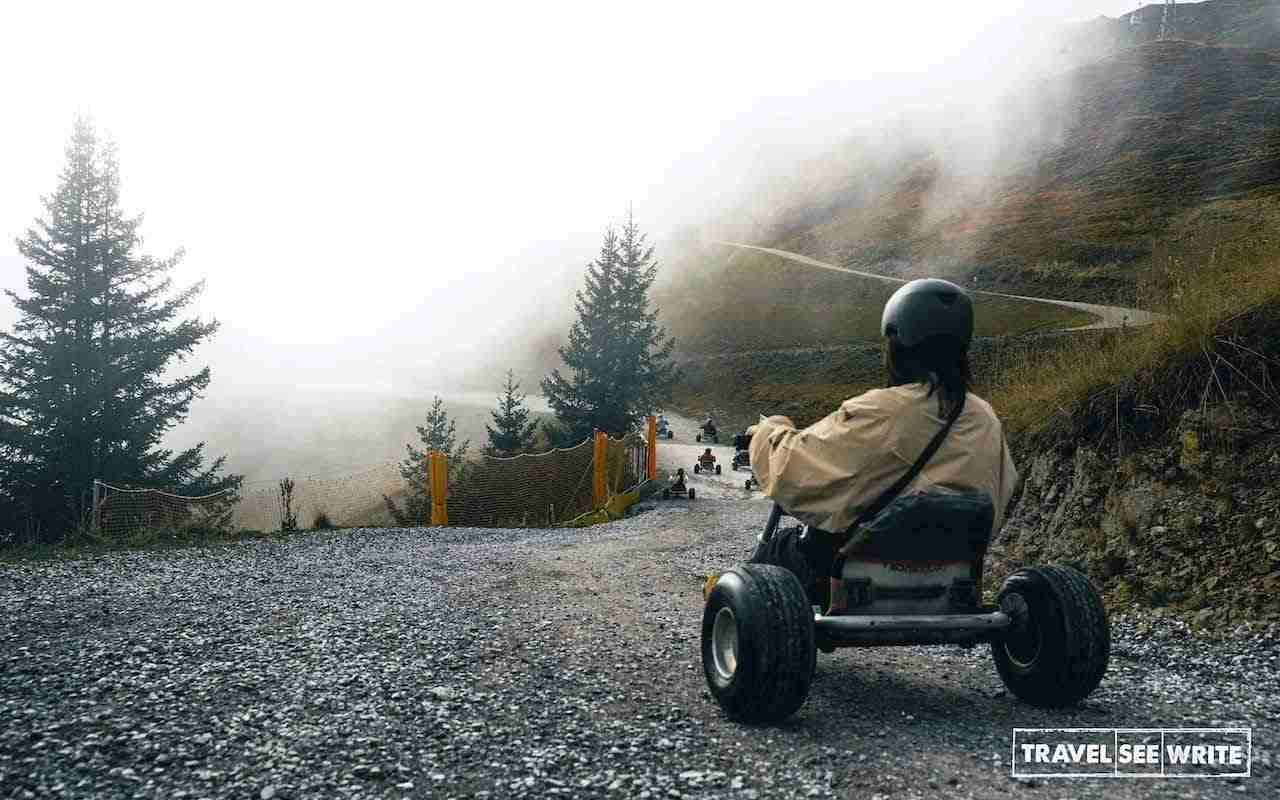
Travel tip: With a Swiss pass, you can get a special price—CHF 50 for any one activity and CHF 79 for any two activities. In contrast, you will have to pay the total cost of CHF 74 and CHF 89 for any two activities.
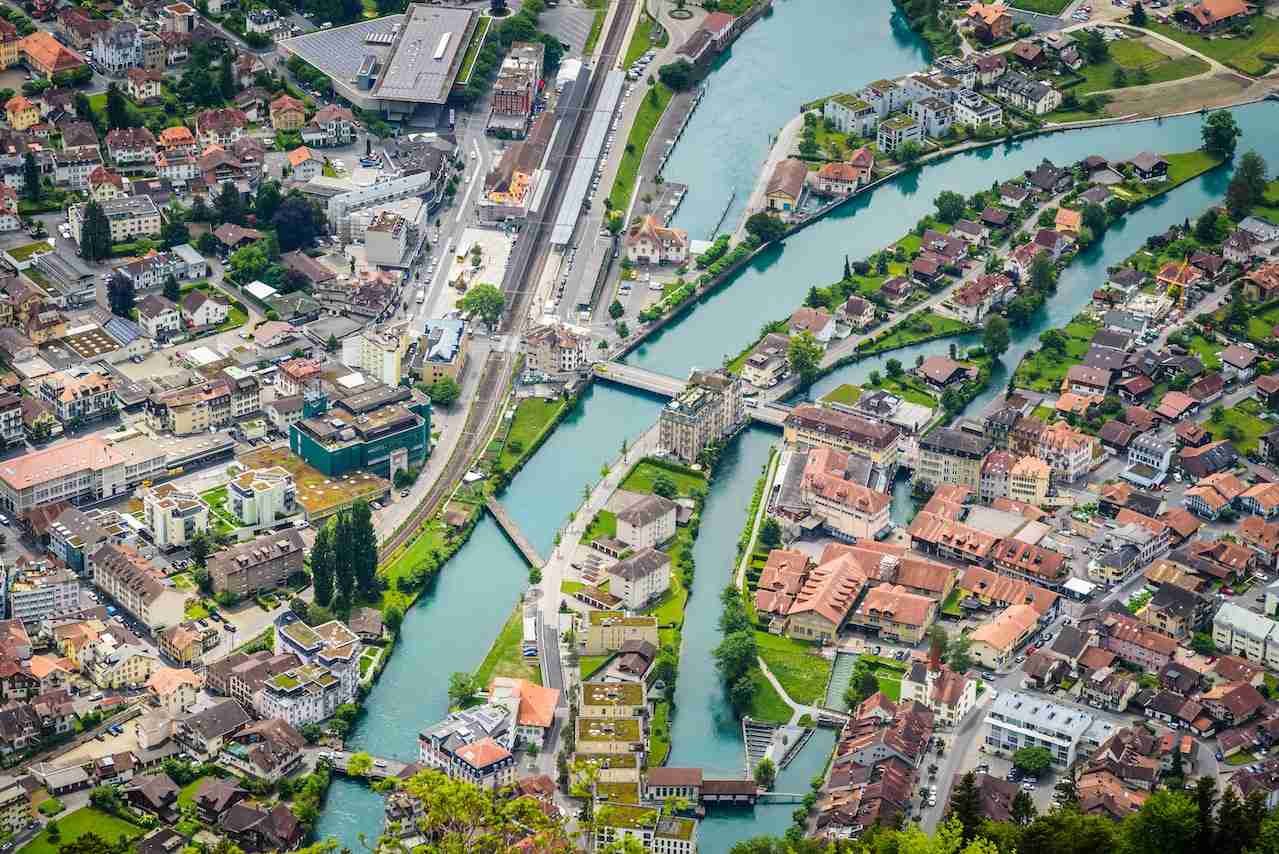
Interlaken is home to Schlosskirche (Castle Church), where both Protestant and Catholic churches stand side by side. The intricate architecture and enchanting interiors make them an unmissable attraction of the city. Schlosskirche, sometimes called Reformierte Schlosskirche or “the reformed church,” is one of the oldest buildings in Interlaken.

Sunset is a tranquil activity that can calm people and make them smile. But when this is enjoyed alongside Lake Thun/ Brienz, the painted picturesque view relaxes the mind, and there is a surge of happy, positive thoughts.
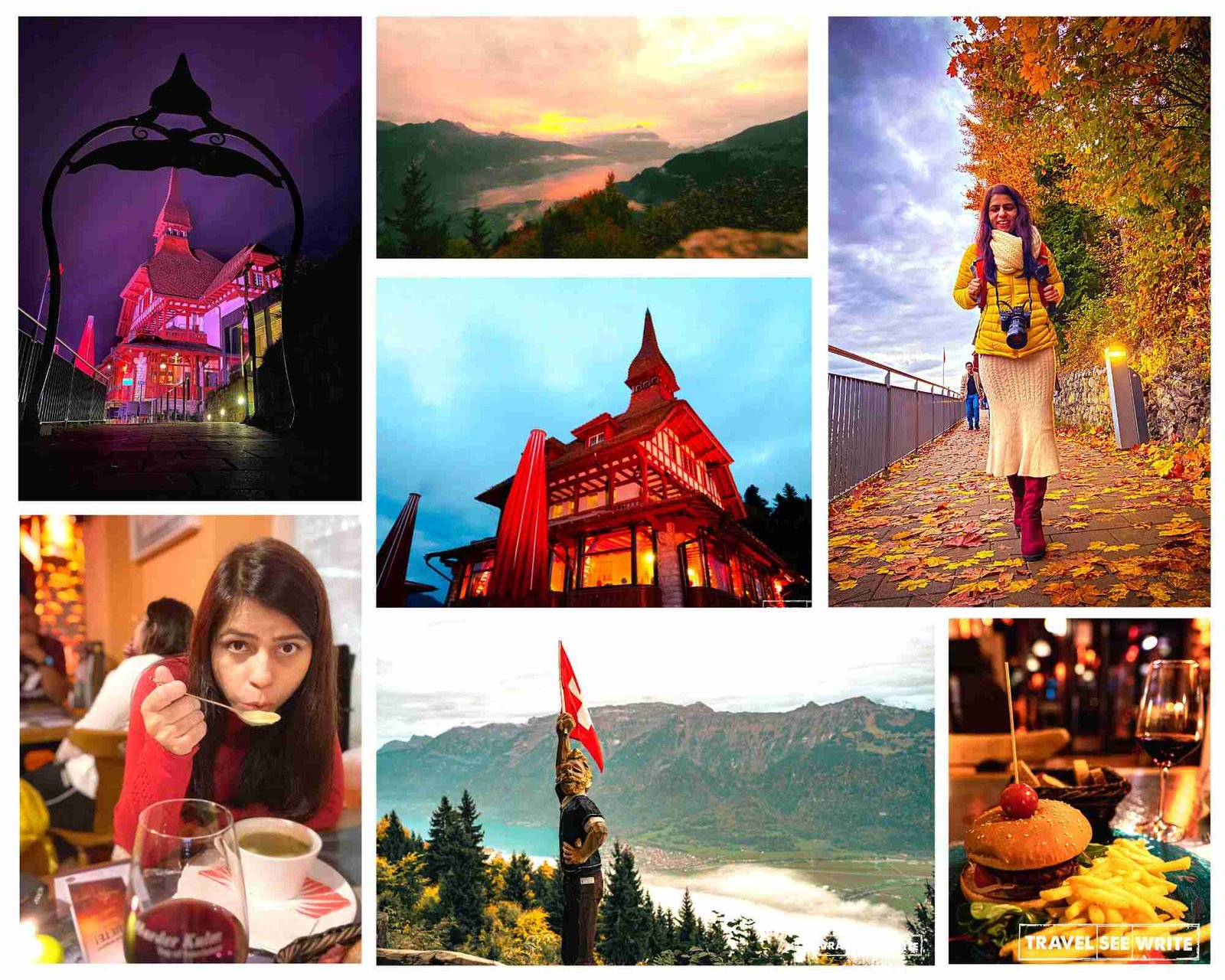
Harder Kulm is a must-visit spot in Interlaken, the topmost point of Interlaken. It stands at 1,322 metres above sea level, looking down upon the divine Lake Thun and Lake Brienz. Harder Kulm also provides an alternate view which oversees the charismatic Eiger, Mönch, and Jungfrau peaks.
Harder Kulm Panorama Restaurant is like a tangible version of Castle. The funicular was my chariot that took me to the castle-like restaurant to relish a flavour-rich dinner. The food served here is both local and international. I loved my burger and Swiss Wine after a long day.
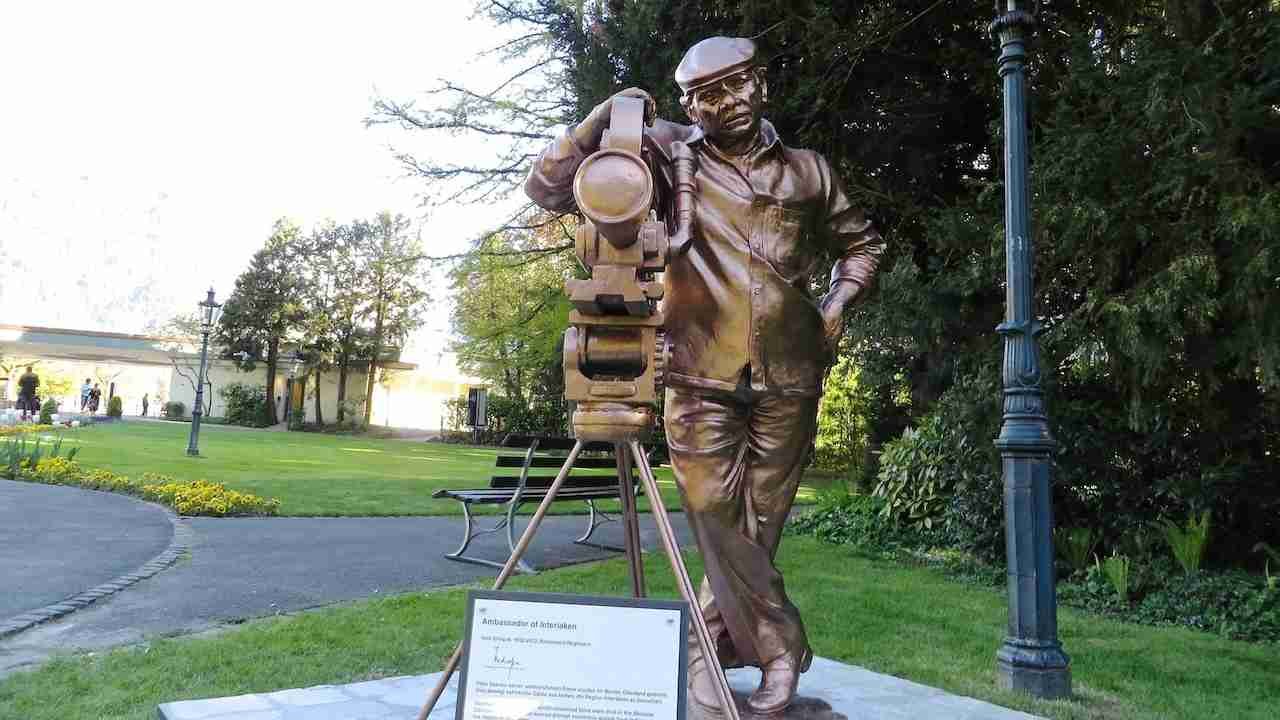
For all the Bollywood fanatics, this next tourist attraction is a special place. Indian Filmmaker Yash Raj Chopra has been honoured with a special statue in Interlaken, Switzerland. You can visit this place and take pictures with the statue of the person responsible for popularising Switzerland amongst Indians. In May 2016, a bronze statue of Yash Chopra was installed by the Switzerland government as a tribute, near the Congress Centre in Interlaken, a popular tourist spot. At the prestigious Victoria-Jungfrau Grand Hotel & Spa, a special deluxe cinema-themed suite is named after Yash Chopra.
The last time I was in Interlaken during peak winters, I attended Lauberhorn ski races, amongst the highest-attended winter sports events in the world that sees over 30,000 attendees. Even though I was just a spectator, miles away from the skiers, my heart thumping increased at every sharp turn they took while whooshing over the snow.
If you are in Interlaken in winter, definitely experience this sport series. You can read more about it here:
Snow, Skiing and Stopover Switzerland in winters

Interlaken is well connected to other parts of Switzerland by road, train, and air. I arrived in Interlaken via a 4-hour-long Swiss Rail journey from Lugano.
Bern Airport is the closest airport to Interlaken. If you are itching to arrive early and enjoy the adventures, you can book flight tickets to Interlaken.
Before entering Adventure City, you can also plan a road trip and experience the beautiful countryside.
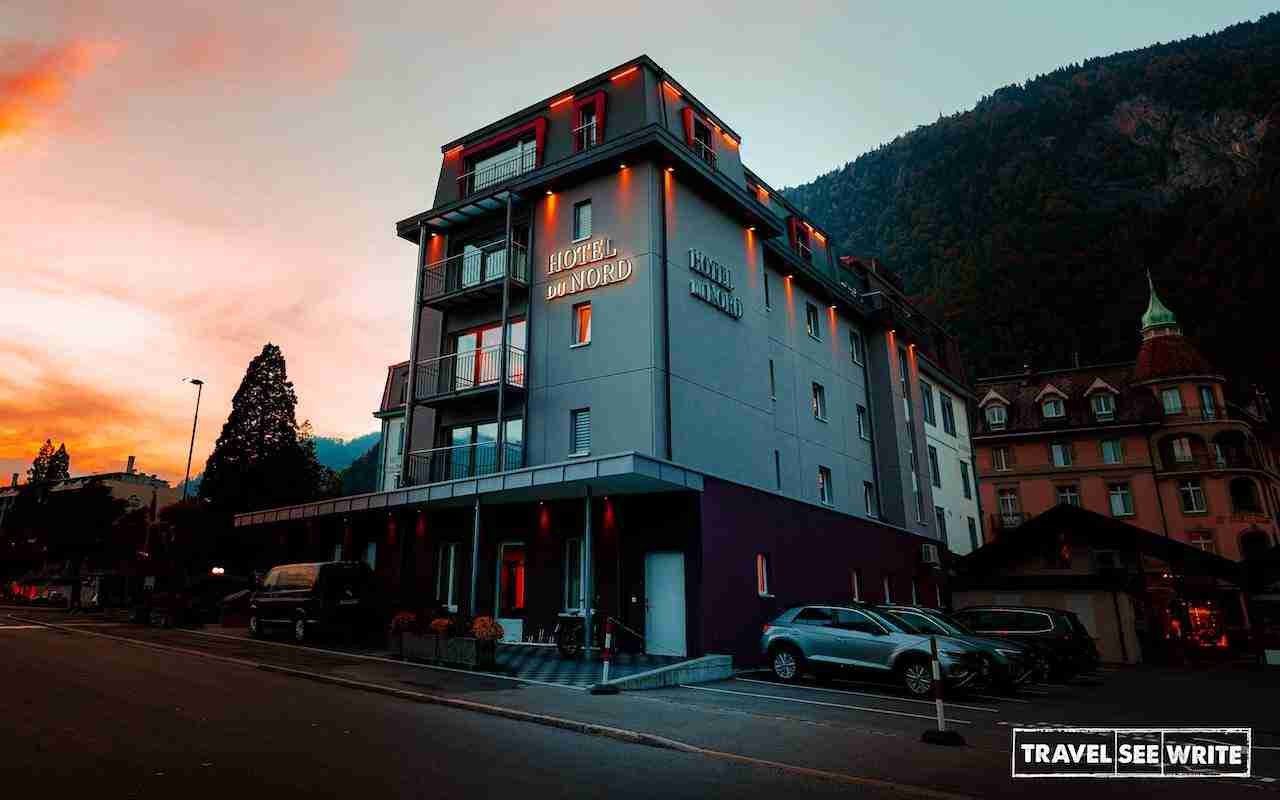
Interlaken has many stay options, from luxury to cheap stays and even Airbnb. I stayed at Hotel Du Nord, Höheweg. The Hotel is located just five minutes from the town’s centre and Interlaken OST (east) station, which is highly convenient and reduces unnecessary travel time. The cost of the stay for a single person at Hotel Du Nord is somewhere around CHF 180-200. You can check more details by writing to info@hotel-dunord.ch or checking their website, www.hotel-dunord.ch
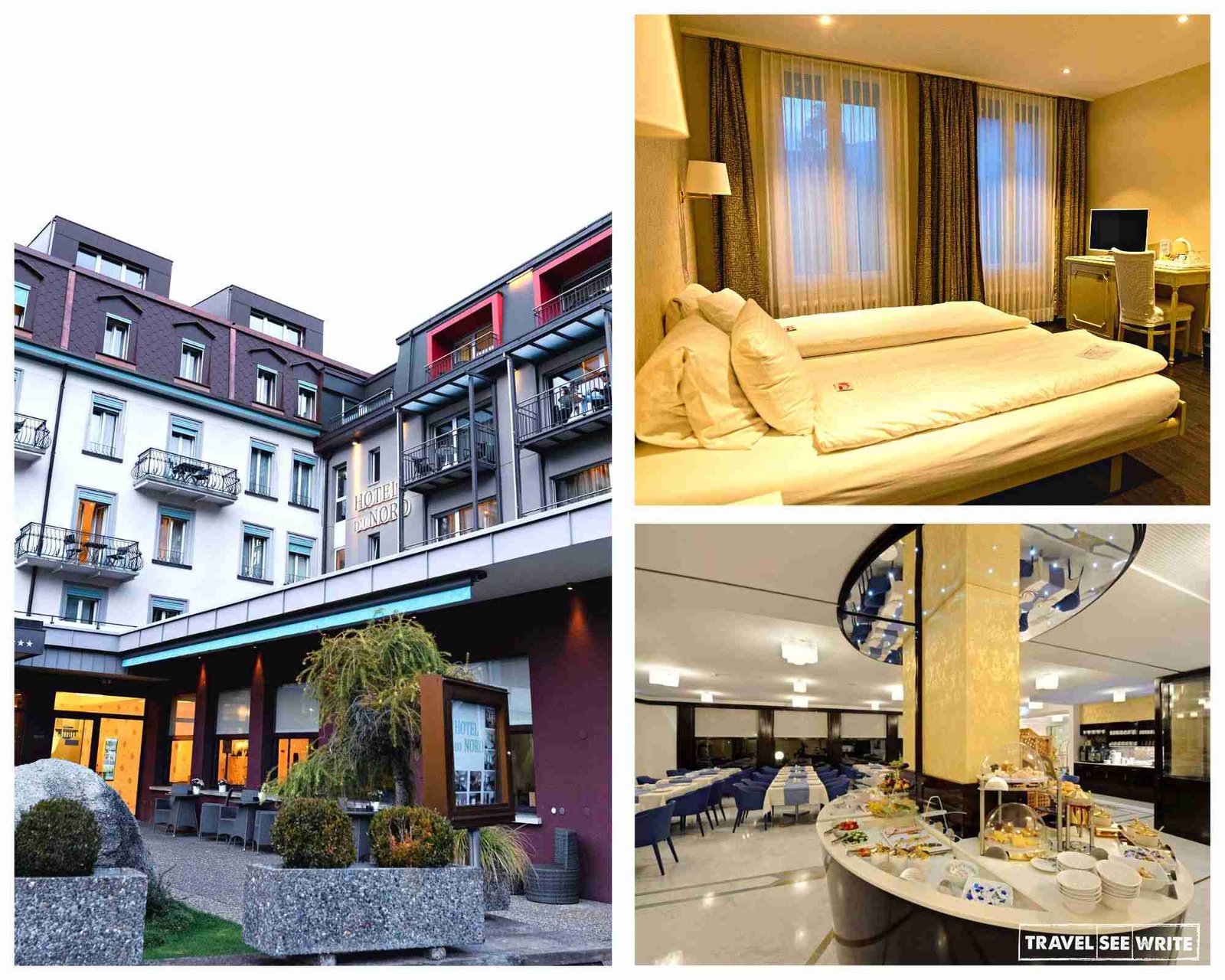
Here is a list of a few hotels that you can check out before you make the booking-
1. Victoria Jungfrau Grand Hotel & Spa–
3. Hotel Royal St Georges Interlaken MGallery
6. SALZANO Hotel – Spa – Restaurant
With the Swiss Travel Pass, you can travel unlimited by Bus, Train and boat.
Getting a Swiss pass makes travel easier, with great complimentary views if you travel by Swiss Rails. This pass allows you to travel in more than 90 cities through public transportation. Mountain excursions to Gigi, Stanserhorn and Stoos are also included in the pass. You can visit more than 500 museums with your pass. While you need to pay separately for Cable cars, with the Swiss Rail pass, you can also avail of up to 50% off on cable car rides that are required for your day trips from Interlaken to Grindelwald, Jungfraujoch, Schilthorn (James Bond Tour), or Lauterbrunnen Valley.
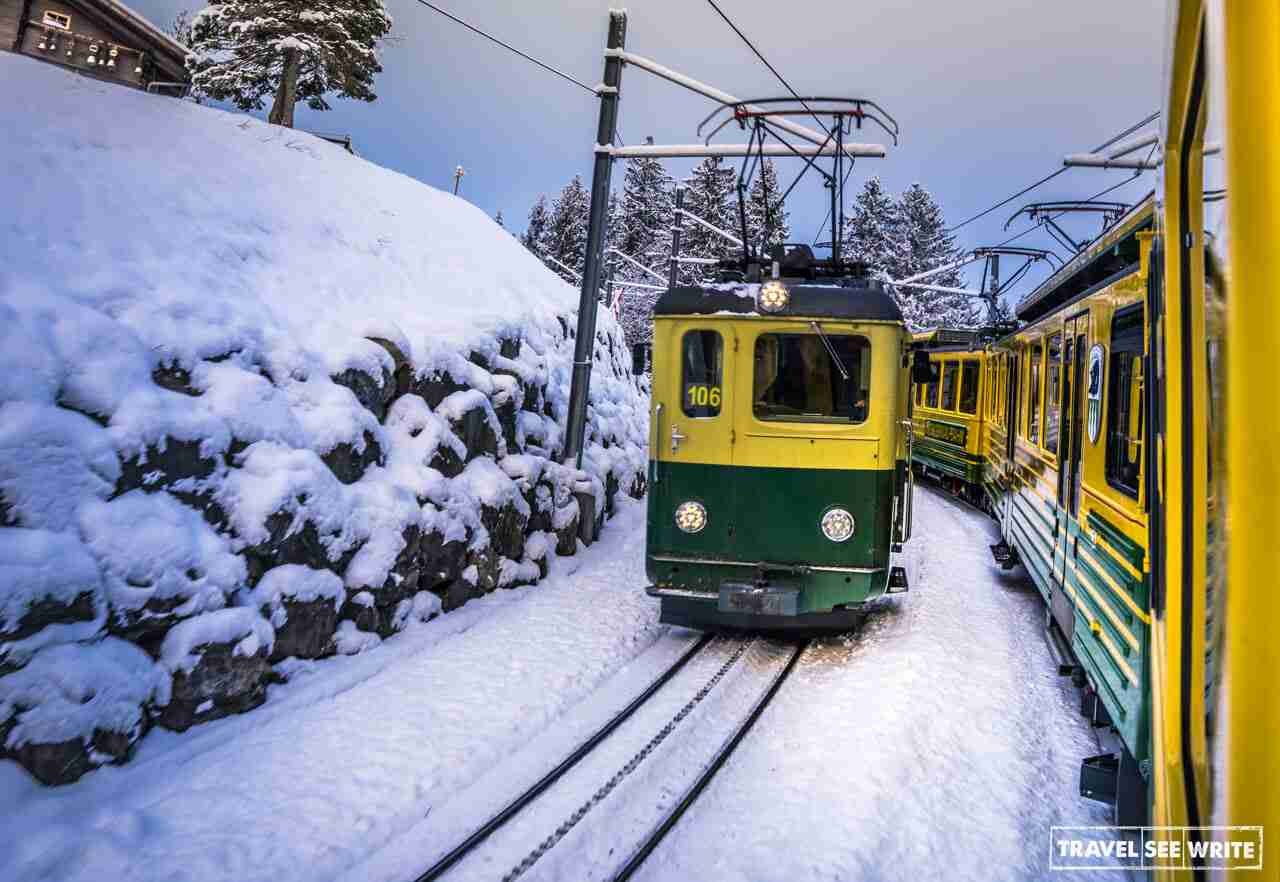
Your travelling will be sorted with the Swiss pass, so don’t forget to purchase it before your trip.
For more details, visit- the Swiss Travel System

Every Indian tourist travelling to Switzerland must have a Schengen Visa. As of June 11, 2024, the cost of a Schengen visa increased from €80 (7,400 INR) to €90 (8,200 INR) for adults and from €40 (3,700 INR) to €45 (4,164 INR) for children aged 6 to 12.
Swiss Franc (CHF), Euros and Credit Cards are accepted in Interlaken. Start your journey with Swiss francs in your wallet so you can jump right into the adventure activities once you reach Interlaken.
Interlaken experiences balmy temperatures from June to September. If the temperature falls at night, you can carry comfortable summery clothes with a light jacket. If you travel to this part of Switzerland in months other than June to September, you must carry jackets, coats, sweaters, warm pants, and socks to keep yourself warm.
One thing you need to carry, irrespective of the month, is a raincoat or a waterproof jacket, as Interlaken is an unexpected city in terms of Rain. The town sees unpredictable rains throughout the year. Also, do carry your winterwear if you plan to take at least a few of the day trips from Interlaken to Grindelwald First, Jungfraujoch, Schilthorn (James Bond Tour), or Lauterbrunnen Valley.
My Itinerary for the adventure city was 3-whole days; a short and crisp trip is apt to explore and experience everything without missing out on anything. In these three days I took the best day trips from Interlaken. If you want to explore more, you can add a few more days.

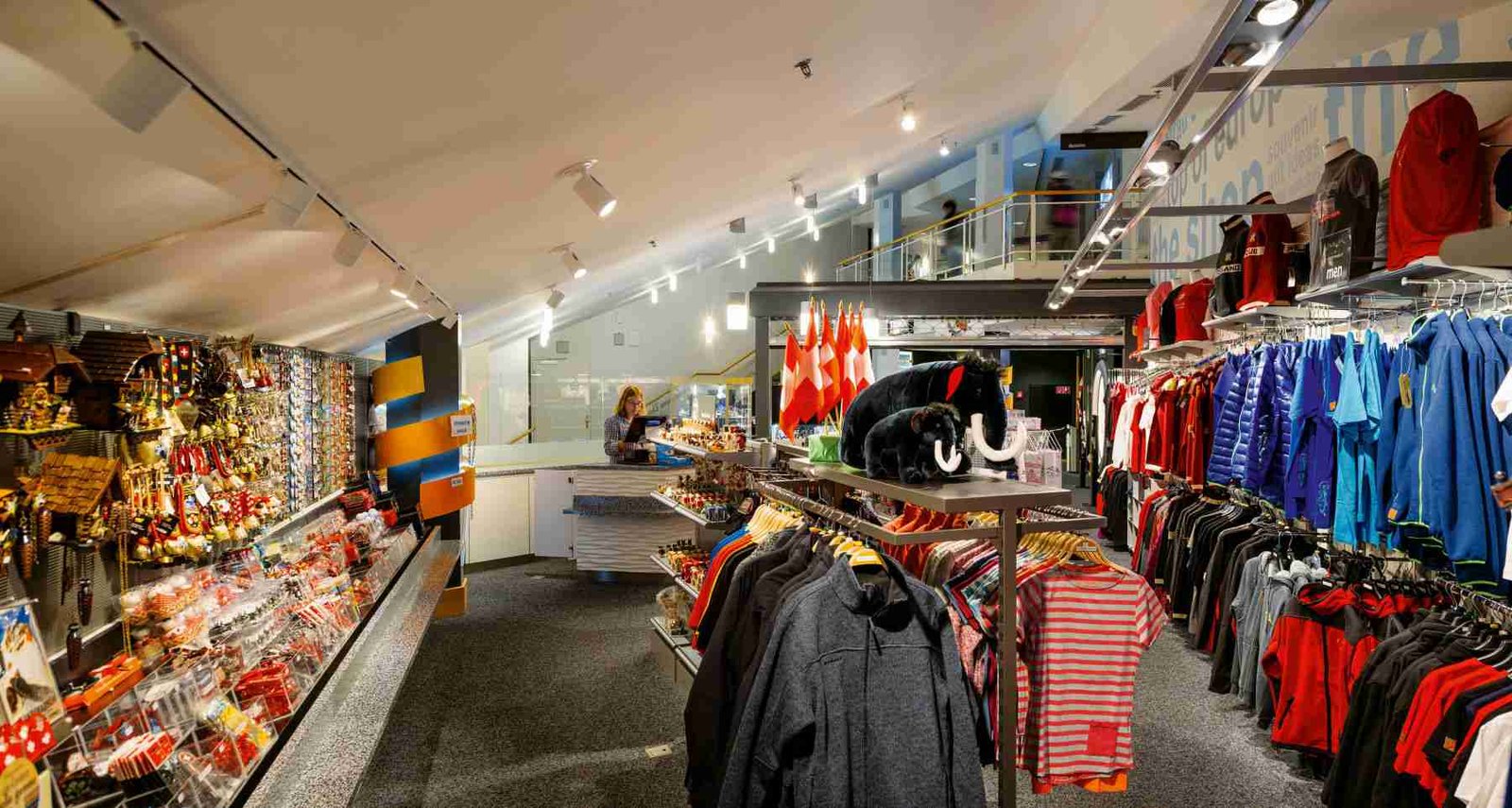
Interlaken is not just famous for its day trips to exotic locations or adventure activities but also for its numerous shopping spots to satisfy ardent shoppers.
At Interlaken, you should try fresh, authentic Swiss foods like Swiss Cheese, chocolate, local dried sausage, fresh beef, quiche Sunday bread, lamb, beef rösti, hazelnut cake, and a lot of other Swiss cakes. And it would be best to try meringues with cream and coffee with some schnapps. This is just a short list of some of the incredible foods of Switzerland.

Since Interlaken is a popular vacation destination, getting a table at a restaurant can be challenging if reservations are not made beforehand. So book tables at restaurants where you wish to enjoy your meal in the city. A full-fledged meal would cost around CHF 30-40 for a single person.
During my several visits to Switzerland and other countries, I have seen that we, the Indian tourists, are a little loud and impatient. And this behaviour doesn’t go too well with the calm Swiss. My tourist guide Priya who is a local, echoed the same sentiments when she shared her and other Swiss locals’ personal experiences of dealing with difficult Indian travellers. Indians are notorious for their soaring impatience level while they are travelling. Swiss people’s personalities are on a parallel tangent where they are highly particular, punctual, and deal patiently. The contrasting personality traits often conflict, creating an annoying situation for the locals.
We must change people’s perceptions worldwide by rebuilding our image, having more patience, and respecting our hosts.
Interlaken has something in store for every traveller. It is a gateway that opens up an adventure world where you can expect adventure activities on three elements of nature – land, water and air. Interlaken is committed to providing adventure junkies with shots of adrenaline pumps and stunning sights for beginners who are new to adventure; Interlaken introduces them to low-intensity adventures to familiarise them with the realm and ignite a fire of thrill-seeking in them.
So, what are you waiting for? Plan your trip to Interlaken today. I hope you found this travel guide useful and will use it to plan at least a few day trips from Interlaken. Please share your feedback in the comment section below.
Zermatt- Home of the Majestic Matterhorn
Switzerland Tourism invited me to explore Interlaken. Everything expressed above is based on my personal exp[erienjces in the country. Please don’t copy or use any content (pictures or text) without my permission.

The democratisation of travel and the trend of ticking off bucket lists have made all of us Ibn Battuta. Looking to visit the most exotic, most Instagramable places on Earth, we religiously collect immigration stamps on our passports. Expectedly, most of us never want to revisit the same destination simply because there is so much to see in the world, and we have little money and time in hand, so why would we want to revisit the same place we’ve already seen?
I used to think this way, too, until circumstances required me to return to destinations I’d already visited — and these trips turned out to be some of the best trips of my life. I met locals who became BFFs. And one such friend is Boris Luca, who works with the Tourism Board of Plitvice Lakes National Park. Boris is so good that adjectives fall short of describing him. He is one of the most selfless, hardworking, caring and OG when it comes to being cool. And, on top of that, he has a killer sense of humour. Because of my excellent experience with Boris in 2018, I couldn’t help but plan a second trip again to Plitvice Lakes in 2023. You can read all about my 2018 trip here. And, for Boris, I must dedicate an entire blog or book. Even then, I might not be able to do justice to his goodness.
Returning to Plitvice, you must live under the rock if you have yet to hear about this place. Plitvice Lakes National Park is like a Hypermarket of waterfalls and lakes in Croatia – 16 cascading lakes and more than 90 waterfalls – making it one of Croatia’s most popular tourist destinations. Every year the Park (which has a mere population of 4000) attracts approximately 2 million visitors. As per the official records, the Plitvice National Park received 1.9 million tourists in 2022, which is way higher when you compare it with places like Zagreb and Dubrovnik, where One million visitors come every year. The Plitvice Park is known for its stunning natural beauty, cascading waterfalls, crystal-clear lakes, and lush green forests.
The Park is home to 16 interconnected lakes that cascade into one another through a series of waterfalls and cascades. The Park is divided into two main sections: Upper and Lower Lakes. The 12 Upper Lakes are known for their clear blue-green waters, and the 4 Lower Lakes for their dramatic waterfalls. The upper Lakes comprise 12 lakes separated by tufa barriers created 6000-7000 years ago. The wooden walkways that connect the lakes offer stunning views of the surrounding landscape. Besides hiking the lakes, I took a boat ride to enjoy the Park’s flora and fauna from Kozjak Lake, the largest and deepest lake in the Plitvice Lakes system.
While the Park is undoubtedly a must-visit during the summer, it’s worth noting that each season brings its unique charm to the area.
With its ever-changing scenery and unique attractions, the Park offers a different experience each season, from the stunning fall foliage to the serene winter landscape, the vibrant spring colours, and the bustling summer beauty. In this blog post, I will take you on a surreal journey through the changing faces of Plitvice Lakes National Park, exploring the Park’s diverse and captivating landscapes during each season.
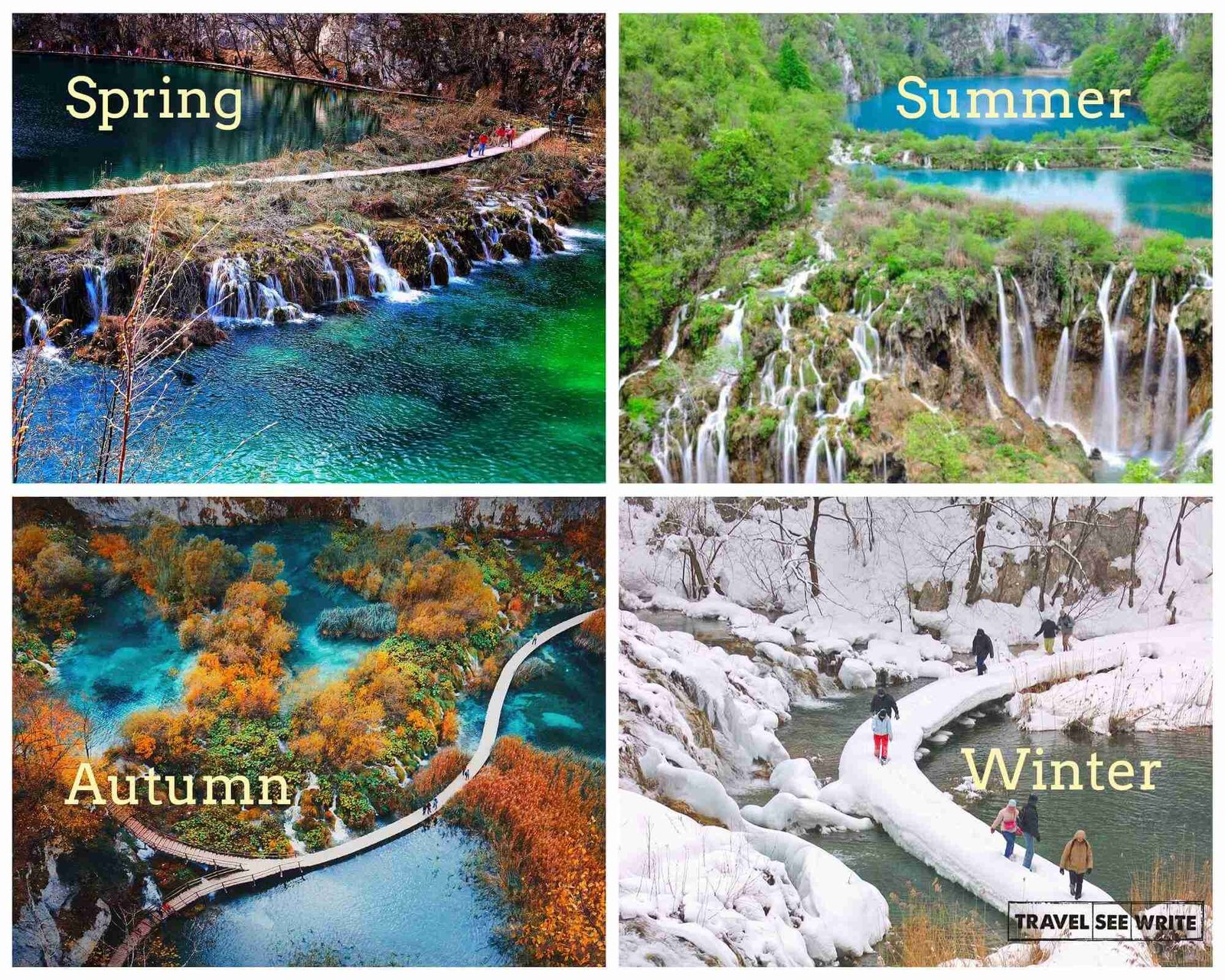
As Spring arrives, Plitvice Lakes National Park bursts into life with blooming flowers and rejuvenated foliage. The lakes and waterfalls are replenished with the melting snow, creating a symphony of flowing water and vibrant colours. The Park comes alive with birds chirping and the air filled with the fragrance of fresh blooms. The trails are lined with carpets of wildflowers, and the trees are adorned with fresh green leaves, creating a refreshing and invigorating ambience. Spring is a time of renewal in Plitvice Lakes National Park, where nature’s beauty unfolds in all its glory, making it a perfect season for nature enthusiasts and photographers to capture the Park’s exquisite charm. Spring had just knocked on the door at Plitvice Lake when I arrived to say hello for the second time. Unfortunately, the snow was still present in March when I visited, so Upper Lakes were closed until 31st March.
Plitvice Lakes National Park is at its busiest as summer arrives, and it’s easy to see why. With the sun shining brightly, the lush vegetation is in full bloom, and the Park’s lakes and waterfalls flow at their peak. The Park’s vibrant colours are on full display, with shades of green, blue, and turquoise blending in perfect harmony. The trails are abuzz with visitors, and the Park’s natural wonders are a sight to behold. Summer offers excellent outdoor activities, such as hiking and boating, allowing visitors to fully immerse themselves in the Park’s beauty. Despite the increased footfall, Plitvice Lakes National Park retains its allure, with its pristine nature and awe-inspiring landscapes continuing to captivate visitors during the vibrant summer season. My first trip to Plitvice National Park was in the Summer of 2018. I spent three days in the Park, where not only did I spend ample time in the Park, but I also got a chance to try out many offbeat adventures outside the Park that are otherwise unavailable in the lean season, such as white water rafting, kayaking, ziplining, horse riding among a score of other activities.
As autumn arrives, Plitvice Lakes National Park transforms into a painter’s palette, with the foliage of deciduous trees adorning the landscape with a riot of colours. The Park’s lush greenery turns into a mesmerising symphony of red, orange, and golden hues, creating a stunning contrast against the emerald lakes and cascading waterfalls. The trails meander through the Park, surrounded by a canopy of trees draped in a medley of fall colours, providing a picture-perfect backdrop for leisurely strolls and scenic hikes. The sound of leaves rustling underfoot and the crispness in the air add to the magical ambience of this season, making it a favourite time for photographers and nature lovers alike. Autumn is a great time to visit if you crave peaceful escapes as the crowds thin out. This season is perfect for hiking and exploring the area’s hidden gems.
Plitvice Lakes National Park transforms into a snowglobe-like winter wonderland as winter arrives. The Park’s lakes, waterfalls, and streams freeze over, creating a captivating landscape of icy formations. The trees and vegetation are dusted with snow, creating a postcard-perfect winter scene. The frozen lakes and waterfalls glisten in the sunlight, and the quietness of the Park adds to the tranquillity of the surroundings. Winter also offers unique activities, such as snowshoeing and cross-country skiing or simply walking on snow-covered paths. Thus allowing visitors to experience the Park in a whole new light. The most striking feature is when the Park’s waterfalls freeze over, creating a magical winter wonderland perfect for photography. The winter wonderland of Plitvice Lakes National Park is a sight to behold, offering a serene and peaceful ambience for those seeking a tranquil escape from their busy everyday life.
Whether you choose to visit during the fall, winter, Spring, or summer, Plitvice Lakes National Park is sure to leave you awe-inspired with its breathtaking scenery and unique attractions in every season.
The entrance fee for Plitvice Lakes National Park varies depending on the season. During the high season (July to September), the ticket price is approximately 40 USD for adults. During the low season (January to March and November to December), the ticket price is around 10 USD for adults. Children under seven can enter the Park for free, and there are discounts for students, seniors, and families. It’s important to note that tickets can only be purchased online or at the Park’s entrance.
Plitvice Lakes National Park opens at 8 am and closes at 6 pm. Below are the opening hours 365 days:
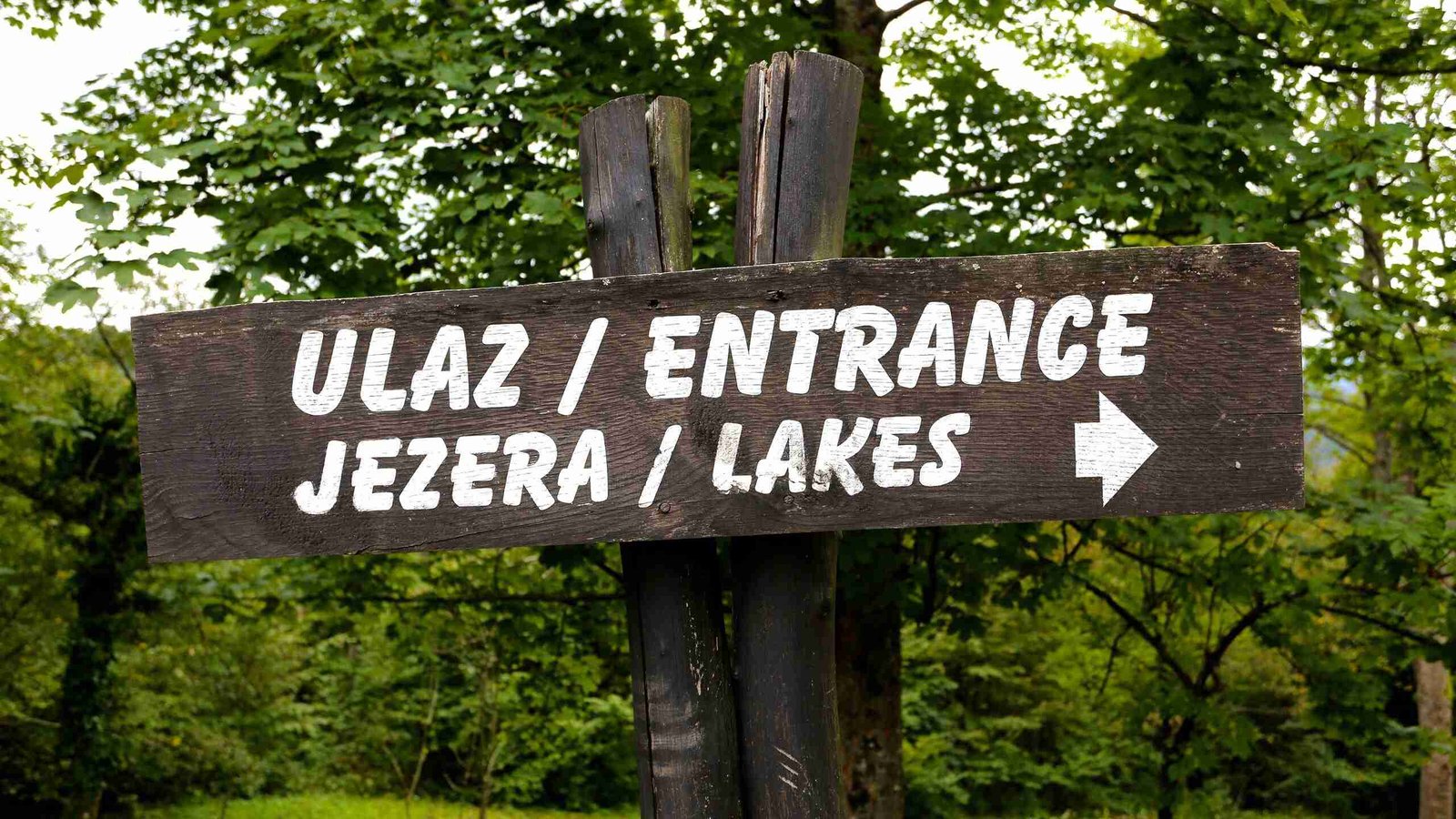
There are two main entrance gates to Plitvice Lakes National Park, Entrance 1 and Entrance 2. Entrance 1 is near the main hotels and parking lot, while Entrance 2 is on the other side of the Park. Both entrances offer access to the circular route, but Entrance 2 is closer to the K route. Additionally, there is a third entrance, called the “Florijanovac” entrance, which is only open during the high season and provides access to a small section of the Park.
To facilitate hassle-free movement of visitors through the lake zone, the Plitvicka Jezera National Park is divided into eight routes. Visitors entering the Park from Entrance 1 can choose between four routes marked in green (A, B, C, K) on the info panels, and the visitors entering the Park at Entrance 2 can choose from four routes marked in orange (E, F, H, K).


You can take different routes through the Park depending on how much time you have in hand and what you want to see. The best and most popular route is the circular route that takes you around the Upper and Lower Lakes, but you can also take several other shorter and longer routes. There are Shuttle buses every 20 minutes and designated park areas for people who prefer walking less.
This circular route is the most popular. It starts at the north entrance (Entrance 1) and takes you around the Upper Lakes and down to the Lower Lakes. Along the way, you’ll admire the “Great Waterfall” – the largest waterfall in the Plitvice Lakes of Croatia. The path leads upstream, through the “Lower Lakes” canyon, along the lakes “Novakovića Brod”, “Kaluđerovac”, “Gavanovac” and “Milanovac”, to a point at “Kozjak Bridge” where the trail begins to ascend towards the eastern side of the canyon. From this part, you return to the starting point (Entrance 1).
The B route starts at the Park’s north entrance (Entrance 1). Sightseeing is circular and includes a walk through the limestone canyon of the “Lower Lakes”, an electric-boat ride across the largest of the Plitvice lakes – Lake “Kozjak”, a panoramic train ride, and a walk along the top of the canyon’s east side back to starting point at “Entrance 1”. You will also see the impressive “Great Waterfall” and the “Sastavci” waterfalls, the beautiful dark blue lakes of “Novakovića Brod”, “Kaluđerovac”, “Gavanovac” and “Milanovac”, as well as the vastness of Lake Kozjak.
Starting point is at the Park’s north entrance (Entrance 1). Sightseeing is circular and includes the Lower and Upper Lakes area and a combination of walks and electric-boat rides. The return to the starting point will be mainly by panoramic train. Enjoy the beauty of the largest and most attractive waterfalls (“Great Waterfall”, “Veliki Prštavac”, and “Mali Prštavac”) and countless smaller waterfalls, as well as the lakes.
The E program starts at the south entrance (Entrance 2). The tour is circular and majorly explores the “Upper Lake” section, and includes a short boat ride across “Kozjak Lake” and a walk upstream to “Lake Prošćansko”. There’s a sightseeing train to return to the starting point. Experience the “Upper Lakes “magic tranquillity and vastness with their wooded shores, admirable “Great and Small Prštavci “falls, and countless smaller waterfalls.
The F route starts at the Park’s south entrance (Entrance 2). After a short walk and electric-boat ride across Lake Kozjak, the tour will take you through the limestone canyon of the Lower Lakes to the “Great Waterfall”. From the “Great Waterfall” to the train station, there is a steep serpentine leading to the canyon’s east side, where numerous viewpoints offer spectacular views of the crystal-clear, dark blue lakes and adjoining high cliffs. Return to the starting point by panoramic train. Sightseeing is circular.
The H route starts at the Park’s south entrance (Entrance 2). After a short walk and panoramic train ride, you will continue on foot along the Upper Lakes, take a boat ride across Lake Kozjak, and walk through the Lower Lakes canyon to the “Great Waterfall” along the top of the canyon’s east side, and again take a ride on the panoramic train. This circular program lets you enjoy the beauty of the Park’s entire lake area.
Starts at the north entrance (Entrance 1). This walking tour allows you to explore the whole lakes section of the Park. The time includes the “Great Fall “, a walk through the “Lower Lakes “canyon and on, alongside the western shore of “Lake Kozjak “, where the trail leads towards the “Stubica “elevation. A gazebo, “Tomićevo pogledalo”, offers a magnificent view of “Lake Ciginovac “and the vastness of “Lake Prošćansko “. On your return, you will enjoy a walk alongside the beautiful “Upper Lakes “and the east shore of “Lake Kozjak “, which is reached by a short electric boat ride. The last part of the tour consists of walking above the east shore of the Lower Lakes and back to the starting point (Entrance 1).
The K route starts at the south entrance (Entrance 2) and allows you to explore the whole lakes section of the Park. The tour includes a walk along the east shore of Lake Kozjak and continues above the east side of the “Lower Lakes “canyon, leading to the “Great Fall “. The walk continues upstream through the canyon and along the west shore of the Kozjak Lake, where the trail leads towards the Stubica elevation. A gazebo, “Tomićevo Pogledalo”, offers a magnificent view of “Lake Ciginovac “and the vastness of the “Prošćansko Lake “. On your return, you will enjoy walking alongside the beautiful “Upper Lakes “and the east shore of “Lake Kozjak “, which is reached by a short electric boat ride. The tour ends at the starting point (Entrance 2).
In conclusion, there are several different routes to explore in Plitvice Lakes National Park, each offering unique views and experiences. Whether you want to take a leisurely walk around the lakes or explore some of the Park’s less-visited areas, there’s a route for everyone. And remember to take a boat ride across Kozjak Lake to truly appreciate the Park’s stunning beauty.
While most visitors make a day trip to Plitvice from Zagreb, I highly recommend you spend at least two nights in the Park to experience the various offbeat adventures the Park has to offer. There are several accommodation options in and around Plitvice Lakes National Park. The Park has two hotels, Hotel Jezero and Hotel Plitvice, and several campsites. I’ve stayed at Hotel Jazero twice. The biggest plus of this four-star property in Plitvice Lake National Park is its biggest plus. With 210 rooms and 19 apartments, the hotel provides good service in a peaceful environment within an affordable budget. The hotel includes a 400-seat restaurant, lobby bar and cafe, and fitness hall, and the hotel complex consists of a range of sports and recreation activities. The rooms are spacious, and the staff is accommodating. However, the food could be better. Hotel Plitvice, too, is located in the heart of the Park and has 51 rooms constructed in the mid-1950s by renowned Croatian architect Marijan Haberle. At that time, it was the first A-category hotel in Croatia, and even today, it is considered one of the best architectural designs among public buildings in Croatian architecture.
Another hotel you can try is the newly built Lyra Hotel Plitvice, 15 min (15.4 km) from the National Park. Besides these hotels, several private apartments and guesthouses are there in nearby villages, such as Mukinje, Seliste Dreznicko, and Rakovica. If you prefer a more luxurious experience, several high-end villas and resorts are also in the area.
Several restaurants and cafes in Plitvice Lakes National Park offer a range of food options, from traditional Croatian dishes to international cuisine. I recommend trying out Bistro Vila Bita at Korenica, a local farm-to-the-table restaurant serving local and international cuisine. We had cevapcici with kajmak and vegetarian Hunters Pizza. The food was so delicious and full of flavours that my mouth still waters when I think about it. And the desserts were outstanding. We tried their famous baklava and palatine with basa cheese. Our server Richard was a superb host who ensured we ate the best food in the town.
While we couldn’t sample all the local foods, some of the most popular dishes to try in Croatia, include cevapi (grilled meat), pesticide (beef stew), and sarma (stuffed cabbage rolls). Additionally, several snack bars and ice cream shops throughout the Park are perfect for a quick refreshment during your visit. And, if you get a chance, try out the feather-light soft mouth-melting Višnja, and Breskva – sir – višnja among other cakes from Plitvicka Strudla.
And don’t forget to try Rakija (local homemade brandy).

In conclusion, Plitvice Lakes National Park is a stunning natural wonder worth visiting anytime. With its cascading waterfalls, crystal clear lakes, and lush green forests, it’s easy to see why it’s one of Croatia’s most popular tourist destinations. Whether you’re interested in hiking, wildlife watching, or simply taking in the views, there’s something for everyone at the Park. So why not plan your visit today and experience the beauty of Plitvice Lakes National Park for yourself?
Apart from visiting the Park, there are several other activities and places to explore around Plitvice Lakes National Park.
This abandoned airbase is located about 30 kilometres (15 minutes) from the breathtaking Plitvice Lakes National Park, tucked under Plješevica Mountain on the border of Croatia and Bosnia. Said to be Europe’s largest abandoned military airbase, it is a perfect place for history buffs and those interested in exploring abandoned buildings. It was a top-secret underground complex located near. Built at a whopping cost of 6 billion USD, it was the most expensive airbase in Europe. Only to be destroyed deliberately during the Yugoslav War to prevent the enemies from using it.
The #ŽeljavaAirbase was an engineering and technology marvel having five runways, 4 Entrances, 3.5 km Tunnels, and parking space for 60 MiG-21 that could take off in 2 mins from the airbase. Most importantly, it was nuclear explosion-proof. In case of a nuclear attack, the base had sufficient means to operate autonomously for 30 days with 1,000 people.
At the entrance of this jaw-dropping site lies an old Douglas C-47 “Dakota” aircraft, frozen in time since May 1992 when it made its last landing.

It was my second time in a Lego-sized town called Gospic, about 60 kilometres from Plitvice Lakes National Park. It’s home to several museums, including the Nikola Tesla Museum at Samjlan, which showcases the life and work of the most talented inventor of history. The museum is the birthplace of the greatest inventor of the 20th century – Nikola Tesla. Divided into three sections, it has a barn, house, and laboratory displaying the Tesla Coil.

A hidden gem in the heart of Bosnia and Herzegovina, Una National Park is home to stunning waterfalls and cascading rivers. Despite visiting twice, I always need more of this waterfall. It looks magnificent in all weathers, be it Spring or summer, Autumn or Winter. Una National Park is just a short drive from Plitvice Lakes National Park and takes 52 mins (42 km). The best way to get to Una National Park is by car, allowing you to stop at breathtaking viewpoints and enjoy the scenic drive. Along the way, I recommend you stop at the city centre in Bihac to indulge in traditional Bosnian food. Don’t forget to sample rakija (a traditional Balkan fruit brandy) at Hamza’s place in Celije village! But the excitement doesn’t stop there! Once inside the Park, for a nominal entrance fee of just 10 BAM (approx. 5 USD), you’ll be greeted by stunning waterfalls, pristine forests, thrilling adventure activities, white-water rafting, kayaking, fishing or simply hiking in the verdant trails. The best time to visit the Una National Park is between Spring and summer for lush greenery and vibrant colours. Whether hiking, rafting, or simply soaking in the stunning scenery, Una National Park is a must-visit destination.

Most tourists coming from Zagreb visit the Plitvice Lakes before heading towards the Dalmatian Coast of Croatia to spend some time in Pag Islands, Split, Zadar, Trogir and Dubrovnik. You can either do this route or a more offbeat way heading towards Bosnia and Herzegovina, exploring towns such as Bihac, Jajce and Sarajevo along with additional stopovers at ski towns Montenegro – Zabljak and Kolasin – before ending your Balkan road trip in Dubrovnik.
And, if you want to go somewhere other than South East, you can visit the neighbouring countries of Slovenia and Austria.
Read more: Exploring the Jewel of Croatia: Ultimate Guide to Visiting Plitvice Lakes National ParkComplete Travel Guide: From Zagreb to Plitvice Lakes, Croatia
Plitvice Lakes: 10 reasons why this is a must-visit Croatia National Park
48 hours in Vienna, a detailed Travel Guide for first-time visitors to the Austrian Capital
Czech out: Fun things to do in Prague in 3 days
People have different reasons for returning to the destinations they know and love. Going back to Plitvice is a reason I can’t even put into words – it stirred my emotions in a way nothing else had. All I can say in the end is Plitvice Lakes National Park is a natural wonder worth visiting in any and every season. From the vibrant colours of Spring to the serene winter wonderland, there’s something for everyone at the Park. Additionally, the surrounding areas offer several activities and places to explore, which makes Plitvice Lakes National Park a perfect destination for a complete vacation experience. Whichever season you choose, spend at least two nights in the Park to enjoy its natural allure and local hospitality.
Plitvice Lakes Tourism Board invited me. However, everything expressed above is based on my experiences and conversations in the country. The images used are shot by me, and please do not copy anything without written permission.
Discover the best of Vienna in just 48 hours with our travel guide. From iconic landmarks like the Schönbrunn Palace to hidden gems like cosy coffeehouses, we’ve got you covered. Get insider tips on where to eat, drink, and explore in this beautiful city. Start planning your ultimate weekend getaway to Vienna today!

Vienna, the capital of Austria, exudes imperial grandeur and artistic legacy. Every time I have visited this historic city, I have been in awe of its stunning architecture, classical music, and culinary delights. Though as cliched as it sounds, the city perfectly blends old and new with its beautiful historic buildings and contemporary cultural scene. Vienna attracts millions of visitors annually, making it one of Europe’s most popular tourist destinations. Although I’ve visited this imperial city thrice, I explore it like a first-time visitor. Therefore, I could only say yes when Air India offered me to visit Vienna on their newly launched Delhi-Vienna route.
Wein or Vienna has been voted the most liveable city in the world many times. Not only do its residents love it, but it’s a darling of tourists alike. The imperial capital of Austria, Vienna, has mind-blowing architecture and offers a lively cultural scene. From visiting the grand imperial palaces to attending classical music concerts, there is plenty of things to do and see in Vienna. Known as the Music Capital of the World, you can enjoy the music in virtually every square, park and cafe. And foodies would love to know that the city is also known for its captivating coffee culture and pastry shops that can melt away your heart in a bite. Vienna is also an excellent destination for art lovers, with a wide variety of museums and galleries showcasing works by famous artists. Although Vienna is an expensive city, it has an abundance of flea markets offering many unique and wonderful items on sale, such as authentic antiques, handcrafted jewellery, local cuisine, and so much more waiting to be discovered.
Last but not least, Austria’s capital, Vienna, is the biggest wine-producing city in the world. Home to 700 hectares of vineyards and more than 630 wine producers, Vienna is the only capital in the world to produce so much wine within the city limits – including famous wine destinations like France’s Bordeaux, Italy’s Tuscany and USA’s Napa Valley.
Although there is no wrong time to visit Vienna, having visited Vienna several times in different seasons, the best time to visit Vienna is during the spring and fall months – from April to May and September to October. The weather is mild, and the city has a lesser influx of tourists than in the peak summer months. However, visiting Vienna during the holiday season is a must if you enjoy Christmas markets.
Spring in Vienna is a magical time of year when the city is brimming with blooming flowers, warm sunshine, and abundant cultural events. Renowned for its beautiful gardens and parks, the city has many spots to check out spring blooms. Some of Vienna’s best places to check out spring blooms are Schönbrunn Palace Gardens, Stadtpark, Belvedere Palace Gardens, and Volksgarten.
Conveniently located in Central Europe, the Austrian capital is exceptionally well-connected with the rest of the world. Several international and local flights operate flights to and from Vienna International Airport. Alternatively, you can reach Vienna by train, bus, car, or boat from Budapest or Bratislava.

If you are flying from India, I recommend you take Air India’s direct flight from Delhi to Vienna. I flew business class with them, and it was a delightful experience. Firstly, the flight timings are super convenient – departure and arrival are not at odd hours of the day. My Delhi to Vienna flight departed from Delhi at 2.30 pm and arrived at Vienna airport at 6.30 pm. This convenient time of flying and landing gifted me extra time to explore the nightlife the same day. While returning, I had an 8:30 pm flight departure and a 7 am landing. This gave me a whole night’s rest and no jet lag.
The in-flight comfort and entertainment were exceptionally great, and the multicourse meals served on the plane were prepared by the reputed Chefs of the Taj Hotel. My entire journey from airport check-in to landing at Vienna airport was smooth and comfortable.
Most importantly, the friendly and polite cabin crew won my heart. They made me feel like I was not travelling with some airline staff but with family members.
Once in Vienna, there are multiple ways to explore the city – by foot, through public transport or car hire.
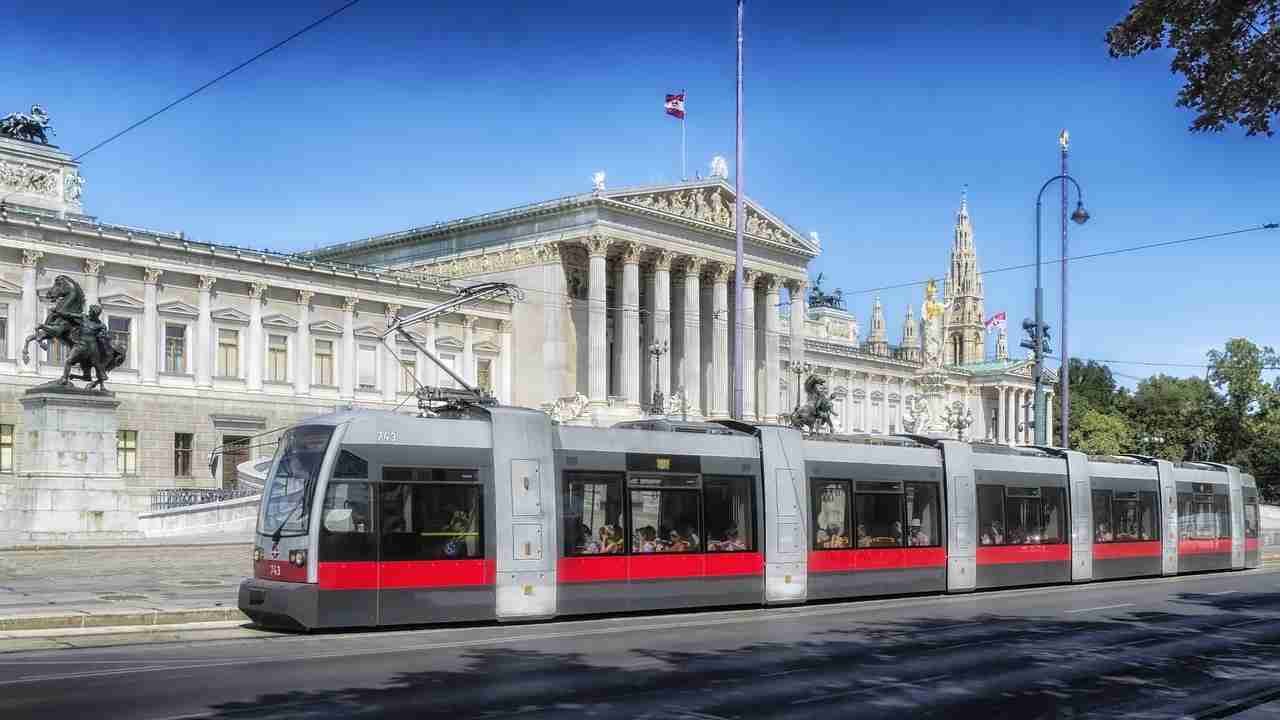
Although Vienna is a walkable city, I recommend purchasing a Vienna City Card to cover more ground in less time. This card offers unlimited use of Vienna’s public transportation system and discounts at various attractions and restaurants. Vienna has one of the best public transportation systems in Europe, which includes buses, trams, and a metro system known as the U-Bahn. You can purchase single tickets or a 24-hour or 48-hour pass, depending on your needs. Prices start at Price 17 Euro. Taxis and Uber are also available for getting around the city.

If you want to explore Vienna in 2 days from a different perspective, a river cruise can be a great way to see the city. Although I’ve not done it myself, a river cruise lets you see Vienna’s most iconic sights, such as St. Stephen’s Cathedral, the Danube Tower, and the Vienna State Opera, from the water.
It’s a relaxing way to take a break from walking around the city and enjoy the views and the breeze. You can book a Vienna river cruise through operators such as DDSG Blue Danube, Vienna Sightseeing, Vienna Danube Cruises, and Danube Canal Tours. Vienna Cruise prices start at around €20 for a basic sightseeing tour and up to €60 for a dinner cruise.
A hop-on hop-off bus ticket is another option for exploring Vienna. It is a convenient way to see the city’s top attractions. Big Bus Vienna prices start at €22 for a 1-day ticket, €28 for a 2-day ticket, and €34 for a 3-day ticket. These prices may vary depending on the provider and season. Additionally, while a hop-on hop-off bus ticket can be a convenient way to see the city, it may not be the most economical option for those on a budget. Be sure to weigh the pros and cons and consider alternative modes of transportation, such as public transit or walking, when planning your itinerary.

You could spend weeks exploring Vienna, but 2-3 days are enough to see the city’s top attractions if you are hard-pressed for time. However, if you want to take your time and soak in the city’s culture and history, then 4-5 days would be ideal.
You’ll be able to experience the top things in Vienna in 2 days or more when you stay at a centrally located place. Thankfully, Vienna has a wide range of accommodation options, ranging from budget-friendly hostels to luxurious five-star hotels. Some of the best areas to stay in Vienna are the Inner City, Leopoldstadt, and Neubau. Suppose you want to be close to the major attractions. In that case, the inner city (City Centre) is the best area to stay, as it is close to the main attractions and has excellent transportation links. Some of the best and most luxurious hotels in the Inner City are the Bristol Hotel, Hotel Sacher Wien, Hotel Imperial, and Grand Hotel Wien. I stayed at the Bristol Hotel. This elegant five-star hotel is located in the heart of Vienna. It offers spacious rooms, excellent restaurants, and top-notch service. This vintage hotel has been one of Vienna’s prime addresses since 1892. It serves as a living example of Viennese charm and personalised service. I was really impressed by their luxurious Art Deco style. The hotel has 150 rooms, including 24 unique suites. I enjoyed their lavish buffet breakfast and several meals at Bristol Lounge, which offers all-day dining and delights guests with its stylish elegance and tasteful décor.
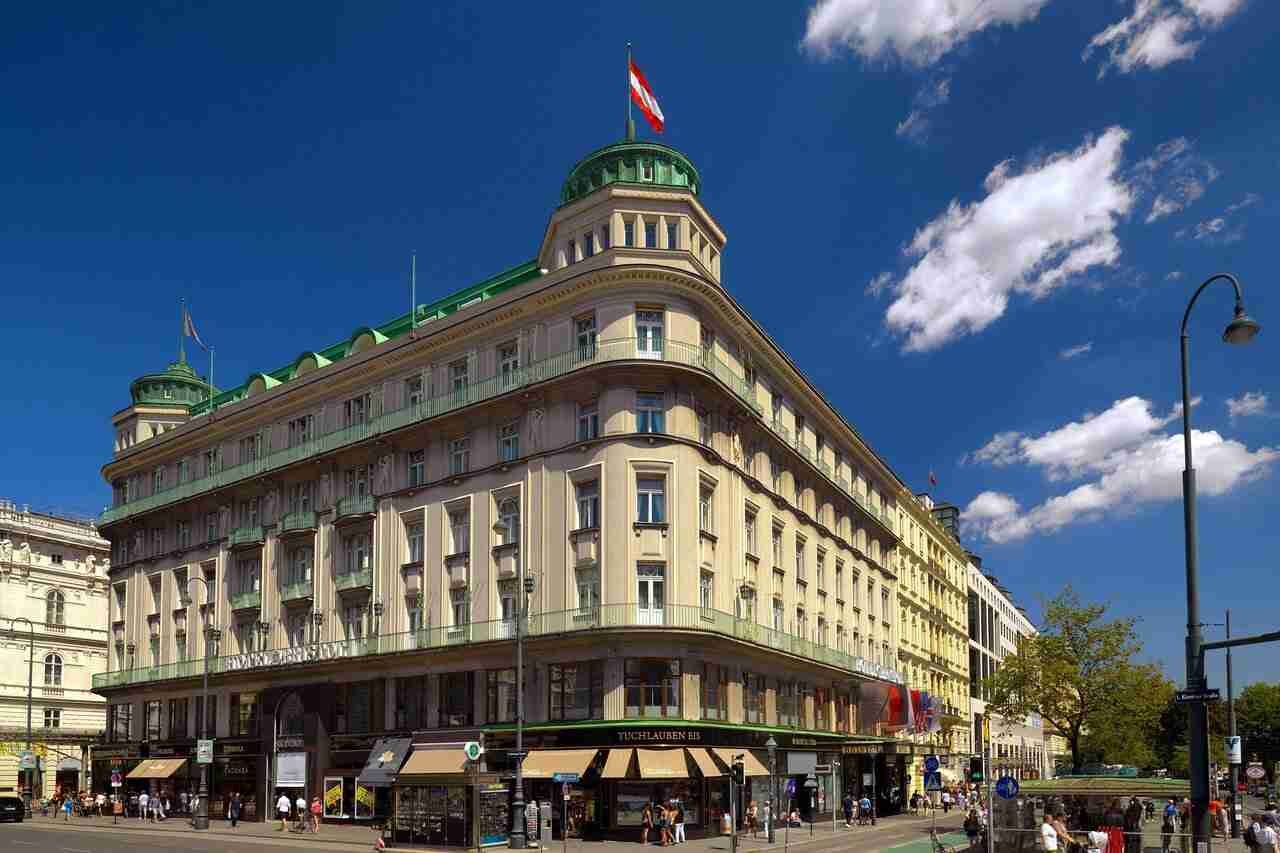
If you want a more affordable option, you can stay in Leopoldstadt. NH Danube City and Courtyard by Marriott Vienna Prater/Messe are some of the famous hotels in this area. Neubau is another excellent option, particularly for budget travellers. The Wombat’s City Hostel Vienna and Hotel ViennArt are some of the popular budget options in this area.
Vienna might be renowned for its imperial past but scratch the surface, and you’ll find there’s a lot more here than what meets the eye. Whether you are a history buff, a music lover or a foodie, here are some of the top things to do in Vienna in 1, 2 or more days:
As you stroll through huge parks, surrounded by buildings with astonishing baroque architecture, Vienna is where you feel like a Kaiser or Kaiserin (emperor and empress in English) with every step. There is so much history around, and here are some of the places that are worth checking out:
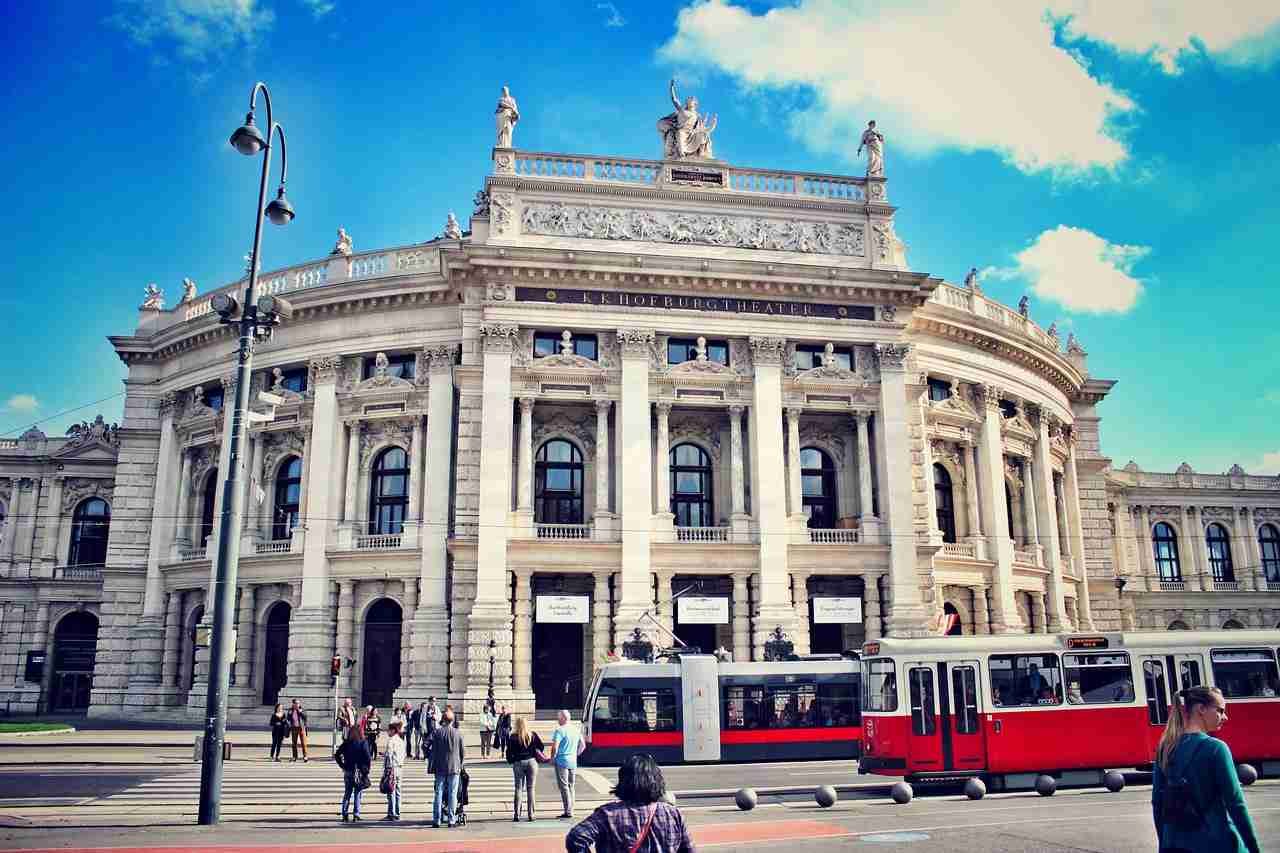
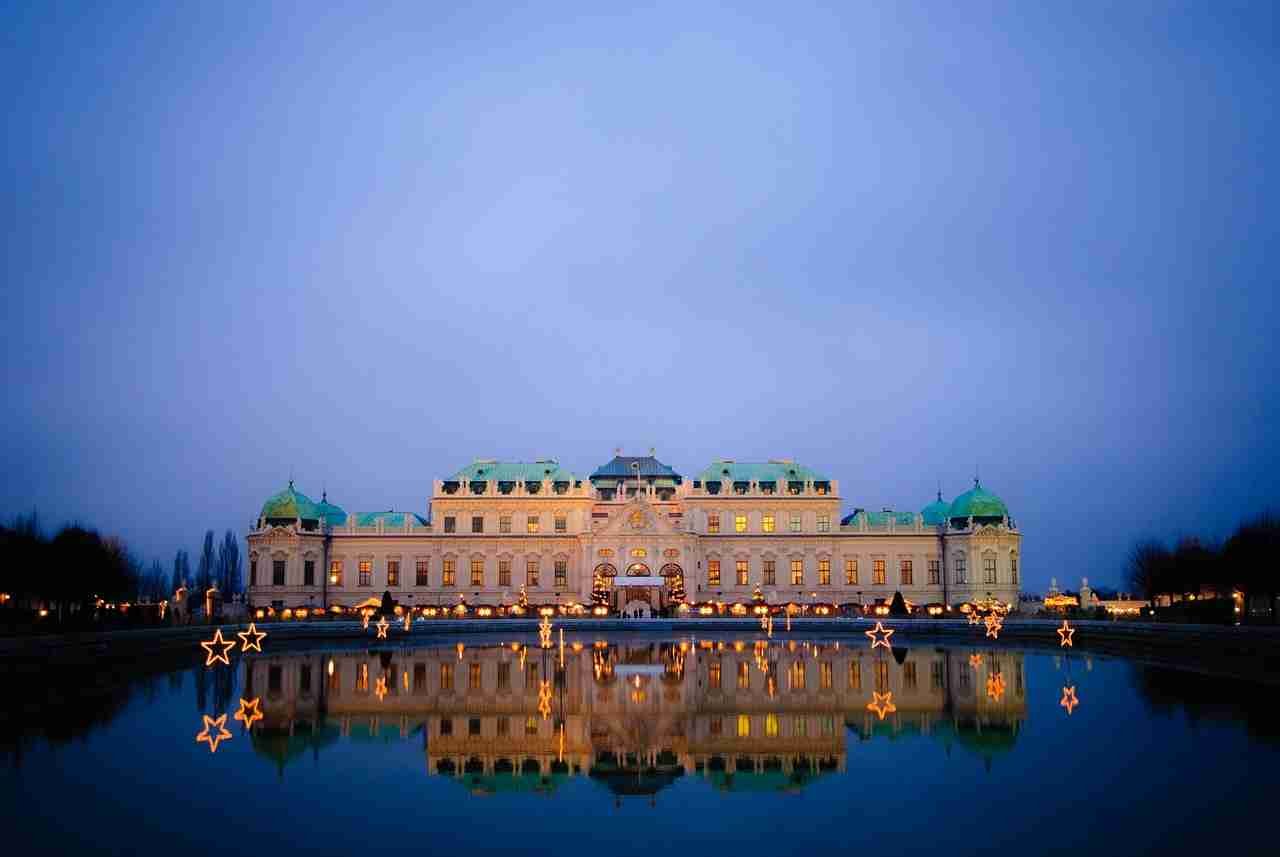
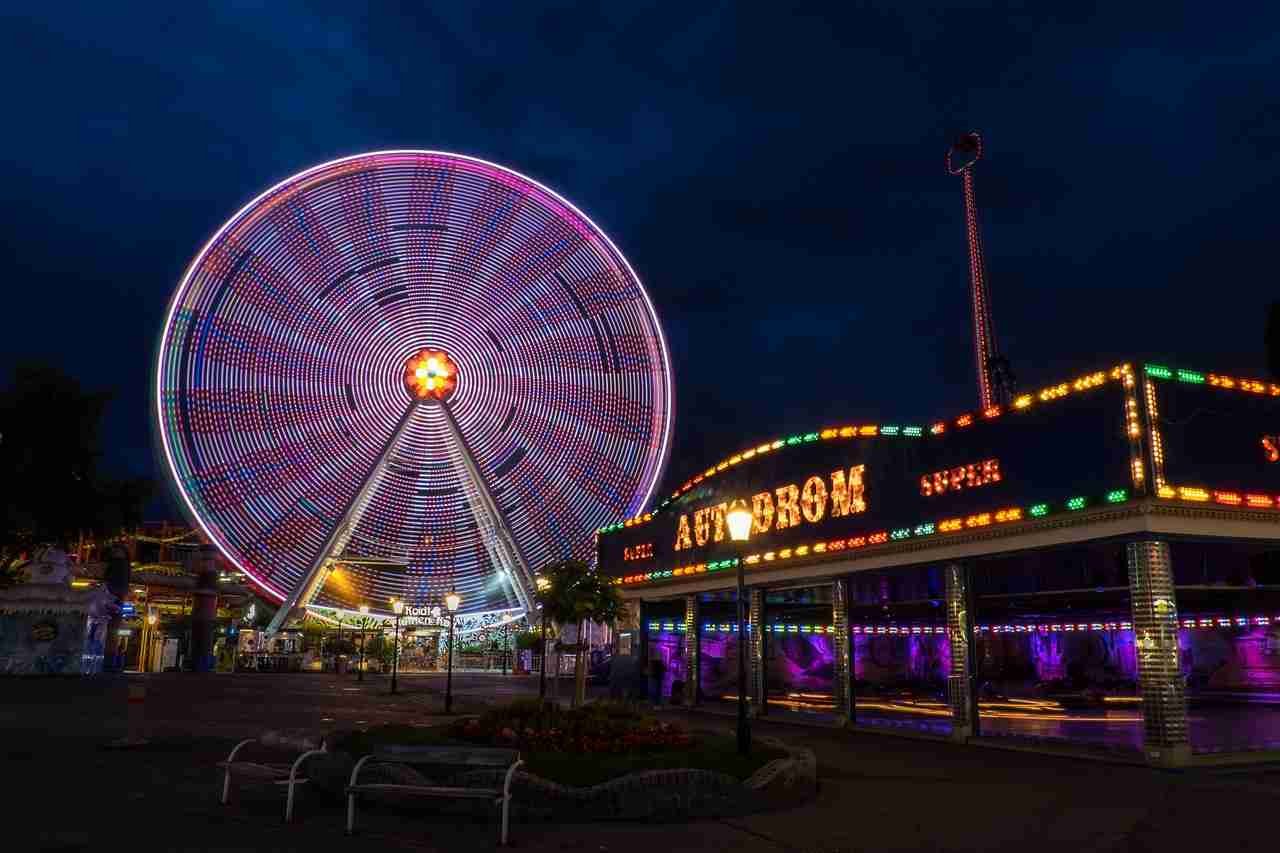
Museums and Vienna are inseparable. It’s not an overstatement: museums are one of Vienna’s main attractions for curious visitors. Here are the museums worth checking out:
If you love classical music, you must plan a trip to Vienna in Austria. For over 250 years, Vienna has been dubbed the City of Music. And no wonder! The Classical movement started here, and many great composers, such as Haydn, Beethoven, Mozart, Schubert, and Strauss, lived and worked in Vienna. If you visit Vienna today, you’ll see evidence everywhere of Vienna’s illustrious musical past.

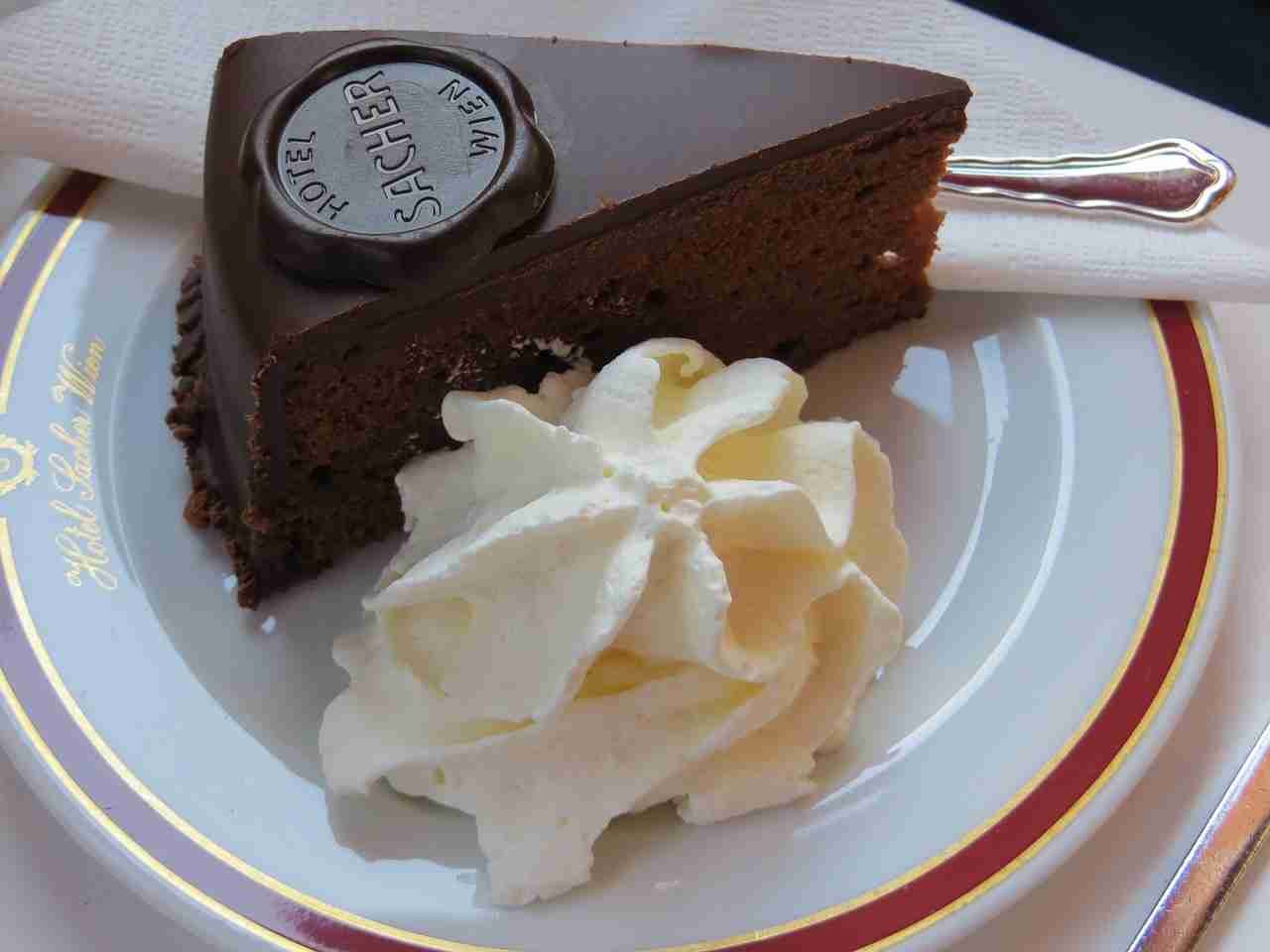
I must confess I am not a foodie, but if there’s one city where I won’t mind travelling for food, it’s got to be Vienna.
One of the top things to do in Vienna, whether you are staying for 2 days or more, is to experience its rich culinary scene, with many restaurants and cafes serving traditional Austrian dishes and international cuisine. However, my favourite was the city’s incomparable Kaffeehaus (Coffeehouse) culture. Here are some of the best restaurants to eat and drink in Vienna:
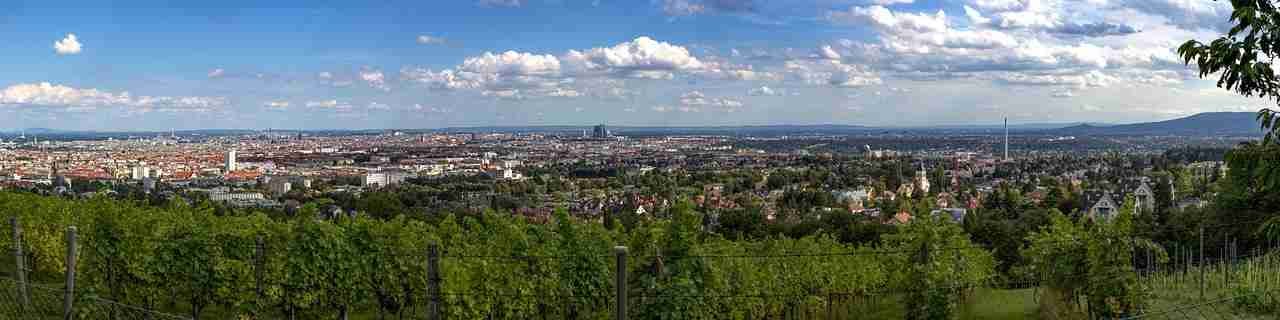
Vienna is known for its beer gardens and wine bars, offering plenty of options for enjoying a drink outdoors. Here are a few places to consider:
Overall, Vienna offers something for every type of foodie, whether you’re looking for traditional Viennese dishes or international cuisine. Be sure to try some of the city’s famous coffee and pastries, and be bold and explore the local markets and street food scene.
Vienna is an excellent place for shopping, particularly for its luxury items, such as porcelain, crystal, and traditional clothing, such as dirndls and lederhosen. Some of the best places to shop in Vienna are:
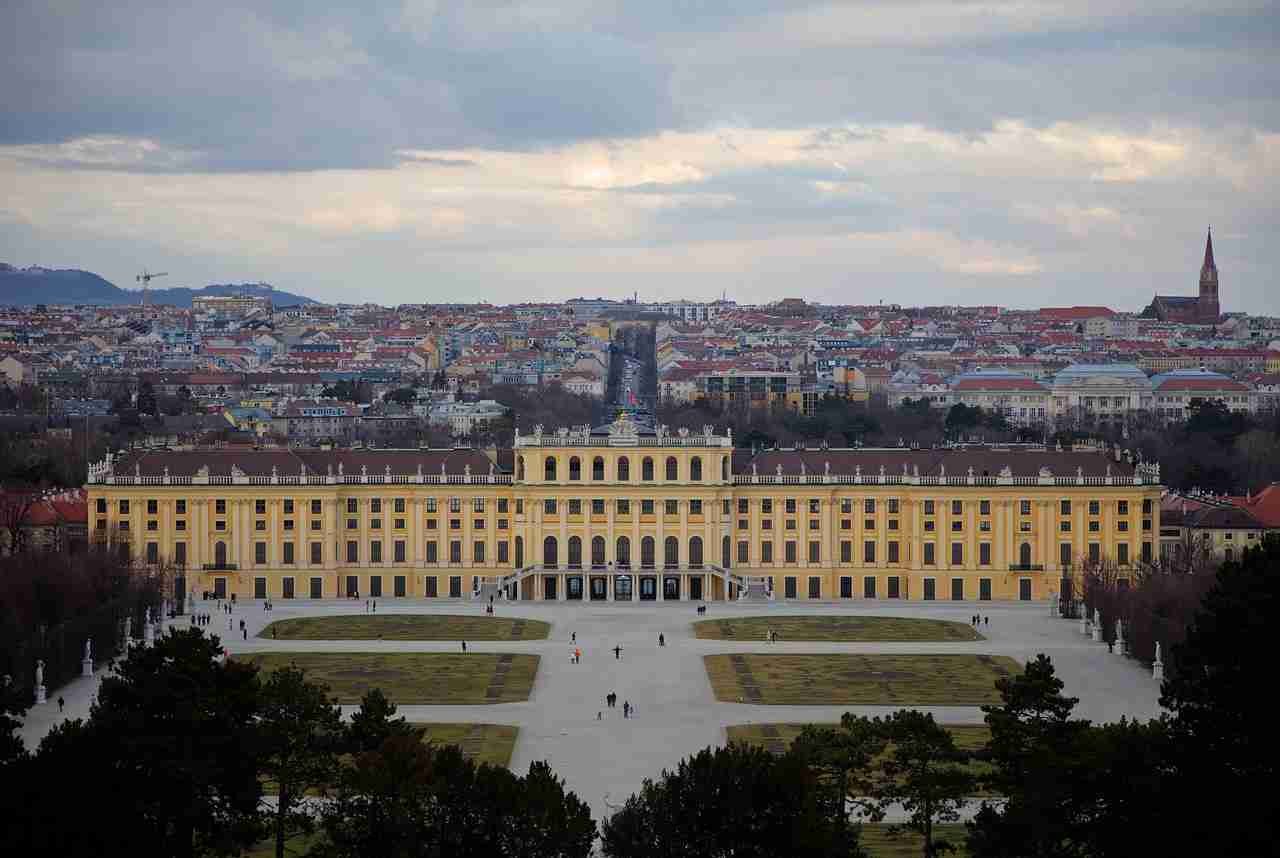
Apart from covering the above-said top things to do in Vienna in 2 days, there is a lot to explore around the city. Vienna is surrounded by several beautiful towns and cities that can be explored on day trips. You can take plenty of day trips from Vienna, and they all offer something unique. Here are a few of our top recommendations:

Vienna is a relatively affordable city, but costs can increase quickly if you’re not careful. Here’s a breakdown of what you can expect to spend during a 2-day trip to Vienna:
Depending on your budget and preferences, you can expect to spend anywhere from €50 to €500 per night on accommodation. I stayed at the Bristol Hotel, where the rates start at around €300 per night.
You can find affordable meals at local restaurants and cafes at Naschmarkt for around €10-15 per person. A cup of coffee costs around €2-4, while beer costs around €4-6. Prices for food and drinks at the beer gardens vary but expect to spend around €15-20 for a meal and a drink.
If you want to cover most of the top things in Vienna in 2 days, the best way to get around Vienna is by public transport, which costs around €8 per day. If you plan on taking a taxi or ride-sharing service, expect to pay around €20-30 for a short trip. On my first two visits to Vienna, I bought a Vienna Travel Card whose prices start at €17 for a 24-hour ticket, €25 for a 48-hour access, and €36 for a 72-hour ticket.
Admission fees for attractions and museums vary but expect to pay around €10-20 per person. Guided tours and concerts can cost more, depending on the provider. Here are a few examples of the cost:
Overall, you can expect to spend around €400-500 to experience the top things to do in Vienna in 2 days, including accommodation, transportation, and activities. However, the cost of spending 48 hours in Vienna can vary depending on your spending habits and travel preferences. Be sure to budget accordingly and look for deals and discounts to save money during your stay.

Suppose you’re travelling outside the European Union, such as India, to Vienna. In that case, you may need a Schengen Visa to enter the country. Visitors from the United States, Canada, and Australia can stay in Austria for up to 90 days without a visa. Still, checking with your embassy to ensure you have the necessary documentation before travelling is always best.
Vienna offers a wealth of experiences for travellers, from its stunning parks and gardens to its world-class museums and cultural events. Whether you’re looking to explore the city’s history, indulge in its culinary scene, or relax and enjoy the scenery, there’s something for everyone to enjoy. With its convenient transportation options, luxurious accommodations, and diverse attractions, Vienna is a destination you won’t miss. I hope this travel guide helps you in planning the top things to do in Vienna in 2 days well.
15 Best European Christmas Destinations you must visit
4 months of Solo Budget Travel in Europe
Czech out: Fun things to do in Prague in 3 days
Bond & Beyond: Discovering Lugano in the Ticino Region of Switzerland
Snow, Skiing and Stopover in Switzerland in Winters
An Epic 10-day Iceland Roadtrip through spectacular landscapes
Belgrade, Serbia: Why Europe’s greatest yet most underrated city should be on your bucket list
Finland Travel: Best places to visit and things to do in Finland(Opens in a new browser tab)
I have just been back from almost a 20 days trip from Europe, and the most frequently asked questions I get are, “How do you get to travel so much?” and “Which are the cheapest foreign destinations to travel from India?”. “are there any destinations that you can travel under 20,000 or 30,000 INR from India?” and many more budget travel questions. I know you, too, like me, would be feeling the itch to explore new destinations but don’t want to break the bank. Well, you’re in luck! As a seasoned traveller, I’ve discovered several destinations that you can travel to for under 20,000 INR from India. These destinations offer a wide range of experiences, from vibrant cities to tropical paradises. So, let’s dive in and explore some of these fantastic destinations together that would give you the experience of doing international trips under 30k from India! And many of these foreign trips are not only cheap from India, but they even allow you to travel visa-free or have easy visa procedures like visa-on-arrival or e-visa.
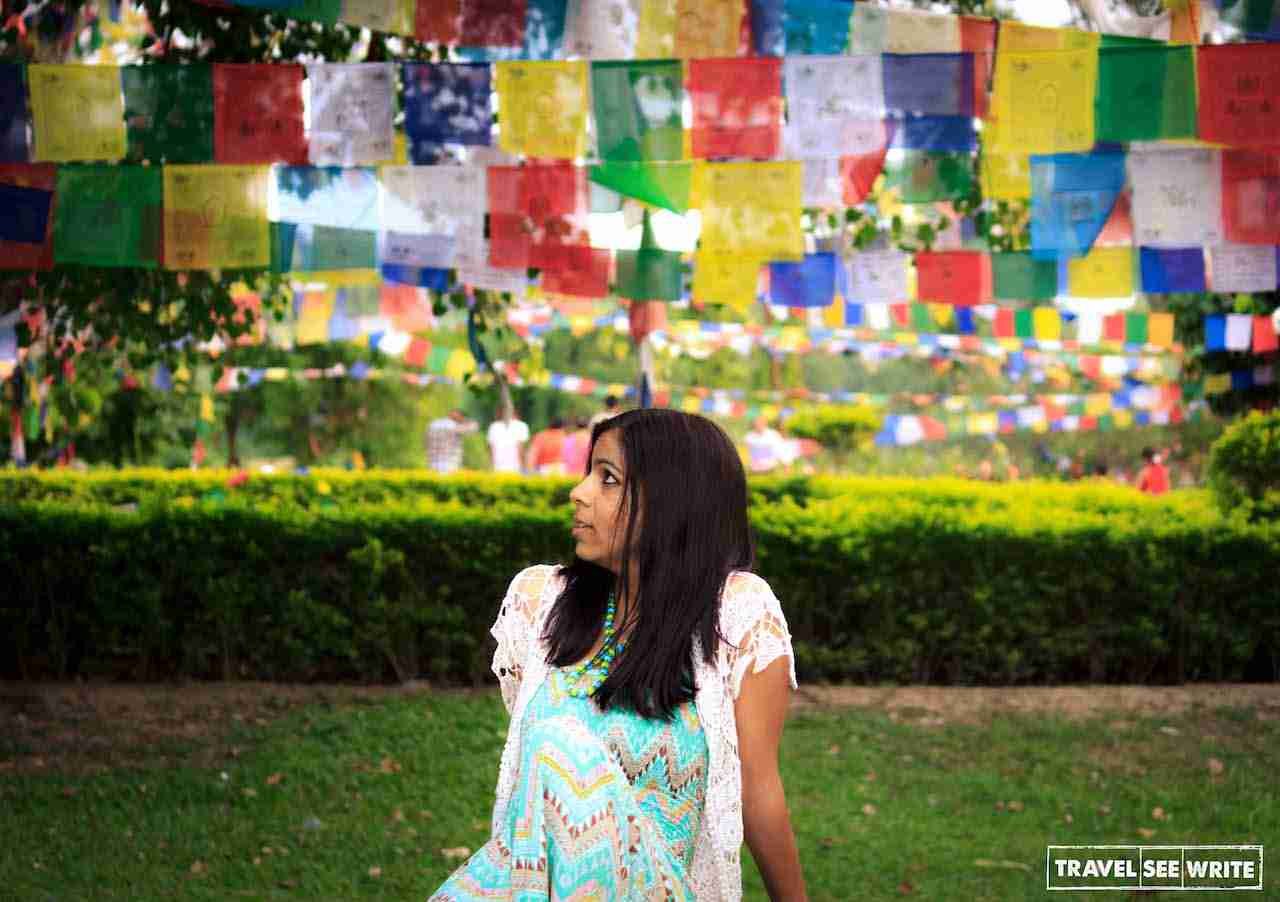
First up, Kathmandu, Nepal, is one of the most economical destinations to make a foreign trip under 25000 from India, and you don’t even need a visa to visit Nepal. As a lover of the Himalayas, ancient temples and vibrant streets, I was immediately drawn to the charm of this neighbouring country. The historic temples are a sight to behold, and the markets are always bustling with energy. The food is good too, and the people are really nice. Plus, with an average cost of a round-trip flight to Kathmandu from India being around 10,000 INR, it’s an affordable destination to visit. Kathmandu is also very convenient for doing day tours to Bhaktapur, Panauti and Nagarkot (the sunrise is to die for). Once you are in Kathmandu, you can explore other parts of Nepal on a budget, such as Lumbini, Chitwan, Pokhara and even Everest Base Camp.

If you are tight on budget, you can do a trip under 30,000 In Sri Lanka.
If you are looking for international tour packages under 20000 with a flight, then Colombo in Sri Lanka could be another good option. As someone who loves a good beach, Sri Lanka’s lush forests and beautiful beaches immediately caught my attention. The capital city, Colombo, is a perfect blend of modern and traditional culture. The hotels and restaurants are top-notch. It’s also the gateway to other popular tourist destinations in Sri Lanka, such as Kandy and Galle. With an average cost of a round-trip flight to Colombo from India being around 15,000 INR, it’s an excellent budget-friendly option for travellers. When in Colombo, don’t forget to visit the famous landmarks such as Galle Face Green, Viharamahadevi Park, Beira Lake, Colombo Racecourse, Planetarium, University of Colombo, Mount Lavinia Beach, Dehiwala Zoological Garden, Nelum Pokuna Theatre, One Galle Face, Gangaramaya Temple, Dutch Museum, Colombo Lotus Tower and the National Museum. A trip to Sri Lanka would be incomplete without visiting its coast, Dambulla Cave Temple, Sigiriya, Adams Peak, tea plantations in Nuwara Eliya, getting up close to gentle giants at Yalla National Park, and going whale watching at Mirissa.

Thailand is a super popular destination among budget travellers from India to visit under 25000. If you’re looking for a vibrant city with a mix of modern and traditional cultures, Bangkok, Thailand, is the place to be. The street food, lively night markets, and magnificent temples are sure to leave you in awe. Bangkok is also an excellent base to explore other parts of Thailand, such as Chiang Mai or Phuket. With an average cost of a round-trip flight to Bangkok from India being around 15,000 INR, it’s an affordable option for budget travellers. You can do your entire international trip top Thailand for under 40k from India. Flying from Kolkata to Bangkok at times works out cheaper than local flights within India
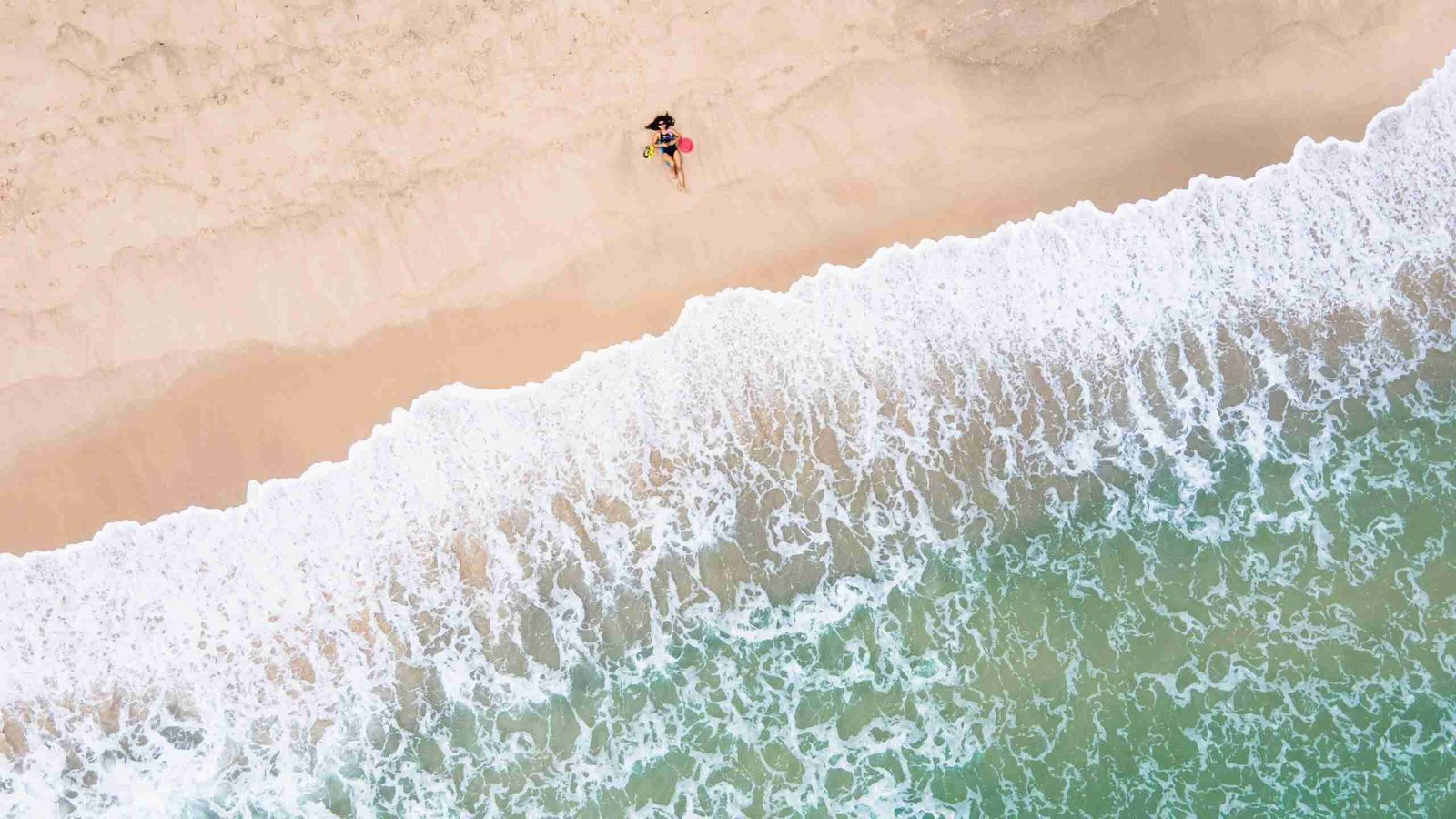
Phuket is another Thai destination that’s perfect for budget travellers. If you plan well in advance and look for good deals on MakeMyTrip, Agoda, Yatra, and Booking, you can get international trips to Phuket for under 30k from India. The island is home to stunning beaches, vibrant nightlife, and delicious street food. Whether you’re looking to party or just relax on the beach, Phuket is a destination that won’t disappoint. With an average cost of a round-trip flight to Phuket from India being around 12,000 INR, it’s an affordable option for travellers. In the off-season, neither you get crowded beaches nor expensive flights. I travelled to Phuket in June, and it was the perfect time to explore the place at ease and within my budget. You can read more details about Phuket here.

Kuala Lumpur, Malaysia, is another vibrant city with a mix of Malay, Chinese, and Indian cultures. The Petronas Twin Towers are an iconic sight to see, and the street food is delicious. Kuala Lumpur is also a gateway to other popular tourist destinations in Malaysia, such as Penang and Langkawi. With the average cost of a round-trip flight to Kuala Lumpur from India being around 12,000 INR, it’s an excellent budget-friendly option for travellers. Also, when you visit Kuala Lumpur, you can extend your trip to either going to Selangor or Kota Kinabalu.

Bali is a tropical paradise that’s home to beautiful beaches, cascading waterfalls, lush rice fields, huge volcanoes, beautiful mountains and ancient temples. The island is known for its unique culture and welcoming locals, as well as its delicious food. Whether you’re looking to surf, hike, or just relax on the beach, Bali has something for every type of traveller. Most tourists stick to its southern part, but I found its northern part more stunning and peaceful. With an average cost of a round-trip flight to Bali from India being around 15,000 INR, it’s a budget-friendly option for travellers. The villas, food, transportation, and everything is pretty economical in Blai, and the culture is quite similar to Indian culture.

Dubai, UAE, may be known for its extravagance and luxury, but it’s possible to visit the city on a budget. As someone who loves to explore historic neighbourhoods and shops, Dubai has it all. There are several free and affordable activities to do in Dubai, such as visiting the Dubai Mall or exploring the historic Al Fahidi neighbourhood. With an average cost of a round-trip flight to Dubai from India being around 15,000 INR, it’s an excellent option for budget travellers. And, in summer, the tickets are pretty cheap, and the city is less crowded as compared to winter.

If you’re dreaming of a tropical paradise, the Maldives is the perfect destination for you. The crystal clear waters, white sandy beaches, and abundant marine life are truly breathtaking. And it’s possible to visit the Maldives on a budget. There are several affordable guesthouses and local islands that offer a more authentic Maldivian experience. With the average cost of a round-trip flight to the Maldives from India being around 20,000 INR, it’s a great option for budget travellers. Though the Maldives is not solo-travel friendly and is considered an expensive romantic destination, there are ample budget guest house options available too. You can often get a great package deal (flight and hotel) if you book in advance.

Singapore is a modern city-state with a blend of cultures and attractions. The futuristic architecture, delicious street food, and excellent shopping are sure to leave you in awe. Singapore is also a gateway to other popular tourist destinations in Southeast Asia, such as Bali and Vietnam. With an average cost of a round-trip flight to Singapore from India being around 15,000 INR, it’s an excellent budget-friendly option for travellers. Although the city is pretty expensive when it comes to travel, stay and food. But some of the iconic sightseeing places are free of cost.
If you’re looking for a Middle Eastern adventure, Muscat, Oman, is an excellent destination to consider. The city is known for its stunning architecture, beautiful beaches, and rich culture. It’s also a gateway to explore other parts of Oman, such as the beautiful mountainous region of Jebel Akhdar or the historic city of Nizwa. With an average cost of a round-trip flight to Muscat from India being around 10,000 INR, it’s a great option for budget travellers.

Hanoi, Vietnam, is the next destination on our list. As someone who loves exploring historic sites and trying new foods, Hanoi immediately caught my attention. The city is known for its rich history, beautiful architecture, affordable shopping and delicious street food. It’s also a gateway to explore other parts of Vietnam, such as Halong Bay, Sapa or the ancient city of Hue. With an average cost of a round-trip flight to Hanoi from India being around 15,000 INR, it’s a fantastic budget-friendly option for travellers.

Located in Southeast Asia, Laos is known for its stunning natural beauty, ancient temples, and laid-back vibe. When I visited Laos in 2020, I was taken aback by its beauty and how economical it was. I definitely found it to be one of the cheapest foreign destinations from India. Although Vientiane is the capital city of Laos I spent more time in Luang Prabang. My favourite and one of the top attractions in Laos is the UNESCO World Heritage Site of Luang Prabang. This ancient city is filled with beautiful temples, charming cafes, and a night market that’s not to be missed. Other must-visit destinations in Laos include the Kuang Si Waterfalls, the Mekong River, and the Plain of Jars. Plus, the food in Laos is delicious and incredibly affordable, making it easy to eat well on a budget. Vientiane, the capital city is a charming destination with a mix of French and Lao architecture, making it a unique place to explore.
With an average cost of a round-trip flight to Laos from India being around 18,000 INR, it’s a great option for travellers looking to explore Southeast Asia without breaking the bank.
So if you’re looking for a unique and affordable destination, consider adding Laos to your list of must-visit places. It’s a hidden gem that’s waiting to be discovered!
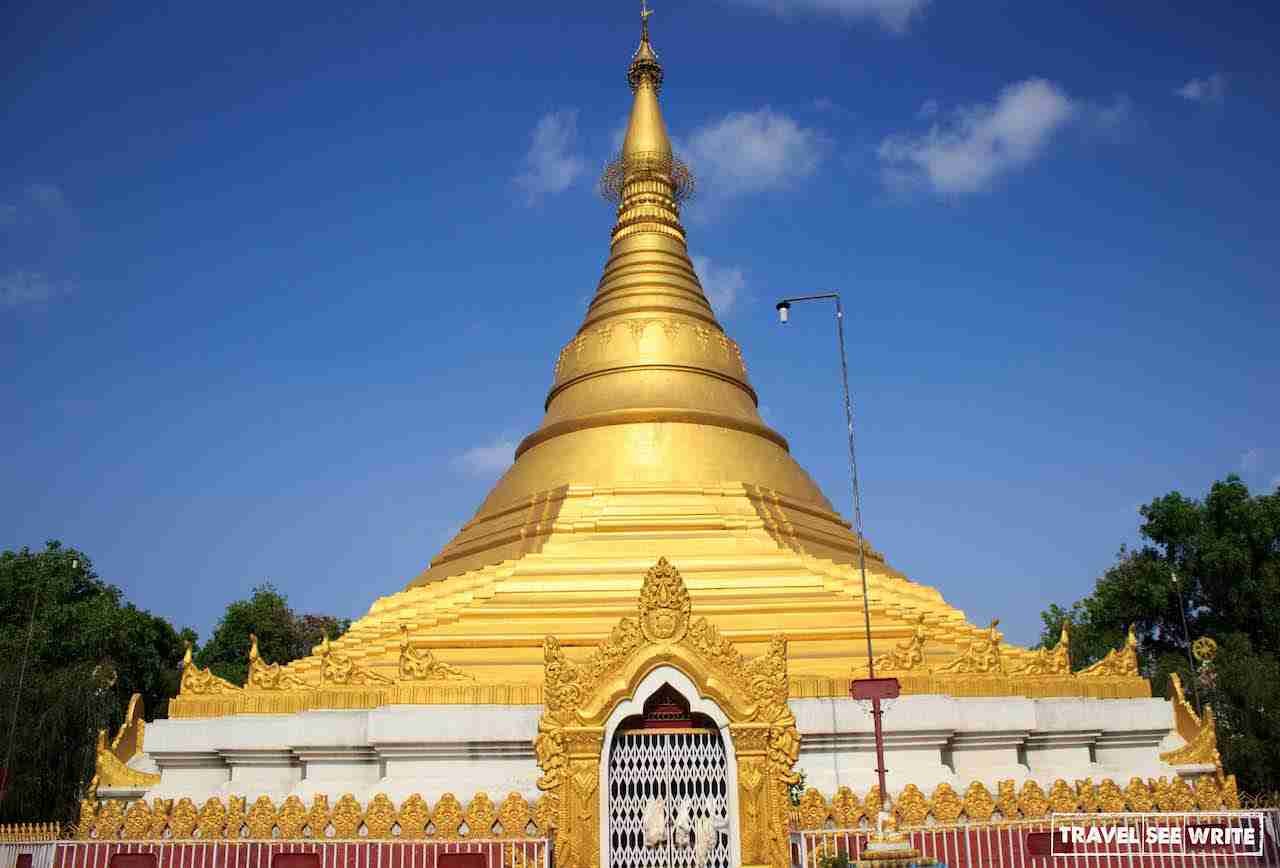
Last but not least, Yangon, Myanmar, is a hidden gem in Southeast Asia. The city is known for its beautiful pagodas, vibrant street markets, and delicious food. It’s also a gateway to explore other parts of Myanmar, such as the ancient city of Bagan or the beautiful Inle Lake. With an average cost of a round-trip flight to Yangon from India being around 15,000 INR, it’s an affordable option for budget travellers.
In conclusion, there are several cheapest foreign destinations from India that you can travel to for under 20,000 INR. Each of these destinations offers a unique experience and is perfect for budget travellers who want to explore something new without breaking the bank. So, whether you’re looking to explore historic temples in Nepal, indulge in delicious street food in Hanoi, or relax on white sandy beaches in the Maldives, there’s a destination out there for you. So pack your bags and embark on your next budget-friendly adventure today!

As a traveller, I have always been fascinated by the beauty of California. However, in January 2023, my trip to California took an unexpected turn. The Golden State experienced severe flooding in many regions, and unfortunately, my Central Coast Road trip coincided with the floods, and I had to change my travel plans accordingly. You can read more about that in my previous blog post. I will share what I witnessed during the California floods in this article. Despite a fury of storms, what pleasantly surprised me was how quickly California recovered with no or minimal damage to tourism infrastructure.
Although, over the years, natural disasters have become a common phenomenon across the world, the California floods in January 2023 made a lot of headlines. A sequence of nine atmospheric rivers hammered California during a three-week period in January 2023, bringing over 700 landslides (although most caused minor inconvenience for a few days only), power outages affecting more than 500,000 people and causing financial damages now expected to exceed $30 billion. The floods in California in 2023 were a result of heavy rainfall from December 31, 2022, to January 25, 2023, in a small time window – 400% to 600% above average in that time – caused several rivers and streams to overflow their banks, leading to severe flooding in many parts of the state. Most impacted were parts of Southern California, the California Central Coast, Northern California, and Nevada. In the first ten days of January, at least 20 people died in California storms and flooding — more than the number of civilians who died in wildfires in the last two years.
California’s Central Coast was one of the areas most impacted by the heavy rain, and I happened to be travelling through the region in Santa Cruz, San Jose, Monterey, Paso Robles, and Oxnard. In this article, let me share what I witnessed during the California floods.
Flooding In San Jose
San Jose, the largest city in Silicon Valley, was one of the areas heavily affected by the California floods. While I was there, the floods caused significant damage to the city’s infrastructure, with roads and highways temporarily washed out, homes lost power, and major roadways turned into impassable rivers leading to school closures and limited mobility exacerbated by fallen trees and mudslides. High winds gusting to nearly 50 miles per hour, accompanied by heavy rain and thunderstorms, battered Santa Clara County.
Due to torrential rainfall, I couldn’t get out for days. Restaurants closed early, and food deliveries were unavailable. Those without cars could not even get to nearby stores, and there were flood warnings everywhere. I was stranded in my apartment, and it was impossible to move around.
Flooding In Santa Cruz
Similarly, Santa Cruz, a coastal city in Central California, was one of the hardest hit by the floods. The town experienced significant damage to its infrastructure, including roads, bridges, and buildings. The city’s downtown area was also heavily affected, with many shops and restaurants forced to close their doors temporarily. When I was there, I was confined to my hotel Dream Inn as there was a major flood warning. The Henry Cowell Redwoods State Park was temporarily closed, and part of the scenic 3-Mile Drive was washed out.
One of the most notable landmarks affected by the floods in Santa Cruz was the iconic Capitola Wharf. The wharf, a popular spot for fishing and recreation for over a century, was severely damaged by the flooding and is now unusable for at least a year. The Capitola Wharf is a beloved icon in the community, and its destruction has been deeply felt by locals and visitors alike. The wharf had been a gathering place for generations of families, who come to fish, picnic, and enjoy the beautiful views of the coastline.
The damage to the wharf is just one example of the extensive destruction caused by the floods in Santa Cruz. Many homes and businesses in the area were also severely impacted by the flooding.
But now things are back to normal. Just last week, my friends were holidaying at my favourite spots and shared lovely pictures from the wharf and pier.
Flooding In Monterey Bay
Monterey County, the scenic coastal area about 100 miles south of San Francisco that includes Big Sur and the famed golf courses of Pebble Beach, too was heavily impacted by California flooding. Highways 1 and 68 were the most vulnerable to flooding from the Salinas River. More than 17,000 residents living in low-lying areas near the river were ordered to evacuate temporarily, and six emergency shelters were set up for evacuees.
The city’s famous Cannery Row area was inundated by seawater. Some of the historic buildings in the area suffered damage; however, luckily, all businesses in the area are now reopened.
All sea adventures were closed, including my anticipated whale-watching tour, but as they say – better safe than sorry.
Here’s a video about the flooding in Monterey County, California:
Flooding In Paso Robles
Further inland, Paso Robles experienced severe flooding, with the Salinas River overflowing its banks and causing widespread damage to homes and businesses. Within 24 hrs, over 2 inches of rain and flooding caused disruption to transportation in the area, with many roads closed due to high water levels, including the Northbound and southbound Highway 101, 10th Street, 13th Street, San Marcos Road etc. Adelaida Road, Nacimiento Lake Drive and Peachy Canyon Road were all flooded. Also, despite the reduced flood warnings and rain subsiding, it took work to traverse the county roads. I had to take so many detours to navigate through the town.
Flooding In Oxnard, Ventura County
Finally, Oxnard, located on the coast, was hit hard by the floods, with the Ventura River overflowing and causing damage to some homes and businesses in the area. The city’s agricultural industry was also affected, with several farms and fields submerged underwater. The county had not seen this kind of water in the last 28 years. The banks of the creek at Foster Park broke due to overflowing water, flooding picnic areas and hiking trails. Ventura Pier was temporarily closed to protect the public from the upcoming storms.
The 101 Freeway was fully closed between State Route 33 in Ventura County and State Route 150 in Santa Barbara County due to flooding on January 10 2023. Even State Route 126 was closed as a mudslide hit the area, trapping several vehicles, including a big rig. The good news is all the roads reopened very quickly and welcomed tourists like before.
The hotel where I stayed had water seeping into its parking lot and elevator. All the sea tours to the Channel Islands were called off due to heavy rainfall, rough sea and poor visibility.
Overall, my trip to Ventura County could have been at a better time. There were so many places I wanted to check out, such as the Channel Islands National Park, Ventura Botanical Gardens, and Oxnard Beaches. I am definitely going to return to the county to see what I sadly missed this time.
Reason for California Floods
The floods in California in 2023 were caused by a combination of factors, including heavy rainfall and melting snowpack in the Sierra Nevada mountains. Climate change is also believed to have played a role, with rising temperatures leading to more intense rainfall events. From December 2022 to January 2023, California’s weather abruptly switched from extreme drought to extreme flooding.
But it isn’t just California that’s facing the brunt of climate change. It’s no secret that the tourism sector is highly vulnerable to climate change, and extreme weather from climate change is impacting tourism destinations across the world. It’s an environmental crisis that can’t be solved by consumers alone; governments, hotels, tour operators, cruise operators and the aviation industry need to lead with additional policies to encourage better decision-making.
What next?
Despite the devastation caused by the California floods of January 2023, there were some silver linings. Firstly, the torrential downpours over California this year quenched some thirst of the state that was facing a severe drought. Secondly and most importantly, communities came together to support one another, and there were countless acts of kindness and generosity. During these difficult times, we realize the importance of standing together and helping each other. The floods may have caused significant damage, but the Californian people’s resilience and strength have helped them bounce back. Thirdly, the state handled the situation well and ensured that the businesses and infrastructure is up and running quickly without causing any long-term damages.
Natural disasters are a stark reminder of the importance of emergency preparedness and response. As the world continues to face the challenges of climate change and other natural disasters, it is essential that we remain vigilant and prepared for whatever the future may hold.

As someone who has road-tripped through many of California’s star attractions, I decided to go off the grid this time and explore some lesser-known places. I chose the Central Coast of California because it offers a great combination of epic and diverse beaches and coastal valleys, bountiful agriculture, wineries and cuisine, unique historical attractions, and the authentic rural California experience, making it the perfect destination for an epic 8-day road trip.

The region is blessed with mild, balmy weather with 284 days of sunshine, miles of scenic coastal drives, surf-friendly beaches, lush vineyards, and ocean adventures like no other. However, during my visit, a series of powerful winter storms hit the area and caused flooding and mudslides that the region hadn’t seen in over fifty years, so I had to activate Plan B. Despite the change in plans, I could still experience the beauty and diversity of the Central Coast in a different light, indulging in indoor activities such as wine tasting, museum visits, spa treatments, and even bowling.
I visited four stunning destinations during my road trip – Santa Cruz, Monterey-Carmel Valley, Paso Robles, and Oxnard. Each place offered its own unique charm and attractions, making me realize why California is known as the Golden State. In this article, I’ll share my experiences, focusing on the highlights of each destination in Central Coast, California.

My first stop was Santa Cruz, a seaside paradise located only an hour’s drive from San Jose. Although the drive was a bit dreamy with partly rain-soaked and foggy weather, it was well worth the journey. Santa Cruz is known for its high-stoke surf culture and expansive beaches, but there is so much more to this laid-back strip of shoreline.

I stayed at Dream Inn, a 1960s-era hotel built on the site of Jack O’Neill’s first shop. The 165 rooms, all of which boast ocean views and private balconies or patios, were beachy-chic with colourful, surf-inspired décor in a turquoise blue and white colour theme. Despite the rainy weather, the view from my 10th-floor room was to die for.

My first stop in Santa Cruz was Jack O’Neill Restaurant in Dream Inn. This part lounge, part museum, had surfboards on the ceiling and surf-inspired accents and artwork throughout the restaurant. The menu featured an eclectic mix of dishes made with fresh, locally-sourced ingredients and innovative flavour combinations that even non-foodies will appreciate. The restaurant is also committed to sustainability, using eco-friendly practices in all of its operations.

Although the rainy weather hampered some of my planned activities, I still managed to explore some of Santa Cruz’s famous spots. I walked along the Santa Cruz Wharf, the oldest and longest wooden wharf in the United States, and visited Natural Bridges State Park & Beach, a part of the 3-mile drive.

I also had a fantastic wine-tasting experience at Birichino Tasting Room, where I tried five different wines made with minimal intervention to allow the grapes to express themselves fully. Penny Ice Creamery is a must-visit spot in downtown Santa Cruz, where the designer ice creams and sorbets are made in-house entirely from scratch.
After the flood warning was lifted on the second day, I visited the famous Capitola village. My first pitstop was Gayle’s Bakery + Rosticceria, a landmark for locals. They had the freshest and best pastries in town, along with a variety of salads, soups and in-house coffee. I roamed around the picturesque Capitola village before making my way to Shadowbrook Restaurant, where I had the most romantic dinner of my trip. Everything about this place was top-notch, whether it was to do with the interiors, location, service or food and wine quality.

Despite the weather constraints, I had a fantastic time exploring the charming town of Santa Cruz and trying out its unique experiences. If you have time, visit Santa Cruz Beach Boardwalk, Santa Cruz Surfing Museum, and Lighthouse, all worth a visit. With so much to offer, Santa Cruz is a must.
After spending two days in Santa Cruz, it was time to visit one of the most popular destinations on the Central Coast – Monterey Bay- a beautiful coastal destination I could not get enough of. My most recent trip was a delight, as I was able to indulge in several activities and experiences that were both exhilarating and soothing.

My stay at the luxurious Portola Hotel and Spa was an excellent choice. Its location near downtown Monterey and Fisherman’s Wharf provided easy access to many attractions. The atrium with trees in the central area gave the place a natural, peaceful vibe, while the airy rooms with bay views were spectacular. The sunrise view from my room was simply epic.

As a sustainability writer, my first stop was the Monterey Bay Aquarium, which aims to inspire ocean conservation. It boasts more than 35,000 creatures from over 550 species in nearly 200 exhibits filling 24 major galleries. The Aquarium’s collective efforts have contributed to making Monterey County the third certified “Green Destination” in the United States on the Global Destination Sustainability Index. The newly opened Deep exhibit was my favourite, displaying the mysterious creatures of the deep sea, and I was also smitten with the adorable penguins.
Schooners at the Monterey Plaza Hotel was perfect for a meal after the Aquarium. It has been voted “best drink with a view” in Monterey and serves contemporary American cuisine, with a focus on carefully sourced seafood. As a vegetarian, I was delighted to find a yummy selection of soups and salads. The unobstructed views from the heated waterfront terrace made the experience even more memorable.

To relax and unwind, I headed to Vista Blue Spa on the top floor of the Monterey Plaza Hotel. The spa provides a sophisticated escape with panoramic views of Monterey Bay. The 50-minute CBD massage was the perfect indulgence for me.
In the evening, I strolled around the Pacific Grove area. It started pouring heavily, so I quickly made my way to Alejandro – a Mexican restaurant that transports its guests straight to the Yucatan Peninsula in an elegantly designed space. All the dishes were excellent, but I really loved their four salsas of different heats and flavours. The menu featured unique spins on classic Mexican dishes, handmade tortillas and inventive cocktails.
On my second day in Monterey Bay, I visited a classic all-American breakfast spot, First Awakenings. It quickly became my favourite breakfast place for the entire Central Coast road trip. The pancakes were top-notch, with a wide variety of toppings to choose from. I tried their walnut, choco chip, and a banana pancake, which was incredibly fluffy and big enough to share between two people. The omelettes, salads, and in-house coffee were also delicious. I was impressed with their use of fresh, organic, and high-quality ingredients, giving this restaurant a solid 10/10 rating. First Awakenings opens at 7 a.m., so it’s the perfect spot to start your day.
Unfortunately, the rain returned, but it gave me the opportunity to visit two unique and underrated museums in the area. The Pacific Grove Museum of Natural History is one of the oldest natural history museums in the United States. This non-profit organization chronicles the natural history of Central Coast flora and fauna. The atmosphere was friendly, and I saw many small children playfully enjoying the exhibits. A short walk from the Pacific Grove Museum of Natural History was the Pacific Grove Art Center, which has become a go-to place for emerging artists, including photographers, musicians, and other creatives. The entrance was free, but visitors were encouraged to donate and help support the local art scene. The Art Center has hosted many renowned artists, making it a must-visit for art enthusiasts.

I headed to Stationaery in Carmel Sur for lunch, which looked simple from the outside but was extraordinary in food preparation and presentation. The restaurant celebrates comforting flavours with an elegant presentation, offering an intimate space for breakfast, lunch, speciality coffee, and natural wines. I ordered the shakshuka, bursting with flavours. After lunch, I decided to try wine-tasting at two prominent wine-tasting rooms of the Carmel valley – Albatross Ridge and Caraccioli Cellars. The family-owned and operated Albatross Ridge is the passion project of the father-son duo Brad and Garrett Bowlus. The Carmel Valley vineyard focuses exclusively on creating remarkable Chardonnay, Pinot Noir, and small amounts of pétillant natural rosé. Caraccioli Cellars is a family-run winery founded in 2006 and is committed to producing wines that express true to vintage and vineyard wines. I particularly loved Caraccioli Cellars because of the server’s passion and knowledge while serving me.
Afterwards, I strolled around the Art District of Carmel-by-the-Sea, admiring the stunning artist-owned galleries. In the evening, I checked out a local Jazz bar called Pearl Hour, named after a line from Monterey County native John Steinbeck’s Cannery Row. This place has become a local favourite, offering an ever-changing menu, creative cocktails, weekly live jazz shows, and dedicated LGBTQIA+ nights. I enjoyed a simple pizza for dinner at Jacks, Portola Hotel and Spa. Although there was not an extensive menu, the taste was good.
On my final day, I stopped by Alta Bakery & Cafe for a hearty breakfast before leaving Monterey. Established in 1869, this bakery and café focus on locally grown, seasonal ingredients and bright flavours, making it a great way to end my trip.

Overall, my experience in Monterey Bay was filled with natural beauty, art, and good food. If you have more time to explore the area, I highly recommend visiting 17-mile Drive, Moss Landing State Beach, San Carlos Beach, Pebble Beach Spanish Bay, Cannery Row and Old Fisherman’s Wharf. And, if it’s a clear day, hike Point Lobos State Natural Reserve or go on a whale-watching tour.

Paso Robles, a charming town nestled on the Central Coast of California, is a wine lover’s paradise. It’s no wonder Travel + Leisure named it one of the 10 Best Small Towns to Retire in the U.S. As I explored the town for two days, I quickly discovered why it earned this accolade. Located halfway between Los Angeles and San Francisco along Highway 101, Paso Robles boasts over 200 world-class wineries, a walkable town centre, and friendly locals.
My journey began at Robert Hall Winery, the beating heart of the Central Coast wine region. I was immediately struck by the breathtaking views of the coastal mountain range that enveloped the vineyards. The winery‘s Managing Director, Caine Thompson, generously shared the story behind Robert Hall and what sets them apart.
The winery’s philosophy is rooted in a deep commitment to sustainable practices, including reducing water usage and promoting biodiversity in the vineyards. They also use a “minimal intervention” approach to winemaking, allowing the grapes to express themselves as naturally as possible.
I was thrilled to experience the food and wine pairing at Robert Hall Winery. The five-course meal was not only a chance to indulge in delicious food and wine but also to learn about the regenerative organic practices that the winery is committed to. It was inspiring to see the positive impact these practices have on the land and the community.
After my wine tasting, I had the opportunity to sample the award-winning estate-grown olive oil at Pasolivo. Elenor guided me through a tasting session of various olive oils and seasonings. I was impressed by the quality and diversity of flavours, and I couldn’t resist purchasing a few bottles for myself and my friends.

I then checked into the Lofts at Paso Market Walk, an upscale designer accommodation for creative souls like myself. The two-room suite was the perfect place to unwind and recharge after a day of wine and olive oil tasting.
My culinary adventure continued at In Bloom, a Michelin-recommended restaurant celebrating Paso Robles’ food and wine culture in every dish. The menu frequently changes and features fresh ingredients sourced from local farms and purveyors. I savoured the Sunchoke, fresh sourdough bread with freshly made butter and honey, a new carrot dish, and their signature drink, “The Rover,” which came with a fragrant elderflower smoke bubble.
The next day, I indulged in artisanal coffee and pastries at the Paso Market Walk before heading to Finca for lunch. This casual Mexican restaurant highlights Baja and Sonora-style cuisine, emphasizing wood-grilled seafood and carne asada. Patrick, the owner, shared the restaurant’s history, which was a brainchild of his son and daughter-in-law.

Before departing for my final destination on my 8-day Central Coast road trip, I explored the walkable Paso Robles Downtown. It had everything a traveller could ask for, from upscale clothing boutiques to local artisan shops, gourmet food, and wine-tasting rooms. Although I’m not much of a shopper, I loved exploring Firefly Paso, Bijou, and the General Store. Firefly Paso specializes in women’s vintage-inspired clothing, handmade jewellery, cocktail books, home decor, and gifts for kids. Bijou combines a unique mix of whimsy, fashion, and function, and the General Store is well-known in Paso for being home to all things “tasty, lovely, and useful” with a focus on locally-sourced goods.

In my brief time in Paso Robles, I was really impressed by small town appeal but also amazed by the range of experiences it had to offer, from the world-class wineries and delicious local cuisine to the unique shops and boutiques in the downtown area, making it a perfect destination for a memorable road trip on California’s Central Coast.

Nestled only sixty miles northwest of Los Angeles and close to Santa Barbara, Oxnard is a hidden gem waiting to be explored. With its Spanish colonial roots, scenic beaches, and bustling harbour, this coastal town offers a rich cultural heritage that will enchant any traveller.
My journey to Oxnard began with a three-hour scenic drive from Paso Robles, where I was treated to picturesque views of green hills, grazing cows, and vineyards before the landscape transformed into coastal strips along Highway 101. Upon arrival, I checked into Zachari Dunes, California’s only all-suite oceanfront resort on Mandalay Beach. The lobby was a sight to behold, with plush sofas, a giant chandelier, and carefully curated art pieces. My two-bedroom suite overlooked the dunes and the ocean, and the hotel amenities included a pool with cabanas, tennis courts, and on-site dining facilities.


For dinner, I headed to Haven at Whitesails, one of the best restaurants in Oxnard that serves authentic Caribbean and Vegan cuisine while overlooking Westport Marina.
The following day, I planned to go whale-watching at the Channel Islands at Oxnard Harbor, but the weather was too rough. Instead, I headed to Bowlero, a 32,000-square-foot bowling alley at The Collection at RiverPark, which offers bowling, fast eats, and entertainment.
I then visited Strey Cellars, a husband-wife-owned winery that prides itself on its unique varietals and sustainable and ethical winemaking practices. I sampled some of their modern flavours and admired the décor of their tasting room.

After a hearty lunch at Waterside restaurant, I explored Heritage Square, a historical and cultural center that preserves the turn-of-the-century architecture of Oxnard. The square houses over 25 businesses, including a restaurant, a wine-tasting room, and a gift shop.
In the evening, I enjoyed dinner and cocktails at 1901 Speakeasy Jazz Bar, located in the Laurent-McGrath House, before returning to my hotel.
On the last day of my trip, I visited Kiddie Beach, where sea lion pups were lounging, and admired the local artists’ mural on a nearby wall. I then headed to the Oxnard Center to see the famous ‘Greetings from Oxnard’ mural before enjoying a Mariachi Brunch at Copper Blues Rock Pub & Kitchen.

Despite the bad weather, my trip to Oxnard was unforgettable. This charming coastal town offers an array of activities for any traveller, from whale watching to wine tasting to beach exploration. I hope to return soon to experience Oxnard’s beauty under clear blue skies.
In conclusion, this road trip through the offbeat destinations of the central coast of California was a unique and memorable experience. Despite the stormy weather, I was able to experience the beauty and diversity of the region in a different light. I got to taste the best of Californian cuisine, indulge in wine tasting, and explore the indoor offerings of these vibrant cities, collectively making it a unique yet successful trip. From the charming coastal town of Oxnard with its rich cultural heritage and scenic beaches to the laid-back charm of Paso Robles with its award-winning wineries and the quirky beach town of Santa Cruz with its iconic boardwalk, this trip had it all. It was a great opportunity to explore some lesser-known destinations in California and I can’t wait to return and experience the region’s beauty in clear blue skies and sunny weather.
5 Best Northern California Road Trips to bolster your soul
Why I left my heart in San Francisco, California
5 Cool Things to Do in Palm Springs, California, USA
7 Best short road trips from NYC(Opens in a new browser tab)
An Epic 10-day Iceland Roadtrip through spectacular landscapes(Opens in a new browser tab)
Visit California invited me to do this road trip on the Central Coast of California. But all the experiences mentioned above are my own, and I took all the pictures during my stay. Please do not copy anything without Travel See Write’s permission.

Yes, we know everyone is getting fed up with all the bad news about how prices for everything are spiralling. The holiday season is here, and so are the dreams to book that bucket list trip we have been dreaming of forever. Before you book your next holiday, you should know that car hire costs are going through the roof. In this post, I’ll share tips on saving on rental cars and avoiding the worst.

Analysis suggests that car hire rates in many popular European destinations have at least doubled in the past 12 months. This happened because many car hire firms sold off vehicles during the COVID-19 pandemic to keep their overheads down while business flatlined. As the covid situation has come under control and people started travelling again, the need for car rentals has increased. Unfortunately, the number of cars available for rental is still low – there is more demand and less supply, which is why car hire has become so expensive. Add the soaring petrol prices on top of that.
Of course, with the cost of living pressures putting the squeeze on people in so many other areas, the last thing you want is anything that will push up the cost of your next holiday.
In an ideal world, you would say avoid hiring a car. But that only works for some. You may have a young family and want the convenience of getting around quickly and independently. You may be heading somewhere remote where public transport options aren’t great, or you may be on a road trip with your family or friends. In that case, car rental is the only option left.
Whatever your reasons for wanting to hire a car, it makes sense to start planning how to keep costs down now. Here are some tips on how to save on rental cars.
The days of rocking up at a car hire desk straight off the plane are over. Well, at least if you want to avoid paying well over the odds, they are. Whether it is Hertz, Enterprise, Avis or any other budget car rental firm, know that anyone walking up to a desk looking to hire a car is a captive audience. You need a car; they have all the power. Don’t expect any deal.

If you want to find the best deals on car hire these days, you can’t afford to leave booking online for a few days or even a couple of weeks before you depart. The competitive early bird markets are being pushed further and further back. So as soon as you confirm your trip, get online and start looking for car hire deals.
Although it flies in the face of most money-saving advice, it’s also a good idea to pay for your car hire in advance in the current climate. That’s because there have been stories of hire firms cancelling pay-on-arrival agreements. After all, they know they can get a better price last minute. Look for deals that ask for at least a deposit to be paid to lock in the price.
If you do pay in advance or provide bank card details to secure a booking, be wary of cancellation charges. Some car hire firms will have punitive penalties hidden deep in the contract’s small print for any cancellation, whatever the reason – even if you have to cancel through no fault of your own because your flight gets cancelled or one of your party comes down with COVID.
These charges can also rear their ugly head if you arrive late because your flight has been delayed. Again, check the small print – some contracts specify that you must collect the car within two hours of the agreed time. Otherwise, the hiring firm reserves the right to terminate the agreement.
One way you can protect yourself against these charges (other than picking a deal where you are sure they don’t apply) is by taking out travel insurance. The cancellation cover included in travel insurance policies will pay out for all proven losses arising from a flight or holiday being cancelled, not just flight and accommodation costs.
Speaking of insurance, one of the ways travellers can be stung by car hire is the rigmarole surrounding drivers insurance. In many countries, car hire firms are obliged by law to include insurance as part of the deal. But you often find that the insurance offered includes massive waivers, meaning any accident you are involved in will automatically cost you hundreds of pounds, even if you make a successful claim.
To get around this, you can take out separate excess waiver insurance – or insurance to cover the hire insurance excess! It’s worth having to be on the safe side, but don’t buy from the car hire firms – they charge way over the odds at rip-off rates. Once you have booked your car hire, get back online and look for excess waiver insurance. You will get a much better deal.

I hope you’ll find these tips useful for saving on rental cars. If you have any good or bad car hire experience or tips you would like to share on what to consider when hiring a car, please share your feedback in the comment box below.
After visiting Switzerland four times, I thought I knew the country well. Geneva, Zurich, Interlaken, Lucerne, Zermatt, Berne, Gstaad and St. Moritz painted an alpine wonderland image my generation had grown up consuming on the 70 mm screen. The turquoise blue lakes and towering peaks of the Swiss Alps became the perfect alpine playground for actors to romance and chase the villains. In India specifically, Yash Chopra brought Switzerland into a billion living rooms with one hit after another – Silsila (1981), Chandni (1989), Lamhe (1991), Darr (1993), Dil To Pagal Hai (1997), and above all Dilwale Dulhaniya Le Jayenge or DDLJ (1995). But until 2022, little did I know there’s an equally stunning yet much less visited area of the country that’s ripe for exploration: Lugano in the Ticino region of Switzerland.

After spending five days in Geneva, I landed in Lugano, a lake-front city of the Ticino region hidden amidst the lap of mountains and lakes. Set on the southern side of Switzerland and nestled up against Italy, temperate Ticino is the Italian-speaking region of the country. Here you’ll find palm-fringed promenades, baroque architecture, Medieval castles, Italian cuisine and an enchanting, laid-back attitude that’s impossible to resist. I enjoyed the Italian hospitality served with Swiss precision for three days in Lugano and nearby places. I even got to try some unique experiences, such as invoking the James Bond inside me at the highest bungy jumping point in Europe and visiting the smallest village in Switzerland.
In this article, find out more about Bond and Beyond mysteries of the Ticino region, including what is special about Lugano and the Ticino region. Is Lugano worth visiting? My key Ticino experiences, along with a list of the best places to visit in Lugano, where to stay, restaurants to eat and what to shop in Lugano, and a lot more practical information that will help you plan your next trip to this seemingly offbeat destination in Switzerland.
Alternatively, you can also check out this vlog Uncovering the Hidden Gems of Lugano: You Won’t Believe What I Found! | Swiss Diaries | Ep 02
I arrived in Lugano from Geneva using the Swiss Travel System and fell in love with the place at first sight. I was welcomed by Mediterranean weather contrasting with the wet and cold Genevan weather. Later, during my conversation with the locals, I realised that the Ticino region is often referred to as Switzerland’s Sonnenstube (“Sun Lounge”) for its average of 2000+ hours of sunshine per year. People from the northern parts of the country flock here to enjoy a balmy Mediterranean climate that is mostly mild and sunny, even during the winter months.

And the temperature was just one of the many more aspects in which Lugano differs from the other parts of Switzerland. The next difference was the Italian spirit of the region I could feel everywhere and in everything – be it the language, food, culture or people.
My timing couldn’t have been more perfect, as, at the time of my arrival, the entire city was gearing up to welcome the Autumn season with its three-day autumn festival in early October in Lugano city. The town’s lanes and piazzas featured a variety of Ticino gourmet specialities, local wine, cheese, and much more. The smell of various scrumptious delicacies wafted in the air, taking complete control of my senses, forcing me to follow it and taste every food item available at the festival. While my taste palette relished a plethora of distinct flavours, my ears enjoyed the melody of the folklore music.
Sometimes referred to as the “Rio” or “Monte Carlo” of Switzerland, Lugano, the sophisticated, bustling city of the Ticino region, is not to be missed and deserves a two to three days visit at the very least.
While this place is brimming with dozens of spots worth visiting, the scarcity of time allowed me to see only a few places. Here are some of the must-visit places and exciting things to do in Lugano:
Discover the beauty of southern Switzerland from the perspective of the water. Travelling around Lake Lugano by boat is a leisurely approach to the area’s lush landscape and quaint towns. The ticket booths at the many ports around the lake are where you may purchase your boat ride. Possessing a rail pass will allow you to travel at a reduced rate or even for free in some cases. Individual reservations are not accepted except for groups and lunch/dinner cruises. Bringing a pair of shades and a windbreaker is a good idea, as the lake can get chilly.

You can learn more about them by visiting their official website.
Long ago, I discovered that walking is the best way to explore any city. And that’s precisely what I did in Lugano; I strolled across the city. Also, you can easily pair a ride on the funicular or a cruise on the river with this. A self-guided tour where you can explore places at your own pace, without the interruption of a guide and unearth the stories behind every space. The path takes you through the city’s parks, the lake, cathedrals, and the posh retail district of Via Nassa.

Dedicate around 2.5 hours to walking around the city, and remember to capture the beauty of the sights you discover along the route. You may spend an entire day taking a boat tour or visiting a lookout point, such as Monte San Salvatore or Monte Brè. Remember to get clicked around the ‘I love Lugano’ sign on Lake Lugano.
Mount Brè is a peak in the Ticino region of Switzerland, not far from the city of Lugano. It stands at an elevation of roughly 900 meters. Compared to Switzerland, that’s relatively low but high enough to get a great view of the surrounding lakes and mountains.
You can ride a vintage funicular (established in 1908) to the top of Monte Brè with one change in between. It travels through a residential area as well as the woods. The funicular operates from 7 AM to 9 PM, with extended hours during the summer. A round-trip ticket for an adult costs CHF 25, while a child’s ticket costs CHF 12.50. However, if you have a Swiss Travel Pass, you get a 50% discount. The 360-degree view from the top is worth spending an evening. From the top, you can see the entire Lugano city and beyond – the most prominent spot is, beyond a doubt, the shimmering Lake Lugano, hugged by surrounding mountains. Beyond that, you see the Italian city of Porto Ceresio. I was a little late when I reached Mont Bre, so I missed the golden hour, and the clouds and haze had drawn a veil on Lugano’s beauty. Maybe next time, I’ll be able to time my visit better.

Less than five minutes walk from the funicular station is Restaurant Vetta, where you can enjoy a coffee or lunch along with the stunning panoramic views of the town. The best spot to check that out is their terrace.
Like Monte Brè, Lugano’s Monte San Salvatore offers stunning views from a convenient vantage point. The city, the majority of the lake, and nearby mountains like Monte Brè and Monte Generoso can all be seen from here.

The neoclassical Piazza Della Reforma is the most cherished part of Lugano in the Ticino region of Switzerland. And you can spend days exploring Lugano’s mysteries by navigating the puzzling maze of cobblestone streets that branch off from the Piazza and unearths Lugano’s secrets of Incredible delicacies and shops. The city’s cuisine is recognised for featuring the finest Italian, Swiss, and particularly “Ticinoian” delicacies. The best way to experience the region’s culinary specialities is to go on an exploring excursion in the city. Many city tours are available; google them or check the Ticino website.

If you are an art lover, you’ll love this. It is the newest and the largest modern art museum in the Ticino region.
A splendid lake-front park peppered with outdoor art. You can follow the park to a wide wooden promenade that loops around the lake. Grab a glass of white merlot (the signature vintage of the Ticino region) at lakeside L’Antica Osteria del Porto.
Unfortunately, time constraints robbed me of the joy of enjoying some of the highly recommended places that couldn’t fit into my short itineraries, such as the town’s churches and cathedrals, and spending the day at the Lido, which has an Olympic-sized pool. Lugano, a pocket-size city in the Ticino region of Switzerland, may not be a big city like Zurich or Geneva, but it is packed with attractions.
Although Lugano was my base, I wanted to taste neighbouring places too. So, I planned a day of adventure in nearby areas.
Being an adventure freak, I was earnestly looking forward to this. A lifetime experience, an adventure that tears your inner fear apart, thus freeing you and uplifting you to be a much more brave person. I was super excited to experience it first-hand since I learned that Lugano is the home to the world’s famous 007 Bungy Jump, the highest in Europe at around 220 meters (721 ft.) high! And that’s not all; this place is a prime location for directors to shoot action scenes. Some iconic stunt sequences from movies like “Golden Eye,” “Dhoom 3,” and “The Amazing Race” have already been shot here.
The journey to reach the Bungy jump location was quite scenic. It involved changing several modes of transport, starting from a Train ride from Lugano station to Tenero, followed by a bus ride to Verzasca Valley (arrival in Vogorno) and finally a 5-minute walk to the dam. It felt like ages before we reached the destination. Still, as the saying goes, the journey is just as lovely as the destination, and the adventure awaiting was all worth it. Upon reaching there, I went through pre-jump training and waiver form formalities. Once I had done everything, I was ready for one of my life’s most exciting and memorable adventures.
I volunteered to be the first participant. The people I travelled with pumped me up with cheers and motivation. The Bungy jumping experts from New Zealand (the home of bunjy jumping) carefully briefed me regarding the dos and don’ts. They were highly supportive and concerned with my comfort and safety throughout this thrilling experience. My heart was beating frantically against my chest, and I could feel the adrenaline rush that kept me on my feet. I was clipped to the harness, and all the safety checks were made before I headed to the jump-off platform. With a deep inhale and a count of 3…2…1, I took the leap of faith. Within a few minutes, I was in the air! The sensation of freedom was utterly otherworldly. I was joyfully yelling my heart out.
It’s hard to put my experience aptly into words, so I want to say just one thing – If you’ve never done a Bungy jump before, go for it.
I pre-booked my bungy jumping adventure. The booking charges vary starting from 195,00 CHF. For more details and to book your life-changing experience, check https://www.007bungy.ch/en/booking, the official website.
After the thrilling, action-packed jump experience at Europe’s highest bungy jumping point, my next stop was the ancient Village of Corippo. It was a short bus ride to the village; upon arriving there, I hiked to Corippo, where my first stop was to treat myself to a soulful lunch at Osteria. To my rescue, as a vegetarian, the restaurant was Vegetarian friendly.
It was astonishing to know that this small municipality was home to only ten residents. Following the developments in the neighbouring cities, most people left and migrated out of Corippo, leaving only ten residents, most of whom were adults and senior citizens.
I came across a young couple who had stayed and visited many destinations before settling in Corippo, Switzerland, where they had converted an old property into a motel. It was impressive to learn that while the authorities carefully transformed the old abandoned houses into hotels and motels, the restoration process caused no damage to the original vintage construction.

Overall, Corippo felt like I was relaxing amid nature as I hiked and enjoyed the panoramic views.

Lugano is well connected with all the major European cities. So, you can quickly get to the city by plane, train or road.
Lugano is a stop on the main European North-South route and can be reached from many cities in the northern and southern parts of Europe by direct connections (mainly trains from/to Milano and beyond). If you plan to explore more of Switzerland or Europe getting a Eurail pass or Swiss Travel Pass is a better deal.
I had taken a 15-day first-class Swiss Travel Pass costing 675CHF. It took me around 4hr 48 minutes from Geneva to reach Lugano with a change at Zurich HB. During the journey, the landscape changed several times – from lush vineyards to rolling verdant valleys to sparkling streams and lakes to countless tunnels and bridges, to fluffy brown Swiss cows with bells grazing alpine pastures to modern cities juxtaposing with snow-covered peaks to cute Swiss cottages sitting atop idyllic spots. The magnificent beauty of nature swept me right off my feet and kept me glued to my window seat. However, I did enjoy the onboard pantry services of the Swiss Train System.
Travelling by Swiss Railways has to be one of my best train rides experience. It’s rightly said that Swiss rails run like clockwork, and the train network is punctual, efficient and frequent.
If you wish to reach Lugano quickly, you can skip the Train rides and instead opt for flights.
Although the city has its airport about 15 minutes (6km) away from the city, it mainly operates domestic flights from Zurich and Geneva. The Flight from Zurich to Lugano take approximately 50 minutes.
The quickest way to get to Lugano, from most places abroad, will be through Milano. There are frequent direct bus and train connections from Malpensa airport to Lugano (it takes about an hour to get to Lugano.)
You can also grab the opportunity to have that one road trip that never materialises. You can travel from Zurich to Lugano and enjoy the scenic beauty along the way. The distance between Zurich and Lugano is roughly 200 Km, which will take about 2 hours.
You can also drive from Lake Como in Italy to Lugano, which is just 32 km and takes 28 minutes in regular traffic.
While Lugano’s weather is much better than the rest of Switzerland, July through September are the ideal months to visit Lugano. The humidity is at its lowest, and the temperature is pleasant. However, staying in October had its perks. You can witness the Autumn food and wine festival, which is quite a different experience.

Lugano offers numerous stay options ranging from luxury hotels to budget hotels to Airbnb, which fits the pocket of every tourist coming to the city.
During my visit to Lugano in the Ticino region of Switzerland, I opted to stay at Luganodante, a hotel that narrates the concept of hybrid hospitality. The best thing about the hotel is its location; a funicular from the central Lugano station brought me to the hotel’s doorstep. The convenient location is a blessing for travellers like me (who always end up overpacking and carrying big suitcases). That becomes a nightmare in old European towns where you struggle to drag your heavy suitcases on the cobblestone streets and steep staircases.
For people travelling via other modes of transportation, the hotel is just 4.9 km from Lugano Airport, a 6-minute walk from a metro station and a 10-minute walk from Parco Civico.
At the hotel, I was received by a friendly, polite staff who was always ready to assist me and determined to make my stay in their city memorable.
Lugano also has some sustainable hotels where you can stay on your next trip:

The city sees Swiss precision followed by Italian culture, so you’ll find the locals very particular about time. So, arrive on time.
A service provided free of cost by any hotel, Airbnb or guest house you book in the city.
All tourists holding Indian passports need a Schengen Visa to travel to Switzerland. The visa process takes at least 15 working days; however, in some cases, it could take longer. So, plan well ahead of time. The last time I applied for a visa, there was a three-month-long waiting period to get a VFS appointment. So, check the visa processing time before applying for the Schengen visa in India from VFS.
Although the Swiss Franc (CHF) is the official currency of Switzerland, even the Euro is accepted throughout the country. Be ready to keep a good amount of conversion in your wallet because you won’t resist the palatable food and shopping your hearts out.
Lugano witnesses multiple weather patterns throughout the year, so layering is essential for almost every season. While winter demands thermals, warm pants, socks, coats, and boots, for summer and autumn, you can carry breezy light clothes, but remember to pack a light jacket in case the temperature drops a little.

To name just a few, I have added a list of returns that will satisfy your cravings for authentic Ticinese, Italian and Swiss cuisines:

Lugano has a wide variety of cuisines, most traditional and some originating from the blends of two cultures. Some of those cuisines must be tasted atlases once before your trip ends. Here is a list of those must-try food items in Lugano:
A trip to Lugano in the Ticino region of Switzerland would be incomplete without shopping. Many shopping items are available at boutique and regular pavement shops along the city’s ancient streets. Lugano also offers arts, antiques, and stationery items, from clothes to jewellery.
As a sustainability writer, I always search for destinations that truly promote tourism in a sustainable manner. And Switzerland is walking the talk when it comes to sustainability. In September 2021, the Switzerland Tourism Board launched the Swisstainable sustainability strategy, aiming to make the country the world’s most sustainable travel destination with four main pillars:
Following the strategy set by Switzerland Tourism Board, Ticino Tourism is focusing on sustainable tourism practices through the promotion and development of transportation alternatives (the Ticino Ticket offers public transport free of charge); eco-friendly accommodations; low-carbon emission eco experiences; and culinary offerings (local, seasonal, organic, and vegetarian). I was lucky to experience all this in person during my stay in the region.
Lugano is Switzerland’s that mystique secret which hasn’t unveiled itself to the masses, allowing only a fraction of tourists to experience the coalescence of cultures. It’s a place to relax and have a laid-back stay in the care of charming peaks and soothing lakes. A vibrant city that offers something for every kind of tourist – fancy designer boutiques for shopaholics, bars and cafes providing mouth-watering authentic Ticinese, Swiss and Italian cuisine for the foodies, and enthralling panoramic views for nature lovers and photographers. So, Lugano is 100% worth visiting!
Even though I tried my best to translate my experiences in Lugano into words to give you a glimpse of this captivating city, I may need more than this article to justify my unforgettable trip. Plan a slow and sustainable trip to this un-touristy part of Switzerland before it gets too late.
In the NEXT article, I’ll take you to the Adventure Capital of Europe – Interlaken.
ATTA and Switzerland Tourism invited me to attend The Adventure Travel World Summit (ATWS) in Lugano, Switzerland. So I experienced everything mentioned above in person and took all the pictures during my stay in the city. Please do not copy anything without Travel See Write’s permission.

A decade ago, when I visited Geneva, the city of diplomats didn’t leave such a grand impression on me as Interlaken, Zurich, and Lucerne did. And that’s not because Geneva is any less than them, and it may be because of my ignorance. I tick marked almost all the places for which Geneva is best known – Lake Geneva (locally known as Lac Leman), Jet d’Eau (Water Jet), Old Town, flower clock, chair with a broken leg, and Palais des Nations, among others. In three days, I tried to cover the staggering number of international organizations offices in Geneva, including the World Health Organization, the World Economic Forum, the Red Cross, Doctors Without Borders, the International Organization for Migration and many more.

To be fair, I didn’t go beyond the cliches of the capital of commerce. But on my fourth visit to Switzerland and second visit to Geneva, I decided to go beyond the cliches and explore the unexpected Geneva. I tried to cover as many usual things to do in Geneva as possible in five days.

Geneva, one of Western Europe’s largest financial centres, has much more to offer than I imagined! I was in Switzerland as part of the Adventure Travel World Summit – Lugano 2022. The first five days of my 18-day trip in Switzerland were spent in Geneva exploring the unexpected side of the city by indulging in activities such as watchmaking, white-water rafting, e-biking through Swiss vineyards, and, of course, eating pounds of chocolate.
Listed below are my top six unusual things to do in Geneva that not only helped alter the city’s top-collar buttoned-up image in my mind but also left me stunned with surprise.

It’s hard to think about Switzerland without thinking about watches. Geneva is home to most luxury watchmaking firms. While people buy watches from Switzerland, I assembled one for myself! So I ticked off watchmaking from my bucket list. Fabiano Pericles, a master watchmaker at Initium, educated me about the ancestral skill of watchmaking and how it was passed down as a legacy of not just a region but the entire country. In the 1.5 hrs of intimate course, I learnt mechanical watchmaking’s theoretical and practical secrets. There were three different options available based on the session time and price, and I chose the cheapest one (CHF 350) in which I could assemble a watch. With screwdrivers and tweezers in hand, I could feel the heartbeat of the watch I was assembling, a unique experience indeed!

It was amazing to know that a Swiss timepiece I held had 400 parts. And guess what? The springs, crown, bezel, cases, hands, dials, and bracelets offer more than one million possible combinations! And, god forbid, if you lose any tiny part, it can take hours to find that as they are custom-made and not readily available. Creating my Swiss watch at the Initium Workshop was a timeless and eye-opening experience. A must-try activity in Geneva!
Cost: Swiss Watchmaking workshop starts at CHF 350 and goes up to CHF 2490.
How to book: Tel: +41 32 953 10 87, website: https://initium.swiss/, or email at info@initium.swiss
From Swiss Watchmaking, I tried something wholly unconnected but equally exciting. As vague as it may sound, it’s one of the most adventurous experiences that thrilled and ignited the fear factor in me when I learnt that I could go river rafting in the middle of Geneva! Experiencing Grade IV river rafting in the city centre of Geneva was one of the most thrilling experiences I had. Rafting through the icy cold waters of the Arve River of the Mont Blanc Glacier spiced up my adrenaline rush. With the help of my rafting guide Axel who kept us entertained and updated with his knowledge on the inflatable rafts that travel a 7-kilometre path, we rafted through eight waterfalls along the route.

What filled my soul after the adrenaline rush was the deliciously prepared barbecue dinner at the rafting base amid nature.
Exploring the Versoix marshes on a Canoe was also a part of my itinerary. Unfortunately, the rain had its plans. The Versoix marshes are one of the most unusual places you’ll come across in Geneva. In the wilderness, you’ll see the signs of wild boars and beavers hidden among the trees and bushes. A pristine, gorgeous, and unique setting within a short distance from Geneva.
Cost: The river rafting starts at CHF 60 and goes up to CHF 600.
How to book river rafting in Geneva: Tel: +41 (0)22 7840205, website: www.rafting-loisirs.ch, email: info@rafting-loisirs.ch
After taming the wild waves of the river Arve, I tried another adventure that became one of the highlights of my Geneva trip – e-biking through the countryside in search of Switzerland’s best-kept secret. Before arriving in the country, I had no idea that Swiss grapes have been farmed in Switzerland since Roman times. Still, unlike its neighbours France and Italy, most of the wines that get produced are consumed by the Swiss themselves, leaving less than 2% of Swiss Wines to get exported. So, if I had to taste this elusive nectar, I had to do it in Switzerland. What better place than Geneva, the country’s third-largest wine-producing region?

The e-bike tour company made my wine-tasting experience more adventurous as we rode for three hours in the Genevan countryside. We stopped at two homegrown wineries – Les Perrieres in Peissy and Domaine du Centaure in Dardagny. Kristelle Charré, the Marketing Manager at Geneva Tourism, had informed us a day in advance that we would be cycling near the CERN site. The European Organization for Nuclear Research, known as CERN, is the largest particle physics laboratory in the world and is credited for inventing the world wide web (WWW) in 1989.
In my 20 km (12 miles) ride, I witnessed how beautifully the landscape transformed from the concrete buildings of Geneva to the chlorophyll-green vineyards of the countryside. Seeing the French culture-inspired villages and the farmers celebrating the grape harvesting season coming to an end through song and dance in a trailer, it felt as if I was experiencing the authentic Swiss culture to its core.
After paddling for an hour, our first pit stop was Les Perrieres, where the winegrowing tradition has been alive for over 225 years thanks to its family legacy of the Rochaix family, whose 8th generation now runs the estate gracefully. Here I tried the ever-sweet apple juice that quenched my thirst and prepared me for the uphill pedalling I was about to do.
At our next stop at Domaine du Centaure, Govinda, the highly experienced sommelier, enriched my wine knowledge as I cherished over ten varieties of Swiss Wines. These wines came from more than 30 grape varieties cultivated in Geneva itself.

During the wine-tasting experience, I learned about the significant contribution the Ramu family made to the Swiss Wine industry dating back to pre-1602. Considered to be one of the pioneers in wine-making in Switzerland, the Ramu family has passed the wine-making tradition of excellence and innovation for over 400 years. E-biking through the Genevan countryside was one of my trip’s most unusual things I did in Geneva. Something I strongly recommend trying.
How to book: for a bike tour with wine tasting, contact https://www.ebiketour.ch. For wine-tasting only, contact the wineries – https://domaine-du-centaure.ch/visitez-nous and https://www.lesperrieres.ch/en/the-cellar/
Something I religiously did every day in Switzerland was stuffing myself with Swiss chocolates. And the best day was when I experienced Geneva’s award-winning 3-hour guided chocolate tour, the perfect 3-in-1: where I got to taste out-of-this-world artisanal chocolates, learn about the history of chocolate through anecdotes from your engaging guide, and see the city’s iconic spots. Margaux, a bubbly-young girl with a beautiful smile and blonde hair, a student with migrant parents, was our tour guide.

In this walking city tour, I tried chocolate in all shapes and forms: from chocolate pralines to truffles, ganaches, drinking chocolate, and pastry. During the entire 3-hour time, we stopped at seven chocolate stops, out of which six were at chocolateries and patisseries. One was at Arsenal, where I indulged in a genuinely unique Genevan tradition- – smashing the chocolate “marmite” (cauldron).

A few of my favourite Geneva chocolate shops included Phillippe Pasoet (try the natural “ruby” chocolate), Pierre & Jean (must-try their chocolate pastry) and MANOR (for cheap treats to bring home).
Cost of the Geneva Chocolate Tour: Adult – 99 CHF, Child – 69 CHF
How to book: Tel: +41 77 955 62 39, website: https://www.ferme-de-bude.ch/, https://www.localflavourstours.com, or email: info@localflavourstours.com
As a sustainability writer, I always look for sustainability solutions wherever I travel. And, since the day I arrived in Switzerland, sustainability was all I saw around me. And one of the experiences that I highly recommend is a Culinary workshop at the Budé urban farm, where you participate in authentic farm-to-table sustainable cooking. I explored, harvested, prepared, and tasted garden goodies with a professional chef.

My farm-to-table sustainable culinary experience in Geneva took me through the cycle of sustainability (or Swisstainable as they call it in Switzerland). A qualified farmer first gave a farm visit and later explained how 100% pesticide-free vegetables are grown and harvested at the Bude farm. Then we moved to the kitchen of Ma-Terre, where I witnessed delicious food being prepared sustainably (without much wastage) by Master Chef Manuella Magnin.
We made a full four-course dinner with a salad, soup, main course and dessert. All were prepared from ingredients sourced locally except for the coconut milk and spices that Manuella collects on her travels. She adds her magic touch to turn an ordinary recipe into an extraordinaire recipe. The pumpkin soup that I prepared with Manuella’s guidance was one of the best pumpkin soups I have ever had. It had coconut milk and Indian curry paste, which raised its flavour to an entirely new level. It was indeed a meal to remember!
How to book: Tel: +41 78 667 57 97, website: https://ma-terre.ch/, or email: contact@ma-terre.ch
The farm-to-table sustainable culinary Journey at Bude Farm piqued my interest in knowing more about the sustainable side of Geneva. So, I decided to dig deeper with my local tour guide, Emillie Bissardon.

As I walked through the streets of Geneva, I learnt how slowly and steadily Geneva is becoming one of the most sustainable cities in the world. It is on the path of producing 100% renewable energy by 2050. In Quartier des Grottes (Smurf houses), I learnt how the residents, voters and neighbourhood community associations successively fought for the area not to be torn down. Fortunately, the people managed to preserve this area more or less the same.
Today, the bohemian Quartier des Grottes has redeveloped, attracting successful young professionals. I leant how the city developed city parks as a nursery for seedlings and a source of honey, meeting the need for conservation and modernization of the botanical gardens.

In this knowledge-filled walking tour, I learnt how Geneva is using its biggest asset – Lake Geneva for cooling & heating the buildings. And, in the process, is reducing electricity consumption by 80% and CO2 emission by 80%. This was just one of the many things Geneva is doing to transition to a sustainable, resilient and efficient urban energy infra system. A system that will continue to evolve to decrease fossil fuel dependence promotes local renewable energy and create a healthy city for its citizens.
The water systems are so good in Geneva that I could drink water from any fountain or tap. All I had to do was look for a blue water tap sign.
Cost: starts at 25 CHF per person.
How to book: Tel: +41 22 909 70 00, web: https://www.geneve.com, email: info@geneve.com
About 5-6 days are enough to explore the city and around, but if you are hard-pressed for time, three days are also okay.

The climate of Geneva is mild, with no extremes in terms of cold or humidity. In October, the daytime temperature ranges from 8 to 17 °C (46° – 59° F). Therefore, bring a sweater, walking shoes, sunscreen, sunglasses, a compact umbrella, and a light raincoat.

June to August, as the weather remains mild and breezy. Summers in Switzerland are sunny, though rain is just as expected. However, remember that this is also the peak season for the region. So brace yourself for big crowds. Personally, I loved Autumn more than summer because there were fewer tourists and the city was glowing in fall colours.
Public transport in Geneva is pocket friendly and hassle-free. I acquired a Swiss Travel Pass before my arrival to make things simple and convenient. The 15-day first-class travel pass cost me about 675 CHF. Still, it was very economical as I could use it for transactions at train stations, bus stations, museums, and restaurants. Although even if you don’t have a pass, most hotels/Airbnb hosts and guesthouses offer complimentary city travel pass.

I took a direct Delhi to Zurich Swiss Air flight that took 7.5 hours from India. From Zurich Airport, I took a train to Geneva with one transfer. The train station was conveniently located opposite the airport. The SBB app is one of the best travel apps in the world that gives you real-time information about public transport in Switzerland.

To try out many unusual things and get the most out of Geneva, staying at a central location is essential. I stayed at The New Midi. The privately owned hotel overlooks a square by the River Rhône. It is located in the heart of Geneva, just a 3-minute walk across the bridge from the Old Town.

Geneva is filled with world-class restaurants offering all kinds of cuisine. Here are some of my favourite restaurants:

I also loved my picnic lunch prepared for my Lac Leman Cruise, prepared by Fairmont.
Although the Swiss city has a lot of attractions offering unusual things to do in Geneva that can keep you busy for many days, you can also use the city as a jump-off point for diving into the broader region of Geneva or across the border in France. Here are my favourite places to visit nearby:

I hope you found this post relevant and would love to go beyond the cliches and try out some of the unusual things to do in Geneva as I did. Have you been to Geneva before, or are you planning to visit Switzerland soon? I would love to hear your feedback or experience. Please use the comment section below to convey your thoughts.
If you are planning a trip to Switzerland in winter to read Snow, Skiing and Stopover Switzerland in winters
Save this post to Pinterest if you like it!


In the following article, I’ll take you to Lugano, a lake-front city of the Ticino region which hosted the Adventure Travel World Summit 2022.
I was invited by ATTA & Geneva Tourism. However, all the experienced mentioned above were personally experienced by me during my stay in the country. Please do not copy or use any of the above content without written consent from Travel See Write.

If you are an offbeat traveller like me and are always in search of a holiday destination that feels like Europe but comes at an Asian price, you have come to the right place. Baku, Azerbaijan is a perfect holiday destination for a short, easy and economical trip. In this complete Travel Guide, you’ll find all the relevant info like the best places to visit in Baku Azerbaijan, the Dos and don’t of visiting the city, what is Baku popular for, where to stay, when to visit, what to pack and every other small and big detail that you need to know before booking your trip.
Discovering undiscovered and not-so-mainstream places always ignites a different kind of thrill in me which is why I decided to take a trip to this Eurasian country- Azerbaijan. So, what is it that makes this unexplored country worth the visit? But before delivering into that let me tell you where this little gem is located on the globe.
Many people are confused about whether Baku, Azerbaijan is in Europe or Asia. Like most other people, I first wondered where Azerbaijan is located. Later I discovered that Azerbaijan neighbours Russia, Georgia, Armenia, and Iran. Azerbaijan is a true blend of East and West, with a rich and intriguing past, due to its unique geographical location. This region, often known as the “Land of Fire,” is home to the Caspian Sea, mud volcanoes, and blazing mountains.

Azerbaijan’s capital- Baku lies 28 meters (92 ft) below sea level, making it the world’s lowest national capital and the world’s largest city located below sea level.

Baku, the capital of Azerbaijan, is the architectural love child of Paris and Dubai…with lots of hidden Soviet genes. The old city dates from the sixth century and has a rich cultural past that includes Zoroastrian, Sasanian, Arabic, Shirvani, Persian, Ottoman, and Russian influences.
Furthermore, Baku is one of the most promising tourist sites, with futuristic skyscrapers juxtaposed with antique architectural structures.
Having first-hand experience, I can confidently vouch that Baku is safe for both families and solo travellers. Violent crime is rare in Azerbaijan, but petty incidents can happen anywhere. Prevention is better than cure. Therefore I would advise being alert when walking after dark and not using unofficial taxis.
The ideal months to visit Azerbaijan are April to June and September to October when you can avoid the 40°C summers and subzero winters. I was lucky enough to be able to visit in September when the weather was absolutely perfect.
It’s simple: just book a flight with Jazeera Airways or any other airline that serves the region. I had a one-stopover flight (Delhi to Baku via Kuwait). My overall 7 hours of flying experience with the airlines was good and would recommend them for their friendly crew, delicious cuisine, and unexpected hospitality that totally made my flight comfortable and memorable. I felt like I was flying with a full-service airline and not a budget airline.

Return airfare to Baku from India with Jazeera Airways costs around INR 40,000. In case you want to fly direct, you can fly with Azerbaijan Airlines
The Baku Airport (Heydar Aliyev International Airport) impressed me from the word go with its sleek futuristic architecture, modern airport amenities, efficient immigration system and helpful on-ground staff for a hassle-free experience. The whole process from deboarding to immigration to baggage collection to currency exchange to taking a taxi to the city centre hardly took more than fifteen minutes.
Indian passport holders must acquire an Azerbaijan Visa prior to arrival as visa-on-arrival is not an option. A regular tourist e-visa arrives in about 3 days at a charge of $25 whereas an express visa comes in 3 hours but at the cost of $60. For more info, check out the official Azerbaijan Visa website.
Ideally, one should be in a central location so that city attractions are within walking distance. My stay was at Hotel La Casa Nizami at Nizami street. A 10-room boutique 4-star hotel located on the 2nd floor of a historic building right next to Fountain Square, Baku, a lively hub for locals and tourists alike. Breakfast was included, and it cost around 3606 INR (45 USD) per night. Rooms were clean, and a few of them had a balcony with a view of Fountain Square. Initially, I was offered a room without any balcony but I insisted on a change as it had a weird smell, and I felt claustrophobic. But the receptionist was kind enough to adjust me to a corner room that was comparatively small in size but had a market-facing balcony. A buffet breakfast was served each morning at the property, including a mix of local and continental breakfast items. The chef, Emma, was super kind to make special vegetarian dishes for me.

Staying in the Old City Centre of Baku eased and reduced my commute durations. Most attractions that I visited were near the hotel only. While Fountains Square was a minute’s walk away, Maiden Tower was at a distance of just 600 m from the property. They even provide an airport shuttle at 15 Mannat, which is far more economical than getting an airport taxi which usually costs around 60-40 Mannat.
Other good hotels to stay at in Baku within different price ranges are as follows:
Premium range hotels in Baku, Azerbaijan (100USD – 400 USD) – All major international chains of hotels are available in Baku and you can choose from Hotel Fairmont Baku – Flame Towers, Hyatt Regency Baku, Four Seasons Hotel Baku, JW Marriott Absheron Baku, Hilton Baku, Intercontinental and many more.
Mid-range hotels in Baku, Azerbaijan (50USD – 100 USD) – Baku Marriott Hotel Boulevard, Baku Marriott Hotel Boulevard, Courtyard Baku, Central Baku Hotel, Boutique Hotel Baku, Park Inn By Radisson Baku Hotel, Holiday Inn Baku etc.
Cheap Budget range hotels in Baku, Azerbaijan (7 USD – 50 USD) – Travel Inn Hostel, Renaissance Palace Baku, ibis Baku City, Point Hotel Baku, Old City Inn Hotel etc.
From my first-hand experience of the multi-facility modern city, about 3-4 days are sufficient to explore Baku. If you’re on a 7-day trip, then visiting nearby cities and countries is highly recommended.

Baku is inexpensive, tourist-friendly, and can be toured in 3-4 days. People are helpful and genuine. Here are the top 10 places to visit in Baku, Azerbaijan.
Here’s a vlog I made on my travel experience in Baku Azerbaijan.
Designed by world-renowned architect Zaha Hadid, Heydar Aliyev Cultural Center is a majestic statement of fluid 21st-century architecture forming abstract waves and peaks that seem to melt together. Its unusual fluid aspect of curves and flows distinguishes it from anything else in the city. Exhibitions, activities, and gala concerts are frequently held at the complex.

800 years old Inner City will astonish you with its architecture, atmosphere and vintage shops. This medieval Inner City forms the historical core of Baku. It’s easy to spend a whole day exploring this medieval walled village.

There are a plethora of historical structures and atmospheric restaurants in Baku’s UNESCO-listed fortified old city (Icherisheher) serving delectable Azerbaijani cuisines, but it was the mesmerizing art galleries that really captured my heart. Especially the Ali Shamsi Art Gallery with a stunning Lion mural. The main attractions in the old city are Silwangsa Palace, Maiden’s Tower, “Bukhara” and “Multan” two commercial stores, as well as several ancient mosques. The north of the old city is the main gate of the old city, and the south of the city is the seaside of the Caspian Sea.


The three Flame Towers have become the signature of Baku. They’re most impressive at night when they come alive with a light show interchanging between fire effects, pouring water and the national flag. The view of Baku Flame Towers from the seafront near Milli Park is equally impressive. The towers can be viewed from practically anywhere in the city, but they truly come alive at night. I enjoyed roaming around Baku and enjoying its beauty more than anything else.

The carpet Museum displays and explains a superb collection of Azerbaijani carpets. The museum stores in it Azerbaijan’s most valuable heritage- the rich collection of artefacts and carpets. The Carpet Museum is closed on Mondays so be sure to plan your trip accordingly.

Located on the coast of the Caspian Sea, Baku Boulevard is one of the favourite places of Baku citizens and guests for its comfortable atmosphere. You can find very beautiful parks, attractions, shops and other entertainment for both kids and adults. This 4-km long promenade goes all the way from the House of Government to the Carpet Museum and many interesting things to see along the way.
Designed like an eight-petalled flower but five stories high and made of steel and glass, this mall’s architecture is derived from the emblem of Azerbaijan and resembles the geometric shape of the Sydney Opera House. It’s a great place to shop for international brands or dine at some wonderful restaurants like the seaside-facing Big Chef’s restaurant.


Built atop a former cemetery destroyed after the Bolsheviks came into power, Martyrs’ Lane is a memorial to some 15,000 Azerbaijani heroes who lost their lives for Azerbaijan’s independence in the early 1990s during the dissolution of the Soviet Union. The main “lane” of the memorial has marble walls to either side bearing the names of the martyrs buried there.
In the centre of the memorial, the Eternal Flame keeps burning; it’s common to see fresh wreaths left here by Azerbaijani citizens to honour the dead.

Highland Park, also known as “Kirov Park”, is located on the top of the hill which provides one of the best panoramic views of Baku city. While I was there a commercial shoot was happening and I got to speak to. a local film producer who was a multi-talented person.

Just down from Highland Park is a beautiful recreation of Venice, Italy. The Mini-Venice, a small network of waterways built to resemble Venice, is one of the most picturesque spots in Baku. Here while riding on gondolas, you can enjoy the sunshine and take pictures of this beautiful place.

Fountain Square is a public square in downtown Baku and is a public gathering place. It is an attractive tourist destination with many boutiques, restaurants, shops, hotels and passages. I would highly recommend trying local coffee at one of the endless coffee shops west of Fountain Square.
Before visiting Baku, I could have never imagined the city’s kind of nightlife. Although I am not a night owl, I couldn’t resist Baku’s late-night allure. It’s a perfect city to dance the night away or enjoy long conversations with your friends sipping cocktails or local Azerbaijani wine. Music is always top-notch, with many restaurants, bars and cafes having live music. I majorly partied at Hard Rock Cafe, the beating heart of Baku’s nightlife. Other places worth trying are Madrid Bar, ETUD Cafe & Bar, ShakesBeer, BarDuck, 360 Bar, Harbour Restaurant & Pub, Finnegan’s Irish Pub, Zeppelin, People Livebar and CUBAR, among others.
The average price of a 4-day trip to Baku is less than $1000 for a solo traveller, $1,800 for a couple, and $3,500 for a family of 4. You can find hotels in Baku from $5 to $400 per night with an average of $50, while most AirBnB vacation rental homes will cost $20 to $400 per night for the entire house. Here is my trip’s cost breakup:
1. Return Flight from Delhi to Baku – 40,000/- ($500) per person (can go as low as 21,000 in low season)
2. Accommodation for 3 nights – Rs.4000/- ($50) per night for two people. So three nights would be = Rs.12,000 ($150)
3. Food Costs – Rs.2000 ($25)per day. Total Meal Cost = Rs.8,000 ($100)
4. Transportation Costs – Rs.1500 ($19) per day = Rs.4500 ($55)
5. Miscellaneous Expenses = Rs.10,000 ($122)
Total Costs for 1 person = Rs.74,500 ($927)
They say “keep your expectations low and you’ll never be disappointed.” And, I wasn’t. On the contrary, I was pleasantly surprised by Baku. With the majority population of Azerbaijan identifying as Muslims, this nation brings the best of both worlds – the lifestyle of Europe and the values of Asia. This modern city’s food, attractions and nightlife were quite appealing for a first-time visitor like me. But what touched my heart the most were the people of Azerbaijan. Everyone I came across, whether a hotel staff or a random stranger was helpful, welcoming and genuine. I must say Azerbaijan’s biggest wealth is its people. I haven’t come across more generous and courteous people than Azeris.

Here’s a real-life miracle that happened to me in Baku.
On my second last day in Baku, while exploring the city, I met Zohre– a postgraduate science student with a million-watt smile that can melt an iceberg. Her flawless peachy complexion, deep black eyes, thick wavy black mane and slim figure ticked all the boxes that require one to become a Bollywood actress. After a casual hello, we started chit-chatting about her country. I loved her company and calm personality so much that I didn’t hesitate to ask if she would be willing to show me her city around. Surprisingly, she agreed. Despite living two hours away from my hotel, Zohre became my local friend cum travel guide, showing her city with a lot of enthusiasm and love. Her beauty wasn’t superficial. She was a beautiful person inside and out.
On the second last day of my trip, as fate would have it I forgot my drone in a taxi of which I had no details! I had nearly given up on finding my camera. But like an angel, Zohra came to my rescue, suggesting we reach out to the police. We visited the police station but English not being the primary language it was difficult for me to convey the details to the police, so Zohra communicated on my behalf. Thereon, the police were in continuous contact with her. The most unbelievable thing happened- they traced the driver and the taxi through CCTV cameras and, on further investigation, discovered that the next passenger had taken the drone with her. On the morning of my departure, I was summoned to the police station, and my drone was returned to me! I had tears in my eyes and couldn’t contain my joy. Kudos to the Azerbaijani Police, who were really swift in their investigation and traced my drone within a few hours of filing the complaint. Neither I had to bribe anyone nor run pillar to post.
This was just one example of the large-heartedness of the people of Azerbaijan. But this incident really left a mark on me for the country and its locals. Zohre has become a friend for life. I am pretty sure when you’ll visit the country you’ll find many such Zohre.

I hope you found this post relevant and would find it useful when planning a trip to Baku, Azerbaijan. I would love to hear your feedback or experience. Please use the comment section below to convey your thoughts.
Save this post to Pinterest if you like it!


Although I was invited by Jazeera Airways to fly with them to Azerbaijan, the trip arrangement and the expenses were borne by me. All the pictures were taken by me, and everything mentioned above was personally experienced by me during my stay in the country. Please do not copy or use any of the content shared above without prior written consent from Travel See Write.
Whether it’s your first time visiting Thailand or revisiting an island destination as I did, Hua Hin will always delight you with its unpretentious charm. Its beaches may not feature in the list of most beautiful beaches of Thailand. Still, Hua Hin is undoubtedly one of the top tourist destinations of Thailand, offering a tremendous amount of attractions and activities with a lovely mix of old and new. The city has everything – beaches, mountains, viewpoints, caves, national parks, temples, night markets, and fine diners – for you to enjoy any time of the year. Plus, its location. 4 hours from Bangkok, travelling to Hua Hin is accessible via train, bus, or car. Accommodation ranges from simple guesthouses to luxury resorts and includes some of the finest spa retreats in the world. All this, along with warm and welcoming Thai hospitality, has made Hua Hin one of Thailand’s top wedding and wellness destinations. Hua Hin is 100% worth visiting whether you are visiting for a short duration or a long one. Save this Hua Hin Travel Guide for your next time visit.
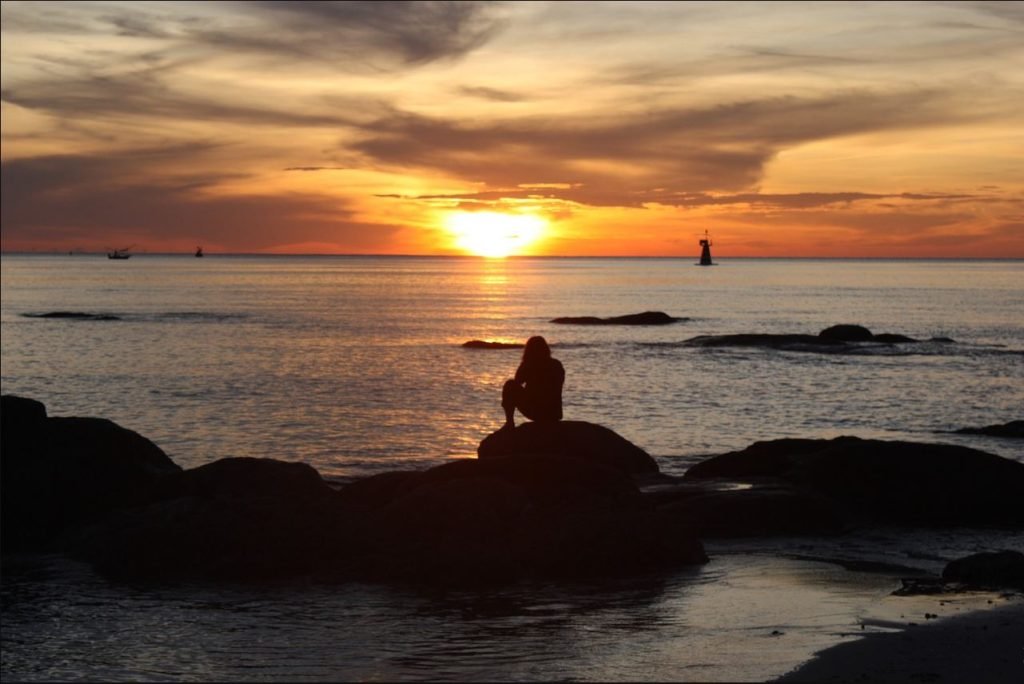
Let me start by answering the most basic question.
Thailand’s original beach resort town is no glorified palm-fringed castaway island, but it is arguably better. At least, I found so. Hua Hin (หัวหิน) is a mai-tai-like refreshing mix of city and sea with incredible beaches and numerous beach activities, stunning mountains and viewpoints, temples and lively night markets, some great inland activities, not least of which are golfing at some of Thailand’s most renowned courses. On top of that, there are water parks and numerous fine-dining restaurants for wholesome family fun. Overall, Hua Hin has an ambience that keeps improving daily. So, yes, Hua Hin is totally worth visiting.
Located in southern Thailand, along the Gulf of Thailand, Hua Hin began as a quiet fishing village but grew tremendously over the past few decades to become a top tourist hot spot. One of the main reasons it became so popular was the summer palace of the Thai Royal Family and elites since 1920.
As you can see from my pictures and videos, there are innumerable instagrammable places in Hua Hin. Still, Hua Hin is best known for its unique culture, sandy beaches, high-end resorts, health and wellness retreats, the royal residence of the Thai Monarchy, Hua Hin Railway Station, and night markets.
Hua Hin might not be as popular among tourists as Bangkok and Phuket. Still, it is extremely popular as a weekend getaway for Bangkok locals.
I visited Hua Hin in the shoulder season (June-September) when the coastal town experiences light to heavy rainfall. Still, I had a great time as it wasn’t too crowded, the hotel gave great deals, and it didn’t rain throughout the day. I had gone to Hua Hin after a hectic ten days trip to Phuket and Bangkok. So, I took it easy and opted for a four days health and wellness retreat experience instead of running from one tourist attraction to another in search of the perfect instagrammable photos. I did a bit of sightseeing in Hua Hin to appreciate its coastal beauty and understand its culture. Here are some of the Tourist attractions in Hua Hin.

While I visited Hua Hin with my friends, the city doesn’t disappoint you whether you visit as a couple or a family. If you are wondering what to do in Hua Hin with family, take a pick from any of these Hua Hin attractions:
Being located in the Gulf of Thailand, Hua Hin has been blessed with some of the most beautiful beaches in the world with year-round warmth. Hua Hin is a much quieter beach destination where you can genuinely chill and have a great time with your family on the beach without any disturbance. Being east-facing, it’s a fantastic place to watch the sunrise. Hua Hin Beach is closest to the city and lined with restaurants, hotels, and resorts, making it a bright spot for an evening stroll along the beach. And, if you fancy something more, try kitesurfing or partaking in various other water sports. Besides Hua Hin beach, other beaches worth exploring are Suan Son Pradipat Beach, Cha Am Beach, Khao Takiab Beach, Khao Tao Beach, Khao Kalok Beach and Dolphin’s Bay.

Although night markets are common across Thailand to spend evenings and get a glimpse of Thai culture, I found the night markets in Hua Hin very unique and with a keen focus on art, especially the weekend Cicada Market. It felt like I was strolling through an open art gallery where local talent showcases their talent along with live entertainment, shopping and food. Adjacent to the Cicada Market is the Tamarind market, that’s equally great and relatively similar in its offerings to Cicada. Named after the trees surrounding the venue, the Tamarind Night Market is a must-visit for foodies and shoppers. Besides Cicada and Tamarind Night Market, another must-visit night market is Hua Hin Night Market. It is widely believed to have started the phenomenon of night markets in Thailand. The town centre comes to life each night, attracting visitors with traditional Thai souvenirs and street food.
One place you should not mix when coming to Hua Hin is the Hua Hin Railway Station. Even if you don’t take the train, look at the Hua Hin Railway Station, listed among the most beautiful train stations in the world. This railway station is charming, quirky and definitely Instagram-worthy. You can even catch a pre-wedding photoshoot being done here.
Besides the railway station and beaches, there are other places you can go, like the caves. The magnificent Phraya Nakhon Cave is one of Thailand’s most mystical and mysterious landmarks. Still, only a few travellers get a chance to take a picture of it. The reason is simple: this gold and green pavilion is hidden inside a hard-to-reach cave, and only a handful of dedicated visitors will try to visit it.
Your trip would be incomplete without getting Thai massages. But why settle for a few massages? Why not go out and sign up for a health and wellness retreat? Hua Hin is considered the country’s prime wellness destination with top-quality health and wellness resorts such as Chivo-som, Aleenta Hua Hin Resort & Spa, SO Sofitel, and VLCC clinic at Avani+ Hua Hin Resort. I took a three-day health and wellness retreat package here. The centre has 11 treatment rooms and offers 4 treatments – integrated wellness, beauty and weight management, immunity and detoxification. I tried a mix of all, and the results spoke for themselves.
Hua Hin is the birthplace of Thai golfing and boasts an extensive range of superb golf courses. You can choose from ten top-quality golf courses in Hua Hin. Some of them have played host to major professional golf tournaments.
Hua Hin is a popular destination for families with young kids thanks to its amusement parks, such as Vana Nava Water Jungle Park and Santorini Park. Vana Nava Water Jungle Park offers spectacular rides and slides. As the name suggests, Santorini Park was built to resemble the Greek island of Santorini. Its white and blue painted buildings and windmill remind me of the island Santorini in the Aegean Sea. All in all a fun place to go for shopping, entertainment and rides.
To know more about the places I visited, watch my YouTube video.
These are just a few things you could do in Hua Hin, depending on your interests, budget and time. Whatever you decide to do, make sure you follow the below-given travel tips:
Spend at least 2-3 days here and try not to hop on and off from one place to another. This place is meant to slow down and relax.
It’s straightforward to reach Hua Hin and roughly takes around 2.5-3 hours by taxi and about 4 hours by bus from Bangkok to Hua Hin. You can come here via train, bus, taxi or flight. Buses run from Bangkok’s Southern Bus Terminal every 30 minutes throughout the day and early evening. I took a taxi from Bangkok, which cost roughly 1,500 THB one way and 3,000 THB both ways. Try to avoid the morning, evening and weekend rush hours.
Most of the Hotels in Hua Hin are High-end resorts such as the Barai, Anantara Hua Hin, Hua Hin Marriott Resort & Spa, Let’s Sea Hua Hin Al Fresco Resort, and V Villas Hua Hin. I stayed at Avani+ Hua Hin, an upscale, über-modern and eco-friendly resort with 196 spacious rooms and holiday villas close to the sea, with a couple of fantastic pools. The resort is huge and is perfect for young couples and families.
I hope the above article answers your question of whether Hua hin is worth visiting or not. Please share any questions or feedback in the comments section below.
In the following article, I’ll talk about the ten most frequently asked questions by travellers about Hua Hin.
Thailand Travel Guide: The best area to stay in Bangkok
Beyond Bangkok: 10 Hidden Attractions in Thailand for laid-back travelers
Phuket Thailand Travel Guide: Island Adventure and Scenic Beauty at Budget Price
15 big mistakes you should avoid in Phuket
Save this post to Pinterest if you like it!
Are you visiting Bangkok for the first time and unsure where to stay? Here is a list of the 11 best areas to stay in Bangkok, ideal for luxury travellers to backpackers.
If you have been to Thailand, you’d have heard the infamous phrase, “same same, but different.” This Thailish phrase sums up Bangkok accurately, a city of contrasts where the familiar and the unusual collide like the flavours of Pad Thai. The contradictions provide the City of Angels with its complex, multifaceted personality. Bangkok has it all. Bangkok has everything from high-class shopping malls to wholesale markets, striking ancient temples to glitzy skyscrapers, and from luxe fine dining to cheap street food. You’ll never get bored when you hit the streets of Bangkok. However, one crucial decision that can enrich or ruin your experience is the neighbourhood you choose to stay in Bangkok.
I have a simple philosophy when choosing an accommodation – a central location when it’s a city stay and an offbeat location when it’s a scenic stay. So, I followed the same rule this time as well. After my relaxed stay at Phuket, my main agenda was shopping and easy connectivity to major attractions in Bangkok, so I decided to stay at Amari Watergate Bangkok. You can read more about it here.
Despite being a popular tourist destination figuring out where to stay in Bangkok can be overwhelming. There are 50 districts (khet) in Bangkok and an infinite number of options available. Still, it’s not always easy to know what to pick. So, in this post, I’ll try to help you make that decision. Here’s a list of Bangkok’s 11 most popular neighbourhoods where you can stay, depending on your interests and budget.

If it’s your first time in Bangkok, you will find Sukhumvit very charming and perfect for your stay. You will be in the heart of the most dynamic area for tourism with easy access to other districts. Sukhumvit is a lively neighbourhood with an excellent array of historical and cultural attractions along with a strip of skyscrapers housing great bars, fine restaurants, lifestyle shopping malls, green spaces for recreation and a vibrant entertainment and nightlife scene, making it the best area to stay in Bangkok for first-time visitors.
Bangkok’s BTS Skytrain runs along Sukhumvit Road. You can easily catch it at stations in Ekkamai, Thong Lo, Phrom Phong, Asok and Nana.

When I first asked my friend where I should book my stay in Bangkok, her answer was – Bangkok Riverside. And, why not. After all, Bangkok’s riverside is the historic core of this magical city. Home to some of Bangkok’s best five-star hotels offering resort-style accommodation with incredible river views in a romantic setting, Bangkok Riverside reflects a constantly changing scene day and night. The area comes alive, especially after dark, with its glittering temples, shrines, and the Royal Palace.
Although some of the plushest condominiums and corporate towers have been built over the past decade, the area has retained its unique cultural identity, exclusiveness and seductive charm. You’ll find many of Bangkok’s finest luxury hotels straddling the river, with generations-old restaurants and shops hemmed in between. It’s undoubtedly one of the most atmospheric neighbourhoods in Bangkok.
However, due to its prime location, Bangkok Riverside charges a premium over other areas for hotels and restaurants. Also, the district does not have Subway MRT and only one Skytrain station, Saphan Taksin.
The royal district of Bangkok is home to the Grand Palace and Wat Pho (Temple of the Reclining Buddha). If you have been to Ayutthaya, you’ll notice the similarity between the layout and architecture of Rattanakosin with that of Ayutthaya, the former capital of the Siamese Kingdom, making it a must-visit district for history buffs.
While I took a cab to come here, on my way back, I took the more scenic ride – Chao Phraya Express Boat. Arun Residence offers striking views across the river and Wat Arun, one of Bangkok’s oldest and most iconic temples, for a romantic evening in Rattanakosin.

One of the main reasons why so many families love going to Bangkok is the fantastic shopping culture the city has developed. And Siam is the thriving heart of the shopping culture in Thailand.
On the one hand, there’s Siam Paragon – home to well-known luxury brands. On the other hand, you have MBK Center – one of Bangkok’s megamalls catering to budget-conscious shoppers. While some may complain that Siam has little to offer in terms of sightseeing, it’s arguably one of the top shopping destinations in Thailand and Southeast Asia. Be prepared to get swamped by crowds at the busy malls and the BTS Siam Skytrain interchange.
And, once you are done shopping, you could check out other attractions such as Madame Tussauds and Siam Square. Like Sukhumvit, SIAM has a great dining scene.

Pratunam is an excellent alternative to the Siam Area as it is more affordable and within walking distance to all Siam Square attractions. It isn’t quite as expensive as the Siam area, and there are some great wholesale and retail markets where you can get great bargains. Pratunam Market is open 24 hours and is Thailand‘s largest clothing market. The name Pratunam means ‘water gate’.
I stayed here – Amari Watergate Bangkok, opposite the Pratuman Mall. Here’s a video about my experience at the hotel.
At Pratunam Market, you’ll be spoilt for choice. An endless display of clothes, fabrics, textiles, watches, handicrafts, and more at wholesale prices. After a day (or days) of shopping at Pratunam Market, head to Prego, the Italian restaurant at Amari Watergate, for a sumptuous Italian fare or to the 304-metre-tall Baiyoke Tower II, which was Bangkok’s tallest skyscraper until 2016. The place offers superb panoramic views of the city from its 77th-floor observation deck.

One neighbourhood that you are guaranteed to find in any major global city is China Town. And Bangkok is no different. Chinatown in Bangkok is truly unique. You’ll be greeted by the colourful lights and vibrant colours, fascinating Chinese temples and the massive choice of street food. On a tour of the Chinese Quarter of Bangkok, you will get to know the Thai capital from a different side.
People come here to enjoy delicious street food available at countless food stalls. Another big attraction of the Chinatown area is the Wat Traimit temple, bejewelled with a 5.5-tonne Golden Buddha.
Don’t forget to try Yim Yim Restaurant for authentic home-style Chinese fare.

If you ask anyone in Thailand what’s Bangkok’s Backpackers Den, you’ll get to hear one name – Khao San road in Banglamphu. It is a place where backpackers from across the globe come to party until the wee hours. And, it’s not that Khao San Road only offers budget-friendly bars, nightclubs and food stalls; the Banglamphu district is home to some beautiful cultural attractions such as Wat Saket and Wat Suthat.
Tip: visit Banglamphu in the morning to beat the heat, queues, and touts. Evenings are to soak up the party atmosphere at Khao San Road.

During the day, Silom is a busy financial hub. After sundown, the area transforms into a vibrant and buzzing nightlife destination. There are plenty of late-night clubs and vivacious LGBTQ+ venues on Soi 2 and 4. Silom also boasts a vibrant dining scene, where you’ll find cuisine from Thai fusion to Greek.
Silom is easily accessible by both BTS Skytrain and MRT underground trains. You’ll find plenty of rooftop bars here, and must-try sky bars in Bangkok include Sky Bar, Distil Bar, and Mahanakhon Bangkok Skybar.

Named after the Lumphini Park, Lumphini is one of Bangkok’s few green spaces where you can escape the madness of the great City of Angels. You could go boating on its lake or run and cycle along tree-lined pathways. Once you are done with a walk or a jog, you enjoy a cold drink at nearby bars and restaurants on Soi Ton Son street.
Also, you could participate in regular events held at Lumphini Park, which could be anything from morning aerobics to free evening concerts.

Watthana is one of Bangkok’s most lively and best-developed areas, a hub for fancy international restaurants, designer hotels, and a hotspot for high-end shopping and nightlife. Thong Lo is renowned for its Japanese restaurants. At the same time, neighbouring Ekkamai is home to swanky cocktail bars and nightclubs. If you are someone like me who likes Mexican, Italian and local cuisine, head to the W District. Shopaholics would love the Emporium and EmQuartier shopping malls. Both complexes are located opposite each other and easily accessible via the Phrom Phong BTS Skytrain station.

If you are someone who values peace over a lively atmosphere, then look further than Thonburi. It is one of Bangkok’s top residential areas, where you can enjoy relative calmness compared to Bangkok’s central districts. While sightseeing options are limited here, you can always sail on longboats through the district’s narrow waterways. You can enjoy the traditional wooden houses, and visit the iconic Wat Arun temple and its towering pagoda.
If you arrive early, you can see the top sights of Thonburi and neighbouring Rattanakosin (Bangkok’s royal district) in a single day. When you need to refuel, you’ll find plenty of street stalls selling local delicacies ranging from coconut pancakes to grilled sausages.
These are just a few districts where you can stay in Bangkok, depending on your budget and interests. One thing I can guarantee you is that wherever you stay, Bangkok will be abuzz with life. You’ll find friendly people and delicious food everywhere.
I hope you found the above article on where to stay in Bangkok helpful. Please share any questions or feedback in the comments section below. Save this post to Pinterest if you like it!


15 big mistakes you should avoid in Phuket
Beyond Bangkok: 10 Hidden Attractions in Thailand for laid-back travelers
8 days in Vietnam: Your complete Vietnam itinerary!(Opens in a new browser tab)
Seoul Travel Guide: what to see and where to go(Opens in a new browser tab)
Phuket is a tropical paradise famous for its beaches and resorts. In fact, Phuket is the most visited island in Thailand. It has everything you expect from an island getaway: beautiful beaches, lush green hills, and turquoise waters. There are so many things to see and do in Phuket that it can be overwhelming at first. While it’s very easy to fall in love with this island, there are also some pitfalls many travellers tend to overlook when planning their trip to Phuket. Here we list things not to do in Phuket and 15 mistakes you should avoid when travelling to the island if you don’t want a disappointing experience.

As soon as you enter Thailand, you’ll see larger-than-life portraits of the Royal Family everywhere. That’s because the Thai people hugely revere the monarchy, and strict customs towards it are followed. Any sign of disrespect towards monarchy is a criminal offence and can land you in jail with an imprisonment of three to fifteen years.

If you are on a packaged tour, most travel agents and booking engines will try to sell you the tourist trap areas like Patong and Kata because these places have plenty of hotels, restaurants, beaches and everything a package holiday maker desires. However, these places are run-down and have a sleazy side too. If you are visiting a couple or family, it is best to avoid them for your stay. By all means, visit them for some time. They have a cultural side too that shouldn’t be missed.

Phuket Town is a heritage heart of the island with many charming places to explore, but as a first-timer, you can be misled into believing that being in Phuket Town means you’ll be closer to the beach. On the contrary, Phuket town is 20 km from the nearest beach, i.e. Patong, and traffic can sometimes be a nightmare. It is better to stay near the beach and take a day trip to Phuket town to enjoy the famous weekend markets and heritage streets! There are many great places to stay near the sea like Bangtao Beach, Surin Beach, Kamala and many more. If you are looking for a more laid-back experience, you can choose places like Kok Phu, Rawai, Hat Mai Thon, Nai Thon or Mai Khao.

One mistake that most tourists make is that they don’t go beyond the beach where they book their hotel or resort. Usually, that beach would be Patong, Kata, Karon, or Kamala Beach. That’s really sad, considering there are over 40 beaches in Phuket and the most beautiful ones are the ones where most people don’t go. Rent a bike and go beach hoping, as I did! Some beaches to explore are Banana Beach, Laem Singh Beach, Sai Kaew Beach, Freedom Beach, Naithon Beach, Ao Yon Beach, Ao Sane Beach, Layan Beach and many more.

One of the most common scams you’ll come across in Phuket is the motorbike rental scam. Upon bringing the bike or car back to the rental company, you’re told that you have damaged the vehicle and are given some outrageous figure to cover that damage. And the worst affected are the ones who have submitted their passport as security for the rental. NEVER EVER leave your passport with the rental company. Not only is your negotiating position weakened, but you could also get into serious trouble if you are ever caught in any untoward incident.

The best solution to avoid the motorbike scam in Phuket is to ask your hotel for recommendations. They will usually have a good reliable firm that rents motorcycles. I did the same at Cassia Phuket and got a good deal. Another vital factor to consider is to get a rental contract signed before giving the deposit. Read the rental agreement properly, including any fine print they may include, as you don’t want to be surprised by them in hindsight. Most importantly, take pictures of the vehicle from all sides to determine the presence of any (or no) damages that existed before renting the car. And, do not delay in returning your motorbike; otherwise, you’ll be charged for an extra day.
Travelling well is the best revenge. If you want to avoid the mistakes listed above, do your research before you go to Phuket. A little research can save you a lot of last-minute hassle. Learn about the different places in Phuket, their attractions, the best times to visit, and how to get there. Most importantly, don’t forget to check the weather forecast and the best times to visit Phuket. I made the mistake of visiting the famous ‘Plane spotting at Mai Khao beach‘ during lean season – June – when planes don’t land but take off. Thus I could not get those Instagram-worthy pictures that made this beach so famous among the locals and tourists.

Also, it’s a good idea to check out the local festivals or events during your trip. You can also read travel blogs and watch vlogs to learn about the different experiences people have in Phuket. There are many reviews and recommendation platforms like TripAdvisor, Facebook groups, or Expedia, where you can read reviews and suggestions from other travellers. These reviews can help you avoid the common mistakes people make when travelling to Phuket.
There’s no right or wrong time to travel to Phuket. However, if you want to avoid crowds, you should travel to Phuket during the off-season. The dry season in Phuket starts in November and goes until May. But this is when the island is flooded with tourists. If you want to enjoy the tropical weather and avoid crowds, the best time to travel to Phuket is from September to November. If you want to enjoy the beautiful tropical climate, spring is the best time to travel to Phuket. The weather is pretty warm, and it is the best time to enjoy water sports like scuba diving, snorkelling, and water skiing. If you want to enjoy the sea, beaches, and tropical weather, you should travel to Phuket between April and June. The rainy season in Thailand begins in June and lasts until October, but it doesn’t rain for 24 hours. The rain comes and goes in breaks, and you still have time to go outdoors. I went during the monsoon season and could still do all the outdoor activities.

Weather is unpredictable. But if you check the weather forecast before you go to Phuket, you can avoid last-minute changes in your plans. I was stranded on Big Buddha for three hours because of this mistake. Firstly I reached the temple’s closing hours, thanks to Google maps which took me elsewhere. The temple closes at 6 pm, and I arrive at 6 pm. On top of that, I was on a Scotty, which made it impossible for me to leave the premise when it started raining cats and dogs. I had no option but to wait for the rain to get over.

Also, you should wear weather-appropriate clothes. If you visit Phuket during the monsoon season, you should remember that the weather is unpredictable, and you may encounter heavy rainfall and strong winds. If you visit Phuket during the dry season, you can expect a tropical climate with average temperatures between 24° and 35° Celsius. If you visit Phuket during the hot season, you should wear light and loose clothing. You can also use a good insect repellent spray to avoid getting bitten by insects. You can find out about the climate conditions in Phuket by checking the weather forecast before you go. Sand, under no circumstances, miss applying the sunscreen of at least 50 SPF.

Most flights from India to Phuket will reach the early morning, which means you are half asleep when you land. And, when you are not 100% in your senses, you could make mistakes you would otherwise never even think of making, like mistaking someone else’s luggage for yours. I am guilty of doing the same. I realised when I reached the hotel, and the other party had called me. The Phuket airport staff was kind enough to bring me the right luggage. But as a penalty, I had to cough off almost 5000 INR for the luggage mix-up.

Don’t get me wrong, I love Pad Thai and highly recommend trying it out if you haven’t already. But please don’t make all your meals Pad Thai meals. Thai cuisine has a lot more than noodles. One great thing to eat in Phuket is the seafood, considering Phuket is an island surrounded by the Andaman Sea. If you are a non-vegetarian, try out Tom Yam Goong, Mee Hokkien noodle, Massaman Curry, Kanom Jeen, Khao Man Gai, Por pia, and Satay, among other foods. If you want to know what are some good restaurants to try out in Phuket, check out 10 Phuket restaurants you’ll like to fly for.

Unlike the perception, Thailand can be as gratifying for vegetarians as it is for meat and seafood lovers, but it takes a bit of caution. Fish sauce is used like salt here, and chefs consider shrimp paste and oyster sauce vegetarian. So, before ordering any food, tell them not to put fish sauce, oyster sauce or shrimp paste. If you are looking for some vegan or vegetarian restaurants in Phuket, check out Happy Cow. I always use it to find vegetarian and vegan restaurants whenever I travel abroad, which has never disappointed me.

And, if you want to try out other cuisines with memorable experiences, I highly recommend trying out multiple restaurants in Laguna Phuket, such as Azura, Atoll, XANA Beach Club, Albatross café etc.
On a beach holiday, it’s hard to resist swimming in the sea. However, swimming during monsoon can be dangerous, and people who ignore warnings often get drowned. Phuket is no exception, as rip currents are found on many beaches during the monsoon season from May to November. Many people, mostly tourists, have been caught in rips and drowned. So, no matter how good a swimmer you think you are, you will probably lose. Remember, Red flags on the beach mean NO SWIMMING. Yellow and red flags indicate that you can swim between the flags where lifeguards are on duty. So, pay attention to the flags when you are on the beach.

What else can you do if you can’t swim in the sea or go on an island hopping tour? You can get a beach massage done. Beach massages are cheap and available on almost every beach in Phuket, even the most remote! Many types of massages are available in Phuket, and you should try as many as you like. From foot massages to traditional Thai to spa experiences, each type will have its benefits. It rejuvenates you from the exertion of a long flight or too much sightseeing and prepares you for the next day. Another bonus of getting a massage in Thailand is that, compared to many other areas in the world, Thai massages are economically priced, starting from as low as 200 baht, which is 6 US dollars and 441 Indian rupees. However, the massages can be as luxurious and expensive as you want. For example, I was in the mood for pampering, so I got a 60-minute Thai Classic Full Body Massage at the 5-star Banyan Tree Spa in Phuket that cost around 5000 TBH. I cannot tell you how wonderful the experience was. I would highly recommend trying it if you can splurge on wellness. Totally worth it.
Although Phuket is not necessarily a destination for shopping, Bangkok is. But if you are in the mood to shop, don’t shy away from bargaining. It’s a part of the shopping experience in Thailand, but don’t bargain too much or at every place. You could start at 50-60% of the demanded price at the night market and settle on the price you feel comfortable with. But don’t overdo it.
Elephant rides in Phuket are one of the major tourist attractions in Thailand. Still, as a supporter of ethical tourism devoid of animal cruelty, I would highly recommend you avoid riding an elephant in Phuket or anywhere. Instead, you can visit a sanctuary or rehabilitation camp, feed the elephants and see them play by themselves in the water and mud! There are four elephant sanctuaries in Phuket that you can visit – Phuket Elephant Sanctuary, Paklok, near Phuket Town, Elephant Jungle Sanctuary, Phuket, Naithon Beach, Elephant Retirement Park, Phuket, Bangtao Beach, and Phang Nga Elephant Park
Like India, Thai Temples are highly revered religious places, and people are expected to dress appropriately before entering them. Unfortunately, many travellers casually walk in with sleeveless shirts or revealing outfits. Please respect the local customs and wear at least a T-shirt with sleeves, skirts or short pants that reach knee level, and remove hats or caps.

When you visit Thailand next time, I hope you’ll remember these 10 big mistakes you should avoid in Phuket and have a wonderful time there. If you need help planning your Phuket trip, read the Phuket Travel Guide.
Beyond Bangkok: 10 Hidden Attractions in Thailand for laid-back travelers

Are you planning to visit Phuket, Thailand, soon? And, wondering what is Phuket best known for or when is the best time to visit? In this ‘Phuket Travel Guide’, you’ll find everything you need to know to plan a memorable trip at a budget price.
Amazing Thailand is one of the most visited countries in the world, welcoming a whopping 40 million foreign arrivals every year, of which 10 million visited Phuket in 2019. Compare this to the 0.50 million foreign visitors to Goa. According to a report released by Columbus Direct – Phuket gets the highest number of visitors per square mile per day in the world – an average of over 25,452 visitors per day. So, what is it about Phuket that attracts tourists so much?
Located in southern Thailand, Phuket is the biggest Island in Thailand and sits on the Andaman sea. Being an island paradise, Phuket is surrounded by many magnificent Beaches such as Rawai, Patong, Karon, Kamala, Kata Yai, Kata Noi, Surin, Bangtao, Mai Khao, and many more. Phuket is renowned for its exotic islands, blue ocean waters, white sandy beaches, exciting adventure activities like snorkelling and diving, and spicy Thai cuisine. It isn’t all just beaches though; Phuket is also known for its culture, amazing temples, and vibrant nightlife. By observing Phuket’s rich culture, welcoming atmosphere and colourful history, you can see why the island is a hotspot for tourists in Thailand. Phuket has a considerable Chinese influence, so you will see many Chinese shrines and Chinese Restaurants around the City. I also loved Phuket for being a tropical paradise. It is almost as big as Singapore, covering more than 5,800 square feet of area. Wherever your eyes go, there is greenery all around.

Phuket has so much to offer that it’s impossible to cover everything in 3-4 days. Therefore I decided to explore Phuket differently this time, and here is what I did.
During my ten days trip to Thailand, I kept four days exploring Phuket. Being a nature and adventure lover, I kept a mix of activities that could give me a decent taste of the island in a non-hurried manner. My ‘4 days in Phuket’ itinerary consisted of a blend of a few ‘must-visit places in Phuket’ and some hidden explorations. Health and Wellness programs balanced the adrenaline rush of the adventure activities. And, if days were so action-filled, nights were an equally fun affair with stunning night shows.
Here’s a YouTube video of my experience in Phuket
Before I share more details about my trip, let me tell you some crucial points.
Getting to Phuket from India or any other destination is not difficult. There are several ways to reach the island.
The fastest and often cheapest way to reach Phuket from Delhi or anywhere else is by flight. There are also direct flights to Phuket from India, Australia, Malaysia, Singapore and Germany, among other countries. Some airlines with frequent routes between India and Phuket are Go First, IndiGo, Thai Smile and Thai Airways. Many websites claim that the cheapest month to fly to Phuket is August. If you are not flying directly to Phuket, you can also fly in from Bangkok as there are regular flights from the capital. At times you can get a flight ticket as cheap as 1500 INR for one way.
Another option to reach Phuket is taking a minivan or bus from other regions of Thailand, including Bangkok, Krabi, Phang Na and Surat. Buses in Bangkok take up to 13 hours to reach Phuket. Both air-conditioned, as well as non-air-conditioned buses, are available at different prices. Thailand is generally very safe but beware of pickpockets at bus stations and touristy areas.
Phuket is an island with a good road network. Commuting within the island isn’t difficult at all. You can either hire a cab or a scooter. We hired a scooter @400 THB per day plus petrol costing around 100 more. This was enough for exploring the island from North to South in 24 hours.
A Taxi from the airport to your hotel could cost anywhere between 500 THB to 1250 THB, depending on where your destination is. For more details, check out Phuket airport taxi prices. You can either hire a local cab or call GrabTaxi. The taxi fare in Phuket charges a minimum fare of THB 50 plus THB 8 per Km, costing you a total of THB 58 Km. For details, check out the Taxi Auto fare website.
The most often asked questions are ‘what can you do in Phuket in 4 days?’ or ‘what are the best things to do in Phuket?’ Well, a lot, depending on what’s your appetite and interest. This fabulous island has gained tremendous popularity because of its incredibly vast range of attractions, activities and tours – from stunning white sand beaches and natural wonders to glittering temples and buzzing nightlife. And, the best part – unlike other expensive destinations, Phuket has tons of attractions for every kind of traveller – from budget backpackers wanting to party hard to adventurers seeking some epic outdoor action to those just looking for a relaxing luxury getaway for a few days. So, if you are looking to spend a few days in Thailand, here are some of the things you can try:
Here are the Top 10 Things to Do in Phuket Thailand Right Now
Phuket is particularly special because of the hundreds of islands surrounding it, many uninhabited and surrounded by some of the most spectacular coral reefs in the world. Therefore island hopping is one of the most popular things to do in Phuket. The island hopping activity is usually a full-day activity, depending on which islands you want to explore. Phi-Phi islands, Maya Bay, Maiton Island, Khao Nai Island, Similan Islands, Racha Island, Koh Lipe, and Koh Lanta are just a boat ride away. The half-day tours start at 1500 THB/person and go up to 13000/person, depending on what you want.

The jaw-dropping limestone cliffs and flooded caves are on every traveller’s list visiting Phuket. Though extremely touristy, you can book a Phang Nga Bay tour even one day before you plan to visit it. Thankfully, this attraction is open throughout the year.

The 45-meter tall white marble statue sitting atop the Nakkerd hill in the south of the island is a must-visit site in Phuket. Although the road to get up here is steep but well-paved, the panoramic view from the top is worth the climb. Once you reach the top, you can see the whole of Chalong Bay to Phang Nga in the North and Kata Beach in the south. While descending, I recommend stopping at one of the many little panoramic bars to get a bird view of Karon Beach.
If you like to imbibe the local culture vibe, then you must experience the nightlife of Phuket, where you’ll be greeted by colourful lights and smiling faces, inviting restaurants, tempting salesgirls, alluring bars, and of course, dancing girls. The night could be as sober or as wild as you want. You can party in Bangla Rod, or if you feel a bit more adventurous, you can visit a Go-Go bar to see what the fuss is all about. But if you are not a party animal, you can enjoy the Sunday Street Market on the old Thalang road of Phuket Town or try the local delicacies at many of the town’s night markets. Some are only weekend markets. Also, if you can take the time out, you must check out the Simon Cabaret. But make sure to book in advance.

If you have time, check out the Old Phuket Town, Chalong Temple, Karon Beach, Karon Temple and Karon Viewpoint. From the latter, you can enjoy a panoramic view of three magnificent bays – Kata Noi Beach, Bay of Kata and Karon Beach. If you love sunset, you must check out the Laem Phromthep viewpoint, which features the most beautiful sunsets in Thailand.

But if you are someone who wants to give the touristy activities a pass and try out some offbeat adventures in Phuket, then here is what I recommend:
Besides snorkelling and scuba diving in the Andaman Sea, you should try out sailing, kayaking and SUP paddling in Phuket lagoons, lakes or rivers. I had a great time trying them out at Angsana Villas Phuket under the supervision of my guide, Kiattisak, who is lovingly called ‘superman’. He is an ex-Mai Thai Boxing champion.


Phuket is exceptionally green and very picturesque. Some of the most stunning and tranquil beaches with hardly any crowd are tucked away in North Phuket, such as Mai Khao, Khao Lak, Nai Harn, Nai Yang, and Banana beach.
If you want to create some fantastic memories, then ATOLL is the place to be. Imagine sitting in the heart of Laguna Phuket’s gorgeous lagoon, watching the golden sunset while sipping your vibrant cocktail and relishing the contemporary chic cuisine with a once-in-a-lifetime flyboard show being the highlight. And you are getting served champagne from your flyboard artist. Sounds fun, right?

If you love visiting hidden spots, you should absolutely check out an old wooden staircase leading to “Naithon Beach,” one of Phuket’s best beaches. Enjoy a dramatic shade of sunset over the Andaman Sea while strolling down.

Plane spotting is a popular activity in Phuket. The hotspot for watching planes coming into land is at the southern end of Mai Khao Beach. One word of caution – the best season to see them landing directly over the beach is during the high season (December to April), especially between 10 am and 2 pm. So, make sure you plan accordingly.
Get clicked at one of the most instagrammable spots in Phuket, where an artificial lake is covered with unusual giant circular floating leaves called Victoria Amazonica, the largest of giant water lilies. Ma Doo Bua Cafe is highly photogenic, with traditional Thai wooden houses and a long pier creating an illusion that the selfie’ models’ are in a local village. The resulting photos are beautiful, but the reality behind the photos is a little different. There is often a long queue to stand on that pier waiting for their turn, and the restaurant is crowded so getting a table takes time. Also, the restaurant has found a way to earn from Instagram crazy people by offering two photo options that you can’t do by yourselves. The drone photo starts at 500 baht for one person, 800 for 2, 1,000 baht for 3 and 1,200 baht for four persons. Standing on a leave costs 350 baht. I found the photo charges more expensive than the food, so I dropped the idea of getting clicked. The food here is Thai.

One important point, before booking your trip to Thailand don’t forget to read the 15 BIG MISTAKES YOU SHOULD AVOID IN PHUKET
One of the most important decisions to make while planning a holiday to Phuket, Thailand, is to pick the right area to stay in. While there are dozens of beaches around the island, each main resort area has a different and unique character catering to different kinds of travellers. If you choose the right one matching your needs and preferences, you should have a great holiday. Pick the wrong place, and it could ruin your trip. So, here are some areas that you could pick from depending on what you like:


If you want to experience the touristy side of Phuket, then head to Phuket’s southwest coast. Most of the beaches like Patong, Karon, Kata, Kamala are concentrated here. This area is the busiest, flanked by beach bars, cafés and jet ski operators. If you are someone like me who likes picturesque, pristine, quiet places, head to Phuket’s west coast, such as Surin, Bangtao and Layan. If you want a low-key experience away from the noisy tourists, go further up to the North West coast – Mai Khao, Nai Yang, Nai Thon beach.
If you are looking serene yet exciting area to stay in Phuket, Laguna Phuket could be a perfect place for your next trip. A holiday paradise spanning 1,000 acres of lush tropical parkland with 3 km of pristine Bangtao Beach. Featuring more than 1,400 guest rooms across eight deluxe hotels, Laguna Phuket offers an abundant variety of choices for travellers. You can choose from any of the 8 world-class hotels – Banyan Tree Phuket, Banyan Tree Veya Phuket, Angsana Laguna Phuket, Angsana Villas Resort, Dusit Thani, SAii Laguna Phuket, Laguna Holiday Club Phuket Resort, and Cassia Phuket, all unique hotel resorts within Laguna Phuket are only minutes away from each other via complimentary shuttle bus or boat. Besides the hotels, Laguna Phuket also features beautiful lagoons, tropical parkland, an award-winning 18-hole golf course, tranquil spas, restaurants, bars, boutique shopping, and daily water sports activities.
While all the eight hotels are unique in their own way, I chose to stay at a budget property – Cassia Phuket. This elegant six-storey hotel built in modernist architectural style starts as low as 899THB. Room rates depend on the dates, room types, and the number of guests, so please click online to see the latest and best offers! I had a fantastic experience staying at the lagoon-facing, all-suite hotel that delivers an idyllic beachfront living experience. There was a free shuttle service to take guests to the Bangtao beach or other nearby Laguna Phuket hotels.

What I loved about this hotel was that it had a very perky personality, and the suite was outfitted with a fully equipped kitchen where I could cook my own meals. The staff was accommodating and courteous, and I even enjoyed a memorable sunset barbecue dinner fire dancers show. If you ever want to stay at a property that feels like a home. Try this one.
Phuket has a lot to do, and you can easily spend as much time as you want. The ideal time to enjoy its various islands, culture, food and nightlife would be seven days, but if you are hard-pressed on time and want to enjoy the highlights of Phuket, four days are enough.
How to Spend Perfect 7 Days or less in Phuket Thailand:

Day 1
Morning: Reach the hotel and relax
Afternoon: Hire a two-wheeler or a car to visit the Big Buddha, Wat Chalong & Kata Noi Beach.
Sunset: Enjoy the sunset from the Karon View Point
Evening: End the day by visiting Karon Temple and Karon Market
Day 2
Morning and afternoon: Start early morning for Island Hopping and Snorkelling.
Evening: Visit the Chillva Market or return to your hotel and enjoy a Barbecue dinner with fire dancers
Day 3
Morning: Water sports at Angsana Villas, Laguna Phuket or anywhere else you like
Lunch: Azura at Laguna Phuket
Post lunch: Spa at Banyan Tree or anywhere else you like
Evening: Dinner and Flyboard show at Atoll, Laguna Phuket
Day 4
Morning: Take a Thai cooking class
After lunch: Visit the Old Phuket Town
Afternoon: Visit the Chalong Bay Rum Distillery
Evening: Enjoy the Simon Cabaret Show
Late: Enjoy the nightlife of Bangala Road
Day 5
Morning: Explore Phuket on a 2-wheeler or car. Visit the old wooden stairs at Nai Thao Beach, and enjoy plane spotting at Mai Khao Beach (make sure you reach by 10 am in the peak season)
Afternoon: Explore Srinath National park – a coastal park – where you can walk on the white sandy beach and watch aircraft flying low over Mai Khao Beach for landing, kayaking or snorkelling. Another option is to go waterfall chasing like Kathu waterfall, Tonsai waterfall etc.
Evening: Watch the sunset at Bangtao Beach
Day 6
Morning: Visit the Racha Yai Island on a Catamaran. Snorkel and kayak
Lunch: Enjoy a seafood feast on the catamaran
Evening: Dinner at one Chun restaurant in Phuket Town
Day 7
Fly home or your next destination
I hope the above itinerary can help you plan your Phuket trip. In case you are still wondering what can you do in Phuket in 4 days, 3 days or less, just mix and match a few of the above activities in the number of days you have in hand, and voila you have your perfect Phuket trip itinerary.
Phuket is a destination that is neither too expensive nor too cheap. Here’s a rough estimate on how to make a 4D3N budget trip to Phuket, Thailand, in under 50,000 INR
International Flights: 15,000 – 40,000 INR depending on your travel season
Accommodation: 12,000 INR @ 3000 INR per night for three nights at a 4 star hotel/apartment
Local transportation: 5000 – 10,000 INR depending on whether you hire a motorbike or a car for two days
Food – 5000-10,000 INR
Activities – 5000-10,000 INR depending on what kind of island tours or activities you sign up
To know the average price of things and services in Phuket, do check out this link.
The best season to visit Thailand is during the dry season, November – March, when the weather is pleasant and it doesn’t rain. The temperature at this time varies from 23°C to 30°C and is drier with no monsoon showers. However, it is rainiest from October to December in the Lower Gulf regions such as Ko Samui, Ko Phangan, and Ko Tao.

Phuket has excellent connectivity to most of the country. So it depends on what you want to explore further. Mountains and valleys characterize the North; the south boasts stunning beaches and turquoise seas. The difference in landscape and experiences allow you to enjoy different activities.
North of Thailand – If you love history, heritage, ruins, mountains, and national parks, you should go here next. The best places to explore in Northern Thailand are Chiang Mai, Chiang Rai and Pai.
South of Thailand: A paradise for beach bums with turquoise waters, white sand beaches and stunning islands. Besides Phuket, some of the most spectacular islands in the Andaman Sea include Koh Phi Phi, Koh Lipe and Koh Lanta. The most popular Gulf of Thailand islands as Koh Samui, Koh Phangan and Koh Tao.
Central Thailand: Central Thailand is mainly plains and is a massive area of rice farming and agriculture. It is centred around the large urban agglomeration of Bangkok. The best places to visit in central Thailand are Bangkok, Ayutthaya, Kanchanaburi, Phra Pathom Chedi, Bang Pa-In, and Damnoen Saduak floating market in Ratchaburi Province.
Find more details about various regions of Thailand on the Tourism Thailand website.
While searching online for my trip, I came across many good Thailand Bloggers. You may want to check out the blogs of these top Thailand bloggers for more in-depth information about Thailand:
Related:
Beyond Bangkok: 10 Hidden Attractions in Thailand for laid-back travelers
I hope you found the above ‘Phuket Travel Guide’ helpful. And, you’ll be able to enjoy the island adventures and scenic beauty of Phuket at a budget price. Please share any questions or feedback in the comments section below. Save this post to Pinterest if you like it!


Do you love travelling and want to get paid for it, this step-by-step guide is for you on how to become a successful travel influencer on Instagram and other social media platforms.

One of the most often asked questions on my social media channels is – “I want to travel the world like you. How can I become a travel influencer?”
The answer is pretty simple and complicated, and I try to answer as many people as possible. I decided to pen everything down in this detailed blog post to save time and provide all the relevant information on becoming a paid travel influencer. Here you’ll find information on how to start, build your brand, and eventually how to start earning from influencer marketing. But before sharing that, let me give you some idea about how big this industry has become in the last few years.
Five years back, when I was in the advertising world, influencer marketing was a negligible part of the marketing budget of just a few big brands. And a decade ago, the phrase ‘influencer marketing’ was unheard of. Cut to 2022, it has since become one of the fastest-growing industries in India and across the world. The influencer market grew from $1.7 billion in 2016 to $13.8 billion in 2021. This year, the market is projected to expand to a whopping $16.4 billion industry. The industry is expected to grow at a CAGR of 32 per cent to reach USD 24.1 billion by 2025. The Indian influencer marketing industry is also keeping pace. Valued at Rs 900 crore, it is expected to grow at a CAGR of 25 per cent to reach Rs 2,200 crore by 2025.

The shift from relying on celebrity endorsements to employing influencers for product placements has been massive and noticeable. Unsurprisingly in 2021, celebrities held only 27 per cent of the market share of marketing campaigns, while influencers had the bigger piece of the pie at 73 per cent. The spectacular growth of influencer Marketing is attributed to the increasing popularity of short video formats on platforms like Instagram, TikTok, Facebook, and YouTube, the effect of the global pandemic on consumers, which catalysed social media consumption, and the optimisation of data collection, which marketers used for social media ads. Instagram is the Preferred Social Media Channel for Brands Who Engage in Influencer Marketing.

Influencers are no more a homogenous group, but they have become brands themselves. While there are no strict definitions of follower numbers, there are generally five types of Influencers:
Moreover, the growth of influencers is also not merely limited to traditionally dominant sectors like food & beverage, personal care, fashion and technology. It is now noticeable among other sectors like BFSI and fintech too.

Now, becoming an Instagram influencer is no longer a hobby but a career. So, if you are still sitting on the fence and evaluating your options, this post will help you.
Want to know how to become a successful Instagram or YouTube influencer? Start by giving up procrastination and taking action. Don’t wait for the perfect opportunity to knock on your door. Don’t wait anymore. Start today.

According to Earth Web, there are between 3.2 million to 37.8 million influencers globally. So, if you want to be one of them and a good one, you have to find a niche. A unique spot where you can create your own identity. Start creating content on one thing – travel, food, culture, fashion, finance or something else. In travel, what is it that you are good at or like – it could be anything like solo travel, adventure travel, couple travel, backpacking, luxury or something else.

When working on your niche, find something that fits you and that you want to create content about! Then ask yourself if you love it enough to devote time and resources to it. Also, if you think people would like to see it. If, in both cases, the answer is yes, you found your perfect niche! Once you have found your niche, keep peeling the layers to further fine-tune it. For example, I only talk about offbeat travel, and I am now leaning towards sustainability.
The next big decision for you would be finding a catchy yet simple enough to remember a name that stands out from 3.2 million influencer handles. If possible, look for a word related to travel in your name. It would do three things – your name will immediately make apparent that you create travel content. It would be good for SEO if you want to expand to other channels. It would establish you as a brand from the beginning and not just an individual. For example, anyone who comes on my page would know that I post content about travel by just looking at my username ‘Travel See Write’.
The secret to good organic growth on Instagram, YouTube, Facebook, Twitter, TikTok or any other social media is to create and post regularly. More importantly, you want to approach your account more professionally to be a travel influencer. Create content that is high quality and would be of interest to your audience. Do look up trends and hashtags to come up with fresh content ideas. Instead of posting stand-alone content pieces that look haphazard, create a series with a unique brand look for your gallery. Use presets or filters or apps like lightroom, snapseed etc., to edit your pictures professionally and have a uniform look. Plan your content calendar for at least 6-9 posts in advance. Use a mix of content pieces like Instagram reels, static posts, carousel posts, IGTVs and stories. Instagram is promoting reels big time, so focus more on that.
Brands would not line up to sponsor your travel when you are just starting up. You’ll need to invest from your own pocket on your travels and in your photography gadgets. As you start shooting professionally, you’ll need to regularly upgrade your equipment – from mobile to DSLR to mirrorless. All that costs money, which is where your day job will come in handy. I kept blogging for two years before taking up a travel blogging career full-time.
Once you have zeroed on to becoming a travel influencer and have done the groundwork to start off, it’s essential to start thinking and strategising on building your brand. Don’t look at Instagram or any other social media channel in a silo. Instead, consider them as pillars of running a successful business. A passion that can earn money for you. But like all businesses, it requires a lot of hard work and planning. Here are a few things you should do to build your brand:
Your bio is the first thing people mostly see when checking out new Instagram profiles. Along with your profile photo and feed, it gives the first impression of your account and what it stands for. This combo will decide whether people would follow or not follow you. It is essential to think about what you write down in your bio. For example, you can specify what your Instagram page is all about. Or you can give some information about yourself and share your contact information for potential brands to reach out for collaborations. Since there is a word limit, I use a linktree in my bio to share my latest works and social media presence.

Even if Instagram or YouTube is your primary channel, having a website is essential. Here you can give all the relevant information about yourself, post your portfolio and past achievements, and show how people can get in touch with you. This is great for your followers and the brands you work with. Buy a domain name (ideally, use one brand name across all channels, be it your website or social media handles). And link your website in your bio. Also, don’t forget to list your business on Google even if you are not selling anything yet.

In 2014, each person had approximately 4.8 social media accounts, and in 2020, that number went up to 8.4 accounts per person. As social platforms and usage continue to increase, content creators must embrace a cross-channel approach to reaching out to a broader audience. While some platforms share similarities, they’re not necessarily the same. For example, Twitter content speaks to a different audience—users who most likely want to be interested in political or newsy affairs. At the same time, Instagram is more appealing to those who prefer entertaining content.

For content creators to stay relevant, we should be able to generate content that’s tailored for each type of social media platform. Duplicate content can be repurposed and tweaked for each media. Also, cross-promotion can help in driving traffic from one platform to another.
Even if your vision is to become a successful company, do not let go of your authenticity in the long run. Be yourself and be relatable. Never forget why people followed you in the first place. Many influencer marketing studies have shown that people are more likely to follow influencers who look like “everyday people”. Contrary to popular belief, most consumers prefer following influencers who look and act like us instead of celebrities. The key to winning people’s hearts and growing your followers’ list is by personalising your content and engaging with your audiences on a more human level or through a down-to-earth approach. Always reply to your comments or DMs, howsoever trivial they might sound.

The entry barriers in influencer marketing are almost negligible. Anyone with good creative skills and a business mind can make it big. It’s very easy to earn through social media. But the trick is how to stay relevant when trends and platforms change. So, suppose you see Travel Influencer as a long-term career. In that case, you have to invest in continuously upgrading yourself and staying ahead of the curve. Learn photography, video making, SEO, travel writing, and social and media management. There are many free and economically priced courses available on platforms like Simplilearn, Coursera, HubSpot Academy, Alison (Free Online Courses), Udemy, Reliablesoft Academy, Udemy, MasterClass, Google Skillshop, LinkedIn Learning, Skillshare, SEMRush Academy, Udacity, edX, Google Digital Garage, Facebook Blueprint, Harvard University (Online Courses), Microsoft Learn, Shaw Academy, Google Primer, and many more.
As your brand will start getting built and you’ll start getting recognised as a successful travel influencer, you find yourself struggling for time. While it’s important to be hands-on in all aspects of your business. It’s simply not viable to perform everything by yourself. Outsource whatever you can that can help save time for you and not hit your bottom line. Collaborate with other content creators to get an additional reach and learn new skills. For example, before going on a new trip, I search for instagrammable spots and local photographers who would know those local places better than I would. In Varanasi, I collaborated with two local photographers, and the results were wow.
Also, video editing is not my skill, so I outsource it.
So now you have learnt how to become a successful travel influencer. Once you have mastered the art of travel influencing, it’s time to get paid! There are different ways by which you can earn from social media, but before that, you have to be ready with your media kit and a rate card. Through a well-designed Media Kit, you can show brands a summary of your brand, your past associations, awards and achievements, reach and engagement insights, and your services. Also, don’t forget to create a work portfolio that you can include in your media kit or have a separate portfolio.
Here are the possible ways by which you can earn as a social media influencer, travel blogger, travel writer, photographer, and videographer.
Once you would have become a micro or a mid-tier influencer, you’ll start getting requests from brand promotions through in-feed sponsored posts. Sponsored posts are the posts that appear in your feed. An example of an in-feed post is me talking about the Adani Airport mother’s Day initiative. You are required to hold the product or talk about it in your reel, post, stories or IGTV video. When posting a sponsored post, it is normal to tag the brand’s Instagram account in your photos and use the relevant hashtags provided by the brand. That way, you are honest with your followers about what brands you are promoting. You must specify your paid in-feed posts are paid. You could use #ads or #sponsored hashtags when posting a paid in-feed post or Instagram’s paid promotion tools.
Besides posting sponsored posts in your in-feed, there are other ways by which you can earn as a travel influencer. You can also make money as a travel influencer through product photography and product videography. You can shoot exclusive content for brands that won’t get posted on your own Instagram account. Follow Jordi.koalitic, imagelicious, taraherron_photography, Colette.peri and many more talented creators.
If you have been regularly working with a client, then propose a Brand ambassadorships proposal to them. More companies are embracing an always-on approach to influencer marketing, which helps establish a brand’s consistent presence on different social media platforms. By selecting a strong, long-term relationship with influencers, marketers look to turn opinion leaders like us into true brand advocates. For example, I have worked as a Brand Ambassador for Northern France, Panasonic Lumix and OECS – a United Nations Sustainable Development Program in Africa.
Once you are an established travel influencer, you will have acquired a lot of experience with social media and how to grow on Instagram and other social media channels, which is where many brands struggle. They might need someone that can make their Instagram profile pages better. You can reach out to such brands and handle their social media.
Content has always been the king, and today it’s even more critical. Suppose you are good at writing short and long format content. In that case, you can do content writing for brands ranging from different industries, be it travel, technology, hospitality, Edtech or anything else.
You can also do freelance writing for publications. Start with smaller ones.
Besides the above, you can also earn by selling your presets, luts, merchandise, affiliate marketing, online courses, etc.
As a travel influencer, you can work with different kinds of brands. The travel brands such as tourism boards, hotels, restaurants, tour operators, train companies, and more are the easiest to work with! Besides brands related to travel, you can work with brands that might not be directly linked to travel but your lifestyles, such as clothing brands, makeup, mobile phones, camera brands, insurance companies, telecom operators, luggage, apps, and jewellery a lot more. These are only a few examples of all kinds of companies that travel influencers can work with. The possibilities are endless.
When you want to earn as an influencer, your primary source of income will come from brand sponsorships, Here are three main ways to reach out to them:
One of the ways to get in touch with brands is by sending them an email. Do a bit of research about the brand and see if there are synergies between you two, and then you can approach them through email by sending them a proposal. Here is a template if you are looking for a hosted stay with a hotel:
Media Request: Hotel Name
Hi [name of marketing manager],
I’m a [travel writer, digital content creator, just say anything here but “influencer”] visiting [destination] this month, and I wanted to reach out about a potential collaboration.
I’m [writing travel articles / creating a video series ] highlighting the best places to stay in [destination] and was hoping to include [hotel name]. [detail about the property here. Explain why you wanted to include them in your content based on your research]
The [article you’re writing / photos you’re shooting] usually reach between [monthly blog traffic / Instagram stats].
I’ll be in [destination] between [your dates] and would love to work with you — please let me know if you’re accepting any collaborations!
I’d be thrilled to create a content package for [hotel name] in exchange for [2-3 nights] accommodation. I usually offer [3-6] in-feed Instagram posts or reels and Instagram Stories throughout my stay, plus a feature in my blog post.
Please let me know if you are open to collaborations currently! I’d be delighted to work with you.
Thanks so much for your time!
Warm regards,
Many hospitality brands would sponsor your stay but might not pay you. Nonetheless don’t forget to tell them about your rates and what you can offer for that.
Nowadays, many influencer networks connect brands and influencers. They usually keep a database of the influencers and reach out to you whenever they have a requirement or see a fit. Sign up with these Influencer Networks. But be prepared to not hear 90% time after they take quotes from you, and many times they are only fishing to get quotes from influencers.

By following the above tips, you can start as a travel influencer, build your own brand, and earn through Instagram and other social media channels. The desired growth may take months or years, but by starting today, getting started well (by picking a good username, well-written bio and posting content regularly with well-chosen hashtags), and focusing on small but significant steps like connecting with your followers and reaching out to other collaborators and brands, you can begin building momentum to grow your travel influencer profile.
It’s never too late to start – even if your account never explodes in popularity, a travel Instagram can work as your own travel journal. Consistently creating travel-related content can build followers and engagement over time to launch our travel Instagram to success.
Hope you found this post helpful. Please share any questions or feedback in the comments section below.
Save this post to Pinterest if you like it!


Are you looking for the best non-vegetarian feast in Delhi? There is no better address than Jama Masjid street. Famous for its exceptionally delicious and mouth-watering Mughlai food, Jama Masjid Delhi foodwalk is on top of every foodie’s list. And, the place has an entirely different vibe to it throughout the month of Ramzan. Muslims from all over Delhi NCR make their way to their favourite restaurants in Jama Masjid to break their daily fast. Usually, they start with a single date and a glass of water, followed by a lavish Iftar spread.
As much as Ramzan is a time for fasting, it is also a time for feasting when the old city of Shahjahanabad unravels its gastronomical secrets. In the evening, the congested bylanes of Jama Masjid come alive with food stalls serving old heirloom recipes in dekchis and bhagonas simmering with flavours. The strong wafts of the kababs and biryanis won’t let you move ahead without looking at every stall. Even at midnight, you won’t find a single inch not occupied by people. Come empty stomach to enjoy the seekh kebabs, fried chicken, shahi tukda, kulfi falooda, Mughal-era sherbet-e-Mohabbat, and a lot more. The food options are never-ending, with some dishes available only at this time of the year, like keema samosa. If you plan to do a Jama Masjid Delhi Food Walk, this post is for you. Here is my experience of visiting Jama Masjid during Ramadan 2022.

The best way to reach Jama Masjid is by taking the Delhi Metro, as parking is always an issue in the cramped streets of Old Delhi. During Ramzan, the entire area is decked up with streamers and festive lights. Although the road to the gate is barricaded, electric rickshaws ferry customers around. Even when the road opens on ordinary days, cars aren’t permitted beyond the gate, so touring the streets on foot remains your best bet. If you want to know more about Jama Masjid history or who built it, where is it located, this article could help.

As soon as you cross the Jama Masjid Metro station, the food street will attract you like a beehive studded with restaurants, cart vendors, stalls and squatters. A multi-sensory food experience awaits you with the street offering an unparalleled array of choices, be it fruits and nuts, traditional bread, flower syrups and lassis and vegetarian spreads of chaats, savouries, confectionery, of course, an extensive non-vegetarian platter. From biryani and kebabs to Shahi Tukda, here are the best places to eat in Jama Masjid, Old Delhi:

While there are a lot of Kabab shops in old Delhi, Qureshi kabab Jama Masjid serves one of the best kebabs in Delhi. Started by Abdul Ghani Qureshi, this shop offers an assortment of delectable buffalo meat kebabs. Over the years, the institution has split into two shops a few metres apart, both managed by Qureshi’s two sons. Still, the original remains unmatched, according to locals. These melt-in-mouth kebabs owe their delicateness to hours of pounding by hand and the right kind of marinades. The Mutton Kebabs will surprise you with their flavour and texture. The best way to eat is to bite into kebabs without Rumali roti and experience the juiciness of kababs in your mouth.

Location – Gate no. 1, Near Jama Masjid, Urdu Bazar, Chandani Chowk, Delhi
Famous for – mutton seekh rolls and buffalo kebabs
Founded before 1947, Babu Bhai Ke Sutli Kebabs near Masjid Sayed Rafa at Bazar Chitli Qabar are so tender that a string is needed to hold them around a seekh. When the meat begins to fall off the skewer, you know kebabs are ready to be popped into your mouth.

Location – 1465-B, Near Masjid Sayed Rafa at Bazar Chitli Qabar, Jama Masjid, Delhi
Famous for – Dora and sutli kabab
Although Jama Masjid food street is majorly known for the non-vegetarian fare, it’s not that vegetarians have no option here. A small hole in the wall stall outside the Hamdard shop in Chitli Qabar sells something vegetarians like me absolutely love: Laung Churey Kebab, made from besan, atta and onion.

Location – Outside Hamdard shop in Chitli Qabar, Jama Masjid, Chandani Chowk, Delhi
Famous for – veg kebabs
If you love tandoori chicken and fish, you must stop at Rafiq Chicken Corner. Famous for juicy fried chicken, chicken lollipops, fish Shami kabab, chicken tikka, malai biryani, and more. Definitely try their fried chicken and malai tikka served with rumali roti, onions and spicy, tangy chutney. It’s a must-try food item in Old Delhi this Ramadan or anytime you visit old Delhi.

Location – 4162, Meena Bazaar, Urdu Bazar Road, Jama Masjid, Delhi
Famous for – Tandoori chicken and tikka
Another popular place to try is Haji Mohammad Hussain Fried Chicken, serving heaven on the plate since 1975. Coated with chickpea flour and marinated in spices for hours, fried chicken at Haji Mohammad has given the same taste for the last 40 years. Talk about consistency. Forget KFC; it’s HFC that rules the roost at Old Delhi.

Location –113, Matia Mahal Road, Bazar Matia Mahal, Jama Masjid, Delhi
Famous for – fried chicken and keema goli
If Butter chicken brings a smile to your face, then it’s time to try the best Butter chicken in Delhi that will blow away your mind. In the true sense, Aslam Butter Chicken serves tandoori chicken tikka in a gravy of curd and chutney with plentiful melting butter on top of it. Chicken pieces literally swim in curd and butter. Delhiwallahs now call it Butter Chicken here, rather than chicken tikka or tandoori chicken. It is best enjoyed with rumali rotis and gulped down with cold drinks — no tomato purees here, only butter and chicken, as the name suggests.

Location – 982, Matia Mahal Rd, Bazar Matia Mahal, Jama Masjid, Delhi
Famous for – butter chicken
Established in 1990 by Mohammed Bilal, the two-storeyed Bilal Hotel is the place for nalli nihari—a slow-cooked stew made from the shank. Here, the nihari is truly a labour of love – cooked in 65 spices for 12 hours. Head here in the morning or right after dusk for the freshest serving. Other dishes worth trying are Mutton Biryani, chicken korma and beef korma. Bilal Hotel is blissful for mutton lovers – serving great food at economical prices. So brace yourself to make your way through hordes of people scrambling for a bite and space here.

Location – Bilal, Matia Mahal lane, Urdu Bazaar, Jama Masjid, Chandani Chowk, Delhi
Any feast at Jama Masjid is incomplete without trying the Biryani of old Delhi. Mohd Taufiq’s Dilpasand Biryani Point is a hole in the wall eatery that serves one of the best biryanis in the city. Unlike the Hyderabadi or Lucknowi biryani, biryani served in old Delhi is devoid of dry fruits and rich textures. Here you’ll get traditional lashkari biryani, which used to be made for the soldiers with golden sela rice instead of the usual basmati rice. Yellow chilli is balanced with a dose of ghee and complemented by tender chicken pieces.

Location – 735, Gali Haveli Azam Khan, Bazar Chitli Qabar, Jama Masjid, Chandni Chowk, Delhi
Famous for – Biryani
In addition to these, Mutton Biryani at Rahmatullah and Pehelwan ki Biryani are also recommended. Their Mirchi Masala Biryani is must try.
If you want to have all your main course items in one place, there can’t be a better place than Jawahar Hotel or Al Jawahar. Inaugurated by the first Prime Minister of India, Jawaharlal Nehru, the restaurant is named after him. It used to be one restaurant, but now it’s split into two. Cooking food in massive traditional vessels, the fantastic food taste here is something you would never forget. From their Mutton Stew to Kaleji Gurda to Karahi Chicken and Mutton Korma, this place is a gastronomic experience like no other. Al-Jawahar is considered one of the best places to eat in Delhi.


Location – Jama Masjid, Matia Mahal road opposite gate no.1, New Delhi
Famous for – Chicken Biryani and chicken Jehangir. Of course, Khameeri Roti is best
Starting at 7 am, Kallan Sweets, a 75-year-old traditional sweets shop, gets busy selling sweet and savoury items such as minced Keema Samosa, Khoya Samosa and Paneer Jalebis. Their melt-in-mouth samosas get out of stock in a flash.
Location – Shop No.4-5, Matia Mahal Road, Chandani Chowk, Delhi
Famous for – Keema samosa, Paneer pakora, Khoya Samosa, and Paneer ki Jalebi
Another equally popular shop – Ameer Sweets House – has been selling sweet and savoury items for more than 100 years.
Location: 958, Haveli Azam Khan, Chitli Qabar, Jama Masjid
Once you have gulped down all the savouries and snacks, it’s time for some sweets. The most famous shop is Cool Point for shahi tukda, rabri, phirni, mango ice cream and Badam Milk.
Other evergreen shops are Rehmatullah Hotel for sheermal and Sheeren Bhawan in the Chitli Qabar area for some chilled ras malai. Come winter, the sweet shop starts selling centuries-old recipe of gajar ka halwa that is sought after by tourists and locals alike.

The best way to end the Jama Masjid food trail is by gulping down a glass of chilled Watermelon-Rooh Afza milk sherbet, a staple during Ramzan. This refreshing drink is called Mohabbat ka sharbat, prepared by mixing milk, water and Roohafza and topped with chunks of watermelon.

Location: 1149, Matia Mahal, near Jama Masjid
If you are interested in knowing the four hundred years of history and food gems packed into one long food trail, you must plan a Jama Masjid foodwalk soon.
History of Delhi Sultanate: The two cities that rewired history
Nizamuddin Basti Renewal Project – sustainable development of a 700-year-old-culture
The best weekend picnic spots in Delhi for winters and summers
Sunder Nursery, Delhi – from ruins to the biggest heritage park of Delhi
Best Hangout Places in Delhi NCR – Is Champa Gali, Saket worth a visit?
I hope you find this post helpful and that it inspires you to go to Jamia Masjid for a food walk soon.
Have you been to Jamia Masjid, or if you have any more suggestions for me to add? Let me know in the comments section below.


Are you planning a trip to Kerala and wondering whether Kochi (Cochin) is worth visiting or not? Read my complete travel guide answering all your questions, including the best places to visit in Kochi and Fort Kochi, where to stay, eat, and when to go.

After spending a week in two different destinations – Bangalore and Coorg – I thought I had experienced two very unique holidays. Nothing could match them in my two-week-long South India Trip. Still, both Fort Kochi and Kumarakom exceeded my expectations. In this post, I’ll tell you why I fell in love with Kochi and what are the best things to do in Kochi in 2 days.
This was a question that grappled my mind when planning my trip to Kerala. I wanted to know what’s special about Kochi that makes it a must-visit destination in Kerala. I must admit Kochi, also known as Cochin, is one of the most picturesque destinations on the southwest coastline of Kerala. Known as the Queen of the Arabian Sea, the city also flaunts one of the world’s finest natural harbours. And, why wouldn’t it? After all, it has been the centre of the world spice trade for many centuries. Old Kochi (presently called West Kochi) loosely refers to a group of islands which comprise Fort Kochi, Mattancherry, and Willingdon Island, among others. Fort Kochi is a small fishing village that became the first European township in India, where you can still see the vestiges of several cultures and ethnicities.

The city is also referred to as the gateway of Kerala because whether you plan to go to Alleppey, Thekkady or Munnar, your starting point will most likely be Kochi. And, if you want to go to Lakshadweep, your journey will also begin at Kochi. Therefore it makes sense to start at least a day or two here. There are many things to do in Fort Kochi, so here is a travel guide curated by me to help you plan your time in this historic city.
Fort Kochi is a cultural vessel shaped by many historical influences dating back to 2000 years. Its streets exude that old-world charm. The Jewish, Arabs, British, Chinese, Dutch, and Portuguese all impacted the history and development of Cochin. At Kochi, you see a hodgepodge of cultures and traditions co-existing with ease – whether the Catholics of Kerala, Kashmiris, Jews, Konkanis, Gujaratis or Marwaris. The English claimed Cochin as “Mini England”, The Dutch called it “Homely Holland’Holland’ and the Portuguese referred to the port as “Little Lisbon”.
Here is a detailed vlog about my visit to Kochi and discovering whether Kochi is worth visiting.
The best time to visit Kochi depends on your interests and what you are looking for in your travels. Most people prefer to visit between October and March as the weather is quite pleasant, ranging from 17 to 33 degrees Celsius. I was there at the beginning of March, and it was quite pleasant to explore the town on foot. But suppose you are someone who doesn’t mind the heat and humidity. In that case, you can visit between April to June when the average temperature ranges from 20 to 37 degrees Celsius. The best part, it is a lean season, which means you can get better hotel deals. Lastly, plan your trip between July and September if you love the monsoon. The average temperature is between 24 to 27 degrees Celsius, and the city turns green. Also, a great time to get good hotel deals.

If you are interested in exploring just the city’s historical side, then I would say two days are enough for Kochi. But if you have time and want to explore the city and around at a slow pace, then 5-7 days should be good. I had two days in hand, and I could explore quite a bit in those two days. But the credit goes to Forte Kochi staff, who put an excellent itinerary for me that was neither too rushed nor too relaxed to miss out on any of the best places to visit in Kochi in 2 days.

Kochi is like a treasure trove filled with a historical and cultural richness reflected in its architectural marvels from different eras. I had a fantastic guide called Vijesh from Day in Cochin Tours who made me experience the heart and soul of Fort Kochi and Mattancherry. Here are some of the places worth checking out if you are looking for ideas on how to spend 48 Hours in Kochi.
The Chinese Fishing Nets are the most popular tourist sights in Kochi, so if you are only making a one day trip to Kochi, this should be number one on your list of things to do in Fort Kochi. Vijesh, my travel guide, said, “Many believe the name Co-chin means like China. The Chinese explorers who landed here in the Portuguese era installed these fishing nets that have since become the symbol of the place.” It is believed the first Chinese Fishing Nets were installed in Fort Kochi in the 15th century, and they are still in use. Refurbished several times since then, but their technique is still the same that the first traders used. If you want to see that old technique of catching fish, just head to the Vasco da Gama Square, a narrow walkway that runs along the Fort Kochi beach. The best time to visit the Chinese Fishing Nets and Kochi Beach is during the sunset time when the entire area glows in the golden light. Usually, the fisherman would expect a tip of 100-200 rupees for letting you take pictures of their nets. As you step outside of the Chinese Fishing nets boats, you are greeted with stalls for food, local drinks, souvenirs etc. There are a few benches as well for sitting.

One of the most prominent tourist spots in Fort Kochi is Fort Kochi Beach, next to the Chinese fishing nets. Equally popular among tourists and locals for evening walks, this beach might be small but has many unique factors that differentiate it from other beaches in Kerala or Goa. The presence of the Chinese fishing nets is definitely a highlight. The presence of giant old trees and the greenery on the promenade adds to the serenity of the beach. The seafood, the Vasco da Gama Square adjacent to the beach, a lighthouse and a granite walkway are other attractions that make this place a must-visit place in Kochi. The remains of Fort Immanuel can also be seen here.

If you happen to travel to Kerala during the new year, don’t forget to attend the famous Cochin Carnival on New Year’s Eve.
The origin of Fort Kochi’s name lies buried under the ruins of this Portuguese fort which was also one of the first in Asia. It was the first place where Europeans set their first foot, and it became the battleground for Europeans. Fort Emmanuel was built twice by the Portuguese and then by the Dutch.

Initially built in 1503, St. Francis Church is popularly known as the first church Europeans built in India and has enormous historical relevance. Interestingly, it has served as a Roman Catholic church, a Dutch Reformist church and an Anglican church during different eras depending on the European nation in power at each given time! St. Francis Church became a mecca for travel buffs worldwide because the Portuguese explorer Vasco Da Gama was first buried here after his death in Kochi in 1524.


Behind the St. Francis Church on Rose Street is Vasco House, which is believed to have been the residence of the great Portuguese explorer, Vasco da Gama. Vasco House is one of the oldest Portuguese buildings in Fort Kochi, built in the early sixteenth century. Vasco House sports the typical European architecture – white paint, high wooden ceilings, old stone-staircase, large glass windows and balcony cum verandahs characteristic of those times. Today, Vasco House is converted into a homestay with all modern amenities and is owned by Santosh Tom. The story around the building has made it one of the top Instagramable spots in Fort Kochi.

Located on Bastian Street, Santa Cruz Basilica is one of the oldest Catholic Churches in India and one of the eight basilicas in Kerala. It is one of the few buildings built by the Portuguese here that the Dutch spared. Later, demolished and rebuilt by the British in the 19th century, it was proclaimed a basilica by Pope John Paul II in 1984. Built originally in the gothic style by the Portuguese, it is an interesting piece of architecture and artistic grandeur – one of the must-see places for every visitor to the city!

Sandwiched between Mattancherry Palace and the 14th-century Paradesi Synagogue, Jew Town is a living testimony of Kochi’s rich Jewish legacy. Once a spice market, Jew Town today is an eye-catching touristy place in Kochi for those of you always on the lookout for antiques, quirky art pieces, handicrafts, jewellery, clothes, souvenirs, and fusion food for curious tourists. It’s a great shopping place in Kochi. The small market is full of stunning art pieces with a rich history and exciting stories.

One of the most remarkable landmarks of Kochi is the 14th-century synagogue that is open to visitors every day except Fridays, Saturdays and any Jewish holiday. The Jewish synagogue was built in 1568, almost 1500 years after the beginning of the Jewish connection with Kerala. Like other buildings in Kochi, the synagogue was destroyed by the Portuguese in 1662 and then reconstructed two years later by the Dutch. Vijesh told me that Paradesi is one of the oldest synagogues in India that still holds mass. Kochi once had a large Jewish population that has been dwindling for decades, and in 2015 there were only 6 Jewish members left in the city. You can read more about it in this BBC article.

Also known as Mattancherry Palace, the Dutch Palace was built by the Portuguese in the 16th century. Later, it was presented to the King of Kochi and renovated by the Dutch in the 17th century. Now converted into a museum, it houses a great collection of portraits of Maharajas, mythological murals, old Dutch maps, royal palanquins and period furniture.
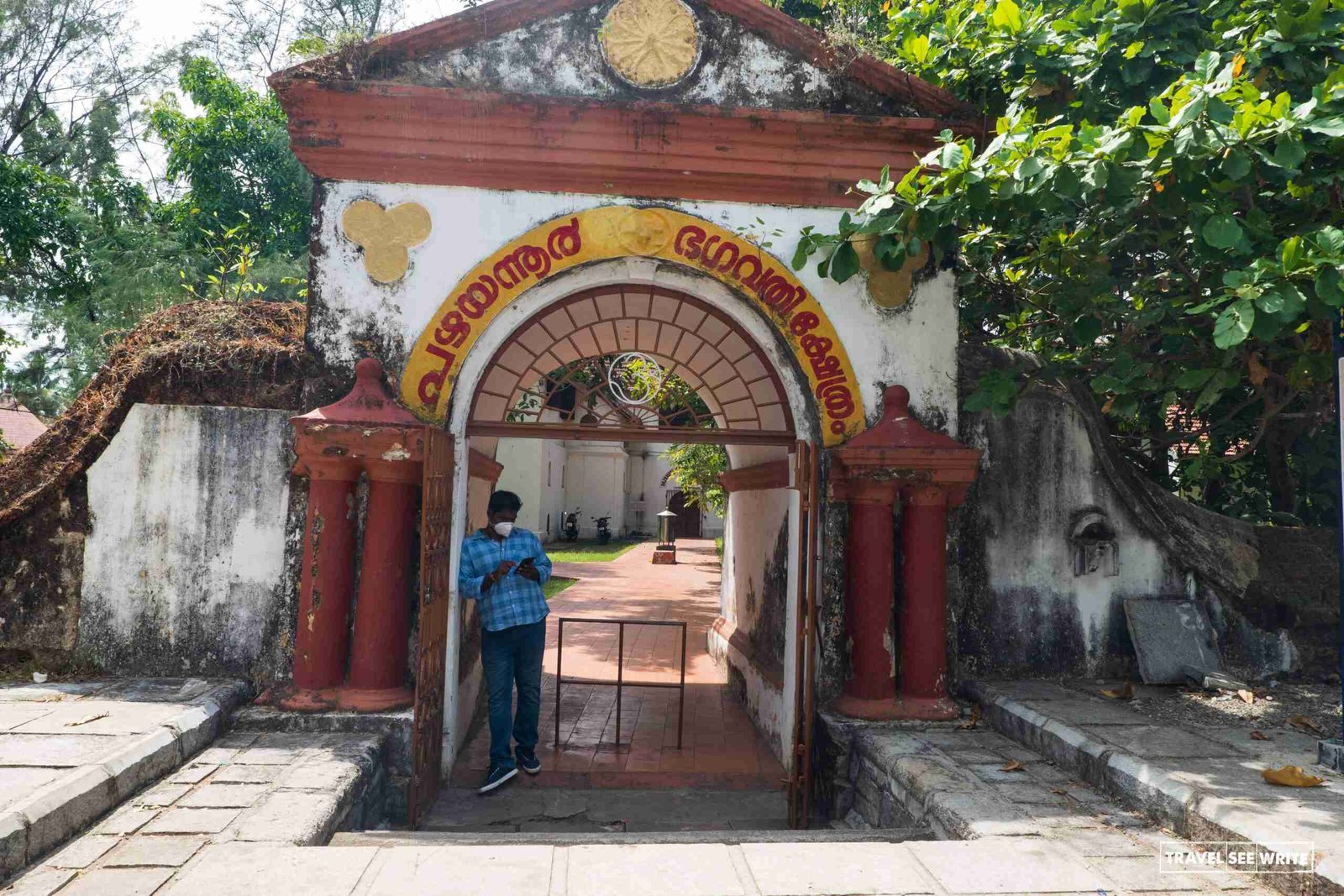

My trip to Kerala would have been incomplete without watching a performance of Kathakali, a traditional dance form from the 17th century. And the most popular and famous place to watch Kathakali in Kochi is Kerala Kathakali Centre, situated on KB Jacob road near Fort Kochi. Built as a traditional arts centre, this place has daily performances of Kathakali, Kalaripayattu, and other classical dance and music forms. And, don’t forget to reach half an hour before the performance to see the elaborate make-up process that takes roughly three hours.


Kochi has a great art culture, and every two years, the city celebrates the Kochi-Muziris Biennale. It is the largest contemporary art exhibition in India and the first of its kind held in the country. Indian and international artists exhibit artworks across various mediums, including film, installation, painting, sculpture, new media, and performance art. Alongside the exhibition, one can attend talks, seminars, screenings, music, workshops and educational activities for school children and students.
Kochi is one of Kerala’s biggest and most densely populated cities; therefore, plenty of stay options. You can choose from Fort Kochi, Mattanchery, the mainland Ernakulam, the suburbs of Edapally, Kalamassery and Kakkanad to the suburb of Tripunithura. Too many options often lead to confusion. Therefore it becomes a tricky task to choose the best place to stay in Kochi. I was more inclined to explore the historical side of Kochi, so I decided to stay in Forte Kochi. Here is my experience of staying at this boutique heritage hotel.

The city of Kochi was once the hot spot of the historic spice route attracting traders and travellers from more than 30 countries across Europe, the Far East and Asia. Even today, you can see the hodgepodge of cultures and traditions co-existing with ease. You can see the architectural and cultural influences peppered throughout the city – be it the Jewish, Arab, Portuguese, Dutch, British or Chinese influences on architecture or culture.
And the best way to experience this potpourri of cultures is by staying in the city’s heart. So, I booked myself at Forte Kochi, a 150-year-old boutique heritage hotel in the heart of Fort Kochi, from where most attractions are within walking distance. The Forte Kochi stands in the quaint environs of Fort Kochi, the most historic area of Kochi. Forte Kochi hotel is located on Princess Street, which happens to be one of the oldest streets of Fort Kochi, lined with colonial structures. Most of the places to see and things to do in Fort Kochi described above are within 5-10 minutes of walking distance from the hotel.

As I walked toward the bright yellow and white building, I knew I was in for a big surprise. The history of Forte Kochi is as fascinating as the building itself. The hotel Manager, Sajeesh Nadakath, gave us a quick crash course about the historical relevance of the building in which I was staying. I learned that the heritage building in which the hotel is located was originally built by the Portuguese in 1860. This historic building was once a stately mansion owned by an eminent Jewish family. Although the owners had migrated to Israel a long time back, the building was taken on lease by the Paul Group of Hotels and carefully restored to its original structure. Even though the building acts like a time machine letting you enjoy the art and architecture of the bygone colonial era, it is well equipped with all contemporary luxuries and turned into a boutique hotel. No wonder Forte Kochi is one of the best 5-star hotels in Kochi.

Being a boutique property Forte Kochi has well-appointed 27 colonial-style rooms. You can book yourself in any of the three kinds of rooms – Classic rooms that accommodate two people, Imperial King rooms that accommodate four people, and the Sovereign Suite that can accommodate four people. While my room had an antique and traditional look, it also offered all modern amenities like an LED TV, Refrigerator, Coffee/Tea Maker, Air Conditioning, Mini Bar, wi-fi etc. As I entered the room, I was greeted into a room reminiscence of British elegance and luxury. The room was elegantly designed with colourful tiled floors, large arched tinted windows, colonial-era lamps, and cushioned wicker sofas. The bathroom was well-equipped with a nice bathtub, hand shower, hairdryer, and required toiletries, dressing gowns, and slippers. All the colonial-styled rooms face the central courtyard and swimming pool.

Apart from the in-room amenities, the hotel has an inviting swimming pool where one can take a dip or relax by the poolside. You can borrow a book from the in-house library or lounge by the poolside with a drink. I really loved sitting in the courtyard, where I could hear the birds singing. Kochi gets really hot and humid in summers, so returning to the sea green-blue pool was like returning to an oasis of calm after a hectic day of sightseeing. There is an in-house bar where you can order your favourite drink.
What surprised me the most was the presence of the holy spring of the Jews right in the courtyard where a beautiful tortoise lives. You had to walk down a few flights of stairs to get to the spring that dates back to over 200 years.

Food served at Forte Kochi is a sensory pleasure for your taste buds. I’ve to admit this was the place that gave me food comma. Everything right from simple buttermilk is made with so much precision and care that flavours have a field day in your mouth. My first meal in Kochi was at Jetty restaurant, and man, it was mindblowing. The restaurant serves a varied fare to its guests – from local Malabar delicacies to Continental cuisine, from Pan Indian dishes to a tempting seafood spread. The appams I had here were the softest and most flavourful I ever had. The food is exceptional, and there’s so much variety available. Credit goes to Chef Jejo Joseph for being so consistent with taste. I stayed at the hotel for two days and had all my meals here because I loved it so much! Everything from prawn curry to pasta was delicious. And the desserts are to die for.

Breakfast is a combination of buffet and à la carte. One can order from a selection of Indian or European breakfast options and beverages, juices, and shakes.
Another interesting feature that I loved about this boutique property was the High Tea. Served in the evening by the poolside at a small recreated local Kerala style tea shop known as Thattukada. Along with tea, filter coffee, and local snacks.

The cost of a vacation in Kochi depends on your budget, and you can go as high or as low as you want. But if you’re going to have a holiday similar to mine, then this is what it will cost:
Accommodation in an imperial room – Rs 10030/- per night (including Bed & Breakfast)
Guided Heritage Tour – Rs. 3540 for two people
Kathakali Show – Rs. 1180 for two people
Kalaripayattu Show 1180 for two people
Airport Pick Up & Drop by Innova Crysta – Rs.9000/-
Food – Rs. 2500 for two people
Total cost for two people (minus the flights) – 37460 (inclusive of taxes) / USD 490
Besides Forte Kochi, the other hotels worth checking out in Kochi are Brunton Boatyard, Fragrant Nature Kochi, Ramada by Wyndham Kochi Resort, Kochi Marriott Hotel, Grand Hyatt Kochi Bolgatty, and many more.
While most of my meals were at Forte Kochi’s Jetty restaurant, you can try any of the following places considered the best to eat in Kochi. Here are some of the best places to eat in Kochi. Sri Muruga Café for pazhampori and beef fry, Grand Pavillion at the Grand Hotel for their karimeen (pearl spot) pollichathu (beef fry) with Malabar parotta, Kayees Rahmathulla Café for Biryani, Ojeen for thirty different variety of traditional Malabari Mappila snacks, Armoury Café at The Brunton Boatyard Hotel for first-class railway curry, Daal Roti for North Indian fare, Ginger House, Café Crafters, Kashi Art Café, and a small outlet at Neroth John Chandy & Co (Mattachery) for coffees, shakes, juices and western snacks etc. They serve really good ginger soda and carrot cake.

There are four ways to get from New Delhi to Kochi – by plane, train, bus or car. Like most tourists, I arrived in Kochi on a flight that takes around 3 hrs 10 mins and costs between 5000 to 12000 INR. The nearest airport to Kochi is Cochin International Airport, located about a 1-hour drive from Fort Kochi. In peak hours, it can take more than 2 hours to reach the hotel or vice versa. The train is the cheapest mode to reach Kochi but takes around 43-hours and costs anywhere between one thousand rupees to five thousand rupees. The bus will take 2 days 12 hours, and would cost anywhere between 5000 rupees to 8000 rupees. If driving nonstop, it would take you approximately four hours and cost anywhere between 19000 to 30,000 rupees.

If you are planning to explore only Fort Kochi, you don’t need transportation as it is quite a small area that you can easily explore on foot. To explore other parts of the city, you can get an Uber or an autorickshaw or even a ferry. Also, check Kochi’sKochi’s new metro line. Kerala’s first metro rail runs from Aluva to Petta (22 stations) and only has one line. As of now, the Kochi metro doesn’t reach Fort Kochi, but there are plans to expand it over the years. The nearest metro stations to Fort Kochi are Maharaja College Metro Station and M G Road Metro Station. Both are approximately 3 km away from Fort Kochi.

If you want to explore Kerala further, I highly recommend experiencing the Kerala backwaters in Kumarakom. They are less touristy than Alleppey.
I hope you find this post helpful and it inspires you to experience the best things to do in Kochi in 2 days!
Have you been to Fort Kochi, or if you have any more suggestions for me to add? Let me know in the comments section below.


Are you looking to visit Coorg and unsure where to stay or what to do? Read my detailed review about Coorg Wilderness Resort and the best places to visit in Coorg.

Road trips are tempting and hard to resist, especially for someone like me who prefers being on the road to indoors. So, when the opportunity came in February to visit Coorg, I latched on to it. After all, I had planned to visit Coorg for a long time, and I didn’t even bother to check when was the best time to visit Coorg or the best places to visit. Guess my regular readers would know that I am more of a spontaneous traveller who goes by the flow and recommendations of the locals. And that’s precisely what I did on this trip to know. For people who don’t know much about Coorg – Bestowed with lush green landscapes and acres of coffee and spice plantations. Situated in the Western Ghats of the Sahyadri Mountains in South Western Karnataka, Coorg is blessed with the natural beauty poets use in their poems. Coorg has an undulating variety of options to cater from cascading milky white waterfalls to dense forests to gurgling rivers to adventurous trekking routes to fascinating caves to traditional temples to ancient-era forts to meticulously preserved museums to all kinds of travellers. So, in this post, I’ll share my experience of visiting Coorg and how you, too, can have a great trip.
Also, since I was visiting South India after almost two years and am pretty conscious about my carbon footprint, I decided to cover at least four places instead of one. My first destination was Bangalore, followed by Coorg, Fort Kochi and Kumarakom. You can read more about the Bangalore experience here – Hotel review: is Paul Bangalore one of the best 5-star hotels in Bangalore or not?
Now let me share my experience of visiting Coorg. Here’s a detailed vlog about my 5 days trip to Coorg.
After a relaxed two day staycation at the Paul Bangalore Hotel, I was ready for an adventure-filled vacation in the lap of South India’s famed hill station – Coorg. To beat the crazy Bangalore traffic, I left my hotel at 8:30 am. And, somewhere between my car naps, conversations and coffee breaks, the cityscape gave way to emerald landscapes and hectares of plantations on either side of the state highway 17. Six hours, one nariyal pani stop, two chai stops, five-car naps, and several spontaneous camera moments later, we were at our destination. On a winding road off the highway, about four kilometres from the main Madikeri town, there stood Coorg Wilderness Resort, my den for the next five days.
Coorg Wilderness Resort, genuinely living up to its name, is nestled amid Western Ghats’ deep valleys and majestic hills. The fourth luxury offering from Paul John Resorts & Hotels, the resort is located just 3kms from the city centre. Yet, it feels like you have entered a world of true wilderness as your car enters the property premise. As I stepped out of the car at the reception of the luxury resort after a six-hour journey, I was greeted by a refreshing cool towel and a rejuvenating hot locally blended coffee. A perfect mix to perk me up from my slumber.
We finished the check-in formalities in no time, and within minutes I was in a “buggy”. A golf cart-type electric vehicle is the only mode of transport around the 40 acres of the resort property. I rode a few hundred metres uphill to reach my 1350 sq feet Hillview Suite perched atop a natural slope. Coorg Wilderness Resort offers three different types of accommodation for guests; Grove View Studios, Grove View Suites and Hill View Suites.

The elegant European-style Hill View suite reminded me of my stay at a Swiss Alps Chalet in Zermatt. A spacious birchwood suite decked up with stately interiors and furnishings had traditionally designed electric fireplace and gothic-styled chandeliers. The well-lit suite opened up to a large bay window and a sun deck offering panoramic views of the famed Coorg forest and valley. The best part of the suite was the bathroom – way larger than an average bathroom, fitted with luxurious Jaguar bathroom fittings and a bathtub near a big window. There was a large vanity area where you could sit for hours dressing up or reading a book. The suites in the property are non-air-conditioned given the cool weather Coorg is known for and enjoy the different sounds of nature. Construction is done in such a way that the buildings blend in with the surroundings – roofs are green in colour, and no trees were cut for building the resort.
As the night fell, the resort wore a magical attire adorned with dimly-lit paths leading up and down to the various villas, activity centres and restaurants. Although there was an option to call a buggy, I loved walking on the winding pathways lined with manicured gardens on both sides.
Coorg Wilderness offers two dining options to its guests – Habba restaurant offers Italian, American, pan Asian and Indian cuisines with a lavish buffet spread. Vembanad, a speciality restaurant, offers coastal dishes with a Coorg and Kerala influence. There are two bars; the Tipsy Bar and the Hunters Lodge. I was pleasantly surprised to find a lady bartender at Tipsy Bar.


After a hearty breakfast and some rest, I decided to try out the recently opened Nikaay Spa at the resort, where I could choose from a range of rejuvenating experiences ranging from facial treatments to full-body massages and therapeutic yoga rituals. Being a Spa Enthusiast, I’ve tried a lot of treatments at different places. Still, Nikaay stood out with its wholesomeness and spa rituals. The process started with pre rituals, including a cold water shower and Swedish sauna for 15 minutes, followed by a 60 minutes massage (I chose Swedish massage). The spa process ended with fifteen-minute post spa rituals, including a spa drink, fruit platter, steam room and shower. After the treatment, I felt feather-light and totally rejuvenated.

From one kind of rejuvenating experience, I moved on to discover the other rejuvenation for which Coorg is famous for. Coorg is the Coffee Bowl of the country as it accounts for nearly 40 per cent of the country’s total coffee production. Therefore it would have been blasphemous to visit the region and not visit a coffee plantation. One hour away from the resort lay Mercara Gold Estate. Spread across an area of 30 acres, it is an ideal place to get a crash course on how coffee is made right from the berry picking stage to the moment it reaches you in a cup. Murudeshwar, our walk guide, gave us a one-hour-long insightful tour of the estate ending with a delectable Coorg coffee! Even the minimalist me couldn’t stop myself from shopping for the fragrant spices and coffee from the estate.

Around 5:30 pm, we returned to the Coorg Wilderness Resort to witness a glorious sunset at the viewing deck, offering a 360-degree view. We finally wrapped up our glorious day with Paul John Whisky and vintage collection Big Banyan wine at Tipsy bar.

The next day I woke early to attend an early morning guided walk with a Naturalist in the forests known to house over 350 bird species. Post the walk and delicious breakfast; I decided to test my adrenaline rush by spending a few hours in the Adventure park trying out different activities such as a 5 rope course, rock climbing and Zipline along with one rope course at the exit.


Post lunch, I just let my weary muscles recoup from exertion by enjoying a bathtub therapy.


And the coastal cuisine at Vembanad restaurant was a perfect way to end a perfect day at Coorg Wilderness Resort. We started with one veg and one non-veg starter – the Hurule Cheer Vada (horse gram fritters with local spinach, served with spicy roasted tomato chutney), Kodanari Toppu Mean (curry leaf marinated fish wrapped in banana leaves, cooked to perfection on the griddle) followed by the main course – Malabari Pachakari Kurma (vegetables simmered in a thick spicy coconut based gravy) and Prawns Mappas (prawns cooked in coriander flavoured thick creamy gravy mildly spiced and served with appam)
Coorg is fondly called the “Scotland of India” for its sheer natural beauty. Hence I decided to spend the last day of my trip exploring the great outdoors of Coorg. While there is no shortage of best places to visit in Coorg, I could only pack a few in my limited time. Thanks to Anthony D’Souza, the travel and activities in charge at Coorg Wilderness Resort, who ensured Coorg left a lasting impression on me. I couldn’t have asked for a better itinerary.
My day started at 5:00 am with an early morning drive to Mandalpatti Peak, which is one of the best places in Coorg for sunrise and sunset. Situated approximately 30 kilometres from Madikeri in Pushpagiri Reserve Forest, Mandalpatti Peak is at 4050 feet above sea level. You can hike up the 4km trek from the main entrance, but we decided to take an off-road jeep to reach the peak before sunrise. There was an entrance fee of INR 25/-, and Drones were not allowed inside the forest area.


While returning, we stopped for a short Tea and Maggie break at Kota Abbey Waterfall. The water cascading over rocks into the pool had an excellent therapeutic feel. It is a great picnic spot. The best time to visit Kota Abbey falls is early winter or during monsoons when the water level is high.
Entry fee – Rs. 20/- per person and Rs. 300 for Drone

After quickly freshening up, I decided to explore the best attractions of Coorg and around.
We started the exploration of the town by visiting the revered Omkareshwara temple, the famous Siva temple in Madikeri built by Linga Rajendra in 1820 as penance for killing a brahmin. The architectural beauty of the temple is worth observing – the temple has both Islamic and Gothic styles of architecture. Another noteworthy architectural feature of the temple is the water tank in front, inhabited by different varieties of fish. There are four Minarets around and a dome in the centre of the temple. A footpath leads to the Mandap. Here the Sivalinga was named Omkareswara. Regular rituals are performed here, and I highly recommend visiting it at Pooja hour.

TSW Tip: No cameras are allowed inside the temple, and it closes at noon after the afternoon prayer. The temple is open every day from 6:30 am to 12:00 pm and 5:00 pm to 8:00 pm.
If you like to be mesmerized by the scenic beauty and enchanting views, you’ll love Gaddigey, which literally means “Seat of the Kings”. As the name suggests, Raja’s Seat used to be a favourite place of kings of Coorg. The sunset and sunrise view from Raja’s seat is exceptionally captivating and mustn’t be missed. Golden sunlight falling on the lush greenery offers fantastic photographic opportunities as well. The calmness of the place and the scenic beauty of the well-maintained park makes it a fantastic nature retreat for morning and evening walks. An area for children’s amusement makes it perfect for a family outing. There is a toy train that goes around the Raja Seat and is something that attracts both children as well as adults.

Entry fee – Rs. 5/- per person
Tucked between a lush coverage of bamboo groves and a serene Kaveri river, Nisargadhama Park is 28 km away from Coorg. Spread across 64 acres of land, this place is abundantly blessed with a good variety of flora and fauna. As soon as you reach here, a hanging rope bridge connects you to Nisargadhama. The place is home to rich wildlife and birds – deers, peacocks, rabbits, etc. Nisargadhama is covered with a thick foliage cover of sandalwood and teak trees, and bamboo groves. You could spend time boating, elephant riding, or simply sightseeing on foot.

Entry fee – Rs. 10/- per person, Rs. 25/- for Elephant Ride, Rs. 100/- for Boating and Rs. 700 –
1000 per Night for Forest Resort Accommodation
This place was one of my favourite places around Coorg. Situated in the Hudgur village near Kushalnagar of Coorg District, Harangi Dam was built across the tributary of River Cauvery. It was the first dam built across River Cauvery, creating a stunning view of the forceful stream of water. It is a slightly offbeat place that most tourists do not frequent. If you are looking for some break from the usual hustle-bustle of tourist spots, Harangi dam is your place. The best time to visit the Harangi dam is from August to September when the reservoir is brimming with water.
We then passed through Honnamana Kere Lake and a few other places before reaching our destination, Dubare Elephant Camp.
Managed by Jungle Lodges and Resorts, Dubare Elephant Camp is located on an island in the Cauvery River. You can get really close to the gentle giants under the supervision of trained naturalists, who help you observe, learn, and participate in numerous elephant-centric activities. Since the water level was relatively shallow, we crossed the river barefoot (carry floaters or shoes that you won’t mind getting wet) to reach the Dubare Elephant Camp, which was quite an adventure. Once we reached the camp, we watched the pachyderms being bathed, groomed, and fed. Though extremely touristy, the camp is a big hit among the kids and families.
PS: I’ve my reservations visiting places where captive animals are kept. So, personally, I would not recommend it.

Entry fee – Rs. 20 per person, Rs. 30 per person for a boat ride, Rs. 100 per person for Elephant bathing and Rs. 20 for Elephant feeding activities. The daily Elephant interaction at Dubare Elephant Camp occurs from 9:00 am to 11:00 am and again from 4.30 pm to 5.30 pm.
We started at 4:30 am the next day to reach our next destination, Fort Kochi. We drove for approximately two hours and thirty minutes from the resort to get to the Kannur International Airport.
The total Package cost me around 2,10,520/- plus taxes for two people.
The kind of luxurious experience I had, the cost is worth it. It’s a holiday that you won’t forget for a long time.
When you think about Coorg, plenty of clichéd adjectives come to mind – picturesque, tranquil, joyful and much more. But the core appeal of Coorg remains simple – a quiet hill station that’s easily accessible via a well-connected road network, offering one of the best cuisines available in the south. If it’s a self-driven vacation you’re looking at, all roads lead to a perennially green pocket in southwestern Karnataka. And, if you are someone who enjoys a luxurious stay amidst the wilderness, then there can’t be anything better than Coorg Wilderness Resort. Here are the top reasons why I recommend this resort
You can book directly by visiting the Coorg Wilderness Resort website or through any third-party aggregator like Makemytrip, Yatra, Agoda, TripAdvisor etc. Use discount code INF20 to get an additional discount while booking any John Paul Properties.

If you want to read some more stories from Bangalore and around, don’t forget to read the following stories.
Sharing is caring. If you liked the post, please consider pinning these to your pinboards.


Are you visiting Bengaluru soon and looking for one of the best 5-star hotels to stay in Bangalore? Read my detailed review of the Paul Bangalore hotel before booking your stay.

Bangalore, the silicon valley of India, is a hub of start-ups and technology firms. One of the most visited cities in India by business travellers, it soon started feeling the crunch of space. As the city’s start-ups ecosystem flourished, space became the biggest luxury. I have been to Bengaluru innumerable times on business and have stayed at several luxury hotels. But this time, the purpose of my visit was completely different. I decided to take a staycation in the heart of the city without stepping out of my hotel. As I didn’t want to sleep in a cramped 200 sq. ft hotel room, I opted for a business luxury hotel where space wasn’t a constraint. The Paul Bangalore Hotel became my default choice. Now you’ll wonder why I chose this hotel when there is no shortage of the best luxury hotels in Bangalore.
Here is my honest review of why the Paul Hotel is one of the best hotels in Bangalore.
Here’s a detailed vlog about my stay experience at the Paul Bangalore Hotel.
Whenever booking a hotel, location becomes my number one factor to consider. Whether I am on a work trip or leisure trip, I try to stay in the city’s heart as I don’t want to spend unnecessary money and time on transportation. And this time was no different. I asked around which is the best location to stay in Bangalore. I got many options to choose from – Koramangala, Indiranagar, M.G., Malleswaram, HSR Layout, Kammanahalli, Rajajinagar and a lot more. Finally, I settled for ‘The Paul Bangalore’ because it is strategically positioned in the heart of the city. Located in the CBD of Bangalore, the hotel is 3.5 km from Bagmane Tech Park, which houses major Fortune 500 companies. Baring the Bangalore International Airport (which is 43 km from the hotel), everything seems to be nearby – whether it is the Bangalore Railway Station (12 km), M.G. Road (4 km) or the major shopping areas of Indiranagar and Koramangala. Next to the property, there are both residential areas and tech giants.
As my car approached the hotel, I was a bit confused traversing through the residential area lanes, but as I entered the hotel, I was in for a big surprise. The first feature of the property that captured my attention was the soaring atrium. The spacious atrium is tastefully designed to create the setting of an oasis through the use of lush indoor foliage of a rainforest, clusters of palms, gurgling fountains, and natural materials, such as wood, slate and granite. A large fabric roof—reminiscent of tents in a desert—covers the atrium, allowing the space to be used in all weather conditions. The best part about the atrium is that in a time when Climate change is such a big issue, the Paul Bangalore has found a way to keep a large open area naturally air-conditioned, well ventilated and lit by a semi-open, tensile fabric covered top. Thus, saving electricity used for air conditioning and lighting. The atrium holds the Sidewalk Cafe & Bar, lounge, reception and concierge desk.


Being part of the Paul John Hotels, the Paul Bangalore too is designed in a way that is very luxurious but not in your face. Unlike other five-star hotels in Bangalore, the hotel is very chic and modern but aesthetically understated rather than colourful Baroque. You see a lot of beige and cream hues that are pleasing to the eyes. I couldn’t help but notice the magnificent artworks collected from different parts of the world.
The Paul Bangalore is an all-suite Luxury Business Hotel with 57 suites. There are four room categories ranging from 600 to 1250 square feet – Studio Suite, Two-bedroom Executive Suite, Two-bedroom Premium Suite and Two bedroom Club Suite. I stayed in the Maharaja Club Suite, which could house a big family. It had two bedrooms with attached balconies and bathrooms, one spare bathroom, one living room with a dining hall and kitchen and a well-stocked bar with premium alcoholic and non-alcoholic drinks.

Besides an outdoor pool, the hotel has a fitness centre with state-of-the-art equipment, steam and a sauna.
If Paul Bangalore’s architecture and rooms can be so well thought of, how can food be less? The hotel offers multiple dining options, including three speciality restaurants, Bangalore’s only hotel based Microbrewery called Murphy’s Brewhouse and 24-hour room service.

I’ve to admit Paul Bangalore knows its flavours pretty well. Even a mundane thing like a welcome drink is prepared with a lot of thought, and I still remember the refreshing litchi and dragon fruit welcome drink. The head chef Mukesh Jha and his team ensure that you never forget the deliciousness of their restaurants long after your trip is over.
Now let me share my experience of trying out their various restaurants.
Nestled at the hotel’s atrium, the Sidewalk Café & Bar has a warm and cosy ambience. Designed like a European bistro, you can feast on an array of sumptuous international cuisines, including Italian, Pan Asian, American, Continental, Indian, and more. Their breakfast buffet spread is incredibly lavish with live cooking stations and a separate health zone filled with different kinds of fruits, salads, cold cuts, and juices.

They have a daily rotating menu and pocket-friendly price, making it a hit amongst corporate lunches and weekend brunches. The Sidewalk Cafe is open round the clock, and you can either opt for a buffet at mealtimes, order ala carte or room service.

TSW Tip: Don’t forget to try their Horlicks barfi, moti choor ladoo, and two types of sambhar (Kerala and Karnataka). Their wood-fired oven pizzas are also delicious and of enormous size.
Located on the fourth floor of the Paul, Vembanad is a multi-award-winning fine dining coastal restaurant. Named after a very picturesque Vembanad Lake that happens to be the longest lake in the country and the largest in Kerala, the restaurant would leave you enthralled with its food quality. As I walked into Vembanad restaurant, I felt I had entered a “Tharavadu” house in Kerala.

The decor was quintessentially Kerala style, with a lit Nillavillaku (traditional brass lamp) placed at its entrance and a wooden snake boat decorated with flowers and candles. The moody, warm lighting in the restaurant enhanced the beauty of the carved wooden ceiling, wood-panelled walls, terracotta-tiled floors and heavy antique-styled teak furniture. The female staff were dressed in the traditional Kerala saree – Kasavu saree. My local friends had told me that this is the best restaurant for coastal cuisine in Bangalore, especially their fish and prawns. Being a vegetarian, I enjoyed my Vazha Koombu Cultlet, cheera pakora, and Pachakari Istew with freshly prepared appams on a live counter.

This happens to be my local friends’ favourite hangout place, and all of them had recommended me to visit it. So, I did, and this is what I found. Murphy’s Brewhouse, the first Irish microbrewery in Bangalore, is an excellent place to hang out with friends. Although I am not much of a beer person, I admit Paul Brewhouse does serve good Irish stout beer (saying from experiencing the beers in Ireland). My favourite of their four home-brewed beers was their Holy Sally, a Belgian wheat beer that was refreshing and flavorful!


I even took their Microbrewery tour, which I found pretty interesting. Arun and Karthik, the brewers at the microbrewery, are really very knowledgeable and passionate about brewing beers (do watch Karthik spill the beans in my vlog.)
Unfortunately, I couldn’t try this speciality restaurant that serves Indian Mughlai cuisine. But there’s always a next time to try.
Last but not least, my review would be incomplete without mentioning the people behind the impeccable service I got. I must say the staff of the Pual Bangalore are gold class when it comes to high standards of running a hotel. From the front desk to the chefs, all the staff members were very friendly and genuinely caring. Special mention to Sridhar, Naveen, Chef Mukesh, Chef Bino and Karthik (both the brewer and the front office executive) for providing me with a delightful experience.

I truly enjoyed my stay at the Paul Bangalore Hotel. What really stood out to me was the quality of service, the food and beverage, and the classy design of the hotels. My only qualms were that I wish I were travelling around Onam time because, at that time, the ambience of the hotel, especially Vembanad, is very festive and their sadhya is the best in the town. Also, I wish I was there to enjoy their Sunday brunch at Sidewalk Cafe. But there’s always the next time.
So, are you ready to stay at the Paul Bangalore next time you are in the city?

If you want to read some more stories from Bangalore and around, don’t forget to read the following stories.
Sharing is caring. If you liked the post, please consider pinning these to your pinboards.


I have explored Spain, Kenya, Sri Lanka, and Switzerland with Travel See Write. Every experience was customised as per my family’s requirements, and each trip was fully customised.
Vaibbhav Sud
Delhi
I travelled with my family to Finland using Travel See Write. The team went above and beyond to make our stay enjoyable. They were even available at 3 am for services beyond their usual duties. ”
Gautam Kriplani
Jakarta, Indonesia
This is not a typical luxury travel agency — this is travel with soul. They take care of the minutest details and customise the tiniest things for us. I have travelled with them to Japan, Finland, Costa Rica, Russia and the Philippines.
Vineet Nanda
Delhi
I have explored Spain, Kenya, Sri Lanka, and Mongolia with Travel See Write. Every experience was customised for my family, and each trip was special
Sunil Sharma
Delhi
This is not a typical luxury travel agency — this is travel with soul. They take care of the minutest details and customise the tiniest things for us. I have travelled with them to Japan, Finland, Costa Rica, Russia and the Philippines.
Aman
Mumbai

Lorem Ipsum is simply dummy text of the printing and typesetting industry. Lorem Ipsum has been the industry's standard dummy text ever since
Luxury travel should feel seamless from start to finish.

Begin with our online form. We then connect for a detailed conversation
No booking fees. Ever.
We fine-tune your bespoke itinerary until it feels perfect.
With confidence, care, and 24/7 on-ground support throughout your journey.