

You Enquire
Begin with our online form. We then connect for a detailed conversation
El Corazon de San Pancho — The Heart of San Francisco
Love makes you do a lot of cute things like giving a nickname to something you love. And, San Francisco is a city that has many nicknames – The City, City By the Bay, San Fran, The Golden City, San Fran and Frisco among many others. When the Spanish-speaking locals talk about their beloved city they don’t call it “Frisco” but Pancho, which is a common nickname for Francisco in Latin America, so I wasn’t surprised when I heard the 2017 theme is “El Corazon de San Pancho — The Heart of San Francisco.”

The name San Pancho stands for San Francisco’s sense of unity, inclusion and multicultural pride. This year’s theme, “El Corazon de San Pancho — The Heart of San Francisco,” was chosen to pay homage to San Francisco’s enduring legacy as a place that has always embraced people from around the world with open arms. Whether they were refugees or the hippies or the members of the LGBT community. San Francisco always made room for more.
San Franciscans built a city that values belonging, diversity, community-building, and multicultural arts,
said Roberto Hernandez, Carnaval San Francisco’s artistic director.
The ‘heart’ of this city is the value we place on culture, community and empathy toward one another.


On May 27th and 28th, the Mission District will transform into an enormous two-day festival and grand parade throbbing with the red hot energy of the people dancing, drumming, enjoying live music, extravagant costumes and lip-smacking food. Latin American artistry comes alive through traditions from Brazil, Mexico, Bolivia, Colombia, Trinidad & Tobago, Puerto Rico, Cuba, Nicaragua, Panama, Peru, Guatemala, Chile, Haiti, and West Africa. It is an event not to be missed at any cost. But make sure you reach well in time as you will be joined by more than 400,000 people who come from different parts of the world.
It is one of the few events where people from diverse backgrounds come together to celebrate life forgetting their age and race. Where else will you see a grandmother, daughter and granddaughter dancing samba together in the parade? And not just that you will also find a Japanese master drummer leading a Samba comparasa.
Isn’t that a great reason to join in?

The 2–day festival will be held May 27th and May 28th on Harrison Street between 16th and 24th Streets from 10 am to 6 pm. The Festival will delight the attendees with a rich assortment of food, music, dance, arts, crafts and other fun activities and entertainment for people of all ages.
The Grand Parade on Sunday, May 28, will begin at 9:30 a.m. with a brilliant procession of contingents, most of which will feature beautifully adorned floats depicting rich multicultural themes and featuring performers who engage and entertain the crowds.
Brazilian-style
The Grand Parade will start at the corner of 24th and Bryant streets, proceed west to Mission Street, head north on Mission to 17th Street, turn east on 17th and conclude at South Van Ness.
Admission to the festival and parade is FREE. Grandstand seating for the parade, located on Mission Street between 21st and 22nd streets, is available for purchase online at www.carnavalsanfrancisco.org.
The theme for 2019 is La Cultura Cura / Culture Heals that celebrates the spirit of resistance and healing. The Carnaval San Francisco intends to rally behind “La Cultura Cura” as a social and moral statement to counter the polarized political environment in the U.S. today. The 2–day festival will be held from May 25th to May 26th on Harrison Street between 16th and 24th Streets. The 2019 Grand Parade will be held on May 26th at
I hope this post can inspire you to check out the celebration of culture and diversity. I would love to know your feedback on the carnivals in San Francisco. Is there any other event like this that you had attended before.
Interested to know more about San Francisco or California, check out these posts:
When it comes to offbeat travel experiences, Peru is a fantastic destination. Its array of landscapes, cultures, and environments set the stage for a truly unique travel experience.
But what is the meaning of “offbeat travel?”
Just like it sounds, “offbeat travel” means leaving the beaten path and going beyond tourist attractions. It means finding hidden gems and obscure places that are a wonder.
What does this amount to in Peru? Travelers may find themselves trekking through a humid rainforest brimming with life, scaling majestic mountains, or exploring the arid coast. It might mean volunteering in Peru, or exploring lonely villages and befriending the locals. That’s not to mention the ancient temples, artifacts, and architecture that dot the country, waiting to be found.
In Peru, being an offbeat traveler has meaning that spans all these experiences and more. Here are just a few offbeat travel ideas to help interested folks set off down “the road less traveled.”
 Huayllay National Sanctuary
A remarkable geological formation, the Huayllay Stone Forest was once at the bottom of the sea. Now well above sea-level, the tall rock faces resemble a forest of giant trees that have been petrified.
This natural wonder is located in a remote area of Peru near the western coast. Determined travelers can reach it with a certain amount of creativity and ingenuity, as transportation and lodging options in the area are slim.

Rainbow Mountain Peru
Vinicunca, or Rainbow Mountain, is a remote peak in the Ausangate range of the Andes. This hard-to-reach mountain is well worth the effort, as it is striped with unusual colors — lavender, turquoise, brown, gold, and terra cotta, among others — due to its unique location and environment.
All but the most experienced hikers need not apply. The peak is notoriously hard to find and can take as many as six days of vigorous hiking to reach.

The Amazon Rainforest covers at least 60% of Peru, and offers up its diverse and fascinating eco-system for exploration to adventurous travelers. Plus, with as much as 30% of the entire world’s animal species residing here, the adventurous are sure to spot strange and beautiful creatures during a trek.
Related: Peruvian Amazon: how to get to Iquitos by boat
Despite its many wonders and natural beauties, Peru is a country dogged by issues such as poverty, rainforest deforestation, water and air pollution, and more.
Travelers thinking about off the beaten path travel destinations should also consider giving back to the beautiful country that will enthrall and delight them. Volunteering in Peru can be a life-changing activity for offbeat traveling. When volunteering, travelers are awarded with the opportunity to truly and authentically experience a local community, its people, traditions, cultures, cuisine, and more.
For instance, adventurers can help support community development in remote areas, promote education for disadvantaged children, rescue abandoned or mistreated street dogs in cities, or help with rehabilitation efforts for Peru’s wild animals.
The goal for any volunteer should be to assist with sustainable, ethical, and responsible efforts to help communities, animals, and environments in Peru.

The ancient city of Kuelap, built in the 6th century, was once a walled fortress that protected the Chachapoyas, or the “warriors of the cloud.” This magnificent city was built on a mountain slope in the northern Andes and was protected by a stone wall averaging over 65 feet tall and 260 feet wide.

Deeper than the Grand Canyon, Colca Canyon also boasts ancient terraces carved into mountainsides, and is home to a bird with the largest wingspan of any in the world, the Andean condor.
Hikers will also come across villages, spectacular views, and winding paths through this unique part of the world.

Along Peru’s western coast, surfing is a natural activity. The sheer expanse of the shoreline (over 3,000 kilometers long) means there are numberless opportunities to catch a wave.

You wouldn’t expect to find a desert in the same country that holds part of the Amazon, but that’s the beauty of Peru. Along with the desert, you’ll find Huacachina, a tiny oasis town and one of the only true desert oases in the world.
It’s the perfect place to rest and relax after sandboarding on the nearby desert dunes. What is sandboarding? Think snowboarding, but with sand.

Secreted away beneath a train station in Lima, the Witch’s Market, or Mercado de Brujas, is the place to find folk remedies and medicines. Everything from curious mixtures of herbs and spices to snake fat and frog (for arthritis) is on offer. If that’s not enough, visitors can also consult with witch doctors and healers.

Mistakenly labeled a ghost town, the village of Zaña actually has a population of about 1,000, according to Atlas Obscura. Perhaps the confusion comes from the town’s history — it was destroyed by a mammoth flood in the 18th century. However, only the Spanish slavers abandoned the town. Their surviving slaves remained behind, and their descendants are who populate the magnificent ruins today.
Offbeat travel experiences in Peru are as diverse as the country itself. If travelers have the gumption, they can leave the tourist traps behind and discover their own unique adventure.
Which off-beat travel destination in Peru will you choose?
And if you are planning to visit the Machu Pichu Inca Trail, make sure you have have packed right.
Related: Inspired to read more about Peru? Do read Explore Peru through Pisco
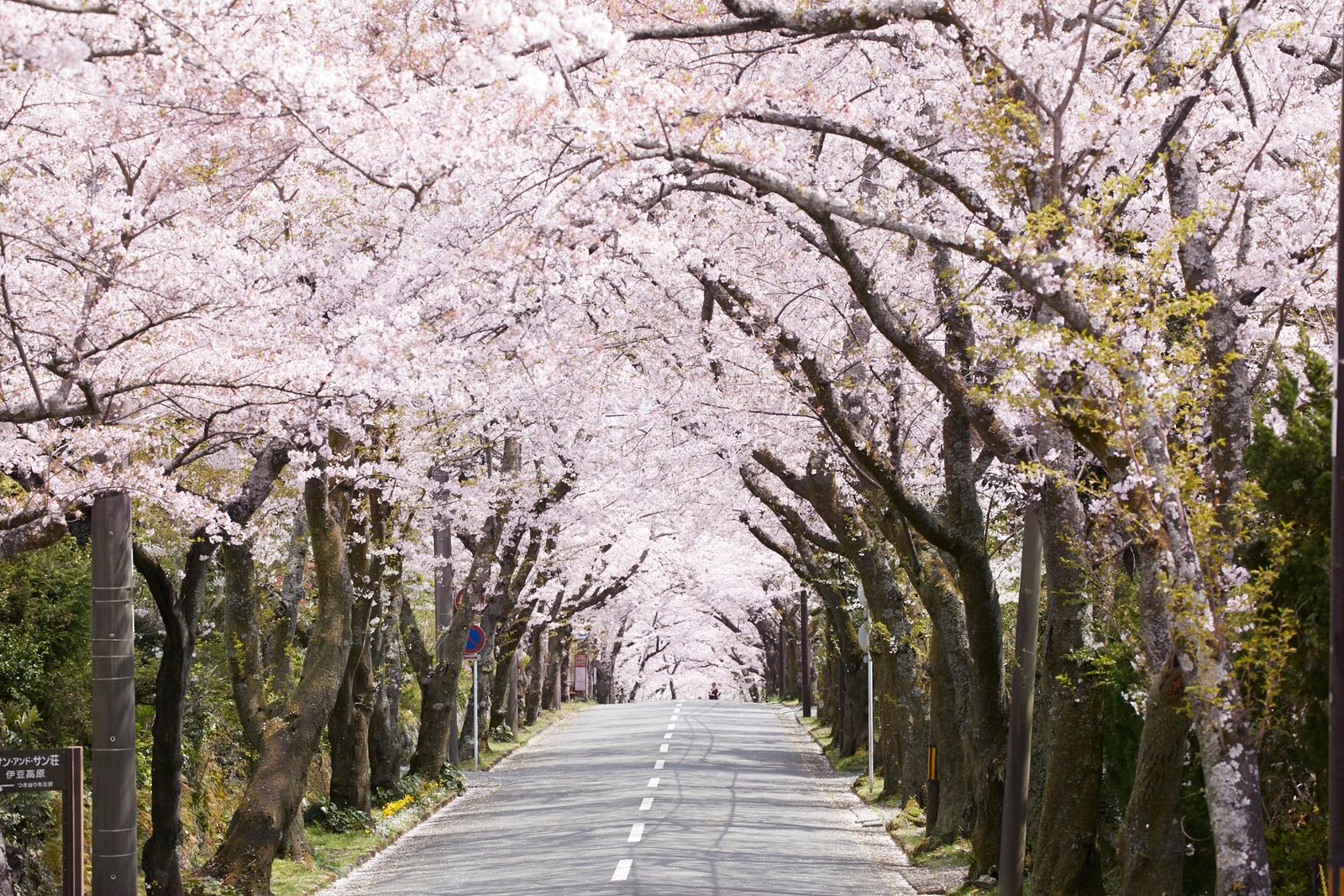
Seeing Sakura bloom in Japan is on everyone’s bucket list. Here’s a complete travel guide on where and when to see Cherry Blossoms in Japan in 2025.
As nature’s original Instagram bait starts blanketing your timeline, your dream of experiencing the Sakura bloom (cherry blossoms) in Japan gets bigger with every update. Here is a complete travel guide on where and when to see Cherry Blossoms in Japan from South to North in 2025.

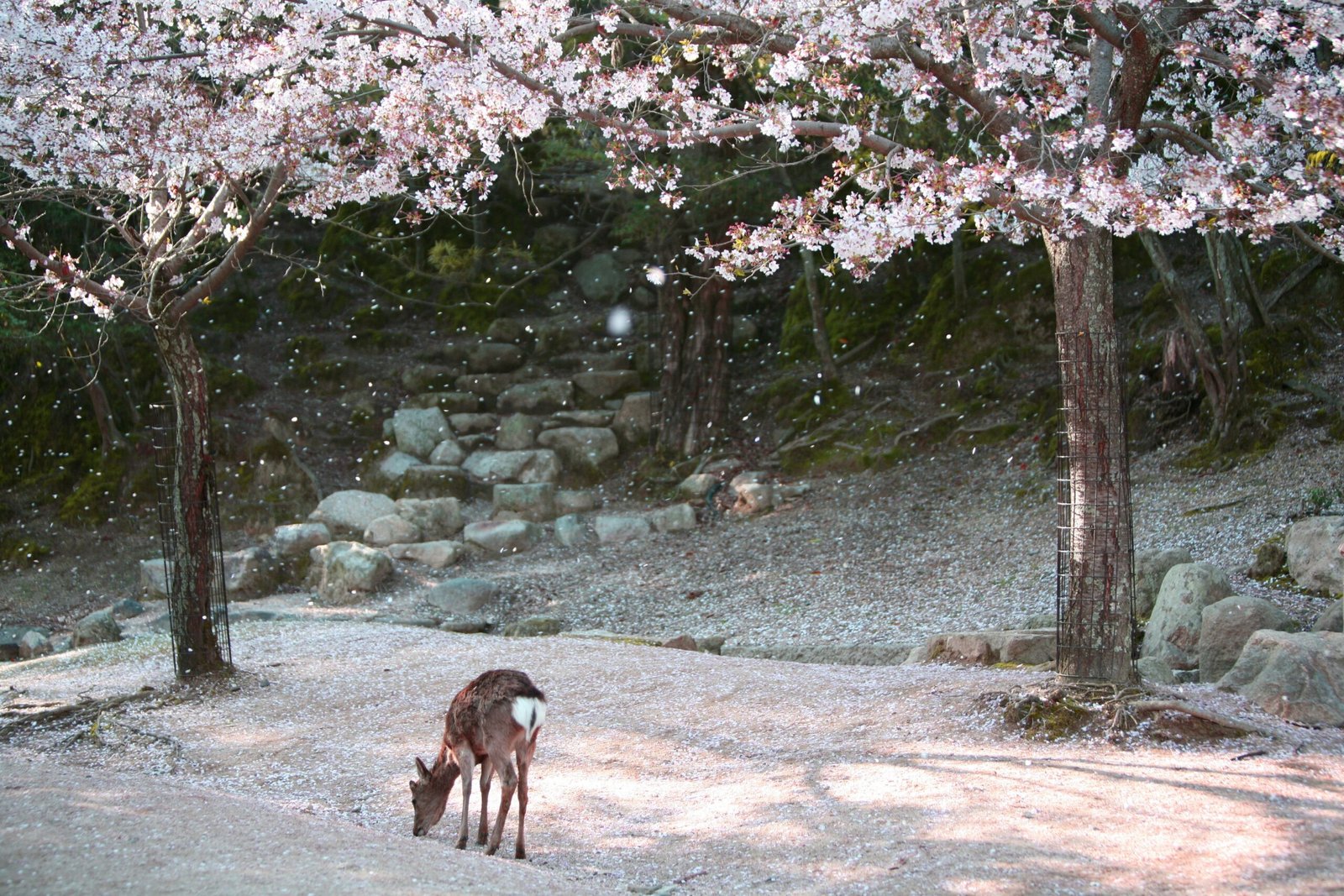
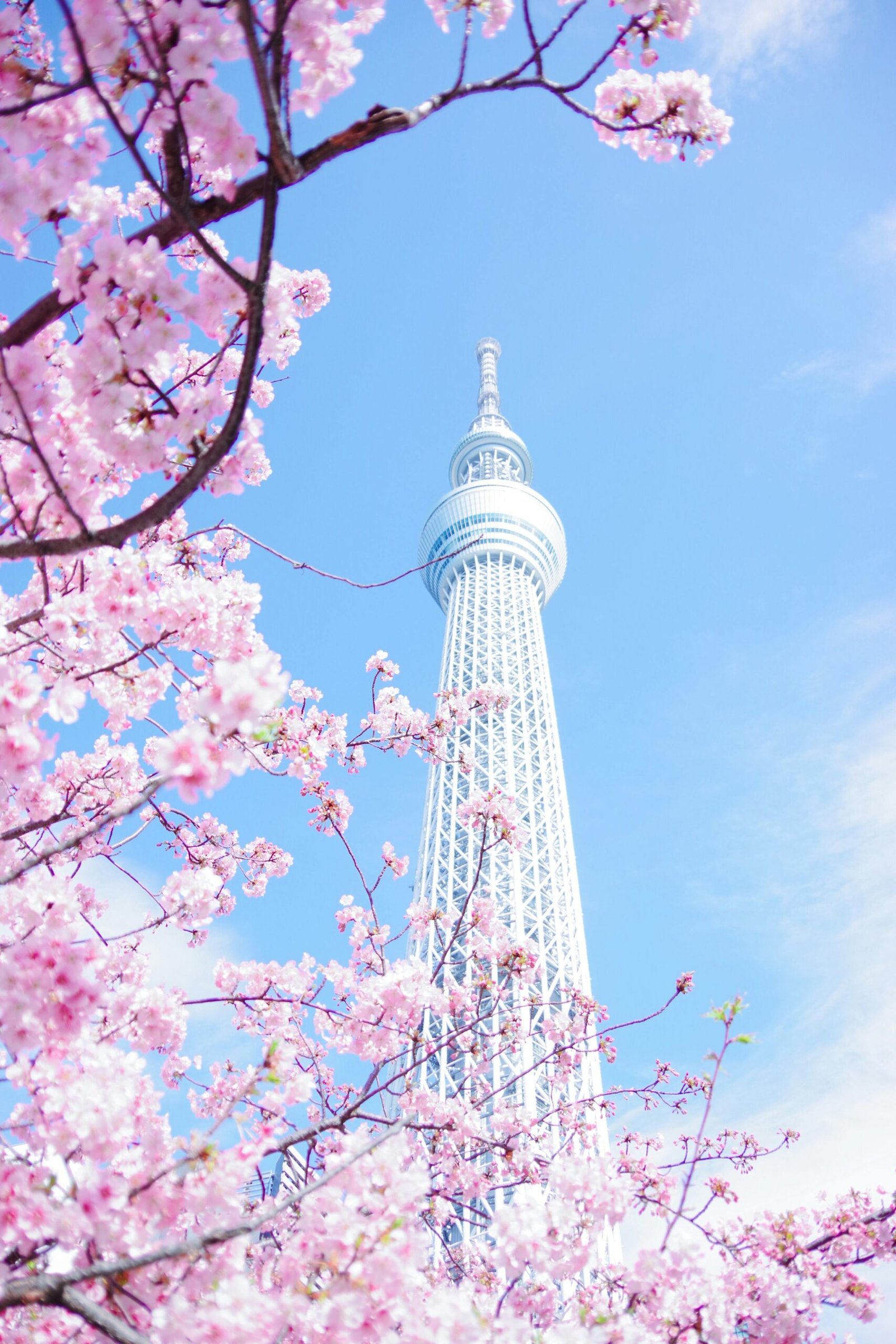
Japan is synonymous with Shinkansen, Sushi, Samurai, and Skyscrapers, but the most iconic image of Japan is the sea of cherry blossom trees. Like most travellers, I, too, was smitten by the pink dream. So, after many wasted springs, I finally booked a trip to Japan to see Nature’s limited Art show.
I didn’t know Japan’s reverence for Sakura Bloom spans centuries until I spoke to my host, Takashi. From as early as the eighth century, elite imperialists would pause to appreciate the Sakura bloom (cherry blossoms) before indulging in Hanami (Cherry blossom viewing picnics) and relishing the poetry sessions beneath the blooms. Fast-forward to the modern-day, and the flowers are still revered.


At the onset of spring, when the trees turn pink, the old and the young grab their picnic blankets and rush to the parks to take photos, drink sake (Japanese liquor), nosh munchies, gulp their Sakura-themed bento lunches and relax under the paper-thin pink cherry blooms. It’s like a carnival with food stalls, LIVE music and games. Sakura is the best time to try out Japanese food like sakura mochi (sticky rice cake), white and pink miso (soybean sauce), pink onigiri (rice balls), red bean treats, tamagoyaki (a rolled egg omelette with sugar and soy sauce), taoyaki (octopus balls), grilled clams and taiyaki (fish-shaped cakes filled with custard and chocolate). I discovered all this and a lot more during my first Hanami experience in Tokyo.

On my first day in Tokyo, my local friend warned me that if I wanted to see Sakura, then I should wake up early, and like an obedient child, I obeyed. But I was not alone in arriving early. I had to make my way through the epic-sized elbow-to-elbow crowds to admire the 1,000-plus blooming cherry blossom trees of the Ueno Park, one of Japan’s oldest and most famous public spaces in Tokyo (also home to many top museums, shrines, and ponds).
Sometimes, I walked along the pathways. Sometimes, I stood under the branches laden with soft white, pink, and magenta blooms. The wind would blow, and I would get showered in the Sakura snow. The fluffy, gorgeous blossoms were everywhere – on trees, in the air, on pathways, on benches and on the ground. It felt surreal like I was in a pink wonderland with the occasional Japanese shrine or statue peeking through the pink and white clouds of flowers.

It wasn’t just the parks, shrines or castles celebrating Sakura. Retailers, too, were in Sakura mode – markets draped in plastic cherry blossoms, cafes and restaurants served Sakura-inspired foods and drinks, 7x11s were filled with Sakura innovations, beauty counters were lined with cherry blossom scented lotions, Sakura front (television updates) announced the dates of Sakura travel from south to north.
While I was absorbing all this, Takashi, my local friend, asked me if I knew why Hanami is such a big deal in Japan. Obviously, I didn’t have a clue. And that’s when he revealed the deep connection the Japanese have with the short-and-sweet season,
The ephemeral nature of Sakura blossoms lasting only for two weeks is symbolic of the Japanese spirit. In the days of the samurai, Sakura represented the short life of a warrior often cut off in its prime. In today’s Japan, Sakura serves as a reminder of the power of nature, the fragility and the beauty of life. It’s a reminder that life is overwhelmingly beautiful but precariously short too. Therefore you should make the most out of it as it lasts.
In a nutshell, the cherry blossoms are not just pretty pink flowers; they are the floral embodiment of Japan’s most deep-rooted cultural and philosophical beliefs.

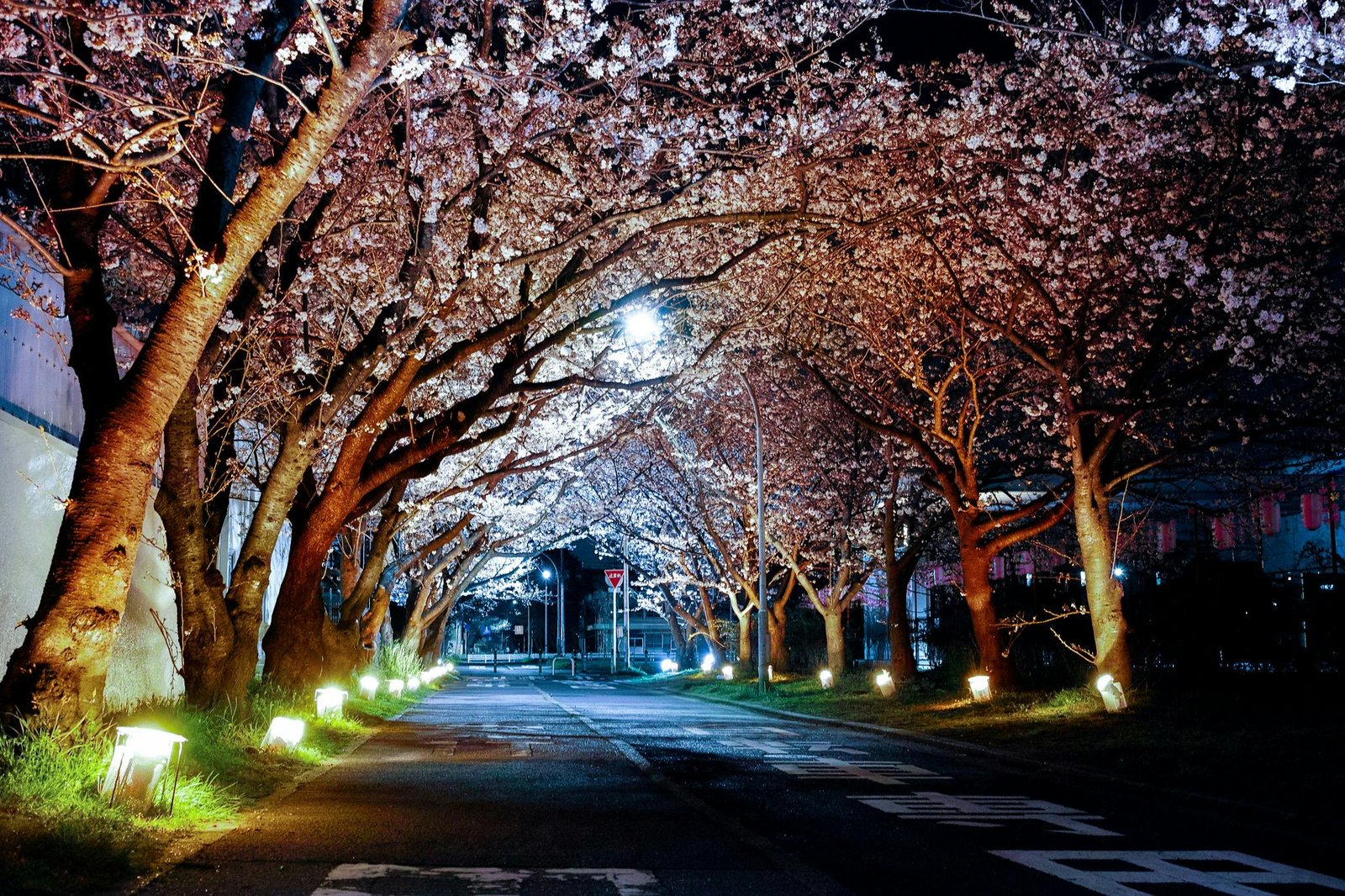
After understanding the true essence of Hanami and enjoying it during the day, it was time to enjoy the Yozakura – Night Hanami. If you thought cherry blossoms during the day were gorgeous, night blossoms were outright spectacular thanks to intricate lighting and festive lanterns that brought out the exoticness of the blossoms in the darkness of night. Illuminated trees against the night sky create a surreal, dreamlike atmosphere. It was not a dream but a reality that was better than a dream. A feeling that many poets, painters, filmmakers, and writers have tried to replicate for centuries but failed.

The days passed, and the fragile, cheery blossoms in Tokyo started to bid adieu. But I wasn’t ready for the goodbye yet. I wanted to see more. So I decided to follow them up North to the volcanic Aomori Prefecture and Hokkaido.
The best way to travel in Japan is by a bullet train that passes through the scenic landscapes, where it is possible to lose sight of all the tourists. The four hours of the train journey from Tokyo to Hirosaki by Tohoku Shinkansen (bullet train) and a local train didn’t seem long. I really enjoyed the Sakura view from my window.
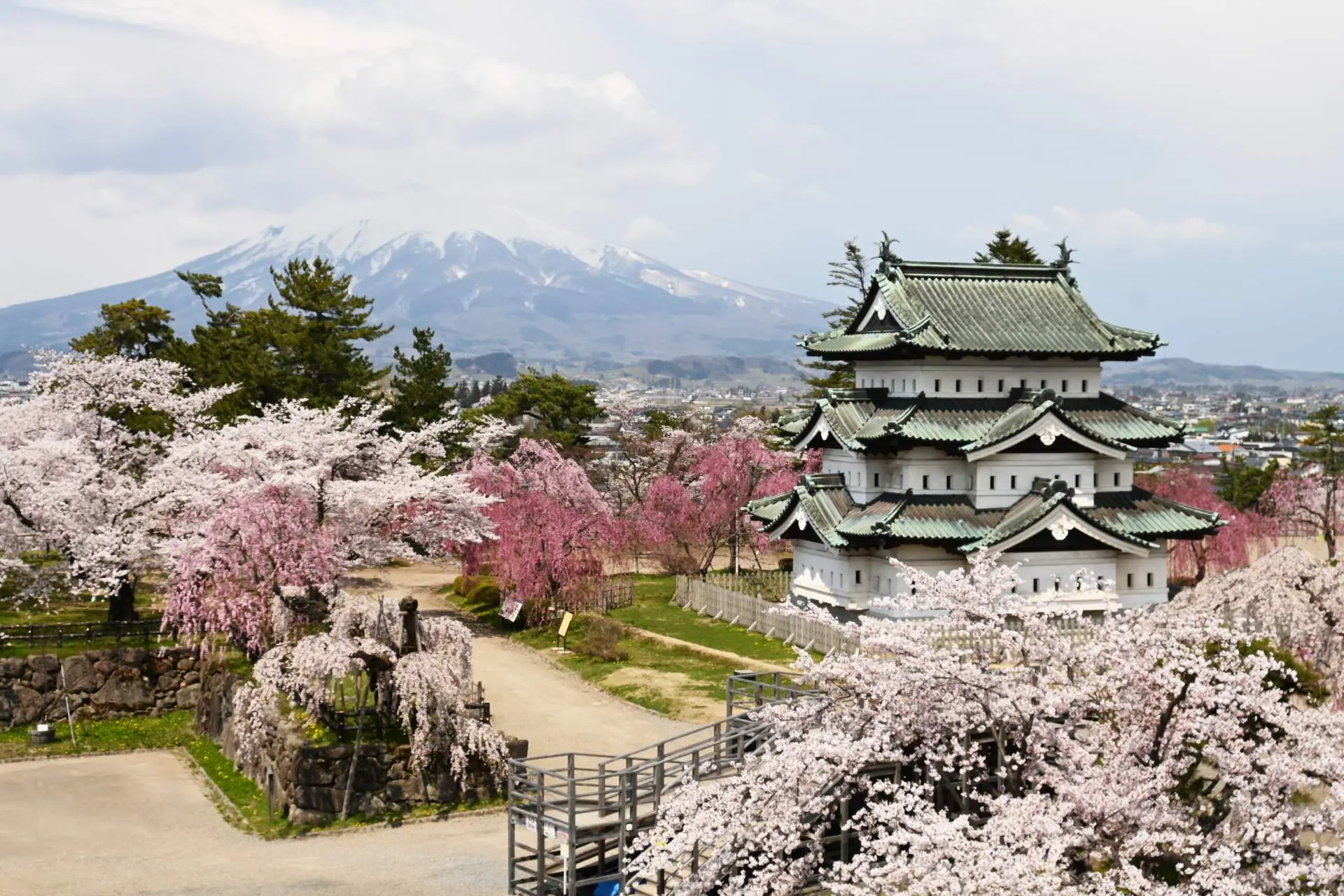
But I was in for a bigger surprise at Hirosaki, where 400-year-old Hirosaki Castle was surrounded by approximately 2,600 of Japan’s most perfect-looking cherry trees, including more than 300 trees over 100 years old. A clear blue sky with cottony white clouds and majestic mountains was the perfect backdrop for the dazzlingly blooming cherry blossoms. I had never seen anything more alluring than what I was seeing. Hypnotised by the view, I whispered to the Japanese couple standing next to me, “How come the cherry blossom trees here are so picture-perfect?”
Hirosaki Castle area is famous for its apple orchards,” explained the couple. “So after the locals perfected a pruning technique for their apple trees, they carried it on to the cherries—it makes the trees in this area bloom spectacularly. The cherries here have twice as many petals as anywhere else, thanks to the special cultivation method.
So here is my tip. If you have to pick one place for cherry blossom viewing, pick Hirosaki in Aomori Prefecture, one of the best spots for cherry blossoms in Japan.
If you have missed seeing the cherry blossoms in the south or centre, then Hokkaido is your best bet. Though I had relished my share of Sakura bloom, I still wanted to chase them up north. So I continued my onward journey to Hakodate and Sapporo in Hokkaido.

The best place to view cherry blossoms in Hakodate is the Hakodate Tower, where hundreds of cherry blossom trees have been planted in the star-shaped Goryokaku Park, where a castle once stood. I didn’t have time to visit the nearby Matsumae castle, which I was told isn’t as impressive as Hirosaki but is less crowded.
My last stop was Hokkaido’s main city, Sapporo, which was awash with cherry blossoms (Maruyama Park and Hokkaido-jingu shrine in particular). The interesting thing about Sapporo is you can enjoy Sakura views while skiing since the official skiing season lasts until May.
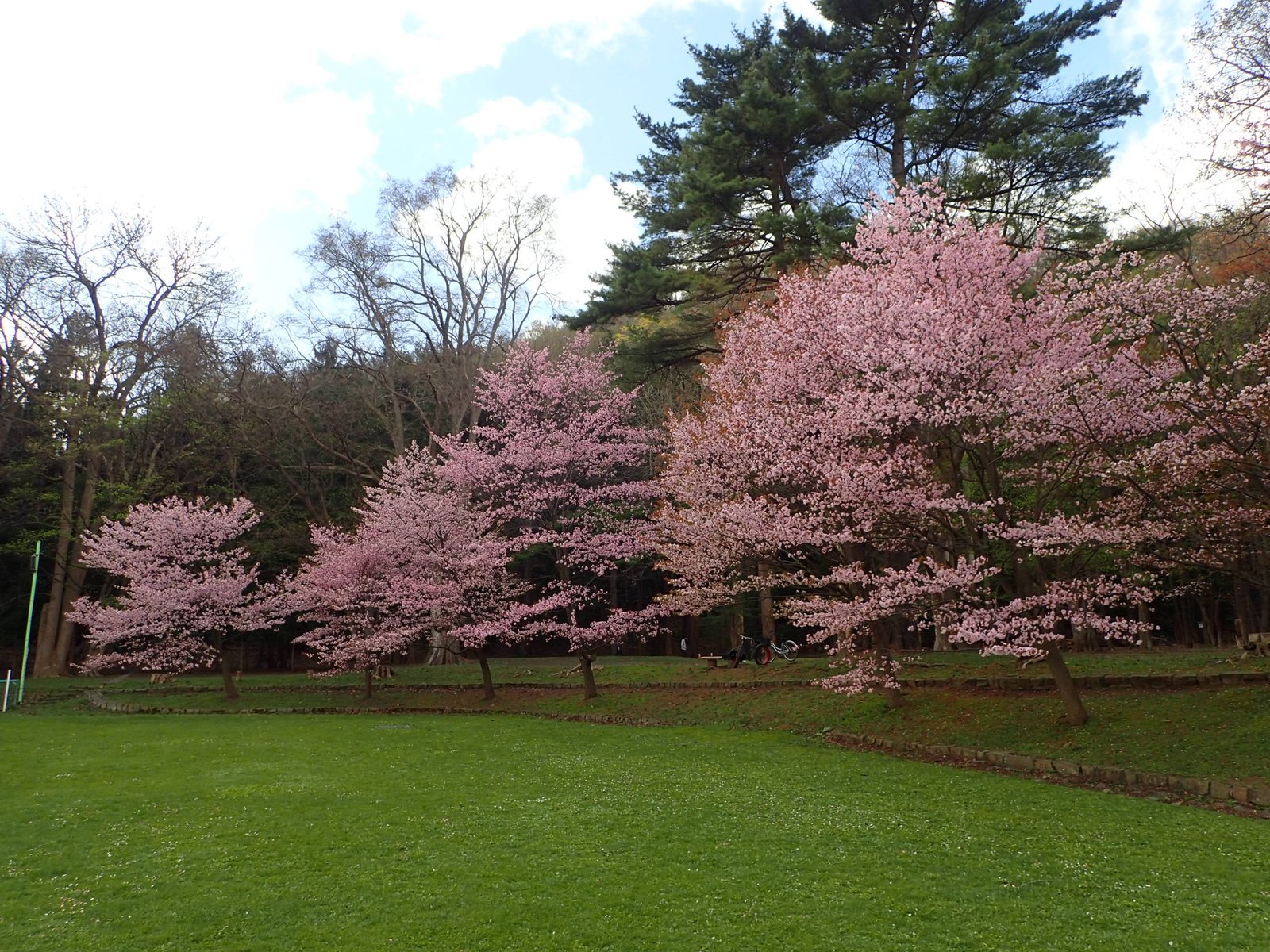
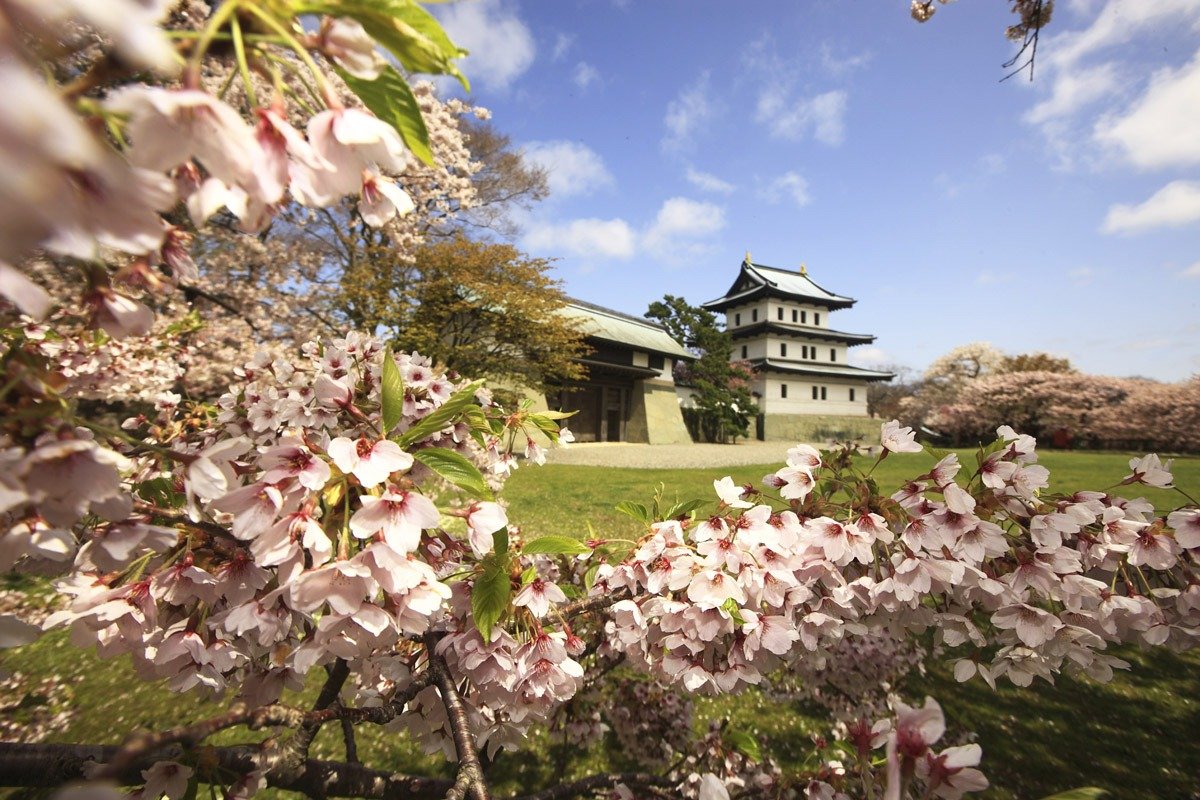

Travelling to Japan during its peak season was a bit expensive, but it was the most beautiful experience I have ever had. The cherry blossom season is ephemeral and fleeting, so mark your calendars and book your flights now before it’s too late!
In Hokkaido, during late spring, a different type of sakura called shiba zakura steals the show. Unlike the pink flowers on trees, shiba zakura is a ground covered with small pink, white, and purple flowers that create a stunning carpet-like effect. Visitors can witness this natural masterpiece in Eastern Hokkaido from May to June.

Higashi Mokoto Shiba Zakura Park, situated among rolling hills, is a must-visit in May and June. The park is adorned with bright pink moth phlox flowers, creating a picturesque backdrop for photographs.
Shibazakura Takinoue Park is another place visitors should not miss during the Shibazakura Festival, which runs from early May to early June. The park is covered in vibrant pink flowers, offering a stunning view.

For a truly unforgettable experience, try these unique cherry blossom activities:
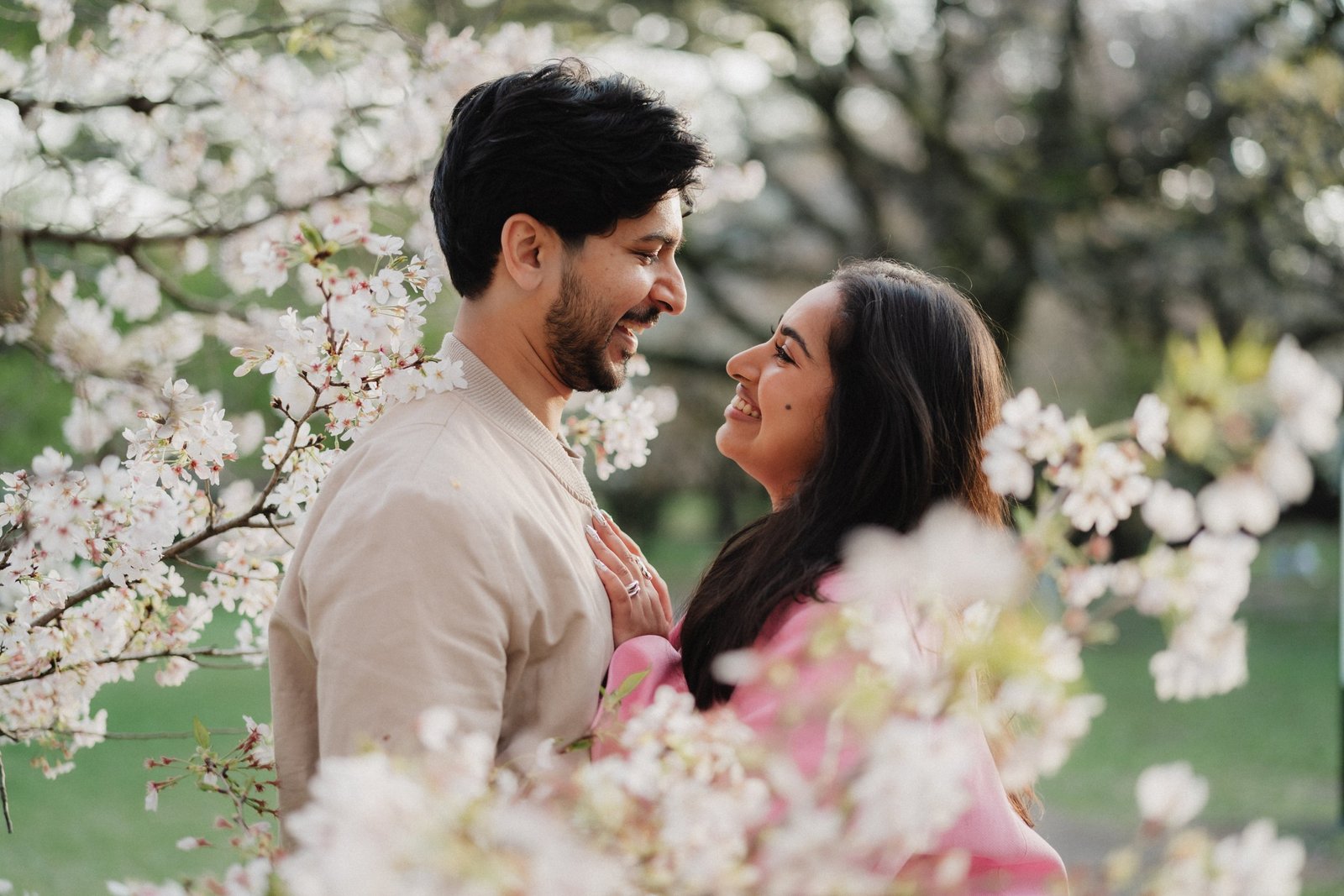
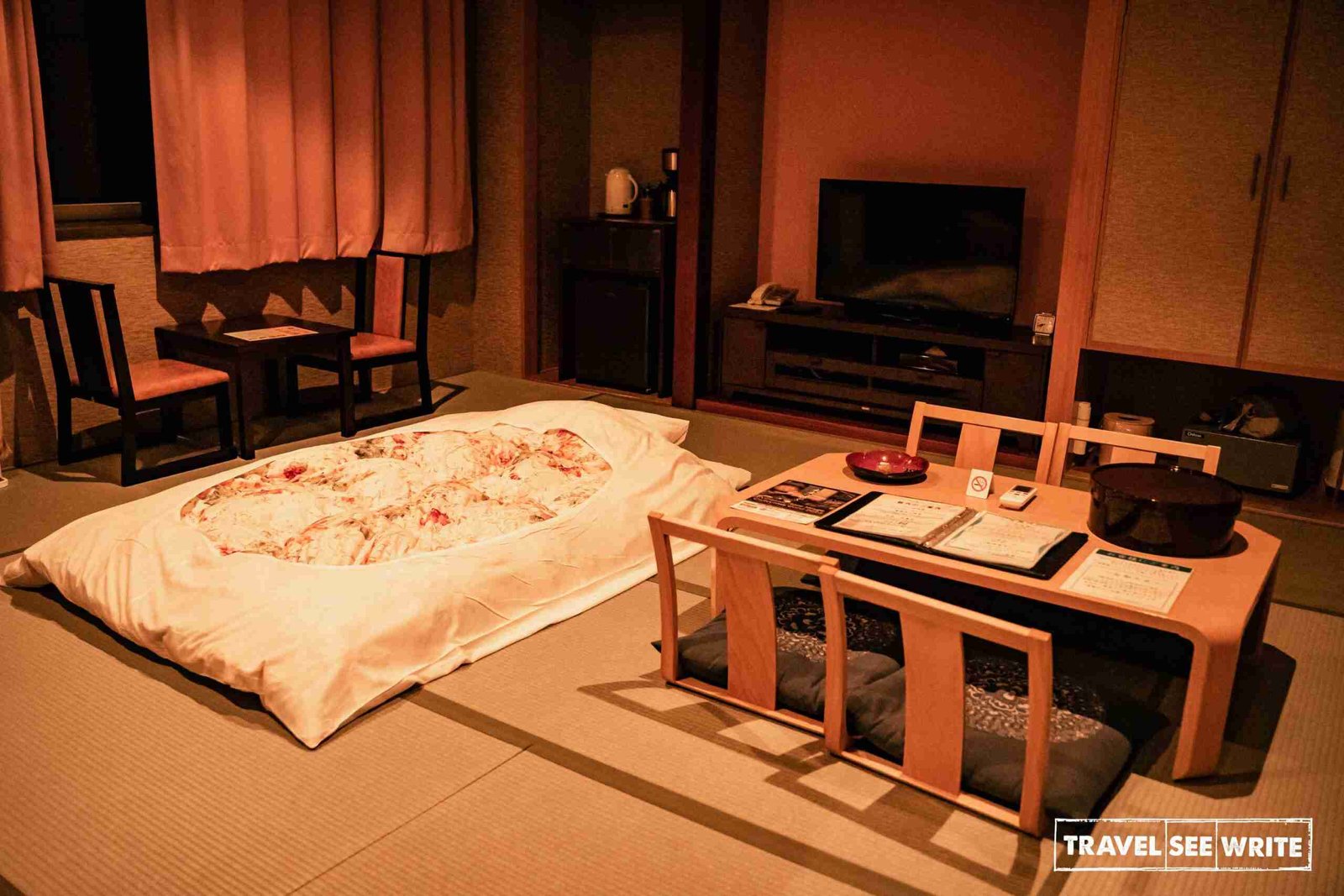
Hanami: Celebrating Cherry Blossoms Like a Local
Hanami is more than just admiring flowers—it’s about immersing yourself in Japanese culture. Here’s how to experience it like a local:
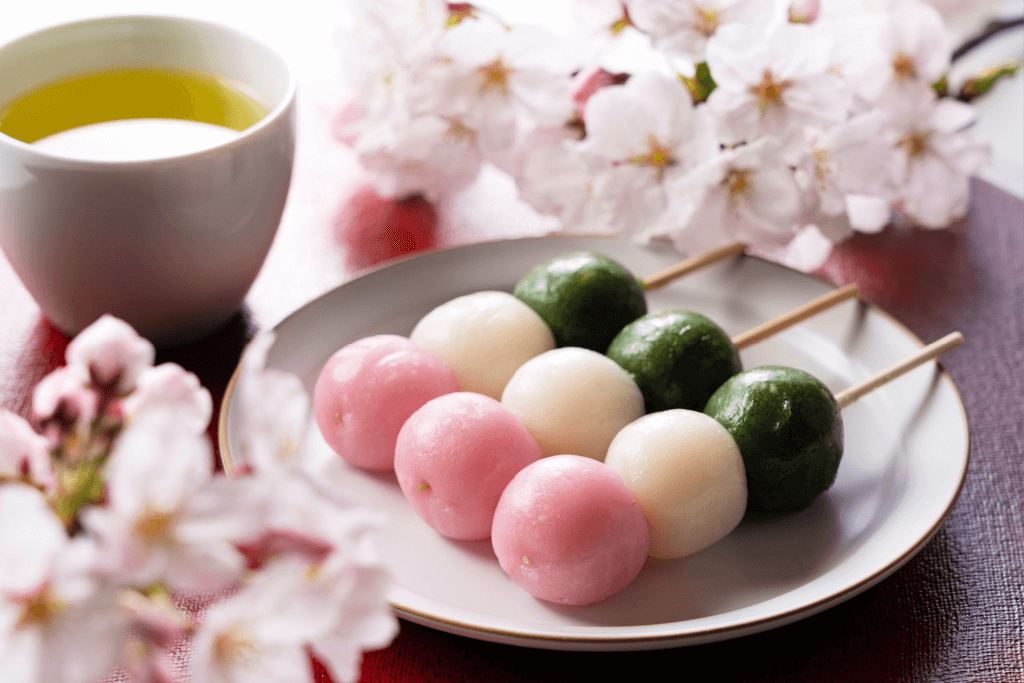
🍡 Sakura mochi & dango – Traditional sweets eaten under cherry trees.
🍶 Sake or umeshu – Sip on plum wine while admiring the blossoms.
🎶 Music & games – Locals often bring instruments or play games.
🌙 Yozakura (Nighttime Hanami) – Stay after sunset for illuminated trees!
Most people planning to visit Japan during Cherry Blossom season will have one question on their mind – “What month is the cherry blossom in Japan?”
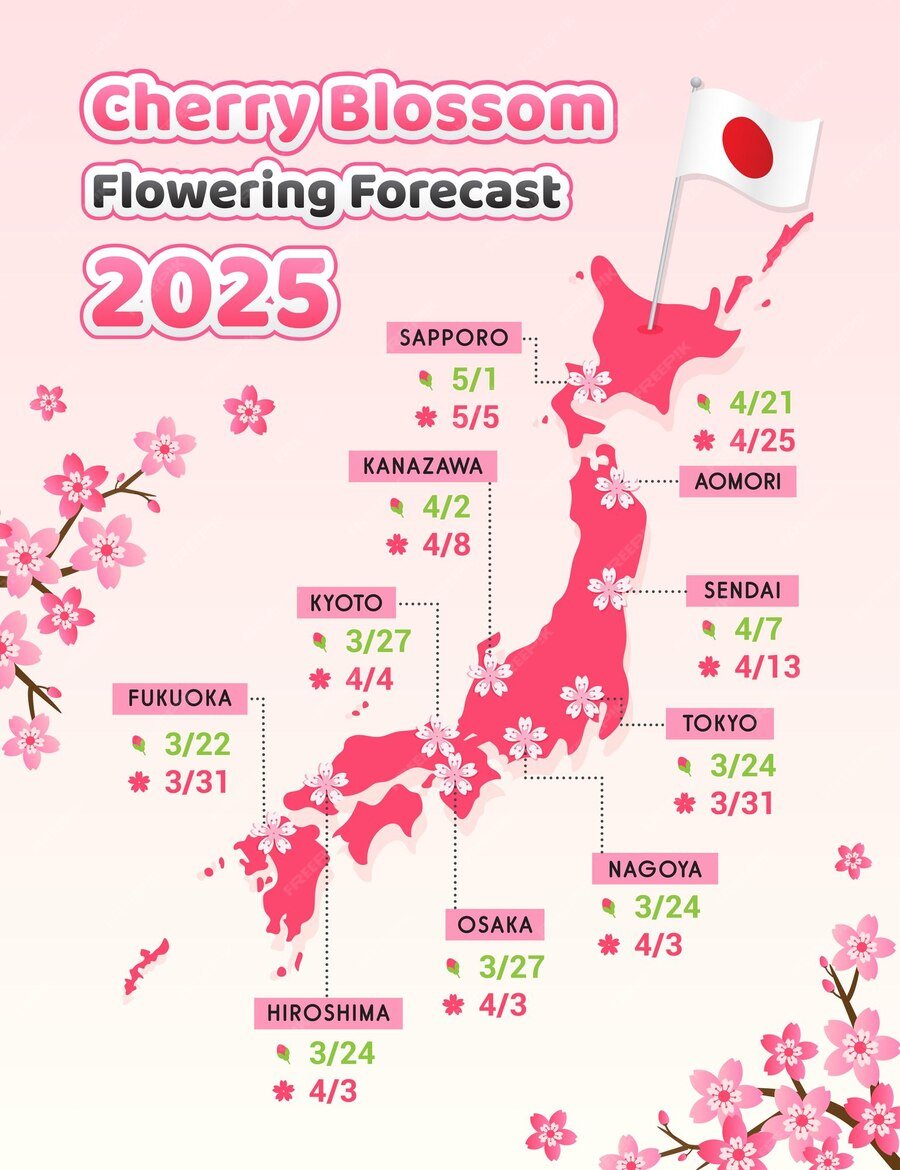
The Japan cherry blossom travels like a wave from South to North, blooming as early as January in Okinawa, peaking in Tokyo and Kyoto at the end of March and reaching Hokkaido by the end of April.

Japan’s cherry blossom 2025 season is expected to peak from late March to early April, particularly in Tokyo, Kyoto, and Osaka. The official forecast is regularly updated by the Japan Meteorological Corporation.
Cherry blossoms in Japan usually last about two weeks from the start of their bloom to peak bloom.
Dress in warm clothes (spring can be chilly in Japan) and comfortable shoes. Bring along a blanket to sit on in the park and pick up a delicious Hanami Bento Box and drinks from a convenience store. Reach early and find a spot under a cherry blossom tree. Voila, you are ready to enjoy Hanami!
Sakura – Cherry blossom
Kirei – Beautiful
Sakura, kirei desu ne – Isn’t the cherry blossom beautiful?
Kanpai – Cheers!
Itadekimasu – Lets eat
Arigato gozaimasu – Thank you
Japan’s cherry blossoms are more than just flowers—they’re about the moments, the traditions, and the unforgettable experiences. Whether you’re picnicking under pink petals, strolling through lantern-lit gardens, or taking in the view from a mountain, sakura season is truly special. Planning your trip? Drop a comment —I’m always happy to share more tips!
A step-by-step guide for multi-visit Japan Visa
Offbeat Japan – Discovering the Autumn beauty of Hokkaido
Facts about Japan – Land of the Rising Toilet Seat
Hotel Review of staying at a Capsule Hotel in Tokyo
10 Reasons to Visit Hokkaido: From Ainu Culture to Winter Wonders, Your Ultimate Guide
Open Season – The Best Time to Visit Japan


1…2…3…Jump
No…No…No…No…I can’t.
Please pull me back. I don’t think I am ready. I need more time to compose myself.
The culprit was my overthinking. I had breached the golden rule of Extreme Adventure – Keep your mind at home. I had forgotten that if you can’t do something, you must give it a try. After all, if you don’t win over your fear, the fear will win over you. And there can’t be anything worse than giving up without trying.
Rodolphe Vincent, the head safety instructor at Jumpin Heights, echoed my sentiments,
You are thinking too much. Just jump. The more time you take more difficult it will become.
And it wasn’t just me who was scared. Gaurav who had bungee-jumped a few years ago couldn’t do it again too. So, the theory of becoming less scared with more adventure might not be entirely correct. The best remedy to get over a fear is to not give it enough time in your mind to spread its wings.

No. Although I didn’t bungee jump the first time I didn’t give up. I tried. I failed. I tried again. And I succeeded. I felt incredible after the jump and cursed myself for letting fear have an edge over me for a brief moment. My fear was completely unwarranted. The jump was completely safe. It refreshed me while the uphill trek (after the jump) to the restaurant drained me out.
At the restaurant, I met Niharika Nigam, the Director –Business Development at Jumpin Heights. During our conversation, she narrated a thrilling story of mental strength and resilience. On May 2, 2010, when she turned 19, she attempted the maiden jump at Jumpin heights or quasi-suicide as her mother called it that time. Her mother was terribly scared and wouldn’t let her jump at any cost but Niharika was determined to lead from the front and demonstrate to the world how safe Bungee Jumping was. So, sneaking out of her mother’s radar she quietly performed the jump.

Niharika Singh, the first bungee jumper at Jumpin Heights, Rishikesh
From that maiden jump to completing 50,000 jumps, Jumpin Heights has come a long way.
Us reaching 50k Bungee Jumps, which internationally is a huge number in Bungee Jumping, is a testimony to the fact that it is gaining immense popularity in India. I remember when we started people would ask weird questions because they had not heard of this sport. And today, we are the #1 attraction on ‘Things to Do’ in Rishikesh on Trip Advisor.
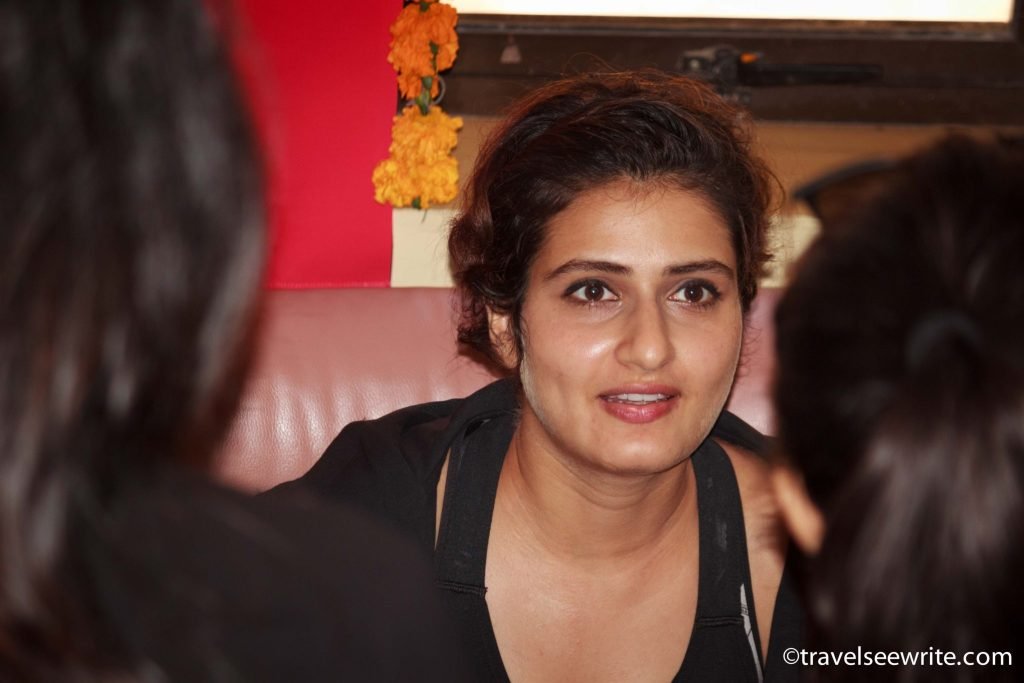
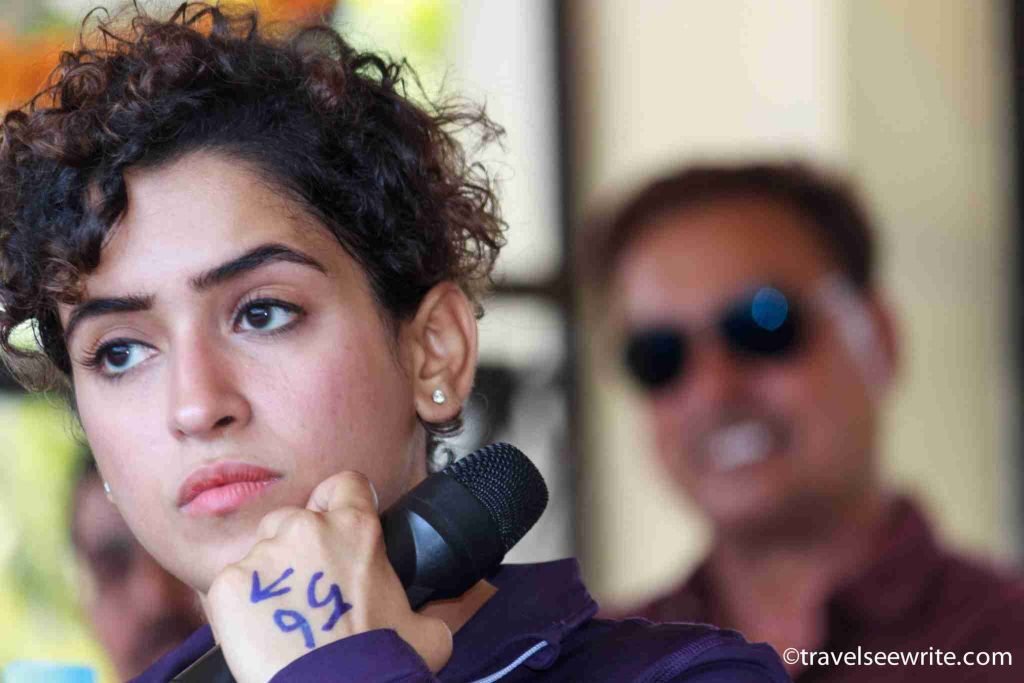
My heart was throbbing rapidly and my hands were shaking. Even the harness snugged around my hips and over the shoulders and the pep talk by the jump instructor couldn’t scare away my fears. Safety checks were performed, my weight and jump number marked on my hand were checked to balance the weight on the harness. With both legs bound together, I started walking like a penguin towards the ledge.
My heart was throbbing rapidly and my hands were shaking. Even the harness snugged around my hips and over the shoulders and the pep talk by the jump instructor couldn’t scare away my fears. Safety checks were performed, my weight and jump number marked on my hand were checked to balance the weight on the harness. With both legs bound together, I started walking like a penguin towards the ledge.
 Harnessed for the Bungee Jumping
My feet were on the edge of the ledge and the crew was holding my harness at my back. Neither pushing nor pulling. The jump instructor gave the final set of instructions and started the countdown. 1…2…3…3…Jump! My heart was pumping incessantly. I wanted to turn back but I didn’t. Without wasting a second more I looked at the yellow signboard at the far end of the road, stretched my arms out, leaned forward and bang I JUMPED!
My feet were on the edge of the ledge and the crew was holding my harness at my back. Neither pushing nor pulling. The jump instructor gave the final set of instructions and started the countdown. 1…2…3…3…Jump! My heart was pumping incessantly. I wanted to turn back but I didn’t. Without wasting a second more I looked at the yellow signboard at the far end of the road, stretched my arms out, leaned forward and bang I JUMPED!
After almost a minute of adrenaline pumping, my jump was over. Alas! All good things last for a less time. Finally, two people waiting near the river pulled me down to a deck. My harness was removed, a water bottle was given and I was awarded the badge saying, ‘I have guts’. Yes, I had done it. I had won my fear. There’s no better feeling than winning over your fear. I wish my words could do justice to that feeling.
 Bungee Jumping Free Fall after taking the leap of faith
Your fear doesn’t leave you if just watch others take the plunge. Go take the leap of faith. The longer you wait to take the leap, the more time you spend making excuses and convincing yourself to back out.
Jump before 3. If you let the person count until jump, chances are you won’t jump on the first count.
That was the mistake I made. It looks damn scary from the top. Just look at the eye level and perform the jump
Bungee jumping is about your whole experience, not just the leap. So, choose a brand that is trusted, has well-trained staff and is set in a calming environment.
Jump Instructors go through a long, in-depth international training schedule to become a qualified Instructor. You can trust them with your life.
Wear anything you’re comfortable in – T-shirts, shorts, pants! Avoid wearing a skirt, dress or high heels. You can bungee jump either barefoot or with shoes. Just ensure to tie the laces well.
It’s advisable to not jump with a stomach full as you might puke while jumping won’t be a good sight to look at.
After the jump, you would want to brag about your adventure to your friends so don’t look scared (even if you are). Take the plunge with a happy face.
You are not allowed to carry a mobile, camera, jewelry or anything else. So, don’t carry them along when you jump.
Don’t jump if you have any chronic disorders like heart problem, backache etc. mentioned in the list
Age: Minimum 12 yrs
Weight: Minimum 35 kgs and Maximum 120 kgs
Reporting Time: 9 AM and average time to complete the activity is 3 to 4 hrs depending on availability
Weekly off: Tuesday Closed
Bungy Location: Mohanchatti (25 km from Rishikesh)
For more details: visit Jumping Heights website or sent an email to contact@jumpingheights.com
Entry Ticket: 100 / person
Bungee Jumping: 3500 / person
Giant Swing: 3500 / person
Flying Fox (if done alone): 3000 / person
Flying Fox (3 persons in tandem): 1700 / person
Local Transfers from Tapovan to Bungy Station (to / fro): 300 / person extra.
Charges for Video (DVD) of the Activity, if required will be extra. (more…)

Arctic like winter of Changthang, Ladakh is not everyone’s cup of tea. It’s freezing cold, daylight is short and is a treacherous time to travel. Often referred as the ‘Third Pole’ of the world, Changthang is definitely not an ideal place to explore in winters. A region so remote and hostile that there’s a famous Ladakhi saying,
The land is so barren and the passes so high that only our fiercest enemies or our best friends would want to visit us.
But curiosity can take you to places where no map or app can. In March 2016, impulsively I booked a flight to Leh with just one thought – to explore the unexplored rugged beauty of Ladakh, not the airbrushed image projected by Bollywood.
Nestled at an altitude of 14,600 meters above sea level, Changthang is a high altitude plateau extending from Western Tibet to Eastern Ladakh. Winter gets undeniably harsh here. It gets so bitterly cold that even the boiling hot spring water freezes as soon as it oozes out of the ground. But this winter wonderland is worth braving the temperatures as low as -35°C and spine chilling winds of 90 kph.
Come on board and virtually experience my Changthang, Ladakh journey:

Delhi – Leh – Chumathang – Mahe Bridge – Sumdo – Namshang La – Kiagar Tso – Korzok – Chumur – Puga –Sumdo – Tso Moriri – Chumathang – Leh – Delhi
 As soon as I landed at Leh, I looked at the Himalayas with the same longing as long parted lovers do. The soaring Himalayan peaks welcomed me with open arms. After securing the inner line permit and acclimatizing for a day, I left for Chumathang early morning the next day. Chumathang is a small village that is at the junction of many routes and is famous for Hot springs. For the entire 139 kms journey, Indus accompanied me. The frozen river would surprise me at times when it suddenly gushed through canyons. I arrived at Chumathang at 3 pm, witnessing the Narnia like beauty of Changthang, Ladakh.
I spent the rest of the evening talking to the locals and visitors halting. Locals are the unsung heroes who turn good trips into great ones and Changthang happened to be one. The village Sarpanch (head) and locals helped me plan my itinerary and made me reach the unheard of places in Changthang during a season when even locals fear to venture out.

We left early morning next day for Chumur, the disputed village on Indo-China Line of Actual Control (LAC). This journey was exhausting, dangerous but rewarding. So awe-inspiring that I easily shrugged off the discomforts and the many heart-in-mouth moments that came as a package deal.
Chumur is famous for ‘the Gompa with a live Mummy’ and the recent Indo-China Border issues. Visiting this small village of thirty houses was like revisiting past. The village seemed to belong to a bygone era, an era that we seemed to have left far behind.

After spending a day at Chumur, it was time to experience the nomadic life of Ladakh next day.

Changthang is home to more than 3500 Chang Pas (pastoral nomads of Tibetan origin), who depend on their livestock for food, shelter, and livelihood. The Rebo Tent of an elderly Chang Pa lady at Puga was my home for the day. In spite of a language barrier, my 66 years old host, Sonam, treated me with utmost love and care. In a harsh barren land where nothing grows, she offered Ladakhi Roti, Satthu, yak soup and raw yak meat. During our conversation, I got to know she migrated from Tibet in 1950 – when Tibetans were fleeing from their homeland to evade the Chinese atrocities. Her Tibet memory bank is blank as she was just a few months old when she arrived in India. However, she lives with a hope to return to her birthplace one day.

With teary eyes, I bid her goodbye and started my onward journey to Tso Moriri.

Tso Moriri is the largest of the high altitude lakes in India. During summers you can see incredulous variety of flora and fauna. However, I witnessed a completely different landscape. The frozen white lake flanked by lofty mountains looked surreal. It was difficult to believe that this snow blanket transforms into a mystical lake, which changes six to seven colours in a day. Mother Nature’s magic knows no end!
After Tso Moriri it was time to bid adieu to the third pole. I was brimming with joy for having experienced the journey of the otherworldly Ladakh that I did not know existed.
So when are you embarking on this epic journey?
The fresh air and beautiful landscapes coupled with adventurous activities make you very hungry in Ladakh. 5 local Ladakhi cuisine items you must try are Shapale, Thukpa, Skyu, Khambir and Butter tea. And you must try apricot in every form – freshly plucked, dried apricot and apricot jams and candies.
Leh is a mecca for bargain hunters. Best things to buy are the locally handmade woolen items and Tibetan handicrafts like prayer wheels, Buddhist masks, and Thangka paintings. I pack my bags with prayer flags, traditional Ladakhi jewellery, apricots, green tea and traditional porcelain items for gifting. The places to shop are Tibetan Market, Moti Market, Ladakh Art Palace, Women’s Alliance and Tibetan Handicraft Community Showroom.
You can choose from a wide variety of hotels to guesthouses to homestays. But it is slightly difficult to find a roof in Changthang. Be prepared to stay in basic homestays. I stayed at an Army Guesthouse at Chumathang but there are local guesthouses available. I would recommend staying at the Sarpanch’s Guest house, which has all the basic amenities.
The best time to visit Changthang, Ladakh is from June to September. During this time the valleys are lush green, the weather is nice and abuzz with the colourful and vibrant festivals. However, for me, Ladakh is beautiful throughout the year. There is a unique charm of seeing Ladakh fully covered in snow during winters.
Srinagar to Leh – from early June to November
Manali to Leh – from mid-June to early October
Air India, Go Air and Jet Airways Direct flights from Delhi, Srinagar and Jammu
Only J&K registered vehicles are allowed in Ladakh
You can easily hire cabs or motorbikes for day tours or long tours
Public buses are the cheapest way to travel but their services can be infrequent
This story was published in the July edition of Air Asia Inflight magazine (Travel 3Sixty India):


It is really easy to get around Singapore. The public transport system is easy to navigate and private hires can be found quickly. Seniors who are not as mobile can still explore Singapore independently and safely under the company of a medical escort from local on-demand care providers such as Homage. These trained care professionals will be with you from your residence to your desired attraction and back safely. If you are here as a medical tourist, they can also accompany you to the hospital for doctor appointments.

Mom…dad lets go. Someone is waiting for us at the pickup area
Wait, let me click some pictures and share with your uncle. I haven’t seen such a beautiful Orchid Garden anywhere.
Beta, wait na. These massage chairs are so comfortable. Not that I am tired but I am loving their foot massage.
This was the first impression my parents had as soon as we landed at Changi Airport. No, it wasn’t their first foreign trip but role reversal had happened. I was the organiser and they were the guests. And who wouldn’t fall in love with an airport like Changi, which has regularly been voted as one of the world’s best airport. There is so much to explore – Orchid Garden, Butterfly Garden, Sunflower Garden, Entertainment Zone, Ice Rink, a rooftop swimming pool with a Balinese theme and the tallest slide in the city, Free Cinemas, Wellness Centres, Food court and outlets for every possible cuisine in the world and at least 300 different retail outlets.

Changi Airport, Singapore. Pic by firesock under creative common Free to use and adapt license 2.0
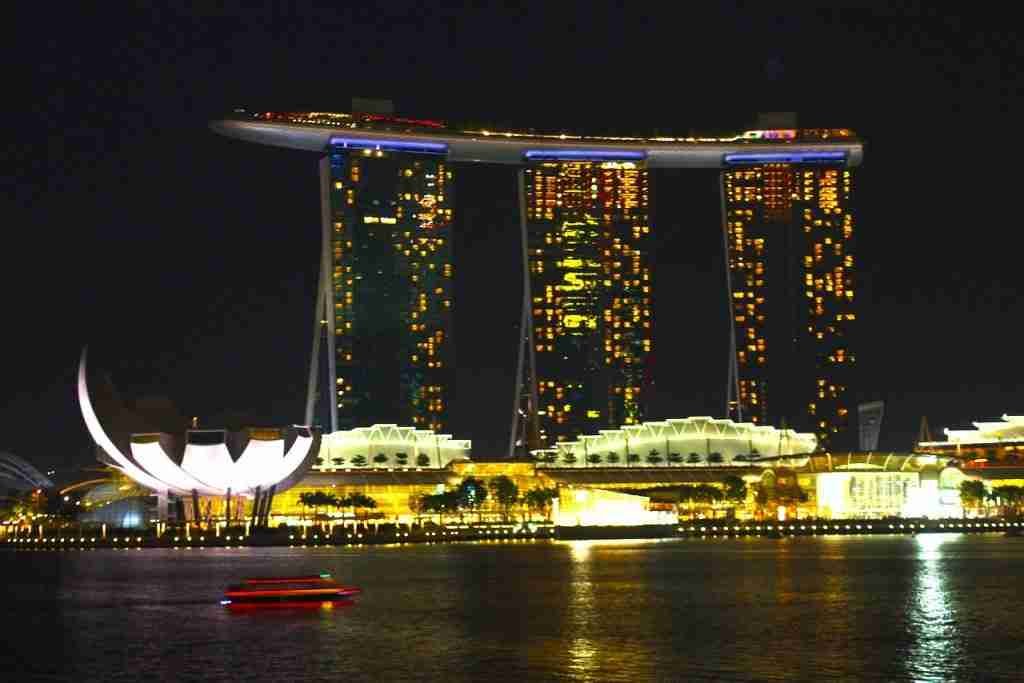
But I didn’t want to spend our entire trip at the airport so I coaxed my parents to leave. At the arrivals, we had a luxury travel van waiting for us with a warm escort. After twenty minutes we were at the grand and spacious lobby of Conrad Centennial Singapore, where a soothing piano was being played. Conrad is one of the best 5-star hotels in Singapore, located within the business, historical, cultural and shopping districts of Marina Bay. At the reception, a Singapore Tourism Board executive with three bags full of Singapore goodies welcomed us.
Our check-in was smooth into the two suites. The rooms came with Marina Bay view, were spacious, had complimentary fresh fruit, chocolates and different varieties of tea and coffee. Bathroom and minibar were tastefully done. The in-room dining service was good and the food tasted delightfully Indian not the watered down version to suit the western palate.

Marina Bay view from my room at Conrad Hotel, Singapore
In the evening, we decided to take a walk around the Singapore Flyer and Marina Bay. Couples, families, and friends flocked to the area to get their selfies clicked in front of the Merlion. It is not just any ordinary statue but this solid concrete, 70-tonne, water-spouting, the half-mermaid-half lion is a mythical symbol of Singapor and the most sought-after photo-op place in Singapore. After getting our share of the clicks at the Marina Bay, we visited the Esplanade – Theatres on the Bay where an art exhibition and a live performance were going on.
I went to sleep with excitement to revisit my favourite part of Singapore the next day.

My dad at Merlion, Marina Bay, Singapore

Chek Jawa Wetlands, Pulau Ubin, Singapore
I was invited by Singapore Tourism board with my family, thanks to a story I wrote on Pulau Ubun earlier. It is an island still stuck in the sixties and looks starkly different from the swanky malls and fancy attractions of mainland Singapore. Until sixties it was used for quarrying and as the quarrying stopped so did its development. But that’s what makes it so special.

Us at Chek Jawa, Pulau Ubin, Singapore
Palm trees fringed coastline, few kampongs (traditional villages) scattered in the wild, a well-defined trail to explore the Chek Jawa Wetlands (laced with intricate mangroves, corals and sandy beaches) and a well-marked biking trail that earned it the reputation of ‘Bicycle Island’. Though my parents appreciated nature somehow the tropical heat wasn’t ideal for walking.

The best part of the trip was our guide, Rai. Not only did he speak in our native language but he was also of the same age as my parents. my decision to choose Pulau Ubin over other famous attractions surprised him. We spent the entire day chatting about different topics – how his great grandfather moved to Singapore during British colonisation, how World War II affected Singapore and how life changed in the last many decades. Though born and brought up in Singapore he still feels an umbilical connection with India. Listening to him I realised you can uproot an Indian from India but can’t take India out of an Indian.
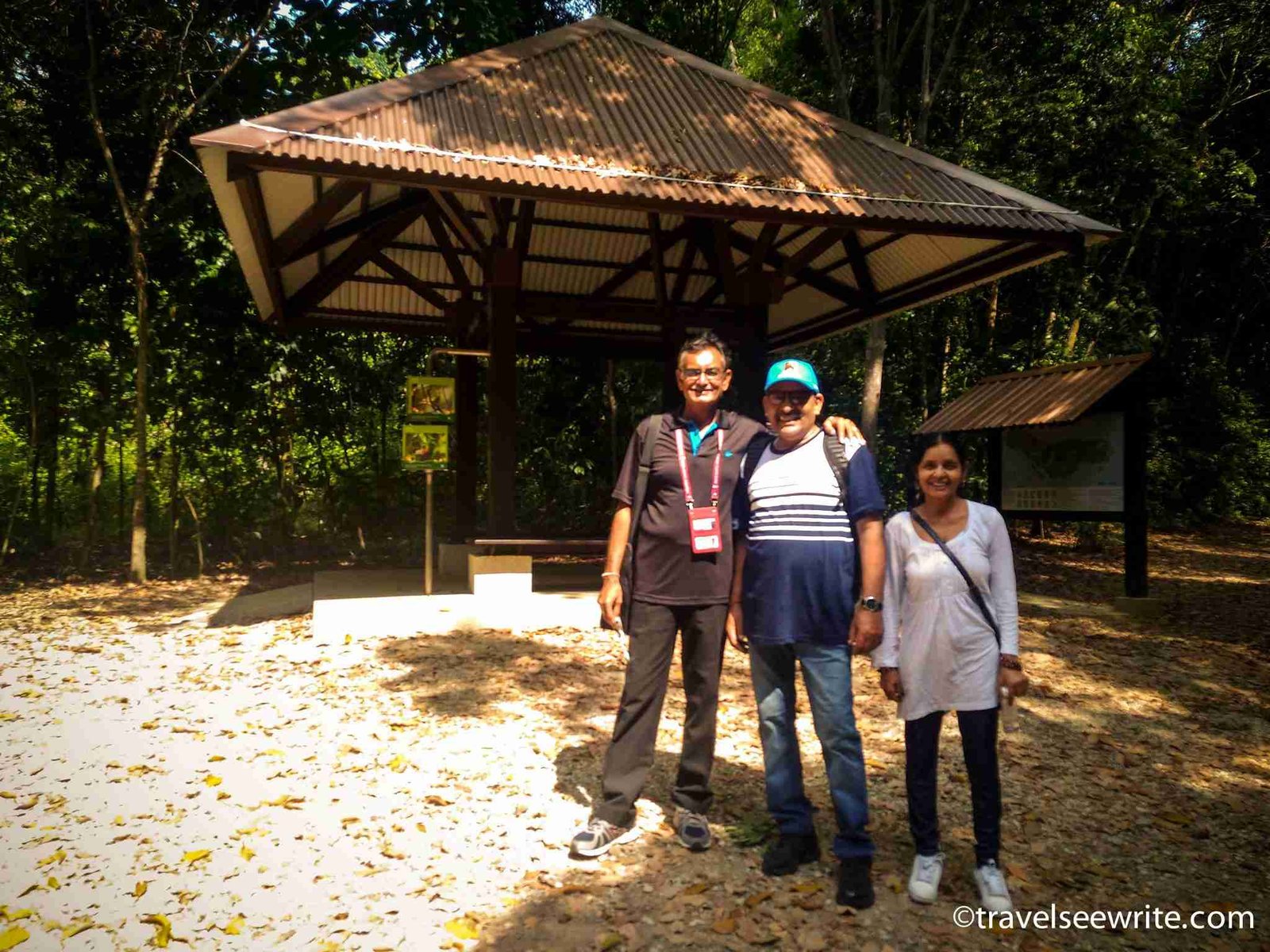
My parents with our guide, Rai, at Pulau Ubin, Singapore
Like us, Rai was a foodie and he took us to one of the best Indian restaurant in Little India – Banana Leaf, famous for its fish head curry and chicken tikka. The service was quick, portions were large and the food was similar to what you’ll get in India. After our sumptuous south Indian lunch, we strolled through the lanes of little India and visited the Vis Konsep Chocolate Factory near 787 North Bridge Road. My chocolate fantasyland was in front of my eyes – in all kinds of shapes, sizes and flavours.
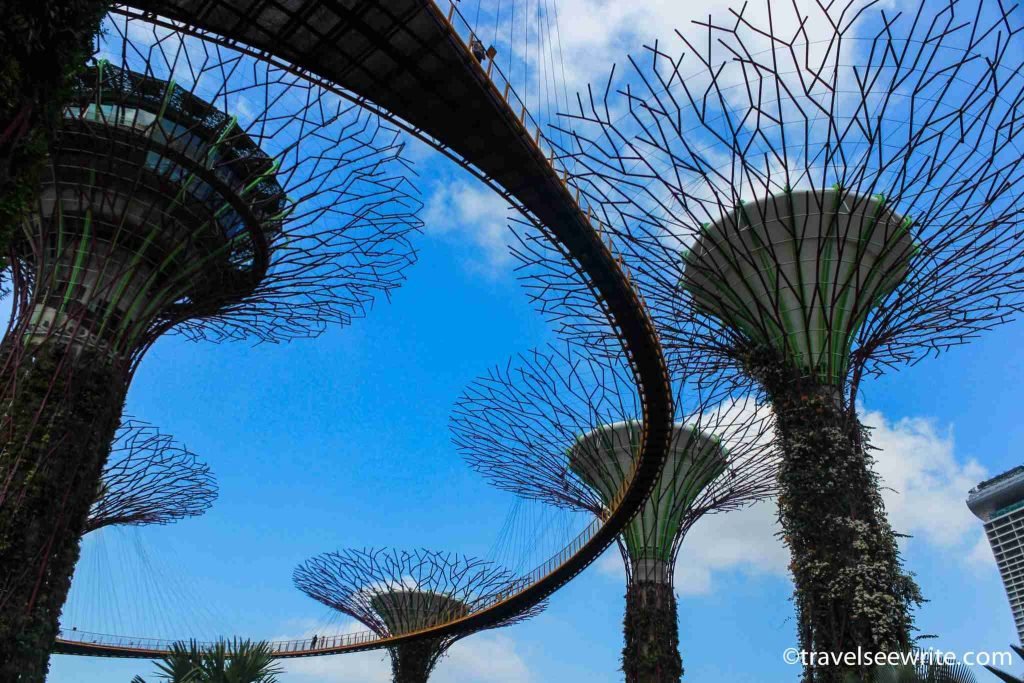
Pedestrian walkway through Giant Skytrees, Gardens by the Bay, Singapore
After seeing the hidden gem of Singapore, we shifted gears to see one of the top 20 most checked-in places in the world – Gardens by the Bay.
Gardens by the Bay contains more than 1,000,000 plants on 101 hectares of reclaimed land.
Rai explained while we were awestruck by the Super-sized trees (orchid flower-shaped vertical gardens of 9 to 16 storeys tall), Cloud forest (35-metre tall mountain covered in lush vegetation amidst the world’s tallest indoor waterfall) and Flower Dome (unique plants from all over the world bloom in an ever-changing display of flowers). My parents were ecstatically clicking pictures of almost everything – flowers, trees, ferns, cherry blossoms, waterfalls, supertrees, domes etc.

Cherry Blossoms in full bloom at Flower Dome, Gardens by the Bay, Singapore
Our eyes feasted on the beauty of the colossal garden but our stomachs were growling. What we didn’t know was the Singapore Tourism Board had organised a special lunch for us. Our lunch restaurant was not only amongst the top Asian restaurants but had a great history behind it. Situated in the oldest section of the oldest museum in the world, it was originally opened to commemorate Queen Victoria’s Golden Jubilee in 1887. Yes, we were fine dining at Flutes, a modern European-inspired smart casual dining experience with an impressive menu inspired by its rich heritage.

National Museum of Singapore
After stomachs full, we explored the oldest museum of Singapore – the National Museum. It not only acquainted us with Singapore’s history but also engaged through imaginative and immersive techniques. Instead of staid exhibits, it had lively multimedia galleries. All the major events, as well as personal stories of individuals (who witnessed the history of Singapore), were well documented. It had Living galleries with 4 themes: Fashion, Food, Film & Wayang and Photography.

National Museum of Singapore
We wound up the day by having the most delicious meal of the trip at Rang Mahal, a MICHELIN star awarded fine-dining Indian restaurant serving Pan-Indian cuisine. The food was so lip-smacking delicious that my parents miss it even today. Although be prepared to shell out at least 250$ for a la Carte meal of daal roti sabzi salad & raita.

Botanic Gardens, Singapore
On the second last day of our trip, we decided to do the touristy things. Oh, wait! Wasn’t I doing that all the while? Well, when you are with your parents you want everything to be comfortable and hassle-free so doing touristy stuff wasn’t a bad deal. We decided to use the free passes provided by the Singapore Tourism board. We started with the full day unlimited hop-on, hop-off bus tour, which covered all the major 37 attractions along the City and Heritage routes! Every 20 minutes there was a bus and we could change our route as we liked. We were provided with pre-recorded onboard audio commentary in 9 languages. The best part was we could explore each attraction at our own leisurely pace.
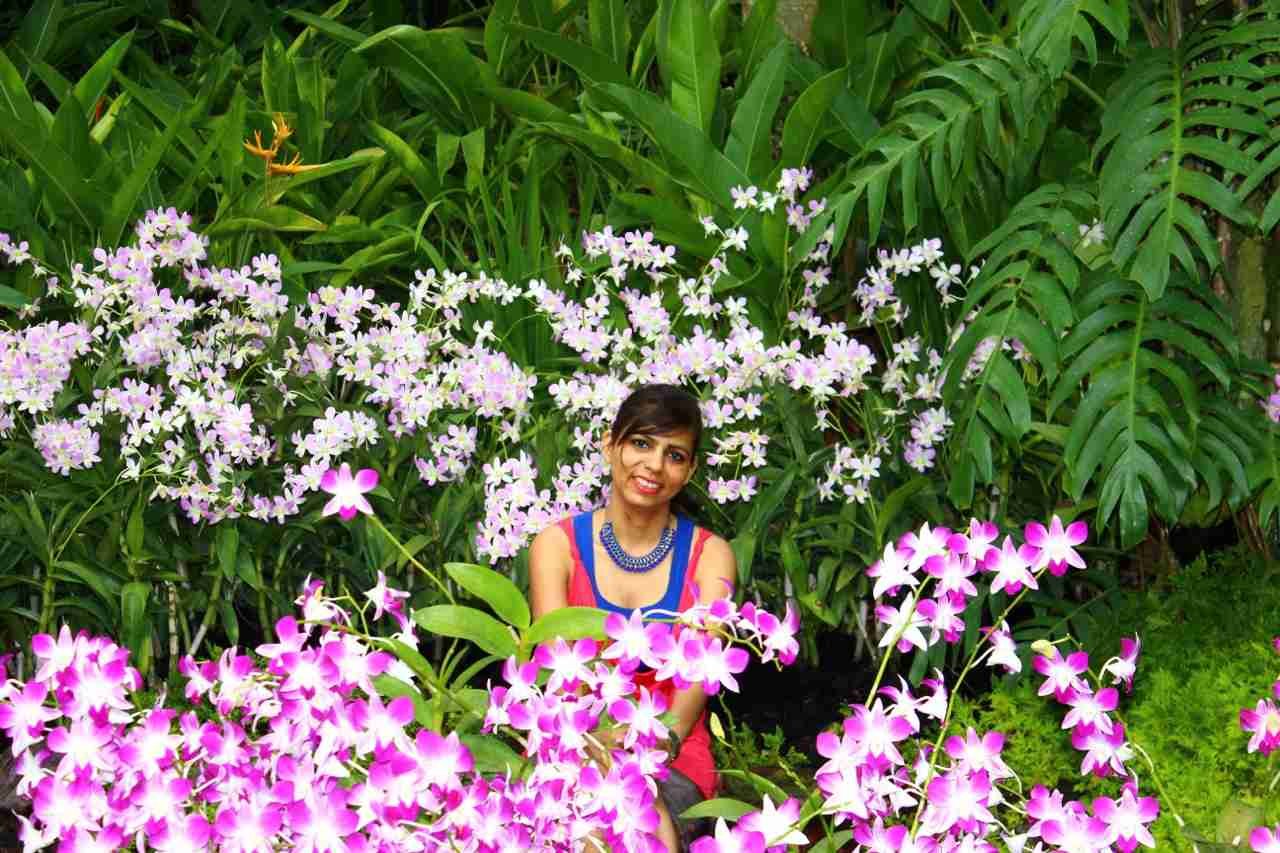
Orchid Garden at Botanic Gardens, Singapore
One of the city’s trendiest nightspots with a variety of restaurants, wine bars, entertainment spots and retail outlets.
A must-visit for nature lovers, the Botanic Gardens is a living museum of a wide variety of flora and fauna. The National Orchid garden within the Botanic Gardens houses over 3,000 species and hybrids of Orchids.
The most famous shopping street in Singapore.
One of the ethnic enclaves that provide some of the best insights into the Indian community in Singapore.
Known as the Thieves Market years ago, this unique flea market is a good place to find second-hand merchandises and Knicks and knacks
Situated along the Singapore River and distinguished by conserved shophouses, Boat Quay is the place to visit for entertainment & dining. A perfect place to sit & relax after a day of sightseeing.
Best place to immerse in Singapore’s Chinese culture and history and witness how early Chinese Immigrants lived & worked during its golden years.
The first leg of our unforgettable trip had come to an end. My parents were excited like a kid in a candy store throughout the trip. Seeing their happy faces I felt there is nothing more precious than their smile. So if you too are thinking to take your Senior citizen parents on a foreign holiday don’t think too much Singapore is one of the most senior citizen-friendly countries.
I was in Singapore on an invitation from Singapore Tourism Board in March-April 2016. We flew by Singapore Airlines and stayed at Conrad Hotel. All the views expressed here are mine and all pictures were clicked by me.
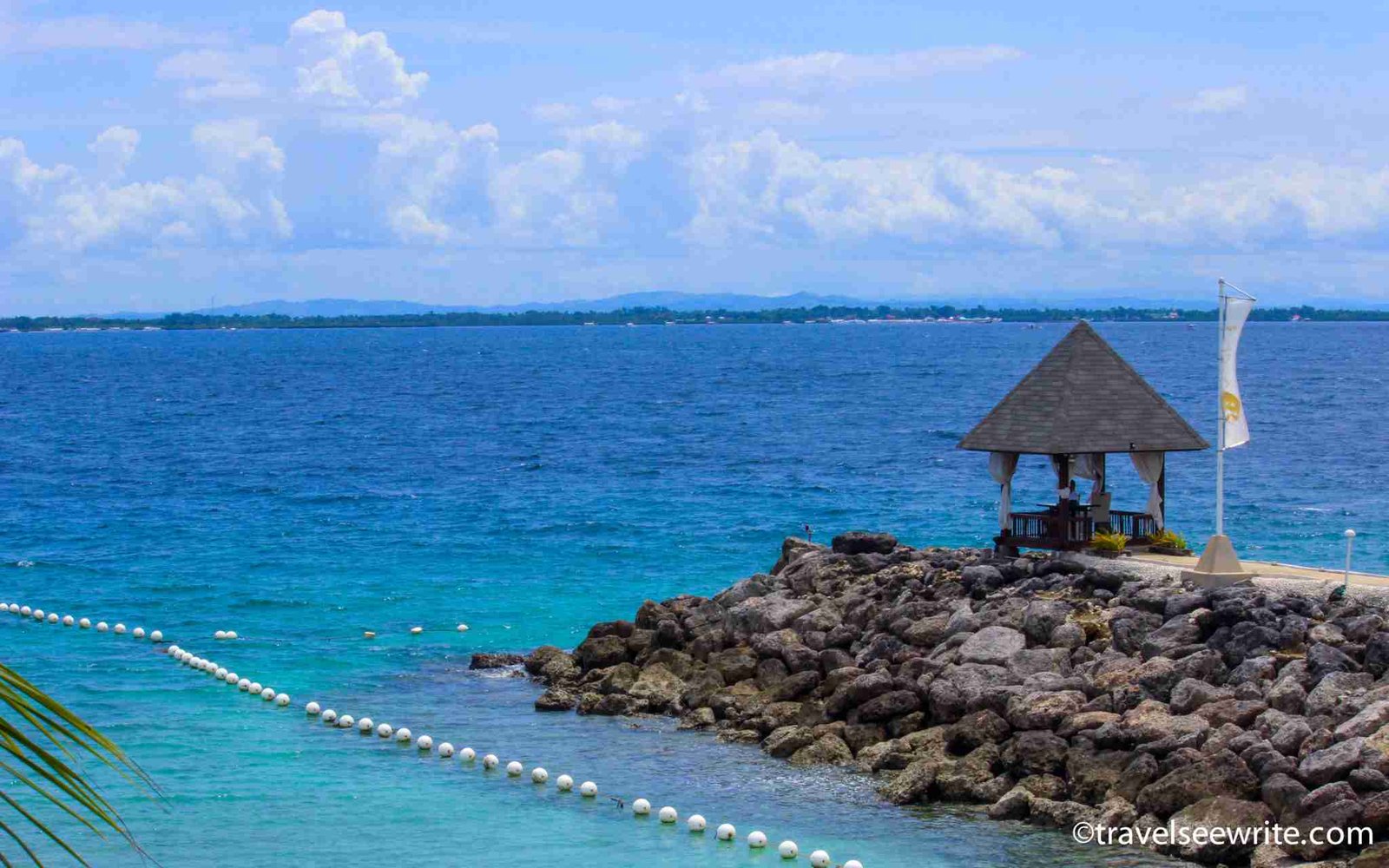
It was the last day of a very adventurous and fulfilling FAM trip to TBEX FAM TRIP – NEGROS Y CEBU in the Philippines. We had done everything from swimming with the turtles at Apo Reef to snorkeling at Cebu to experiencing local cuisine and culture at Siquijor. Everything was impeccably well organized. We were treated like VIPs. The Philippines Tourism Board had won everyone’s heart. I was a bit sad and happy too that the trip was coming to an end. And probably that was the reason why I couldn’t sleep the night before.

Our Negros Y Cebu FAM Trip Group
At 5 am when the world around me was in the snooze mode, I was sitting in my private balcony of the luxurious Shangri-La’s Mactan Cebu Resort and Spa in Cebu, Philippines. The tropical dawn and soothing sea breeze were not only kissing my cheeks but had also awakened the philosopher in me. While the philosopher in me was busy introspecting life mother nature was busy unfolding the magic in front of my eyes—the sky changed colors as many times as a school girl picking prom dress.

Balcony view from Shangri La, Mactan, Cebu Resort
Suddenly, a new reality dawned on me. One of my bags was missing! I called the front-desk:
ME: “Hi, I am calling from room #8019. One of my bags is missing, Could you please check on your end and have it sent to my room.”
Why I didn’t notice the night before is beyond me. I think perhaps I was intoxicated by the sensational meal we had at Cowrie Cove the night before that went late into the evening.
OPERATOR: “Oh, I am so sorry to hear that mam. Let me check with our team and get back to you right away.”
ME: At 6 am I dial the front desk again, “Hi, were you able to locate my luggage?”
OPERATOR: “Mam, we are looking for it. Please give us some time. I’ll call you back”
ME: At 7 am I call the operator again, “Hello, any news on my luggage? How come only one bag reached my room when both were together and had my name on them?”
OPERATOR: “Mam, please give us some more time. We are looking for it. We will call you back soon”
At 7:30 am it was time to switch from patient to panic mode! I frantically tried reaching out to other members of our group. But unfortunately, I had only friended them on Facebook and didn’t have their mobile numbers. I ask the operator to connect me to Ochie, the Philippines Tourism representative, but the operator couldn’t find her name listed in the reservation system. I was frustrated and panicked at the same time.
I only had half an hour to get ready, have breakfast and meet the group for our last day of island hopping. Both my luggage and any members of our group were out of reach. At 8:00 am I finally got through to Ochie. She seemed more upset than I was. She assured me not to worry. I knew with her on my side, everything would be fine. Instead of waiting around and stressing out about my luggage, Ochie suggested that I still join the group for the island-hopping tour. I thought this was a good idea, but there was a minor hitch–I didn’t have any appropriate clothes to wear.
There wasn’t much else I could do, so at 8:30 am I reached lobby donning my sweaty clothes ready to go, but it seemed everyone had already gone to the jetty area to board the boat going to one of the nearby islands. I went back to my room to do a bit of sulking when shortly thereafter I received a call from the front desk letting me know that my bag had been found and it would be delivered in just a matter of minutes. Apparently, it had made its way to another room and no one turned it in. With the use of closed-circuit cameras, they were able to track my bag and retrieve it.
Lady luck smiled but half-hardheartedly at me, the good news was that I had my luggage and was able to change into a fresh set of clothes. The bad news was that the boat had left without me. The hotel staff heaved a sigh of relief when they found my luggage, but the dejection of not been able to achieve their hallmark gold standard of service was written on their faces. It appeared as if they had just lost a World War. They apologized so many times I started feeling sorry for them. I wasn’t mad at all, and besides, Filipinos are so sweet it’s difficult to be angry with them.
The Resort staff wanted to make up for their oversight at any cost, so they went out of their way to arrange an exclusive tour of their huge 13-hectare property and offered other services to me absolutely free. Sometimes a small loss can mean a BIG gain.
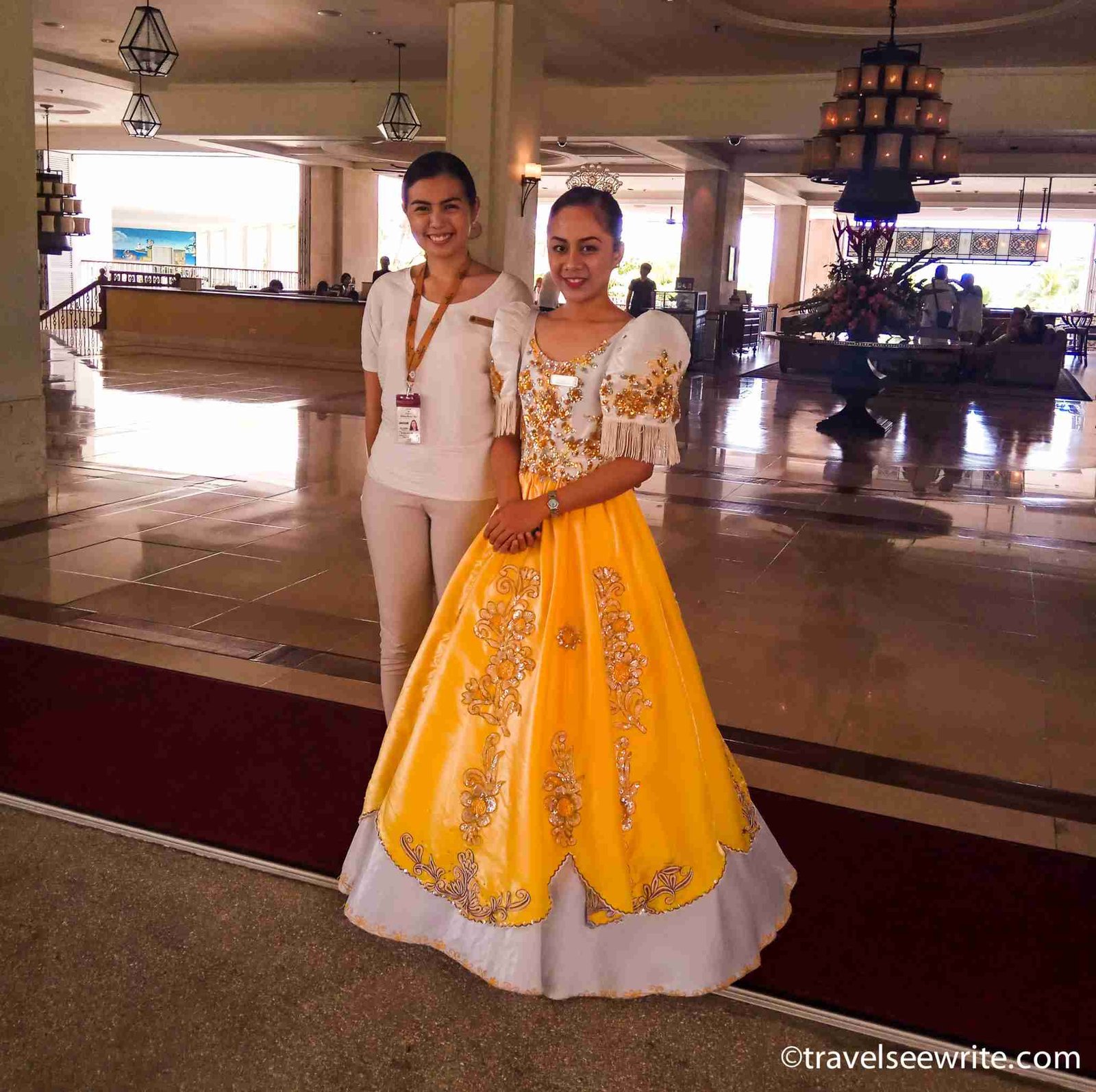
The ever-smiling staff of Shangri La, Mactan Cebu Resort, Philippines
During our travels we visited many breathtaking places in Dumaguete, Siquijor and Cebu, getting pampered at luxury properties and relishing in mouth-watering delicacies, while indulging in adventure cum cultural excursions, but everything was at such a fast pace, that this was now my moment to take a pause and enjoy the moment within the stunning sanctuary of Shangri La.

The stunning marine sanctuary of Shangri La, Mactan Cebu Resort

The stunning marine life of Shangri La Marine sanctuary, Cebu
First things first. Pahle pet puja phir kaam duja (first eat then do anything else). First on the agenda was to relish the sumptuous breakfast buffet at Tides, the resort’s all day-dining outlet. It had so many varieties of the world cuisines you can eat daily and still not be able to sample everything in a week. It even had poha and aalu puri (an Indian dish that makes me think of home).
With a happy tummy, it was time to get some eye tonic. True to its name Shangri-La’s Mactan Resort was designed on the concept of “structure nestled in nature.” A picturesque island retreat framed by lush palm trees, ivory sand beaches and postcard-perfect waters. Seems like a dream, right? Well, I was living that dream!

The outdoor Spa of Shangri-La Mactan, Cebu Resort
My beautiful guide took me around the property, which had 530 guest rooms and suites, its own private man-made beach cove, 2 outdoor swimming pools, a 6-hole golf course, and its own marine sanctuary covering 6 hectares that holds over 100 species of fish and corals. My guide told me that the property is so huge, that sometimes even she gets lost.

The Snorkeling beach of Shangri La, Mactan, Cebu Resort
I was just about to end my walking tour when my mobile alerted me. The delightful disturbance was from Mike Shubic, publisher of this very blog.
MIKE: “Hey, how’s your island hopping tour going? Did you finally get your luggage?”
Coincidentally, Mike was also confined to the resort because of some last minute flight issue. Funny thing was, neither of us knew that both were left back at the resort. After I informed Mike that I did not make the boat for island hopping, he said in his confident and baritone voice, “Meet me at the beach in 10 minutes, I have a surprise for you.” I had no idea what he was up to, but I made my way to the beach with great enthusiasm.

Both of us are huge adventure seekers, so I was really excited when Mike informed me that we were going to take a jet-ski out for a spin. Believe it or not, I don’t know swim, but since Mike is a great swimmer, I was comfortable to try something crazy and hop on the back of the jet-ski. Yes, I put my life in his hands. Mike talked me into driving and I think he may have regretted it. It was so much fun to go fast!

After a few hours of water sports, hunger pangs were in full swing, so we decided to listen to their calling and went back to the Tides Restaurant for lunch.
I was having such a wonderful day but didn’t know the next thing was going to blow my mind. Mike and I parted ways and I headed to the other side of the resort to CHI, the amazing spa at Shangri La. I must admit, it was one of the best spas I been to in the Philippines. I had a traditional Philippines Hilot massage using warm coconut oil and banana leaves. It was so relaxing that I even dozed off a few times.

The Chi Spa at Shangri La, Mactan, Cebu Resort
The day had finally come to an end and it was time to fly back to Manila with a bagful of memories. At this time I remembered a famous quote from a Bollywood movie, “Kabhie kabhie jeetne ke liye kuchh haarana bhi padata hai aur haar kar jitne wale ko baazigar kahte hain” (Sometimes you have to lose something in order to win, and the one who wins after losing is called a Gambler.)
All I can say is, It’s more fun in the Philippines to lose Luggage!

Full text of the story Seoul – Old School to New Cool published in the March issue of Jet Airways in-flight magazine
Seoul is called Special City for a reason. It is a city of contrasts that has something special for everyone. Fourteenth-century palaces hold their fort against 21st-century skyscrapers, while you can travel between ancient and modern, simply by crossing a street. Han River neatly bisects the old Seoul of palaces, markets, hanoks and government offices from the new Seoul of cloud-piercing high-rises, swanky stores, and avant-garde restaurants. Delivery boys race their motorbikes with Maseratis on the road, while gadget-toting fashionistas combat peddlers for walking space. A city as passionate about protecting its 600-years-old heritage as it is about K-Pop, while one moment you are in downtown the next you are at Bukhansan National Park. You can shop till you drop at ritzy department stores or haggle around at labyrinthine markets while gorging on affordable street food or relishing the cuisine of the kings. It is this diversity which makes Seoul truly special. So if you are visiting Seoul soon make sure you do explore the diversity of this Special City
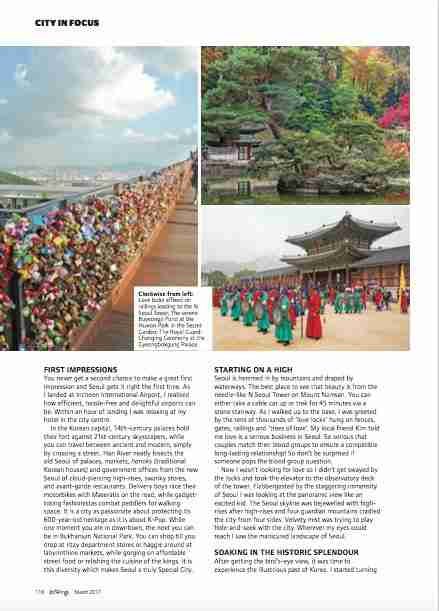
You never get a second chance to make a great first impression and Seoul gets it right the first time. As I landed at Incheon International Airport, I realised how efficient, hassle-free and delightful airports can be. Within an hour of landing, I was chilling at my hotel in the city centre.
Seoul is hemmed in by mountains and draped by waterways. The best place to see that beauty is from the needlelike N Seoul Tower on Mount Namsan. You can either take a cable car or trek for 45 minutes through the stone stairway. As I walked up to the base, I was greeted by the tens of thousands of ‘love locks’ hung on fences, gates, railings and ‘trees of love’. My local friend Kim told me love is a serious business in Seoul. So serious that couples match their blood groups to ensure a compatible long lasting relationship. So don’t be surprised if someone pops up the blood group question.
But I wasn’t looking for love so I didn’t get swayed by love locks and took the elevator to the observatory deck of N Seoul Tower. Flabbergasted by the staggering immensity of Seoul I was looking at the panoramic view like an excited kid. The Seoul skyline was bejeweled with high rises after high rises and four guardian mountains cradled the city from four sides. The velvety mist was trying to play hide-and-seek with the city. Wherever my eyes could reach I saw the manicured landscape of Seoul.
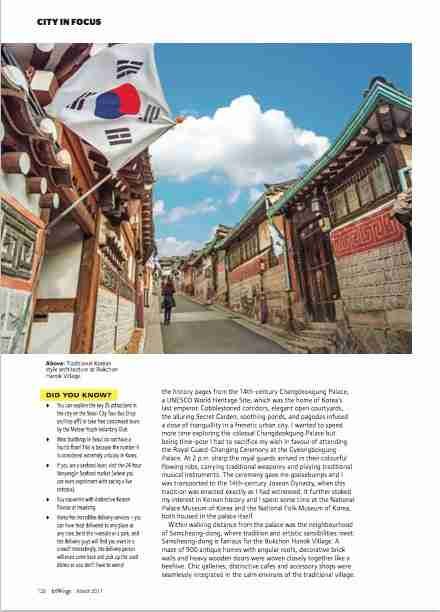
After getting the bird’s eye view, it was time to experience the illustrious past of Korea. I started turning the history pages from the fourteenth century Changdeokung palace, a UNESCO World Heritage Site, which was the home of Korea’s last emperor. Cobblestoned corridors, elegant open courtyards, alluring Secret Garden, soothing ponds, and pagodas infused a dose of tranquility in a frenetic urban city. I wanted to spend more time exploring the colossal Changdeokung palace but being time-poor I had to sacrifice my wish in favour of attending the Royal Guard-Changing Ceremony at the Gyeongbokgung Palace. At 2 pm sharp the royal guards arrived in their colourful flowing robes, carrying traditional weapons and playing traditional musical instruments. The Ceremony gave goosebumps and transported me to the 14th century Joseon Dynasty when this tradition was enacted exactly as I witnessed. It further stoked my interest in the Korean history and I spend some time at the National Palace Museum of Korea and the National Folk Museum of Korea, both housed in the palace itself.
Within walking distance from the palace was Samcheong-dong, where tradition and artistic sensibilities meet. Samcheong-dong is famous for Bukchon Hanok (Korean traditional houses) village. A maze of 900 antique homes with angular roofs, decorative brick walls and heavy wooden doors were weaved together like a beehive. Chic galleries, distinctive cafes and accessory shops were seamlessly integrated into the calm environs of the traditional village.

The prolific heritage tour had drained me so I needed to refuel. And in Seoul, there can’t be a better fuel than K-pop (Korean Popular music) at Gangnam. The flashy section of Seoul, where crème de la crème lives, works and plays. Thanks to PSY’s ‘Gangnam style’, K-Pop became a viral sensation. But K-Pop is much more than one hit number. It is a cultural movement that brought Korea into the limelight. Upbeat tunes, eye-popping fashion, catchy hooks and sing-along lyrics are the secret sauce of K-Pop. Songs are usually complemented with extravagant videos featuring well-groomed K-Pop megastars or “Idols” showing off their flawless high-octane dance moves.
After soaking in the historic and cultural splendour, it was time to go shopping. Seoul is dubbed as the ‘Milan of the East’, where it’s impossible to find a single soul dressed shabbily. Shopping is a favourite pastime of Seoulites and it doesn’t matter where you are in Seoul, there will always be a shopping place next to you. A Mecca for cosmetics, apparels and electronics shopping and there is a market for every pocket – from transitional markets to luxury department stores to street shopping.
I started my shopping spree from Myeongdong, Seoul’s busiest area where tens of thousands of shopaholics indulge in retail therapy at any given time. Hundreds of shops sell international and local labels of cosmetics, apparels, and accessories. Sales executives would coax me to have a look at their store and generously give away free samples. I really needed an iron will to say no to their enticing offers.
If Myeongdong was difficult to resist, the 24 hours market of Namdaemun was ten times more difficult. A Google of Shopping where you can find anything at any time at any price. If you can’t find a product in Namdaemun then it probably doesn’t exist on Earth. Other markets worth visiting are Insadong for art and craft items, Yongsan for electronics and Cheongdamdong for luxury indulgence.
Shopping is complimented by street food culture. I would often take a break from shopping to gorge on the delicious street food. Just like K-Pop, there is nothing subtle about Korean cuisine. It is a carnival of flavours. The must-try dishes are Kimchi (fermented spicy vegetables), tteokbokki (spicy rice cakes), Patbingsu (shaved ice topped with red bean paste, ice cream, rice cakes and fruits), dakbal (fiery chicken feet), mindeulle muchim (dandelion salad) hotteok (sweet pancake), bindaetteok (mung beach pancake), odeng (fish cake), and assortments of fried food. The barbecue I had at Hongik Sutbul Galbi was one of the best I ever had. My favourite vegetarian meal was the traditional Buddhist temple cuisine at Baru.
After days of sightseeing, shopping and eating it was hard to bid goodbye. Visiting Seoul was truly special. A must stop for anyone who wants to experience modern Asian city life deeply rooted in tradition.
Hope you find this Seoul Travel Guide helpful when planning your next visit to the City Special.
Here’s the link to the Jet Wings story – Seoul – Old School to New Cool

In my last article, I shared the complete Travel Guide on Finland, answering why, when, where and what to explore in the land of thousand lakes and midnight sun. I am sure by now you would have made up your mind to Visit Finland.
Since it is going to be your first visit to Finland, you would be pretty anxious about a lot of things. Don’t worry. Travel See Write is at your service.
Getting a visa for Finland is not difficult. Just apply for a Schengen visa through VFS and within a week you’ll get it. However, get prepared to be quizzed for a long at the immigration. Post-pandemic, due to the huge application backlog and manpower shortage, getting an appointment at the VFS centre has become a big issue. So, apply well in advance before your travel – at least two months prior to your trip.
Buy a local SIM. Preferably a data card that allows unlimited internet and local calls for a limited period. My card was for 7.50 Euros. Wi-Fi in Finland is fast and usually FREE in public spaces
Finland is an Arctic country where temperatures vary from +30 degrees to -30 degrees. Hence pack your bag accordingly.
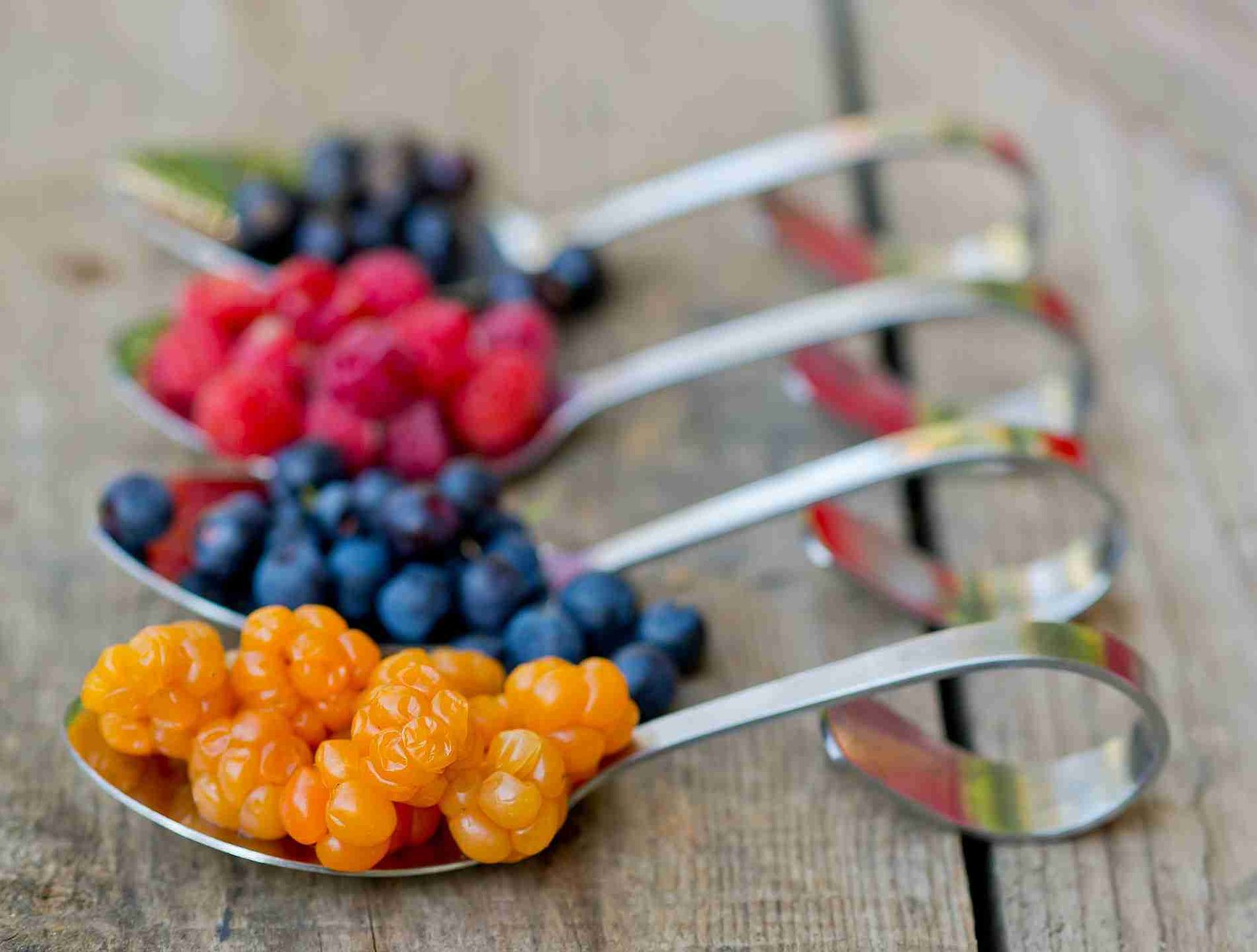
Heaven for non-vegetarians but not hell for vegetarians. Vegetarian food is readily available. However, if you crave Indian food, visit Samrat, India House, Maharaja and Gandi. Renowned for its berries, you must try Cloudberry. Nov vegetarians must try Reindeer meat and salmon dishes.
90% of the water is potable in Finland, whether filled from a tap or lake; therefore, don’t waste your money buying bottled water. Like other Nordic countries, Alcohol is expensive, but surprisingly expensive wines are not.
Less population and high labour costs have propelled the Finnish service industry into self-service mode; therefore, don’t expect a room service like India. However, restaurant service is like anywhere else.

The easiest way to explore Finland is by its public transport. You can choose between trains, trams, buses, cruises or boats. However, if you like driving along scenic roads then rent a car.
Finns are modest people with a Sahara-dry sense of humour and Finnish Nightmares who give prime importance to personal space. Therefore don’t intimidate them with your over-friendly attitude. Maintain a safe distance while talking/sitting/eating with a Fin.

The first emotion that gets evoked after seeing a Reindeer is to cuddle it but refrain from doing so. As reindeers think of petting is a sign of danger. Also, never ask a Sami how many Reindeers he owns. It’s like asking a guy his salary or a girl her age.

The entire country runs on ‘honesty is the best policy’ system where everyone does what they should do by default. There won’t be anyone checking your tram/train ticket. Be like a Finn and respect the system.
Finns have an umbilical connection with nature, and green sustainable solutions are a way of living, rather than a gimmick to attract visitors. 90% of bottles and cans are recycled in Finland. So don’t ever litter.

Yes, you heard it right. Take a ferry from Helsinki and visit Russia’s cultural capital, St-Petersburg, for 2 days. 72 hours, to be precise. However, due to Russia-Ukraine issue the border between Finland and Russia is closed indefinitely. All public transport has ended. Once the war ends, the visa-free ferry from Finland to Russia and vice-versa may restart. Stay tuned for updates.
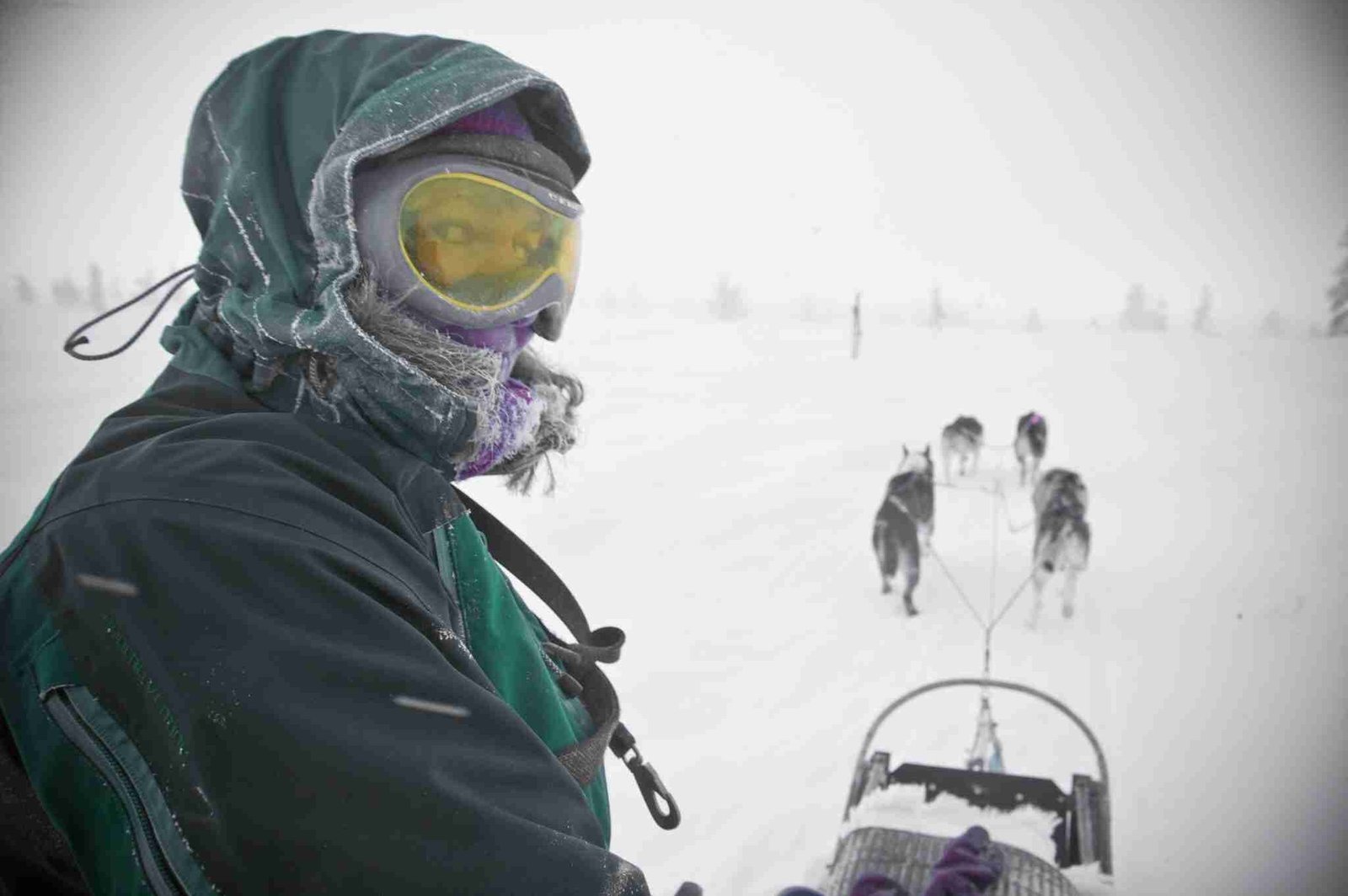
Finland is a winter Wonderland where Fins have devised ways to enjoy winters – whether it is going cross-country skiing or snowmobile riding, or Husky Safari. The real fun is outdoors. Just make sure you are dressed well. If you are not into adventure sports, you can choose Baltic cruises that take you from one incredible view after another as you visit Latvia, Russia, Sweden and more amazing destinations
A trip to Finland is incomplete without experiencing the Sauna in the country of its birth. There are more saunas than cars in Finland, so you would always find one everywhere. After a day full of adventure, it’s great fun to enjoy the warmth of a Finnish Sauna. But ensure not to disturb others and be quiet.

Get a taste of Finland’s obsession with libraries. Be ready to get surprised – from Open Air Libraries to libraries with Canine Reading Therapy for kids with reading difficulties.
If you really want to see the Northern Lights at any cost then you can actually ride a plane at one thousand euros for ten minutes that will take you above the clouds and you will definitely sight them.

I am sure that if you are equipped with these practical tips, you will surely have a great trip to Finland.
Do you have anything more to add to this list?
(more…)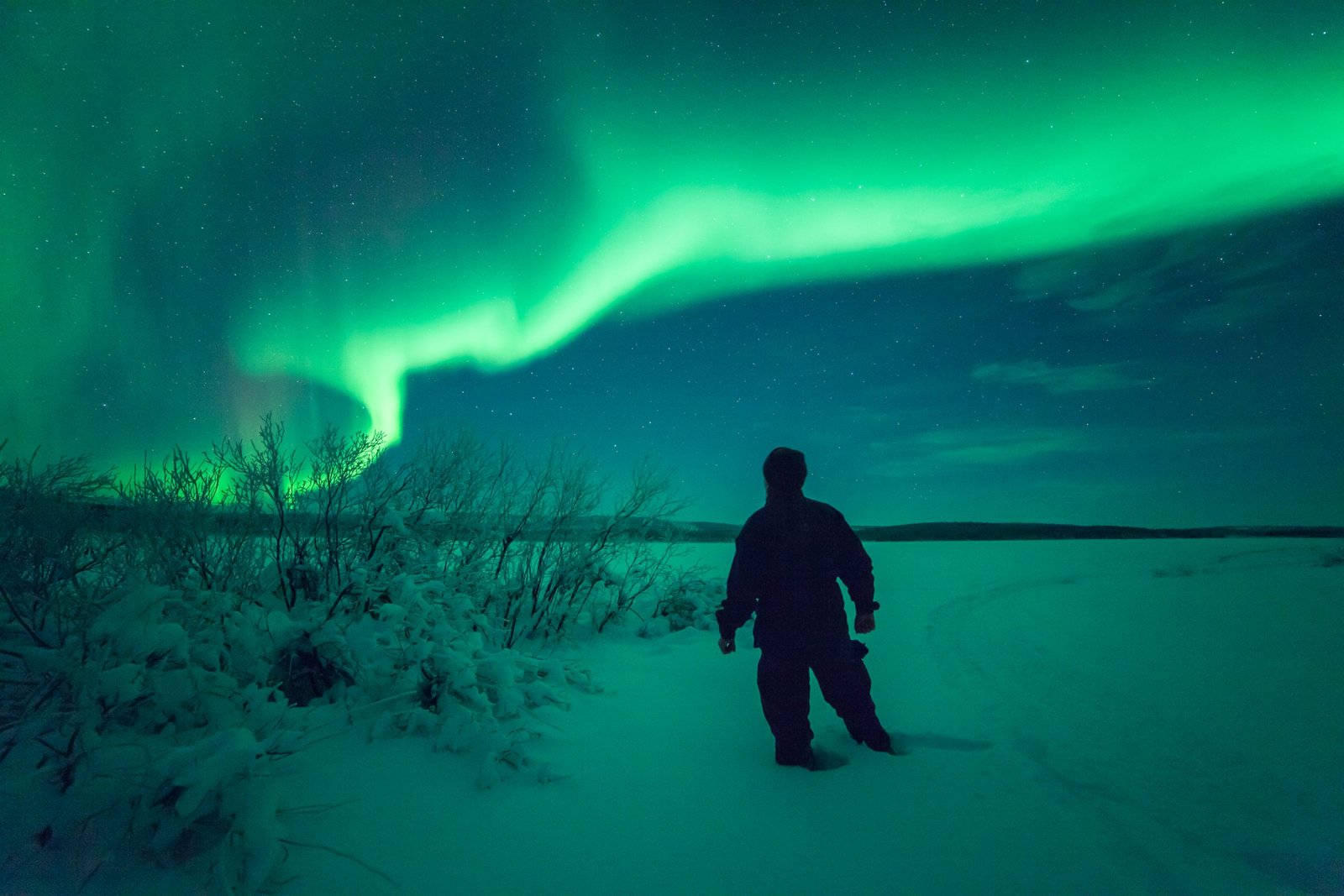
The above conversation affirms how little we know about Finland, the Nordic wonderland sandwiched between Sweden and Russia. But we are in for a change as Finland celebrated its centenary of independence in 2017 with yearlong celebrations. There can’t be a better time than NOW to visit. Before you take off, let me take you on a virtual Arctic Safari of the Arctic nation, whose resident is the most famous resident of the world – Santa Claus.
Here’s a complete Travel Guide on Finland answering why, when, where and what things to do in Finland :
Finland is often overlooked for its Scandinavian neighbours, and that’s what makes it an ideal destination for discerning travellers. Queues, jams, and crowds are alien words here. The unspoiled vast expanses of the wilderness like no other. Finland might be wild but it is well geared up from all-included-safari style packages to compass-and-map DIY adventures.

When I first looked down from my Finnair plane, I saw an endless carpet of forests snuggled under a white blanket, speckled by picture-perfect lakes as if an artist flicked a blue dipped paintbrush on a white canvas. Finnish dreamscapes are a treasure trove for nature lovers and adventure enthusiasts like me. You name it and Finland has it – from having some of Europe’s best hiking trails to adrenaline-pumping activities like cross-country skiing to kayaking to glacier walking to Aurora Borealis hunting to Bear-watching.

Nature in Finland seems to be a fashion aficionado. Four times a year it changes its wardrobe completely– colour, light, temperature, sounds, and smells. Everything changes mystically in a way that happens nowhere else.
Staying at Holiday Club Resorts Finland, I noticed how conscious Finns are about family well-being – from having separate kids beds to special kids cutlery to Angry Birds Park to personal saunas. Kids are the VIPs in Finland.

There is no better place than Finland to expose your kids to the world’s best education system, which draws educationalists from around the world to learn its secrets. There are no private schools in Finland. Even the Prime minister’s children in Finland need to enrol in a public school.


One of the reasons why Finland is still not hot on Indian tourists radar is because of being perceived as expensive. But thanks to Club Mahindra, even that barrier has vanished. Enjoy the 100% pure Finnish escapades at INR rates. (Details at the end of the article)
The country is an ideal destination for all seasons as it has four distinct seasons that transform the white snowscapes to vibrant colourscapes in just a few months. Temperatures vary considerably from -30°C in winter to +30°C in summer. The best time to visit Finland depends on what you’d like to experience:


The Finland you encounter will depend on the season you visit, but whatever the season, the fresh and pure air will detoxify and rejuvenate you. Like a doting dad, Finland will spoil you with choices. You’ll have countless reasons that will make every season the best time to visit Finland
Here’s an infographic on the seasonal activities you can enjoy in Finland:

I am guilty of arriving in Finland without going through its highly impressive resume. No wonder, I was left awestruck with its versatility and contrasts. The design capital meets remote Lapland. Nordic style gurus rub shoulders with Reindeer herding Sami. Midnight sun plays musical chair with a perpetual night. Rock festivals compete with majestic Aurora Borealis. Finland’s menu is anything but bland. However, one trip is not enough to taste the entire multi-course meal. You’ll keep craving for more.

Finland is best relished through slow travel but stopover holiday is second to none. Just choose your region and enjoy your unforgettable Finnish experience. With a “tip to toe” length of over 1000 kilometers, Finland is divided into four main regions:


When I was a kid, my parents gifted me a snow globe from which snowflakes would fall whenever shaken. I would go off to sleep dreaming to wake up in the snow globe. After decades of waiting, Lapland finally happened.

The Narnia like the mysterious region is the country’s northernmost province, home of the one and only Santa Claus, midnight sun in the summer and almost guaranteed Northern Lights every night of the winter.

I was fortunate to experience the remote wilderness of high fells, hoarfrost-clad forests, arctic adventures of cross-country skiing, a reindeer safari, husky safari, snowmobile ride, snow shooing and heart-to-heart conversations with the Sámi, western Europe’s only indigenous people who inhabit the Arctic. There is no shortage of things to do in Finland in winters.


Lakeland is the largest lake district in Europe. The blue labyrinth of lakes, islands, rivers, and canals is so important in Finland’s culture that it became a part of the identity of the Finnish flag. With over 188,000 lakes it is no secret why Finland is called the land of thousand lakes.
Lakeland has more lakes than land, therefore, it’s a crime not to get out. Per Mikko, my local friend,
Seasons are for couch potatoes. Finns love to stay outdoors in every season – paddle up with their families in summers and go ice-skating or ice fishing in winters. Every Finn has a countryside Lake cottage where their weekends and holidays are spend.

I visited Lakeland when it was a solid mass of ice on which I jumped, skated and did ice fishing. Even -10°C didn’t feel cold. I was just happy walking on the Saimaa Lake, one of the largest lakes in Europe.


Finnish coastline is long and the archipelago off it one of the world’s largest. The Finns love to be close to water almost as much as they love trudging deep into boggy forests picking berries and mushrooms.
Like Lakeland, this region too boasts of wooden summer cottages – decked with saunas – gazing out across the Baltic. The area is best explored by bike, foot or sailing boat/kayak. Island hopping with camping is a great way to experience the area, as is staying in small seaside B&B’s and hostels in old wooden towns like Rauma or Hanko. Unfortunately, this was one area that I couldn’t explore. There’s always the next time.


Helsinki might be the younger sibling to the Scandinavian capitals, but it’s the one that went to art school, enjoys Rock music and works in a cutting-edge studio. The vibrant city of Helsinki is where more than 450 years of history and tradition blend seamlessly with contemporary design and trends. There are a lot of things to do in Helsinki.

Just as architecture makes Manhattan, people make Helsinki. Not only the climate but even Finns are cool – although a bit quiet and reserved. If you dig deeper you’ll see they are warm, friendly, hospitable and especially honest people.

Helsinki is best discovered by strolling through the thoroughfares or riding a tram. This pocket-sized city hooked me with its unhurried attitude, gourmet food delights, renowned museums, East-meets-west-design cathedrals, flourishing design, and cultural scenes and self-deprecating sense of humour.
The cozy and compact city is buzzing with life and there’s always something going on in Helsinki every day of the year.

The best way to experience the untouched wilderness and culture of Finland is to become a part of it. Hope this Complete Travel Guide on things to do Finland inspires you to travel to Finland!
Click here to know about extremely useful 15 Practical Tips for Finland Visit.

Mahindra Holidays is India’s largest leisure hospitality player, providing unique and memorable family holidays for over 20 years. The company is fully committed to providing holistic family holidays experience to its ever-growing community of 211,000 members through its wide network of 77 resorts (46 Club Mahindra Resorts in India and abroad, and 31 Holiday Club Resorts in Finland, Sweden, and Spain).
Club Mahindra is committed to providing unique and memorable family Holidays at exotic locations in a pocket-friendly budget. Taking this philosophy forward, the company recently acquired Holiday Club Resorts Oy, Finland, and made an exotic destination affordable for Indian families. With this acquisition, Mahindra Holidays is now the world’s largest vacation ownership company, outside of US.
All Club Mahindra members can now enjoy Finnish Holidays through their membership. For Club Mahindra members the accommodation cost in Finland per day per person is between 28 euros to 90 Euros in low season and between 38 to 130 euros in peak season. For non-members, it costs anywhere between 40 euros to 150 euros in low season and from 60 euros and upwards in peak season.
If you are in Finland, you might like to check out the things to do in Norway, Sweden, Denmark, Iceland and Belarus.
You can leave Japan but Japan hangover never leaves you. It’s been more than three months since I returned from Japan but i still can’t stop raving about it to every stranger or known person I meet. There is some magic in Japan that rubs on you when you visit it. I am often asked which is the best time to visit Japan. My answer – open season is the best time to visit Japan.
But as a first time visitor to Japan, you want to be there at the very best time to make the most of your stay. If you’re booking a tour, you might want to think about the different sights you want to be on the itinerary and when the most appropriate time would be to visit these in particular. The Travelholics like me might argue that you should make the most of any opportunity to visit Japan, but just in case, here are some of the best times to travel to Japan and some of the main things to see and do while you’re out there.
Quite possibly the best time to visit Japan (and the most popular) is the spring. Depending on your location in Japan, spring lasts from mid-March to May. The Sakura (cherry blossom) starts to bloom at in this time, infusing Japan with a real floral beauty that really endears it to the hearts of all who come to see the country.
If you plan to visit Japan in Spring (Sakura Time) don’t forget to read the Complete Travel Guide on where and when to see Cherry Blossoms in Japan
If you’re planning to go on any sort of luxury tour to Japan at this time, you’ll need to book it well in advance, given the popularity of the season, especially during Golden Week. The Japanese really do feel like having fun in Golden Week. A trip to the onsen (hot springs) out in the countryside is a quintessentially Japanese way of celebrating Golden Week. Give it a try!

Cherry Blossoms (Sakura) in Japan. Pic by torne (where’s my lens cap?), used under Creative Commons license 2.0
Autumn, between September and November, is an excellent time to take a tour of Japan if you’re planning a stop in Tokyo (the capital is an essential stop, of course!). The humidity eases off, the autumn colours start come into their own in the Tokyo parks and the sky stays clear and blue.
While you’re there, you should visit the Tokyo National Museum, which includes an array of Buddhist sculptures, ancient pottery, samurai swords as part of the world’s largest collection of Japanese art. If not the museum, take the time to savour the view from the Tokyo Sky Tree. From this 634 metre you can gaze out over the capital and, at peak visibility, see as far Mount Fuji, which is 100 kilometers away. The view at night is even more beautiful.
If want to visit Offbeat Japan make sure you have read the Offbeat Japan – Discovering the Autumn Beauty of Hokkaido.

Best time to visit Japan -Mt. Fuji during Autumn season, Japan
The Japanese enjoy a good festival, so if you like this kind of celebration summer – May to July –is a good time for you, although the weather does get very warm. If you’re on a tour in July that includes Kyoto – another essential stop when visiting Japan –then you’re in for a treat, as you’ll be able to soak up some of the Kyoto Gion Festival.
The festival lasts the whole month of July and is one of the most important events in the Japanese cultural calendar. Mid-July, the procession of the Yamaboko floats takes place over a three-kilometre route down the Shijo, Kawaramachi and Oike streets. You can reserve a seat in front of the city hall to watch the procession, but there’s not really any need, as there are plenty of good places to stand and view the procession.

Image by Christian Kaden, used under Creative Commons license 2.0Follow
Although Japan is a small country but seasonal experiences vary from top to bottom. Your winter experience will vary drastically depending on what part of Japan you are traveling to. You might experience short cold winters with sunny days and occasional snowfall in Tokyo and Osaka. But if you move towards the mountainous parts of Japan – Tohoku and Hokkaido, the winters become long and harsh with lots of snowfall. And large amount of snowfall makes those places perfect for skiing, snowboarding, ice skating and other winter sports. Heavy snowfall doesn’t limit people to stay indoors. The Sapporo Snow Festival in Hokkaido is a world famous festival, which draws just as many tourists as during the warmer months.
Related: 5 best places to visit in Japan in Winters

Sapporo in winters, Japan
Japan boasts cultural splendour and natural beauty by the bucket load, regardless of which season you visit. Whether it’s the summer, the autumn or the spring, you should always make the most of an opportunity to go to Japan. You might even consider going in the winter when Japan’s highlights are even more special. Either way, you’ll have an amazing time.
Have you been to Japan or planning to visit soon? Hope this article would have answered your questions on what is the best time to visit Japan, where to go and what to do. I would love to know your thoughts.
Don’t forget to read the quirky article on Japan, Land of the Rising Toilet Seat

Sometimes city life can take the life out of your life. Since I was looking for a way to break the monotony of the city, I decided to take off on a short trip to Lonavala and Kumarakom. After travelling on one of the many Bangalore to Mumbai flights, a casual drive from the airport took me to the lush green hill station of Lonavala.
While at Lonavala, the Karla and Bhaja Caves left me spellbound with its 2nd Century inscriptions that depict the beliefs and scriptures of Buddhism. The horseshoe arched entrance was the gateway to Chaityagruha or the main hall of the caves. As I made my way past the entrance, I was completely taken aback by the attention to the detail given by the craftsmen in the caves.
The caves simply transcend you in a well preserved but distant past. They have impressive wooden structures that comprise of tables and musical instruments dating back to over 2000 years ago. The Bhaja Caves were part of the early era of Buddhism while the Karla Caves were a mix of Hindu and Buddhist influences.

Karla and Bhaja Caves, Lonavala
I wanted an offbeat adventure on my own and found myself a quiet spot just for ourselves at Phanasrai for the perfect campsite getaway. Surround yourself with unreal greenery, gurgling streams, and mossy woodlands as you put your feet up and enjoy your holiday at your own pace!
The Western hills offer you an unparalleled experience that encompasses you as you become one with nature. One look around and one witness a ton of adventure seekers that foray into flying fox adventure sports and others that get their adrenaline rush from waterfall rappelling.

Kumarakom, Kerela
For an even better experience of the West Coast, you should book your stay at the Kumarakom Lake Resort in Kerala. I didn’t think twice as it is known for its serenity and it’s a place that I had been waiting to experience! After I had acquainted myself with the pleasant and welcoming Kumarakom, I signed up for a relaxing backwater cruise.
Traditionally, these houseboats were used to transport vast amounts of rice through Kerala’s waterways. These houseboats are popular with both domestic and international tourists that love to indulge in a simple and refreshing experience. The backwater runs parallel to the saline waters of the Arabian Sea and are fed by 38 rivers that open into five large lakes. These manmade and natural lakes are pristine and are home to large pockets of wildlife.
I kept an eye out to spot the local wildlife, flora, and fauna that are unique to this area. As we gently glided through these waters, I got busy capturing beautiful photographs of birds like the Kingfishers, Cormorants, Darters, and Terns. These backwaters are commonly knowns as the ‘Venice of the East’ as it they are so well connected with its large network of canals and backwaters.
A short getaway can always be on the cards for anyone and what better way to relax and detox than a solo trip to Lonavala and Kumarakom.
And, if you need more information about Kerala don’t forget to check www.ekeralatourism.net

12 Inspiring Traveler Bloggers share their defining Travel moments of 2016 and exciting Plans for 2017
The curtains are finally drawn on 2016. And boy what a year full of surprises we had! From Britons voting for Brexit to Trump winning the US Elections to Modi’s daring Demonitisation act, 2016 will be remembered as a year of unexpected changes. While the intelligentsia and common man are reflecting on macro and micro impact of 2016, all I can say is 2016 was an amazing year for my wanderlust. I explored the unchartered territories and met some incredible travelers. I bumped into people who were separated by more than six degrees but united by a common passion. Not only I connected with them on a personal level but even gained priceless pearls of wisdom. Without further ado, let’s hear from the 12 inspiring travel bloggers themselves.
Shane ‘The Travel Camel’ Dallas is an avid adventurer who inspires people to take the road less traveled. He is probably the modern day incarnation of Ibn Battuta. Born in Australia but traveled to the most obscure places of the world, he truly defines what offbeat travel is. Also, he is a wonderful person who won’t think twice before answering even your silliest query.
On my birthday in September, I visited my 100th country – Iran. I never ever dreamed that I will achieve this number and sitting on that plane taking the short flight from Dubai to Shiraz felt like a dream, it didn’t feel quite real. It took a few days after arriving for me to fully comprehend that I was in my 100th country.
I’m starting to lead tours, and am very excited to show other travelers my favourite parts of the world. My Tajikistan Tour is already sold out, and I’m currently planning another tour to Iran. I’m also considering other places, such as safaris in East Africa.
Slow travel is better travel. Not only is it cheaper but also it allows you more time to immerse within a destination and learn more about the people and places you visit. Slow travel allows a deeper travel experience.
A difficult one to chose, but if I restrict my choice to photos taken in 2016, the one I’m most proud of is this dusk photo taken at the Jame Mosque in Esfahan, Iran. It’s one of the best sunset places in Esfahan. The spotlights caused a lot of lens flare, so I had to return two nights later to try different camera positions to minimize the flare. This photo is the result.

You can follow Shane’s adventures at thetravelcamel.com
If I were to define Mike, I would say ‘SMOOTH OPERATOR’. He is a one-man-Army with a spectacular body of work. What impressed me the most about him was his unflinching discipline towards his work. He is highly focused and passionate. Unlike many of us, he doesn’t procrastinate.
My most defining moment of travel this year might have been when a few travel bloggers and I veered off the path into the bowels of a very poor community in Yogyakarta, Indonesia. If you are from the West and think you’ve seen “poor” before and have never been to a 3rd world country, you’ve probably never seen anything like what I witnessed.
There were boys playing in a filthy canal with about 10” of water flowing through, scavenging for anything of value. Makeshift homes looked like they could fall down at the next gust of wind. Poverty was evident everywhere we looked. Once the boys in the water noticed us, their eyes lit up. They were very excited to see what was clearly four people of western decent that they don’t come across very often. We asked if we could take their pictures and they actually began posing for us. It was adorable!
As we strolled the alleyways, we ran into more kids who enthusiastically greeted us. Several adults appeared to find out what all the hoopla was about. Everyone we came across was so friendly, so eager to interact with us. We were not afraid or felt threatened in any way. At that moment I realized that despite their living conditions, and plight in life, these people were happy. If these people are happy with absolutely nothing, what right do I have to ever be sad or depressed, I thought.
Visiting a continent I’ve never been to before. I’m heading to Africa for a few weeks for an epic 3000k-road trip, where I’ll be visiting 4-5 southern African countries, staying at safari camps and visiting the great Victoria Falls. I will be doing this trip with a traditional travel journalist from South Africa who is telling me not to worry about being in the middle of nowhere, crossing boarders with armed soldiers who may not look favorably upon Caucasians and all the things that can bite, infect or kill me in an instant.
Travel invariably frustrates us all with canceled or delayed flights or lost reservations, you name it. One thing I have tried to do is embrace whatever comes, as it is all part of the experience and often leads to the fascinating stories.
I have some pretty amazing photos from my travels this past year, but one of my favorites is this aerial shot from Raja Ampat in West Papua, Indonesia.

You can follow Mike’s adventures at MikesRoadTrip.com
Sometimes you meet a person and instantly connect with them. Ajay is that kind of a person. An incredible photographer who won’t think twice before sharing his photography tips with novices. After all the best in the class is never insecure about competition.
I am a travel photographer first and a travel writer later. I was invited to Stockholm by TBEX as a speaker on architectural photography. While waiting for my pre-BEX transport, my camera gear was stolen. It was not just one camera it was my entire camera kit worth US$12,000. In short, whatever gear I had carried to cover the European architecture was gone.
Europe can be expensive for any electronics purchase. But I had little choice. After checking around with a Stockholm-resident friend, I bought a Fujifilm X-T10 with an 18-55mm F2.8-4 R LM OIS. And, for the next two weeks, I was shooting with this new toy.
I normally tell my workshop participants that your camera gear does not matter, but your eye does. Till then, I hadn’t had an opportunity to actually practice what I preached. This unfortunate theft actually made me shoot an entire 2-week trip with a gear I had never used before. So, I had no clue about its controls, its on-field response and its results. But shooting with this alien gear, I actually discovered what I used to profess – your camera gear does not matter. As its proof, all I can say is that the images I shot with this hitherto unknown piece of equipment have been welcomed and accepted by various magazines I regularly contribute to.
I am most excited about a trip to a speck on the map called Reunion Island. This island is about 225 km southwest of Mauritius. It is an island that formed as a result of multiple volcanic eruptions in the ocean and is a French colony today. What excites me is the claim of this island to give you a glimpse of all four seasons in a one-hour drive from the beachhead to the top of a 3,000-metre mountain. Additionally, I am promised a helicopter ride over the live volcanoes here.
Instead of losing money in the conversion from your Dollars/Euros to the local currency, draw the local currency from the ATM. This way, you can draw what you need and not lose extra money in conversions. While most ATMs will charge you a fee for using a foreign debit card, there are always 1-2 banks that do not charge this fee. In finding out which are those banks, locals may not be of help; but if you ask around on online travel forums, you’ll easily get that information.
My best photo is yet to be clicked. But, till then, this one would have to do.

You can follow Ajay’s adventures at travelure.in
Melvin is the perfect personification of his brand ‘Travel Dudes’. Being bitten by the travel bug at the age of four, he went on to create ‘Travel Dudes’, a community ‘By Travelers, For Travelers’. Germans are known for their impeccable timing and humility and Melvin is a living testimony of the same.
I’ve been working a lot in the recent years, which included many exciting trips for Travel Dudes. But in 2016, I had a proper 3-week holiday, which I spent with my family in Portugal. As a travel professional everyone thinks that you are on holiday all the time. And it’s good that people see it that way, as others should not see the work behind it. This kind of work is a lot of fun, but can also be exhausting. So even travel professionals need a proper holiday from time to time.
Right now I have no idea or any plans. That’s what I’m excited about. My travel plans are mostly spontaneous. I am thinking of a 3-4 weeks trip, which might take me to Africa, Asia or South America. First South Africa was on my mind, but then Indonesia got added and why not add a different continent with South America & maybe visit Brazil or Nicaragua? We’ll see what happens. Maybe I’ll stick to Europe, which would be just as good.
It’s good to be prepared for a trip, but do not book everything in advance. Just pre-book one or two nights and then be as spontaneous and flexible as you can to see what comes next. Get lost in the new destination, absorb the local culture and wander around. Walk more than usual. Trust me you will have experiences, which you will never forget…and I can assure you 95% would be positive.
I have clicked a lot of good pictures in 2016 but the photo from Cuba is my favorite. I didn’t know that my lens was dirty, but I think dirt gave that extra special touch to this photo.

You can follow Melvin’s adventures at traveldudes.org
There are very few writers whose eloquent writing can make you book your travel without searching for more details. Neelima is one. Her stories have a soul, which is hard to find unless you experience it yourself. I have not met her physically but the discussions we had virtually have been really insightful and inspiring.
Visiting the eastern most point of India, Kahoo, in Arunachal Pradesh was the defining moment of 2016 for me because that moment embodied everything that drew me travel in first place. My idea of travel was never about pretty places or a relaxing vacation. I have always been drawn to the unknown and unexpected, and Kahoo was exactly that. Kibithu is commonly known as the eastern most post of India but further ahead is this little village, on the edge of China from where I could see the Chinese villages, clearly visible to naked eyes.
No one in their right mind would visit this god forsaken place because there is nothing technically here to see as such except for buried frontier stories, but the immeasurable high of exploring the farthest corners of India was what took me that far. It was a defining moment because even though I might have strayed a bit in 2015 to foreign lands, I was instantly reminded then that what my heart truly desires is nowhere outside the borders of my country.
“I have made no plans for 2017 yet but keeping my epiphanies from 2016 in mind, I would be exploring the farthest corners and buried treasures of India more than anything else.”
“Despite the craze for picture perfect Instagrammable vacations, I would implore people to look beyond their digital devices and social media updates to spend some time indulging in the cultural and social landscape of the place they’re visiting. Go beyond the superficial to let travel be the transformative and educational experience it is known to be, rather than just seeing the pretty sights and coming back with little or worse, wrong understanding of the country.”

You can follow Neelima’s adventures at travelwithneelima.com
If you ever want to know how does a made-for-each-other travel couple looks like, you just have to meet Scott and Megan. Scott gave a fantastic talk on Hyper-lapse Video at TBEX Manila, which unfortunately I missed. But every cloud has a silver lining and that missed session became my reason to interact with them.
For us, the most defining moment was when I proposed in Oahu, Hawaii and knew I was going to be able to spend the rest of my life traveling with my best friend. I’d been scheming about the proposal for two years and had this really fun hyper-lapse video planned to remember the journey and it just turned out great. Ironically the work we put into the proposal video has opened some doors for the next year.
The thing we are most excited about in 2017 is being able to visit a different continent. For the last four years we lived and worked in S. Korea for a year, used the savings to travel for a year and repeat. This will be the first time we don’t have to go back to a country to work and save up money. We plan on going to South America, which means I can finally use that minor in Spanish!
Our advice is to realize you will never see it all. There’s a tendency to cram every possible thing into the trip. We recommend just choosing a couple must do’s and enjoying what else comes to you. Finally whether you are traveling solo or with a friend, travel can be exhausting, frustrating, and flat out boring at times. A sense of humor will get you through most of it.

You can follow Scott & Megan’s adventures at boboandchichi.com
Edin provides life goal to people looking how to live out of suitcases and carry everything from a screwdriver to a cutting board. She is an International full-time house sitter who loves cigars, good food and the company of good people. Besides being a charming traveler, Eden is a social media and online branding strategist with a passion for Facebook. Again, a very humble and accessible person.
The most defining travel moment for me in 2016 was a 3-hour taxi ride we had in Morocco. We had been in Morocco for less than 24 hours and on the last leg of our 6-hour travel journey we were packed into an old Mercedes Benz, used as a taxi, with the driver and 2 other passengers, one of whom spoke some English. For 3 hours, non-stop, they talked in Arabic. And Arabic is a boisterous language it was a bit overwhelming. The reason that a simple event became so defining is that not only was it the first time, in a long time, we were diving into a completely new culture and totally unknown to us country, but every travel experience from that one forward would be new to us in 2016.
In 2017 I am most excited about applying for residency to Portugal. A country fell in love with this past summer during an extended stay.
Travel tip would be to understand and fully research the entry requirements to a country before you put it in your plans. And read the information from not only government websites but travel blogs with recent experience. The government site will tell you the details but the recent travel blogs will tell you the real details of what happens.
The best travel photo for me of 2016, a sunset on the beach of Lagos, it reminds me of the start of new adventures that took place in 2016.
 You can follow Edin’s adventures at thesocialgarden.net
A soft-spoken storehouse of knowledge, Tim is an award-winning writer who has been blogging continuously since 2003 with his Cheapest Destinations blog. What impressed me the most about Tim was the real life solutions he offered for practical problems. I thoroughly enjoyed his talk on Accomplishing Great Things: Productivity Tips and Trick for Bloggers
The defining moment for me was sitting on a private beach on our own beach on a private island in Fiji with my wife as we celebrated our 20th wedding anniversary and thinking…we’re pretty darn lucky to be able to do this.
I’m taking a trip to India and Nepal at some point to research the upcoming 5th edition of The World’s Cheapest Destinations. I haven’t been to either in a very long time, so I’m looking forward to returning and getting lots of great photos. I’ll be hitting a few countries in the Balkans too tough to decide which I’ll add. I haven’t been to any of them, so that will be a completely fresh experience, with some adventure activities built in.
Slow down! There are way too many frantic travelers bouncing from place to place like pinballs, snapping their selfies and then scrambling to the next place. It’s hard to get the essence of a country and its people that way plus you spend twice as much money as you need to on transportation. Leave some empty space in the schedule and don’t plan everything in advance. The magic happens in the spaces in between.
The picture taken in Fiji is my best photo of 2016. It was pure bliss and incredibly beautiful. #NoFilterNeeded
 You can follow Tim’s adventures at timleffel.com
I have a special bond with Nisha. She was the judge when I first won an award for travel writing in 2015. From being complete strangers we finally met in 2016 in a foreign land. She is a warm person who is very passionate about traveling. The love of travel comes first for Nisha than anything else.
I would say the most defining moment in 2016 was facing the super typhoon named Lawin in Ilocos, Philippines. Till then, I had only heard about typhoons, watched on TV how destructive they could be. Experiencing it first-hand taught me that life is full of surprises and you can happily face it if you are surrounded by people with positive vibes.
Oh I am excited about more travels! On a serious note, would like to do some more slow travels, more voluntourism and meaningful travels instead of rushing from one place to another. I would also like to visit few new countries.
Travel with an open mind, it teaches you a lot of things.
There are many, can’t choose just one. So a sunset from 2016.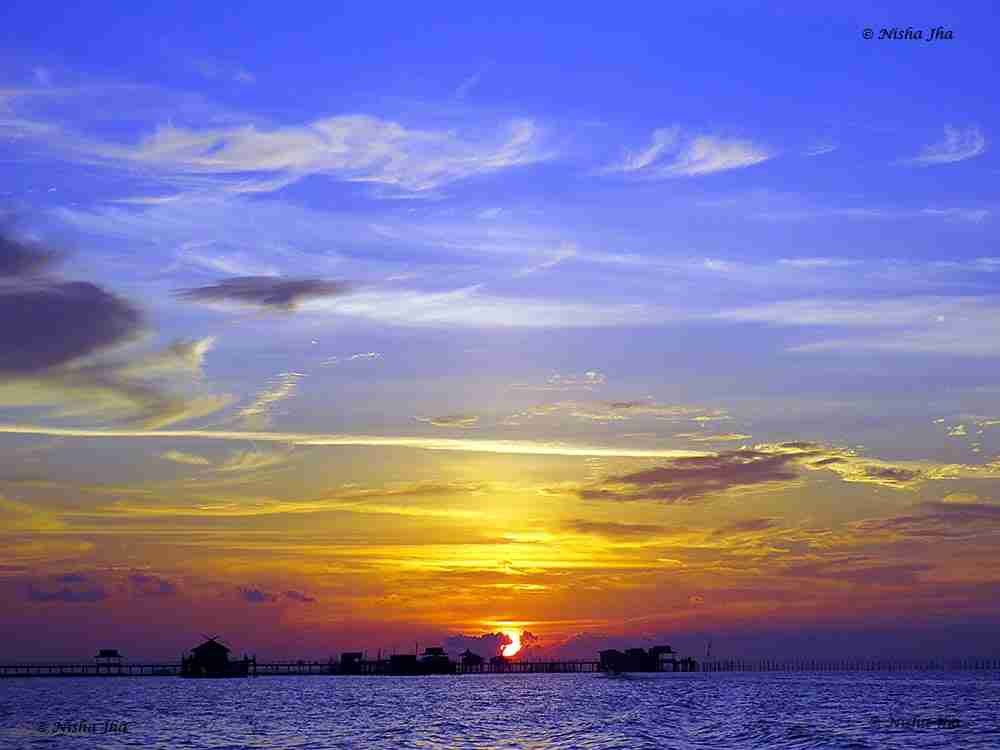 You can follow Nisha’s adventures at lemonicks.com
The first time I met Nina was during our Corregidor tour in the Philippines. A girl with an infectious smile and cute hairdo was moving around with her GoPro. It was later I found out more about her. She is an inspiring woman who dared to make a difficult dream come true.
My defining moment of 2016 was actually towards the very end of the year. Just recently, December 6th to be precise, I finished a whole year living and working in Australia. It was actually a really rough year because all I did was work. That’s it! This was a defining moment for me because I worked really hard and saved a bunch of cash to really pursue my dreams and make 2017 the best year yet. I have lots planned for my travels and my blog and it was all because I toughed it out working 40, 50, sometimes 70+ hours a week and not spend a dime on fun! Now, I get to reward myself MASSIVELY in 2017.
2017 is going to be an epic year. I already have the first quarter of the year booked out as well as a few other trips scattered throughout the year. My hard work has already paid off as I have some exciting partnerships to announce, I’m touching the ground on three continents, and I’m even going to one of my best friend’s wedding in Iceland! To choose one thing I’m excited for is literally impossible. I’m excited for all of 2017 because everything I’ve been working on for years is finally coming into place in 2017. So I’m ready for it! Definitely follow along and see what I get up to!
I don’t really have any particular tips to share with other travelers, but I guess the one thing I would want to say to everyone in general is, work for it. Don’t just dream it, don’t just hope for it, don’t just pray for it. Whatever “it” is, you need to work for it. Nothing will be handed to you, get out there and make it happen. It won’t be easy, it won’t be quick, but it will be so worth it.
This is probably one of my favorite pictures of all time. I’m in the Philippines on a gorgeous island eating a feast. This style of eating in the Philippines is called a boodle fight. You eat with your hands on a big table, no utensils or plates. I love everything from the beautiful local woman serving to the epic backdrop of the crystal blue waters.

You can follow Nina’s adventures at Where in the World is Nina?
There are very few people who are straightforward, don’t compromise on their principles and stay true to their core values. Richa is that person. A very clear-headed girl who knows what she wants. I haven’t met her in the offline world but I truly admire her passion for traveling and storytelling.
When I spent a month in Japan, the culture took me by surprise. There are so many unique things about Japanese culture and mannerisms that a month seemed too short to experience even a tiny speck. Fortunately, I had wonderful hosts everywhere I stayed and they were too sweet to show me around their local spots. Once, I was even a part of a private music fest, organised & attended by a group of 30-40 friends (only), somewhere in the mountains amidst a little clearing by a waterfall. There were loads of performances, fire shows, food stall, beer, crazy music, and dance. Everything was organised and performed by friends only – no outsiders or hired helpers. That night, I saw an alternative side of the Japanese and it was very very cool!
I am keen on learning some basic Spanish and traveling through South America towards end of 2017! Particularly, Chile and Argentina.
Travel light. Seriously.
Tough choice, but this one.

You can follow Richa’s adventures at travelsandstories.com.
Strangers are friends you haven’t met. This saying perfectly fits Deepika. A beautiful person who took the plunge to follow her heart. Her stories are unique and have a journalistic flavor to them. What I like most about her is that she is in her own league and not at all insecure about other’s success. Isn’t that the way everyone should be?
2016 has been a defining year in terms of travel and therefore it is difficult to pinpoint at anything. I managed to take an independent trip, finally took that Ladakh trip on a bike and had an accident in the Himalayan valleys (a scar I will proudly carry like a badge from the trip), went in search of a story to the Living Root Bridges which got published in The Caravan Magazine. I went to Sri Lanka (Come on, who goes there, when we can go to Maldives?) and was pleasantly surprised. I had gone to Sri Lanka with no expectations and returned back with one of the best travel lessons- “You will be floored when you expect nothing!” All in all, 2016 is the year, I can say actually began the journey for me 🙂
I am excited that there are no plans made for 2017. This means I am ready to take those surprises and drive the curves thrown at me by life.
Don’t plan. None of my 2016 travels was planned (except for the Ladakh trip, really!). May be the trick lies in not planning. Isn’t that an adventure?
Plenty though, difficult to zero down on one. Yet, I think this is the one. It’s not as professional as I expect it to be. 
You can follow Deepika’s adventures at feetonthemap.com
These were the 12 inspiring travel bloggers I met in 2016. There are lot more people worth mentioning like Shivya, Anton, Bill, Pooja, Maria, Salonee, Stephen, Georg and Takashi who have been inspiring millions of people through their passion for traveling. I am truly blessed to have known them.
Have you come across any such inspiring travelers? Would love to know your feedback.
Merry Christmas and Happy New Year 🙂
May 2017 be the best year of our lives!
Thailand, a backpackers paradise, whose economy reflects in its capital’s name is a country I was least interested in visiting. Low airfares, easy connectivity, visa-on-arrival and budget travel couldn’t lure me for a long time. I became a prisoner of my own thoughts – how can an uber-popular destination have hidden attractions? But magic is not limited to Antarctica. Sometimes it is right in front of your eyes. What you need are a curious mind and an explorer’s eyes.
Beyond Bangkok: 10 Hidden Attractions in Thailand for laid-back travellers that are ideal for Backpacking Thailand.

Phu Kradueng National Park remains one of the less frequented tourist attractions in Thailand, owing to the toil one needs to put in before enjoying the natural beauty of the place. At a high point of over 1,300 m over sea level, the park offers visitors the perfect abode to spend quality time away from the hustle and bustle of the overcrowded beaches of Thailand. While a majority of tourists consider the park as a single-day activity, the option of spending a night over is also available. You can easily get tents and sleeping bags to spend a night in this hidden attraction.

Considered as one of the pristine examples of Khmer culture in Thailand, Prasat Hin Phimai Khmer Shrine is a must-visit attraction for people looking to travel slow. Located at nearly three-hour drive from Bangkok, this ancient temple offers travelers a glimpse of the proud Khmer culture. To absorb the full beauty of the place and to explore the region in a detailed manner, rent a bike from local vendors.

When it comes to spending a day out in the sun, most people rush to world-famous beaches of Thailand. However, the downside is that most Thailand beaches are teeming with party animals, and for those looking for a quiet time and space to reflect and introspect, it may not be the ideal setting.
Ko Tarutao promises the perfect ambience to tourists looking to spend quiet time, and arguably, there is no better desert island in Thailand than Ko Tarutao. The island is secluded and you can spend an entire day out in the sun just by yourself. Although there are limited options of snorkeling, but the island does have a dense jungle which becomes a perfect spot for hiking. Food and accommodation is cheap, as the locals run modest restaurants and lodges. A perfect place for laid-back Thailand holidays, you can visit this desert island to spend some peaceful time with family and friends.

Ko Phayam in Ranong remains another secluded tourist attraction, as it is a night’s drive from the capital city of Bangkok. However, for tourists looking to enjoy the natural beauty and splendor of pristine beaches without feeling choked among hordes of tourists, Ko Phayam offers the ideal setting. The place offers delicious seafood and affordable accommodation. For tourists who are particular about where they stay, the place has a good availability of high-end resorts. Many Thailand tour package operators will guide you through the best accommodation in this less frequented tourist destination.

Nan province is nearly over 650 km from the capital city of Bangkok. Traveling to this hidden Thailand tourist attraction by bus remains a popular option although AirAsia Thailand does operate flights to the province. The majority of tourists to Thailand might not have probably heard of the place, but for those seeking solitude and individual space, few tourist attractions can compete with Nan province. Nestled between beautiful mountains, the province is as laid-back as a place can get! You can literally spend hours marveling at the beauty of the place without seeing another soul. The hilltop temple of Wat Phra That Khao Noi and 16th century temple Wat Phumin are among the top tourist attractions in the province.

One of the most aesthetically-pleasing Buddhist temples, this tourist attraction is a must-visit for tourists looking to take in the marvelous architecture and serenity Buddhist temples have come to be associated with. The cave temple appeals to the discerning traveller, and after taking in the majestic beauty of the place, you can sit back and relax.

of the best diving sites all over Thailand, the Similan islands are regarded as one of the best less-frequented tourist attractions in Thailand. Located in western Thailand, this 24 km chain of islands offer the best experience for snorkeling. For laid-back tourists, a day spent idling around the pristine Thailand beaches can offer the perfect ambience for reflection. Key tourists attractions at the Similan islands include Christmas Point, Elephant Rock, and East of Eden.
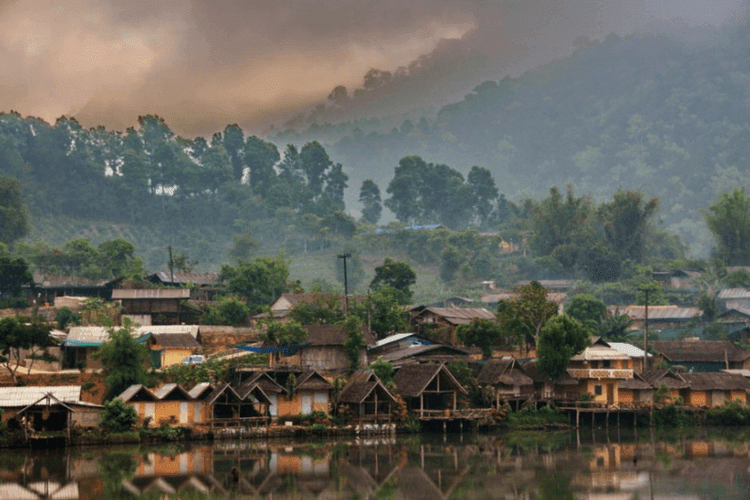
Ban Rak Thai translates to ‘Thai loving village’ and the place has a quite a history to it. It was established by fighters from the Yunan province of China after the communists took over China. A majority of people of this village speak fluent Mandarin and you can’t help but notice the Chinese influence on the village – from signboards to food. The village known for its aromatic tea and pine forests. A visit to Ban Rak Thai can sometimes make you feel that you are not in Thailand anymore, but that remains the beauty of this sleepy village. You will not find a lot of tourists in this village, and the ones you find will be in search of some laidback vacation time.

Located in Khao Luang Mountains, this spiritual tourism attraction is revered among followers of all religions. The chambers of the cave lie nearly 90ft below the ground hosting over 180 Buddha statues. The Reclining Buddha and Buddha image remain the main tourist attractions – both of these were cast under the reign of King Rama V.

The road to Doi Mon Jong is as beautiful as the place itself. Lined with towering forests with the sunlight cutting across like a golden line. A trek to this beautiful mountain range is filled with excitement and awe. Located in the Omkoi Wildlife Sanctuary, you need to first reach Chiang Mai and then head to Omkoi prefecture. The journey to Doi Mon Jong is then completed by a small truck. An important thing tourists need to remember is that Doi Mong Jong does not offer any accommodation facilities and you need to arrange it for yourself.
These are the top 10 hidden tourist attractions in Thailand that you must visit. If you are planning to visit soon, these top 10 tourist attractions should be up on your list.
Are you a beach bum like me? Then this Travel Guide for Thailand’s best beaches is for you
If you know some more less-frequented tourist attractions in Thailand, I would love to hear from you 🙂
I met all these people in different parts of the world. Besides carrying the same passport what bonded them was that none of them recognized themselves as Chinese but as Taiwanese. They shared their stories of how they were different from Chinese. I heard them but never understood what they meant until I experienced it myself. I was prejudiced to think that a powerhouse economy and aesthetic beauty rarely sleep together. For me, Taiwan was a mini version of China, which offered nothing unique. There’s no Great Wall of China. No Terracotta Army. No Tiananmen Square. No Avatar Hallelujah Mountain. Basically, there was no reason for me to visit Taiwan. And that’s what worked for me – no expectations led to wonderment.
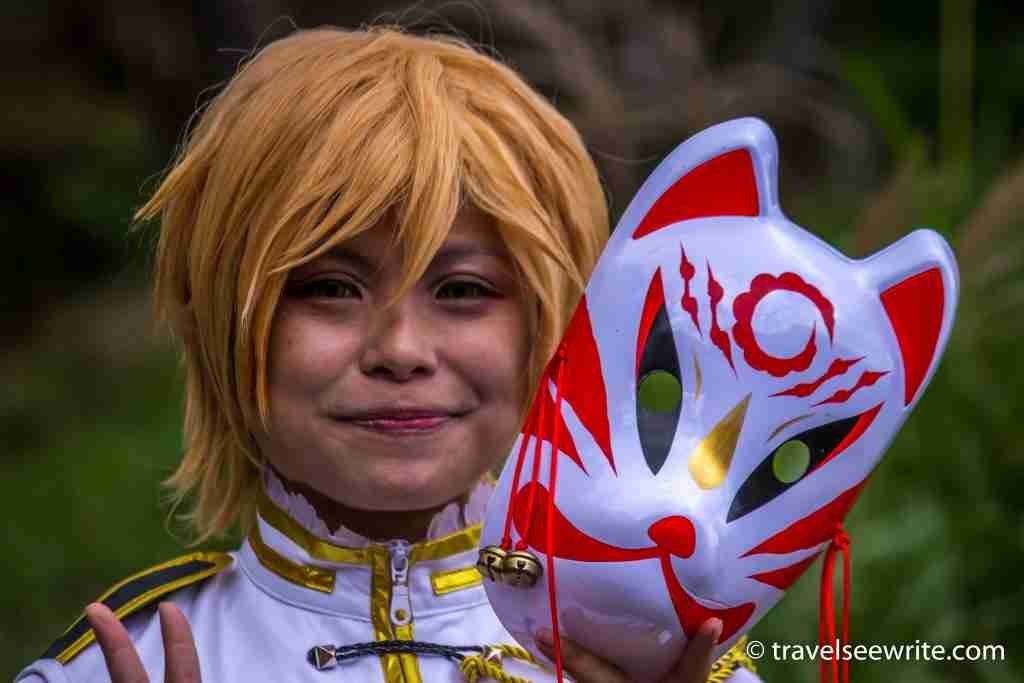
There’s so much confusion about the identity of Taiwan. China says it owns Taiwan, Taiwan says it’s a sovereign nation. China is a dictatorship, Taiwan is a democracy. China shows aggression, Taiwan shows compassion. China is known as the People’s Republic of China, Taiwan is the Republic of China. China is deeply rooted in the Chinese culture, Taiwan is a melting pot of cultures – Chinese, Aboriginal, Dutch, Portuguese and Japanese. Taiwan competes at the Olympics not under the name of ‘China’ but ‘Chinese Taipei.’ And lately, Mr Trump added to the complication by being the first President-elect to speak to the President of Taiwan since 1979.
Cutting the long story short, Taiwan has a complicated past and an unclear present. Come on-board and experience how Taiwan surprised a first time visitor who spends a week exploring it:
The latest Expat Insider 2016 index by InterNations named Taiwan as the friendliest country in the world and I am not surprised at all. Easy visa process, cheap flights, world-class infrastructure and a variety of unique experiences have made Taiwan hit among the travellers.
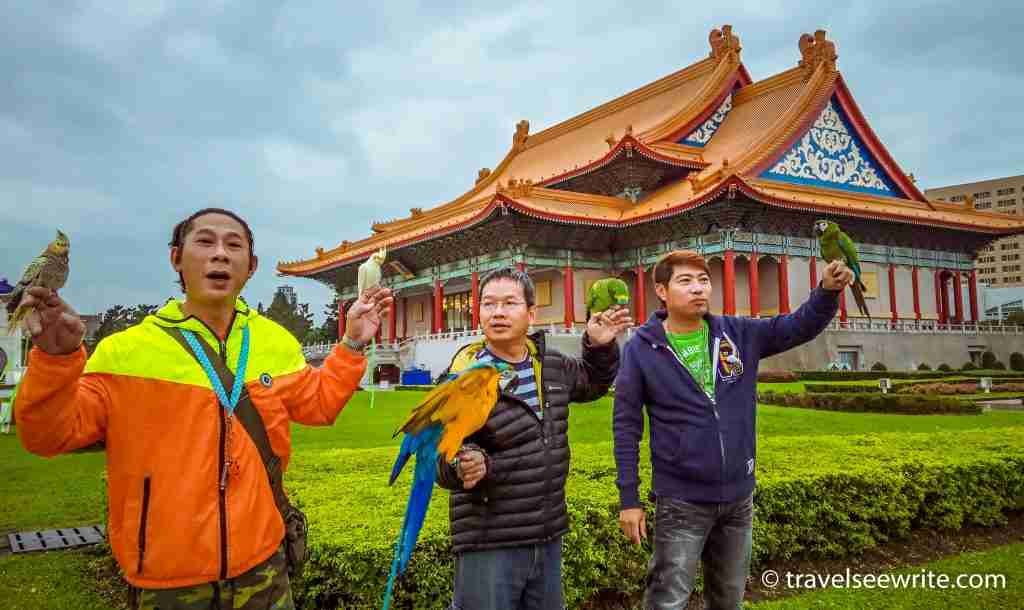
Taiwanese are the polar opposite of Chinese – they are warm, friendly and extremely hospitable. They’ll go out of their way to help you. Unlike China, where the language barrier is a huge issue, English signs are ubiquitous in Taiwan – MRTs, trains, buses, National Parks, Museums, Hotels, restaurants, markets and all kinds of places. Once when I was struggling for vegetarian food in a very small restaurant of Wulai, the restaurant who didn’t understand English pulled a school going kid to translate what I was saying. I had not expected this kind of hospitality in the Chinese region.
The best way to feel a place is to smell it. ‘Stinky Tofu’ would be the most recognized smell of Taiwan but labelling Taiwan as a ‘Chinese Cuisine Only’ place would be wrong. The Chinese, Portuguese, Dutch, Spanish and Japanese have all landed here at one point or another, and their foods combined with local flavours had created a unique Cuisine of Fusions.
Being a Vegetarian I couldn’t experiment a lot with the food but whatever I ate was truly amazing. The flavours of the aboriginal food at Wulai and the Spicy Hotpot at the Xemending are still so fresh in my memory. The rice cakes which came with different kinds of inside fillings and outer coatings reminded me of the Japanese cuisine. Seafood, sweet potatoes, red bean, taro root and green vegetables made the Taiwanese cuisine so fresh and flavourful.
I observed that small and frequent meals are a big thing in Taiwan. Famous for its Xiao Chi (snacks), Taipei has 20 streets dedicated to snacking. Let me give you a food tip. The longer the queue at a stall better the food is. As per my friend,
Taiwanese beef noodle is unlike the beef noodle you find anywhere else. Slow cooking of the meat in spices, dark soy sauce and garlic for hours makes it extremely juicy and soft, while the broth leaves an orgasmic after taste.

Aboriginal food at Wulai local market, Taiwan
Visually stunning Taiwan is a photographer’s delight. Before arriving in Taiwan, I had always visualized it as a Typhoon battered country with a typical South East Asian coastline. What I completely missed was Taiwan is a mountainous island with Central Mountain being its spine. There are 286 mountain summits above 3000 m sea level height and Yushan, soaring at 3952 m, is the tallest peak in Northeast Asia. With panoramic views, deep gorges, lush tropical greenery, 9 national parks, mesmerising sunsets, and sunrises; Taiwan is an ideal place for nature lovers and adventure seekers.
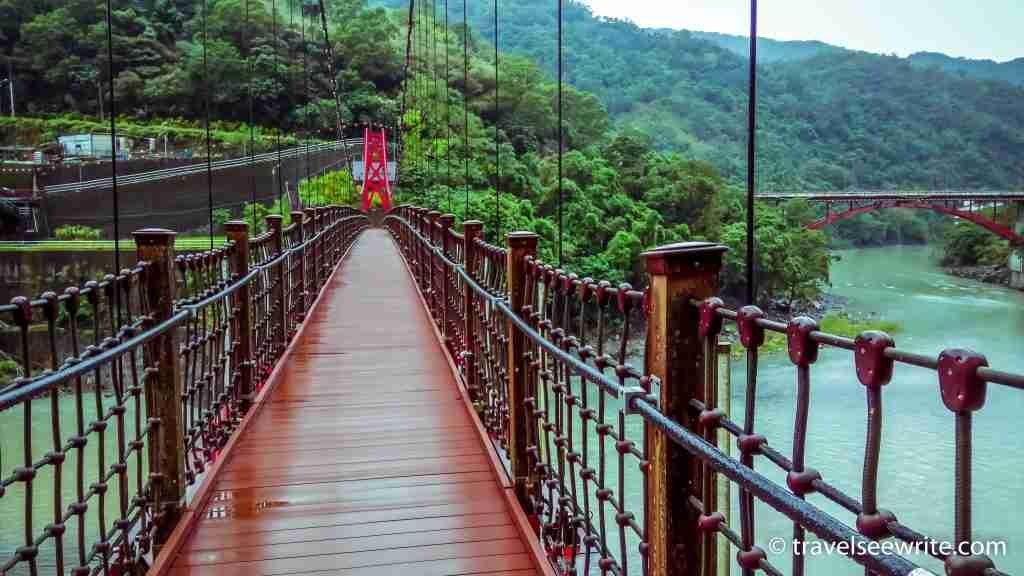
Thousands of mountain peaks were piercing the sky. Climate changed from subtropical to alpine. Thanks to my ignorance, I packed summer wear and was thus forced to do an emergency winter wear shopping in Taiwan.
During my one week in Taiwan, I could only visit a few places but what blew my mind was the unimaginable Taroko National Gorge. Five million years ago the Luzon Arcs of the Philippines and the Eurasian continental plate collided to form this extraordinaire piece of Nature’s art. It’s an impossibly sheer drop of hundreds of metres, with marble walls and the turbulent blue-green waters of the Liwu River racing across the bottom. The 90% mountainous Taroko National Gorge is extraordinary not just in looks but in habitat too – it represents all of the bio-geographical zones in Taiwan and is a sanctuary for half of the island’s plant and animal species.

Taroko Gorge, Taiwan, Asia

Taroko Gorge, Taiwan, Asia
In Taiwan, within an hour you can either be at the top of teapot mountain enjoying the godlike vistas or find yourself throwing moon blocks on the grounds of Longshan temples predicting your future. You could be visiting the old street of Juifen or strolling in the purrdise of Houtong Cat Village. You could be hiking a 3000 m peak in the North or taming the waves in the South. Taiwan is a country of contrasts where modernity, history, culture and nature co-exist.

Juifen is just an hour away from Taipei, Taiwan
Unlike in China, Taiwan offers artistic freedom. You can spend all day wandering around artistic alleyways like Huashan 1914 Creative Park or restored heritage buildings converted into art places like Red House and Bipiliao Historic Street.

The oldest street of Taiwan, Bipiliao Historic Street, is now a hub of artists, Taipei, Taiwan
Taipei abounds with quirky cafes. Basis your quirk you can choose a café – Cafe & Cats 1998 if you are a cat lover, Modern Toilet Restaurant if you like Shit, Rilakkuma Café if you are still in love with stuffed Bears and Hello Kitty Kitchen and Dining if you are a Hello Kitty fan. Here’s a piece of trivia for you. Did you know the Cat café culture started from Taiwan before taking off in Japan and elsewhere?
If you are a skyscraper lover, Taipei 101 is for you. It held the record of being tallest in the world until Burj Khalifa came up in 2009. It has the fastest elevator going from the 5th floor to the 87th floor in 49 seconds. Watching the 101 Skyline in sunset hues from Elephant Mountain is an experience that I’ll remember for my life.

The landmark Taipei 101 skyline as seen from the Elephant Mountain, Taipei, Taiwan

The landmark Taipei 101 skyline at sunset seen from the Elephant Mountain, Taipei, Taiwan
This was how Taiwan surprised a first-time visitor like me, who could only manage to spend a week there. It’s a beautiful country that will amaze you at every turn and you would not be able to help yourself from falling in love with it. What are you waiting for? Go explore Taiwan NOW!
If you are looking where to go next, try backpacking in China.
In my last post, I shared my experience of visiting the largest and the oldest entertainment district of Tokyo, where you can still watch Geisha Shows and traditional Japanese theatre. Asakusa has changed a lot from its golden period, Edo Era. Today besides being the spiritual and entertainment hub of Tokyo it is also the Kitchen capital of Tokyo. There is a lot to be explored there. Make sure you don’t just scratch the surface. Here is a personally experienced travel guide on things to do in Asakusa Tokyo.

Things to do in Asakusa: attend the 7-5-3 ceremony at a Shrine
Asakusa is served by the Ginza Subway Line, Asakusa Subway Line, Tsukuba Express and Tobu Railways. Buy a 24 hours unlimited rides Subway pass for 600 JPY.

Things to do in Asakusa: visit the Buddhist shrine
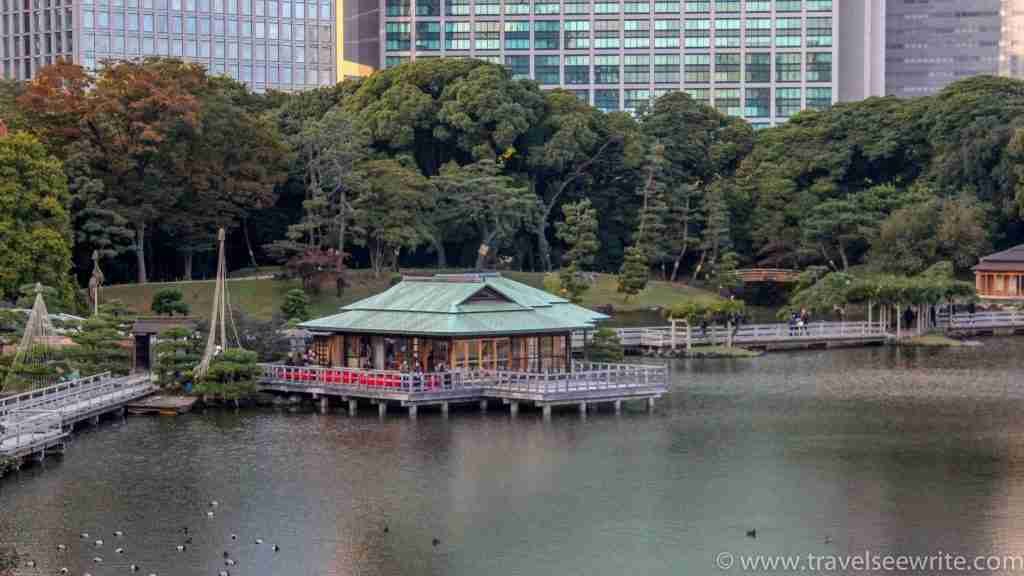
Things to do in Asakusa: Visit the Tea House at Hama Riku Garden, Tokyo

Things to do in Asakusa: visit the Fake Food Sample shops at Kappabashi-dori
Asakusa is perfect for budget travellers because of its old-world charm, downtown location, and relaxed atmosphere by Tokyo standards. Traditional Ryokans and hostels are easily available at economical price. I stayed at Oak Hostel Cabin. I loved my stay here. Conveniently located. Good staff. Equipped with all the facilities.

Things to do in Asakusa: Stay at Oak Hostel Cabin
If you just have three days on hand, check out this Tokyo Travel Guide
Mt Fuji, Kawaguchi Lake, Japan
If you want to read some more really cool stories about Japan, don’t forget to read:
Japan: Land of the Rising Toilet Seat
When and where to see Cherry Blossoms in Japan
Offbeat Japan: Discovering the offbeat Autumn beauty of Hokkaido
Open Season is the best time to visit Japan
Get a peek into the forgotten side of Asakusa, Tokyo
My first Experience of Staying at a Capsule Hotel in Tokyo
A step-by-step guide for multi-visit Japan Visa
Have you been to Japan? I would love to know your thoughts.
Inspired? Pin these to your Pinterest boards |
||
 |
 |
 |
Are you a first time visitor to Japan and looking for top attractions in Tokyo? Why not start with exploring the best things to see in Asakusa, Tokyo. Here you’ll see the forgotten side of Asakusa which was once filled with Geisha, courtesans, writers, artists, and actors.
Pearl Harbor Attack had awakened a sleeping giant. The tide had turned against the Axis forces. Dresden and Hamburg’s firebombing sent alarm bells ringing. In spite of the looming fear of losing the war, Japanese were looking for ways to rejoice. And there couldn’t be a better time than Sakura (Cherry blossom). During the day, Asakusa residents would steal some time from their war duties to watch Sakura bloom, shop at Nakamise Street, relish the freshly baked Ningyouyaki and pray for their protection at Sensō-ji shrine. In the evening, Kabuki theater and Geisha shows would be their escape.

This was routine in Entertainment District of Asakusa until the fateful night of 9th March 1945. Operation Meetinghouse took place on the nights of March 9 and 10, 1945, where US bombers dropped 1,665 tons of bombs on the wooden city of Tokyo. Firebombing burst the city into flames. Wood and paper constructions fueled the blazing fire. A Strong breeze whipped the individual blazes into a firestorm.
Canals boiled, Sumida River ran red with blood, water bodies became boiling hotpots where people were simply boiled alive, bridges fell, metal melted and everything, whether living or non-living, burst spontaneously into flames. Tokyo was flattened and burnt to ashes. Hell could not have been hotter than Tokyo, where temperatures reached 1,800 degrees. As per the records, 105,400 died, 125,000 were injured and 1.5 million lost their homes. The US Firebombing killed more people than the atomic bomb attacks on Hiroshima and Nagasaki five months later.

71 years later Tokyo has bounced back in a more glamorous avatar. Asakusa got a new face-lift. Shrines got reconstructed, markets got buzzing with customers and Asakusa became a major tourist attraction. But one thing died in 1945 – The Entertainment District of Asakusa. The home of Kabuki and Geisha became a mass grave.
When I got an opportunity to join the Asakusa, Tokyo Tour with Context Travel, I was unaware of this reality. I didn’t know the historical and cultural relevance of the area. Those two hours with the Context Tour guide and the rest of the day was an eye-opener for me. Come let’s walk.
On 7th November 2016, I met my guide and five other travelers at Asakusa Culture Tourist Information Center. Elena, the Russian guide based out of Japan, was like a walking talking encyclopedia. She took us to the rooftop of the building from where we got a bird’s eye view of the entire area. She shared stories, which I bet even Google wouldn’t know.

We crossed the road to visit Sensōji Temple, Tokyo’s largest and oldest Buddhist temple. Kaminarimon or “Thunder Gate” welcomed us with its giant lantern and statues of guardian gods Raijin (god of thunder) and Fujin (god of wind). As per Elena, it was first built in 942 AD but was destroyed numerous times and the last reconstruction happened after WWII.
Crossing the Thunder Gate we arrived at the 250-meter shopping street of Nakamise that led us to the temple. The Nakamise Street was lined with 90 shops on both sides selling souvenirs and snacks. The shops have been there since the 17th century and are run by the same family for generations. We tried Ningyouyaki while our ears were glued to the interesting stories Elena was narrating.

We were left awestruck at the end of the arcade where Hōzōmon Gate stood majestically with a giant straw sandal (waraji) hung up on one side. Ferocious guardian god couple guarded the gates of the shrine.


We were now at the perennially busy Kannondō (Kannon Hall) of Sensō-ji shrine, with a sea of worshipers wafting incense over themselves, praying and donating to Kannon, the Goddess of Mercy. The shrine is said to be here since 628 AD, although it has been refurbished many times.

Before we started our walk, Elena had told us that if we are lucky we might see Japanese families in traditional attire celebrating the 7-5-3 festival at the shrine. Shichi-go-san festival (7-5-3) is celebrated for children aged 7, 5 & 3 and hence the name. The official date is November 15th, but as it’s not a national holiday most families hold their festivities on the nearest weekends. Usually, a purification rite and the reciting of Shinto prayers are performed that day. Most girls wear Kimonos while boys come in Haori. We were lucky to catch not just one but many families dressed in their traditional attire.
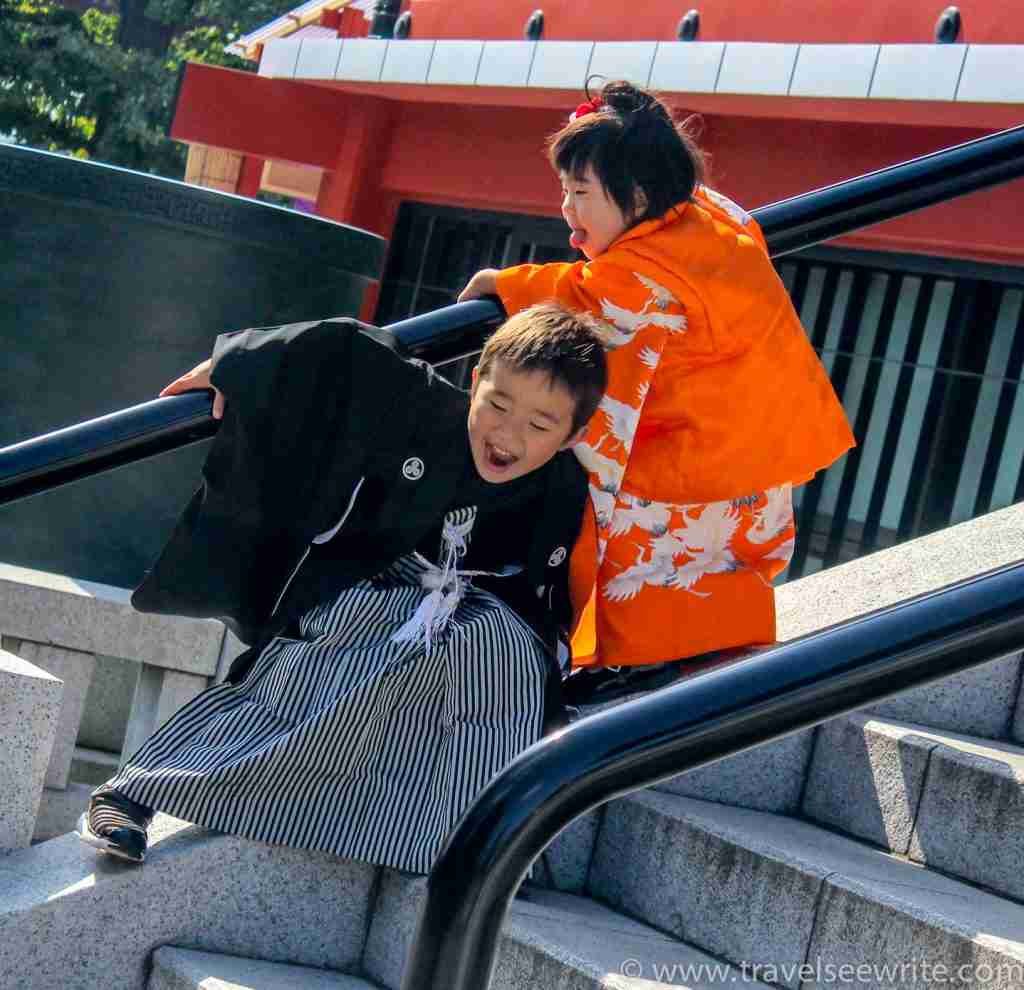
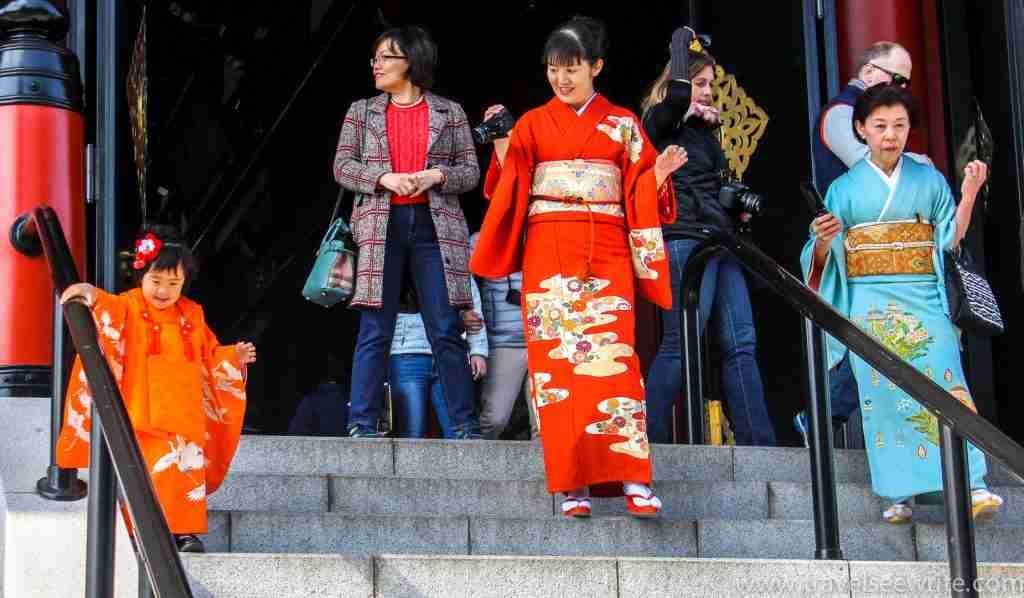
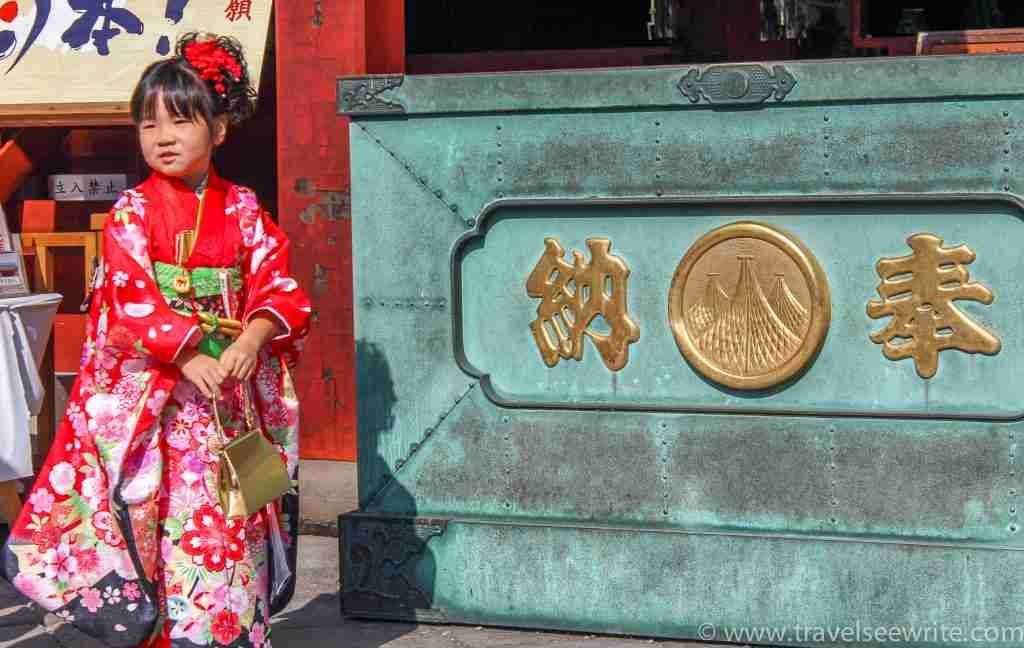
We spent some time visiting other shrines like Gojūnoto (5-Story Pagoda allegedly containing some of the ashes of the Buddha), Asakusa Jinja (a Shinto shrine devoted to protecting the Buddhist temple in a typically Japanese arrangement) and Chingodo Shrine (dedicated to the Japanese raccoon god tanuki).
After our spiritual tour, it was time to see the cultural side of Asakusa, Tokyo. Our next pit stop was Rokku Entertainment District. It used to be Tokyo’s leading entertainment district before the war, hosting Japan’s first cinema and more. However, the district has not regained its former popularity after the war. Today, Rokku offers attractions such as Rakugo theaters, cinemas, and Pachinko Parlors. Most of the visitors are elderly Japanese because they have money, time and interest. But my eyes were searching for Kabuki and Geishas, which were nowhere to be seen.

We were passing through areas, which had everything from Department stores to traditional Japanese Houses to animal and bird cafes. The place for which Elena was super excited was Kappabashi-Dori, the kitchen capital of Tokyo. Kappabashi is a one-kilometer-long street lined by shops selling amazing kitchenware items priced at attractive prices. This is the wholesale market from where Japan buys its kitchenware and Fake food Samples along with other essential items. Wish I had enough cash and luggage space!


Our two hour Asakusa Tour ended at the Kappabashi-Dori market. This walk had stoked my interest in knowing Japanese culture more. Sensing my interest Elena advised me to take the Sumida River cruise to Hama-Riku Garden to attend a tea-house ceremony and watch a Kabuki Theater. These were experiences beyond words, which I’ll share in my next post.


Hope you enjoyed virtually exploring Asakusa, Tokyo with me.
If you are planning to visit Asakusa do try out Context Travel. They will show you areas which even locals might not be able to.
Have you been to Japan? I would love to know your thoughts.
Here is my first-hand experience of staying at a Capsule Hotel in Tokyo for the very first time:

The famous Tokyo Skytree and Asakusa are just 20 minutes away from the capsule hotel
Oak Hostel Cabin Mixed Dormitory Capsule, Tokyo, Japan

Lounge Area of Oak Cabin Hostel, Tokyo

Common Kitchen Area, Oak Hostel cabin

Mixed Bathroom and Laundry Area, 5th Floor, Oak Hostel Cabin, Tokyo

The lounge area of the capsule hotel – Oak Hostel Cabin, Tokyo
My first Experience of Staying at a Capsule Hotel in Tokyo was wonderful and I would recommend this quirky different style of living to anyone who likes to experiment.
Looking for more options? Do check out Where to stay in Tokyo.
Have you ever stayed at such a quirky place? I would love to hear from you.
If you want to read some more really cool stories about Japan, don’t forget to read
When and where to see Cherry Blossoms in Japan
Offbeat Japan: Discovering the offbeat Autumn beauty of Hokkaido
Open Season is the best time to visit Japan
My first Experience of Staying at a Capsule Hotel in Tokyo
Get a peek into the forgotten side of Asakusa, Tokyo
A step-by-step guide for multi-visit Japan Visa
Have you been to Japan? I would love to know your thoughts.
Inspired? Pin these to your Pinterest boards |
||
|
|
|
Updated – February 2024
When I close my eyes and imagine the quintessential autumn scene, my mind drifts to the vibrant colours of Hokkaido’s foliage. It’s a place where nature paints its masterpiece with fiery reds, golden yellows, and burnt oranges, transforming the landscape into a breathtaking canvas of fall beauty. Join me on a journey as we discover the best places to visit in Hokkaido during this magical season. But first, let’s rewind and go back to my original thoughts that led me to Hokkaido, Japan, during Autumn.
Cruising through the placid waters of Lake Toya ko in Hokkaido, Japan, on a cloudy day in October, I had finally made peace with my waging mind. Just a few weeks back, I was losing my sleep over finding answers to questions which should have been left unanswered. Fed up with my situation, I was contemplating taking antidepressants and sleeping pills, but my cure was somewhere hidden in the wide-open spaces of Hokkaido, Japan. I had not even heard about Hokkaido a month ago, and here I was, exploring the best places to visit in Hokkaido during autumn.

As a lone passenger when I alighted from the Cruise at the floating islands of Nakajima, I didn’t know I would not only be left spellbound by the beauty of the tropical-blue caldera lake of Toya but it would also bring quietude and peace to my life. I sat on the shore, marvelling at the fantastic art gallery of nature.
Perhaps the uninhabited island was expecting me, and that’s why it was all decked up in the pretty autumn colours of red, orange and yellow, with streaks of green and brown thrown in between. Maple leaves were busy teasing the sometimes-gentle-sometimes-rough waves. The wild berries of tall mystical pine trees held the water droplets by the edge. The bright red Shrine gate was keeping a strict eye on everyone.


Nobody seemed to be in a hurry. Neither nature nor me. I was in a state of stillness, not bothered to click selfies when I heard a voice whisper in my ears,
Welcome home, Honey. You took long to arrive. Let’s have a chat. Why do you get hurt when people leave? Look at me. I have been all alone all my life. People come and go. Each person has a specific role in your life. Why do you want to hold on when they are gone? Do I run after others? No. So stop chasing. Make yourself so enigmatic that others run after you.

Yes, it was that simple. But complicating the simple comes naturally to homo sapiens. It was time to simplify. The enormous Lake Toya, which stretched flat and smooth and blue all the way to the edge of the grey sky, had healed me. Probably, the secret conversation between the lake and me was heard by the seagulls, too. They were all celebrating my happiness by flapping their wings around me.
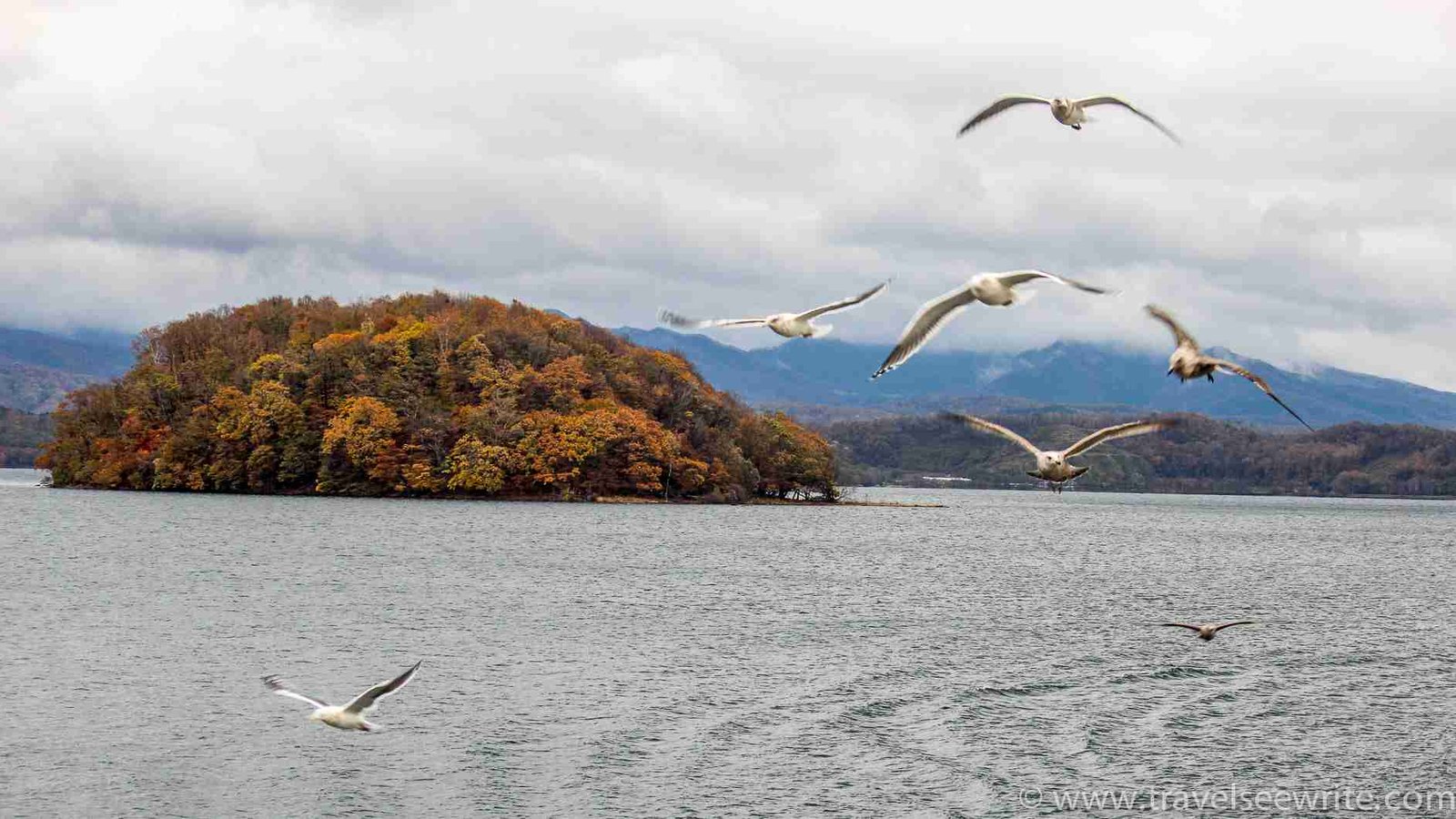
Why did I choose Hokkaido for my next destination in Asia? This question lingered as I embarked on a slightly long prelude to why Hokkaido in Autumn should be your next destination in Asia. But how did I visit the most offbeat part of Japan and not make the famous Tokyo-Kyoto-Osaka trail? The credit goes to the most potent tool of marketing, word-of-mouth. My friend had visited Hokkaido in May and shared the offbeat charm of the northernmost island of Japan. Being an offbeat traveller, it resonated with me immediately. Then, the icing on the cake was Lonely Planet, naming Hokkaido as the top destination in Asia. Another reason for choosing Hokkaido was to witness the amazing kaleidoscope of Autumn Colours, which starts in the mountains of Hokkaido in September and descends to the central and southern parts of Japan until November. I wanted to travel along with the Autumn leaves. And I actually did 🙂

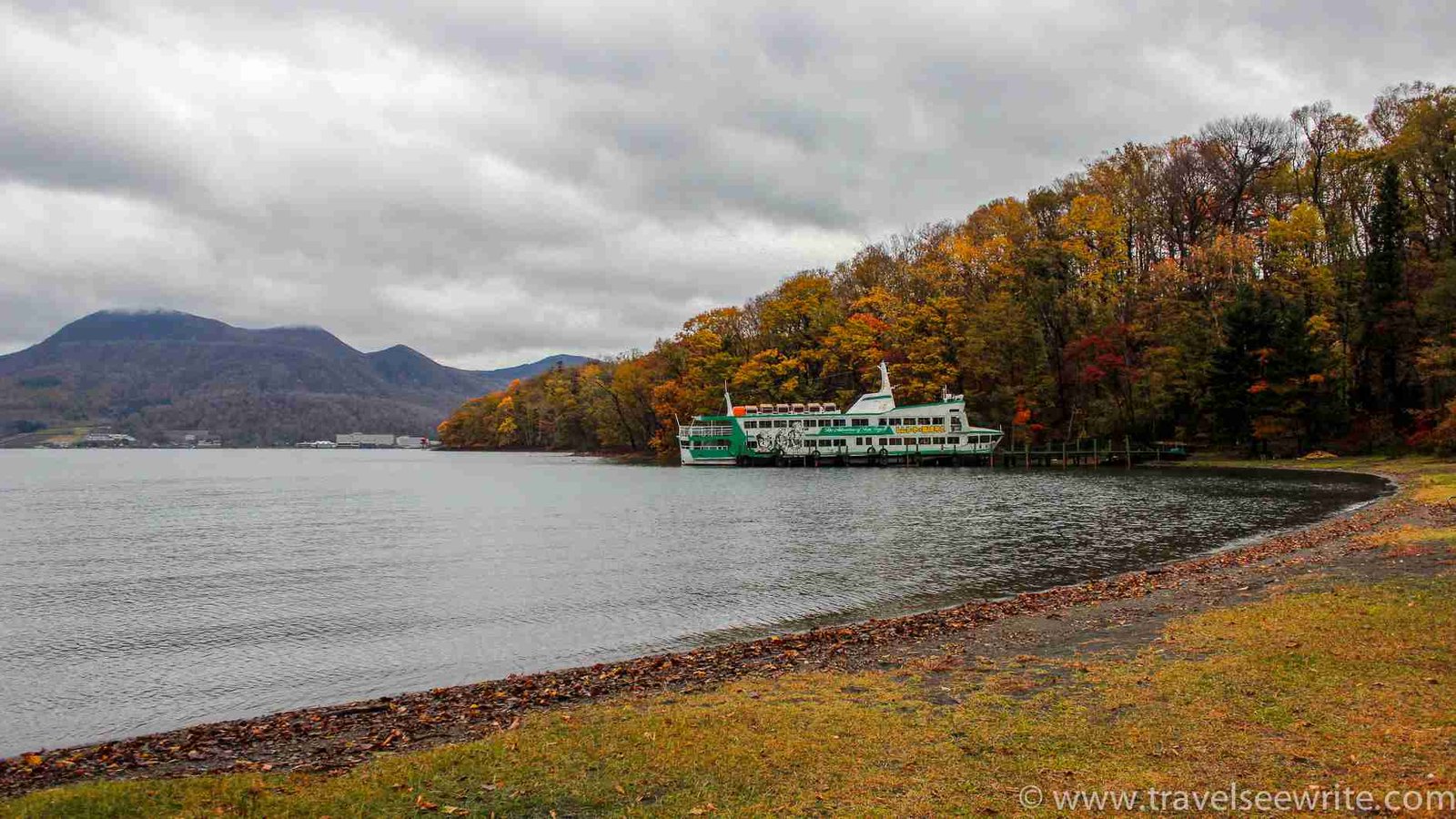
While Hokkaido is known for its natural beauty and outdoor adventures, its charming cities and cultural attractions captivated me. From exploring Sapporo’s vibrant food scene to discovering the historical treasures of Hokkaido and Otaru, the island’s diverse attractions ensured there’s something new at every place I visited.
Hokkaido’s culinary delights further enhanced my experience, with its renowned seafood, hearty soups, and delectable Hokkaido pumpkins enticing visitors to indulge in the region’s gastronomic offerings.
Lastly, Hokkaido worked out to be most economical as compared to other regions. With options ranging from budget-friendly Ryokans to affordable cruises, I didn’t break my bank to explore Hokkaido during autumn.
October in Hokkaido offers a treasure trove of experiences, with many attractions and activities to enjoy amidst the breathtaking autumn landscape. Here are some of the best places to visit in Hokkaido during autumn:
These are just a few of the best places to visit in Hokkaido during autumn, each offering unique experiences and opportunities to immerse yourself in the beauty of the season. I would highly recommend visiting Eastern Hokkaido in Autumn, too.
Summers (June to Aug): Perfect time if you want to hike Mt. Fuji or other peaks or visit the national parks for flowering season
Autumn (September-November): This is the best time to catch the fall colours that travel from top to bottom of Japan
Winters (Dec-March): Best time for Skiing and winter sports. Also, snow festival happens during this period.
Spring (Mid-March –Mid-April): The most famous season to see Sakura (cherry blossom) that starts from bottom to top

I decided to follow the autumn leave path. I spent seven days chasing the fall colours in Hokkaido and seven days in Honsu.

Day 1: Manila to Tokyo to Sapporo
Day 2: Local sightseeing in Sapporo
Day 3: Day tour to Jozankei from Sapporo
Day 4: Day tour to Yoichi and Otaru
Day 5: Lake Toya & Noboribetsu
Day 6: Noboribetsu and Hakodate
Day 7: Travel to Hakodate and local sightseeing
Day 8: Local sightseeing in Hakodate and travel to Sendai
Day 9: Sendai to Matsushima to Sendai
Day 10: Sendia to Nikko
Day 11: Niko local sightseeing
Day 12: Nikko to Kawaguchiko (Mt. Fuji) via Tokyo
Day 13: Kawaguchiko and Tokyo
Day 14: Tokyo sightseeing
Day 15: Kamakura to Tokyo to Manila
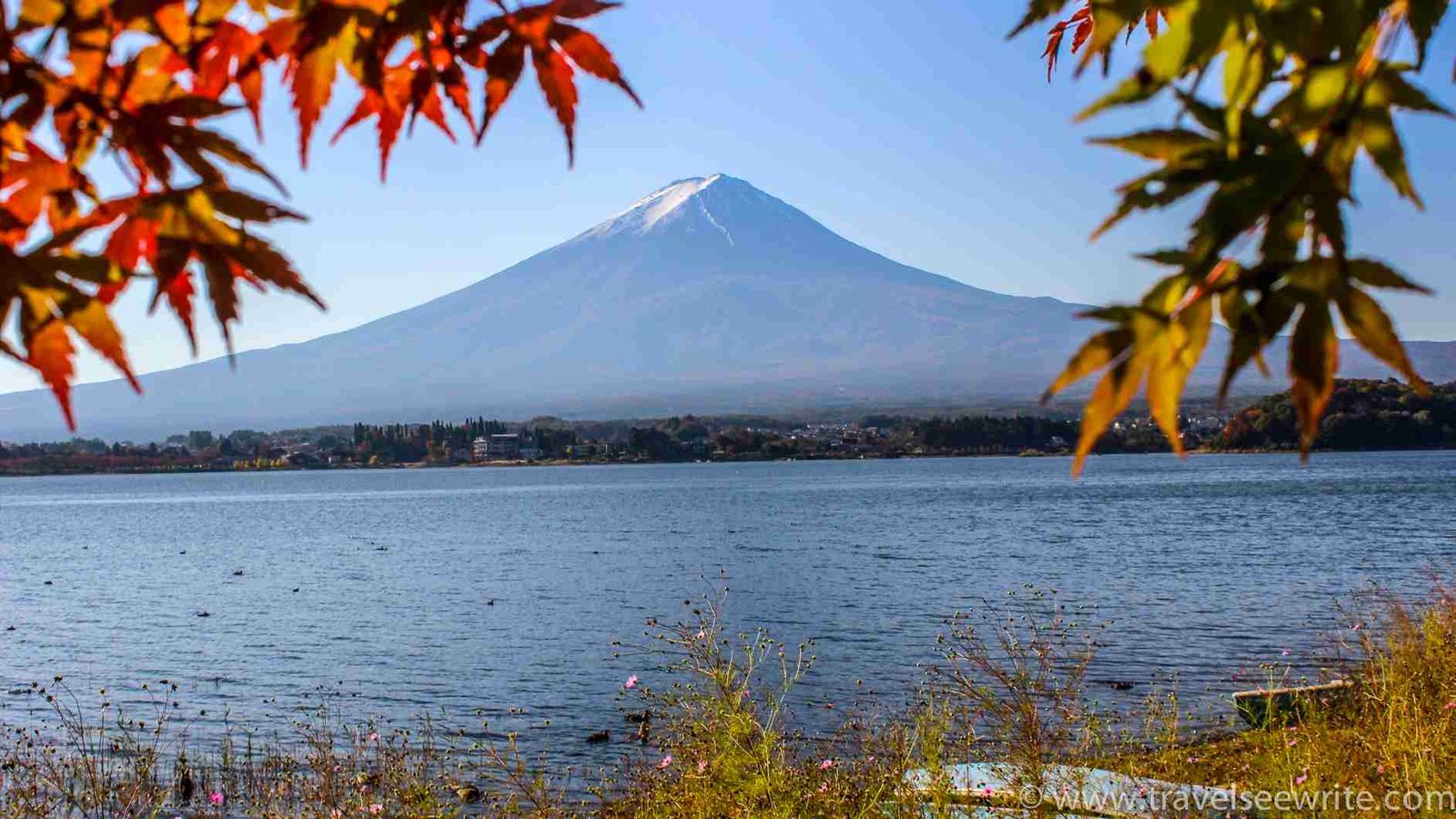
Japan is a haven for public transport. It can’t get better than here. Everything runs on time, is convenient and well organised. But quality comes at a price, so transportation is incredibly expensive in Japan. The bulk of my expenses were on transportation.

So this was the experience of Offbeat Japan – Discovering the Autumn beauty of Hokkaido. Hope this post inspires you to plan your trip to the land of vast spaces and incredible beauty soon.
Before I end the post, let me share some interesting facts which can earn you brownie points in front of others 😛


Facts About Japan – Land of the Rising Sun
10 Reasons to Visit Hokkaido: From Ainu Culture to Winter Wonders, Your Ultimate Guide
A Chinese couple was recently caught stealing a Japanese toilet seat from a hotel. Others spend billions of dollars on purchasing them. A survey done by a Japanese Broadcasting Station revealed it’s not the Shinkansen, Sakura, Ramen, Samurai, Onsen, Capsule hotel, Fake food, 100 Yen shop or even Sushi which thrills the tourists most. They are all unique to Japan but the number one answer is the Japanese Toilet Seat. If you have never been to the land of the rising sun or have no idea about interesting facts about Japan, you would be wondering why a Japanese toilet seat is so fascinating to Tourists.
The reason is simple – Japan made poop action cool. The act of excretion is largely the same across the world. We either sit on an elevated throne or squat above a hole. We either use toilet paper or use water. But in Japan, a wonder seat called the bidet toilet seat has transformed the mundane act of excretion into a technologically enhanced sensorial pleasure.

A bidet toilet seat or simply put a multifunctional toilet seat was invented in America but has been perfected in Japan. Commonly referred to as a Washlet, it can do wonders – open the toilet lid automatically, play music, deodorise, sterilise, wash the exact spot you want with the exact water pressure and temperature you like, blow dry, massage and automatically flush, among a lot of other exciting features. The standout feature for me was the heated seat. Imagine putting your warm butt on a warm seat and not on an iceberg seat that gives you a jolting chill shock!

But this invention didn’t come out of thin air. A company called TOTO monitored hundreds of people to see their sitting position, how they used the toilet seat, what temperature they felt comfortable at, and so on. TOTO’s hard work in the toilet got the cash registers ringing. Today, 70% of the Japanese have a washlet vs. 30% have a dishwasher. Clearly, washing bottoms is more important to the Japanese than washing kitchenware! I, too, would have done the same if I were living here.
If the Japanese think of giving special treatment to washing bottoms, how can the rest of our body be treated any less? I am sure some Japanese guy in ancient times might have visited heaven to come up with an idea of Onsen. Imagine looking at an endless turquoise-blue lake bejewelled with islets dressed in bright autumn leaves. You are enjoying the view not from a living room but from an outdoor bath, soaked in miraculous hot spring water while snowflakes are falling on your head. Sounds dreamy, right? Well, this dream does come true in Japan. This is experience talking 🙂

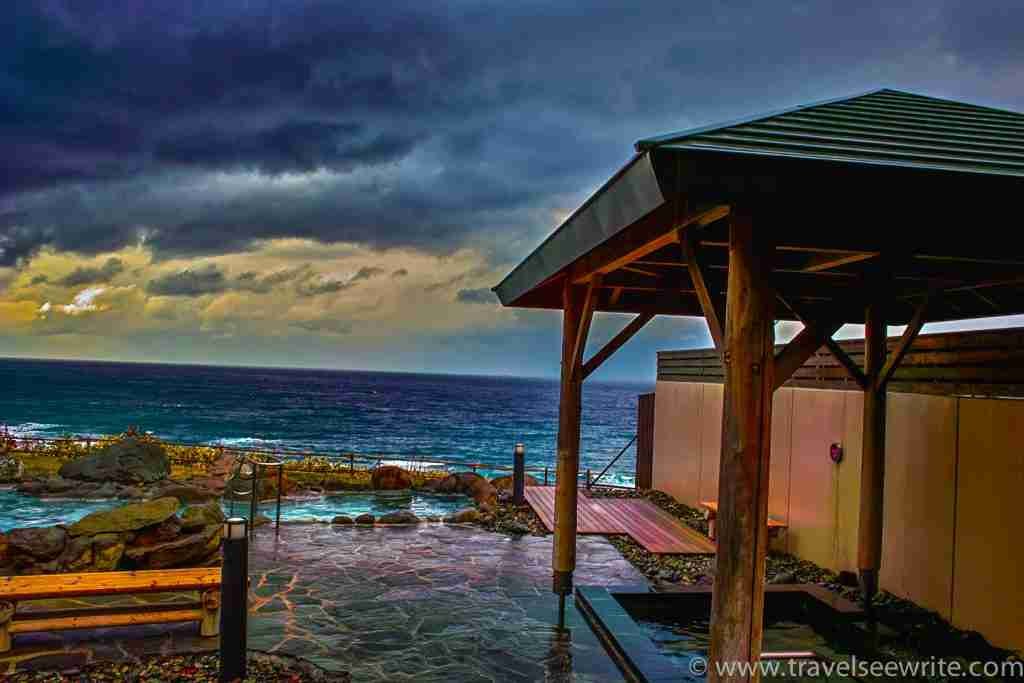
I was hesitant to try this magic therapy of healing plus rejuvenation plus pleasure for the first time, but once I tried, I couldn’t stop myself from enjoying it every day. Hot spring culture is not new to the world. Almost every country has it. But the Onsen experience is unique because you have to follow public bath etiquette and have to be completely naked in front of others. Shocked? You do feel hesitant and nervous for the first time, but trust me, it’s like making love. Once you do it for the first time, you can’t stop yourself from surrendering to the pleasure. Every day, I would walk for miles, get tired and end my day enjoying Onsen therapy for hours. Nirvana!

Though I visited a dozen onsens, each was unique in itself, and the Noboribetsu Onsen stood out for me. It is Japan’s leading onsen village and is known as “the department store of hot springs” because of nine different kinds of hot springs well up here. It is a one-street village with hot spring hotels on both sides. If you visit Noboribetsu, definitely experience the onsen at Daiichi Takimotokan Hotel, which has 20 different hot spring baths located both indoors and outdoors with an amazing view of the Hell Valley.


But before you get into an onsen, make sure you know and follow Onsen etiquette. Here is an infographic for your better understanding

Once you come out of the Onsen, you feel refreshed and warm. Even an insomniac would sleep like a baby after the onsen experience. I know because I am one.
So, do you think the reason for visiting Japan for its toilet and bath culture is valid enough, or do I need to tell you more unique things about Japan?
Do keep a tab on this space to learn more interesting things about my favourite country in the world – Japan.
Also, Japan has become more open to accepting foreigners lately, and I have seen many expats make it their base.
If you want to read some more really cool stories about Japan, don’t forget to read:
10 Reasons to Visit Hokkaido: From Ainu Culture to Winter Wonders, Your Ultimate Guide
Resilience and Renewal: The Survival Story of Japan’s Indigenous Ainu People
When and where to see Cherry Blossoms in Japan
Offbeat Japan: Discovering the offbeat Autumn beauty of Hokkaido
Open Season is the best time to visit Japan
My first Experience of Staying at a Capsule Hotel in Tokyo
Get a peek into the forgotten side of Asakusa, Tokyo
A step-by-step guide for multi-visit Japan Visa
Have you been to Japan? I would love to know your thoughts.
Inspired? Pin these to your Pinterest boards. | ||
| | |
I have explored Spain, Kenya, Sri Lanka, and Switzerland with Travel See Write. Every experience was customised as per my family’s requirements, and each trip was fully customised.
Vaibbhav Sud
Delhi
I travelled with my family to Finland using Travel See Write. The team went above and beyond to make our stay enjoyable. They were even available at 3 am for services beyond their usual duties. ”
Gautam Kriplani
Jakarta, Indonesia
This is not a typical luxury travel agency — this is travel with soul. They take care of the minutest details and customise the tiniest things for us. I have travelled with them to Japan, Finland, Costa Rica, Russia and the Philippines.
Vineet Nanda
Delhi
I have explored Spain, Kenya, Sri Lanka, and Mongolia with Travel See Write. Every experience was customised for my family, and each trip was special
Sunil Sharma
Delhi
This is not a typical luxury travel agency — this is travel with soul. They take care of the minutest details and customise the tiniest things for us. I have travelled with them to Japan, Finland, Costa Rica, Russia and the Philippines.
Aman
Mumbai

Lorem Ipsum is simply dummy text of the printing and typesetting industry. Lorem Ipsum has been the industry's standard dummy text ever since
Luxury travel should feel seamless from start to finish.

Begin with our online form. We then connect for a detailed conversation
No booking fees. Ever.
We fine-tune your bespoke itinerary until it feels perfect.
With confidence, care, and 24/7 on-ground support throughout your journey.