
Arctic or Antarctica? Which Polar Trip Is Right for You (From Someone Who Has Done Both)
Last updated: October 2026
I have done both. I took the polar plunge in the Arctic in September 2024, and that November I sailed to Antarctica on the World Explorer with Quark Expeditions. The two places are both white and both cold. And yet they are almost opposites.
Arctic or Antarctica? It is the polar question for Indian travellers, and the honest answer is that it depends on what you want to see, how much time and money you have and how much you care about the people who live there. Here is how I would choose, having done both.
In this guide you will find a plain comparison, the seasons, the cost in rupees, the visa position and a quick quiz at the end.
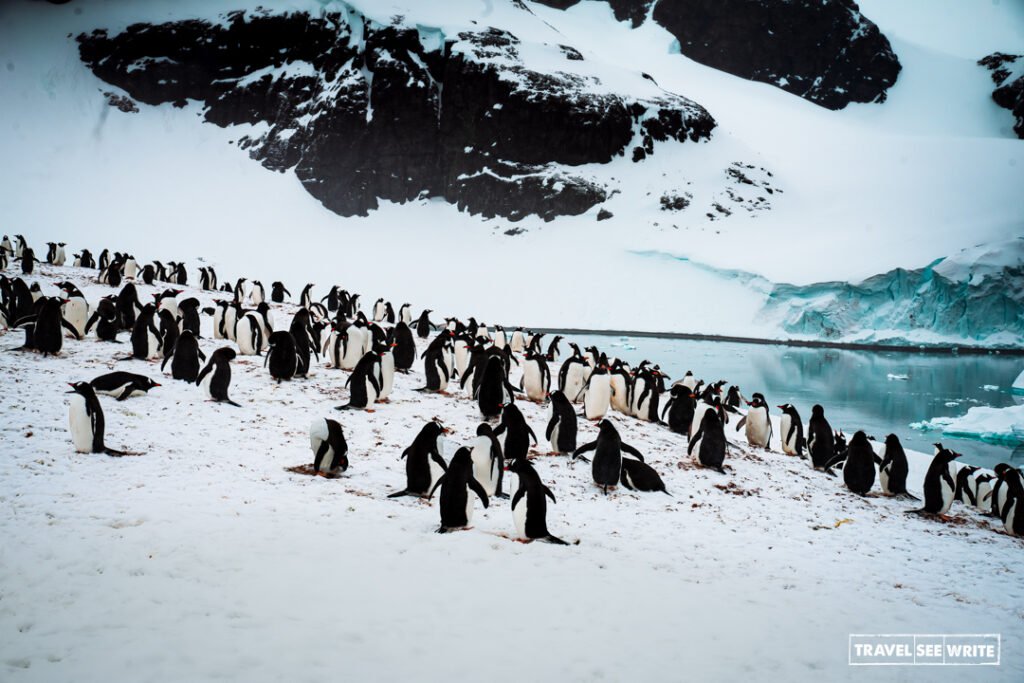
The big difference in one line
The Arctic is an ocean surrounded by land, with people living in it. Antarctica is a land surrounded by ocean, with no permanent residents. That one fact explains most of the rest.
Arctic vs Antarctica at a glance
- Wildlife: the Arctic has polar bears, walruses, reindeer, Arctic foxes and seabirds. Antarctica has penguins, seals, whales and seabirds. There are no polar bears in Antarctica and no penguins in the Arctic.
- People: the Arctic has Inuit and other Indigenous communities and towns. Antarctica has only research stations.
- Season: the Arctic has summer cruises, winter aurora trips and winter sports. Antarctica’s season runs roughly from November to March.
- Getting there: for the Arctic, you fly to places such as Svalbard or Greenland. For Antarctica, you usually sail from Ushuaia in Argentina across the Drake Passage.
- Time: an Antarctic expedition is usually at least 10 days door to door, once you add the flights.
- Visas for Indians: the Arctic usually means a Norwegian (Schengen) or Danish visa. Antarctica means passing through Argentina or Chile.
Antarctica: what it is really like
My Antarctica trip was 11 days on the World Explorer with Quark Expeditions. We sailed from Ushuaia, crossed the Drake Passage, and then spent several days on landings and zodiac cruises along the Antarctic Peninsula, at places such as Cuverville Island, Danco Island and Paradise Harbour. We saw gentoo penguins and leopard seals, and plenty of icebergs.
Antarctica has a heavy stillness. There are no cities, no cars and no traffic noise.
The Drake Passage is the price of admission. Modern ships are well equipped, but you should be prepared for seasickness. You can read the whole story and costs in my Antarctica trip cost from India guide.
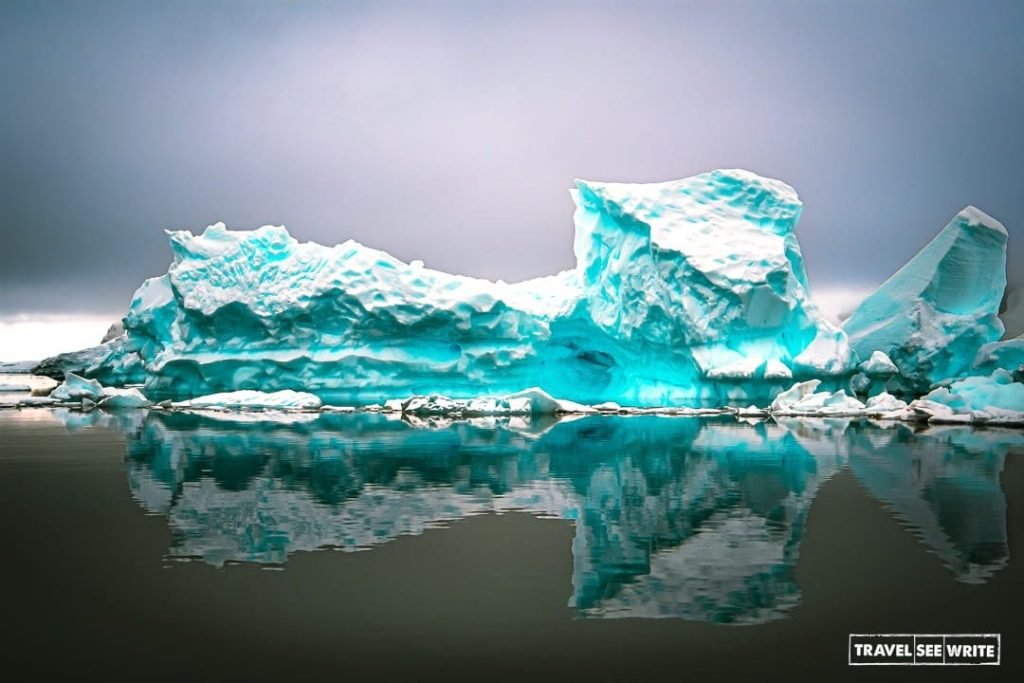
The Arctic: what it is really like
The Arctic is not one place. It is Svalbard, with polar bears and glaciers. It is Greenland, with icebergs, fjords and Inuit villages. It is also northern Norway, Finland and Iceland, where the northern lights draw visitors every winter.
I have been to East Greenland, and I wrote about the Sermilik fjords in a Greenland travel guide. It is a place where people live with the ice and watch it change, which is something Antarctica cannot show you.

Which one costs more?
Both are expensive, and both vary widely. As a guide:
- Antarctica: most expedition cruises I found cost between about US$6,000 and US$15,000 per person for roughly 10 to 11 days, before flights. In my own guide I explain that a basic trip starts around US$7,000, and about US$10,000 is a realistic average for a decent trip. Luxury and longer itineraries cost far more.
- Arctic: it depends on the trip. A short winter trip to Svalbard can cost a few thousand dollars per person, and an expedition cruise costs more. You can see the Arctic for less than Antarctica, but you can also spend as much.
Add international flights, which for both usually involve a connection from India, and visa costs. Prices change, so always get a current quote.
Which one is harder?
Antarctica is harder to reach, because of the Drake Passage and the long flight to Ushuaia. The Arctic offers more options: day trips, short stays and cruises. If you want a gentle first polar trip, the Arctic is easier to build around your life.
Visas and paperwork for Indians
- Antarctica: you need whatever visa Argentina or Chile requires. Indians with a valid US visa can currently enter Argentina without a separate visa, and otherwise need a consular visa. Chile generally requires a visa. Check with the embassies. See our guide to Argentina tour packages from India.
- Svalbard: plan on a Norwegian (Schengen) visa. See Svalbard from India.
- Greenland: you need to apply for permission to enter Greenland specifically, through the Danish embassy. See Greenland from India.
How long do you need?
- Antarctica: plan on at least 10 to 11 days from Ushuaia, as on my own trip, plus travel days to reach Argentina from India. Longer itineraries add the Falkland Islands and South Georgia.
- Svalbard: an expedition cruise is usually about a week, and a land-based winter stay can be four to five days.
- Greenland: allow a week or more, since towns are far apart and weather can delay flights and boats.
What to pack for the poles
The packing list is similar for both. Dress in layers and keep your base layer dry.
- Waterproof, insulated trousers and a waterproof jacket
- Inner thermals and warm mid-layers
- Glove liners, warm gloves and hand and foot warmers
- Waterproof boots with good grip, and ship-provided boots where offered
- Sunglasses and sunscreen, because the glare off snow and ice is strong
- Motion-sickness remedies, especially for the Drake Passage
The sustainability question
Both places are fragile, and tourism leaves a footprint. Choose operators that follow the guidelines of IAATO in Antarctica, keep your distance from wildlife and go with companies that employ and benefit local people in the Arctic. Going polar is a privilege, and it comes with a responsibility to tell the truth about what is happening to the ice.
So, Arctic or Antarctica? A quick guide
- Choose Antarctica if you want penguins and whales, total silence and a trip that feels like the end of the world, and you can spare 10 to 11 days and a bigger budget.
- Choose the Arctic if you want polar bears, the northern lights, Indigenous culture, shorter trips or more flexibility.
- Choose both if you want the full picture. That is what I did, and it made each trip richer.
Common questions
Which is better for a first polar trip?
For most Indian travellers the Arctic is easier to plan, and Antarctica is the bigger bucket-list experience.
When is the best time to go to Antarctica?
The season runs roughly from November to March. November suits courtship and sea ice, December and January suit chicks, and February and March suit whales.
When is the best time to go to Svalbard?
June to August for polar bears and the midnight sun, and late September to March for the northern lights.
Can vegetarians travel to the poles?
Yes, with notice. Tell the operator when you book and again on board.
Can I see polar bears in Antarctica?
No. Polar bears live only in the Arctic.
Plan your polar trip with Travel See Write
See our Antarctica trips and our Arctic trips, or send your dates through the Plan Your Trip form.
Offbeat Places. Untold Human Stories.

leave a comment